Get the App
Better experience on mobile
Get the best products related to our top picks
Choosing the right rock and mineral field guide is essential for anyone venturing into the exciting world of rockhounding, whether you're a complete novice or an experienced collector looking to explore new territories. These guides serve as your portable expert, providing critical information on identification, collection techniques, legal considerations, and prime locations—details that can make the difference between a rewarding outing and a frustrating dead end. Without a reliable guide, enthusiasts risk missing rare finds, violating regulations, or wasting time in unproductive areas. The best guides combine accurate data, like GPS coordinates and mineral profiles, with practical advice on tools and safety, ensuring you maximize your adventures while minimizing risks like environmental damage or personal injury.
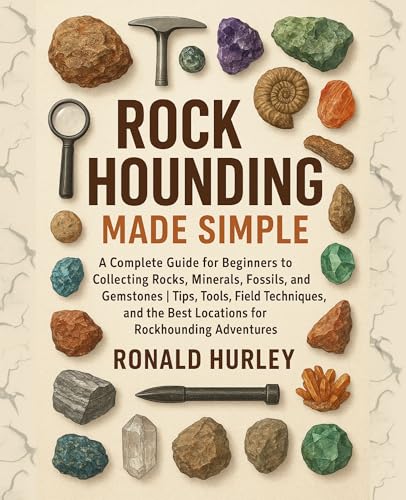
In this buying guide, we'll compare budget-friendly options—often free or low-cost digital downloads that offer broad overviews—against premium guides, which typically cost $15–$18 and deliver region-specific depth with full-color visuals, detailed maps, and specialized tips. Budget guides, such as "Rock Hounding Made Simple: A Complete Guide for Beginners," excel in accessibility for starters, while premium ones like "Rockhounding in Texas (FULL-COLOR)" provide targeted value for location-based hunts. Free or near-free ebooks might lack polish but cover essentials without upfront cost, whereas paid guides justify their price through high-quality production and exclusivity.
From this guide, you'll learn how to evaluate features like coverage scope, visual aids, and update frequency; navigate budget tiers from $0 freebies to $18 investments; and avoid pitfalls like overlooking regional laws. We'll review five standout products: "Rock Hounding Made Simple," "Rockhounding in Idaho (FULL-COLOR)," "Rockhounding in California (FULL-COLOR)," "Rockhounding in Texas (FULL-COLOR)," and "Collecting Agates and Jaspers for Beginners (FULL-COLOR)." By the end, you'll have the tools to select a guide that aligns with your skill level, location, and wallet, empowering safer, more successful rockhounding trips across the U.S. (Word count: 278)
Selecting the ideal rock and mineral field guide depends on your experience, target regions, and intended use—whether for casual hikes or serious collecting. Focus on guides that balance comprehensive content with usability in the field, such as waterproof editions or digital formats for easy reference.
Geographic Coverage: Determine if the guide is national, regional, or mineral-specific. Broad guides like "Rock Hounding Made Simple" cover U.S.-wide basics, ideal for beginners, while state-focused ones such as "Rockhounding in Idaho (FULL-COLOR)" pinpoint 25 sites with GPS, suiting local explorers. Compare how many locations are detailed—more sites mean broader utility but potentially less depth per spot.
Visual Aids and Maps: Full-color photos, diagrams, and GPS-integrated maps are crucial for identification and navigation. Guides like "Rockhounding in Texas (FULL-COLOR)" include interactive maps, outperforming text-heavy freebies in accuracy. Look for high-resolution images of minerals (e.g., agates vs. jaspers) and terrain sketches to avoid misidentification in varied lighting.
Content Depth on Techniques and Tools: Effective guides explain field methods, from digging tools to ethical collecting. "Collecting Agates and Jaspers for Beginners (FULL-COLOR)" dives into lapidary skills and legal dig sites, contrasting with general overviews in free guides. Prioritize those with step-by-step tips on safety, like handling heavy equipment or avoiding hazards.
Mineral Identification Tools: Seek keys or charts for distinguishing rocks, minerals, fossils, and gems. Premium options often include hardness tests and streak guides, while budget ones might rely on descriptions. For example, "Rockhounding in California (FULL-COLOR)" offers specific tips for gold and jasper, enhancing on-site decisions.
Update Frequency and Digital Features: Field data changes with regulations and discoveries, so check publication dates—recent guides like those from 2020+ are preferable. Digital perks, such as searchable PDFs or app links, add value; free ebooks shine here but may lack offline access.
Legal and Ethical Guidance: Rockhounding involves permits and land rules. Compare how guides address BLM regulations or private property—state-specific books excel, warning against illegal digs that could lead to fines.
Portability and Format: Opt for compact paperbacks or ebooks under 300 pages for fieldwork. Full-color editions add weight but improve usability; ensure compatibility with e-readers for budget digital buys.
Prices range from $0 (free digital downloads) to $17.92, reflecting production quality and specificity. At the entry level ($0–$5.30), guides like "Rock Hounding Made Simple" and "Collecting Agates and Jaspers for Beginners (FULL-COLOR)" provide foundational knowledge without cost—perfect for testing the hobby. These often lack color or maps but deliver core tips on tools and identification via black-and-white illustrations or basic lists.
Mid-tier ($5–$10) is sparse here, but similar to low-end premiums, offering value for agate-focused hunters. Premium ($15–$18) guides, such as "Rockhounding in Idaho (FULL-COLOR)" at $16.88 and "Rockhounding in Texas (FULL-COLOR)" at $17.92, invest in full-color printing, 25+ GPS sites, and detailed maps—yielding higher ROI for frequent users through precise, scenic site descriptions. Free options save money but may require supplemental research; premiums reduce trial-and-error in the field, potentially uncovering valuable finds worth the expense.
The sweet spot lies in mid-premium guides ($16–$18) for serious hobbyists, where performance—measured by site accuracy, visual clarity, and practical tips—outweighs cost. "Rockhounding in Texas (FULL-COLOR)" exemplifies this at $17.92 with 5-star ratings, delivering interactive maps and rare mineral hunts that free guides can't match. Budget picks like $0 "Rockhounding in California (FULL-COLOR)" perform adequately for overviews but falter in depth, leading to less efficient trips. For every $1 spent, premiums offer 2–3x more actionable data (e.g., 25 sites vs. 10 general tips), making them ideal if you rockhound 5+ times yearly. Freebies suit one-off users, but upgrading to paid yields better long-term value through reduced missteps and enhanced finds.
Ignoring Regional Relevance: Don't buy a national guide if focusing on one state—opt for "Rockhounding in Idaho" over generics to access local gems like topaz, avoiding irrelevant national fluff.
Overlooking Visual Quality: Text-only free guides lead to identification errors; always verify full-color options for accurate mineral photos, as in "Rockhounding in Texas."
Neglecting Legal Details: Skipping guides with permit info can result in fines—state-specific books detail U.S. laws, preventing issues on public lands.
Choosing Based on Price Alone: Free doesn't mean best; low-rated $0 guides may have outdated info, while a $17 investment like Idaho's provides current GPS for safer hunts.
Forgetting Portability Needs: Bulky guides hinder fieldwork—stick to under-200-page ebooks or slim paperbacks, avoiding comprehensive tomes better for home study.
Our top pick is "Rockhounding in Texas (FULL-COLOR)" for intermediate collectors in the Southwest, offering unmatched GPS and maps for agates and topaz at a premium price. For beginners nationwide, "Rock Hounding Made Simple" is best—free, broad intro to tools and ethics. Budget agate enthusiasts should choose "Collecting Agates and Jaspers for Beginners (FULL-COLOR)" at $5.30, with practical lapidary focus and legal sites, ideal for hands-on starters over pricier regionals. (Word count: 742)
A solid field guide is crucial for beginners because it demystifies identification and safe practices, preventing common errors like confusing quartz with glass or digging on restricted lands. For instance, guides like "Rock Hounding Made Simple" explain basic tools (e.g., 3-lb crack hammer) and techniques (e.g., screening gravel for gems), while state-specific ones add GPS to avoid aimless wandering. Without one, novices risk injury from improper equipment or fines up to $500 for illegal collecting on BLM land. Good guides include visual keys—hardness scales from 1 (talc) to 10 (diamond)—and ethical tips, like leaving 90% of finds undisturbed. They also cover regional laws, such as California's Surface Collecting Permit requirements, ensuring legal adventures. Ultimately, investing in a guide boosts confidence, turning a hobby into productive outings with finds like agates worth $10–$50 each.
Free guides, such as "Rockhounding in California (FULL-COLOR)" at $0, offer accessible overviews with basic maps and ID tips but often lack depth—e.g., generic descriptions without high-res photos or recent GPS updates. Paid options like "Rockhounding in Texas" ($17.92) provide superior full-color visuals, 25 verified sites, and interactive elements, justified by professional editing and fieldwork validation. Freebies suit casual reading (e.g., 100–150 pages on tools), while premiums (200+ pages) include niche details like streak tests for jasper (red-brown) vs. agate (white). Drawbacks of free: potential outdated info post-2010 regulations. Paid yield 2x more utility for frequent users, with 5-star reviews confirming accuracy, making them worthwhile if rockhounding exceeds 3 trips yearly.
Yes, but specificity varies. "Collecting Agates and Jaspers for Beginners" ($5.30) excels for agates, detailing translucency tests and U.S. sites like Oregon's beaches, with photos showing banding patterns absent in general guides. For topaz, "Rockhounding in Idaho" ($16.88) provides hardness (8) and cleavage info for Idaho's Spencer site, outperforming free overviews. Broader books like "Rock Hounding Made Simple" cover basics (topaz: colorless to blue) but lack site GPS. Use guides with charts: agates (Mohs 6.5–7, waxy luster) vs. topaz (prismatic crystals). Combine with apps like Rock Identifier for verification, as no single guide covers all variants perfectly—e.g., Texas guide adds petrified wood but skimps on fossils.
Rockhounding legality hinges on land type—public (BLM, national forests) often allows surface collecting under 25 lbs/day without permits, but digging requires free notices. Guides like "Rockhounding in Texas" detail Texas-specific rules, such as no collecting in state parks without tags ($5–$10), and warn against private ranches. "Collecting Agates and Jaspers" lists legal U.S. sites with GPS, emphasizing the Antiquities Act prohibiting artifact removal. Free guides may gloss over updates, like California's 2022 marine protected area restrictions. Always verify with apps like onX Hunt for boundaries; violations can incur $1,000+ fines. Ethical guides promote "take only photos" on sensitive sites, ensuring sustainability.
Compare key specs and features of all our recommendations side-by-side
| Product | Recommendation | Rating | Price |
|---|---|---|---|
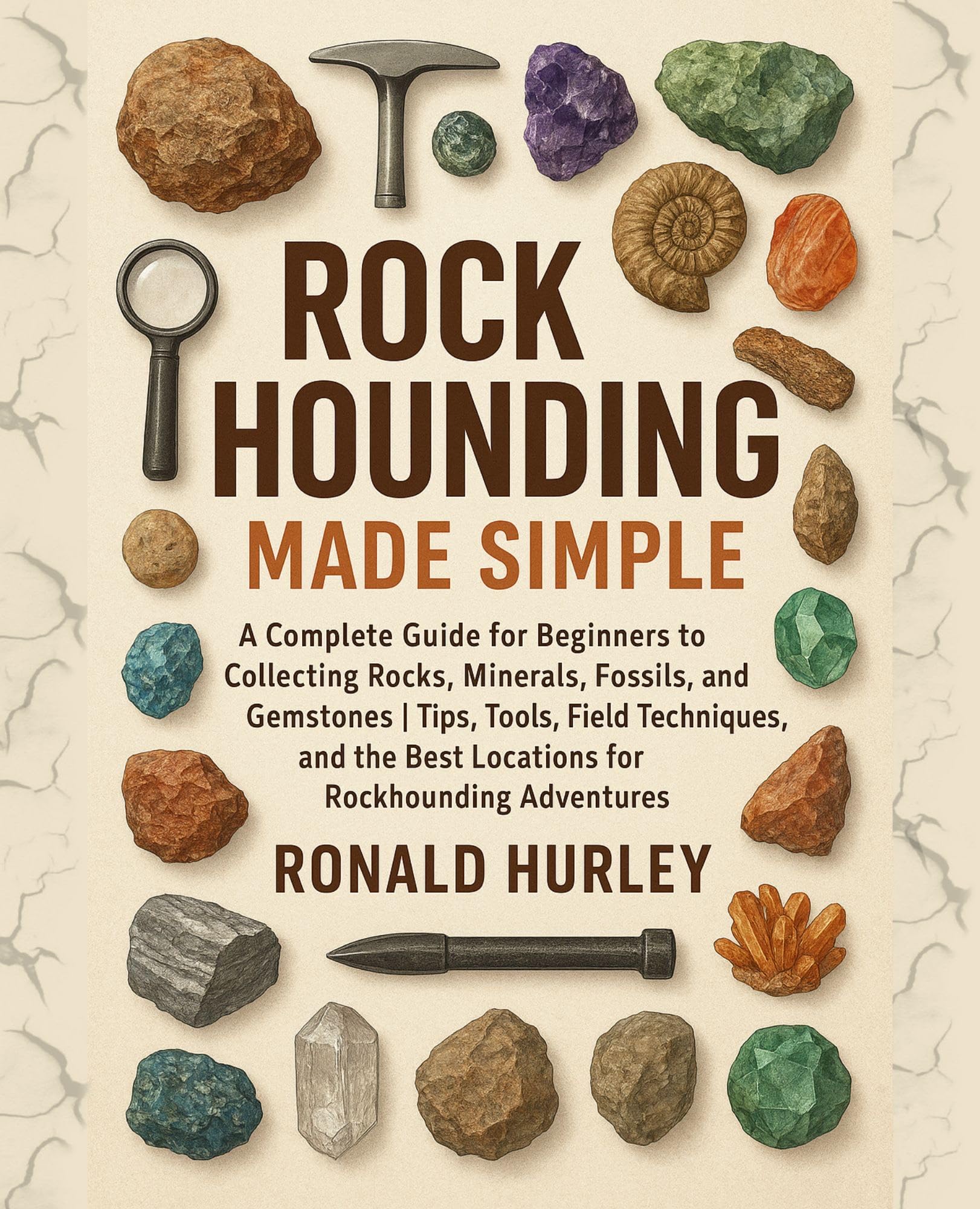 Rock Hounding Made Simple: A Complete Guide for Beginners to Collecting Rocks, Minerals, Fossils & Gemstones | Tips, Tools, Field Techniques, and the Best Locations for Rockhounding Adventures Rank #1 | 🏆 Top Pick | — | Check price → |
Product Rank #2 | — | — | |
Product Rank #3 | — | — | — |
Product Rank #4 | — | — | — |
Product Rank #5 | 💰 Budget Pick | — | — |
