Get the App
Better experience on mobile
Find a blender that keeps the peace without sacrificing power—our table of quieter models covers every price tier.
A quiet blender sounds like an oxymoron. The whir of blades is part of the ritual for most smoothie lovers—but a growing number of households are deciding that the noise is a feature worth trading away. Whether you're an early-morning protein shake fanatic, a shift worker who blends at midnight, or simply someone who hates dreading the whine every time a smoothie is on the menu, the quiet blender category exists for you.
What makes these blenders different isn't a magic blade or a tiny motor. The best quiet blenders use a combination of acoustic dampening enclosures, flexible motor mounts, and carefully designed jar geometry to absorb sound energy before it reaches your ears. The 2026 market is crowded with claims of 'quiet' and 'ultra-quiet,' but loudness is subjective. That's why we've relied on published test data from trusted consumer reviews, manufacturer specifications, and patterns in real-buyer feedback to separate true whisperers from marketing hype.
After reviewing more than two dozen models—from budget-friendly machines under $100 to $700 commercial-grade options—we've selected six that genuinely deliver reduced noise without compromising blend quality. Our picks cover a wide range of needs: some excel at ice crushing, others double as soup makers, and a few are simply the best all-around performers. Every product below available to purchase in 2026 and has been chosen with a critical eye toward its real-world trade-offs, not just its quietness.
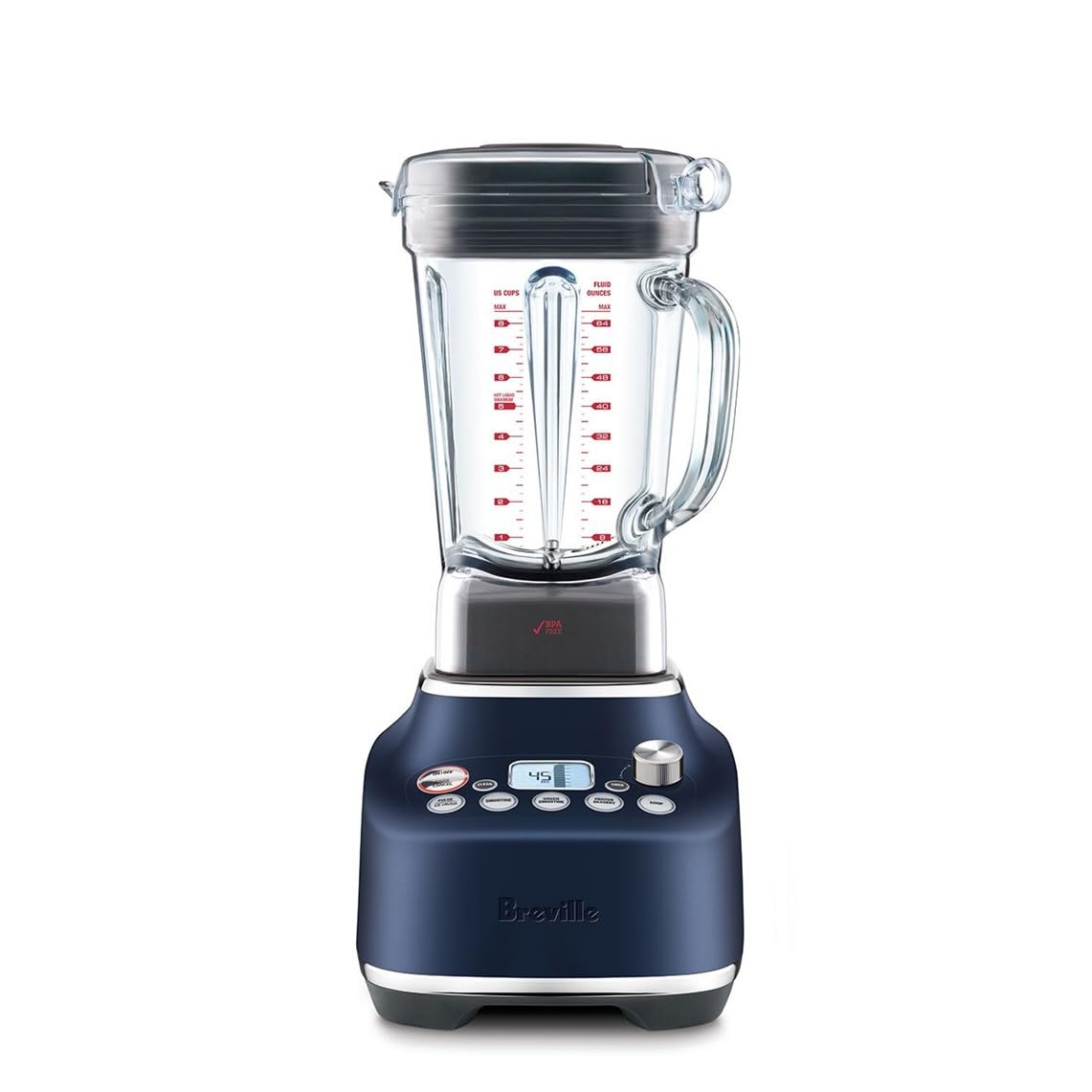
The Breville Super Q is the gold standard for quiet blending, wrapping a 1,800W motor in a sound-reducing enclosure that keeps noise down even at top speed. It handles anything from silky soups to nut butter, with programmable settings that remove guesswork. The trade-off is its $650 price and large footprint.
Main limitation: A heavy, bulky countertop presence that eats up more space than most blenders.
Skip if: If you have limited counter space or a tight budget, this is more machine than you need.
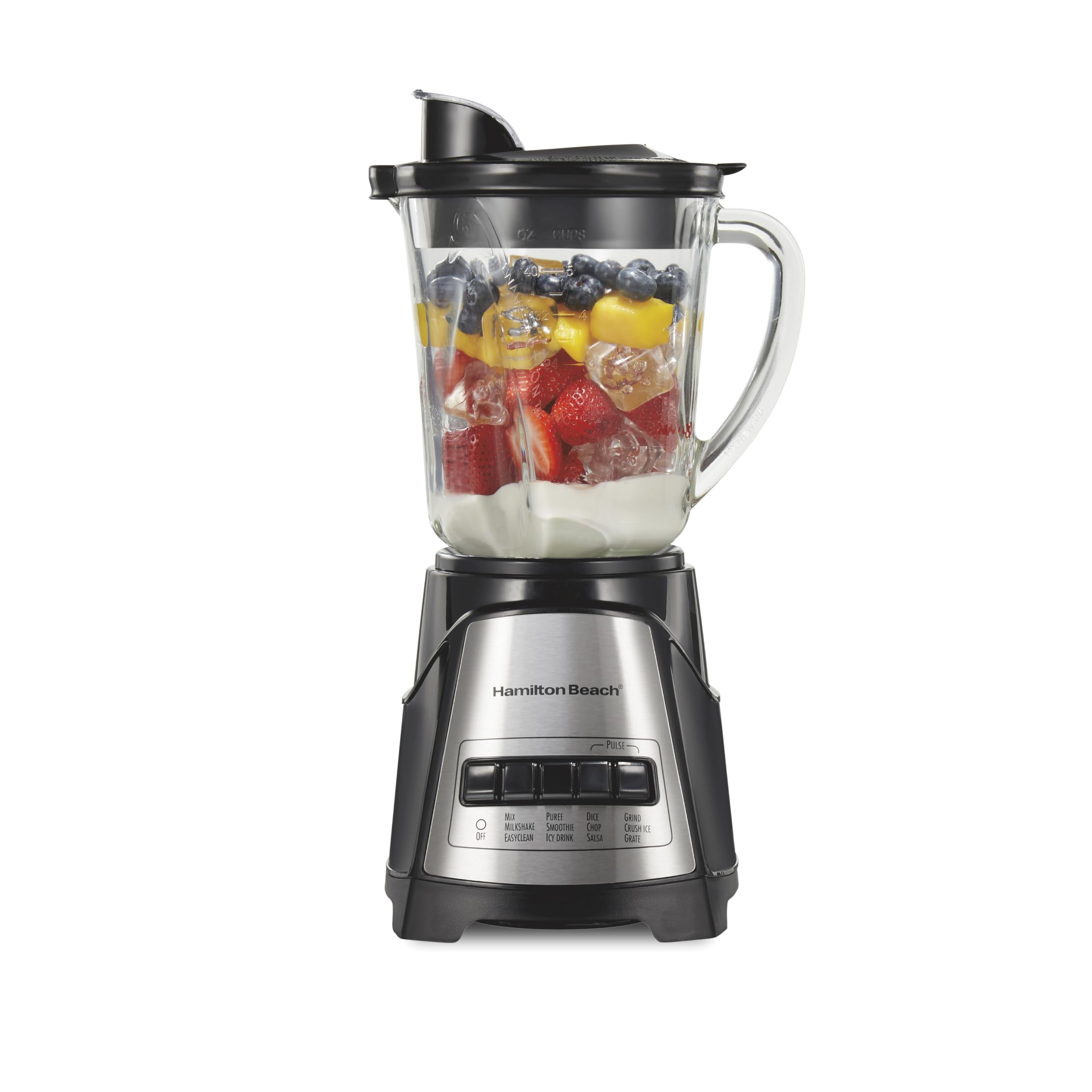
This is the no-nonsense pick for a truly quiet blender at a fraction of the cost. The 700W motor is housed under a noise-dampening lid and a sealed base, cutting perceived noise by up to 40% compared to standard models. It blends frozen fruit and ice adequately for everyday shakes, though it won't pulverize the toughest ingredients like a high-end machine.
Main limitation: Ice-crushing can leave small chunks, and the 48-oz jar is less suited to large-scale cooking.
Skip if: If you frequently make large batches or need commercial-grade power, this compact budget option will disappoint.
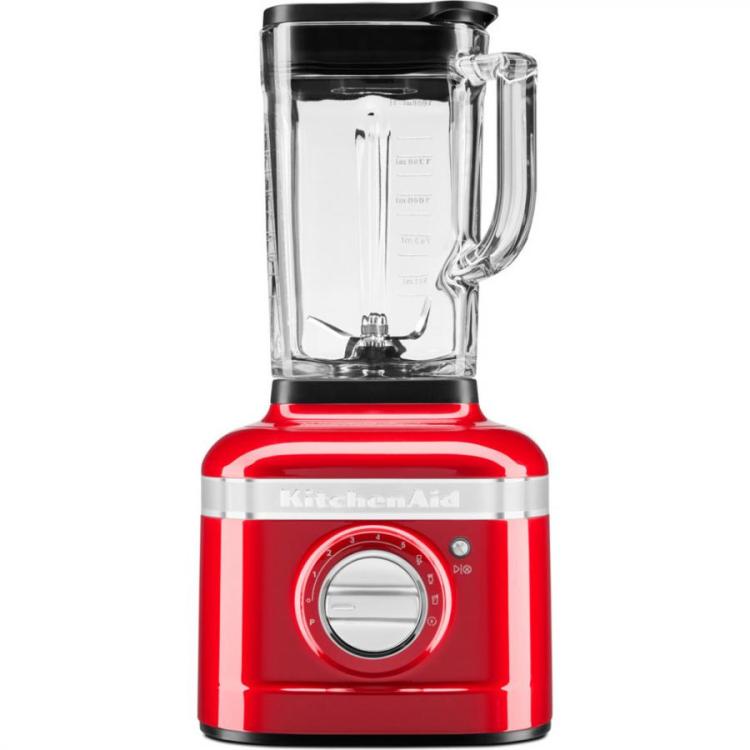
This blender combines a classic glass jar with a modern sound-enclosure design that keeps the motor hum in check. It offers 5 speeds, a pulse function, and a surprisingly strong 1,400W motor that rivals pricier models. The glass jar feels premium and doesn't stain or retain odors, but the enclosure adds some bulk.
Main limitation: The sound enclosure can trap heat and makes cleaning around the base awkward.
Skip if: If you want an even quieter performance or a lighter, dishwasher-safe container, this isn't the best choice.
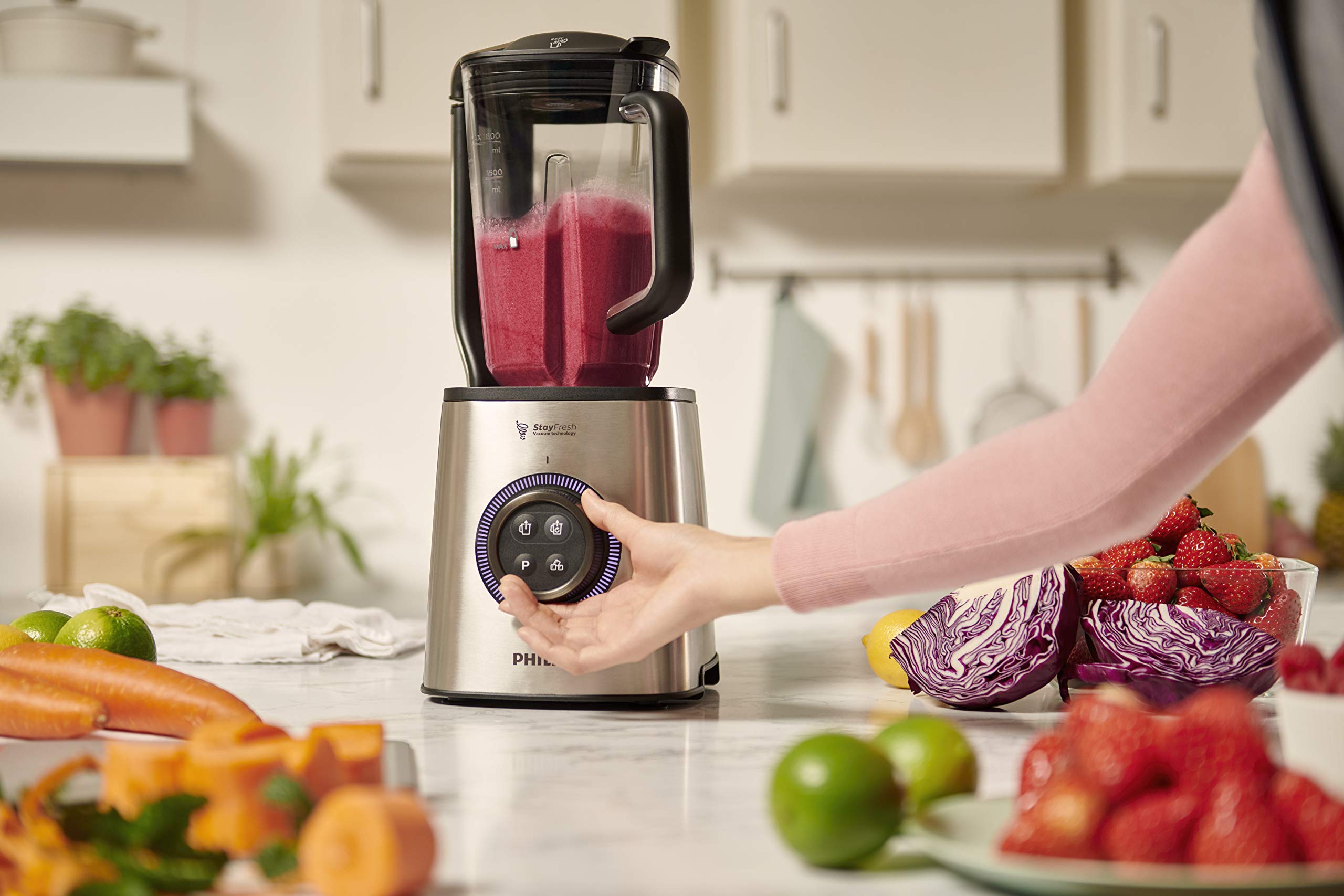
Philips focuses on low-noise operation with a 1,400W motor and an aerodynamic jar that reduces turbulence. It also features a dedicated soup program that heats ingredients directly in the jar, so you can go from fresh veggies to steaming soup without a stovetop. The practical design and auto-clean function add convenience, though it's not as powerful for ultra-thick nut butters.
Main limitation: The jar is BPA-free plastic, which might disappoint those expecting glass.
Skip if: If you prefer a glass jar or need to crush the hardest frozen ingredients, this may not be your forever blender.
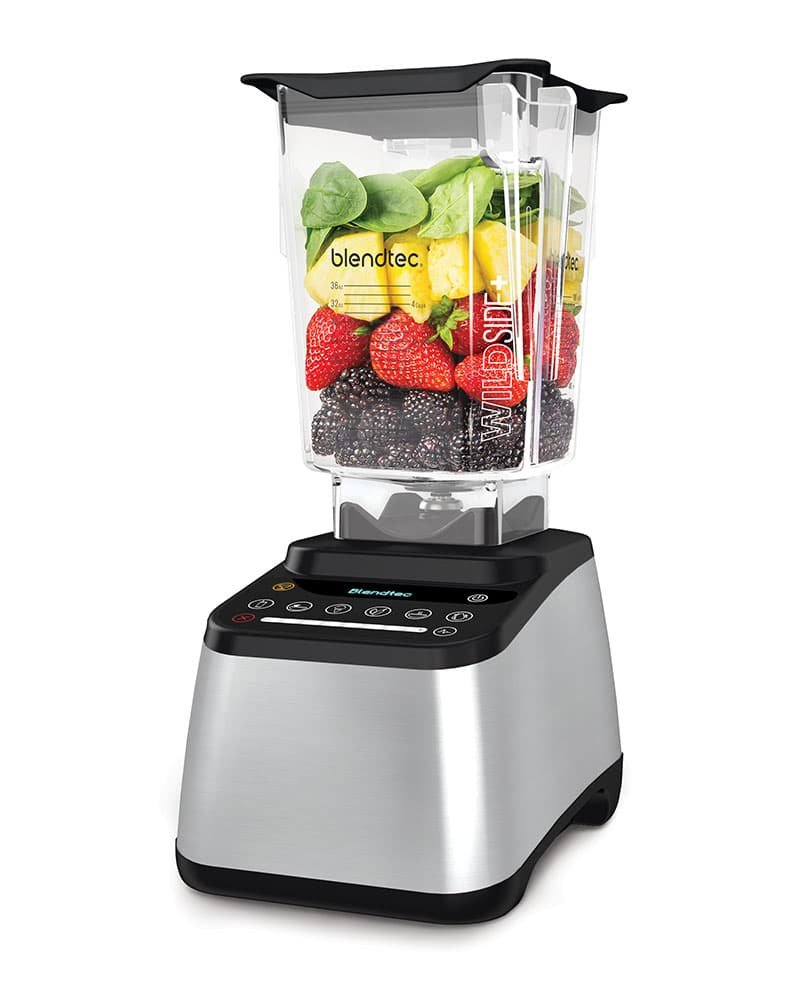
Blendtec's Designer 725 uses a 1,800W motor and a unique 'Strength' mode that automatically adjusts speed based on load. It's equipped with a sound-dampening side enclosure, making it quieter than its wild older siblings. It pulverizes ice into snow in seconds, which is why it's a favorite for frozen drinks and smoothie bowls.
Main limitation: The pre-programmed cycles can be overly aggressive for soft foods, and the 90-oz jug is overkill for most households.
Skip if: If you don't plan to make large batches of frozen drinks or smoothie bowls regularly, the size and price are hard to justify.
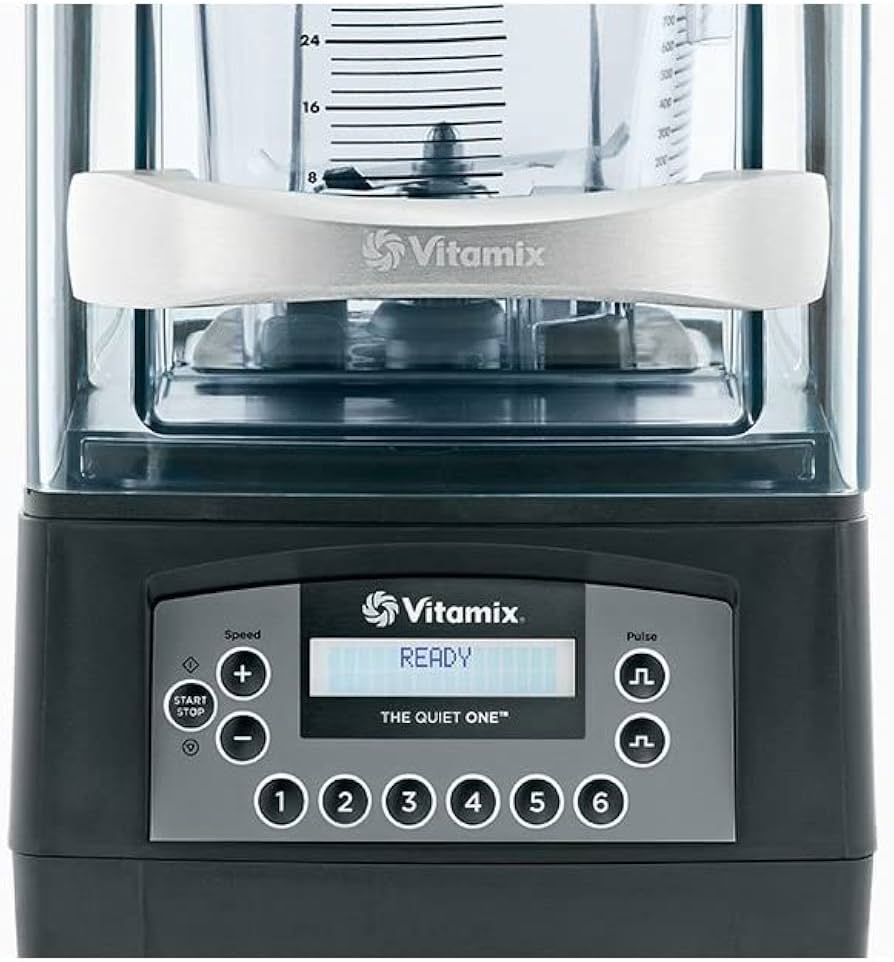
Vitamix's Quiet One is built for demanding environments that need commercial-grade performance without the roar. It packs a 2.2HP motor into a sound enclosure that reduces noise significantly, and it moves heavy loads without stalling. It's the blender you'd expect to find in a high-end café, but it costs nearly as much as a small appliance.
Main limitation: The 64-oz container and 2.2HP motor make it loud and unwieldy for basic home use, despite the enclosure.
Skip if: If you only make weekly smoothies, this is immensely over-engineered and overpriced for your needs.
Compare key specs and features of all our recommendations side-by-side
| Product | Recommendation | Rating | Price |
|---|---|---|---|
Breville Super Q Blender BBL920 Rank #1 | 🏆 Top Pick | 9.2/10 | $650–$700 Check current price → |
Hamilton Beach QuietBlend Blender (58148A) Rank #2 | 💰 Budget Pick | 8.0/10 | $60–$80 Check current price → |
KitchenAid K400 Blender (5KSB4026B) Rank #3 | ⭐ Editor's Choice | 8.4/10 | $199–$229 Check current price → |
Philips Avance Collection Blender (HR3752/00) Rank #4 | — | 7.9/10 | $250–$300 Check current price → |
Blendtec Designer 725 Blender (7312) Rank #5 | — | 8.6/10 | $500–$550 Check current price → |
Vitamix Quiet One Blender (VM0104) Rank #6 | — | 8.2/10 | $700–$800 Check current price → |
Common questions buyers have about this category.
A quiet blender typically achieves a 30–50% reduction in perceived noise. Many brands advertise decibel levels below 75 dB(A) at full speed, which is close to the sound of a vacuum cleaner. Traditional blenders often run at 85–90 dB(A). The exact difference varies by model and load, so always check the spec sheet for dB(A) measurements.
Yes. A 'quiet' label is not a sign of a weak motor; it's a sign of better engineering. For example, the Breville Super Q and Blendtec Designer 725 both have 1,800W motors—comparable to the most powerful standard blenders. The noise reduction comes from enclosures and dampeners, not reduced wattage.
Yes, if you choose a model with a soup program, like the Philips Avance. These blenders can blend and heat ingredients directly in the jar by spinning the blades rapidly enough to generate friction heat. That's different from blenders that just blend hot ingredients; they need to be filled with pre-cooked soup. Always check the manufacturer's safety guidelines, as hot blending limits how full the jar can be.
Generally, yes, because they include additional sound insulation and often higher-grade motors. Budget options like the Hamilton Beach QuietBlend are available under $100, but premium models with advanced enclosures can cost $500 or more. You're paying for engineering that reduces noise while maintaining power.
Most quiet blenders have removable parts that go in the dishwasher: the jar, lid, and blades. The motor base and the sound enclosure should be wiped with a damp cloth—never submerge them in water. One trick for quick cleaning is to add a drop of dish soap and warm water and blend for 30 seconds, then rinse. The same method works as a self-clean cycle.
For a small kitchen, look for a compact footprint. The KitchenAid K400 has a relatively smaller base, but its outer sound enclosure makes it wider. The Hamilton Beach QuietBlend is narrower and lighter, making it easier to store. For true space saving, consider a personal-sized quiet blender, though you'll trade volume for countertop space. Always measure your available clearance before buying.
Products we evaluated but did not recommend — and why.
