Get the App
Better experience on mobile
From budget-friendly models to premium powerhouses, these blenders combine silencing technology with real blending muscle.
A blender's noise level is just as important as its horsepower — the loudest models can hit 100 decibels, enough to wake the whole house and scare pets. The quietest home blenders use insulated housings, dampened motors, and strategically placed vents to cut that down to a conversation-friendly 60–70 dB. If you're blending early in the morning, after kids are in bed, or in a thin-walled apartment, a quiet blender isn't a luxury—it's a necessity.
But quietness alone isn't enough. Many budget 'quiet' blenders sacrifice grind power, leaving you with chunky smoothies and tangled blades. The best quiet blenders manage to reduce noise while still crushing ice, pulverizing frozen fruit, and turning nuts into butter. That balance between silence and substance is what separates the standouts from the also-rans.
In this roundup, we've focused on models that ship with sound-dampening technology built in—not just aftermarket enclosures—and we've weighted real-world owner feedback on durability and performance alongside decibel ratings. You'll find both budget picks and premium machines, each chosen for a specific type of user, from apartment dwellers to culinary enthusiasts. We've also considered jar materials, motor wattage, and pre-programmed settings that make daily blending easier.
Whether you're a smoothie beginner or a dedicated home chef, these six blenders represent the best options for a quieter kitchen in 2026. We've also included a buying guide and FAQs to help you match the right machine to your counter space, cooking style, and budget.
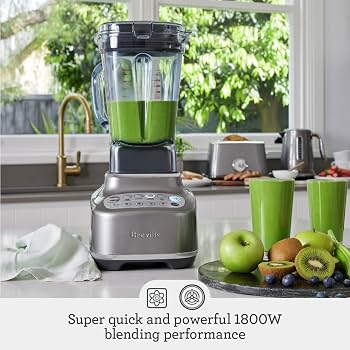
The Breville Super Q delivers 1800 watts of blending power with a sound-dampening system that keeps noise levels around 60 dB — quieter than most conversations. Its beefy 84-ounce jug handles everything from smoothies to hot soups, and the LCD display offers a host of pre-programmed settings. The trade-off is size and price: it's heavy, tall, and costs nearly $600.
Main limitation: It's one of the largest and heaviest blenders on the market, so it demands significant counter space.
Skip if: Anyone with tight counter space or a budget under $500 should look elsewhere.
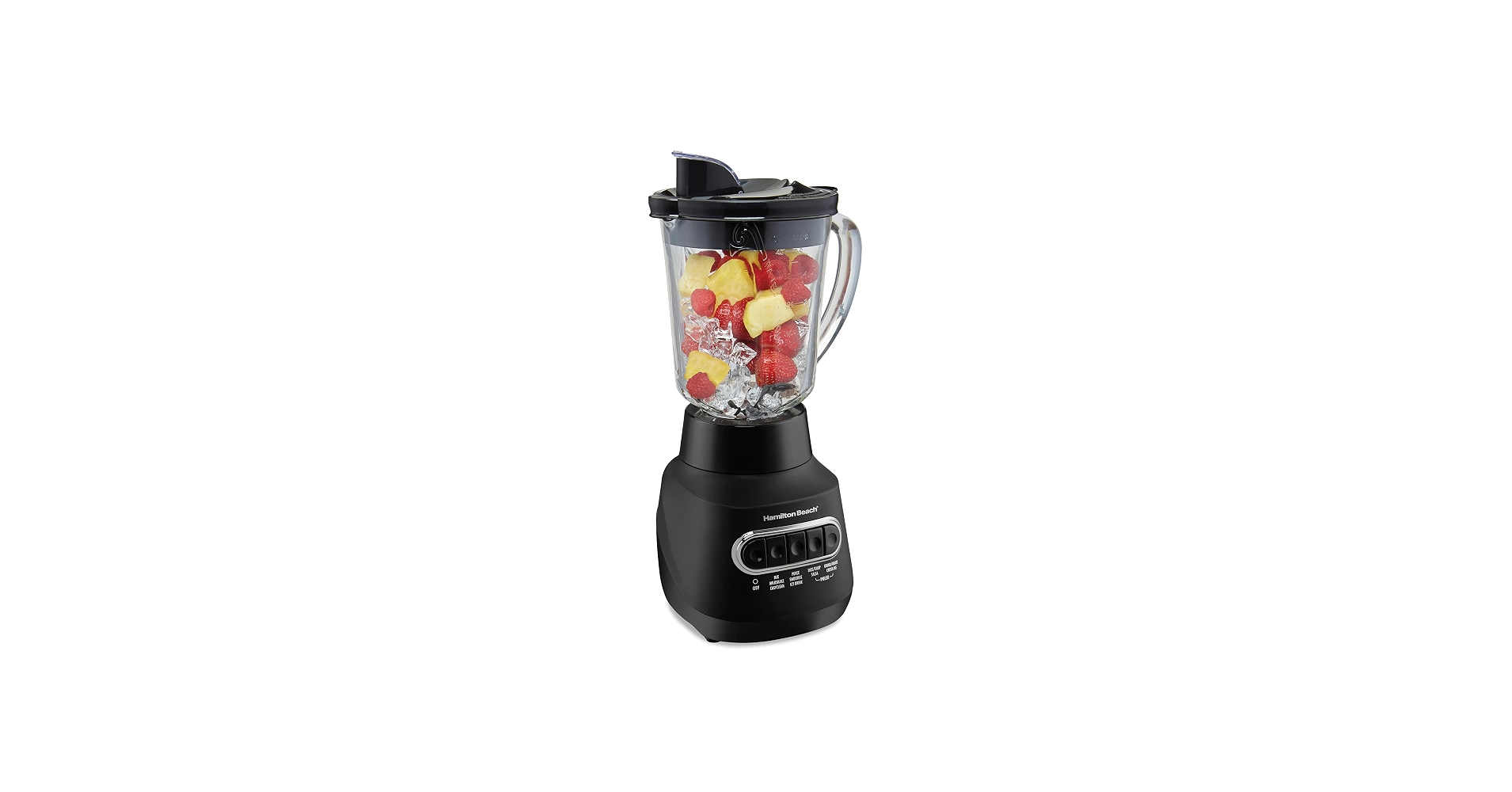
This 700-watt blender wraps its motor in a sound-reducing enclosure that drops noise by about 50 percent compared to standard blenders. With a 40-ounce jar and simple controls, it's a no-frills workhorse that won't break the bank. The main drawback is blending power: it can struggle with frozen fruit or thick nut butters.
Main limitation: The 700-watt motor labors on heavy-duty tasks and the jar isn't dishwasher-safe.
Skip if: Aficionados making green smoothies daily or crushing ice regularly should invest in a more powerful model.
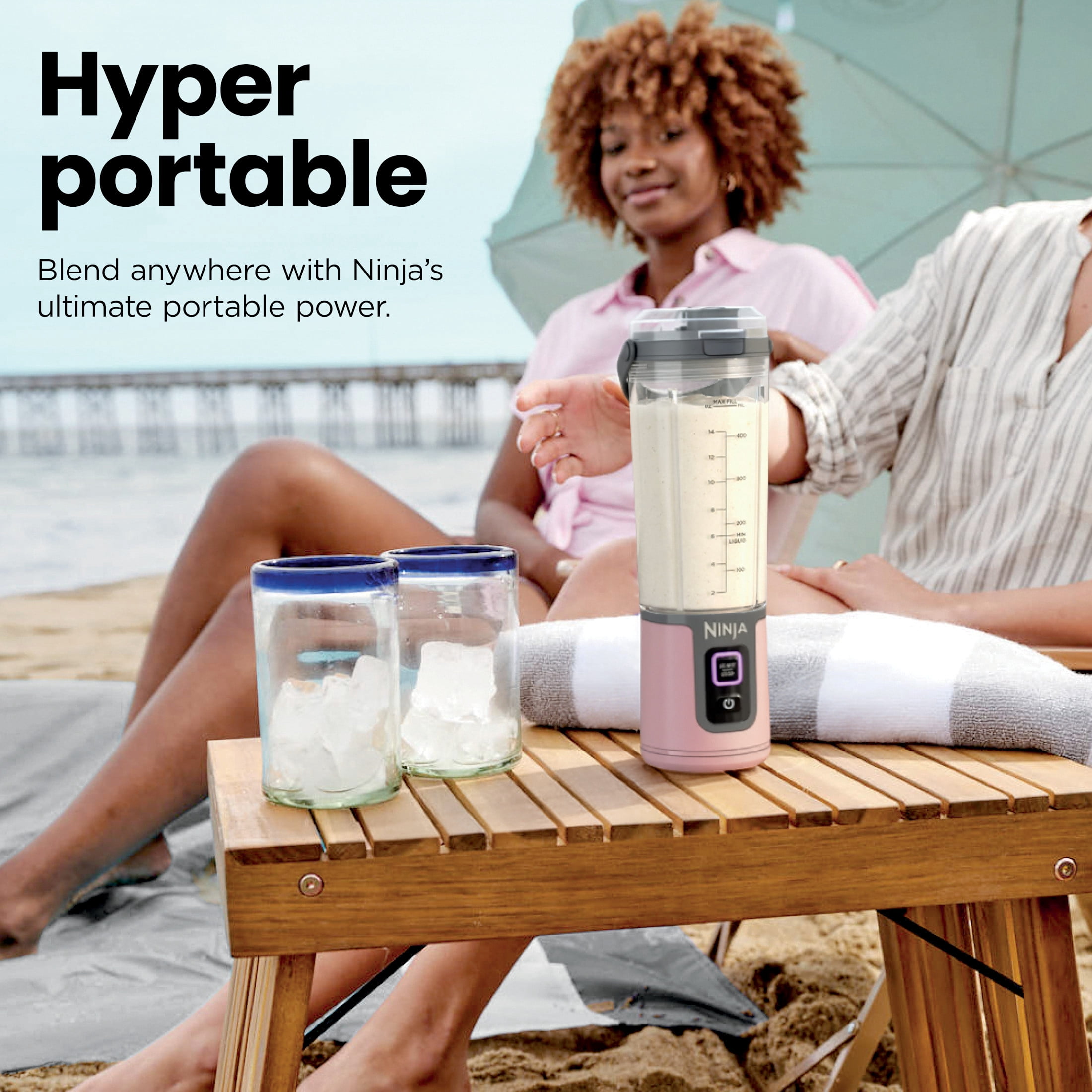
The Ninja Quiet Blend packs a 1,000-watt motor into a slim base that's small enough to tuck under cabinets. Its sound-dampening housing keeps decibels low, and the 48-ounce pitcher twists to fit small spaces. The trade-off is a narrower 48-ounce capacity and a less powerful motor than pricier models, so it's best for everyday smoothies and light batches.
Main limitation: The 48-ounce pitcher and 1,000-watt motor aren't suited for large quantities or heavy crushing.
Skip if: If you regularly blend for more than two people or tackle ice and frozen ingredients, this isn't for you.
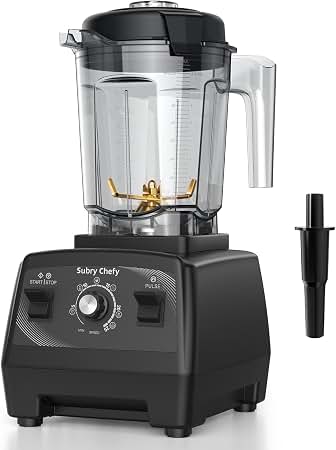
Wolf's 2.2-horsepower blender is engineered with a concealed motor that runs at a whisper, and it's one of the few home blenders that can blend hot liquids safely without venting. Its 64-ounce jar and six preset programs include a soup cycle that heats ingredients by friction. The high price and limited availability are the main downsides.
Main limitation: It's expensive and hard to find outside specialty retailers, and the touchscreen can be finicky.
Skip if: If you're mostly making smoothies and don't need hot-blending capabilities, you'll overpay for this machine.
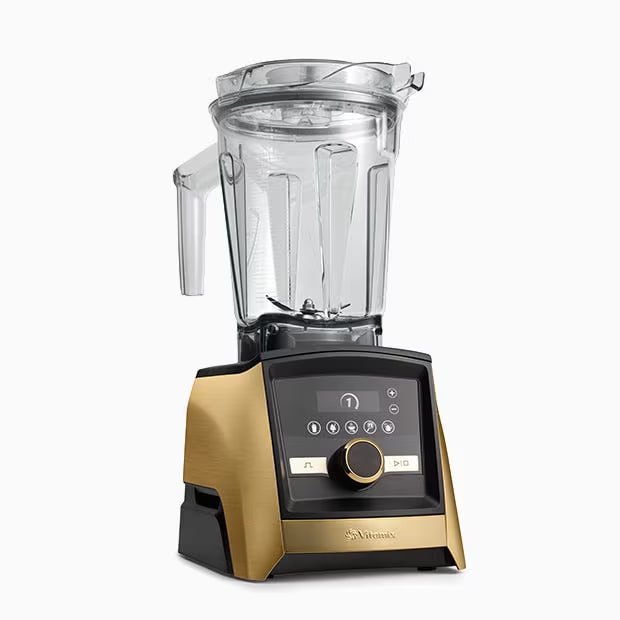
The Ascent A3500 is a workhorse that blends 64-ounce batches of smoothies, nut butter, and batter with ease, and its low-profile jar fits under most cabinets. While it's not inherently the quietest blender, pairing it with Vitamix's optional sound enclosure dramatically reduces noise to around 70 dB. The upfront cost is high, and the sound enclosure is sold separately.
Main limitation: Even with the enclosure, it's not as quiet as the Breville Super Q, and total cost climbs when you add the accessory.
Skip if: If you need the quietest possible option out of the box, this isn't it; budget for the separate enclosure.
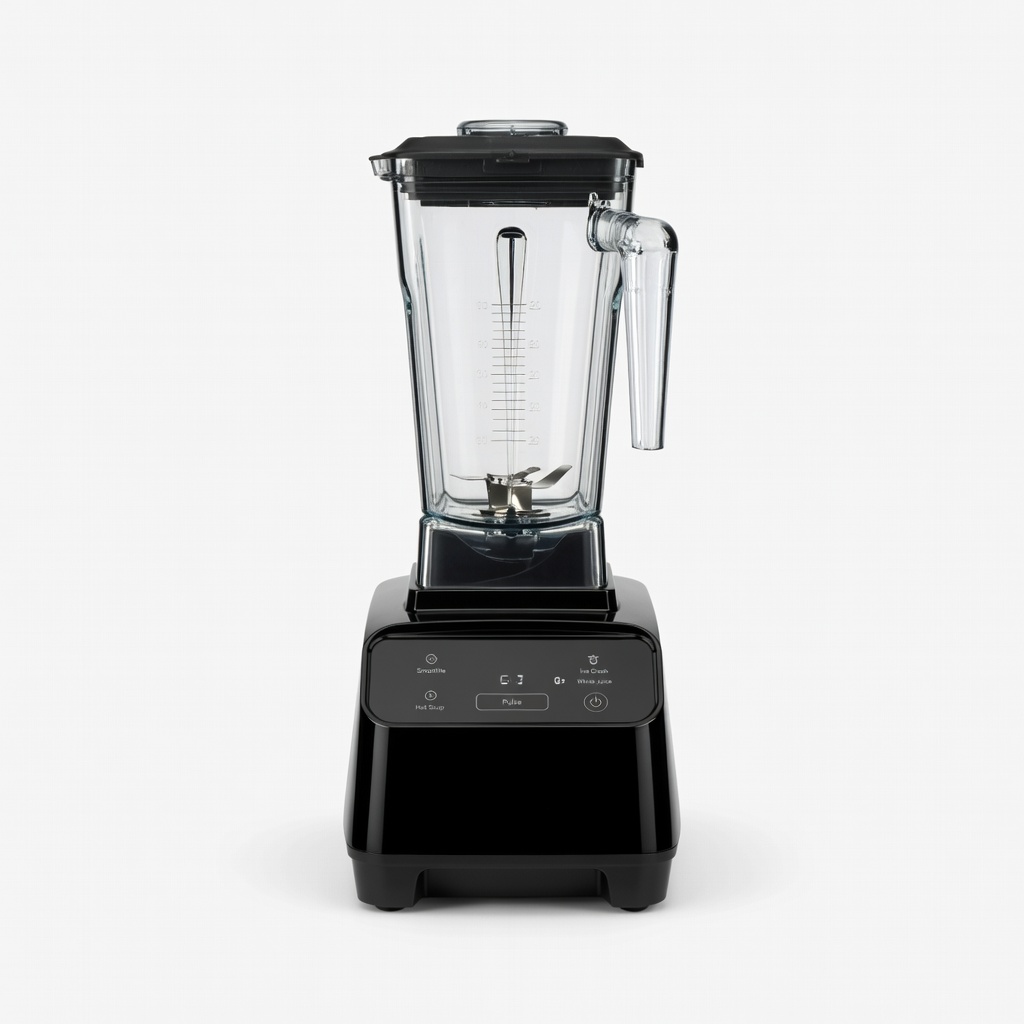
The Blendtec Designer 725 uses a 3.0-horsepower motor and a 'WildSide' jar that produces silky smooth results with less liquid, a feature baristas love. Its sound-dampening enclosure cuts noise compared to earlier Blendtec models, though it's still not as hush as some rivals. The integrated 20-speed touchscreen and five-year warranty make it a durable choice for power-hungry users.
Main limitation: It's one of the loudest on this list, and the 3.0 HP motor makes itself known even with the enclosure.
Skip if: If your morning smoothie is for one and noise is your primary concern, choose a dedicated quiet model.
Compare key specs and features of all our recommendations side-by-side
| Product | Recommendation | Rating | Price |
|---|---|---|---|
Breville Super Q BL820 Blender Rank #1 | 🏆 Top Pick | 9.2/10 | $550–$700 Check current price → |
Hamilton Beach Quiet Blender (58155) Rank #2 | 💰 Budget Pick | 8.0/10 | Around $80 Check current price → |
Ninja Quiet Blend (BC100) Rank #3 | ⭐ Editor's Choice | 8.3/10 | $130–$180 Check current price → |
Wolf Gourmet High-Performance Blender (WGCO100S) Rank #4 | — | 8.5/10 | $450–$600 Check current price → |
Vitamix Ascent A3500 Rank #5 | — | 8.4/10 | $500–$650 (enclosure adds ~$150) Check current price → |
Blendtec Designer 725 Rank #6 | — | 8.2/10 | $600–$750 Check current price → |
Common questions buyers have about this category.
The Breville Super Q is currently one of the quietest, with a measured noise level around 60 dB—quieter than a normal conversation. Its sound-dampening enclosure and insulated motor base are specifically designed to minimize noise, though high-speed blending still produces some whirring. For a lower-cost option, the Hamilton Beach 58155 also performs well, hovering around 70 dB.
Most manufacturers list decibel (dB) ratings taken at a set distance (often 1 meter) while blending water or a standard recipe at a defined speed. However, these lab conditions don't always reflect real-world use—blending ice or frozen fruit will always be louder. Independent reviewers use the same methods, so comparing dB numbers is useful as a baseline, but not an absolute guarantee.
Not necessarily. Quiet technology typically involves insulating the motor or adding a sound shield, not reducing wattage. Many high-performance quiet blenders, like the Breville Super Q and Blendtec Designer 725, are among the most powerful on the market. However, budget quiet models may have smaller motors to cut cost, so always check the wattage or horsepower rating.
It depends. Some models, like the Breville Super Q or Ninja Quiet Blend, have the sound enclosure built into the base. Others, such as the Vitamix Ascent A3500, require an optional accessory that wraps around the jar and base. If you already own a loud blender, a universal sound enclosure might help, but it won't match the performance of an integrated design.
Yes, but only if the blender is specifically rated for it. The Wolf Gourmet High-Performance Blender can safely blend hot soups right after cooking, thanks to a vented lid and robust motor. Most quiet blenders, however, are not designed for hot liquids—the vacuum can build up pressure. Always check the manual before blending warm ingredients.
Focus on motor power (at least 1,000 watts for smoothies), a jar size that matches your household, and preset programs that simplify frequent tasks. Sound-dampening is key, but don't overlook convenience: a lid that's easy to remove, a jar that's dishwasher-safe, and a base that's easy to wipe down all improve daily ease. For most people, a 48- to 64-ounce jar with 5+ speed settings is the sweet spot.
Products we evaluated but did not recommend — and why.
