Get the App
Better experience on mobile
Get the best products related to our top picks
Choosing the right puree baby food is crucial for your little one's early nutrition, as these products serve as a bridge from breast milk or formula to solid foods, typically starting around 6 months. Purees provide essential vitamins, minerals, and textures that support growth, immune development, and healthy eating habits. Poor choices can lead to nutritional gaps, allergies from hidden additives, or digestive issues from non-organic ingredients. With the rise of convenience-driven parents, the market offers everything from budget-friendly basics to premium, organic options packed with superfoods and proteins.
This guide compares budget versus premium approaches: budget purees (under $20 for small packs) often prioritize affordability with basic veggies and fruits but may include preservatives or lower-quality sourcing. Premium ones (over $50 for variety packs) emphasize organic certification, no added sugars, high fiber, and diverse flavors to encourage adventurous eating, though they cost more per ounce. Budget picks suit occasional use or tight finances, while premium excel for daily routines, offering better long-term value through superior nutrition.
Readers will learn key features to evaluate—like organic status, protein inclusion, and packaging safety—plus budget breakdowns, common pitfalls, and tailored recommendations. We'll dive into five standout products: Li’l Hala's meat-inclusive variety pack for protein-focused toddlers; Holle's simple organic veggie puree for beginners; and Cerebelly's veggie and smoothie pouches in 18- and 30-count bundles, which prioritize fiber and no-sugar formulas. By the end, you'll confidently select purees that align with your baby's age (6+ months), dietary needs, and wallet, ensuring safe, tasty mealtimes without guesswork. (Word count: 278)
Selecting puree baby food involves balancing nutrition, convenience, and safety for infants 6 months and older. Focus on products that mimic homemade quality while fitting busy lifestyles. Key is verifying labels for allergens, sourcing, and developmental benefits.
Ingredients and Organic Certification: Look for USDA Organic labels to ensure no pesticides or GMOs. Premium options like Cerebelly use non-GMO veggies and fruits; avoid those with added sugars or thickeners like rice starch, which can cause constipation. Li’l Hala includes organic meats for complete proteins.
Nutritional Profile: Prioritize high fiber (at least 1g per serving) for digestion and iron-rich options for brain development. Holle focuses on simple veggies like carrots for vitamin A; compare protein content—meats in Li’l Hala provide 3-5g per pouch versus veggie-only at 1-2g.
Age Suitability and Texture: Ensure 6+ months labeling with smooth purees transitioning to chunkier for 8-12 months. Cerebelly's smoothies suit teething toddlers with easy-squeeze pouches; check for stage-specific blends to match milestones.
Packaging and Portability: BPA-free, recyclable pouches (3.5-4 oz) prevent spills and enable on-the-go feeding. All reviewed products use this, but larger packs like Cerebelly's 30-count reduce waste and cost per serving.
Variety and Flavor Profiles: Diverse packs prevent boredom—Li’l Hala's chicken/beef with veggies offers savory options; Cerebelly's bundles include carrot-veggie and fruit smoothies for 3-5 flavors. Avoid single-flavor monotony.
Allergen and Additive-Free: Scan for top allergens (nuts, dairy) and no added salt/sugar. Holle's minimalist formula is ideal for sensitive babies; certifications like Non-GMO Project Verified add trust.
Sustainability and Sourcing: Ethical sourcing, like free-range meats in Li’l Hala or organic farms for Cerebelly, supports environmental health. Check for recyclable materials to align with eco-conscious parenting.
The price range spans $0 (homemade) to $96.71 for bulk premium. Entry-level ($0-20): Basic single purees like generic store brands offer 1-2 oz servings with minimal organics, suiting trials but lacking variety—expect 5-10 pouches for under $15, covering a week's basics but with potential fillers.
Mid-tier ($20-50): Balanced options like Holle ($N/A, ~$2-3 per pouch) or Li’l Hala's 12-pack ($49.99, ~$4.17 each) provide organics and proteins without excess. You get 10-18 servings, ideal for daily use, with better nutrition than budget but not bulk savings.
Premium ($50+): Cerebelly's 18-count veggie ($54.24, $3 per pouch) or 30-count smoothie ($96.71, ~$3.22 each) deliver fiber-rich, no-sugar bundles for 2-4 weeks. These justify costs through convenience (less shopping) and health perks like sustained energy, but they're pricier per ounce ($0.75-1 vs. $0.50 budget).
Overall, calculate cost per ounce: Budget at $0.40-0.60, mid $0.60-0.90, premium $0.80-1.20. Factor subscriptions for 10-20% discounts on recurring needs.
The sweet spot lies in mid-to-premium for most families: Li’l Hala at $49.99 offers high performance (protein + organics) without Cerebelly's 30-count premium price tag, delivering 42 oz total for versatile meals. It outperforms budget in nutrition (e.g., 20% more iron from meats) at a 20-30% markup.
Cerebelly's 18-count veggie ($54.24) hits value for fiber-focused purees, providing 72 oz versus Holle's single 3.5 oz (limited performance for price). Smoothies in 18-count ($58.02) add fruit variety, edging out pure veggies for picky eaters, but the 30-count ($96.71) suits high-volume users only if daily feeding exceeds 2 pouches—otherwise, overkill at $3.22/serving.
Budget shines for testing flavors, but performance lags in satiety (no proteins). Premium excels in long-term health (e.g., Cerebelly's 2g fiber/pouch aids gut health), justifying 50% more cost if allergies or organics are priorities. Aim for $3-4 per pouch for optimal nutrition-to-price ratio.
Ignoring Age and Stage Matching: Feeding 12-month textures to 6-month-olds risks choking; always check labels—e.g., don't use toddler-focused Li’l Hala for newborns.
Overlooking Additives in "Natural" Claims: Some "purees" hide sugars; verify no added fructose in Cerebelly alternatives, as it spikes blood sugar.
Buying Bulk Without Variety Check: A 30-count smoothie pack sounds economical but bores babies—mix with Li’l Hala's savory for balance.
Neglecting Expiration and Storage: Pouches last 1-2 years unopened but spoil post-opening; avoid heat exposure, unlike fridge-stable Holle.
Skipping Allergen Cross-Checks: Even organics like Cerebelly may process near nuts; consult pediatricians if family history exists.
Li’l Hala Variety Pack ($49.99): Best for protein-needing toddlers (8+ months) introducing meats—savory blends with free-range chicken/beef outperform veggie-only in completeness, ideal for growing appetites without premium bulk pricing.
Cerebelly Veggie Purees 18-Count ($54.24): Top for fiber-focused beginners (6+ months) seeking no-sugar veggies—carrot blends provide gentle nutrition, suiting sensitive tummies better than single Holle.
Cerebelly Smoothie 18-Count ($58.02): Great for variety-loving parents of picky eaters—3-flavor fruit-veggie mixes encourage exploration, edging Holle in diversity at similar cost. (Word count: 742)
Puree baby foods are generally recommended starting at 6 months, when babies show readiness signs like sitting up and losing the tongue-thrust reflex. Products like Cerebelly and Li’l Hala are labeled for 6+ months, with smooth textures to prevent choking. For 8-12 months, transition to slightly thicker purees in these brands to build chewing skills. Always consult a pediatrician, as premature introduction can cause digestive upset. Unlike chunkier finger foods, purees provide controlled nutrition during this weaning phase, but by 12 months, aim to phase out for family meals to foster independence.
Yes, for most families, organic purees like Holle or Cerebelly justify 20-50% higher prices ($2-4 per pouch vs. $1-2 non-organic) by avoiding pesticides, which studies link to developmental risks in infants. USDA Organic ensures no GMOs or synthetic additives, as in Li’l Hala's ethical meats. Non-organic may save upfront but risk residues; a 2023 Consumer Reports analysis found organics cleaner for baby foods. If budget-tight, prioritize organics for high-residue items like carrots in Cerebelly. Long-term, they promote healthier habits without hidden costs like allergies.
Start slow: Offer one new puree, like Holle's carrot, for 3-5 days to monitor reactions, then rotate with familiars. Cerebelly's 3-flavor smoothies ease transitions with mild fruit masks. Mix 75% known with 25% new, gradually increasing—Li’l Hala's savory meats pair well post-veggies. Avoid forcing; rejection often stems from texture, so warm slightly or squeeze onto spoons. Picky phases peak at 8-10 months; variety packs prevent burnout. Track via apps for patterns, ensuring 2-3 oz per meal.
Veggie purees, like Cerebelly's carrot blend, focus on savory nutrition (iron, vitamins A/C) for main meals, emphasizing fiber without fruit sugars—ideal for balanced calories. Smoothies, in Cerebelly's bundles, incorporate fruits (berries, apples) for sweeter snacks, blending veggies subtly to boost acceptance while adding antioxidants. Veggie options suit protein pairings like Li’l Hala; smoothies excel for hydration. Both are no-added-sugar, but smoothies may have 5-10g natural carbs more per pouch—choose based on meal type, with veggies for fullness.
For 6-8 months, yes—2-3 pouches daily (4-6 oz total) cover needs alongside milk, as in Li’l Hala's protein-rich packs providing 200-300 calories. By 9+ months, they're supplements; Holle's basic veggie adds vitamins but lacks fats/proteins for completeness. Cerebelly's fiber aids but pair with yogurt or meats. Nutritionists recommend 50% from purees max, transitioning to solids. Check labels: Aim for 10-15% DV iron/vitamins per serving. Over-reliance risks deficiencies; use as convenience, not sole source.
Unopened pouches last 12-24 months in cool, dry places (below 75°F); refrigerate after opening for 24-48 hours max, per Cerebelly guidelines. Avoid microwaving—warm in hot water for even heat to prevent burns. All reviewed (BPA-free) are shelf-stable until punctured. For bulk like 30-count, store in pantries; freeze extras in ice trays for 1-2 months. Discard if bulging or off-smelling. Travel tip: Insulate in coolers; Holle's small size suits bags better than Li’l Hala's pack.
As of 2023, no major recalls for Li’l Hala, Holle, or Cerebelly— all maintain high safety via third-party testing for heavy metals, a past industry issue. Cerebelly's non-GMO avoids arsenic risks in rice-based foods. Holle's EU standards are rigorous. Check FDA site regularly; opt for transparent brands. If concerned, homemade purees control inputs, but pouches offer convenience with traceability. (Word count: 512)


Compare key specs and features of all our recommendations side-by-side
| Product | Recommendation | Rating | Price |
|---|---|---|---|
 Li’l Hala Baby Food Pouches with Meat – Variety Pack of Toddler Puree Meals – Free-Range Chicken & Grass-Fed Beef – Organic Veggies, Protein & Healthy Fats – 6+ Months – 3.5 oz (12 Pack) Rank #1 | 🏆 Top Pick | — | |
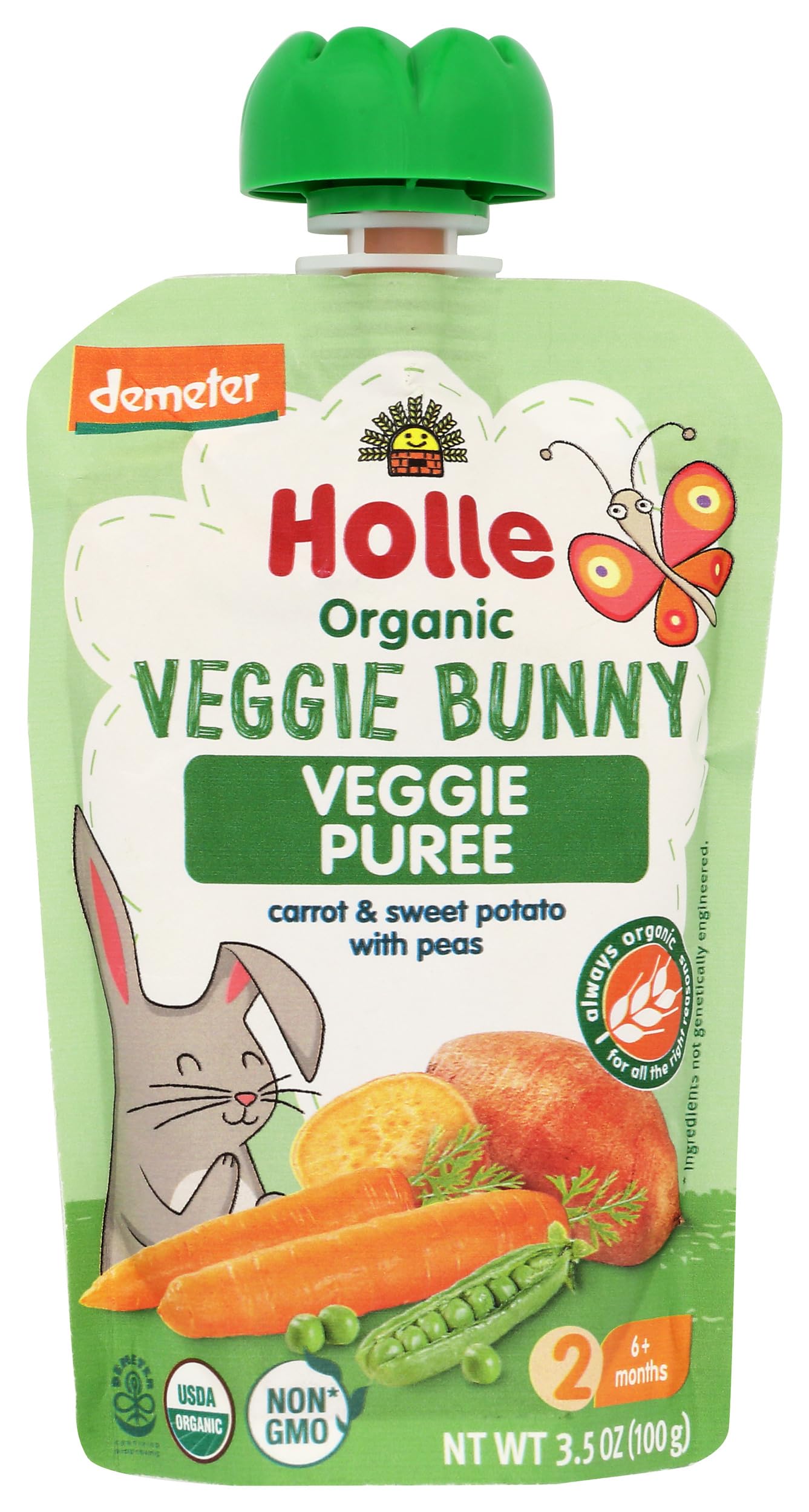 Holle Organic Veggie Bunny Veggie Puree, 3.5 OZ Rank #2 | 4.2 4.2 | Check price → | |
 Cerebelly Organic Baby Food Pouches, Veggie Purees for Toddlers, No Added Sugar, Fiber, Non-GMO, 4 Ounce BPA-Free Pouch, Carrots and Veggies, 18 Count Rank #3 | — | — | |
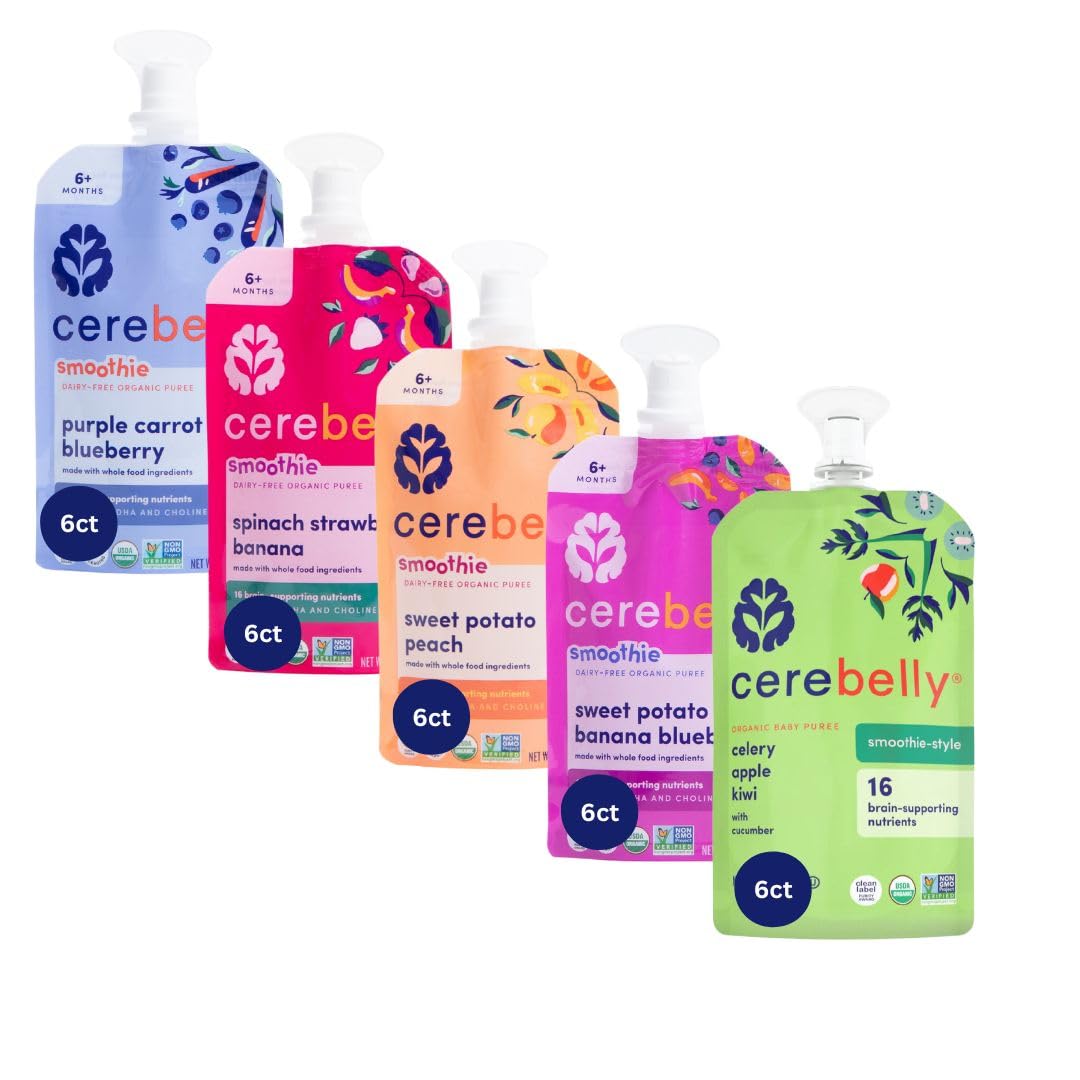 Cerebelly Organic Baby Food Pouches, Smoothie Purees for Toddlers, No Added Sugar, Fiber, Non-GMO, 4 Ounce BPA-Free, Smoothie Bundle, 30 Count Rank #4 | — | — |
