Get the App
Better experience on mobile
From budget whey isolates to premium plant-based blends, these selections balance protein purity, taste, and value for everyday users.
Most protein powders deliver 20-30g of protein per scoop, but the real differentiator is how cleanly they absorb without bloating or artificial aftertastes that turn users off after a week. In 2026, with rising demand for third-party tested options amid contamination scares, the market favors isolates and hydrolysates over cheap concentrates loaded with sugars. This guide spotlights powders excelling in lab-verified purity and user-reported satisfaction across budgets.
Whether you're blending post-workout shakes, boosting meal protein, or managing weight, the right powder hinges on source (whey for fast digestion, plant for ethics), carb content, and flavor consistency. We cover whey, vegan, low-carb, and specialty formulas from $1.00 to $2.50 per serving, ensuring options for casual gym-goers to dedicated athletes. Each pick acknowledges trade-offs like higher cost for purity or milder flavors for clean profiles.
This whey blend delivers 24g of protein per scoop with a smooth mixability and wide flavor range trusted by millions for muscle recovery and satiety. Informed-Sport certified for purity, it suits most users balancing taste and performance. The main trade-off is a slight carb bump from whey concentrate.
Main limitation: It includes some whey concentrate, which may cause minor bloating in lactose-sensitive users compared to pure isolates.
Skip if: Skip this if you follow a strict vegan diet, as it's dairy-based.
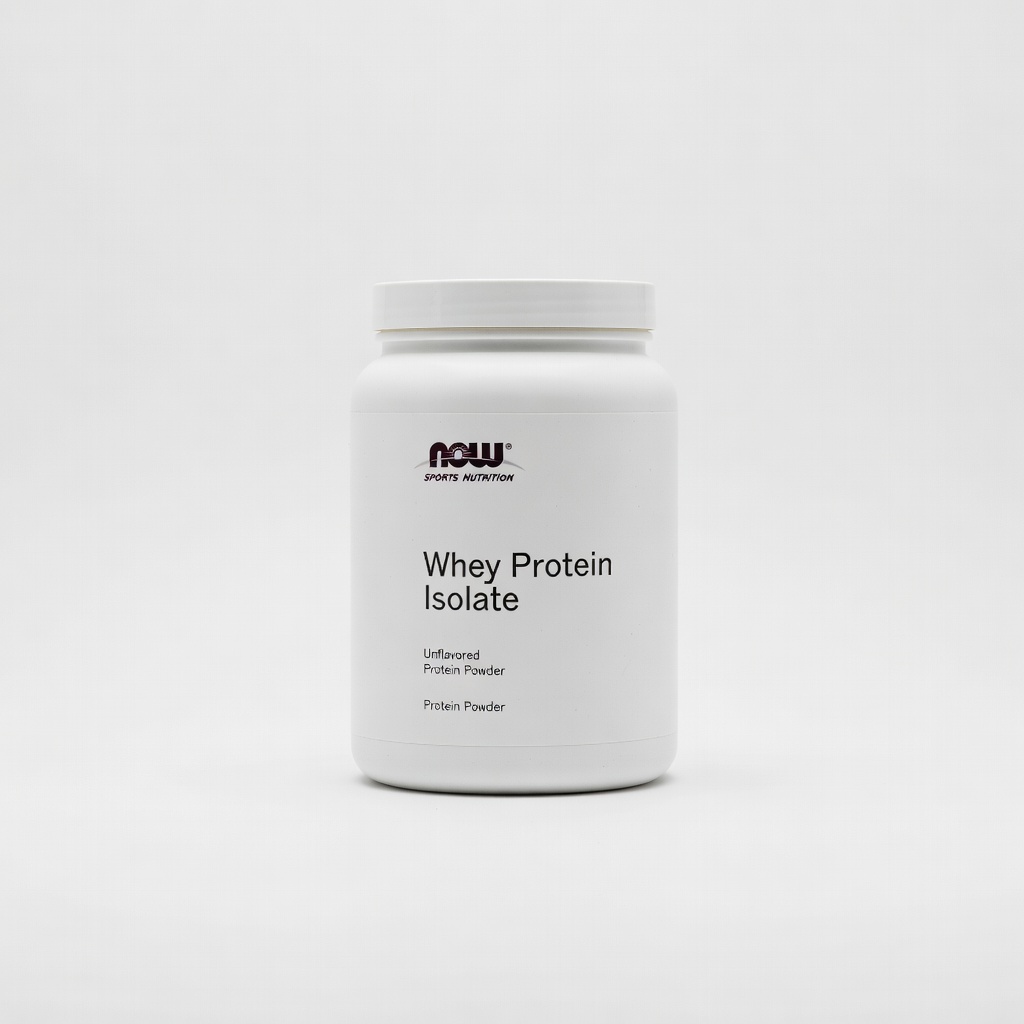
At under $1.20 per serving, this unflavored isolate provides 25g of pure protein with no additives, ideal for custom shakes or baking. Third-party tested for heavy metals, it offers exceptional value without skimping on quality. The trade-off is a basic protein taste that needs flavoring.
Main limitation: The unflavored version has a mild chalky taste that requires mixing with fruits or syrups for palatability.
Skip if: Avoid if you want bold, ready-to-drink flavors without extra effort.
This pea-rice blend packs 21g of organic protein with prebiotics for gut health, earning high marks for smooth texture in vegan reviews. USDA organic and free of common allergens, it's a clean daily option. The trade-off is slightly lower leucine content than whey for muscle synthesis.
Main limitation: It may foam more during mixing and has a subtle earthy undertone in some flavors.
Skip if: Lactose-tolerant athletes prioritizing maximum muscle-building efficiency should look to whey instead.
Hydrolyzed for ultra-quick digestion, this delivers 25g of isolate protein with 5.5g BCAAs, perfect for post-workout windows. Low-carb and banned-substance tested, it mixes instantly. Trade-off: premium pricing reflects the processing.
Main limitation: The hydrolyzed process can make flavors taste slightly more artificial to some palates.
Skip if: Casual users not needing rapid absorption will find it overkill and pricey.
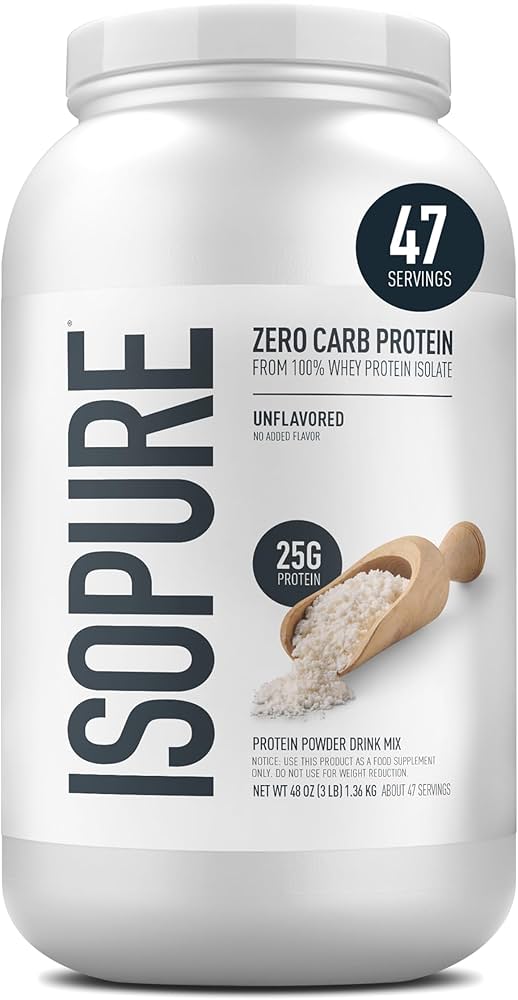
Pure 25g isolate with zero carbs or fillers, ideal for keto or low-carb diets while maintaining muscle. Lactose-free and versatile for cooking. Trade-off: unflavored needs strong pairings.
Main limitation: Lack of carbs means it won't provide energy for intra-workout use without additions.
Skip if: Those seeking flavorful, all-in-one meal replacements should skip the zero-carb purity.
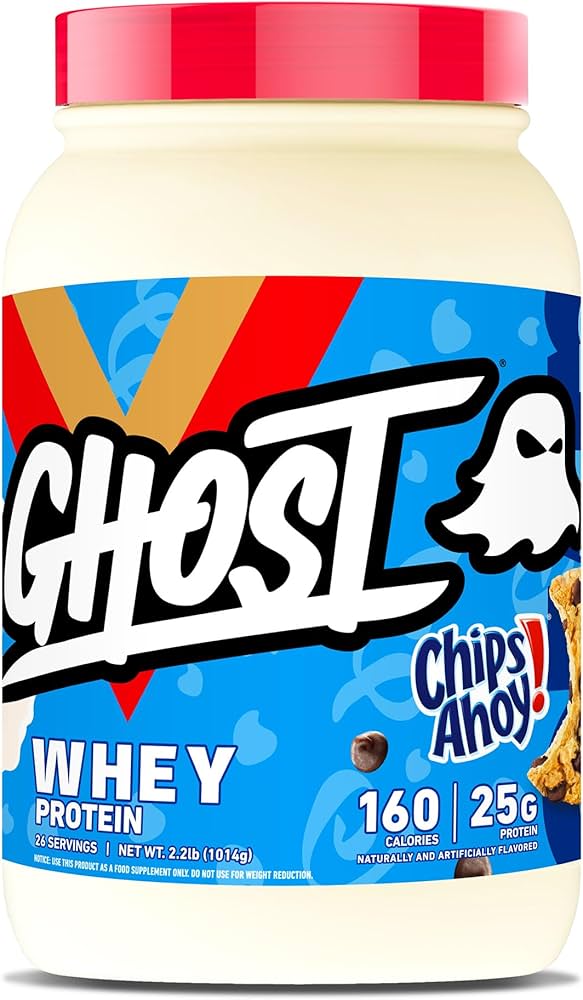
Renowned for cereal-inspired flavors like Cereal Milk, it blends 25g whey with real cookie bits for dessert-like shakes. Cool packaging appeals to younger users. Trade-off: higher calorie count from inclusions.
Main limitation: Flavor bits can settle if not shaken vigorously, leading to uneven texture.
Skip if: Calorie counters or those wanting minimalist ingredients will find the extras unnecessary.
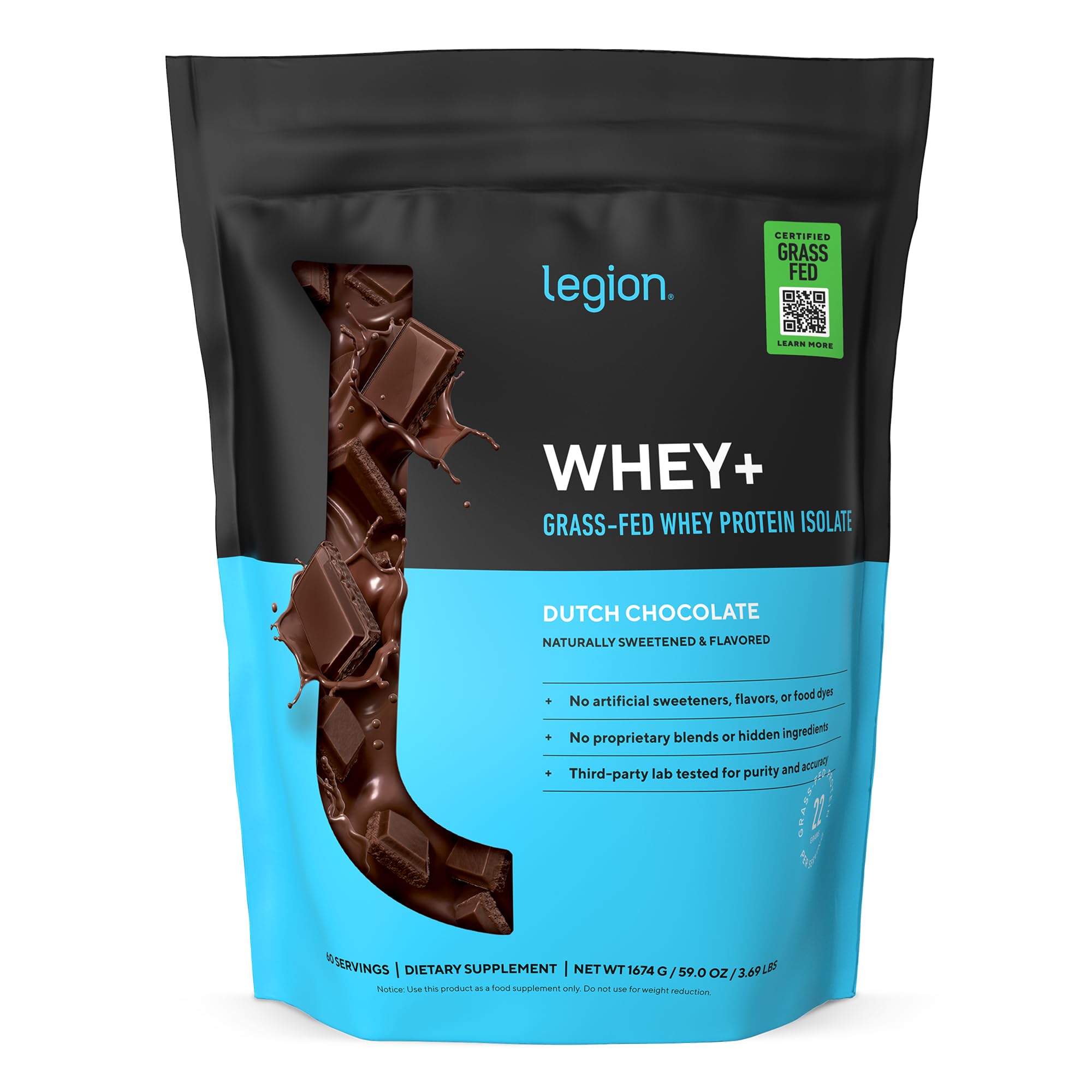
Sourced from grass-fed cows, this isolate offers 22g protein with natural flavors and no hormones, appealing to clean-eating fans. Naturally sweetened and third-party tested. Trade-off: fewer flavor options.
Main limitation: Smaller serving sizes mean more scoops for high-protein needs.
Skip if: Budget shoppers or those unbothered by conventional dairy sourcing.
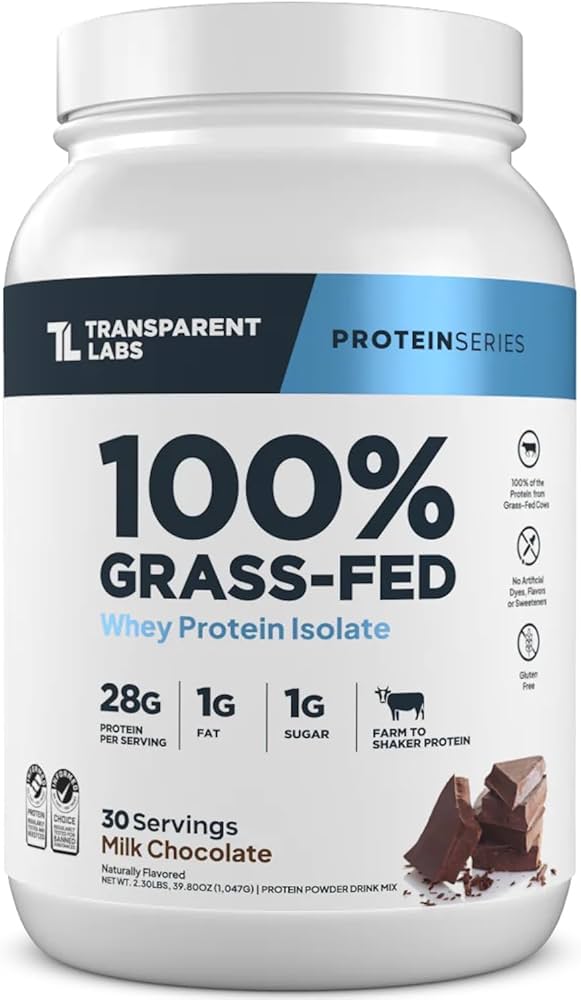
Fully transparent labeling with 28g protein from hormone-free grass-fed whey, plus stevia for natural sweetness. Labdoor top-rated for purity. Trade-off: highest per-serving cost.
Main limitation: Premium sourcing leads to clumping in cold liquids without a blender.
Skip if: Everyday users not willing to pay extra for grass-fed certification.
Compare key specs and features of all our recommendations side-by-side
| Product | Recommendation | Rating | Price |
|---|---|---|---|
Optimum Nutrition Gold Standard 100% Whey Protein Powder Rank #1 | 🏆 Top Pick | 9.2/10 | $40–$55 for 5lb tub Check current price → |
NOW Sports Nutrition Whey Protein Isolate Rank #2 | 💰 Budget Pick | 8.4/10 | $45–$60 for 5lb tub Check current price → |
Orgain Organic Plant Based Protein Powder Rank #3 | ⭐ Editor's Choice | 8.7/10 | $25–$35 for 2lb tub Check current price → |
Dymatize ISO100 Hydrolyzed Protein Powder Rank #4 | — | 8.9/10 | $65–$80 for 5lb tub Check current price → |
Isopure Zero Carb Whey Protein Isolate Rank #5 | — | 8.2/10 | $50–$65 for 3lb tub Check current price → |
Ghost Whey Protein Powder Rank #6 | — | 8.1/10 | $40–$50 for 2lb tub Check current price → |
Legion Whey+ Grass-Fed Whey Protein Isolate Rank #7 | — | 8.5/10 | $50–$60 for 2lb tub Check current price → |
Transparent Labs 100% Grass-Fed Whey Protein Isolate Rank #8 | — | 8.8/10 | $60–$70 for 2lb tub Check current price → |
Common questions buyers have about this category.
Whey excels due to higher leucine content and faster absorption, triggering muscle protein synthesis more effectively in studies from the Journal of the International Society of Sports Nutrition. Plant proteins like pea or rice work well with 30-40g servings to match leucine, making blends suitable for vegans—pair with resistance training for comparable gains over time.
Aim for 1.6-2.2g total protein per kg bodyweight from all sources, using powder to fill gaps (e.g., 20-40g post-workout). Over 50g daily from powder risks gut issues; prioritize food first, as whole sources provide micronutrients absent in isolates.
Third-party tested powders are safe for most, with no evidence of kidney harm in healthy adults per meta-analyses. Those with kidney issues should consult doctors, and cycle off periodically to ensure dietary variety—focus on certified products to minimize heavy metal risks.
Clean means minimal additives, no artificial colors/sweeteners, and third-party verification for purity (e.g., NSF). Check labels for <5g sugar, no fillers like maltodextrin, and full amino disclosure—grass-fed or organic adds ethical appeal but not nutritional superiority.
No strict need, but rotating brands/flavors prevents boredom and potential sensitivities to isolates. Experts recommend 8-12 week cycles with food-focused weeks to maintain gut health and micronutrient intake from natural proteins.
Yes, by increasing satiety and preserving muscle during calorie deficits—20-30g in meals curbs hunger per appetite studies. Choose zero-carb isolates over creamy blends, and combine with 500kcal daily cuts for sustainable 1lb/week loss.
Products we evaluated but did not recommend — and why.
