Get the App
Better experience on mobile
From budget-friendly whey to clean plant-based blends, these are the protein powders that deliver on quality, taste, and results.
The best protein powder isn't the one with the most grams per scoop — it's the one you'll actually drink every day. Beyond that, the real challenge is cutting through the marketing noise: every tub claims to be 'ultra-pure' or 'scientifically superior,' yet many fall short on independent testing, ingredient transparency, or simply taste like chalk. Whether you're aiming to gain muscle, shed fat, or just hit a daily protein target, the right powder should fit your budget, your dietary needs, and your taste buds — without breaking your digestive system.
This guide untangles the categories: whey concentrates and isolates, slow-digesting casein, and plant-based options. We’ve combed through published expert reviews, manufacturer specifications, and thousands of verified buyer feedback comments to identify the powders that consistently deliver on their promises. We also considered third-party certifications (NSF, Informed Sport, and cGMP) — key markers for anyone serious about what goes into their body.
Importantly, the 'best' protein powder varies by person. A keto dieter needs a zero-carb isolate; a dairy-sensitive athlete might prefer a plant-based blend; a budget-savvy beginner just wants a reliable whey that doesn't cost more than a movie ticket per serving. We've included options across the price spectrum to help you find the one that matches your lifestyle — not just the flashiest label.
Below, you'll find our top 8 picks, each with a clear use-case label, an honest look at its limitations, and guidance on who should skip it. We've also included a detailed buying guide and answers to common protein powder questions. No hype, no affiliate-driven fluff — just a practical roadmap to your next scoop.
With 24g of protein per scoop, a blend of whey isolate and concentrate, and a reputation for outstanding mixability, Gold Standard remains the benchmark for all-purpose whey. Its 5.5g of BCAAs and 4g of glutamine support muscle recovery, while the taste is consistently praised — arguably the best chocolate in the category. The trade-off: it contains artificial sweeteners and a small amount of fillers, which may not suit purists.
Main limitation: Contains sucralose and artificial flavors; not ideal for those seeking ultra-clean ingredients.
Skip if: Anyone with lactose intolerance who is sensitive to even trace lactose should choose a pure isolate or plant-based protein instead.
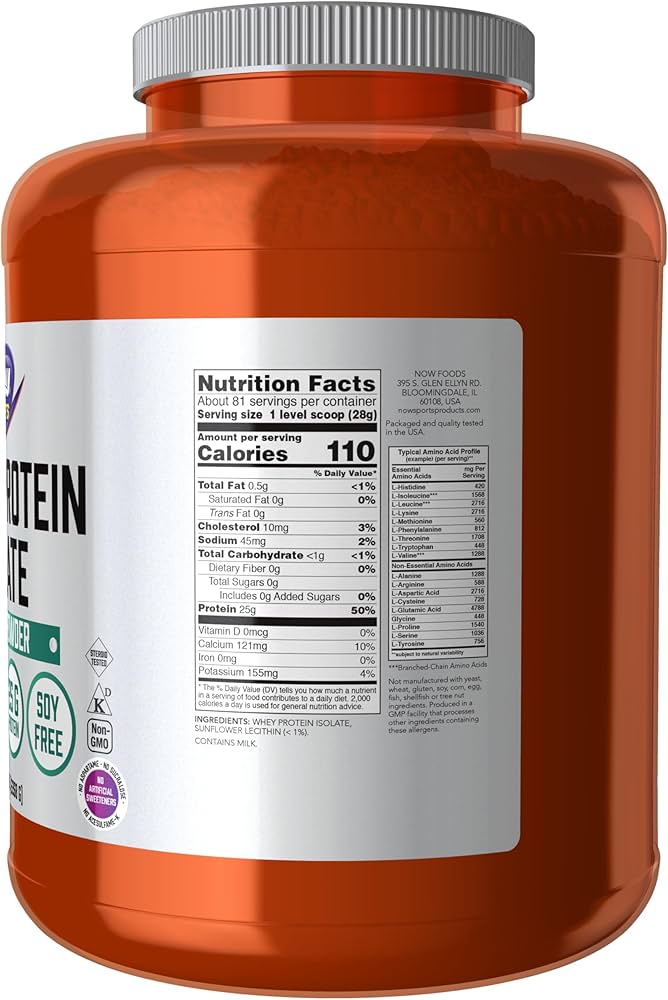
NOW Sports Whey Isolate delivers 25g of pure protein per scoop with nearly zero carbs and fat, and it's one of the most affordable isolates on the market — often under $1 per serving. The unflavored version offers unmatched flexibility: add it to smoothies, oatmeal, or yogurt without altering the taste. The trade-off: without flavorings, the taste is bland and slightly earthy, which many find unpalatable on its own.
Main limitation: No flavor means poor taste when mixed with water alone; also, no added digestive enzymes like some premium isolates.
Skip if: Those who prefer a scoop-and-go flavored shake or dislike unflavored products should look elsewhere.
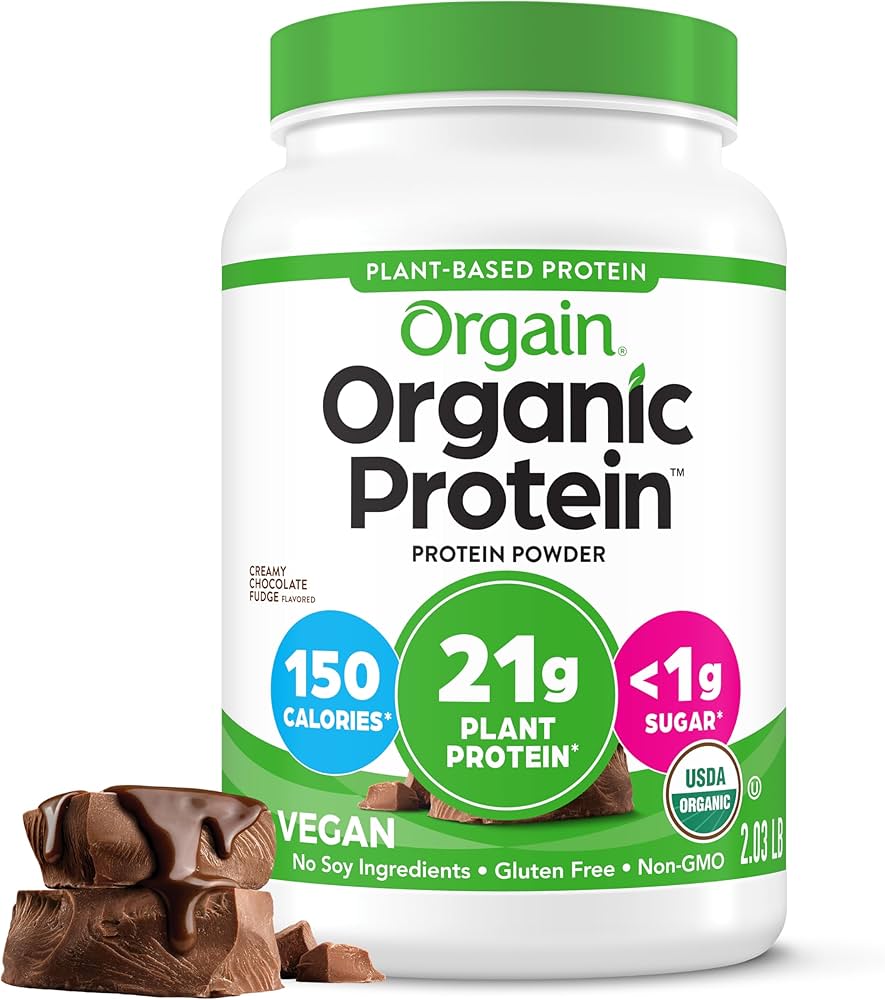
Orgain delivers 21g of protein per scoop from a pea, brown rice, and chia seed blend, plus 3g of fiber — a rare inclusion that supports digestion. It's certified organic, free of artificial sweeteners, and widely available at grocery stores, making it the go-to for plant-based eaters. The trade-off: the texture is grittier than whey, and the 150 calories per scoop are slightly higher than concentrate-only powders.
Main limitation: Slightly gritty texture and a strong stevia aftertaste that can be off-putting for some.
Skip if: Athletes needing a high-protein, low-calorie option may find the carb and fiber content less suited to strict macros.
ISO100 is a hydrolyzed whey isolate, meaning the protein chains are broken down for even faster digestion and absorption — ideal immediately after a workout. It packs 25g of protein, 0g of sugar, and 5.5g of BCAAs per scoop, and it mixes to a smooth, clear shake with zero grit. The trade-off: the hydrolyzed process and high-quality filtering make it one of the pricier options per serving, and the artificial sweeteners might bother strict label readers.
Main limitation: Expensive per scoop compared to standard whey concentrate, and contains sucralose.
Skip if: Anyone on a tight budget or who prioritizes unprocessed ingredients over speed of absorption.
Isopure Zero Carb delivers 25g of protein per scoop with literally zero carbs and zero sugar, making it a staple for keto enthusiasts and anyone tracking carbs strictly. It's also lactose-free and uses natural flavors in this version, along with added vitamins and minerals. The trade-off: the protein comes from whey isolate, but the natural flavoring still results in a slightly sweet, sometimes chalky taste that isn't universally loved.
Main limitation: Taste is a bit unnatural and slightly chalky; also, the added micronutrients may not be necessary for everyone.
Skip if: Those who don't follow a low-carb/keto lifestyle and prefer a richer, sweeter shake might find the flavor profile too plain.
Transparent Labs is famous for its no-nonsense approach: no artificial sweeteners, dyes, or fillers. This whey isolate, sweetened with stevia and naturally flavored, provides 28g of protein per scoop with a complete amino acid profile and added digestive enzymes. The ingredients are fully disclosed, including the source (grass-fed cows). The trade-off: the 200-calorie-per-scoop count is higher than some isolates, and the price per serving is premium.
Main limitation: Higher calorie count per scoop may not fit aggressive fat-loss macros, and the stevia aftertaste isn't for everyone.
Skip if: Budget shoppers or those who tolerate artificial sweeteners without issue will pay extra for the clean label.
Legion Whey+ uses 100% cold-pressed whey isolate from grass-fed cows and is sweetened with stevia and monk fruit — no artificial anything. The formula includes 5g of BCAAs and is tested by third-party labs for purity and heavy metals. What sets it apart is the brand's evidence-based approach: every ingredient is dosed on research, and the label is refreshingly transparent. The trade-off: the price is steep, and the flavor range is limited compared to mainstream brands.
Main limitation: Expensive per serving and prone to occasional clumping if not stored properly; also, the taste is lighter than expected.
Skip if: Anyone seeking a sweet, dessert-like shake or who prefers a more traditional whey concentrate.
Slow-digesting micellar casein provides a steady release of amino acids over several hours, making it perfect for nighttime recovery or anytime you need to bridge a long gap between meals. ON's casein delivers 24g of protein per scoop with a thicker, creamier texture than whey — almost like a pudding. The trade-off: casein is slower to digest and not ideal for post-workout, and the taste can be overly thick for some.
Main limitation: Thick, heavy texture can be cloying, and it's not suitable for immediate post-workout needs.
Skip if: Those who prefer a light, refreshing shake or who work out early in the morning and don't need overnight recovery support.
Compare key specs and features of all our recommendations side-by-side
| Product | Recommendation | Rating | Price |
|---|---|---|---|
Optimum Nutrition Gold Standard 100% Whey Double Rich Chocolate Rank #1 | 🏆 Top Pick | 9.2/10 | $30–$45 per 1000g tub Check current price → |
NOW Sports Whey Protein Isolate Unflavored Rank #2 | 💰 Budget Pick | 8.3/10 | $50–$60 per 1800g tub Check current price → |
Orgain Organic Plant Based Protein Powder Creamy Chocolate Fudge Rank #3 | ⭐ Editor's Choice | 8.5/10 | $25–$35 per 2lb tub Check current price → |
Dymatize ISO100 Hydrolyzed Whey Protein Isolate Chocolate Peanut Butter Rank #4 | — | 8.8/10 | $55–$70 per 1.6lb tub Check current price → |
Isopure Zero Carb Low Carb Protein Powder Naturally Flavored Vanilla Rank #5 | — | 8.1/10 | $40–$50 per 1lb tub Check current price → |
Transparent Labs Whey Protein Isolate Vanilla Rank #6 | — | 8.4/10 | $60–$75 per 2lb tub Check current price → |
Legion Athletics Whey + Chocolate Rank #7 | — | 8.2/10 | $70–$85 per 2lb tub Check current price → |
Optimum Nutrition Gold Standard 100% Casein Chocolate Supreme Rank #8 | — | 8.0/10 | $45–$60 per 4lb tub Check current price → |
Common questions buyers have about this category.
Whey concentrate contains 70-80% protein and retains more lactose and fat, making it cheaper and better tasting but less pure. Isolate is further filtered to around 90-95% protein, removing most lactose and fat but costing more. Hydrolyzed whey is pre-digested into smaller peptide chains for even faster absorption, ideal for immediate post-workout recovery but priciest of all.
Yes, if you consume enough total protein and choose a complete amino acid profile. Plant proteins often lack one or more essential amino acids, so look for blends like pea and rice to complement each other. Studies show that when total daily protein is matched, plant-based proteins can support muscle growth comparably. Just be aware that digestibility and leucine content may be slightly lower, so you might need a larger portion.
The average adult needs 0.8 grams of protein per pound of body weight, but athletes and those building muscle often need 1.2-2.2 grams per kilogram. Protein powder is a convenient supplement, but it shouldn't replace whole foods. Most people benefit from one to three scoops daily, spread around workouts and meals, depending on their dietary gaps.
Protein powder is a useful tool for weight loss because it increases satiety and helps preserve muscle mass during a calorie deficit. To lose weight, choose a powder with fewer than 130 calories per scoop, at least 20g protein, and minimal carbs and fat. Use it as a meal replacement or post-workout shake, but count its calories as part of your daily total.
Third-party testing verifies that the product actually contains what's on the label and is free of contaminants like heavy metals, banned substances, or undeclared ingredients. NSF Certified for Sport and Informed Sport are rigorous programs used by professional athletes. If a powder carries this seal, it's more likely to meet strict quality standards and be safe for drug-tested competitors.
Yes, for most healthy people, daily use is safe and effective. However, be mindful of total protein intake from all sources to avoid excess calories, and choose a brand with no excessive additives. Some powders may cause digestive discomfort if you're lactose intolerant or sensitive to sweeteners. Rotate flavors or use a digestive enzyme blend if you experience bloating.
Look for whey protein isolate or hydrolysate, which contain minimal lactose, or choose a plant-based protein like pea, rice, or soy. Many lactose-intolerant people can handle isolates without issues, but if you're highly sensitive, a plant-based product is your safest bet. Always check the label for 'lactose-free' or the carbohydrate content — the fewer carbohydrates from lactose, the better.
Products we evaluated but did not recommend — and why.
