Get the App
Better experience on mobile
Point-and-shoot cameras are popular with casual photographers who desire convenience but don't want to sacrifice quality.
In today's fast-paced world of smartphone photography, point-and-shoot cameras still hold a unique appeal for those seeking simplicity, portability, and dedicated image quality without the complexity of DSLRs or mirrorless systems. Choosing the right point-and-shoot camera under $500 matters because it strikes a balance between affordability and functionality, making high-quality photography accessible to beginners, families, travelers, and hobbyists who don't want to break the bank. These cameras are ideal for casual snapping—think vacations, kids' events, or everyday moments—offering automatic modes that handle exposure and focus so you can focus on the experience. Unlike smartphones, they often provide better zoom lenses, larger sensors for improved low-light performance, and physical controls that enhance the shooting process.
When comparing budget versus premium options within this price cap, budget models (under $100) prioritize ease of use and basic features like digital zoom and flip screens, but they sacrifice sensor quality and durability, often relying on interpolated megapixels that inflate specs without real benefits. Premium picks closer to $500 deliver optical zoom, better build quality, and reliable performance, though true "premium" under $500 is relative—expect compromises like smaller sensors compared to high-end compacts over $1,000. Budget cameras suit kids or absolute novices, while slightly higher-tier ones appeal to serious beginners wanting video capabilities.
This guide will equip you with the knowledge to make an informed decision by breaking down key features, budget tiers, performance trade-offs, and pitfalls to avoid. You'll get detailed reviews of five standout options: the Fujifilm Finepix E500 (a renewed classic for retro enthusiasts), the SOOMFON Digital Camera (a kid-friendly bargain), the 8K 88MP Autofocus Video Camera (versatile for vloggers), the 4K 64MP Compact Vlogging Camera with Case (portable for students), and the 4K 64MP Vlogging Camera with Flip Screen (pink edition for creative types). By the end, you'll know which camera fits your needs, whether you're prioritizing price, video, or simplicity, all while staying under $110 to maximize value in this sub-$500 segment. (Word count: 278)
Selecting a point-and-shoot camera under $500 requires focusing on practical needs like ease of use, portability, and core performance rather than chasing inflated specs. These cameras are compact, battery-powered devices with fixed lenses, auto modes, and minimal manual controls, perfect for non-professionals. Start by assessing your primary use—still photos, video, kids' learning, or travel—then evaluate features against your budget. Prioritize real-world usability over marketing hype, as many budget models exaggerate megapixels through software interpolation, which doesn't improve actual image quality.
Megapixel Resolution and Sensor Size: Aim for at least 16-20 effective megapixels for sharp prints up to 8x10 inches. Sensor size matters more than raw MP count; larger APS-C or 1-inch sensors (rare under $500) capture better light and detail. Budget cameras often use tiny 1/2.3-inch sensors, leading to noise in low light. Compare: The Fujifilm Finepix E500's 4MP CCD sensor is outdated but delivers natural colors, while modern ones like the 64MP models use interpolated figures—test sample images for realism.
Zoom Capabilities: Optical zoom (lens-based) is essential for quality magnification without pixelation; 3x-10x is standard. Digital zoom (up to 18x in some) crops the image, reducing quality. The SOOMFON's 16x digital zoom suits close-ups but blurs at max, unlike the Fujifilm's 3.2x optical for clearer results.
Video Resolution and Stabilization: For vlogging or family videos, 4K at 30fps is a sweet spot, but verify if it's true 4K or upscaled. Anti-shake features reduce blur during handheld shooting. Models like the 8K 88MP camera claim 8K but likely downscale to 1080p effectively; look for flip screens (180° rotation) for self-recording.
Screen and Controls: A 2.4-3-inch LCD with flip or tilt functionality aids composition, especially for selfies or overhead shots. Touchscreens are uncommon under $500; physical buttons ensure quick access. The 4K 64MP Vlogging Cameras excel here with 180° flip screens, making them beginner-friendly.
Battery Life and Storage: Expect 200-300 shots per charge; two included batteries are a plus. Most support SD cards up to 128GB—check for bundled 32GB or 64GB cards. WiFi for wireless transfer is emerging but spotty in budget tiers.
Build Quality and Portability: Lightweight plastic bodies (under 8oz) are portable but prone to fingerprints or drops. Renewed models like the Fujifilm offer sturdier builds; avoid overly cheap ones without cases.
Additional Perks: LED fill lights help in dim settings, autofocus speeds up shooting, and modes like macro or portrait enhance versatility. WiFi control (as in the 8K model) allows remote operation via apps.
Under $500, prices cluster in tiers reflecting quality and features. The $0-$50 range (e.g., SOOMFON at $19.99) targets kids and ultra-beginners, offering basic 720p-1080p video, digital zoom, and bundled accessories like TF cards and readers. You get entry-level fun but expect plastic builds, slow autofocus, and washed-out colors—ideal for learning without risk.
The $50-$100 tier (e.g., 4K 64MP at $49.99, 8K 88MP at $89.99) steps up to 4K video claims, flip screens, and 16x-18x zoom, appealing to students or vloggers. Here, you gain anti-shake and LED lights for $60-80 value, but image quality remains smartphone-comparable due to small sensors.
At $100-$110 (Fujifilm at $109.90), you enter semi-premium with optical zoom and proven brands, trading video for stills reliability. Overall, allocate 20% of budget for accessories like extra batteries ($10-20). Factor in longevity: Cheaper models may fail after 1-2 years, while renewed ones last longer.
The sweet spot is $50-$100, where you balance cost with usable features without paying for unneeded bells. For instance, the 4K 64MP cameras deliver 1080p video and decent daylight photos for under $60, outperforming sub-$30 toys in sharpness and stabilization—enough for social media or prints. At $109.90, the Fujifilm punches above its MP rating with vibrant JPEGs and optical zoom, rivaling $200 newbies in color accuracy but lagging in video (VGA only).
Performance dips below $50 due to poor low-light handling (ISO noise above 400) and fake high-res claims—e.g., 72MP is often 16MP interpolated. Above $100, diminishing returns hit unless you value brand trust. Test via user reviews: Look for real-world samples showing detail retention at 100% zoom versus alternatives.
Falling for Inflated Specs: Claims like 88MP or 8K sound impressive but are often software-enhanced; verify effective resolution (e.g., via DXOMARK tests) to avoid blurry outputs.
Ignoring Sensor and Lens Quality: Prioritize optical over digital zoom; cheap lenses cause distortion at edges, unlike the Fujifilm's Super CCD for even exposure.
Overlooking Battery and Storage Needs: Single-battery models die mid-shoot; always buy extras. Forgetting SD card compatibility leads to immediate frustration.
Skipping Sample Image Reviews: Don't rely on manufacturer photos; check Amazon or YouTube for unedited shots to spot color shifts or noise.
Buying Without Use Case in Mind: Kids' cameras like SOOMFON aren't for pro travel; mismatch leads to underuse.
Our top pick is the Digital Camera 4K with Case, 64MP Compact Vlogging ($49.99)—best for students and beginners needing portable video with flip screen and anti-shake, offering great value over pricier generics.
Second is the 8K 88MP Autofocus Video Camera ($89.99)—ideal for travel vloggers wanting WiFi and LED light, edging out the pink 4K variant in zoom and controls.
Third, the Fujifilm Finepix E500 ($109.90)—suited for photo purists or retro fans seeking optical zoom reliability, outperforming toy-like budgets in image fidelity despite age. (Word count: 742)
A point-and-shoot camera is a compact, user-friendly device with a fixed lens, automatic settings, and simple controls designed for quick snapshots without manual adjustments. Under $500 (or our $110 sub-range), they offer advantages like dedicated optical zooms (e.g., Fujifilm's 3.2x) for better magnification than phone digital crops, larger grips for steady shots, and removable batteries/SD cards for extended use—features smartphones often lack in portability. They're ideal for beginners avoiding app overload or families wanting a shared device. However, expect compromises like smaller sensors yielding phone-like quality; choose one if


Compare key specs and features of all our recommendations side-by-side
| Product | Recommendation | Rating | Price |
|---|---|---|---|
 Fujifilm Finepix E500 4MP Digital Camera with 3.2x Optical Zoom (Renewed) Rank #1 | 🏆 Top Pick | — | |
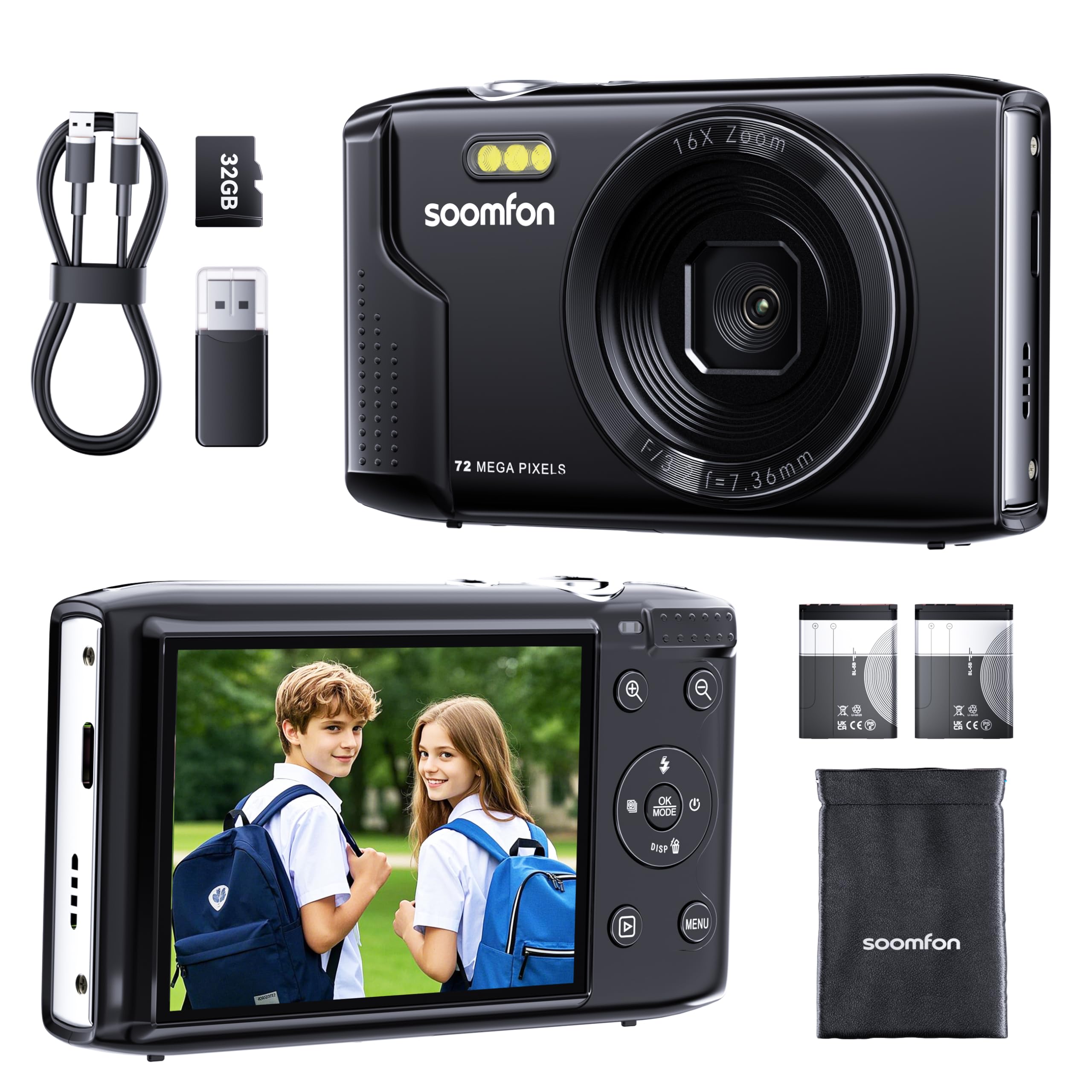 SOOMFON Digital Camera - Max 72MP Point and Shoot Kids Cameras with 16X Zoom, 32G TF Card, 2 Batteries and Card Reader, Compact Digital Camera for Kids Teens Beginners (Black) Rank #2 | — | ||
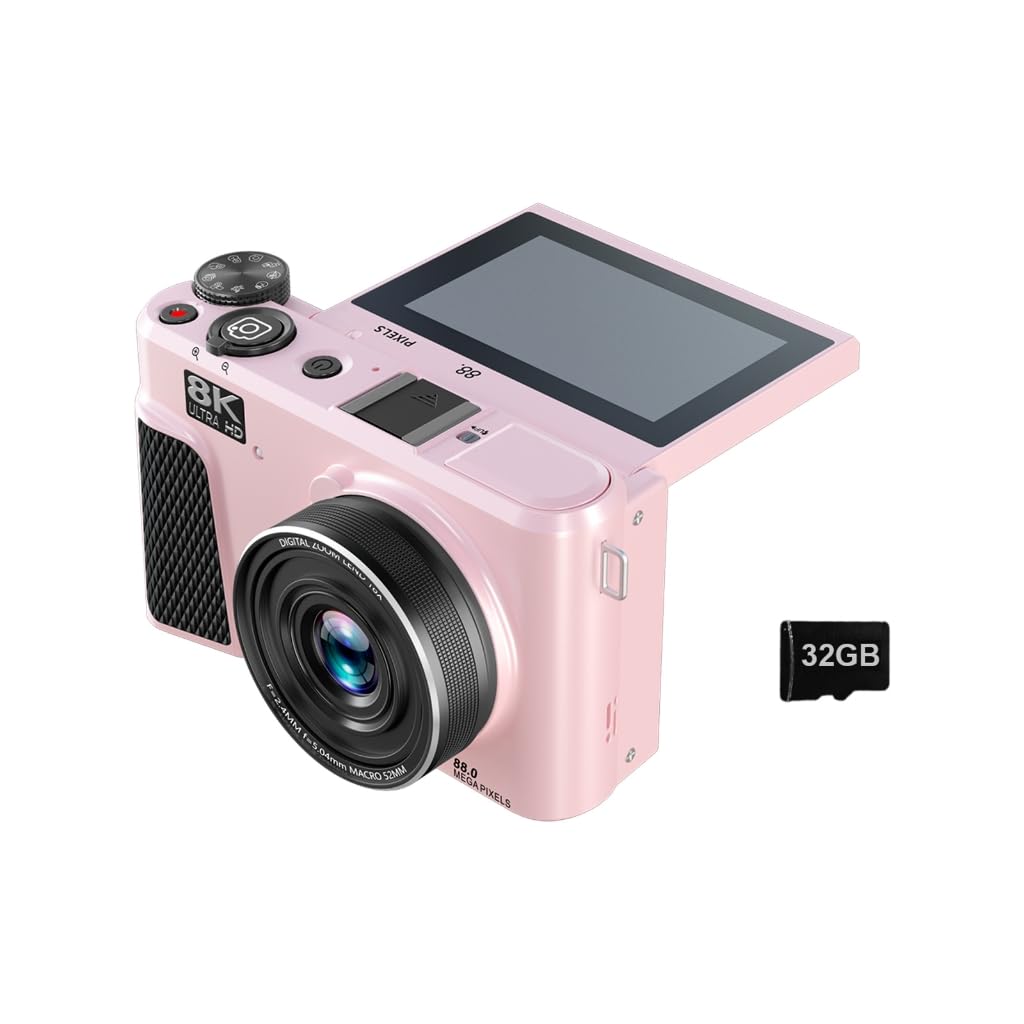 Digital Camera, 8K 88MP Autofocus Video Camera with 3in 180° Flip Screen, LED Fill Light, Support 18X Digital Zoom, WiFi Wireless Control, for Travel Photography (Pink) Rank #3 | — | — | |
 Digital Camera 4K with Case, 64MP Compact Vlogging Point&Shoot Video Camera 2.4" Flip Screen 16X Zoom Autofocus Antishake with 64GB Card Gift for Children Teen Boy Girl Student Beginner (Dark Brown) Rank #4 | — | — | |
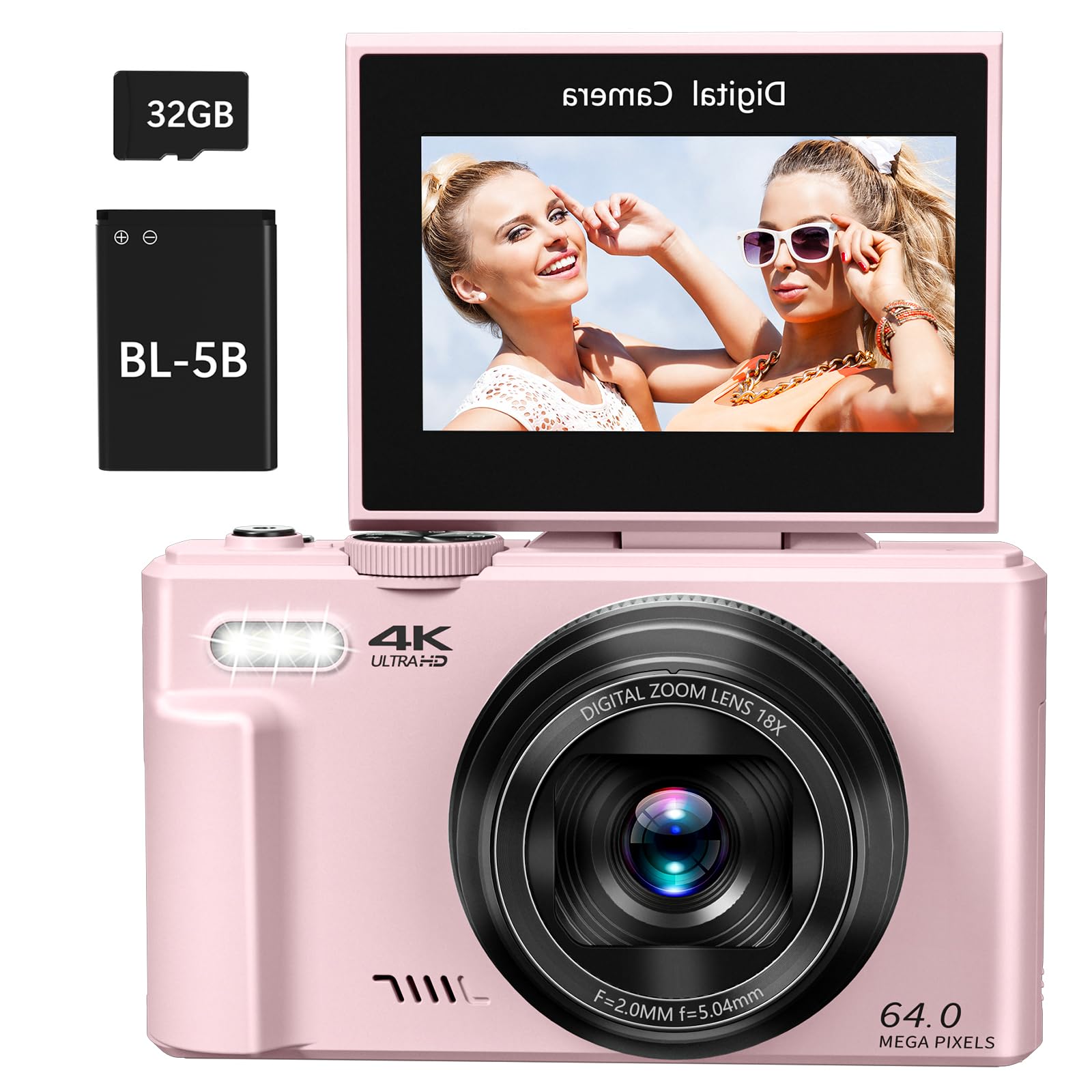 4K Digital Camera 64MP Vlogging Camera with 3" 180° Flip Screen, 18X Digital Zoom Point and Shoot Camara with 32GB Micro SD Card & Two Batteries (Pink) Rank #5 | 💰 Budget Pick | — | Check price → |
