Get the App
Better experience on mobile
From affordable USB mics to broadcast legends, these 7 microphones deliver clear, professional vocals for podcasts, streaming, and voiceover.
The best podcast microphone is not the one with the most studio pedigree—it's the one that flatters your room and your voice. Over the past few years, the prosumer market has exploded with sub-$100 USB dynamics that solve the loudest problem for most podcasters: background noise and room echo. Meanwhile, the long-time broadcast favorites (think the Shure SM7B and Electro-Voice RE20) remain the gold standard for their smooth, punchy sound that ignores the outside world.
But throwing money at a mic won't fix a bad recording chain. An XLR microphone needs a decent interface or a gain booster; a USB mic can sound surprisingly good but often locks you into a single computer. That's why we've selected a mix of both formats, weighing published specs, professional reviews, and owner feedback from major retailers.
In this guide, we'll cover the 7 microphones that currently stand out across every price tier—from the $70 Samson Q2U we've considered (and why we chose the ATR2100x instead) to the $449 RE20 that's been a radio booth staple since the 1960s. We'll also give you the exact things to look for when comparing mics, so you don't overspend on a mic that won't match your room or interface.
Whether you're interviewing guests in person, recording clean remote vocals, or building your first home studio, the right microphone can make you sound twice as produced—and the wrong one can make a $500 investment sound like a toy. Let's cut through the hype.
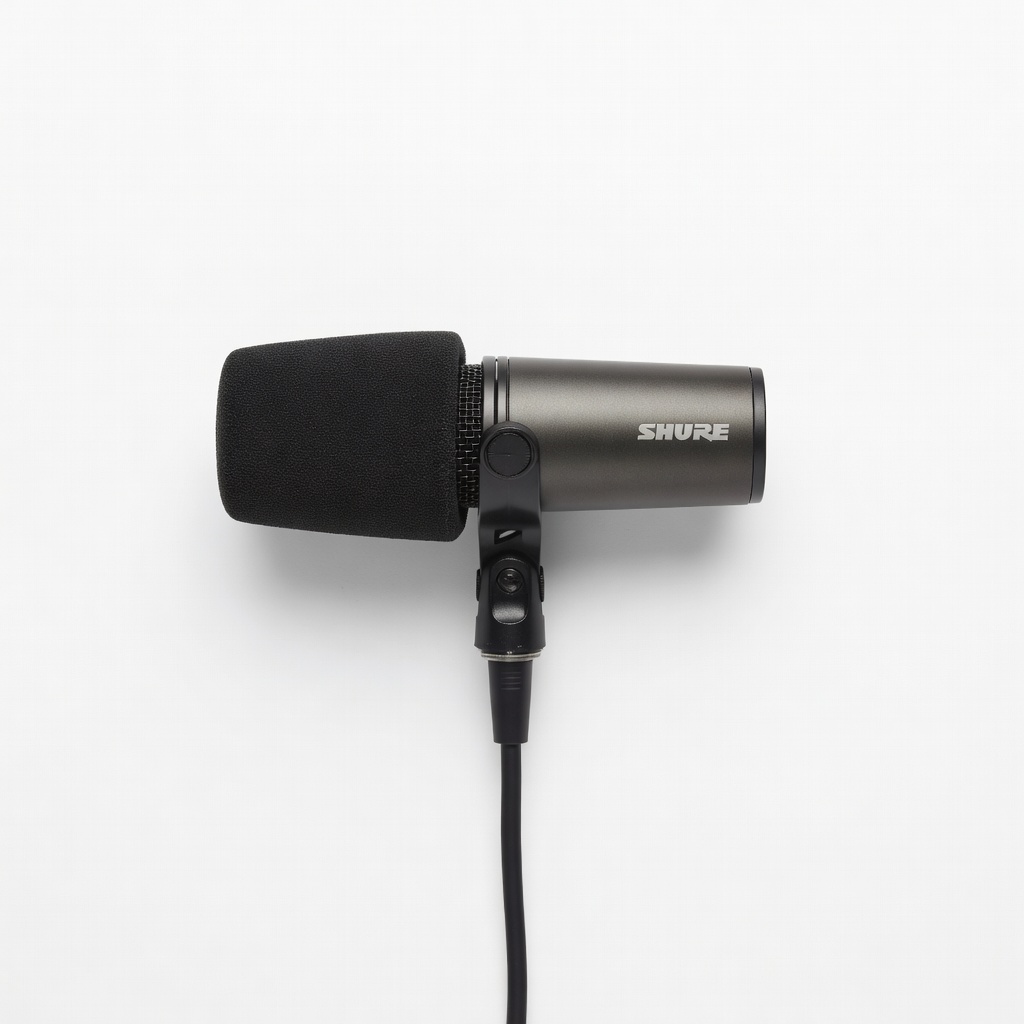
The Shure SM7B is the podcasting gold standard for a reason: its dynamic capsule delivers a warm, rich vocal tone while rejecting keyboard clicks, air conditioning, and room echo. It needs a high-gain preamp or an inline booster like the Cloudlifter, so budget for that extra hardware.
Main limitation: Its low output level means you'll likely need an outboard gain booster to hit healthy recording levels.
Skip if: If you're looking for a simple plug-and-play USB mic, the SM7B is not the right choice.
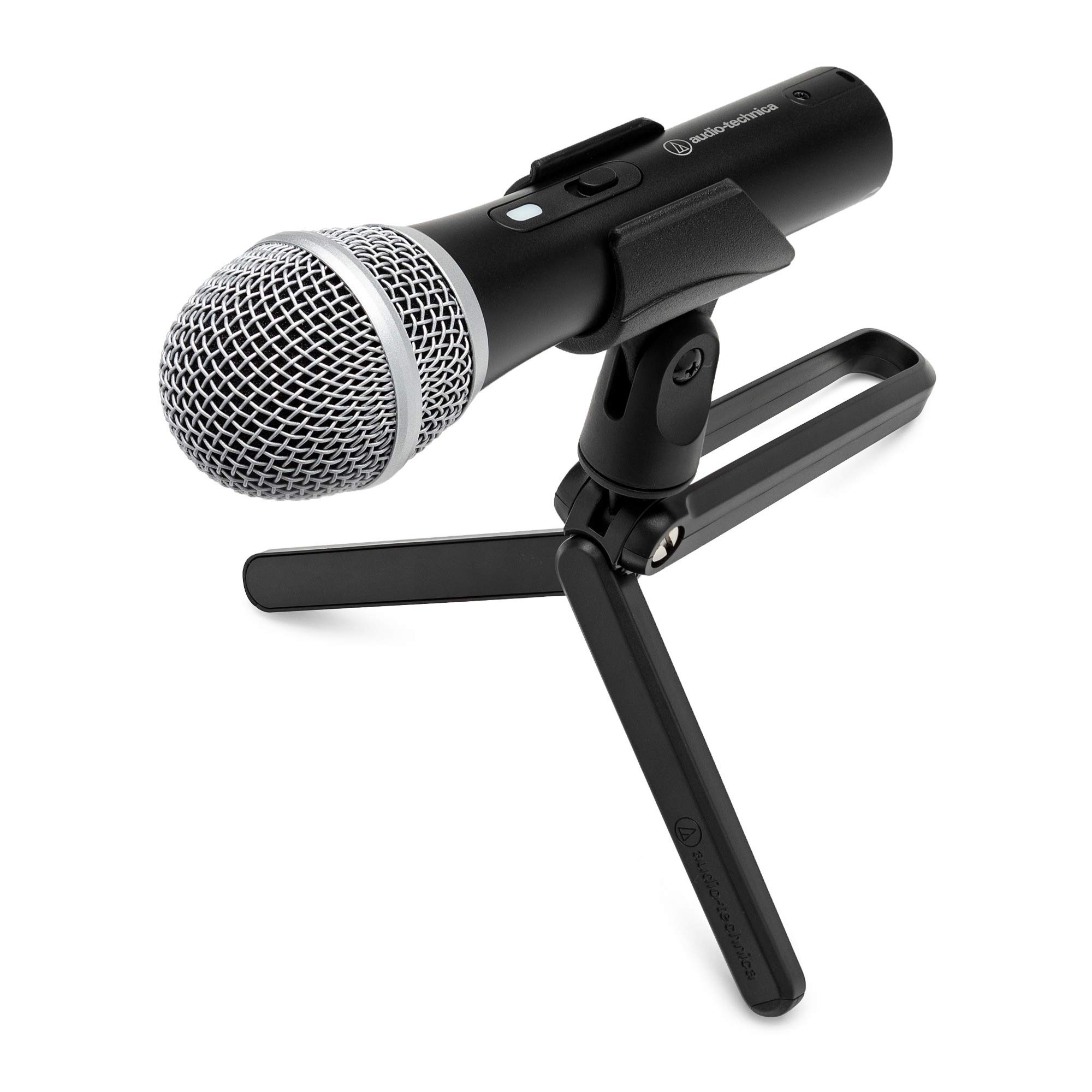
This dynamic mic gives you both USB-C and XLR outputs, so you can start with a simple USB connection today and switch to an interface later. Its cardioid capsule does a surprisingly good job of taming background noise for the price, making it the best value in podcasting.
Main limitation: The built-in USB preamp sounds a bit thin compared to a dedicated interface, and the plastic body feels less durable than pricier rivals.
Skip if: If you need a microphone with a full, high-end 'broadcast' tone and don't mind spending for it, this may leave you wanting.
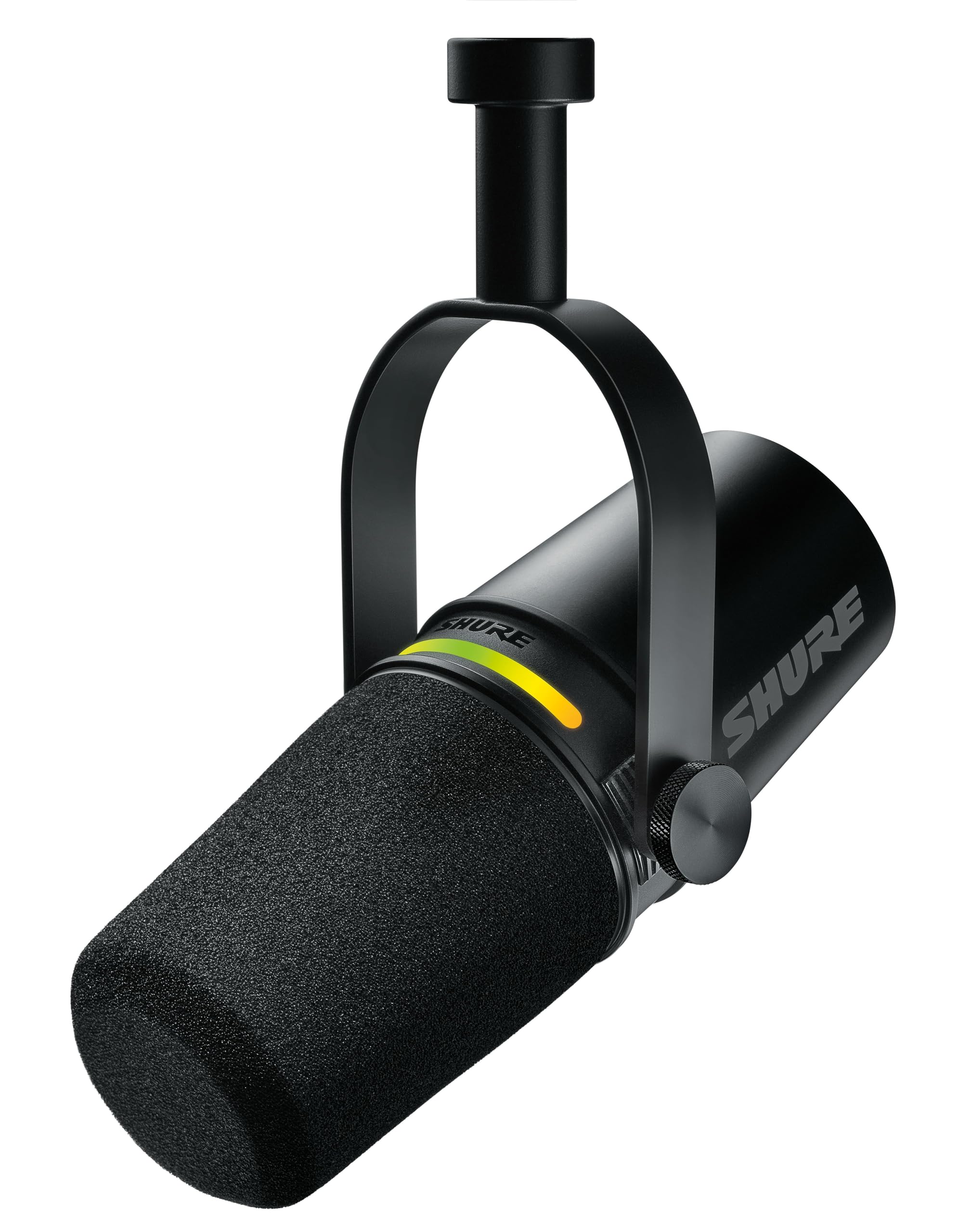
The MV7 brings the SM7B family's classic dynamic sound to a more affordable, USB+XLR microphone that's compatible with both computers and standard audio interfaces. Its automatic leveling (SmartDSP) keeps your volume consistent without needing to touch gain, which is a godsend for live podcasting.
Main limitation: The auto-leveling feature can color the sound with a touch of processing that purists might not appreciate.
Skip if: If you want a purely analog XLR chain with zero built-in processing, stick with the SM7B or RE20.
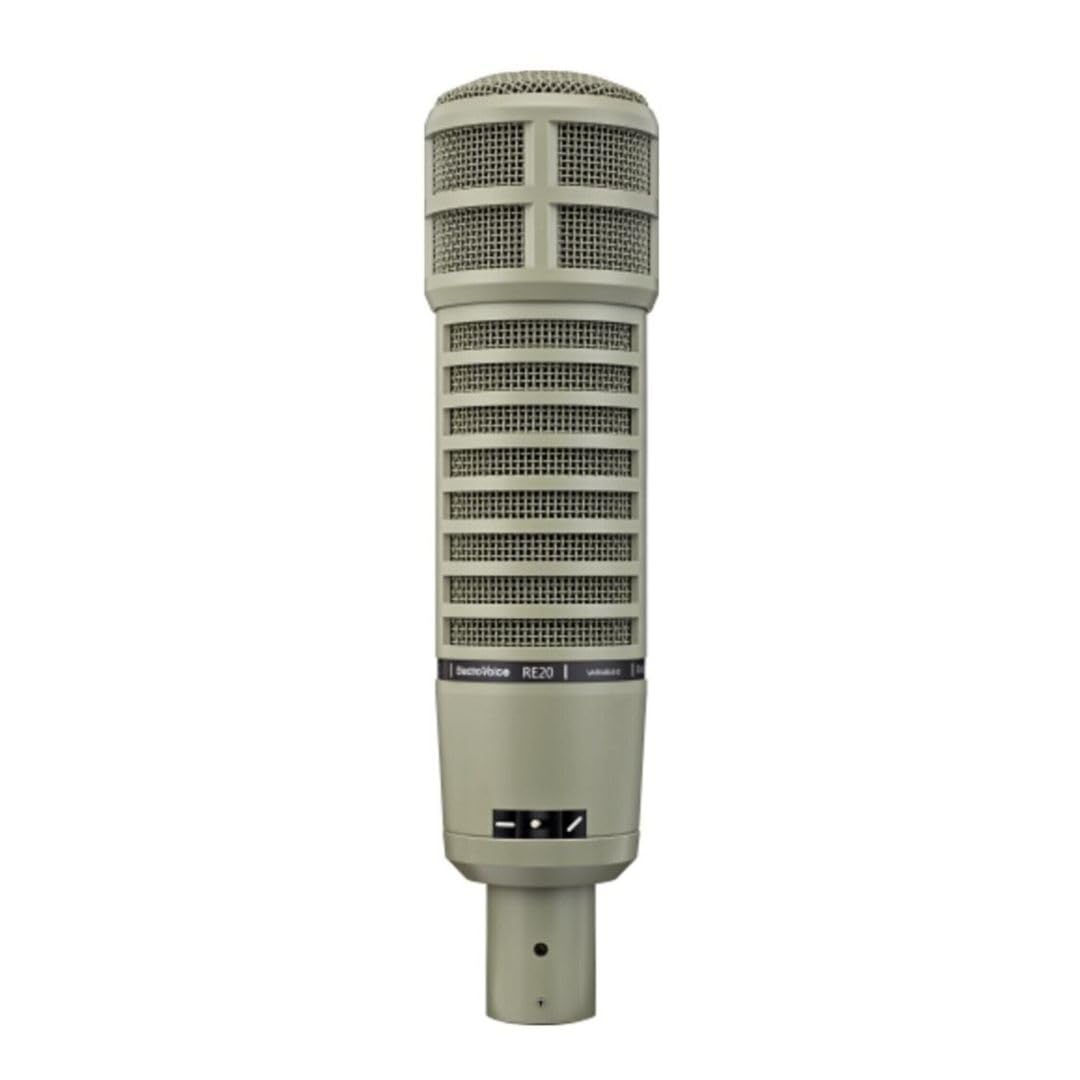
The RE20 has been a mainstay in radio stations for over 50 years, and its large-diaphragm dynamic capsule delivers a smooth, articulated voice that's instantly familiar to anyone who's listened to AM or FM. Its integrated pop filter and humbucking coil make it incredibly reliable, even in less-than-perfect studio conditions.
Main limitation: It's bulky, heavy, and expensive, plus the included metal yoke isn't compatible with most standard scissor mounts without an adapter.
Skip if: If you have a cramped desk or a tight budget, the RE20's size and price will likely be overkill.
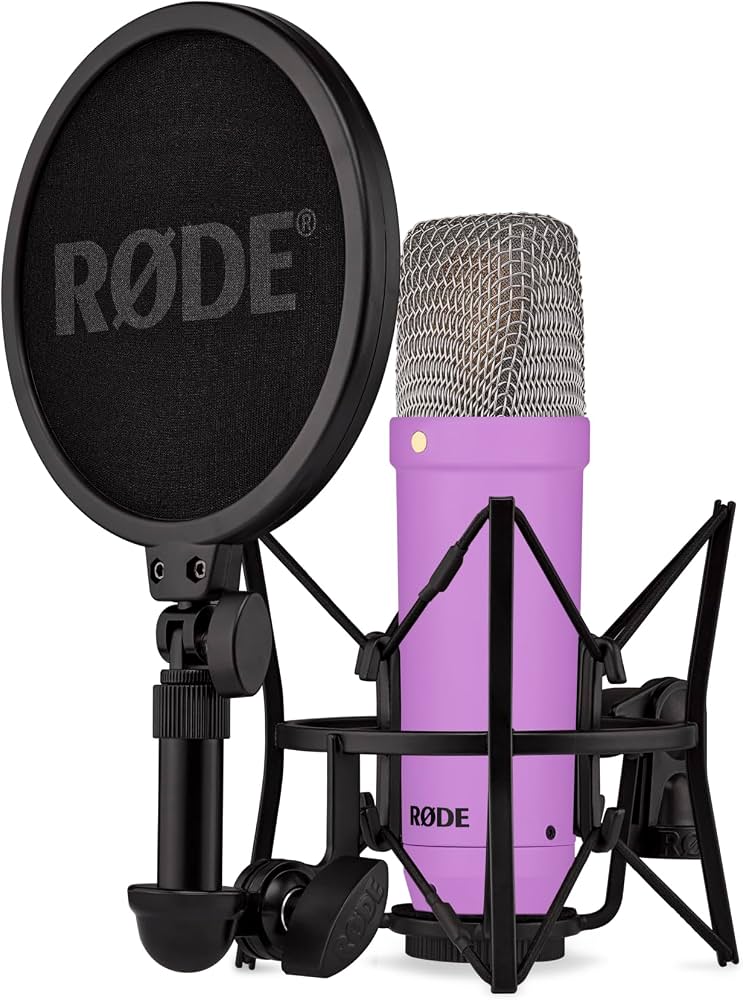
If you have a properly treated room (or a closet full of clothes), the NT1 is a vocal condenser that captures every nuance and detail of your voice with an extremely low self-noise of 4dBA. It delivers a wide, flat frequency response that makes sibilant voice and close-up breathing sound natural, but it's completely unforgiving in a noisy environment.
Main limitation: Its high sensitivity picks up every background sound—from a humming PC to a distant car horn—making it useless in untreated spaces.
Skip if: Never buy this for a noisy room; if you can't control ambient noise, choose a dynamic mic instead.
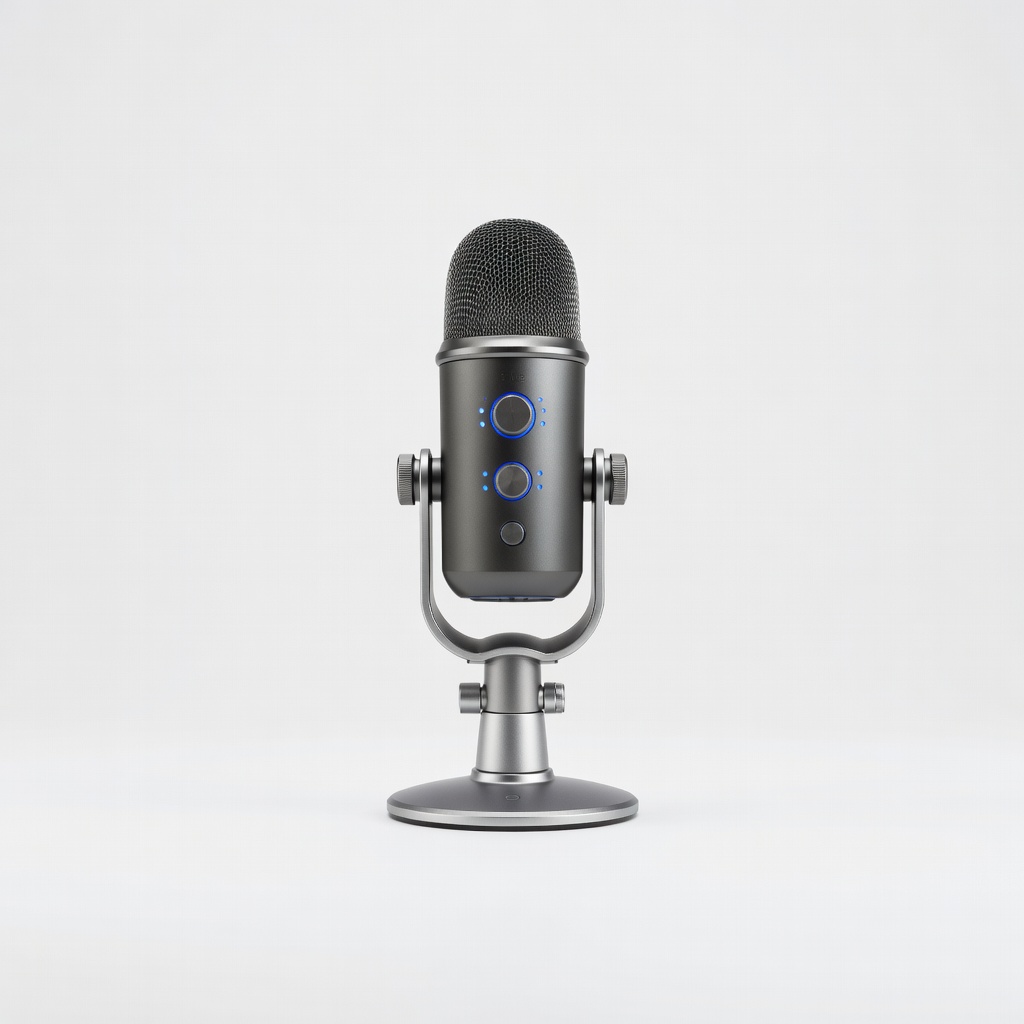
The Yeti X is a USB condenser with four selectable polar patterns—cardioid, omnidirectional, bidirectional, and stereo—making it a one-microphone solution for in-person interviews or roundtable discussions. Everything is plug-and-play, with built-in controls and a very forgiving angle for multiple talkers, but the audio quality is noticeably harsher on sibilants than a dedicated dynamic mic.
Main limitation: The condenser's bright character can emphasize 'ss' and 't' sounds, and the array of modes tempts you into settings that often sound worse than a good cardioid.
Skip if: If you're a solo podcaster chasing warm, broadcast-worthy vocals, a dynamic XLR mic will serve you better.
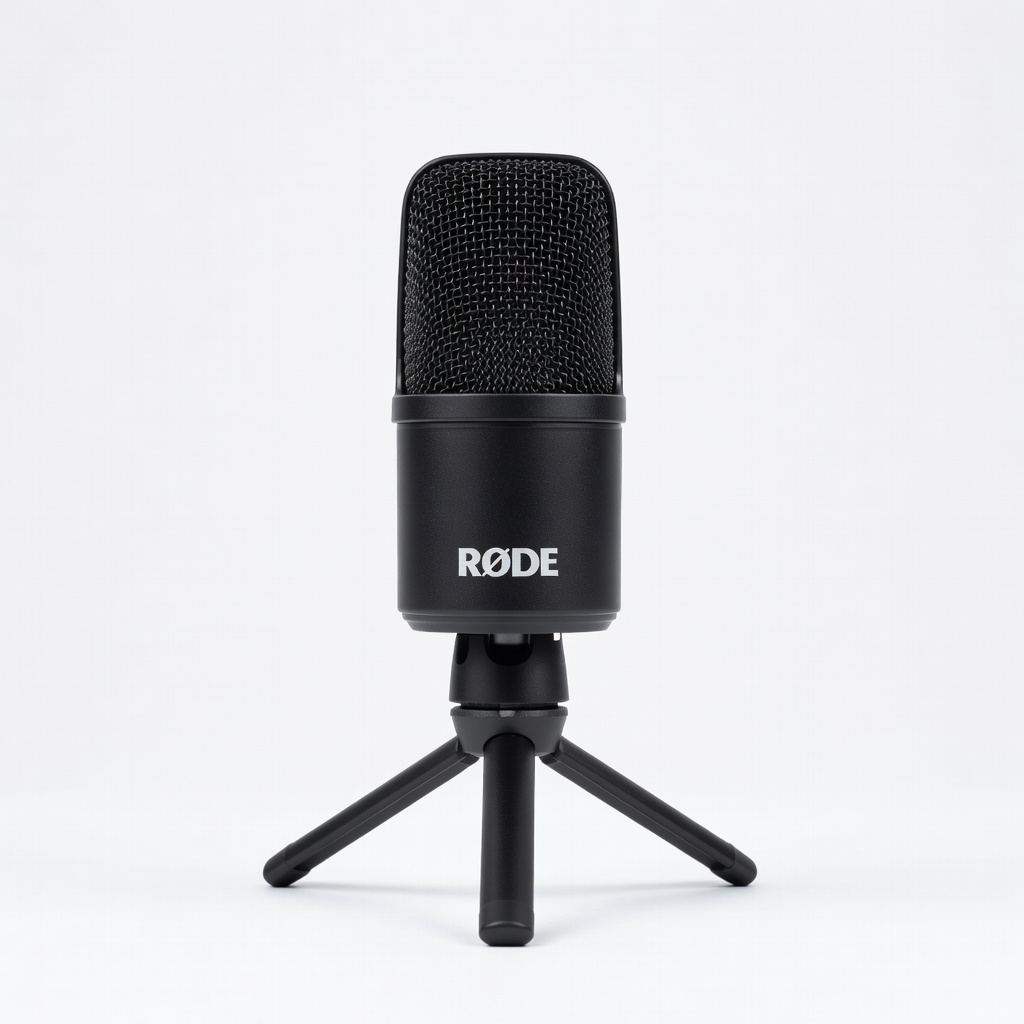
The PodMic gives you a heavy all-metal dynamic mic with a broadcast-style presence for just $99, making it an unbeatable choice when you already own an XLR interface or mixer. Its cardioid capsule rejects off-axis noise, and the low-cut and air filters are a nice touch, though you'll need a separate interface or recorder to use it.
Main limitation: It's XLR only, so it won't work with a computer unless you add a USB interface, and its low output demands a clean preamp.
Skip if: If you want a microphone that connects directly to your computer via USB, look elsewhere.
Compare key specs and features of all our recommendations side-by-side
| Product | Recommendation | Rating | Price |
|---|---|---|---|
Shure SM7B Rank #1 | 🏆 Top Pick | 9.5/10 | Around $399 Check current price → |
Audio-Technica ATR2100x-USB Rank #2 | 💰 Budget Pick | 8.5/10 | Around $99 Check current price → |
Shure MV7 Rank #3 | ⭐ Editor's Choice | 8.6/10 | Around $199 Check current price → |
Electro-Voice RE20 Rank #4 | — | 8.8/10 | Around $449 Check current price → |
Rode NT1 Rank #5 | — | 8.2/10 | Around $269 Check current price → |
Blue Yeti X Rank #6 | — | 7.8/10 | Around $150 Check current price → |
Rode PodMic Rank #7 | — | 8.3/10 | Around $99 Check current price → |
Common questions buyers have about this category.
If you want the simplest setup, a USB mic is your friend—plug it in and record. However, XLR mics are the standard for studio-quality podcasting because they allow for cleaner gain staging and easy compatibility with interfaces and mixers. Many podcasters start with a USB dynamic and upgrade to XLR when they add an interface and outboard processing.
Dynamic mics use a moving coil to convert sound, and they handle high sound pressure levels without distortion. They also have low self-noise and ignore background rumble, making them ideal for untreated rooms. Condenser mics are much more sensitive, capturing detail and nuance but also every ambient sound; they need a treated space to sound their best.
The SM7B has a low output level—it was designed for in-studio broadcast chains that often have powerful preamps. Most consumer-grade audio interfaces don't have enough clean gain to reach a healthy level without hiss. An inline booster like a Cloudlifter (around $100) supplies +24 dB of phantom-powered gain without adding coloration.
Yes, a pop filter stops plosive bursts that cause harsh low-frequency 'puffs'; a shock mount isolates the mic from desk and footstep vibrations that muddy your bass. If you're using a USB mic like the Blue Yeti X, the built-in capsule is so sensitive that you'll definitely need these—even with a dynamic mic, a pop filter is cheap insurance to avoid clipping during loud 'P' sounds.
Position your mouth 2 to 6 inches from the capsule, slightly off-center (off-axis) so that bursts aren't aimed directly at the diaphragm. You want to avoid the 'proximity effect' that adds excessive bass when you're right on top of the mic, but close placement gives you more presence and less room tone.
You can get a very usable podcast mic for $100 or less (the ATR2100x or Samson Q2U), and that's all you need to start. The $150–$250 range buys you better build quality, more features, and a more polished sound (like the Shure MV7). If you're willing to spend $400+ for an SM7B or RE20, you're investing in legendary broadcast tone, but you'll also need to budget for an interface and accessories.
Yes, most USB podcast mics include a 3.5mm headphone jack with latency-free monitoring, which is crucial for hearing yourself in real time. XLR mics don't have that, so you'll need an interface with a dedicated headphone output. If you record from home with family members moving around, closed-back headphones are a better choice.
Products we evaluated but did not recommend — and why.
