Get the App
Better experience on mobile
From budget USB mics to broadcast-grade XLRs, we've ranked the best options for clear, professional-sounding podcast audio.
The most important piece of gear in a podcast isn't the mixer or the recorder—it's the microphone. A great mic can make a closet sound like a studio, while a poor one can make a professional studio sound like a call center. The good news is that you don't need to spend a fortune to sound fantastic. The key is understanding what kind of mic fits your recording environment and tech setup.
Dynamic microphones are the first choice for most podcasters because they reject background noise and don't require a treated room. Condensers, on the other hand, pick up more detail but also more room tone—good for controlled spaces, risky for echoey rooms. Connection type matters too: USB mics plug directly into your computer for instant setup, while XLR mics require an audio interface but offer more long-term flexibility and upgradeability.
In this guide, we've selected seven microphones that cover every common use case. We've balanced proven classics with modern hybrid designs, and we've weighed factors like frequency response, onboard DSP, polar patterns, and build quality. Our top pick, the Shure MV7+, offers the best mix of performance and convenience for most podcasters, but there are excellent budget and specialized alternatives below.
Whether you're a solo host recording from a spare bedroom, a co-host collaboration environment, or a polished broadcaster upgrading to XLR, this list will help you find the right microphone for your show.
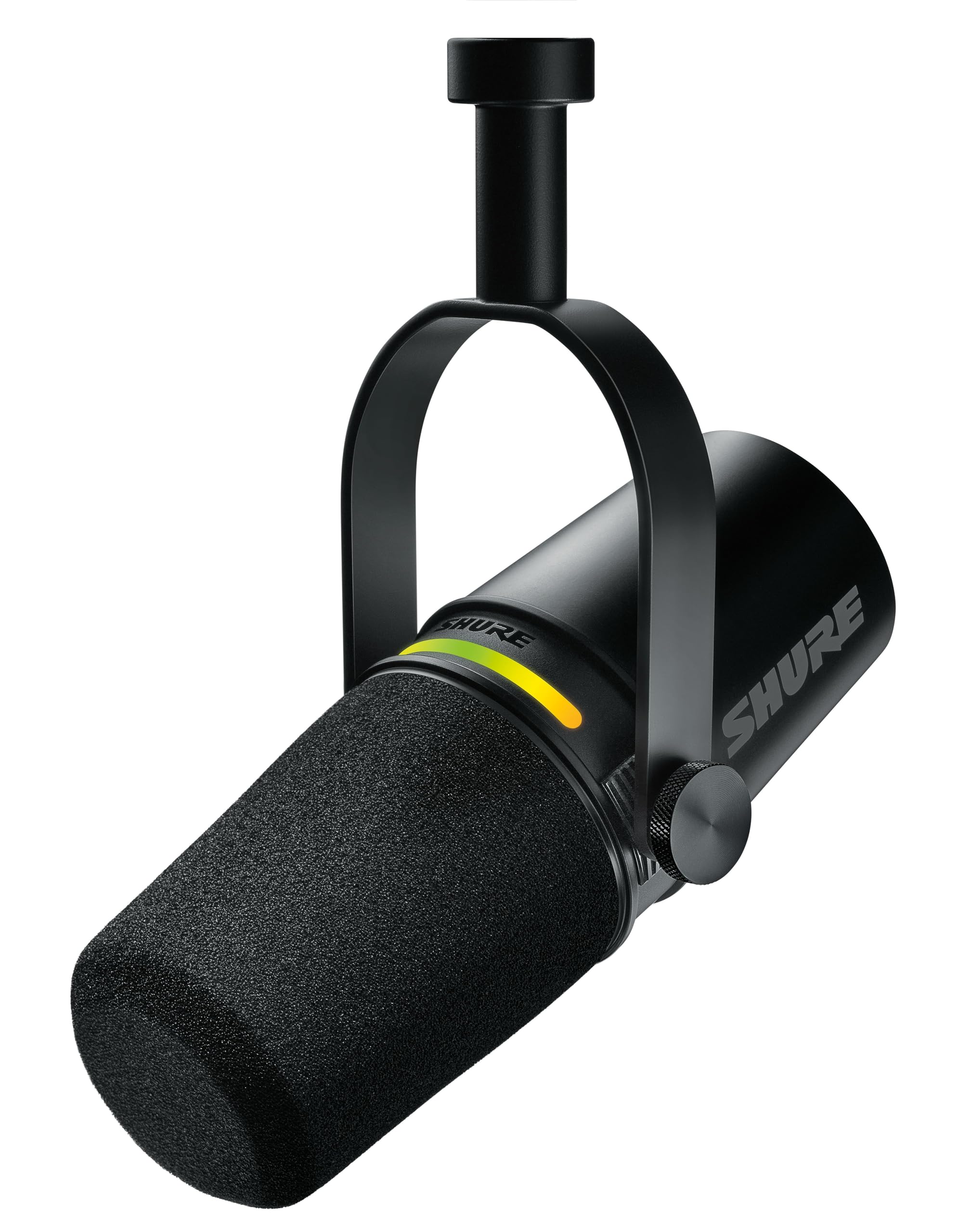
The Shure MV7+ is a dynamic hybrid microphone that works as both USB and XLR, giving you plug-and-play simplicity today and a path to an interface later. Its built-in DSP using the ShurePlus MOTIV app delivers excellent, rich voice reproduction that rivals much pricier studio mics. The trade-off is that the touch-sensitive control panel can be finicky and the price is higher than budget-focused USB mics.
Main limitation: The touch panel is easy to accidentally bump during recording, and the mic's higher price excludes budget-conscious beginners.
Skip if: If you're just starting out and need to spend under $100, the MV7+'s premium features aren't essential.
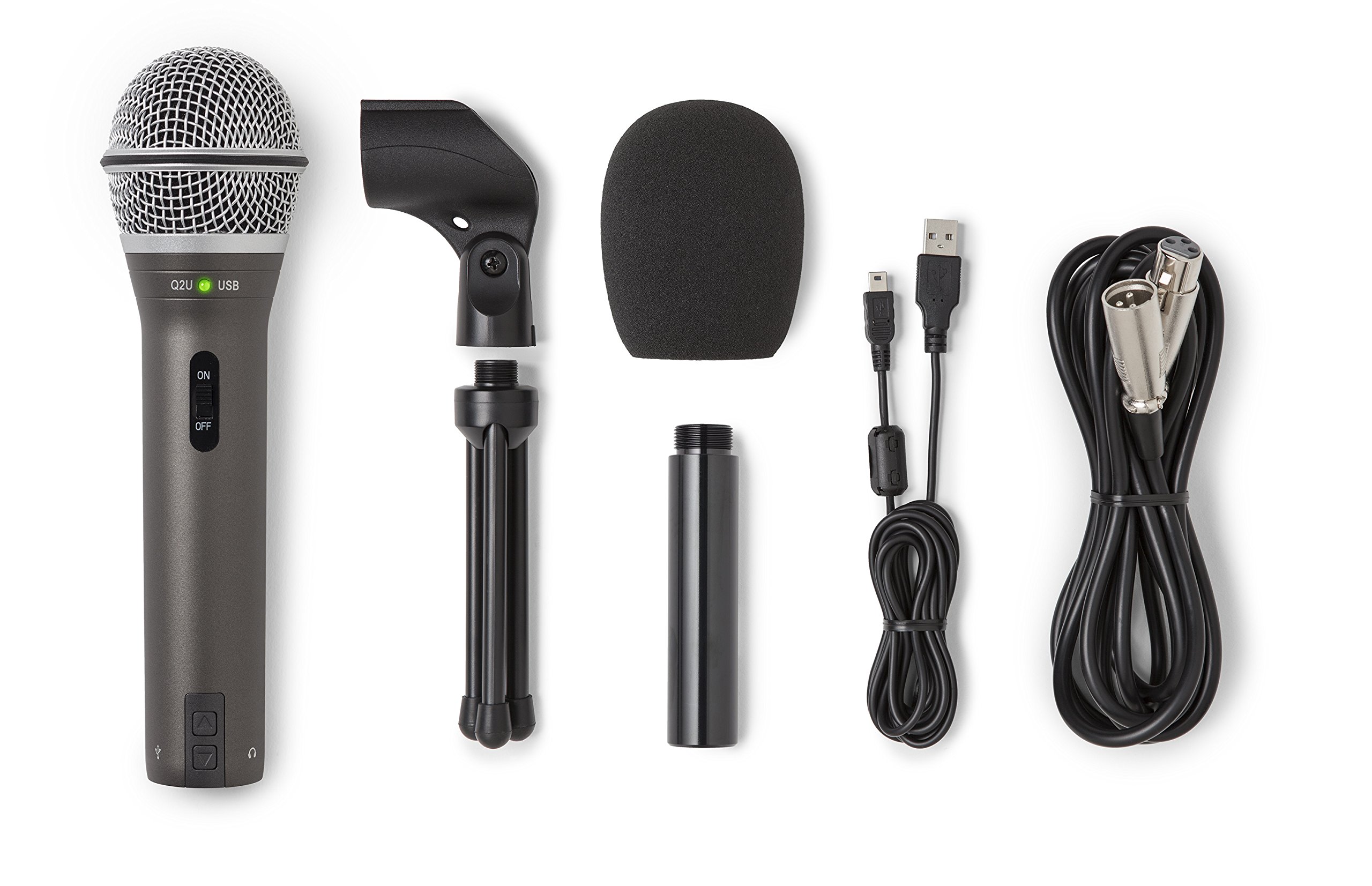
The Samson Q2U is the undeniable value king of podcasting: a dynamic microphone with both USB and XLR outputs that costs less than half of most premium hybrid mics. It delivers a surprisingly smooth, warm tone that smothers the competition at its price, and its built-in headphone jack provides zero-latency monitoring. The trade-off is a more utilitarian build and a slightly dated USB-B connection.
Main limitation: The USB-B port can become loose over time, and the included stand and cable aren't top-tier.
Skip if: It's not for those seeking a sleek, modern aesthetic or advanced DSP control—you get solid audio, not extra software features.
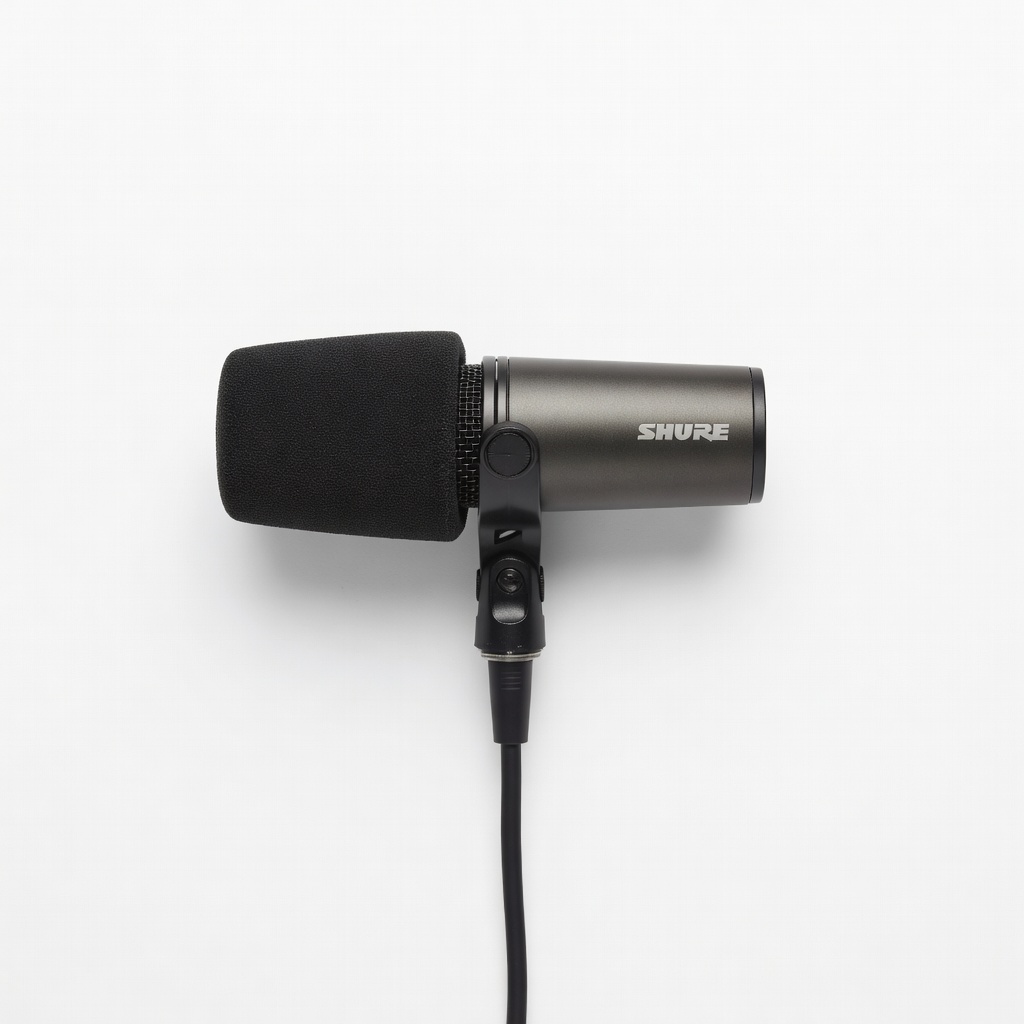
The Shure SM7B is the microphone you hear on virtually every professional podcast. Its iconic dynamic capsule delivers smooth, flat frequency response with that unmistakable 'radio-ready' warmth, and its built-in pop filter and shock isolation handle plosives effortlessly. The trade-off is that it requires an XLR interface with a clean gain boost (ideally a Cloudlifter) to avoid a thin, underpowered sound.
Main limitation: You'll need at least 60dB of gain from an audio interface (often requiring an inline preamp), making the full setup cost much higher.
Skip if: If you're relying on USB connection only or don't want to invest in additional audio gear, skip this classic.
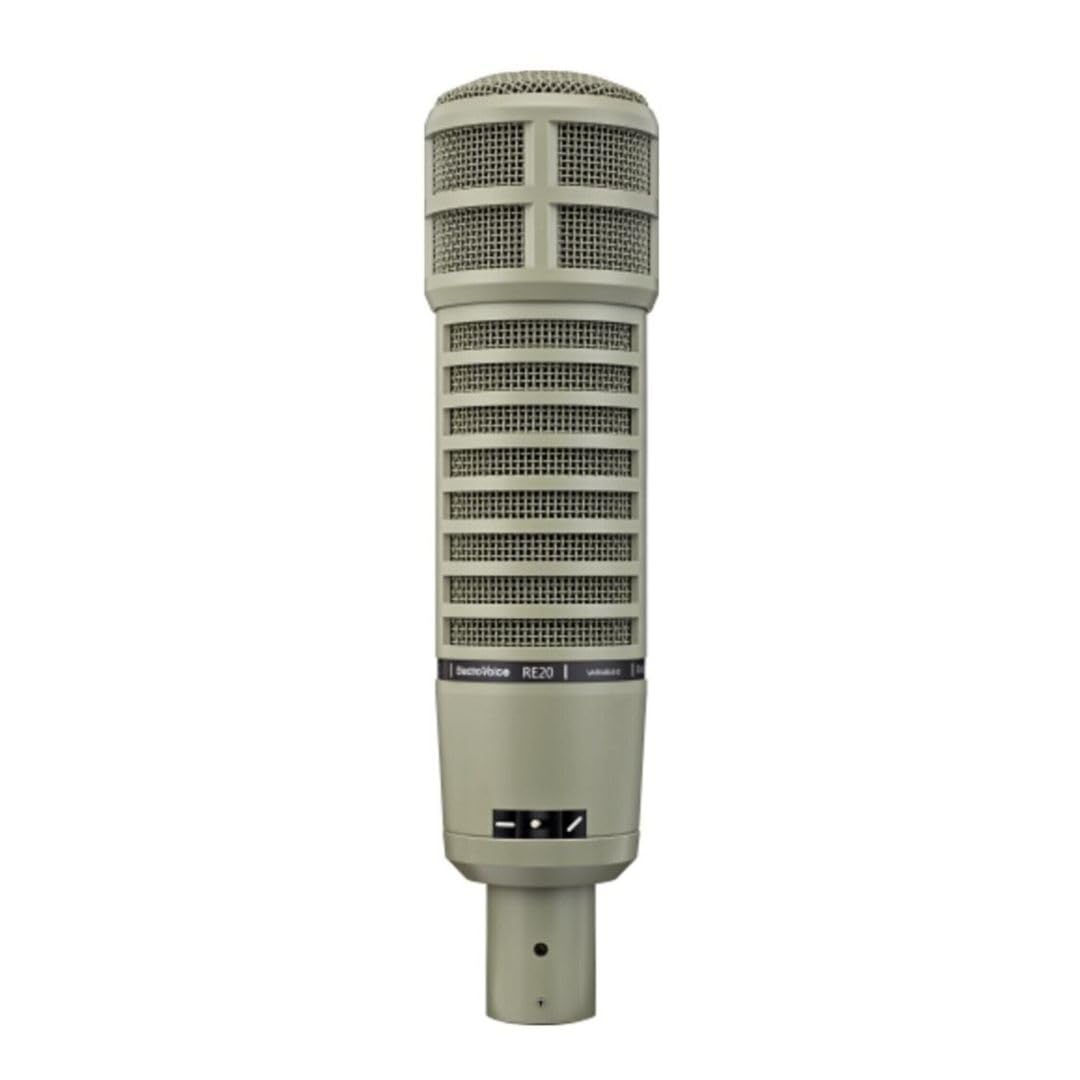
The Electro-Voice RE20 is the endless standby of radio—a large-diaphragm dynamic mic with variable-D technology that resists proximity effect and ensures consistent tone whether you're 2 inches or 6 inches away. It's rugged, nearly indestructible, and delivers a clear, detailed sound that handles both speech and music. The trade-off is its high price and massive size, which demands a serious boom arm.
Main limitation: At roughly $500, it's one of the most expensive mics on this list, and its physical footprint makes a lightweight desktop stand useless.
Skip if: Podcasters on a modest budget or those with limited desk space will struggle to justify the investment.
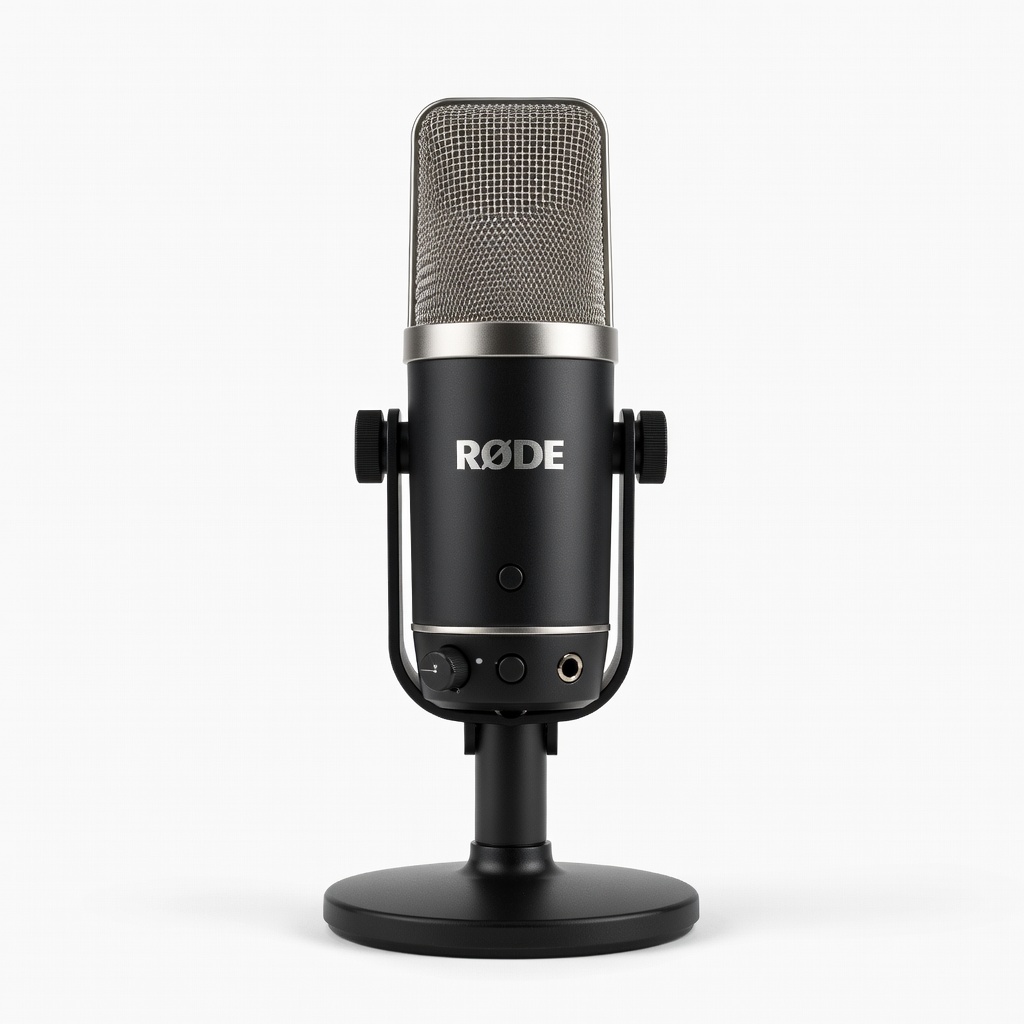
The Rode NT-USB+ delivers a beautifully bright, condenser-quality sound with a simple USB-C connection. Its internal pop filter and included shock mount help clean up wet plosives, and the high-quality analog-to-digital converter captures every nuance of your voice. The trade-off is that it's a USB-only condenser, so it picks up more room noise and can't be used as an XLR mic later.
Main limitation: Without an XLR output, it won't integrate with hardware mixers—and the condenser capsule requires a quiet, low-reverb room to sound its best.
Skip if: If you record in an untreated, echo-prone space or plan to build a hardware-based studio, this mic isn't for you.
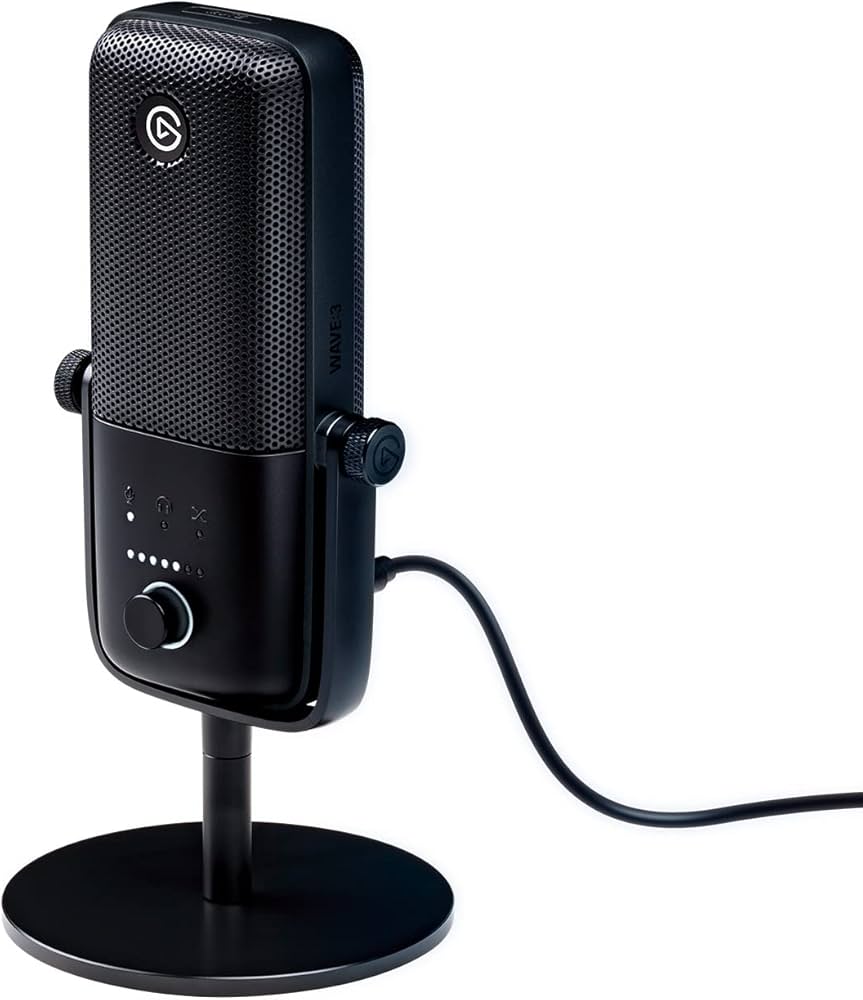
The Elgato Wave 3 is a stellar USB condenser that shines when you're doing live streaming and podcasting side by side. Its proprietary Wave Link software gives you a virtual mixer with a Clippard feature that prevents your audio from clipping, plus separate channels for mics, apps, and music. The trade-off is that it's USB-only, and the software's best integration features are Windows-focused.
Main limitation: Mac users get a functional but less refined software experience, and the built-in condenser isn't ideal for untreated noisy rooms.
Skip if: If you record in a live room with lots of ambient noise or you need to plug into an XLR interface, this mic won't satisfy.
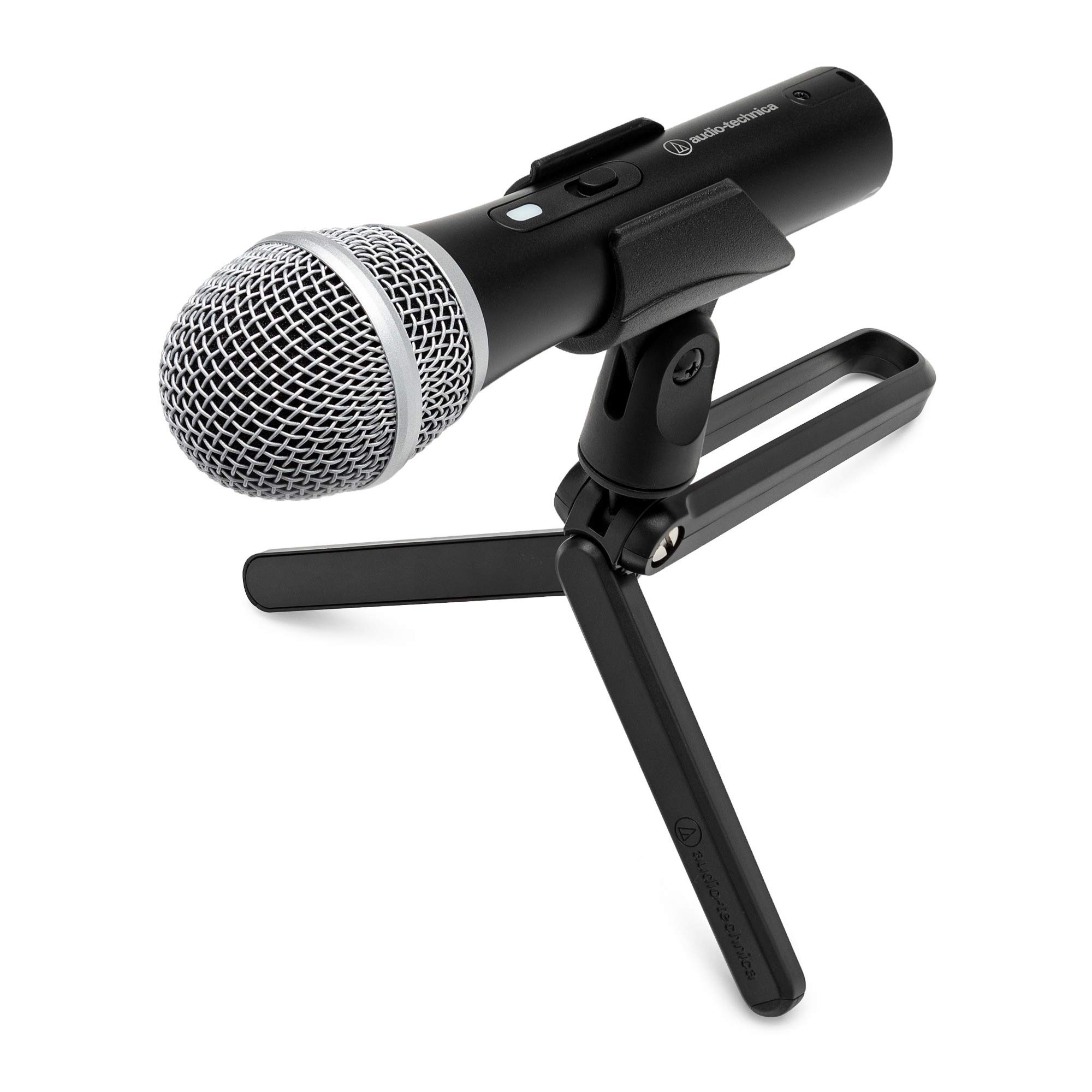
The Audio-Technica ATR2100x-USB is a lightweight, go-anywhere dynamic mic with both USB-C and XLR connections, making it perfect for podcasters who record on the road. It shares a similar capsule design with the pricier ATR2100, producing a clean, focused signal, and its foldable tripod stand fits in a backpack. The trade-off is that it lacks a built-in shock mount and the included stand is flimsy.
Main limitation: Without a shock mount, handling noise and desk vibrations can be transmitted, especially if you don't isolate it properly.
Skip if: If you want a mic with a robust built-in shock mount and a desk-ready stand, this is not your first choice.
Compare key specs and features of all our recommendations side-by-side
| Product | Recommendation | Rating | Price |
|---|---|---|---|
Shure MV7 Rank #1 | 🏆 Top Pick | 9.2/10 | |
Samson Q2U Rank #2 | 💰 Budget Pick | 8.2/10 | $69–$79 Check current price → |
Shure SM7B Rank #3 | ⭐ Editor's Choice | 9.0/10 | |
Electro-Voice RE20 Rank #4 | — | 8.8/10 | $499–$549 Check current price → |
Rode NT-USB+ Rank #5 | — | 8.3/10 | |
Elgato Wave:3 Rank #6 | — | 7.8/10 | $149–$159 Check current price → |
Audio-Technica ATR2100x-USB Rank #7 | — | 7.6/10 |
Common questions buyers have about this category.
USB microphones have a built-in analog-to-digital converter and plug directly into your computer via USB—no additional gear needed. XLR microphones output an analog signal that requires an audio interface or mixer to convert to digital, but they offer more flexibility for multi-mic setups, hardware processing, and future upgrades. Hybrid mics like the Shure MV7+ and Samson Q2U give you both options, making them a popular choice for podcasters who may want to move from USB to XLR later.
Most dynamic podcasting mics include basic pop protection and shock isolation internally (like the SM7B), but USB condensers often come with external pop filters and shock mounts. A pop filter is necessary if you record close to the mic and hear plosive 'p' and 'b' bursts; a shock mount is essential if you're in a space with heavy foot traffic or a wobbly desk. If your mic doesn't include them, consider buying aftermarket accessories—they make a noticeable difference at a low cost.
No. The Shure SM7B is an XLR-only microphone, so it absolutely requires an audio interface or mixer that provides 48V phantom power (though the SM7B doesn't need phantom power, it needs substantial gain). The SM7B's output is low, so you'll also need a preamp with at least 60dB of clean gain—many interfaces fall short. If you want the SM7B sound without extra gear, consider a hybrid like the Shure MV7+ instead.
A dynamic microphone with a cardioid pattern is the golden rule for untreated rooms. The Shure MV7+, Samson Q2U, and Audio-Technica ATR2100x all reject off-axis noise, so they'll ignore room echo, PC hum, and street noise far better than any condenser. Dynamics also have lower sensitivity, meaning you'll capture less of the room's reverb and more of your voice, even if you haven't hung acoustic panels.
For a complete beginner, $70–$100 is a realistic sweet spot—the Samson Q2U and ATR2100x are proven performers at that price and include USB capabilities. If you're upgrading and want a rich, broadcast-quality tone with DSP control, plan to spend $200–$250 on a hybrid like the Shure MV7+. Professional XLR mics like the SM7B and RE20 cost $400–$500, but they also require a separate interface, so budget at least $150 extra for that.
Yes, the MV7+ shows up as a standard USB microphone in macOS and Windows, so it's compatible with any recording software like Audacity, GarageBand, Zoom, Riverside.fm, or OBS. The ShurePlus MOTIV app is available for both desktop and mobile to adjust DSP settings, but even without the app, the mic works out of the box. Note that some advanced features like auto-level mode require the app to be installed for the device to remember your settings.
Products we evaluated but did not recommend — and why.
