Get the App
Better experience on mobile
From adjustable lofts to contour designs, these pillows stand out based on sleep expert reviews and user feedback for targeted neck relief.
Neck pain often stems from poor spinal alignment during sleep, where even a 1-2 inch mismatch in pillow height can strain cervical muscles overnight. The most effective pillows for relief contour to the neck's natural curve while adapting to individual shoulder width and sleep position, drawing from orthopedic guidelines that favor medium-firm support over plush fluff.
In a market flooded with gel-infused foams and shredded fills, the key differentiators are adjustability for personalization and materials that resist flattening over 6-12 months of use. We focused on options excelling in these areas per expert analyses, covering budgets from under $50 to premium builds over $150, ensuring picks for side, back, and combination sleepers.
This guide previews pillows that balance targeted support with everyday comfort, highlighting trade-offs like heat retention or initial firmness to help you match the right one to your needs without guesswork.
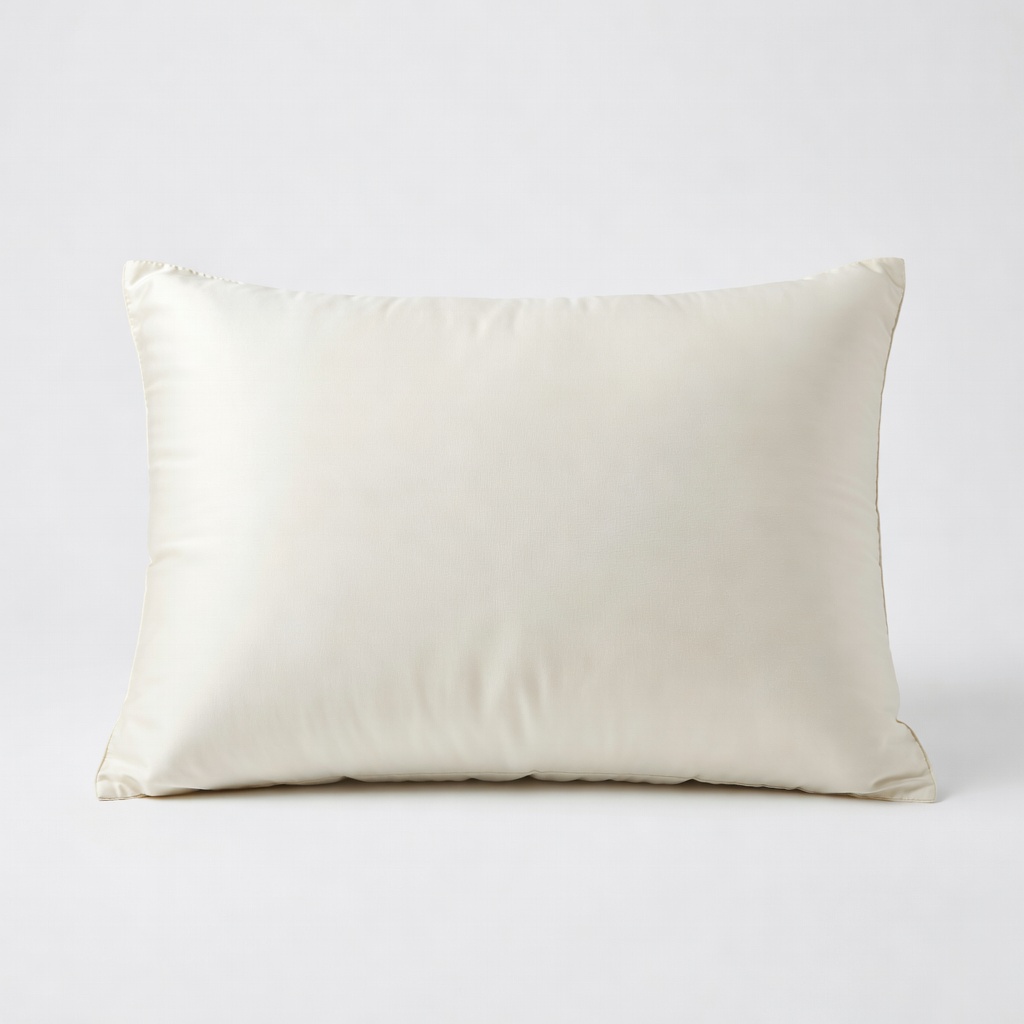
This shredded memory foam pillow lets you customize fill for perfect neck cradling and spinal alignment, earning high marks in expert reviews for versatility across sleep positions. It stays supportive long-term without clumping, based on feedback from thousands of users. The main trade-off is its slightly bulkier profile on smaller beds.
Main limitation: It requires occasional fluffing and reshaping to maintain even loft distribution.
Skip if: Skip this if you prefer a non-adjustable, one-size-fits-most design without any maintenance.
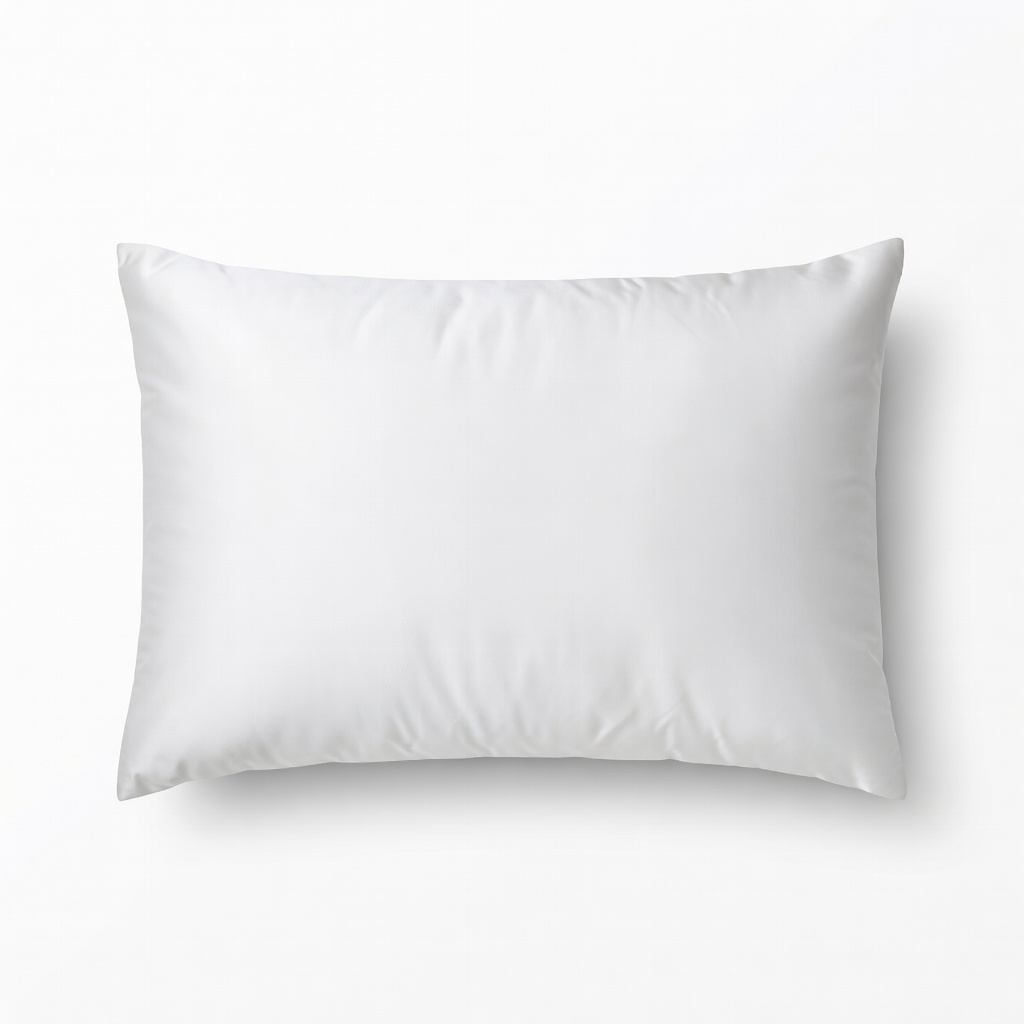
Down-alternative gel fiber provides plush yet supportive neck cushioning at a fraction of premium costs, with strong durability noted in buyer aggregates. It molds gently to the head without sinking too deep. The trade-off is less contouring precision compared to memory foam.
Main limitation: The gel fill can shift slightly during the night, requiring minor readjustment.
Skip if: Avoid if you need firm orthopedic-level support for severe chronic pain.
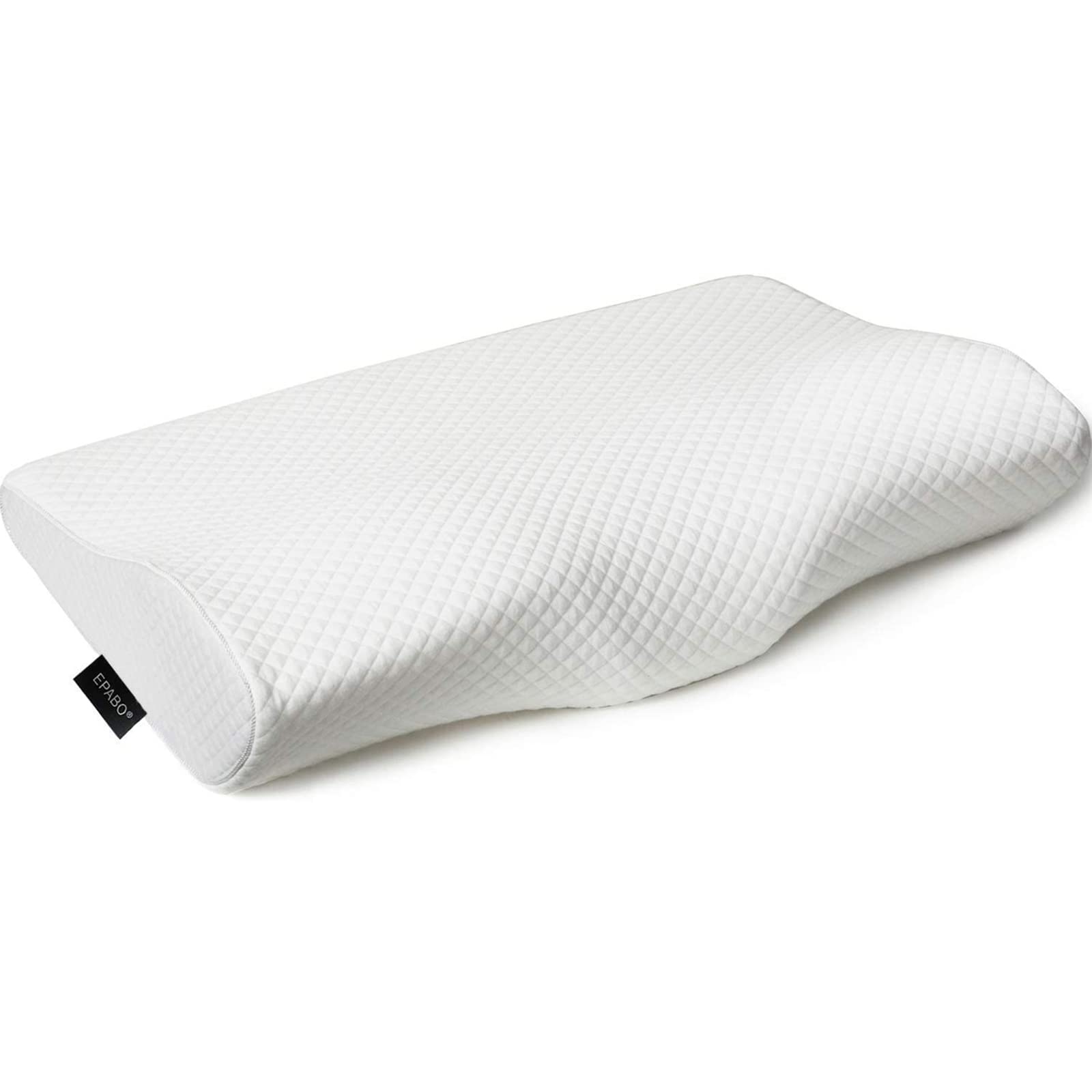
Ergonomic dual-wave shape offers targeted cervical support by elevating the neck while cradling the head, praised in sleep reviews for side-sleeper alignment. The removable insert allows height tweaks. Its firmness may feel too rigid at first for softer-pillow fans.
Main limitation: Initial off-gassing odor from memory foam can linger for a few days.
Skip if: Pass if you're a stomach sleeper, as the contour height exacerbates lower neck strain.
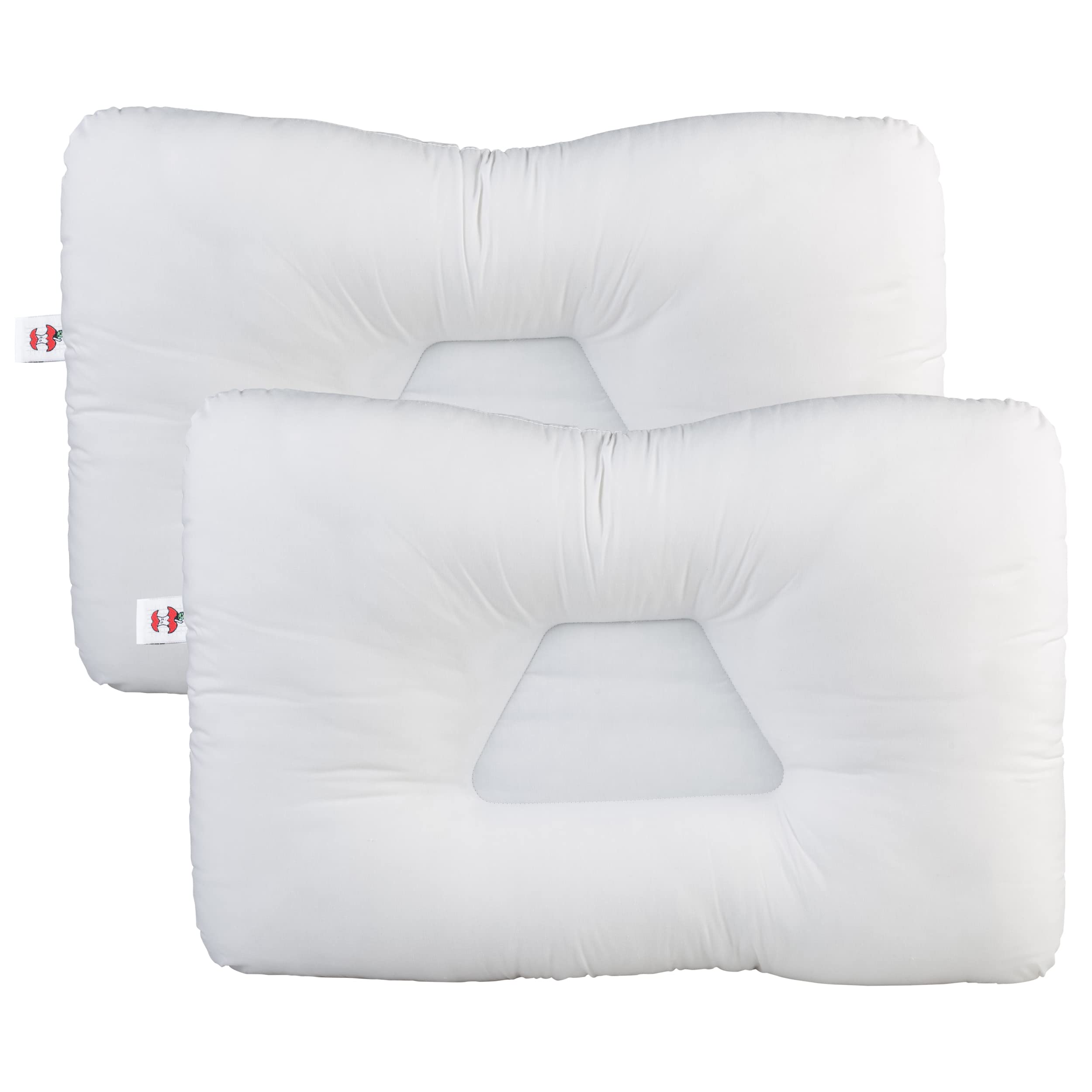
Unique three-core design with a center divider prevents foam shifting for consistent neck elevation and shoulder relief, favored by physical therapists in reviews. It promotes neutral spine alignment effectively. The rectangular shape limits appeal for aesthetic bed setups.
Main limitation: Its firm edges can feel pokey until broken in over a week.
Skip if: Don't choose this if you switch positions frequently, as it's optimized for static side sleeping.
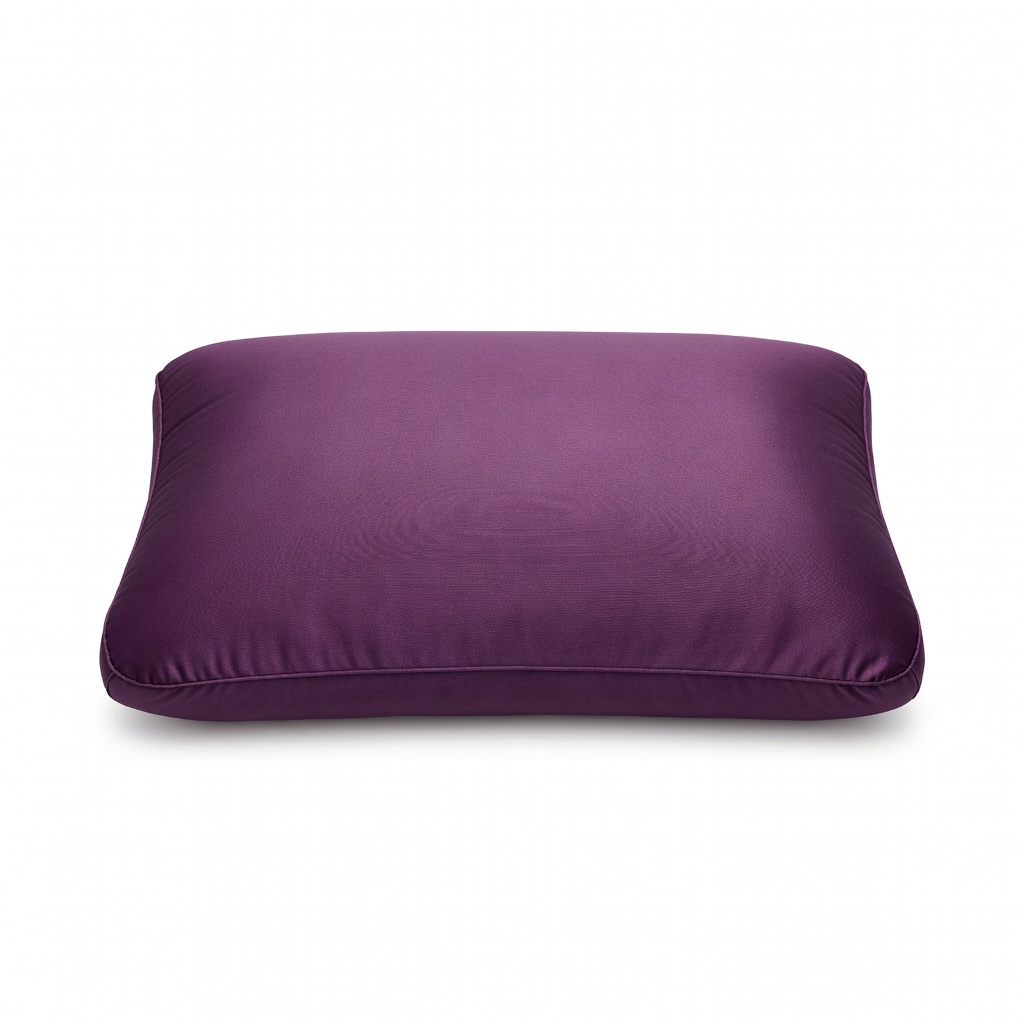
Latticed Hyper-Elastic Polymer grid wicks heat while conforming precisely to neck contours, standing out in hot-sleeper feedback for no-sweat support. The tall loft suits broader shoulders. It demands a higher price for the proprietary tech.
Main limitation: The distinctive grid texture may feel unconventional under the head initially.
Skip if: Skip if you're sensitive to springy materials and prefer traditional foam sink.
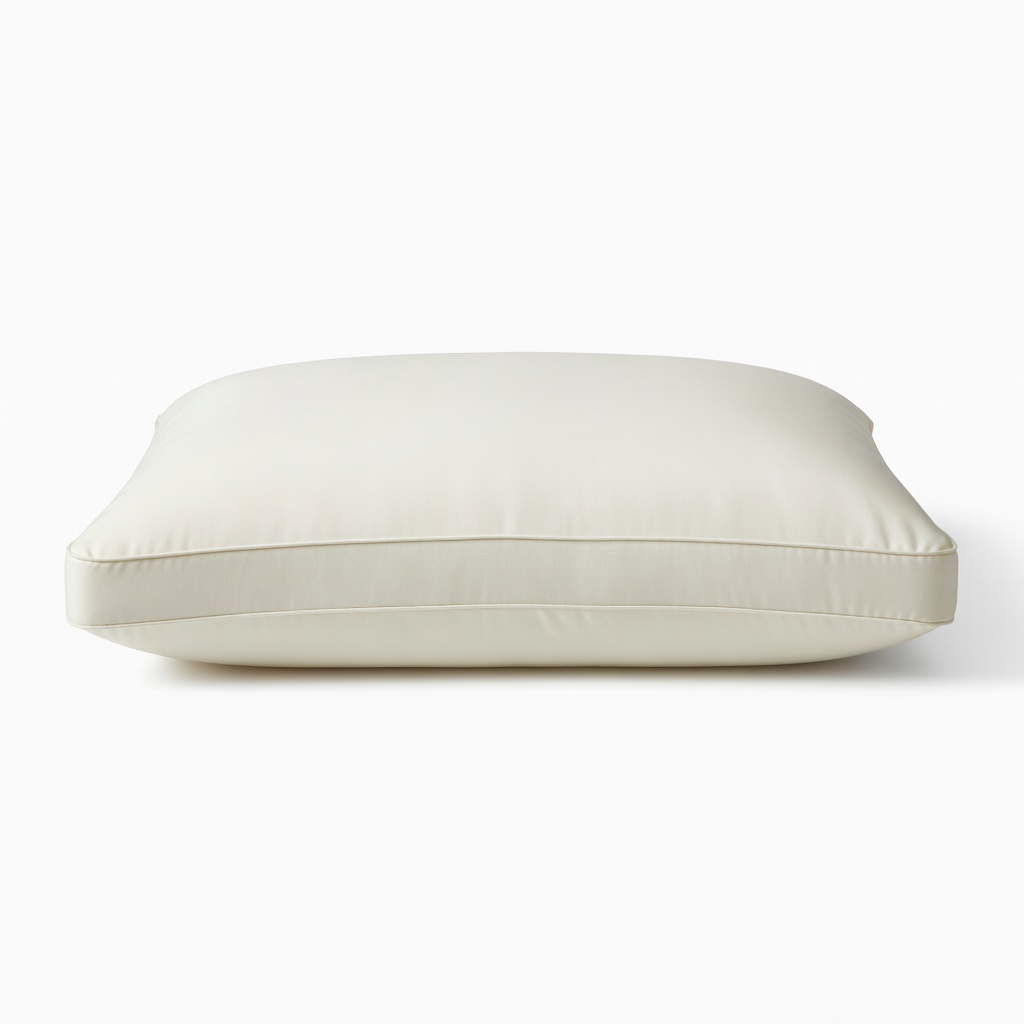
Organic shredded Talalay latex delivers responsive bounce and antimicrobial neck support without chemical odors, highlighted in eco-review roundups for longevity. It's naturally cooling and hypoallergenic. The organic cover adds premium cost.
Main limitation: Latex's subtle bounce might not cradle as deeply as memory foam for some.
Skip if: Avoid if you have a latex allergy or prefer fully synthetic affordability.
Compare key specs and features of all our recommendations side-by-side
| Product | Recommendation | Rating | Price |
|---|---|---|---|
Coop Sleep Goods Premium Adjustable Loft Pillow (Queen) Rank #1 | 🏆 Top Pick | 9.2/10 | $70–$85 Check current price → |
Beckham Hotel Collection Gel-Filled Pillow (Queen) Rank #2 | 💰 Budget Pick | 8.3/10 | $45–$60 (often sold in pairs) Check current price → |
Epabo Contour Memory Foam Pillow (Queen) Rank #3 | ⭐ Editor's Choice | 8.7/10 | $40–$55 Check current price → |
Tri-Core Cervical Support Pillow Standard Rank #4 | — | 8.4/10 | $50–$65 Check current price → |
Purple Harmony Pillow Queen Rank #5 | — | 8.9/10 | $160–$200 Check current price → |
Saatva Latex Pillow (Queen) Rank #6 | — | 8.6/10 | $145–$170 Check current price → |
Common questions buyers have about this category.
Shredded memory foam or latex excels for neck pain due to customizable loft and contouring that aligns the spine, as noted in sleep expert analyses. Solid memory foam contours well but retains heat, so ventilated or natural options suit most without exacerbating discomfort.
Side sleepers need taller lofts (5+ inches) to bridge shoulder gaps, back sleepers medium (4-5 inches) for neutral support, per cervical guidelines. Test by lying down: your neck should stay level with your spine, not tilted up or down.
Replace every 1-2 years or when loft drops over 25%, as flattened pillows force forward head posture worsening pain. Check by folding in half—if it doesn't spring back, it's time for a new one.
A supportive pillow addresses sleep-related strain contributing to 70% of daily neck discomfort but pairs best with posture habits and stretches. Consult a doctor for underlying issues like arthritis, as pillows aid symptoms not root causes.
Yes, they outperform fixed ones by letting you dial in exact height for your build, reducing trial-and-error per user aggregates. The minor maintenance of adding/removing fill ensures long-term efficacy over one-size-fits-all.
Opt for gel-infused, latex, or grid designs with open cells for airflow, avoiding dense foams that trap heat and amplify stiffness. Covers in bamboo or cotton further enhance wicking for uninterrupted relief.
Products we evaluated but did not recommend — and why.
