Get the App
Better experience on mobile
Our top picks for cervical support, from budget to premium, based on expert reviews and buyer feedback.
A pillow that doesn't support your neck can undo eight hours of rest. For the millions who wake up with stiffness or radiating pain, the difference between a good day and a bad one often comes down to what's under their head. Unlike general-purpose pillows, those designed for neck pain must balance cushioning with firm support, keeping your cervical spine in a neutral alignment throughout the night.
The right choice depends heavily on your primary sleeping position. Back sleepers need a thinner, contoured pillow that cradles the neck; side sleepers require a thicker, firmer pillow to fill the gap between the neck and shoulder; and stomach sleepers should opt for a very flat pillow to avoid twisting the neck. Material also matters—memory foam offers contouring pressure relief but can trap heat, while latex is breathable and responsive, and shredded fills are adjustable but may shift.
We researched the market to find pillows that genuinely address neck pain, drawing on published expert reviews, manufacturer specifications, and aggregated buyer feedback. We focused on cervical support, material quality, adjustability, durability, and value. You'll find options across the price spectrum, from budget-friendly cervical pillows to premium cooling designs, so you can choose what fits your needs and budget.
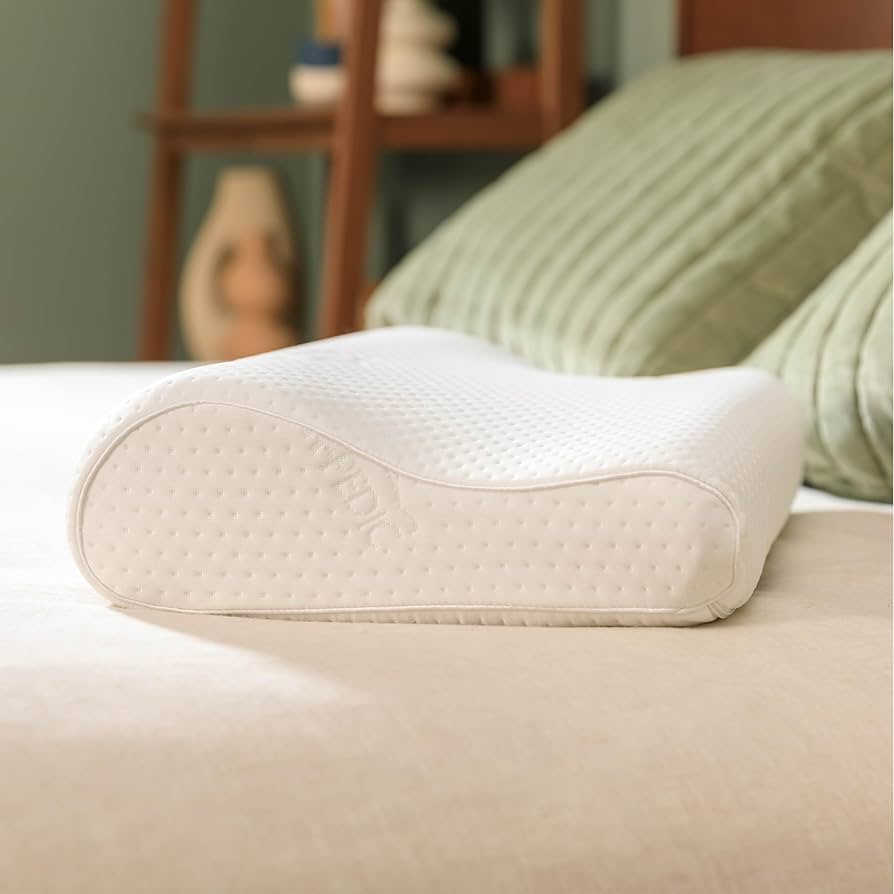
The TEMPUR-Neck Pillow from Tempur-Pedic is a classic choice for neck pain, offering a contoured design that cradles the head and supports the cervical spine. Its dense memory foam adapts to your shape, but it's quite firm and may take time to adjust to.
Main limitation: Its firm, dense foam can feel too hard for side sleepers who prefer a softer pillow, and it's not adjustable.
Skip if: Side sleepers who need a softer, more adaptive feel or those who toss and turn between positions.
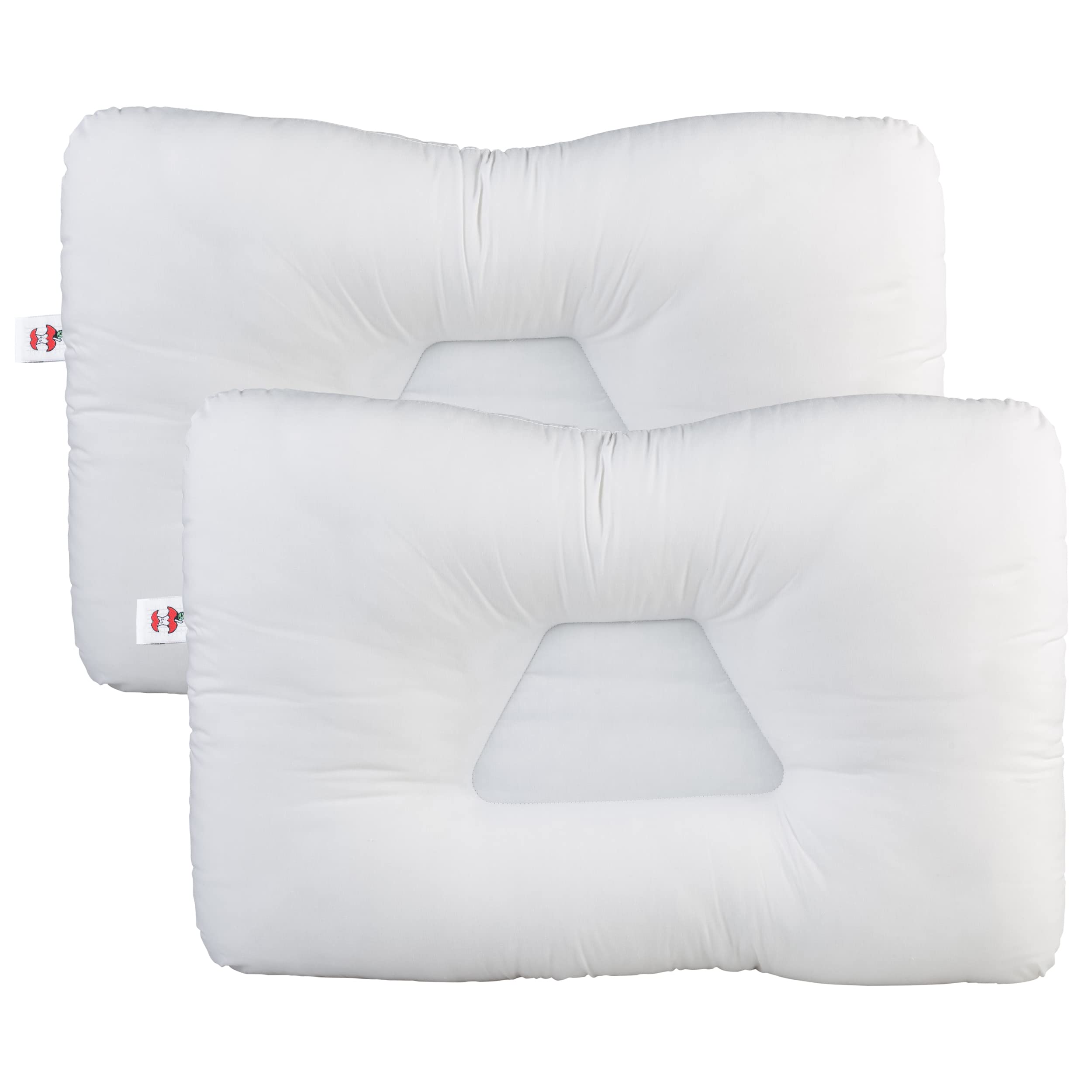
The Tri-Core is a budget-friendly cervical pillow designed by a chiropractor. It offers firm support with two different neck lobes for varying degrees of traction, but the stiff foam and break-in period aren't for everyone.
Main limitation: It's very firm and has a pronounced contour that can feel uncomfortable for the first week or two.
Skip if: Stomach sleepers or anyone who prefers a plush, soft pillow.
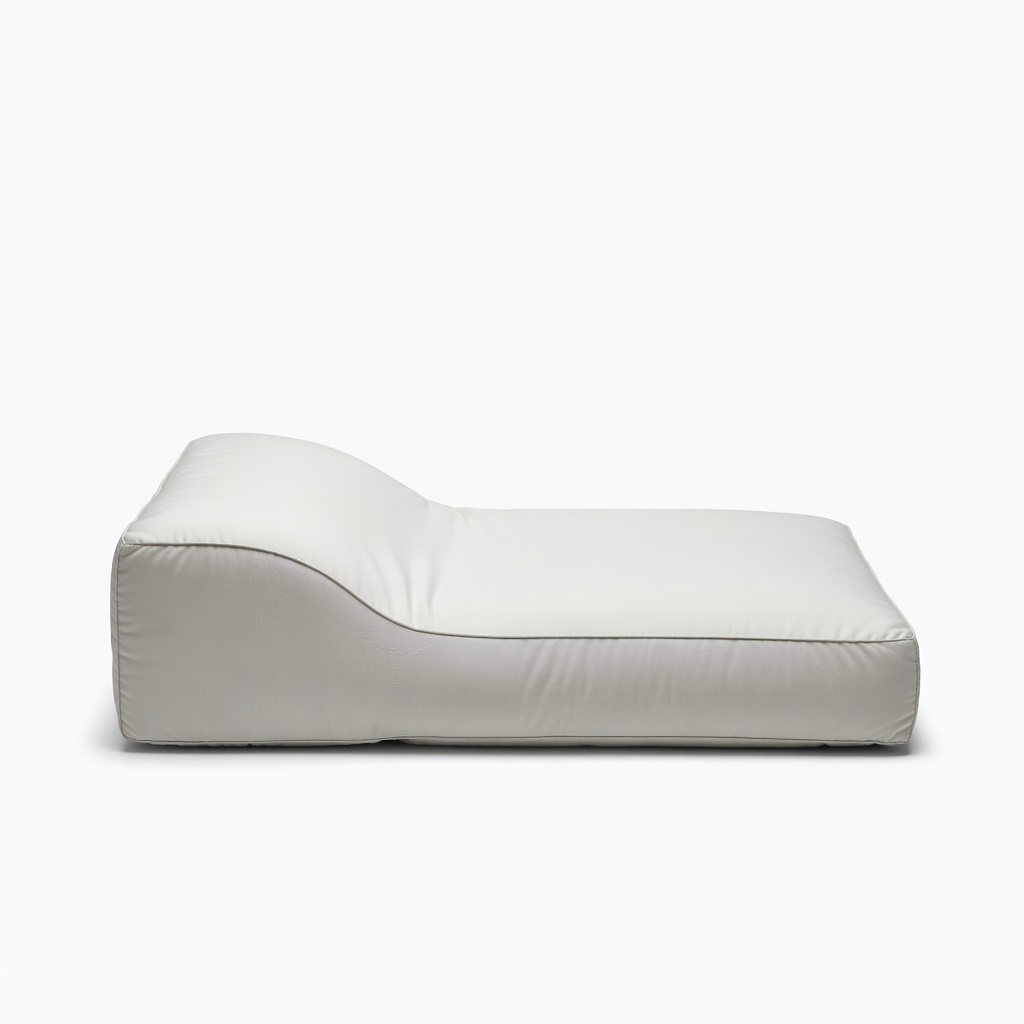
The Eli & Elm Side Sleeper Pillow is specifically shaped to fill the gap between your neck and shoulder, reducing pressure on the cervical spine. It uses a blend of shredded latex and memory foam for a customizable feel, but it's not ideal for back sleepers.
Main limitation: Its crescent shape is designed for side sleepers, so it may feel awkward for back or stomach sleeping.
Skip if: Back sleepers or those who frequently change positions during the night.
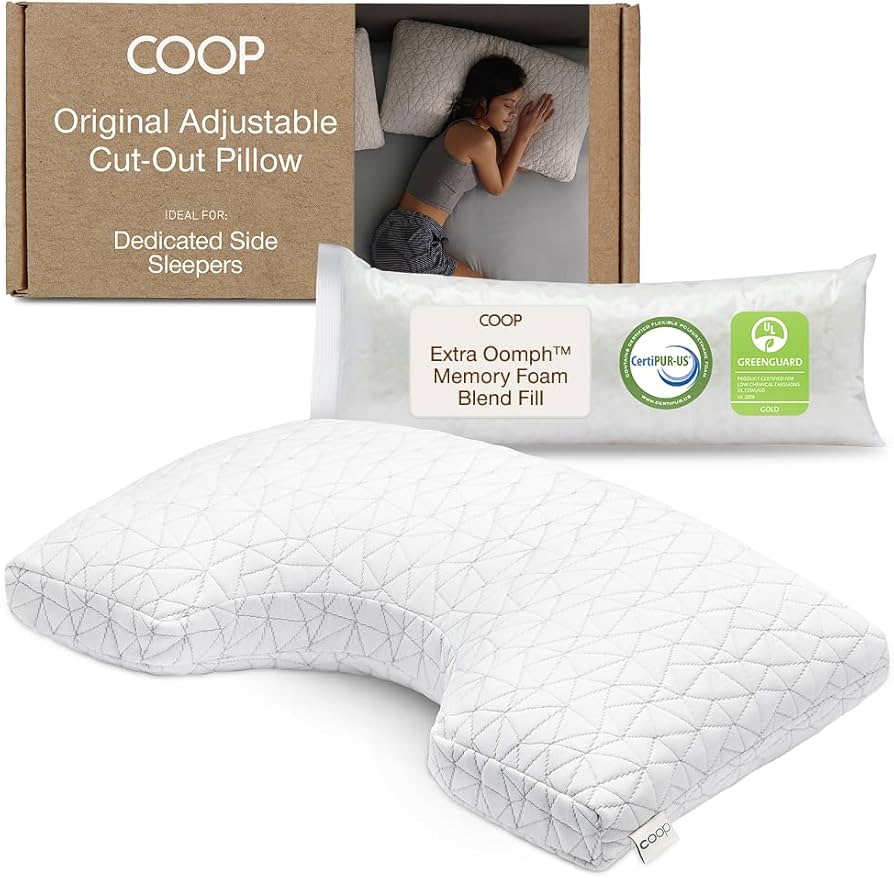
The Coop Home Goods pillow lets you add or remove shredded memory foam to achieve your ideal loft, which is crucial for neck pain. It's versatile and comfortable, but the shredded fill can shift and require occasional fluffing.
Main limitation: The shredded foam can clump or shift, and some users find it too soft even with added fill.
Skip if: Those who want a contoured, orthopedic pillow with a fixed shape.
Designed by a chiropractor, the Therapeutica pillow has a unique wedge shape that supports the neck and upper back for back sleepers. It's excellent for alignment but very firm and takes weeks to get used to.
Main limitation: The hard foam and pronounced contours can be uncomfortable initially, and it's not suitable for stomach sleepers.
Skip if: Stomach sleepers or anyone who prefers a soft, traditional pillow.
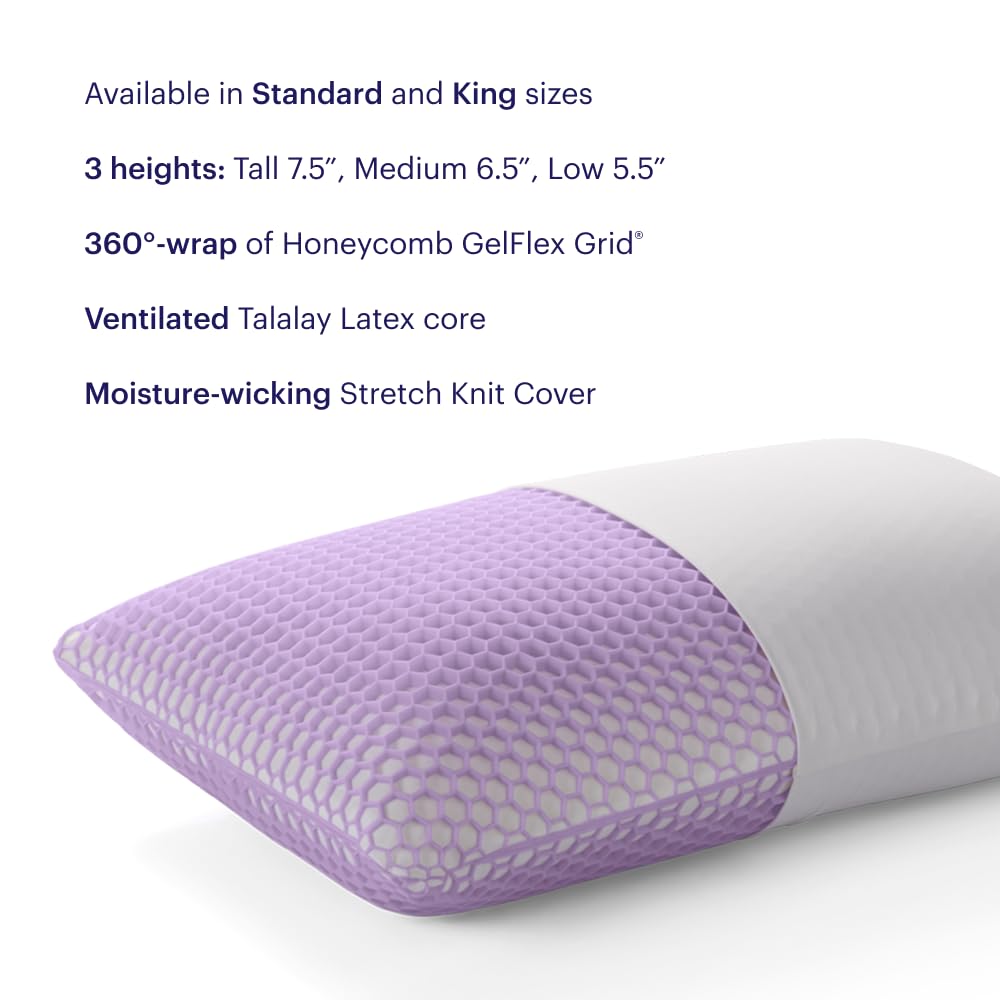
The Purple Harmony Pillow combines a Talalay latex core with Purple's Grid for responsive support and excellent airflow. It's a great choice for hot sleepers with neck pain, but it's expensive and not contoured.
Main limitation: It lacks the contoured shape of dedicated cervical pillows, and the high price may be hard to justify.
Skip if: Those who need a contoured, orthopedic pillow or are on a tight budget.
Compare key specs and features of all our recommendations side-by-side
| Product | Recommendation | Rating | Price |
|---|---|---|---|
Tempur-Pedic TEMPUR-Neck Pillow Rank #1 | 🏆 Top Pick | 9.0/10 | $100–$150 Check current price → |
Core Products Tri-Core Cervical Support Pillow Rank #2 | 💰 Budget Pick | 8.0/10 | $40–$60 Check current price → |
Eli & Elm Side Sleeper Pillow Rank #3 | ⭐ Editor's Choice | 8.5/10 | $125–$150 Check current price → |
Coop Home Goods Original Adjustable Pillow Rank #4 | — | 8.3/10 | $70–$90 Check current price → |
Therapeutica Sleeping Pillow Rank #5 | — | 8.2/10 | $100–$120 Check current price → |
Purple Harmony Pillow Rank #6 | — | 8.0/10 | $160–$200 Check current price → |
Common questions buyers have about this category.
The best pillow for neck pain depends on your sleeping position. Back sleepers typically benefit from a contoured cervical pillow that supports the natural curve of the neck. Side sleepers need a thicker, firmer pillow to keep the head aligned with the spine, while stomach sleepers should choose a very flat pillow to avoid neck strain.
If you wake up with a stiff or sore neck that improves as the day goes on, your pillow may be the culprit. Other signs include headaches, shoulder pain, or tingling in the arms. Try sleeping without a pillow or with a different one for a few nights to see if symptoms change.
A pillow can't cure underlying medical conditions, but it can significantly improve alignment and reduce strain on the neck muscles. For many people, the right pillow is a key part of managing chronic neck pain. If pain persists, consult a healthcare professional.
Most pillows should be replaced every 1–2 years, depending on the material and how well they hold their shape. Memory foam pillows may last 2–3 years, while shredded fill pillows can lose loft faster. If your pillow feels lumpy or doesn't spring back, it's time for a new one.
Memory foam can be excellent for neck pain because it contours to your shape and provides consistent support. However, it can sleep hot and may feel too firm for some. If you choose memory foam, look for a breathable cover or cooling gel infusion.
Side sleepers need a pillow thick enough to fill the space between the neck and shoulder, typically 4–6 inches. A contoured pillow with a firmer feel, like the Eli & Elm Side Sleeper Pillow, can help maintain alignment. Adjustable pillows also work well because you can customize the loft.
Cervical pillows are designed to support the natural curve of the neck and can be effective for many people with neck pain. However, they often have a break-in period and may not suit everyone. It's important to choose one that matches your sleep position and to give it a trial period.
Products we evaluated but did not recommend — and why.
