Get the App
Better experience on mobile
A carefully researched selection of pillows that target neck pain relief, with options for every sleep position and budget.
Struggling to find a pillow that actually supports your neck isn't just about comfort—it's about waking up without that deep, nagging ache. The key isn't how plush or expensive a pillow is; it's whether it keeps your spine aligned while you sleep. Side sleepers need a taller loft to fill the gap between their shoulder and neck, back sleepers need medium support that cradles the natural curve, and stomach sleepers need almost no loft to avoid craning upward.
We combed through dozens of options across the market, from budget-friendly foam pillows to premium contoured designs. Our goal was to find pillows that are not only well-reviewed but also offer genuine benefits for neck pain—whether that's through adjustable fill, contouring shapes, or breathable materials that promote better sleep.
In this guide, you'll find six pillows that stand out in 2026. We've balanced cost, support, and durability, and we've been honest about each product's trade-offs. Plus, our FAQ and buying considerations will help you understand what makes a pillow work for your body—so you can make the right call without guessing.
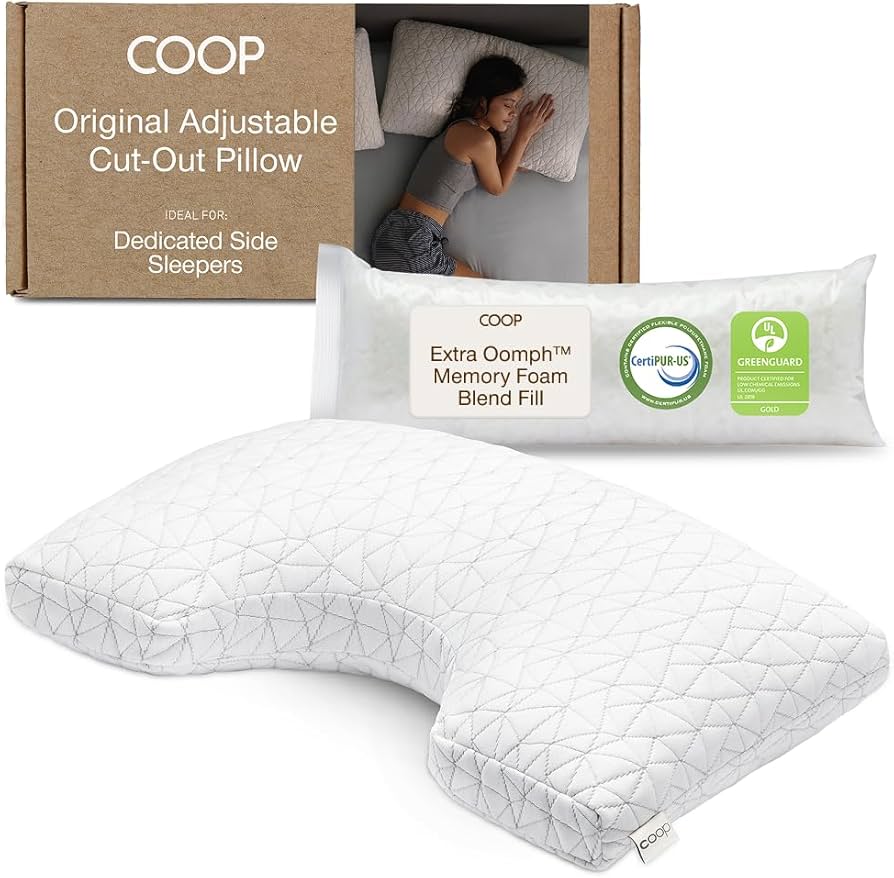
The most customizable pillow we found for neck pain relief. You can add or remove the shredded memory foam to dial in the exact loft and firmness your body needs—whether you sleep on your side, back, or stomach. The main trade-off is that the adjustment process is messy at first, and the fill can shift over time, requiring periodic re-fluffing to maintain alignment.
Main limitation: The shredded foam fill needs regular maintenance to keep it evenly distributed.
Skip if: If you prefer a solid, contoured cervical pillow with zero maintenance, this isn't it.
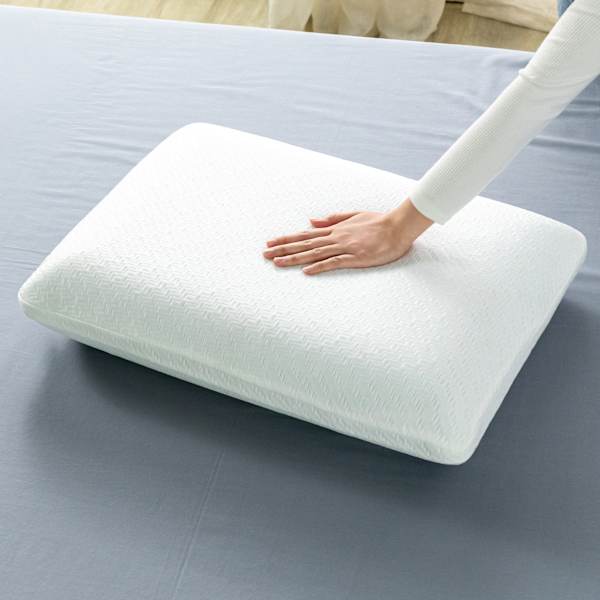
At a fraction of the cost of premium pillows, this Zinus model delivers solid memory foam support with a cooling gel layer that helps regulate heat. It's a surprisingly effective pillow for neck pain relief if you need medium-firm support without the price tag. The trade-off is that it's not adjustable, and the cooling effect is subtle after the first few hours.
Main limitation: The cooling gel layer is not as effective as dedicated temperature-regulating materials.
Skip if: Skip this if you need a highly technical contouring pillow or washable fill.
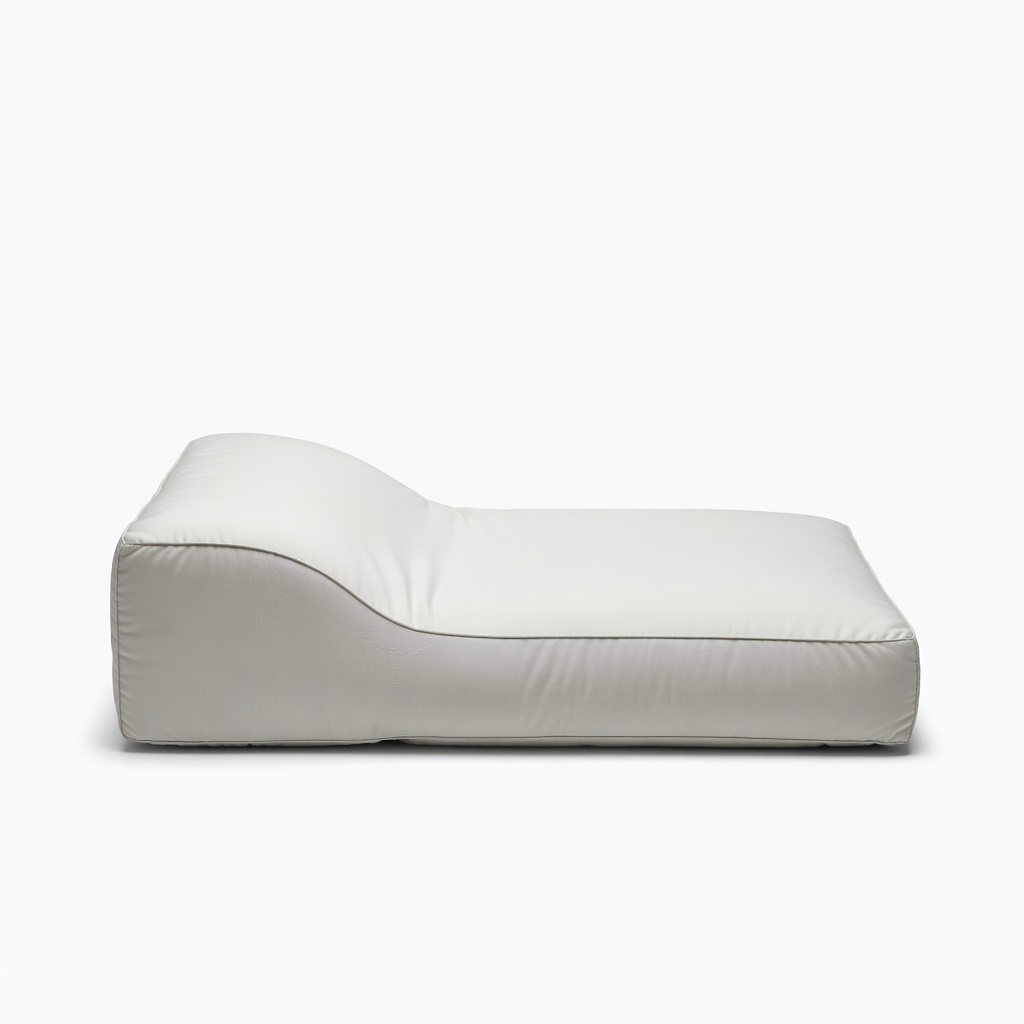
Designed with a deep shoulder cutout and an ergonomic curved shape, this pillow keeps your neck aligned while you sleep on your side. The unique contour delivers targeted support that many side sleepers find dramatically reduces morning neck stiffness. Just note that it only works on your side—if you roll onto your back, the cutout can feel awkward.
Main limitation: The shoulder cutout design is only comfortable in a strict side-sleeping position.
Skip if: Back or stomach sleepers who switch positions frequently won't enjoy this shape.
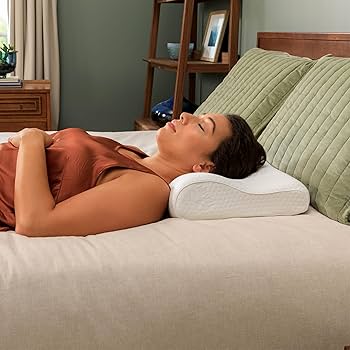
Tempur-Pedic's proprietary TEMPUR material conforms to your neck and head, providing excellent pressure relief in a contoured shape that supports the natural curve of your spine. The Ergo design includes a contoured well that cradles your head while supporting your neck—ideal for back sleepers. The trade-off is that it's firm, expensive, and doesn't suit side sleepers who need a broader shoulder zone.
Main limitation: Its firm, contoured shape is not comfortable for side or stomach sleepers.
Skip if: If you're a side sleeper or prefer a softer, plush pillow, look elsewhere.
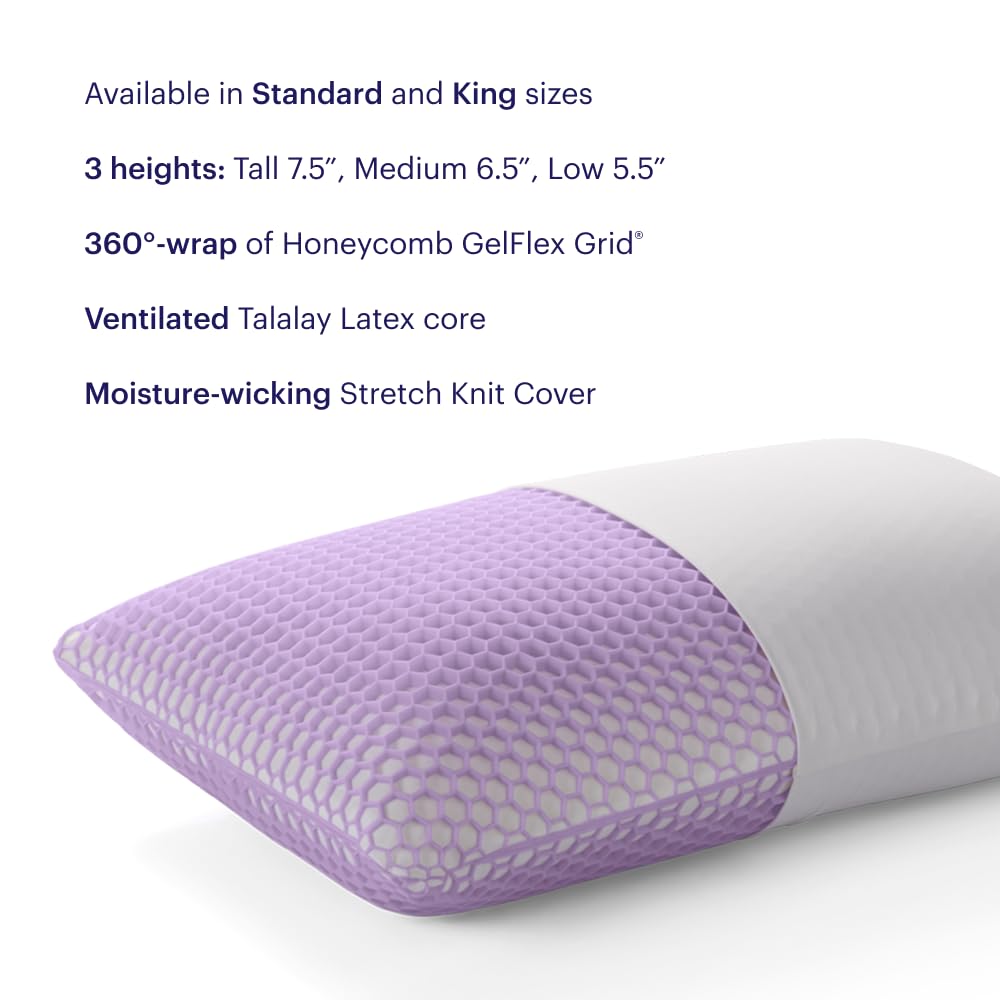
With its unique hyper-elastic polymer grid, the Purple Harmony keeps your head cool and supported without trapping heat. The grid also allows for excellent airflow, making it a top choice for those who wake up sweating. However, the lattice design means it feels noticeably different from memory foam and may be too firm for some stomach sleepers.
Main limitation: The grid's unique feel isn't for everyone, and the high price is a barrier for many shoppers.
Skip if: Stomach sleepers or anyone who prefers the sinking feel of traditional memory foam.
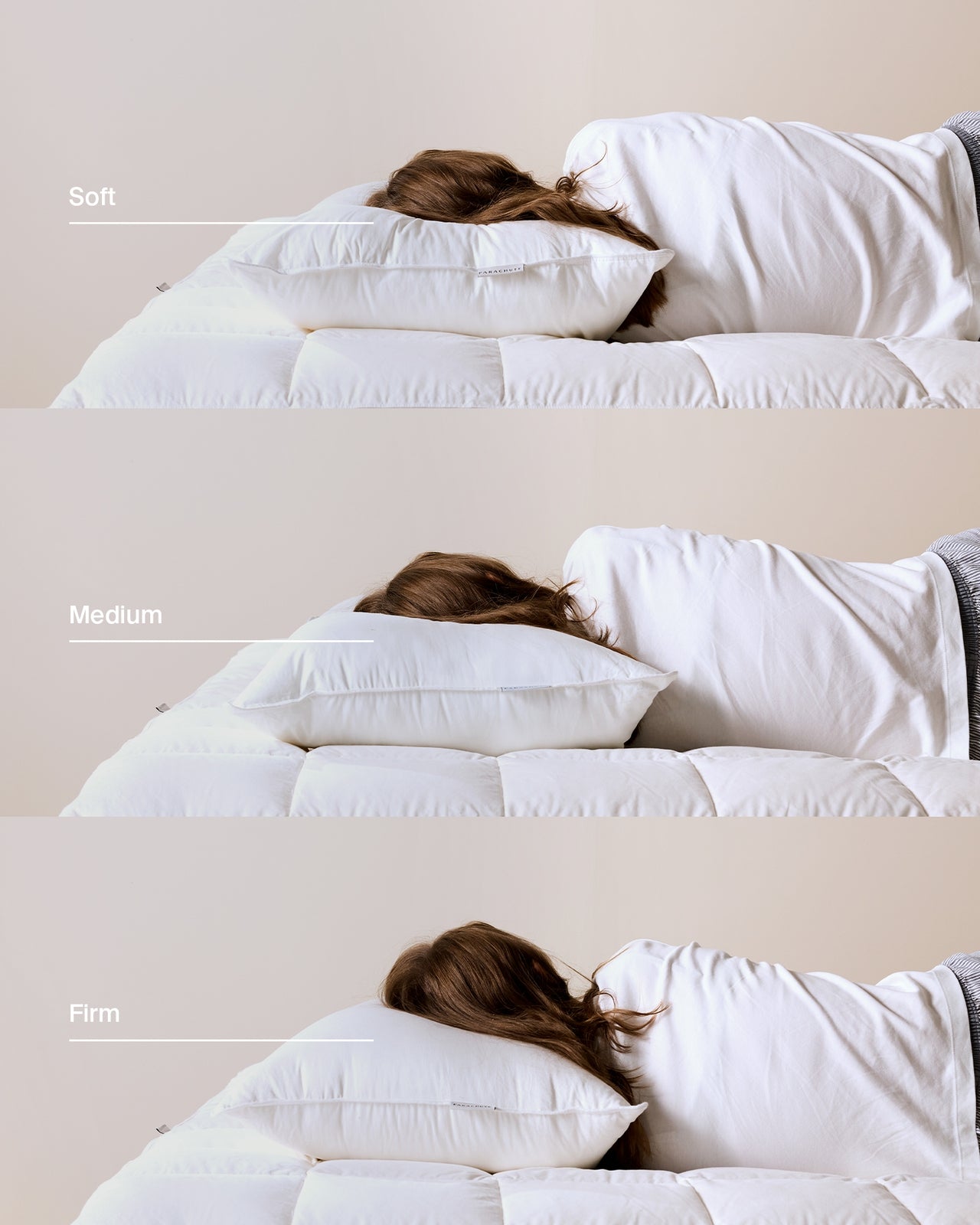
The Parachute Plush Down Pillow offers a flat, low-loft design that keeps your neck in a neutral position when you sleep on your stomach. High-quality down and a soft cotton sateen cover give it a plush feel without excessive height. The main trade-off is that it lacks any active neck support; if you need structured support, this won't work.
Main limitation: The low loft and lack of contouring means no real neck support for back or side sleepers.
Skip if: Side and back sleepers, or anyone who needs cervical contouring.
Compare key specs and features of all our recommendations side-by-side
| Product | Recommendation | Rating | Price |
|---|---|---|---|
Coop Home Goods Original Adjustable Loft Pillow Rank #1 | 🏆 Top Pick | 9.2/10 | $79–$99 Check current price → |
Zinus Cooling Gel Memory Foam Pillow Rank #2 | 💰 Budget Pick | 8.0/10 | $25–$35 Check current price → |
Eli & Elm Side Sleeper Pillow Rank #3 | ⭐ Editor's Choice | 8.6/10 | $80–$100 Check current price → |
Tempur-Pedic TEMPUR-Ergo Neck Pillow Rank #4 | — | 8.7/10 | $129–$159 Check current price → |
Purple Harmony Pillow Rank #5 | — | 8.8/10 | $149–$179 Check current price → |
Parachute Plush Down Pillow Rank #6 | — | 7.8/10 | $99–$129 Check current price → |
Common questions buyers have about this category.
Contoured or adjustable pillows that support the natural curve of your neck and head work best. Contoured cervical pillows are designed with a dip for the head and a raised area for the neck, which promotes alignment. Adjustable pillows let you change loft and firmness to fit your slept position. Traditional down pillows often don't provide enough support for people with neck pain.
Most manufacturers recommend replacing pillows every 1-2 years. Over time, the fill breaks down and loses support, which can worsen neck pain. Signs it's time to replace include visible lumps, an inability to bounce back to shape, or waking up with a sore neck. If you have allergies, consider replacing more frequently.
It depends on your sleep position. Side sleepers usually need a firmer, taller pillow to keep the neck aligned with the spine. Back sleepers do well with medium-firm pillows that support the neck's curve without being too high. Stomach sleepers should choose a soft, low-loft pillow to avoid straining the neck. Firmness is secondary to loft and your individual comfort.
A supportive pillow can significantly reduce neck pain, but it's not a cure-all. Your mattress, sleep position, and daily posture all play a role. If you've had pain for more than a few weeks, see a doctor or physical therapist. He or she can rule out underlying conditions and give you tailored advice for your sleeping setup.
A cervical pillow has a contoured shape with a deeper well for the head and a raised area that fills the space under your neck. It's specifically designed to maintain the natural C-curve of the cervical spine. These pillows are often worth it for back sleepers who struggle with standard pillows, but they can be too restrictive for side or stomach sleepers.
Only if you sleep hot or wake up sweaty. Cooling pillows use gel infusions, breathable mesh, or special covers to draw heat away from your head. If you're comfortable at night, a standard memory foam or down pillow may be fine—you can add a cooling pillowcase instead. The extra cost of a cooling pillow is justified for hot sleepers who toss and turn due to overheating.
When you sleep on your back, your head should rest level with your body, not tilted up or down. Side sleepers should have a straight line from the neck down the spine. You can ask a partner to take a photo of you from behind. If your head tilts up, the pillow is too high; if it tilts down, it's too low. Adjust the loft accordingly.
Products we evaluated but did not recommend — and why.
