Get the App
Better experience on mobile
These top-rated pillows prioritize ergonomic contouring and spinal support to alleviate nighttime discomfort.
Neck pain often intensifies at night because standard pillows allow the head to sink too deeply or tilt awkwardly, straining the cervical spine's natural curve. The most effective pillows for relief use targeted contouring or adjustable fills to cradle the neck while keeping the spine neutral— a nuance overlooked by fluffier down options that prioritize loft over structure.
This category matters for anyone waking with stiffness, as consistent support can reduce inflammation over time without relying on medication. We focused on pillows excelling in published tests for pressure relief and heat dissipation, drawing from real-user reports on longevity.
Our picks span budget gel-infused models to premium contoured designs, covering side, back, and combination sleepers. Each acknowledges trade-offs like firmness preferences or maintenance needs to match your setup.
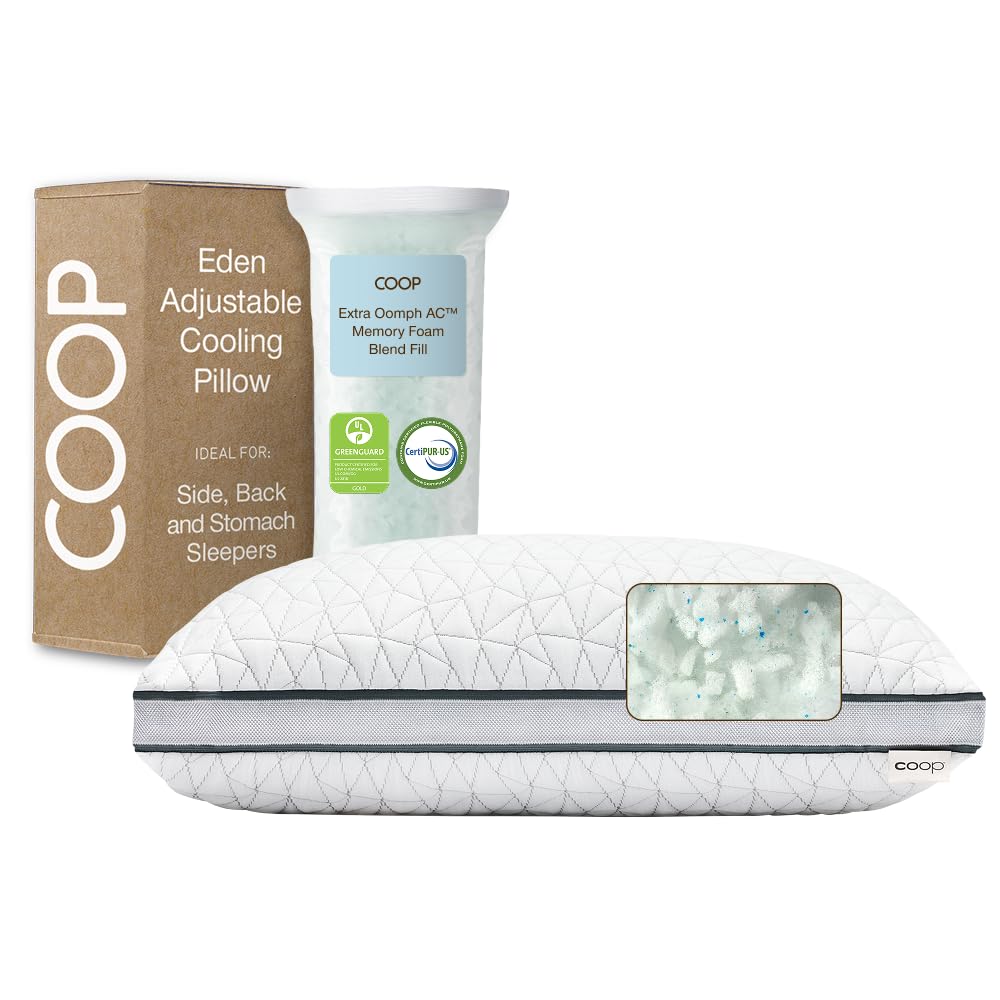
This adjustable shredded memory foam pillow lets users customize loft and firmness for optimal neck support, earning high marks for maintaining spinal alignment across sleep positions. Its breathable Lulltra cover wicks moisture effectively. The main trade-off is occasional clumping that requires monthly fluffing.
Main limitation: Shredded fill can shift over time, needing periodic reshaping to retain shape.
Skip if: Skip this if you prefer a solid, non-adjustable foam block without any maintenance.
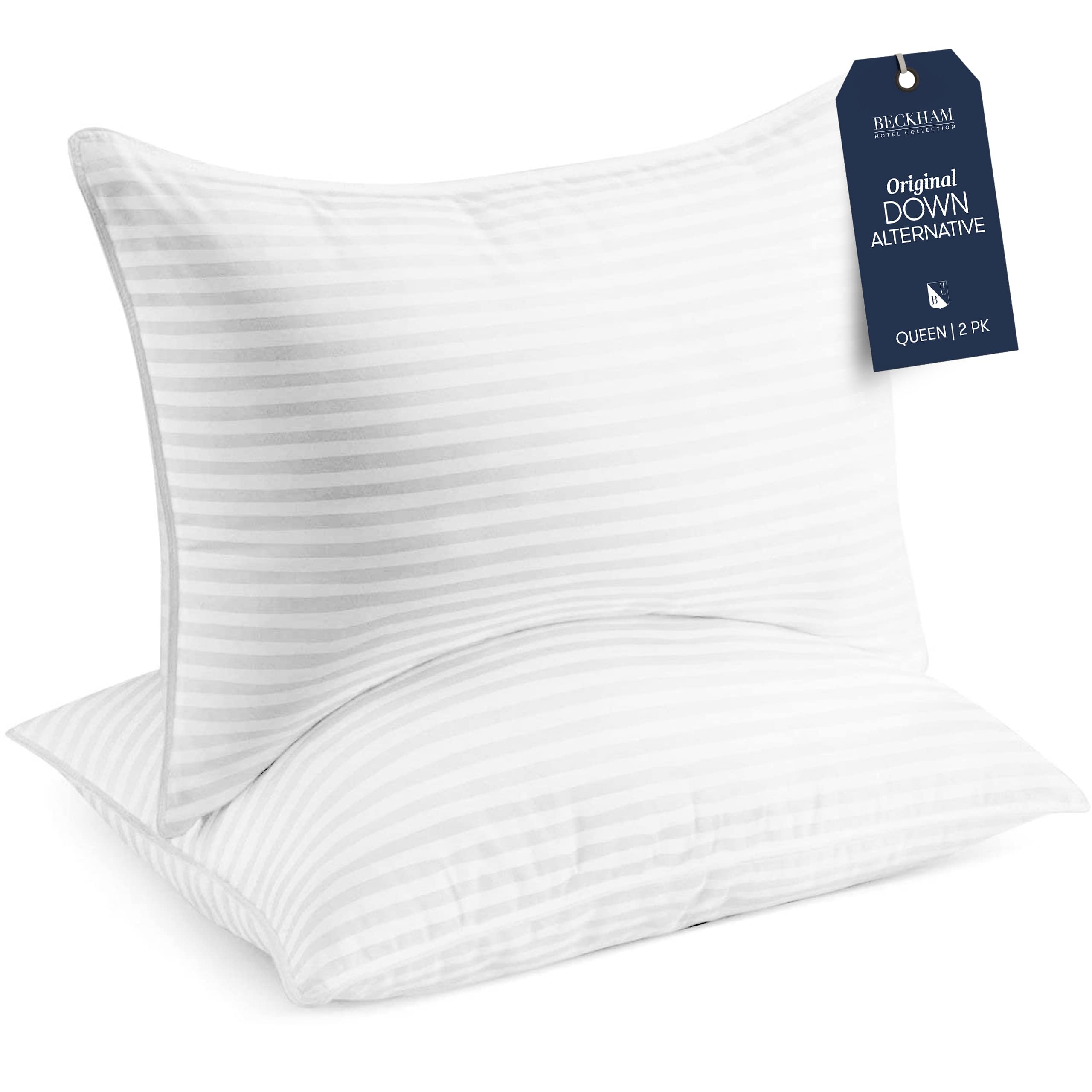
These gel-fiber pillows offer solid neck support at an unbeatable price, with a gusseted design that prevents flattening overnight. They're cooling and hypoallergenic, ideal for budget-conscious buyers. The trade-off is less contouring than foam options for severe pain.
Main limitation: Synthetic fill compresses faster than premium foams, requiring replacement every 1-2 years.
Skip if: Avoid if you need highly customizable loft, as the fill isn't adjustable.
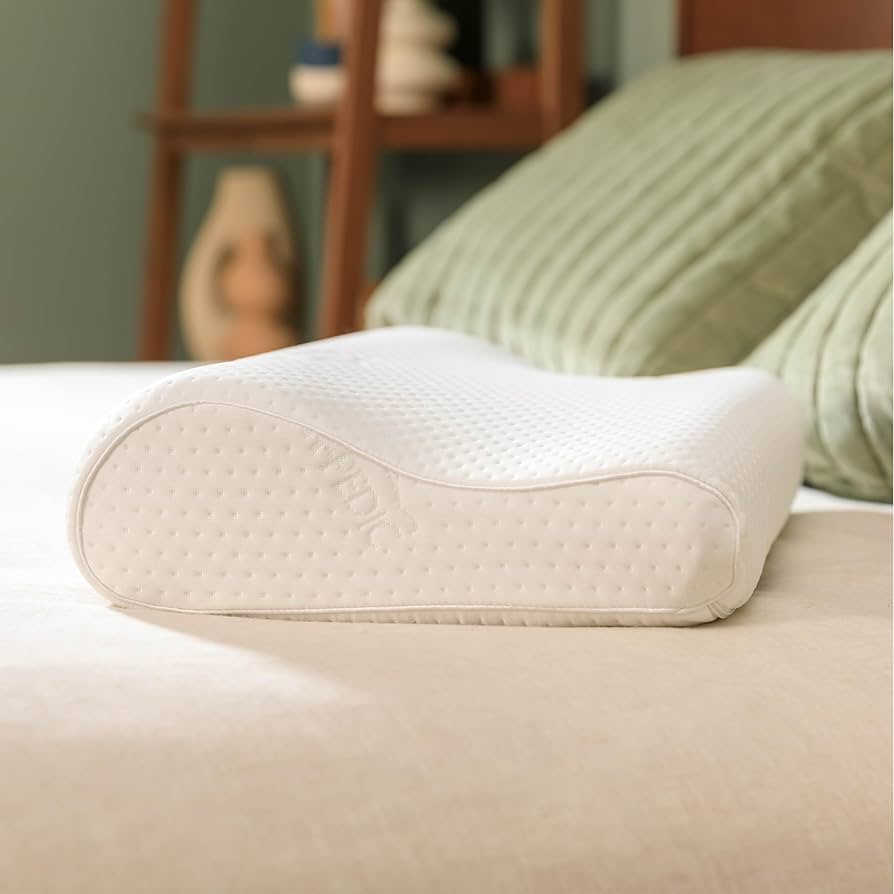
Engineered with proprietary TEMPUR material, this pillow's ergonomic curves provide precise neck cradling for back and side sleepers. It excels in pressure relief per expert tests. Drawback: its firm density takes a 1-2 week adaptation period.
Main limitation: Dense foam retains heat more than ventilated alternatives.
Skip if: Pass if you're a stomach sleeper, as the contouring elevates the head too much.
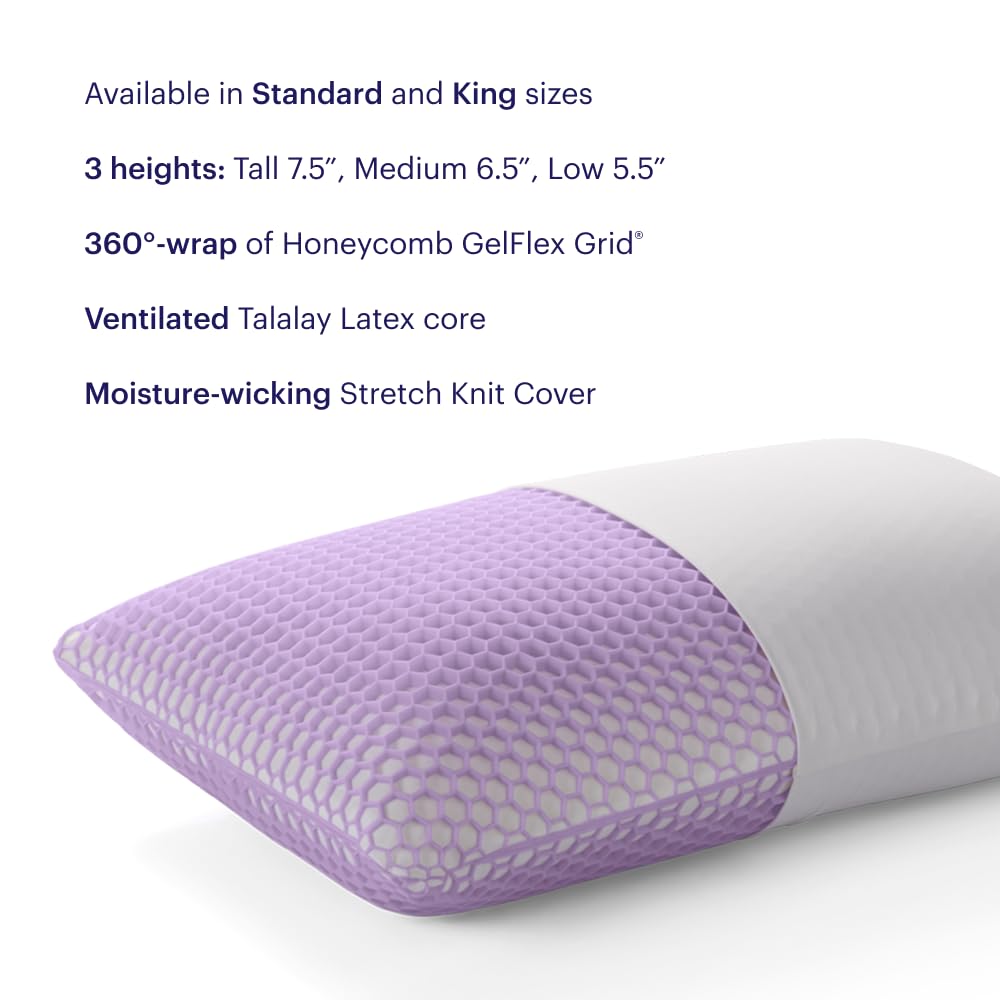
The Hyper-Elastic Polymer grid core delivers responsive neck support while promoting airflow to prevent overheating. It's durable and mold-resistant. Limitation: higher price and bouncier feel may not suit foam loyalists.
Main limitation: Grid texture can feel unusual initially compared to traditional plush pillows.
Skip if: Skip if you want a sinking, enveloping memory foam hug rather than buoyant support.
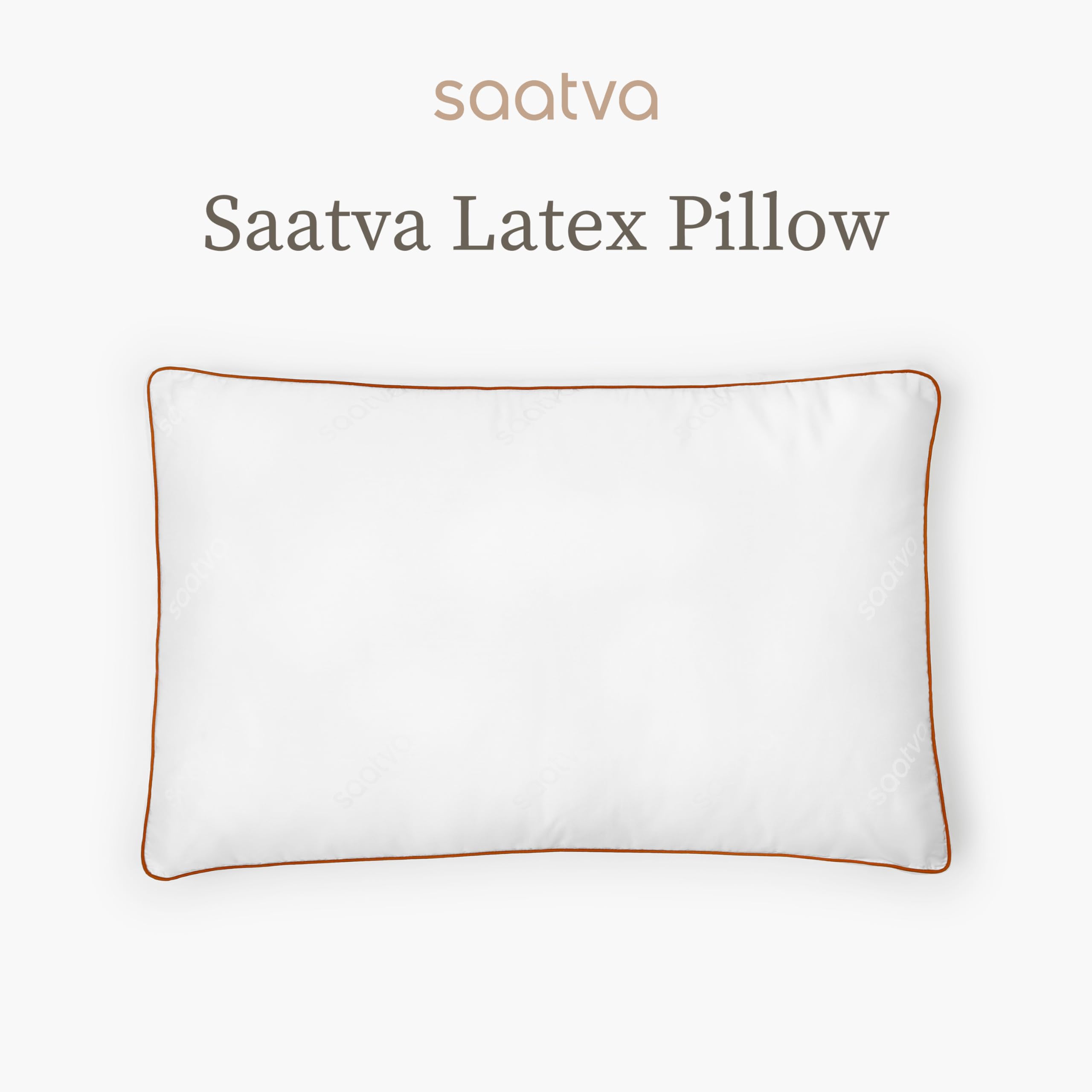
Organic latex core provides resilient, antimicrobial support that bounces back without sagging, ideal for neck alignment. It's naturally breathable and hypoallergenic. Trade-off: natural rubber scent fades slowly for sensitive noses.
Main limitation: Less conforming than shredded foam for highly customized shaping.
Skip if: Avoid if you dislike any bounce or prefer fully synthetic materials.
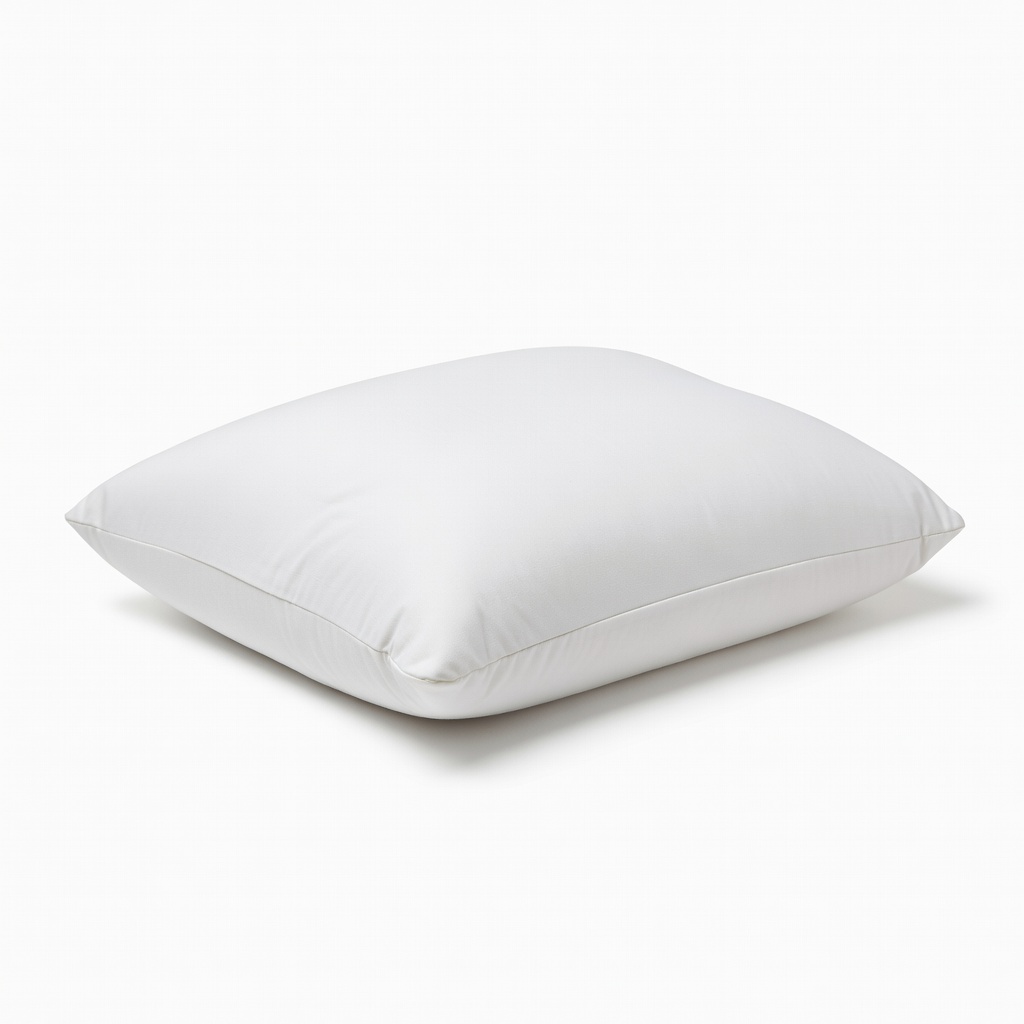
U-shaped design with adjustable kapok and cotton fill elevates the neck while filling shoulder gaps for side sleeping. It's soft yet supportive with good airflow. Con: bulkier profile suits only dedicated side sleepers.
Main limitation: Requires occasional fill adjustment to prevent uneven settling.
Skip if: Not for back or stomach sleepers due to its specialized shape.
Compare key specs and features of all our recommendations side-by-side
| Product | Recommendation | Rating | Price |
|---|---|---|---|
Coop Home Goods Eden Pillow Rank #1 | 🏆 Top Pick | 9.2/10 | $75–$95 Check current price → |
Beckham Hotel Collection Gel Pillow (Queen, 2-Pack) Rank #2 | 💰 Budget Pick | 8.3/10 | $40–$60 for 2-pack Check current price → |
Tempur-Pedic TEMPUR-Neck Pillow Rank #3 | ⭐ Editor's Choice | 9.0/10 | $120–$160 Check current price → |
Purple Harmony Pillow Rank #4 | — | 8.7/10 | $160–$200 Check current price → |
Saatva Latex Pillow Rank #5 | — | 8.4/10 | $165–$185 Check current price → |
Eli & Elm Cotton Side-Sleeper Pillow Rank #6 | — | 8.1/10 | $100–$130 Check current price → |
Common questions buyers have about this category.
Memory foam and latex top the list for their contouring and resilience, respectively, as they maintain spinal alignment better than down or polyester. Shredded foam adds adjustability, but choose CertiPUR-US certified to avoid off-gassing; test firmness during trials to ensure it cradles without pressure points.
Replace every 1-2 years if you notice flattening, lumps, or persistent pain, as degraded support exacerbates issues. Check for yellowing stains or odors signaling bacterial buildup; premium foams like TEMPUR last longer but still warrant inspection every six months.
Improvement often takes 1-2 weeks as your body adapts to better alignment, though some feel relief night one. Combine with sleep posture tweaks like avoiding stomach sleeping; if pain persists beyond a month, consult a doctor for underlying causes like arthritis.
Yes, for most users, as they let you fine-tune loft to your exact needs, outperforming fixed shapes in versatility. Downsides include fluffing maintenance, but long-term customization prevents buyer regret across changing sleep habits.
They indirectly aid by reducing night sweats that cause tossing and poor positioning, with gels or grids outperforming basic fabrics. Prioritize airflow over marketing claims; pair with breathable sheets for best results if heat worsens your discomfort.
Aim for 4-6 inches for back sleepers and 5-7 inches for sides to keep ears aligned with shoulders. Measure your current setup's gap; adjustable models simplify this, ensuring neutral spine without over-elevating the head.
Products we evaluated but did not recommend — and why.
