Get the App
Better experience on mobile
Get the best products related to our top picks
Choosing the right paintballs is crucial for safety, performance, and enjoyment, whether you're engaging in recreational paintball, training drills, or self-defense practice. Paintballs aren't one-size-fits-all; they vary in caliber, material, fill type, and purpose, which directly impacts accuracy, impact, reusability, and compatibility with markers or launchers. Using the wrong type can lead to jams, inconsistent trajectories, or even injury—especially with non-lethal projectiles like pepper balls or inert rounds designed for training. For instance, recreational players need breakable paint-filled balls for marking hits, while self-defense enthusiasts might prefer solid, reusable aluminum or rubber balls that mimic real threats without the mess.
This guide compares budget-friendly options, like the affordable 43 Cal Aluminum Balls at $9.98 for basic target practice, against premium choices such as the First Strike FSR Sniper Rounds at $119.95, which offer superior aerodynamics for long-range accuracy. Budget paintballs prioritize volume and low cost per shot, ideal for high-volume casual use, but they often sacrifice durability and precision. Premium ones, conversely, use advanced designs like finned shapes or laser-welded construction for better flight stability and reusability, justifying the higher upfront cost through longevity and performance in competitive or tactical scenarios.
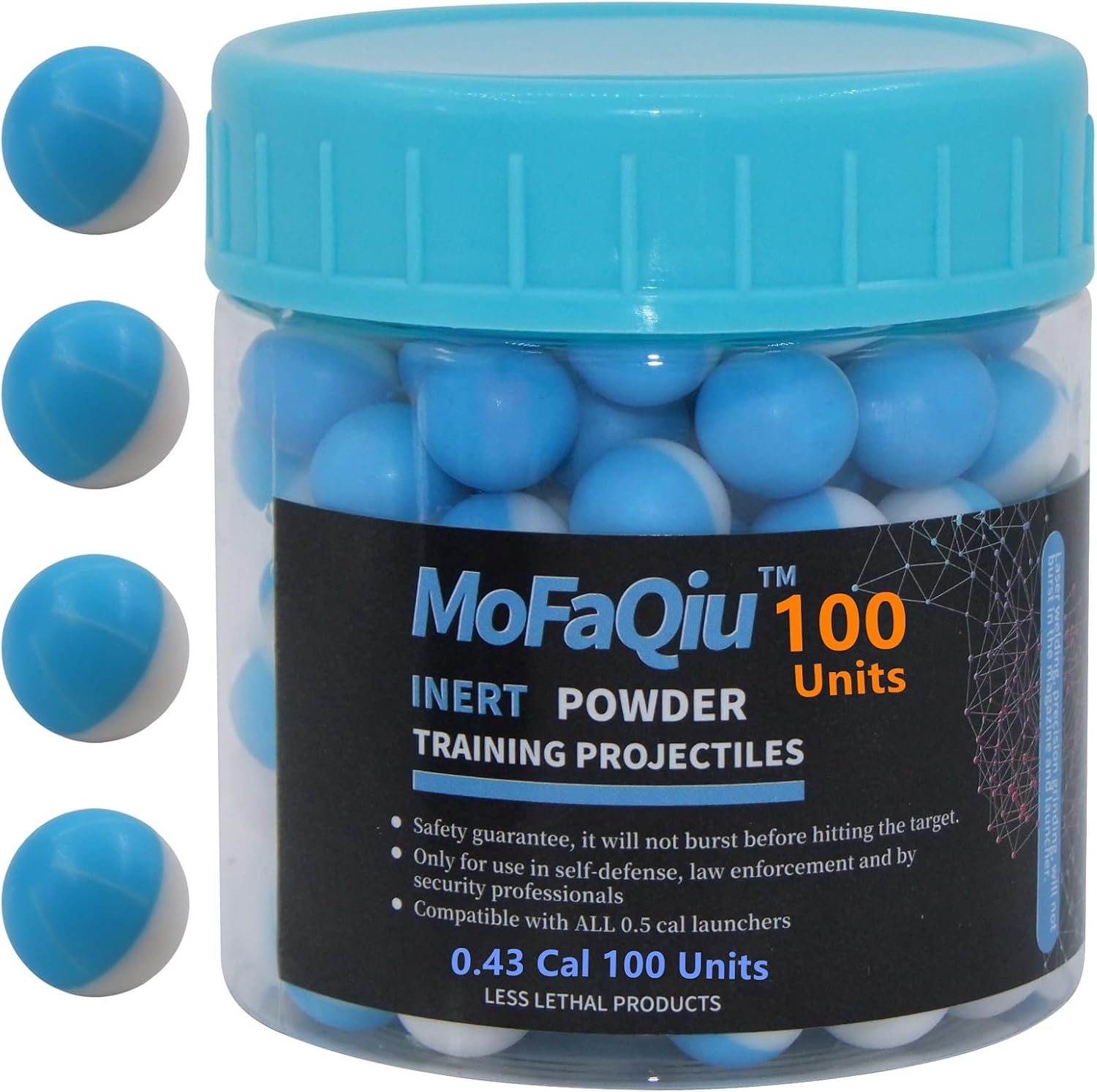
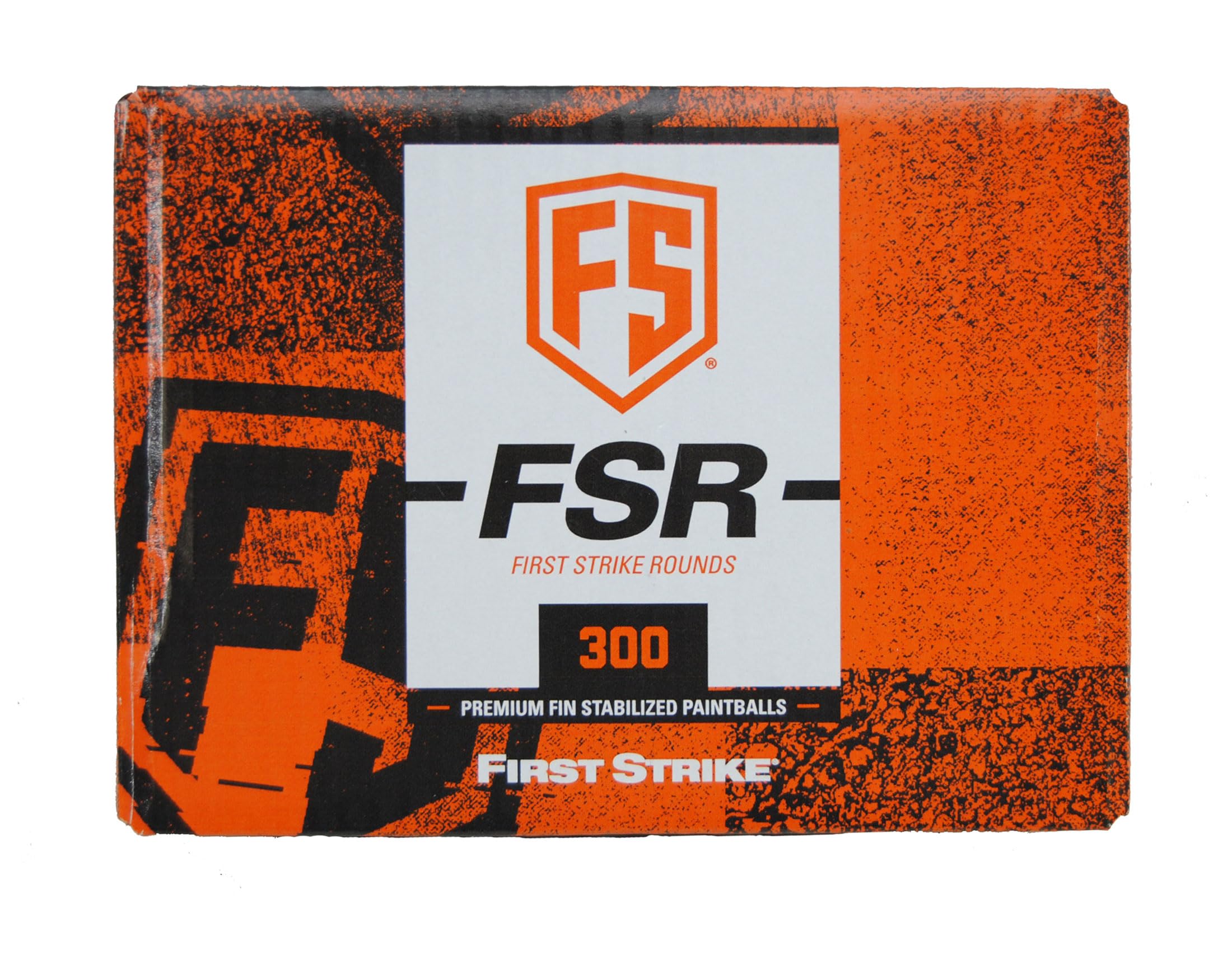
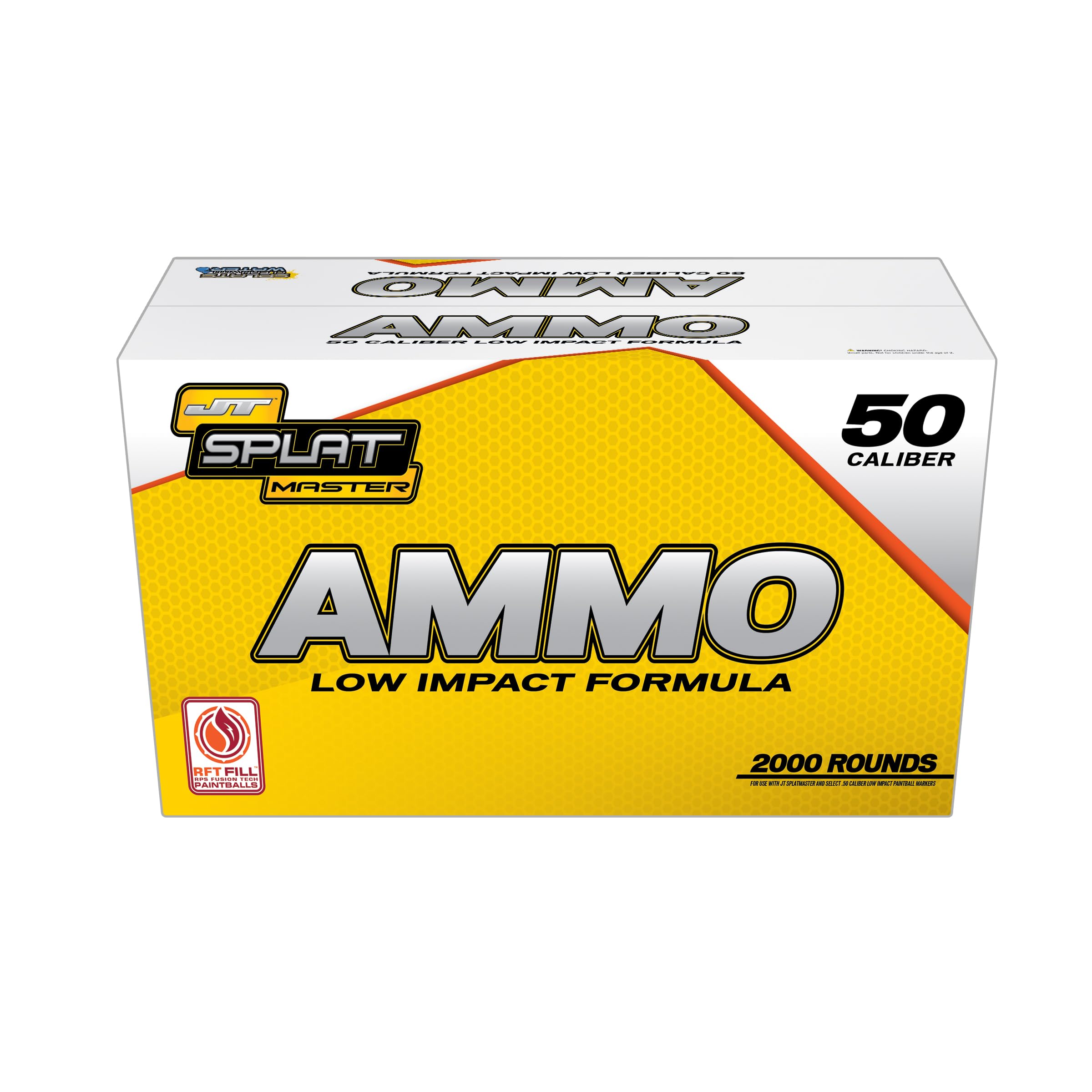
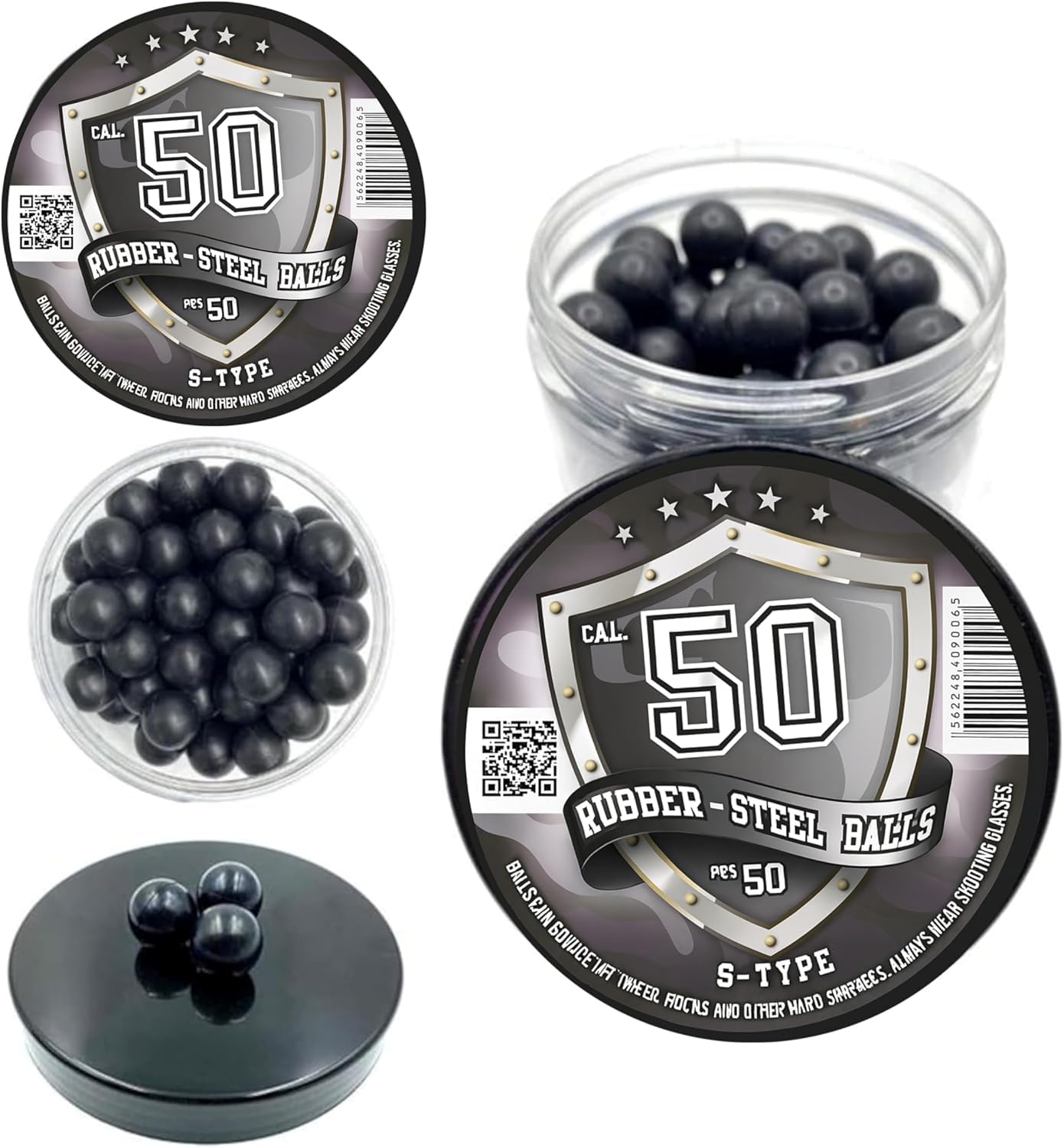
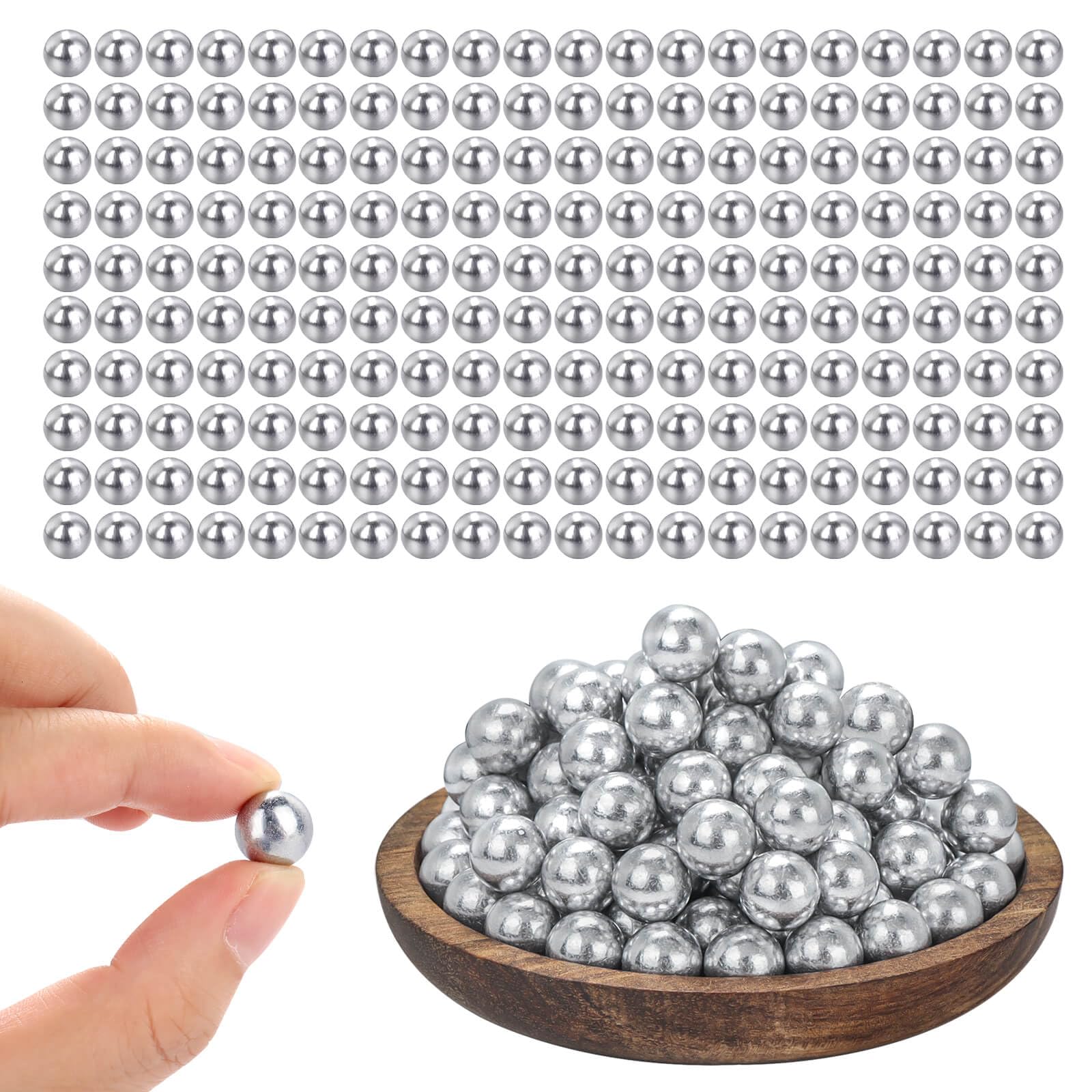
By reading this guide, you'll learn key features to evaluate, budget breakdowns, performance trade-offs, and common pitfalls to avoid. We'll review five standout products: the .43 Cal Inert Ball with Fracture Groove Design (100 Count) for pepper training; First Strike FSR First Strike Paintball Sniper Rounds (300 Count, Smoke/Silver); JT 2000ct Splatmaster 50cal Paintballs; 50 x Premium Quality Hard Mix Rubber Steel Balls (50 Caliber); and 43 Cal Aluminum Balls (100 Count). Whether you're a beginner shooter, tactical trainer, or home defender, this will help you select paintballs that match your needs without overspending. (Word count: 278)
Selecting paintballs involves assessing your use case—recreational fun, marksmanship training, or non-lethal self-defense—and matching it to product specs. Focus on compatibility with your marker (e.g., .43 cal vs. 50 cal), intended impact (paint fill for marking vs. solid for simulation), and environmental factors like weather resistance.
Caliber Size: Determines fit for your launcher. .43 caliber (about 11mm) suits compact pistols like T4E Walther or Glock replicas, offering tighter groupings at close range. 50 caliber (12.7mm) works with larger markers like Splatmaster for broader impact areas. Mismatch causes feeding issues; always verify bore size.
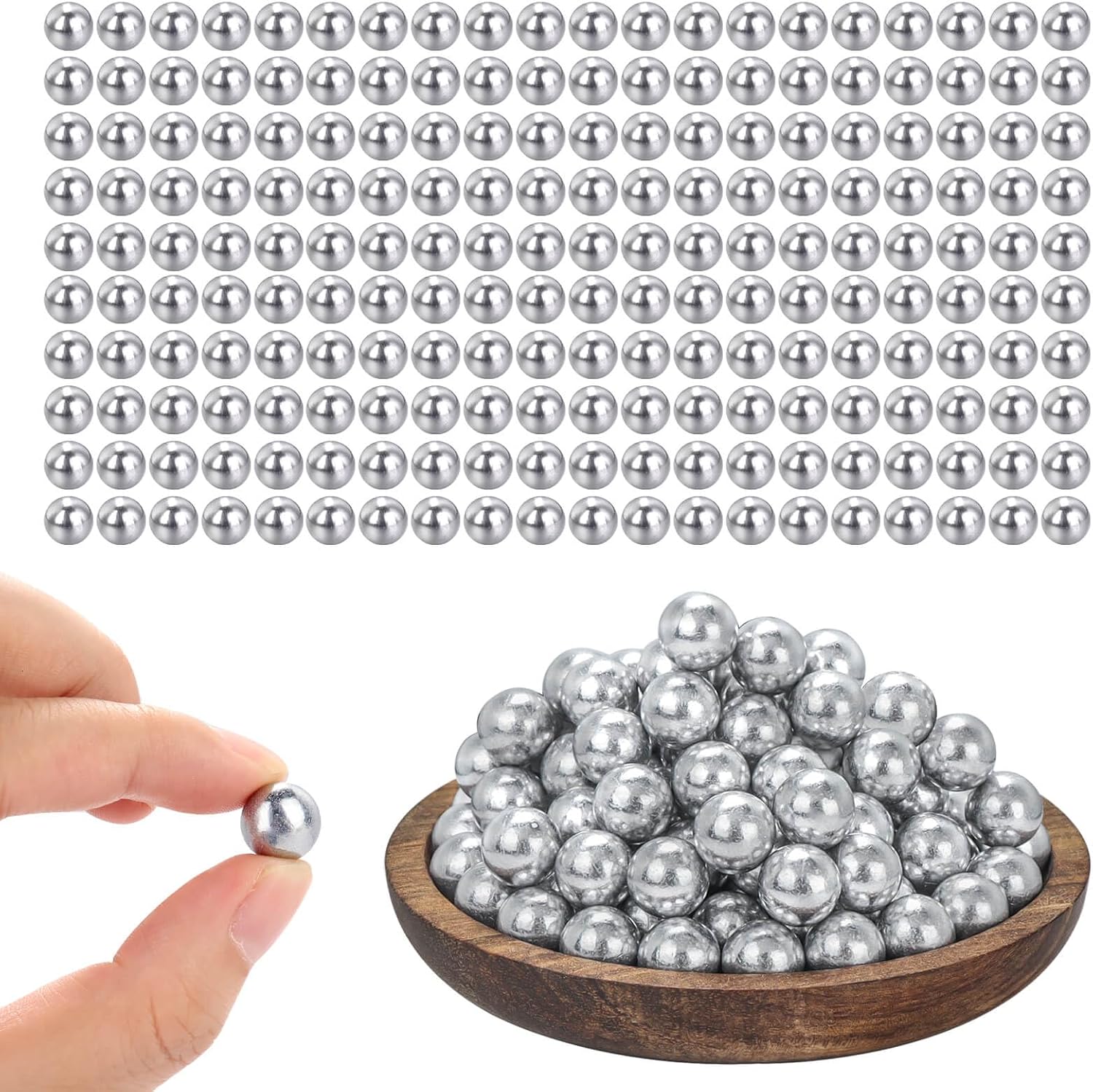
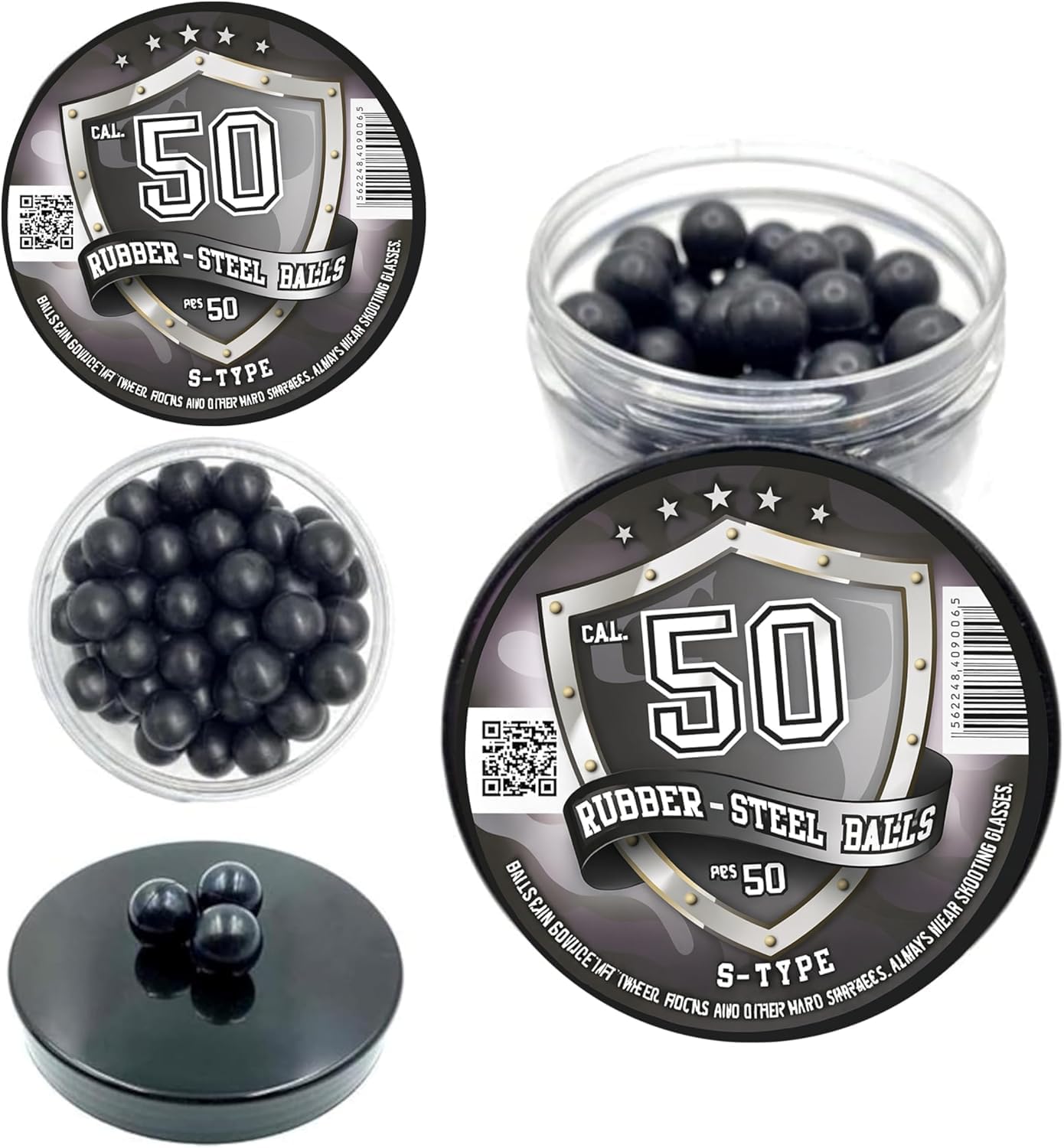
Material and Construction: Paint-filled gelatin shells (e.g., yellow fill in JT Splatmaster) break on impact for visible hits but degrade in humidity. Solid options like aluminum (43 Cal Aluminum Balls) or rubber-steel mix (Premium Quality Hard Mix Rubber Steel Balls) are reusable and durable for dry-fire practice, resisting cracks but lacking marking.
Fill Type and Effect: Inert or practice fills (white in First Strike FSR) simulate shots without residue. Pepper or irritant fills add defensive realism but require legal compliance. Smoke/silver shells in premium rounds enhance visibility during training.
Design Enhancements: Features like fracture grooves (in .43 Cal Inert Ball) ensure reliable breaking, while finned or sabot designs (First Strike FSR) improve rifling for 200+ yard accuracy. Laser welding boosts shell integrity against high-velocity launches.
Quantity and Reusability: Bulk packs like 2000ct JT offer value for casual play (under $0.02 per ball), but non-reusable. Reusable steel or aluminum balls (e.g., 50-pack at $14.99) cut long-term costs by 80% for repeated drills.
Weight and Trajectory: Heavier balls (2.7g in Rubber Steel) deliver more kinetic energy for home defense simulation, stabilizing in wind. Lighter paintballs prioritize speed but curve more.
Compatibility and Safety Certifications: Ensure fit for specific models (e.g., T4E TPM1). Look for ASTM standards on non-lethal impact to minimize bruising risks.
Paintballs span $9.98 to $119.95, tiered by quality and volume. Entry-level under $20 (e.g., 43 Cal Aluminum Balls at $9.98/100) provides basic, solid projectiles for target practice—great for beginners testing markers without frills. You get affordability (under $0.10/shot) but limited features like no fill for marking.
Mid-range $20-50 (e.g., .43 Cal Inert Ball at $22.99/100 or JT 2000ct at $39.99) balances cost and utility. These include training-specific designs or high counts, yielding $0.02-0.23/shot. Expect better durability and compatibility, ideal for regular use without premium precision.
High-end over $50 (e.g., First Strike FSR at $119.95/300, ~$0.40/shot) invests in advanced aerodynamics and aesthetics like smoke shells. These excel in professional training or competitions, offering reusability in some cases and superior performance that pays off over 500+ rounds.
Overall, allocate based on frequency: casual users save with bulk basics; serious trainers justify premiums for reliability.
The sweet spot lies in mid-range options like the JT 2000ct Splatmaster ($39.99 for 2000), delivering consistent marking at $0.02/shot—far better value than premium snipers for most users. Budget solids like 43 Cal Aluminum ($9.98/100, $0.10/shot) match performance for dry practice, outperforming pricier reusables in cost efficiency.
Premiums shine in niches: First Strike FSR's finned design achieves 30% better accuracy at 100 yards versus standard rounds, worth $0.40/shot for snipers or tactical teams. However, for home defense, heavy rubber balls ($14.99/50, $0.30/shot) provide realistic heft without the markup of specialized pepper trainers. Avoid extremes—ultra-cheap may shatter prematurely, reducing effective shots by 20%; overpaying for volume ignores reusability gains. Aim for products where per-shot cost under $0.20 supports your volume (e.g., 500+ rounds/month) while hitting 90% of performance needs.
Ignoring Caliber Compatibility: Buying .50 cal for a .43 cal marker (e.g., mixing JT with T4E) causes jams and barrel damage—always cross-check device specs.
Overlooking Use Case: Using fragile paintballs (like JT) for self-defense training leads to unreliable impacts; opt for solids like aluminum for simulation.
Neglecting Storage Conditions: Paint-filled balls (First Strike FSR) burst in heat over 90°F—store cool to avoid 50% waste.
Focusing Solely on Quantity: A 2000ct bulk pack seems ideal but if non-reusable, it underperforms reusables like Rubber Steel Balls over time, inflating true costs.
Skipping Safety Checks: Non-certified projectiles (e.g., untested pepper balls) risk excessive velocity; verify FPS ratings under 300 for skin-safe practice.
Our top pick is the JT 2000ct Splatmaster 50cal Paintballs—best for recreational players and high-volume training due to massive quantity, reliable yellow fill marking, and low cost per shot, outperforming budgets in consistency.
Second, the 43 Cal Aluminum Balls suit budget-conscious self-defense practitioners, offering solid, reusable ammo compatible with popular T4E/Glock markers at unbeatable value, ideal for target practice without mess.
Third, First Strike FSR Sniper Rounds are for precision shooters or tactical pros, with advanced finned design for long-range accuracy, though pricier—perfect if volume and aesthetics matter in competitive scenarios. (Word count: 742)
Caliber refers to the projectile diameter, critical for marker compatibility. .43 cal (11mm) fits compact, pistol-style launchers like T4E Walther or Byrna systems, offering tighter accuracy at 20-50 yards due to smaller bore. .50 cal (12.7mm) suits larger markers like Splatmaster or paintball guns, providing broader impact dispersion for marking or crowd control, but with slightly reduced precision beyond 100 yards. Mismatching can cause 50% failure rates in feeding; always measure your barrel. For self-defense, .43 cal is more concealable, while .50 cal delivers heavier hits (e.g., 2.7g Rubber Steel vs. 1.5g Aluminum).
Yes, but only as non-lethal simulators—none contain live ammunition. Products like 43 Cal Aluminum Balls or .43 Cal Inert Balls are designed for low-velocity (under 350 FPS) practice, minimizing injury risk with impact energies below 10 joules, per ASTM standards. Avoid direct face shots and use protective gear. Pepper variants (inert versions here) mimic irritants but lack active agents, making them legal for home drills in most U.S. states. Consult local laws; they're not substitutes for certified less-lethal rounds. Reusables like Rubber Steel reduce costs but require inspection for cracks after 50 uses.
Reusable options (e.g., Aluminum or Rubber Steel Balls) last 100-500 cycles, slashing costs to $0.01-0.05/shot long-term versus $0.02-0.40 for disposables like JT or First Strike. They excel in dry training for accuracy and durability, resisting weather better (no gelatin dissolution), but lack paint fill for visual hit confirmation—use with reactive targets. Traditional paintballs (JT Splatmaster) break reliably for games, offering satisfaction through marking but generating waste and cleanup. For high-volume (1000+ shots/month), reusables save 60-80%; for recreational splats, stick to breakables.
Paint-filled balls (First Strike FSR, JT) have a 6-12 month shelf life if kept at 50-70°F in sealed, dry containers—heat above 90°F causes 20-30%

Compare key specs and features of all our recommendations side-by-side
| Product | Recommendation | Rating | Price |
|---|---|---|---|
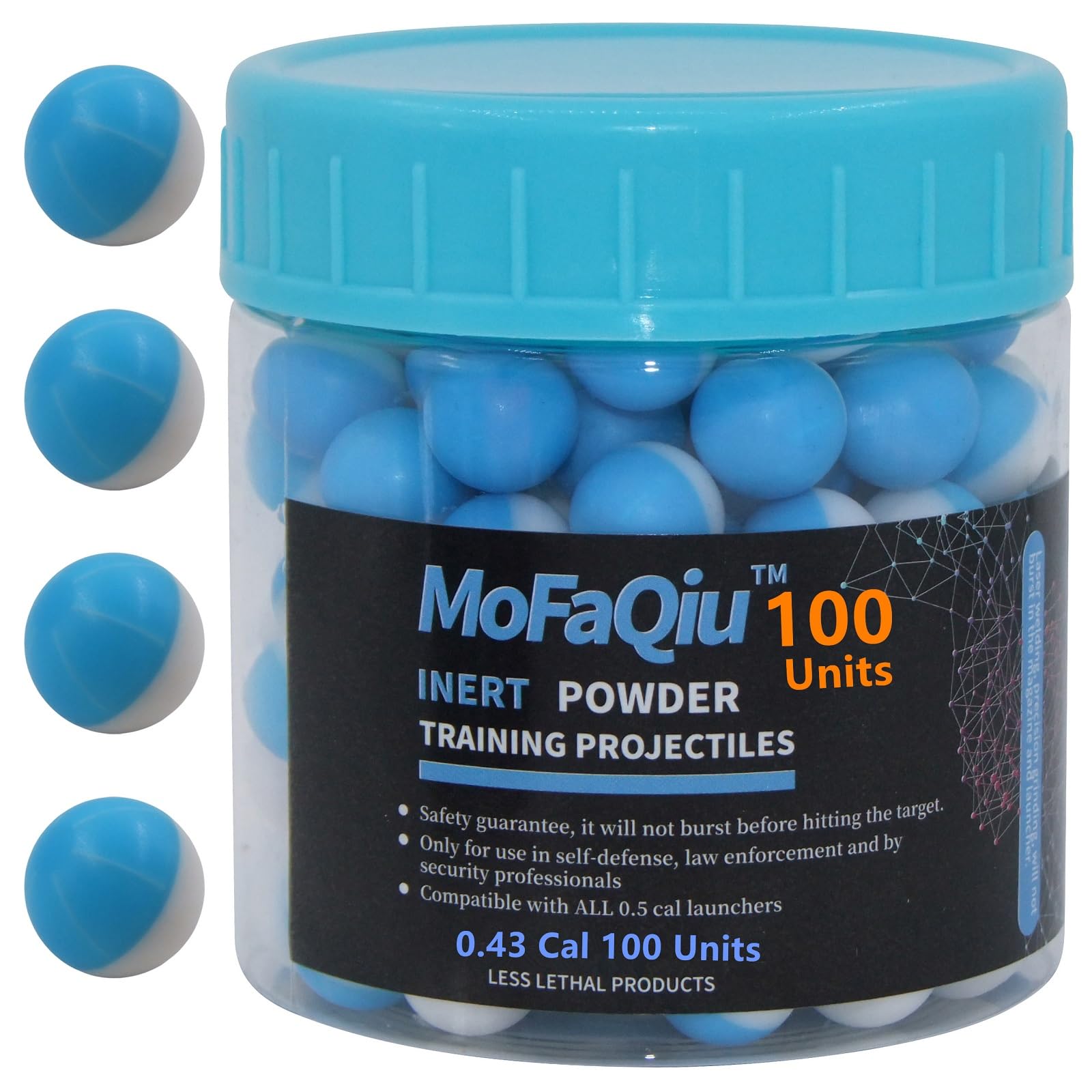 .43 Cal Inert Ball,Fracture Groove Design,Laser Welding,for Training Paintball,Pepper Practice Balls, Pepper Training Ball, Compatible All .43 Cal Pepper Ball、Pepper Projectile launchers (100 Count) Rank #1 | 🏆 Top Pick | — | |
 First Strike FSR First Strike Paintball Sniper Rounds (300, Smoke/Silver Shell - White Fill) Rank #2 | — | ||
 JT 2000ct Splatmaster 50cal Paintballs, Yellow Fill Rank #3 | — | — | |
 50 x Premium Quality Hard Mix Rubber Steel Balls 2.7 Grams Heavy Reusable Projectiles Paintballs Reballs Powerballs for Training Home Defense Pistols in 50 Caliber (S-Type) Rank #4 | — | — | |
 43 Cal Aluminum Balls for Self Defense and Target Practice, Solid Hard .43 Caliber Ammo Projectiles Paintball Fit for T4E Walther PPQ/ TPM1 and Glock17/G17 100 Rank #5 | 💰 Budget Pick | 4.6 4.6 |

