Get the App
Better experience on mobile
Get the best products related to our top picks
Choosing the right over-the-ear headphones under $100 can significantly enhance your daily audio experience without breaking the bank. In a market flooded with options, these headphones are essential for commuters blocking out urban noise, remote workers needing clear calls during Zoom meetings, or casual listeners enjoying podcasts and music on the go. At this price point, you get a balance of functionality and affordability, but not all models deliver equally on sound quality, comfort, or durability. Poor choices might lead to ear fatigue after short sessions, inconsistent bass response, or short battery life that interrupts your workflow.
Budget over-the-ear headphones differ from premium ones (like those over $200) in materials and advanced features. Budget models often use synthetic leather instead of genuine leather, basic Bluetooth 5.0 instead of aptX HD codecs, and passive noise isolation rather than active noise cancellation (ANC). However, top budget picks can rival pricier options in core performance, offering 20-30 hours of battery life, deep bass, and foldable designs for portability. Premium headphones might add spatial audio or customizable EQ apps, but for most users, the under-$100 segment provides 80-90% of the value without unnecessary extras.
This guide will help you navigate the options by breaking down key features, budget tiers, and common pitfalls. You'll learn how to prioritize based on your needs—whether it's wireless freedom, wired reliability for professional calls, or open-ear designs for awareness. We'll review five specific products: the Premium Wireless Bluetooth Over-Ear Headphones (a versatile all-rounder at $49.99), the Ultra Open Ear Earbuds in Old White and Muted White (clip-on alternatives at $49.99 each for situational awareness), and the Yealink UH36 Wired Headset (a Teams-certified option at $63.99, ideal for office use). By the end, you'll have the tools to select headphones that fit your lifestyle, backed by detailed comparisons and real-world insights. (Word count: 278)
Selecting over-the-ear headphones in this budget range requires focusing on practical performance over hype. Prioritize models that balance sound, comfort, and connectivity while staying under $100. Consider your primary use: music listening, calls, or gaming? Wireless options offer mobility, but wired ones ensure zero latency for video calls.
Sound Quality and Drivers: Look for 40mm drivers for balanced audio with punchy bass and clear mids. Budget models like the Premium Wireless Bluetooth Over-Ear Headphones deliver deep bass via tuned drivers, but check frequency response (20Hz-20kHz ideal) to avoid muddled highs. Compare to earbuds like the Ultra Open Ear Earbuds, which sacrifice immersion for openness.
Noise Isolation and Cancellation: Passive isolation from over-ear pads blocks 15-20dB of ambient noise. Active noise cancellation is rare under $100, so opt for thick leather cushions like those on the Premium model. The Yealink UH36 uses a noise-canceling mic for calls but lacks full ear coverage.
Battery Life and Charging: Wireless headphones should offer 20+ hours per charge. The Premium Wireless model hits 40 hours, outpacing many competitors. Quick-charge features (e.g., 10 minutes for 4 hours) are bonuses; avoid models under 15 hours for all-day use.
Comfort and Build Quality: Over-ear designs need adjustable headbands and cushioned pads to prevent clamping after 2-3 hours. Foldable options like the Premium are travel-friendly. Weigh 250-300g for lightness; heavier wired headsets like Yealink may cause fatigue in long sessions.
Connectivity and Compatibility: Bluetooth 5.0 ensures stable 10m range. Built-in mics with noise reduction are crucial for calls—Yealink excels here with Teams certification. Wired USB options like Yealink work plug-and-play with laptops and softphones like Zoom.
Additional Features: Check for multipoint pairing (connect to two devices) or app controls. Open-ear clip-ons like Ultra models allow environmental awareness, useful for runners, but they don't fully enclose ears.
Durability and Warranty: IPX4 sweat resistance is a plus for active use. Most budget models offer 1-year warranties; read reviews for hinge strength to avoid breakage.
Under $100, prices cluster around $50-$65, dividing into tiers. At $49.99, entry-level options like the Premium Wireless Bluetooth Over-Ear Headphones and Ultra Open Ear Earbuds provide core wireless audio and basic mics, using plastic builds and standard Bluetooth. You get solid battery life (20-40 hours) and foldability but may compromise on premium materials.
The $60-$70 tier, exemplified by the Yealink UH36 at $63.99, adds professional features like USB connectivity and call certification, ideal for business users. This level often includes better mic quality and durability for daily office wear, with microfiber pouches for protection. Overall, $50 gets you casual listening; $60+ unlocks reliable call performance. Avoid dipping below $40, as sound and build quality drop sharply, leading to tinny audio or loose fits.
The sweet spot is $50-$60, where value peaks. For $49.99, the Premium Wireless model offers 40-hour battery, deep bass, and noise isolation that punches above its price, rivaling $150 options in casual use. It's a better all-rounder than the $49.99 Ultra Earbuds, which prioritize comfort over bass depth.
At $63.99, the Yealink UH36 shines for calls, with clear mic pickup in noisy environments, but its wired nature limits versatility compared to wireless picks. Performance-wise, expect 80% of mid-range headphone capabilities: good bass and clarity, but no hi-res audio. If bass is key, wireless over-ears win; for calls, wired headsets edge out. Test via return policies to ensure fit, as perceived value hinges on personal comfort.
Ignoring Fit and Comfort: Overlooking headband adjustability leads to pressure headaches. Test padding thickness—thin pads on budget earbuds cause slippage during movement.
Overprioritizing Bass Without Balance: Deep bass sounds great initially, but unbalanced drivers (common in ultra-cheap models) distort vocals. Compare frequency curves if available.
Neglecting Mic Quality for Calls: Casual users skip this, but poor mics garble Zoom meetings. Wired options like Yealink outperform basic Bluetooth mics in clarity.
Assuming All Wireless Are Equal: Older Bluetooth versions drop connections; stick to 5.0+. Also, avoid non-foldable designs if portability matters—they're bulkier for travel.
Forgetting Compatibility: Ensure USB-C or 3.5mm jacks match your devices. Open-ear clip-ons like Ultra models aren't true over-ears, so they won't isolate noise for focused listening.
Our top three picks cater to specific needs. First, the Premium Wireless Bluetooth Over-Ear Headphones ($49.99) is best for everyday music lovers and commuters, offering superior bass, 40-hour battery, and foldable comfort that outshines earbuds in immersion.
Second, the Yealink UH36 Wired Headset ($63.99) suits remote professionals and call-heavy users, with Teams certification and reliable USB connectivity for crystal-clear Webex or Zoom sessions—ideal if wireless isn't essential.
Third, the Ultra Open-Ear Earbuds ($49.99) are perfect for active users like runners or office workers needing awareness, providing clip-on comfort without ear fatigue, though they lag in noise isolation compared to over-ears. (Word count: 712)
Yes, they're absolutely worth it for most users, offering 80-90% of premium performance at a fraction of the cost. Models like the Premium Wireless Bluetooth Over-Ear Headphones provide deep bass, 40-hour battery, and comfort that rivals $200 options from brands like Sony, but without extras like ANC or app-based EQ. Premium models add refinements like better codecs (e.g., LDAC) for hi-res audio, but if you're not an audiophile, the value gap isn't worth the extra spend. Save for premium only if you need spatial audio or superior build for heavy daily abuse; otherwise, under-$100 picks deliver reliable daily use for music, calls, and commuting.
Over-the-ear headphones fully enclose the ears with cushioned pads for immersive sound and passive noise isolation (15-20dB reduction), ideal for focused listening—the Premium model excels here with bass depth. Open-ear clip-ons like the Ultra Earbuds hook over the ears without inserting or covering them, allowing ambient sounds in for safety during runs or office multitasking. They prioritize comfort and awareness but sacrifice bass and isolation, resulting in lighter audio better for calls or podcasts than bass-heavy tracks. Choose over-ear for privacy and depth; open-ear for versatility if you dislike enclosure pressure.
Crucial for uninterrupted use, especially for commuters or travelers. Aim for 20+ hours to cover 2-3 days without charging—the Premium Wireless hits 40 hours, far better than shorter-lived earbuds (6-10 hours). Quick-charge tech (e.g., 10 minutes for 4 hours) adds convenience. Poor battery (under 15 hours) leads to frequent recharges, frustrating for all-day wear. Wired options like Yealink eliminate this issue entirely but limit mobility. Test real-world drain, as claims can vary by volume; higher Bluetooth versions (5.0+) conserve power better.
Most rely on passive isolation from thick pads, blocking mid-range noise like chatter but not lows like engines—expect 15-25dB reduction in models like the Premium Wireless. True ANC is absent under $100, so they're not subway-proof like $150+ Bose. The Yealink UH36 isolates via mic tech for calls but not music. Open-ear Ultra models offer zero isolation, letting in all sounds. For commuters, prioritize over-ear designs; pair with white noise apps for enhancement. If isolation is key, consider on-ear alternatives, but test fit as poor seals worsen performance.
Primarily for calls, with wideband audio tuned for clear vocals in meetings (optimized 150Hz-7kHz), but they're subpar for music due to mono design and limited bass—lacking the stereo immersion of the Premium Wireless. Drivers focus on speech fidelity for Zoom or Teams, not deep lows for EDM. Use them for podcasts or audiobooks if wired reliability matters, but switch to wireless over-ears for enjoyable music sessions. Their strength is professional durability and mic clarity, making them a workhorse for UC, not entertainment.
Yes, but compatibility varies. Wireless like Premium


Compare key specs and features of all our recommendations side-by-side
| Product | Recommendation | Rating | Price |
|---|---|---|---|
 Premium Wireless Bluetooth Over-Ear Headphones with Deep Bass, Noise Isolation, Foldable Design, Long Battery Life & Built-in Mic – Comfortable Leather Cushion Ear Pads Rank #1 | 🏆 Top Pick | — | |
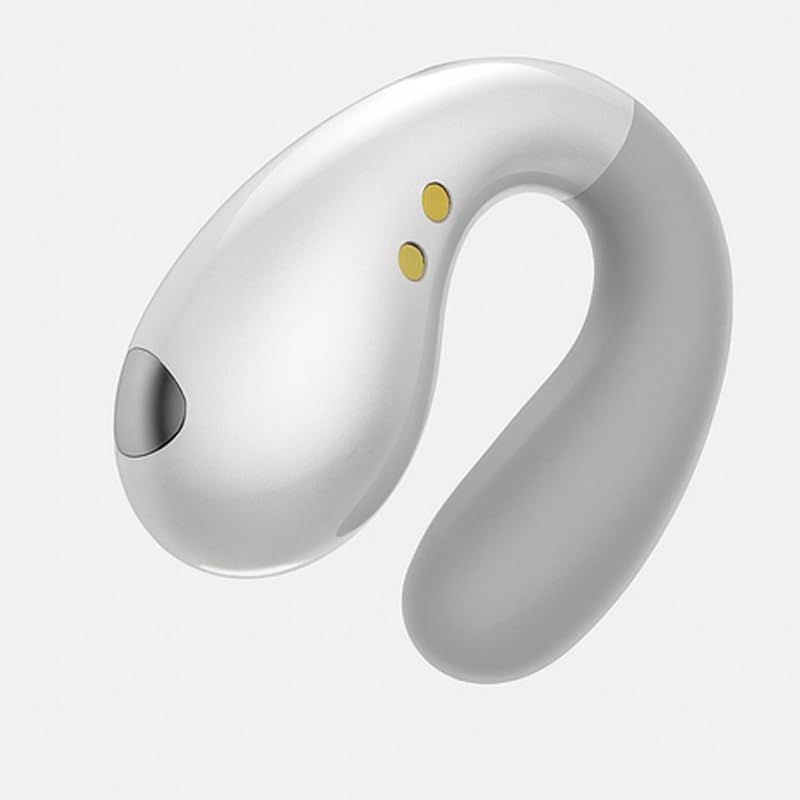 Ultra Open Ear Earbuds - Ergonomic Clip-On Earbuds,Old White Rank #2 | — | ||
 Ultra Open-Ear Earbuds – Clip-On Earbuds for Comfort,Muted White Rank #3 | — | — | |
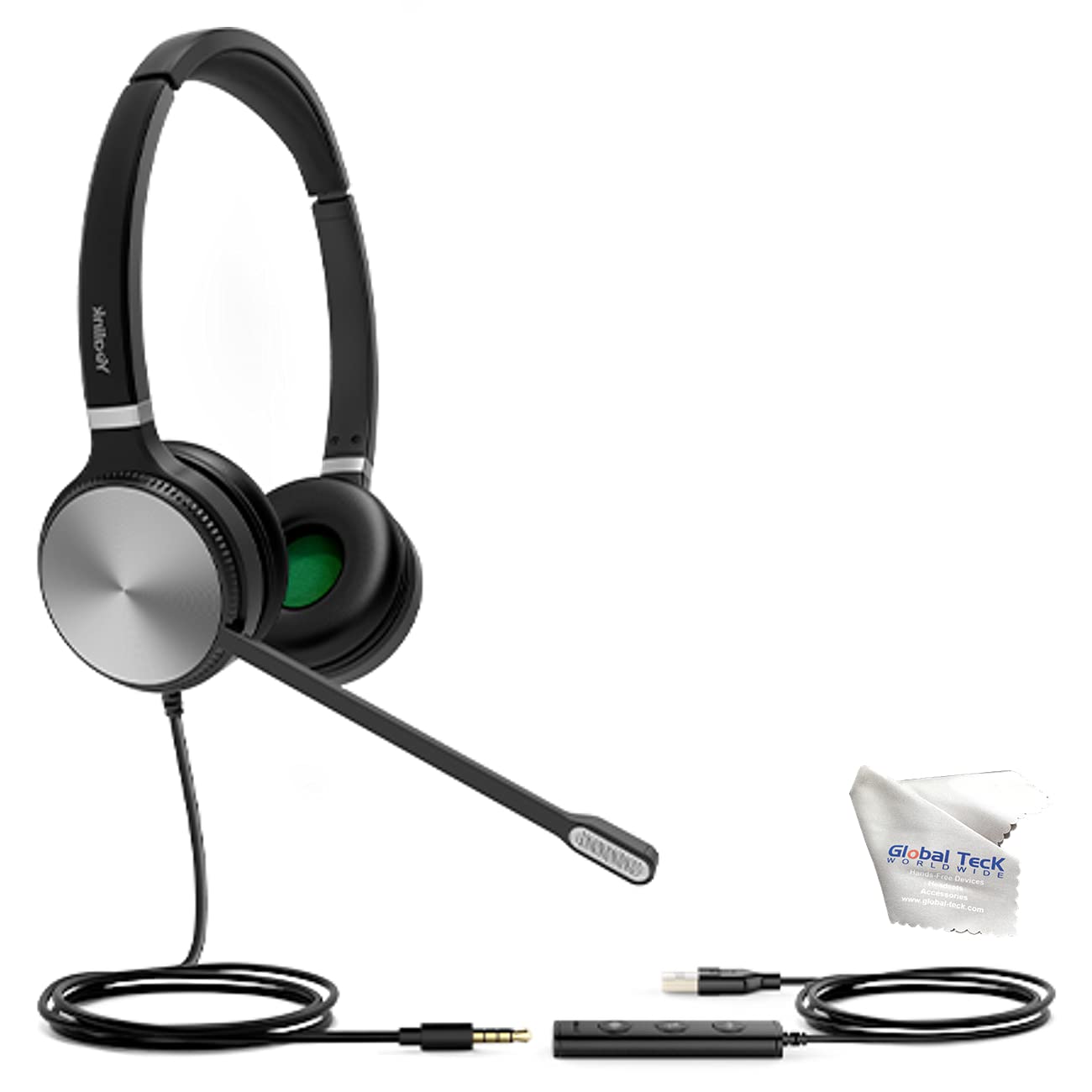 Yealink UH36 Wired Headset Teams Certified Connects to USB Deskphone, Laptop, Softphones - Works with Zoom, RingCentral, Webex Video Meetings, For Meetings, UC Communications, Microfiber Included Rank #4 | — | — |

