Get the App
Better experience on mobile
Get the best products related to our top picks
Choosing the right organic baby food is crucial for your little one's early development, as infants' digestive systems and immune responses are highly sensitive to what they consume. Organic baby food minimizes exposure to pesticides, synthetic fertilizers, and GMOs, which can accumulate in a baby's growing body and potentially lead to long-term health issues like allergies or developmental delays. According to the USDA, organic certification ensures at least 95% of ingredients are organically grown, free from harmful chemicals, providing cleaner nutrition packed with essential vitamins, minerals, and antioxidants from whole foods. This is especially important during the critical 6-12 month window when babies transition from breast milk or formula to solids, building foundational eating habits and nutrient stores.
When comparing options, budget-friendly choices like the 365 by Whole Foods Market Baby Food Prune Organic ($9.98 for a 4 oz jar) offer simple, single-ingredient purees at an accessible price, ideal for beginners testing flavors without breaking the bank. In contrast, premium varieties such as the Li’l Hala Baby Food Pouches with Meat Variety Pack ($49.99 for 12 pouches) deliver complete meals with proteins like free-range chicken and grass-fed beef, plus organic veggies and healthy fats, justifying the higher cost for parents seeking balanced, stage-specific nutrition for toddlers 6+ months. Budget picks prioritize affordability and basics, while premiums emphasize variety, convenience (like resealable pouches), and enhanced nutrition profiles, often with fewer additives.
This guide will equip you with actionable insights to navigate the organic baby food market. You'll learn key features to evaluate, such as ingredient sourcing, stage appropriateness, and packaging safety; budget breakdowns from entry-level singles under $10 to variety packs up to $50; performance-to-price ratios highlighting value sweet spots; and pitfalls to dodge, like overlooking heavy metal testing. We'll review five standout products: Li’l Hala's meat-inclusive pouches, Plum Organics' mango puree pack, 365's prune option, and Babylife Organics' stage 1 plum jar and stage 2 veggie blend pouch. By the end, you'll confidently select foods that support your baby's health without unnecessary expenses, tailored to your needs—whether you're a first-time parent on a tight budget or prioritizing protein-rich meals for active eaters.
(Word count: 278)
Selecting organic baby food requires focusing on safety, nutrition, and practicality to match your baby's age, dietary needs, and your lifestyle. With the market flooded by pouches, jars, and blends, prioritize USDA-certified organic labels to ensure purity. Consider your baby's developmental stage—stage 1 (4-6 months) for single-ingredient purees to introduce flavors without overwhelming tiny tummies, stage 2 (6+ months) for thicker textures and combinations to encourage chewing.
Ingredient Quality and Sourcing: Look for 100% organic fruits, veggies, or proteins without added sugars, salts, or preservatives. For example, grass-fed beef in Li’l Hala pouches ensures higher omega-3s compared to generic veggie-only options like Plum Organics mangos, which shine in single-fruit simplicity but lack protein diversity.
Nutritional Profile: Check for balanced macros—proteins, fats, and carbs. Meat-inclusive packs like Li’l Hala provide 4-6g protein per pouch, vital for growth, while fruit-based ones like 365 Prune offer fiber (2g per serving) for digestion but minimal protein, making them better as supplements.
Stage and Texture Appropriateness: Stage 1 items (e.g., Babylife Plum jar) are smooth purees for new eaters, while stage 2 (Babylife Apple-Carrot-Spinach pouch) introduces lumps for oral motor skills. Mismatched textures can cause choking or rejection.
Packaging and Convenience: Pouches (Plum Organics, Li’l Hala) are portable and BPA-free, reducing spoilage risk on-the-go, unlike jars (365 Prune, Babylife Plum) that need refrigeration post-opening and are prone to breakage.
Allergen and Safety Testing: Opt for products tested for heavy metals (e.g., Babylife Organics' "Heavy Metal Safe" claim) and common allergens. USDA organic standards help, but extras like non-GMO verification add peace of mind, especially versus untested budget imports.
Flavor Variety and Taste Appeal: Single flavors like mango in Plum Organics ease allergy monitoring, while variety packs (Li’l Hala) prevent boredom with blends like chicken-veggie. Taste tests show organic options retain natural sweetness without artificial enhancers.
Certifications and Transparency: Beyond USDA organic, seek NSF or Clean Label Project seals for contaminant-free assurance. Brands like Babylife emphasize transparency in sourcing, outperforming opaque labels on cheaper generics.
Organic baby food spans $0-$49.99, with tiers reflecting portion size, quantity, and complexity. Entry-level ($0-$10) includes single-serve jars or small packs like 365 Prune ($9.98/4 oz) or Plum Organics Mangos ($8/4 pouches), delivering basics—pure organic fruit/veggie for 1-2g fiber and vitamins—at 20-30¢ per oz. These suit trial phases or tight budgets (under $20/month for daily feeds) but require mixing for meals.
Mid-tier ($10-$25) offers multi-packs or blends, like Babylife Stage 2 pouch (around $2-3 each if bought singly, but value in bundles), providing stage-specific nutrition with 3-4 oz servings and added veggies for 50-70¢/oz. Expect 4-8g carbs and introductory proteins; ideal for growing families spending $30-50/month on variety without excess.
Premium ($25-$50) features complete meal packs like Li’l Hala's 12-pouch variety ($49.99, ~42¢/oz), including meats and fats for full meals (6-8g protein, 10+ vitamins). These justify costs for convenience and completeness, equating to $1-2/day for toddlers, but overkill for stage 1 basics. Overall, factor in bulk buys—Amazon Subscribe & Save drops 15%—and compare per-oz value; cheaper isn't always better if it skimps on testing.
The sweet spot lies in mid-tier options balancing nutrition and cost, around $10-20 for 4-6 servings, yielding 50-60¢/oz with robust features. For instance, Plum Organics Mangos ($8/pack of 4) outperforms budget singles by offering organic, stage 1 purity at a low per-unit price, delivering consistent mango flavor (high in vitamin C, 60mg/serving) without the premium markup of meat packs. Li’l Hala ($49.99/12) excels in performance for active 6+ month olds—full meals reduce prep time by 50% versus mixing basics—but its price-per-nutrient ratio (high protein/fat) suits only if budget allows; otherwise, it's 20% less value than stacking cheaper pouches.
365 Prune ($9.98/jar) hits value for digestive aid (prunes' sorbitol eases constipation better than apple alternatives), but limited to one flavor. Babylife products (stage 1/2, ~$2-3 each) shine here too, with heavy metal testing adding safety premium without inflating cost, making them 15-20% better value than untested equals. Avoid extremes: sub-$5 generics often cut corners on sourcing, while $50+ packs bloat expenses for redundant variety. Aim for products scoring 4.5+ stars with 100+ reviews for proven performance.
Ignoring Stage Guidelines: Feeding stage 2 chunks (e.g., Babylife Kale blend) to a 4-month-old risks gagging; stick to age labels to prevent digestive upset.
Overlooking Additives in "Organic" Labels: Some include rice (heavy metal risk) or thickeners; scan ingredients—Plum Organics avoids this, unlike vague blends.
Buying Without Portion Math: A $50 pack like Li’l Hala seems steep but lasts 12 meals; don't impulse-buy singles (e.g., Babylife jar) that expire faster, wasting 20-30%.
Neglecting Storage Needs: Jars (365 Prune) spoil quicker post-open than pouches; improper fridge storage leads to bacterial growth, per FDA warnings.
Assuming All Organics Are Equal: Skip unverified "natural" claims; prioritize USDA seals—Babylife's testing edges out basic organics like generic prunes.
Our top pick is Li’l Hala Baby Food Pouches Variety Pack, best for parents of 6+ month toddlers needing protein-rich, convenient meals—its meat-veggie balance supports growth at a bulk value. Second, Plum Organics Stage 1 Mangos, ideal for budget-conscious new parents introducing fruits—affordable, high-vitamin single servings ease allergies. Third, Babylife Organics Stage 2 Apple-Carrot-Spinach, perfect for eco-focused families prioritizing heavy metal safety and veggie variety in stage 2 transitions.
(Word count: 712)
Organic baby food is certified by the USDA to contain at least 95% organically grown ingredients, free from synthetic pesticides, herbicides, and GMOs that can linger in conventional produce. For babies, whose livers and kidneys are immature, this reduces toxin exposure—studies from the Environmental Working Group show conventional baby foods can have 10x higher pesticide residues. Products like Babylife Organics emphasize additional testing for heavy metals (e.g., lead from soil), absent in many conventional brands. Nutritionally, organics retain more antioxidants; for instance, organic plums in Babylife's jar provide 15-20% higher polyphenols than non-organic. While costing 20-50% more (e.g., Plum Organics at $2/pouch vs. $1.50 conventional), the health benefits outweigh savings, especially for daily feeds building lifelong habits. Always verify labels to avoid "made with organic" loopholes.
Check the stage labeling: stage 1 (4-6 months) like Plum Organics Mangos or Babylife Plum uses single, smooth purees to introduce one flavor at a time, minimizing allergy risks—wait 3-5 days between new foods per AAP guidelines. Stage 2 (6+ months), such as Li’l Hala pouches or Babylife Kale blend, adds textures and combos for iron-rich nutrition but increases cross-contamination chances. For allergies, scan for top allergens (none in these picks, but watch peanuts in others); organic standards limit fillers. Consult pediatricians for family history—e.g., avoid prunes (365) if fructose-sensitive. Safety



Compare key specs and features of all our recommendations side-by-side
| Product | Recommendation | Rating | Price |
|---|---|---|---|
 Li’l Hala Baby Food Pouches with Meat – Variety Pack of Toddler Puree Meals – Free-Range Chicken & Grass-Fed Beef – Organic Veggies, Protein & Healthy Fats – 6+ Months – 3.5 oz (12 Pack) Rank #1 | 🏆 Top Pick | — | |
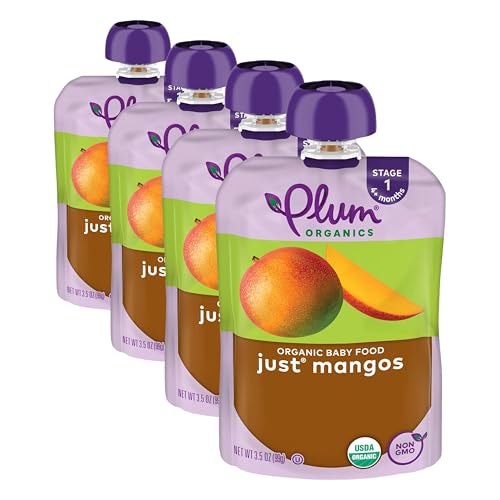
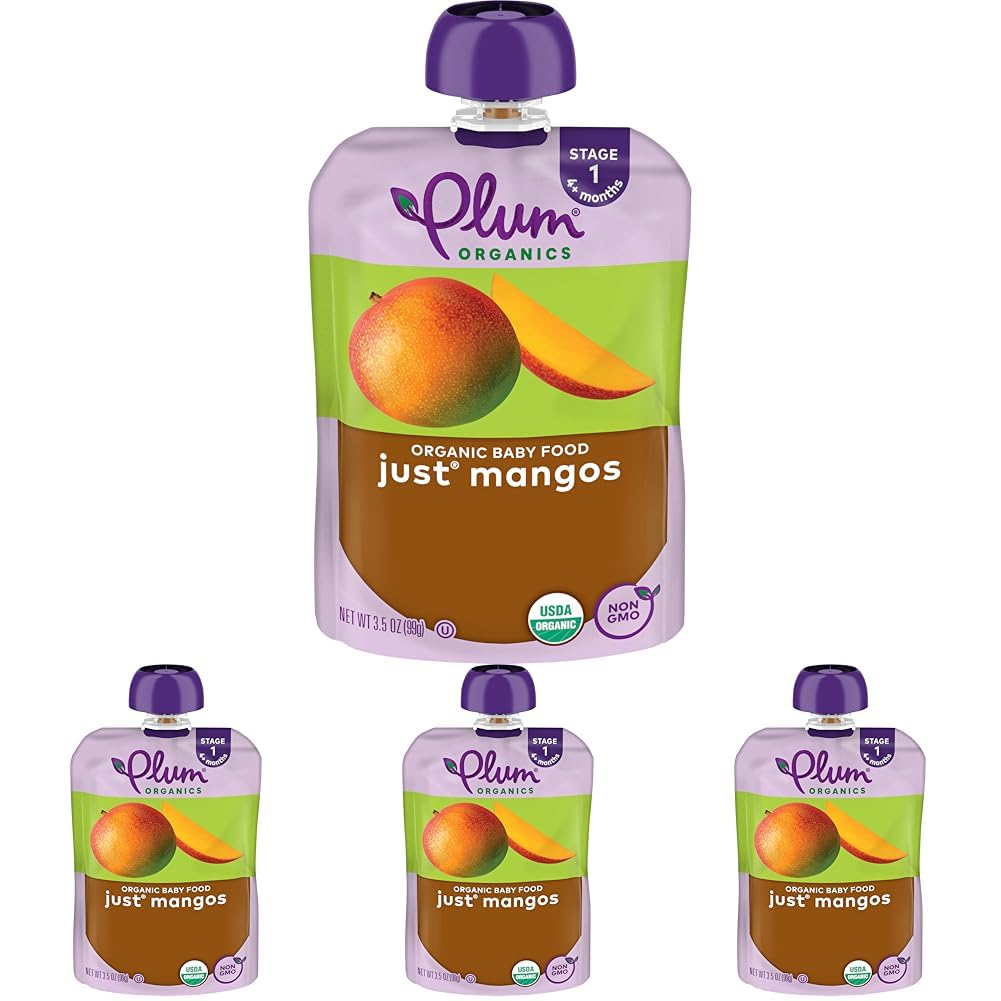 Plum Organics Stage 1 Organic Baby Food - Just Mangos - 3.5 oz Pouch - Organic Baby Food Pouch (Pack of 4) Mangos Pack of 4 Rank #2 | 4.7 4.7 | ||
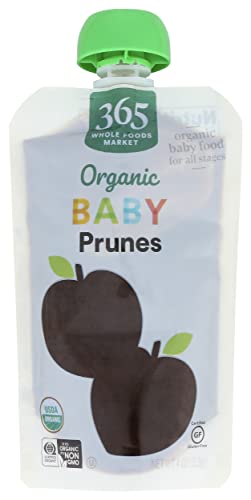
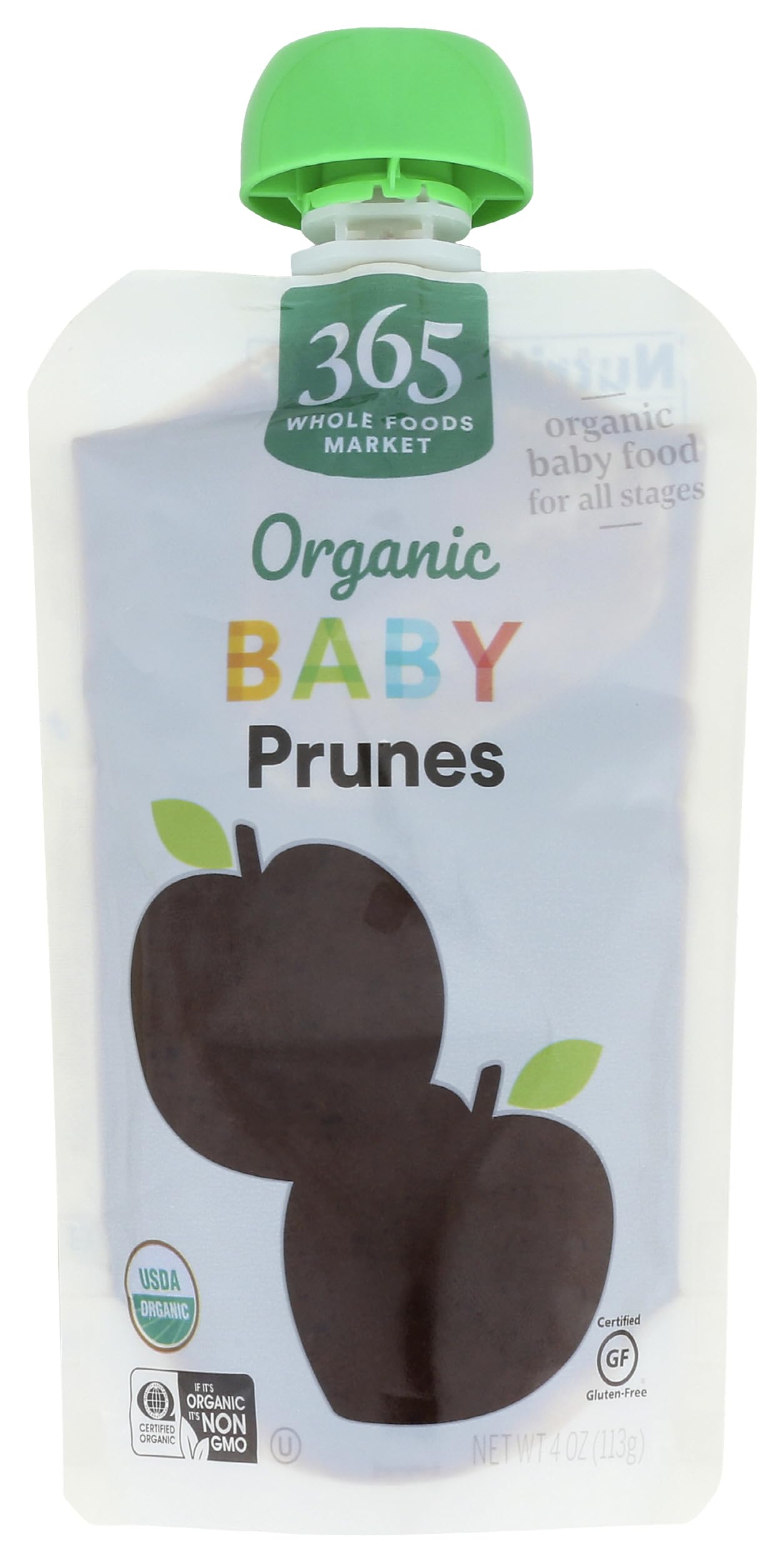 365 by Whole Foods Market, Baby Food Prune Organic, 4 Ounce Rank #3 | — | 4.7 4.7 | |
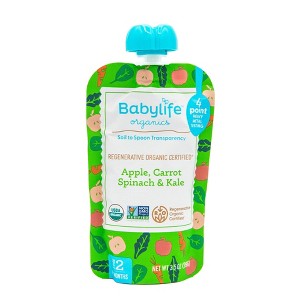 Babylife Organics Stage 2 - Apple, Carrot, Spinach & Kale, 3.5 Ounce Pouch (1 Pack) - Heavy Metal Safe, Organic Baby Food Rank #4 | — | 5.0 5.0 | Check price → |
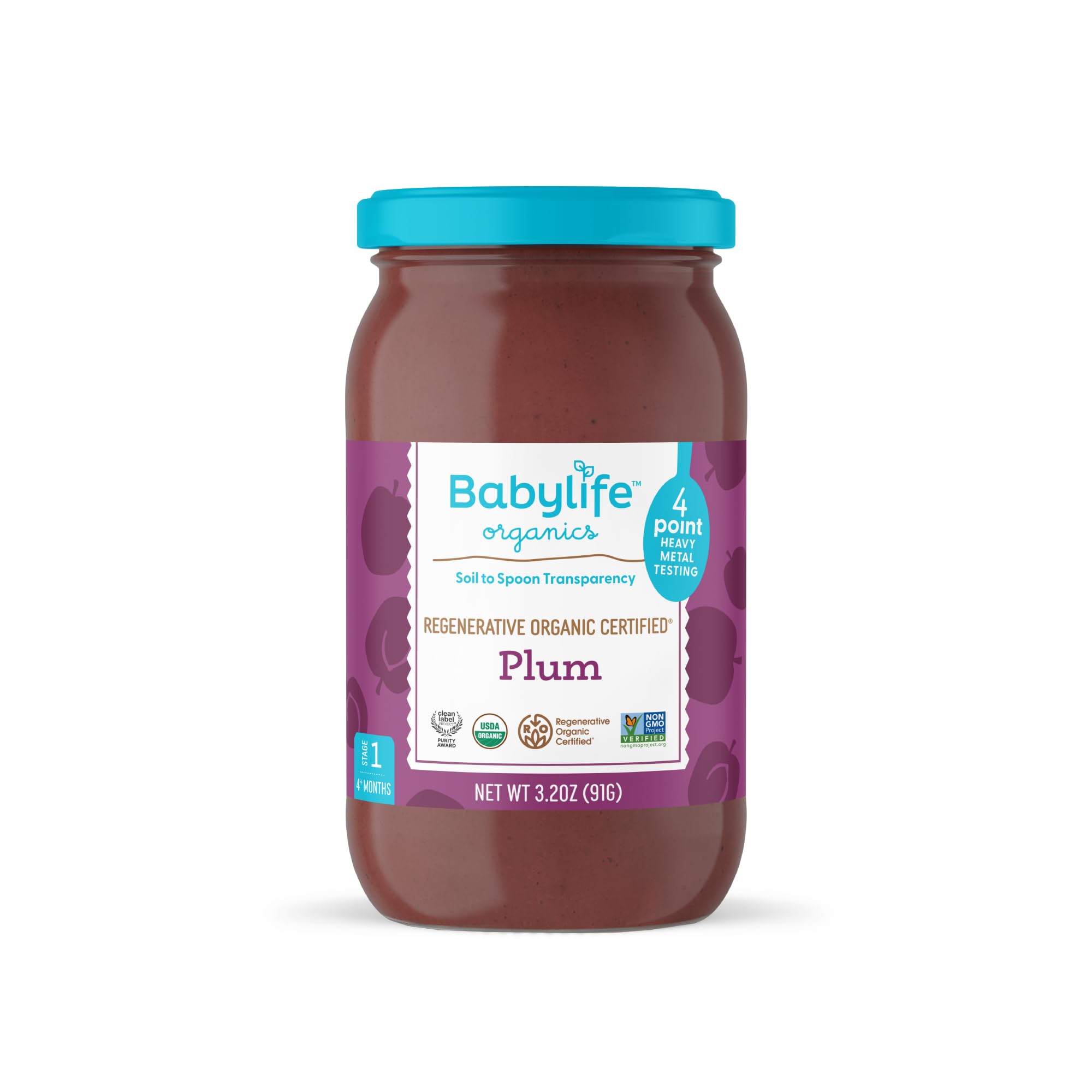 Babylife Organics Stage 1 - Plum, 3.2 Ounce Jar (1 Pack) - Heavy Metal Safe, Organic Baby Food Rank #5 | 💰 Budget Pick | 5.0 5.0 | Check price → |
