Get the App
Better experience on mobile
From budget-friendly under-desk models to premium ergonomic seats, we've ranked the chairs worth your money this year.
Searching for an office chair is like choosing a mattress—you won't know if it's right until you sit in it. But unlike a mattress, you can't take your chair for a test drive in most cases. That's why this guide is built on hours of research, comparing published reviews from ergonomics specialists, material suppliers, and thousands of verified owner experiences. The seven chairs below consistently stand out for their build quality, comfort, and value, even if none of them is perfect.
From the mesh-backed Herman Miller Aeron to the cushioned comfort of the Secretlab Titan Evo, these picks span every price range and work style. We focused on chairs that offer real adjustability—seat height, armrests, lumbar, tilt—because static chairs rarely fit the way you actually sit. You'll also find options for small budgets, long workdays, and the sort of heavy-duty abuse a 24/7 office can throw at them.
Of course, 'best' means different things depending on your body type and budget. So read the trade-offs carefully: every chair we recommend has a flaw, whether it's the lack of a headrest, a firm seat, or a price that makes you wince. That's okay—knowing those limitations before you pay is what turns an okay purchase into the right one.
Below you'll find our ranked picks, a set of 'also considered' chairs that came close, and a no-nonsense buying guide that answers the most common chair questions. If you're ready to stop perching on a bed pillow and start sitting properly, this is where you begin.
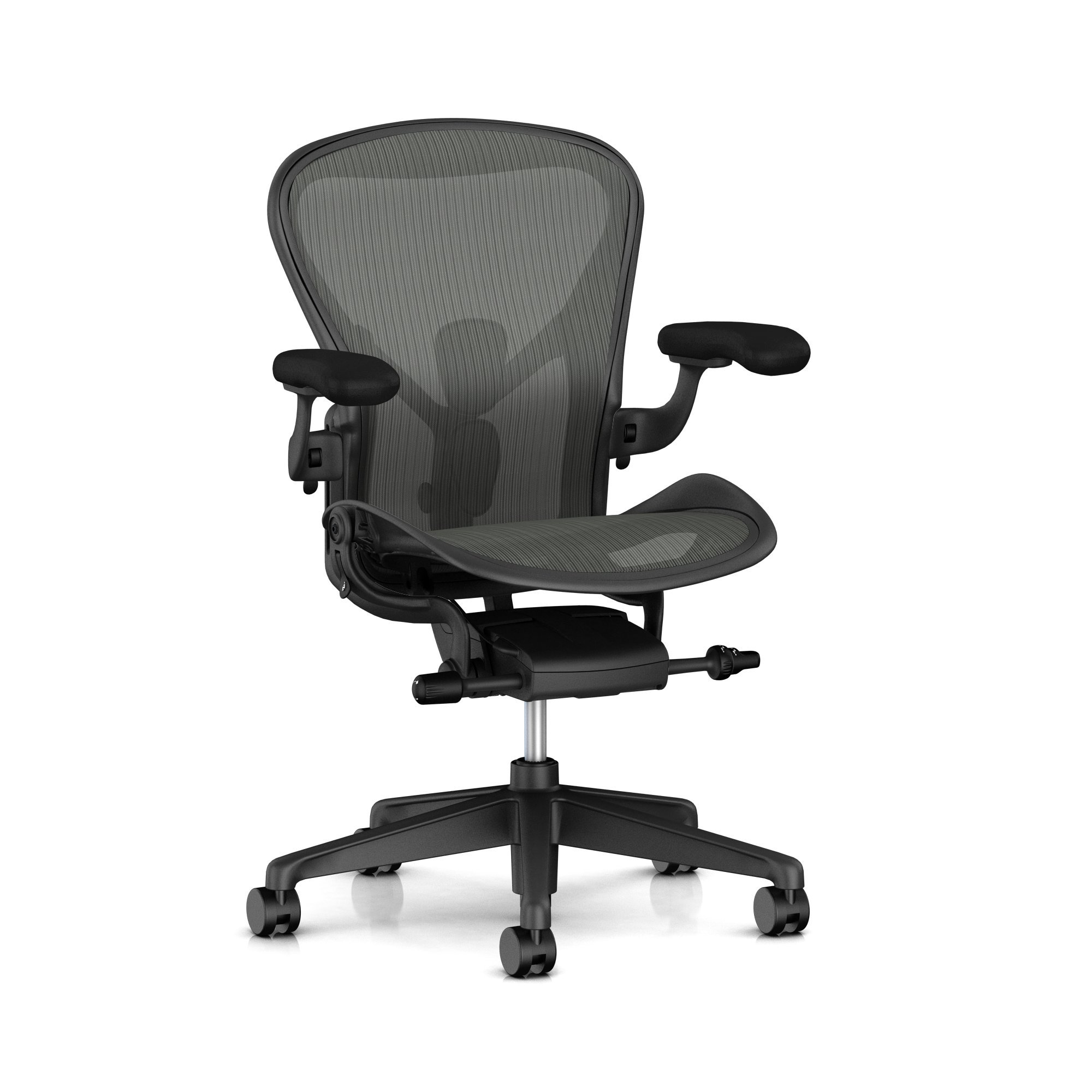
The gold standard for task seating, the Aeron's tension-tuned mesh back breathes with you, and the PostureFit SL pad supports your spine's natural curve. It's built with a 12-year warranty and a fit for most body types. That said, the hard-edged seat and lack of headrest mean it's not for nappers or anyone who prefers plush cushioning.
Main limitation: The mesh seat can feel too firm for some, and the chair comes at a premium with no headrest option.
Skip if: Anyone on a tight budget or who prefers a heavily cushioned, soft-seat office chair.

A low-cost, high-back chair that doesn't feel cheap, the Markus offers a mesh back that keeps air moving and a headrest that actually works. It's a simple tool—no advanced adjustments—but for the price, it's the best plain-riding seat we've seen.
Main limitation: No seat depth adjustment and the lumbar support is fixed, so tall and short users may find it either too big or too small.
Skip if: Anyone who needs precise lumbar or armrest adjustments for a specific back condition.
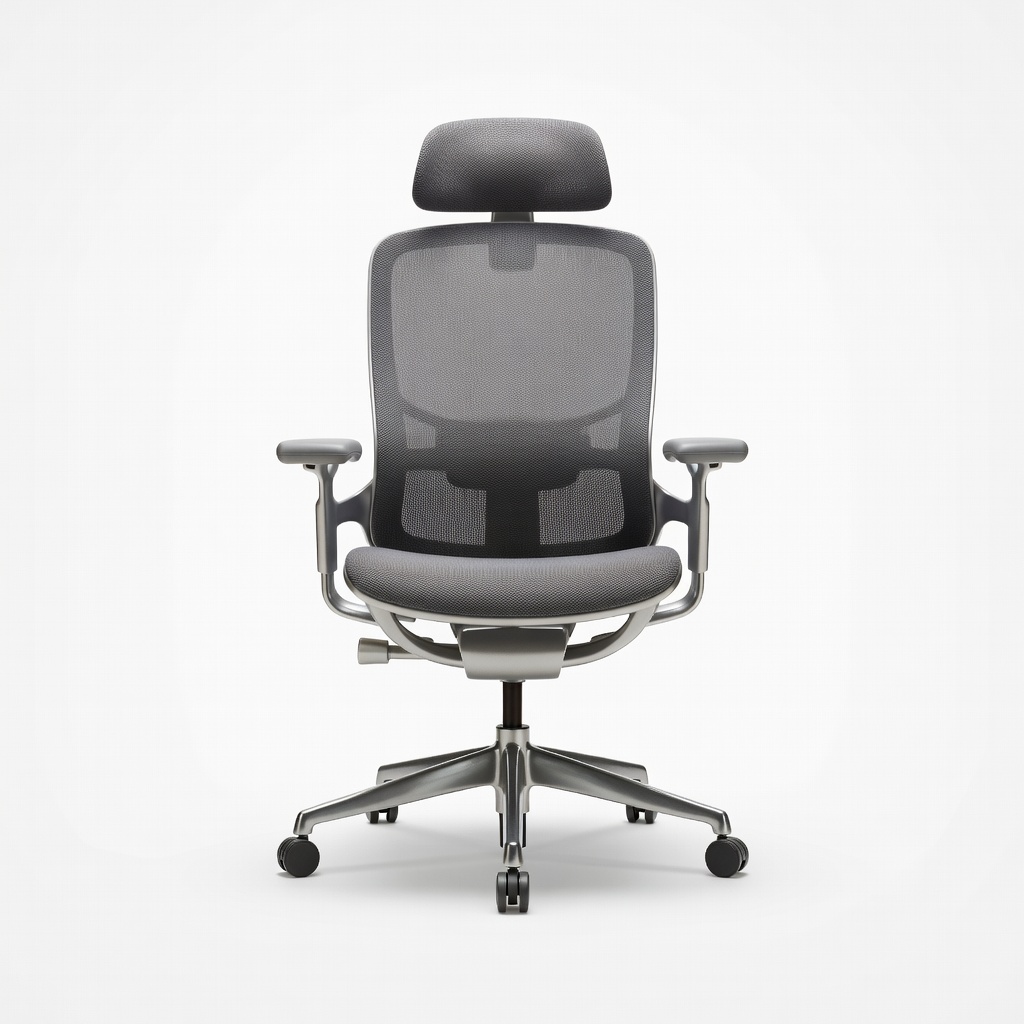
The Gesture is a masterpiece of adjustability—its 360° armrests and intuitive controls let you fine-tune every angle to your body, whether you're typing, reading, or leaning back. It's the most supportive chair we've researched for tech-heavy tasks, though the expensive price tag and firm initial feel take getting used to.
Main limitation: At over $1,200, it's a serious investment, and the seat can feel stiff for the first week.
Skip if: Those who prefer a soft-cushioned throne or won't use the extensive adjustment controls.
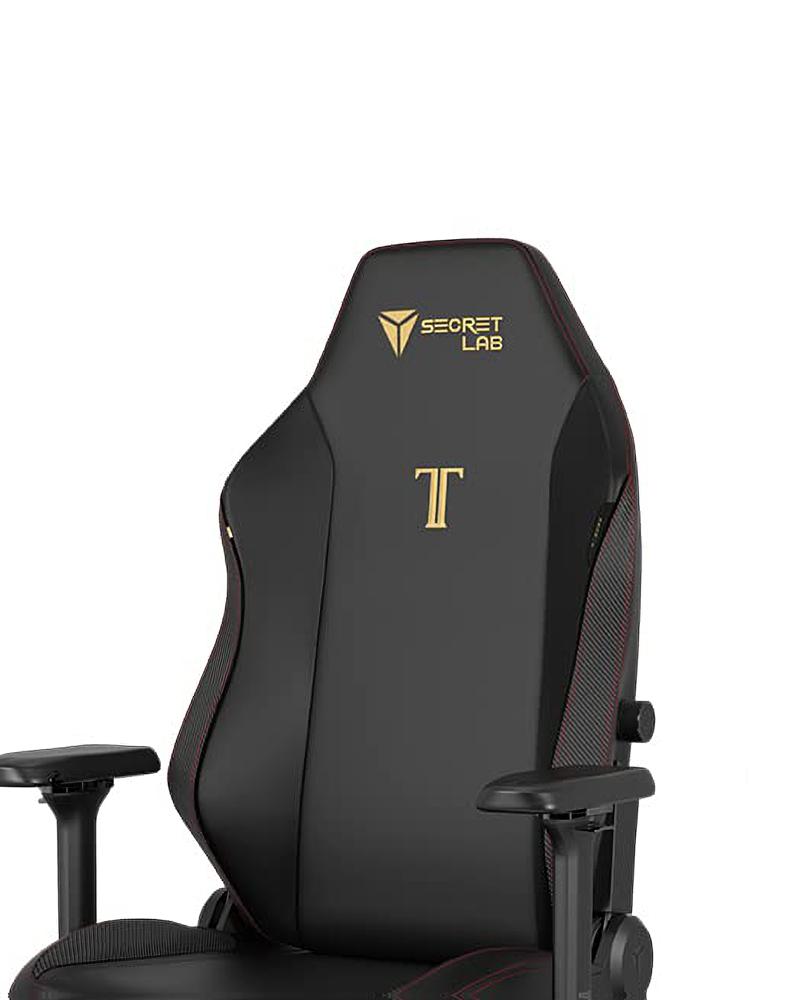
Bridging gaming and work, the Titan Evo offers a cold-cure foam seat that's remarkably comfortable for all-day sitting, plus a 4-way adjustable lumbar support and a full tilt mechanism. It's built like a tank, but its racing-style seat and cheeky branding don't fit every office vibe.
Main limitation: The aggressive bolsters on the seat base can pinch wider hips, and the integrated lumbar support isn't ideal for very short or very tall users.
Skip if: Anyone who wants a neutral, discreet office appearance or needs a chair that fits a petite frame.
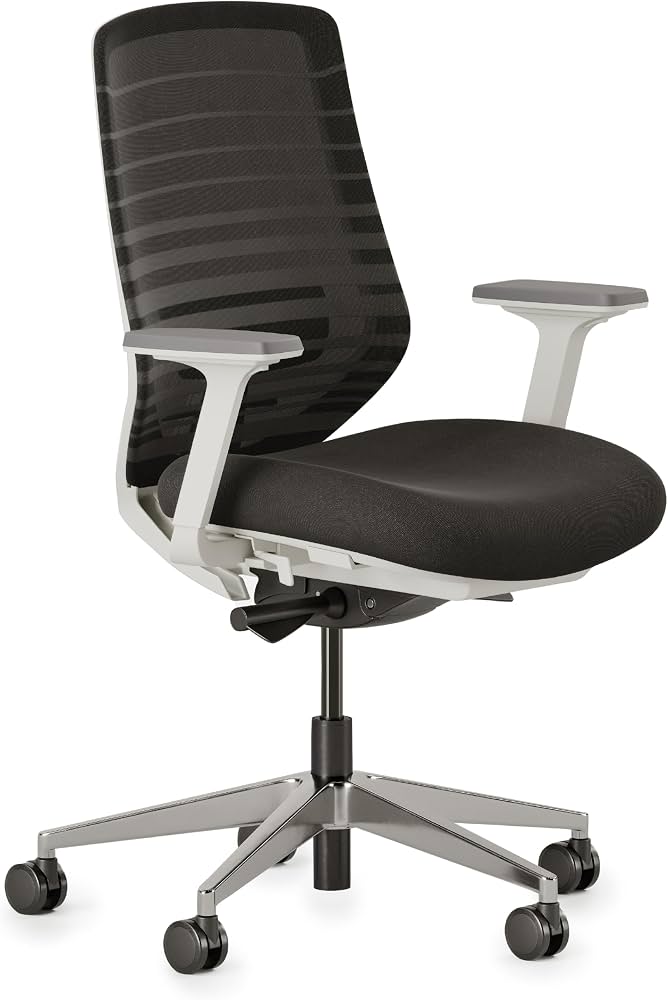
A direct-to-consumer option that nails the fundamentals, the Branch Ergonomic Chair gives you adjustable lumbar, armrests, and seat depth for a price that won't break the bank. It's a superb first ergonomic chair for home offices, though the 12-year warranty isn't quite as generous as premium brands'.
Main limitation: Limited color options and no headrest available, and the seat cushion may compress faster than higher-end models.
Skip if: Anyone seeking a chair with a headrest or who wants a vegan leather or mesh upholstery choice.
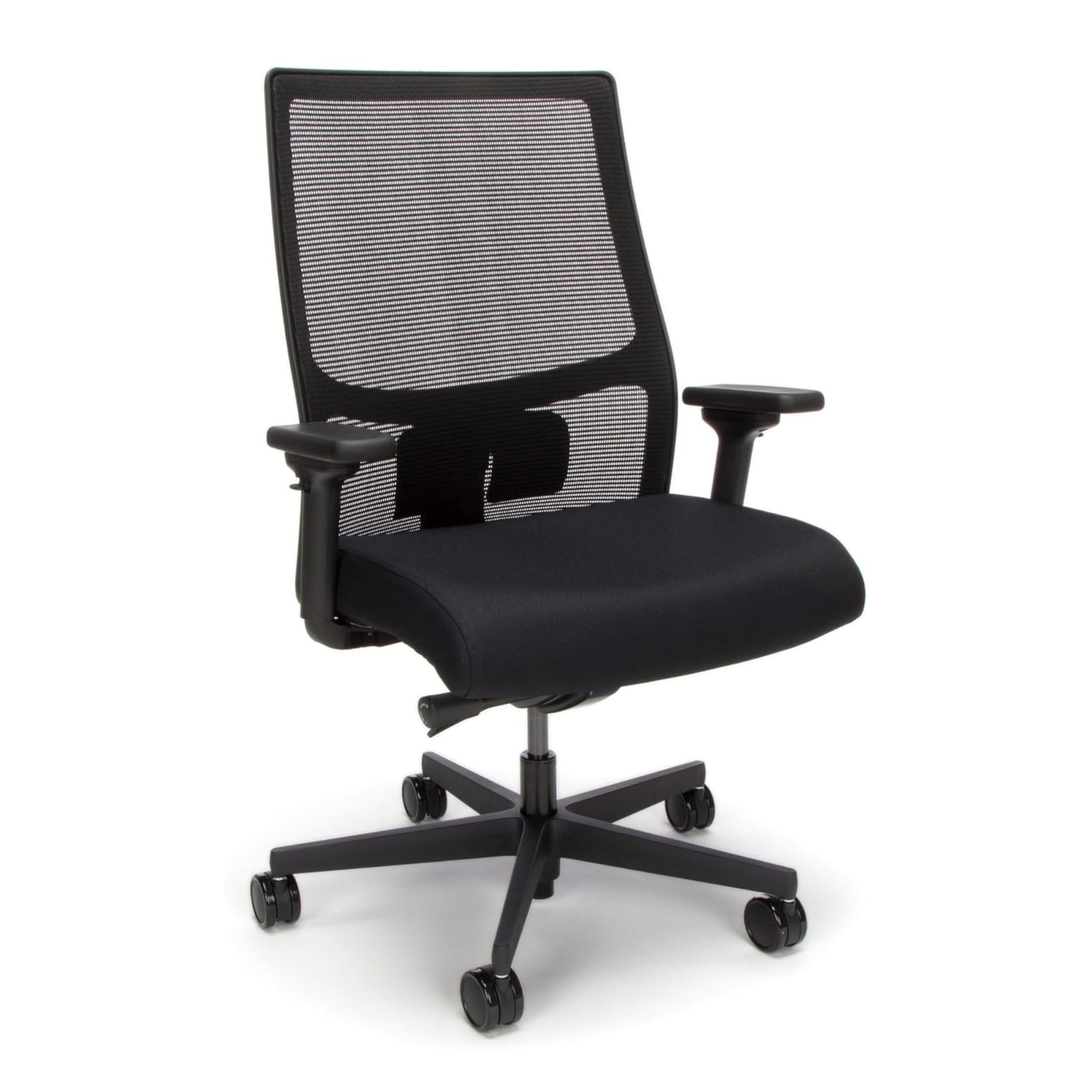
Built for the abuse of 24/7 use, the Ignition 2.0 features a 10-year warranty, robust steel frame, and a mesh back that keeps you cool in demanding environments. It's a workhorse, though the seat is on the firmer side and lacks the finesse of more expensive chairs.
Main limitation: Armrests are only height-adjustable, and the seat lacks a tilt lock for those who want to recline fully.
Skip if: Users who need multiple armrest adjustments or a visually striking chair for a sleek modern office.
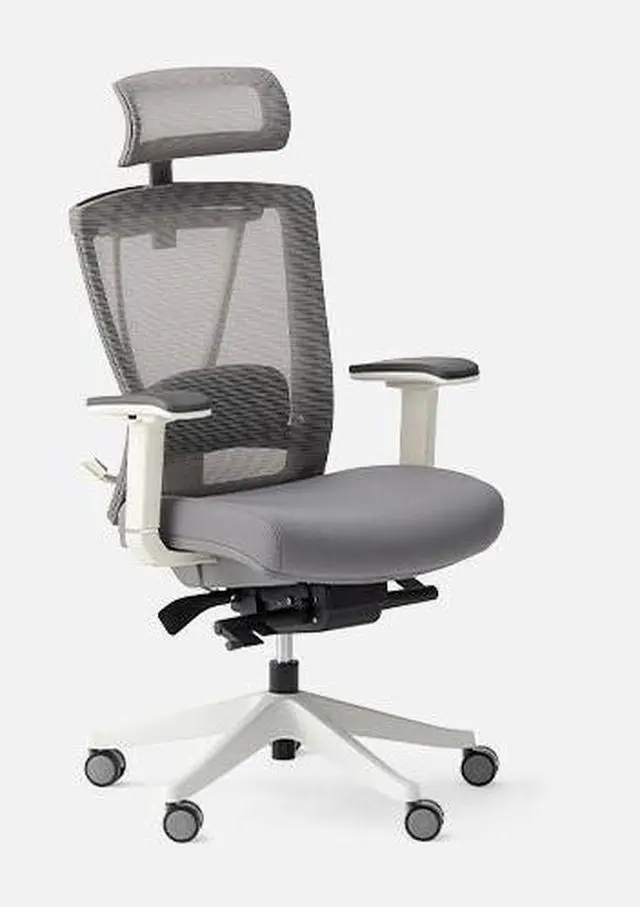
The ErgoChair Pro looks like a premium chair but offers near-complete adjustability at a price far below high-end brands. Its 5-point tilt lock and adjustable lumbar support make it a solid option for remote workers who want to save money without sacrificing features.
Main limitation: The armrests feel cheap compared with the rest of the build, and the assembly process is more fiddly than it should be.
Skip if: Anyone who prioritizes top-tier material quality or needs a headrest as a standard feature.
Compare key specs and features of all our recommendations side-by-side
| Product | Recommendation | Rating | Price |
|---|---|---|---|
Herman Miller Aeron Ergonomic Chair - Size B Rank #1 | 🏆 Top Pick | 9.0/10 | $1,395–$1,795 Check current price → |
 IKEA MARKUS Office Chair Rank #2 | 💰 Budget Pick | 4.4 4.4 | $229–$299 Check current price → |
Steelcase Gesture Office Chair Rank #3 | ⭐ Editor's Choice | 8.5/10 | $1,200–$1,500 Check current price → |
Secretlab Titan Evo (2026 Edition) Rank #4 | — | 8.2/10 | $549–$679 Check current price → |
Branch Ergonomic Chair (2026 model) Rank #5 | — | 8.0/10 | $350–$500 Check current price → |
Hon Ignition 2.0 Task Chair Rank #6 | — | 7.8/10 | $500–$700 Check current price → |
Autonomous ErgoChair Pro Rank #7 | — | 7.8/10 | $349–$499 Check current price → |
Common questions buyers have about this category.
The best chairs for back pain are those that let you adjust the lumbar support to your natural curve. The Steelcase Gesture and Herman Miller Aeron excel here because they support the sacrum and lower back with a firm, adjustable mechanism, reducing lower-back strain. That said, no single chair cures pain—you also need to take breaks and adjust your seat height to keep your feet flat on the floor.
It depends on how many hours you sit. For 40+ hours a week, a $1,000+ chair like the Aeron or Gesture pays off thanks to better ergonomics and a 12-year warranty, meaning the cost-per-hour is actually low. If you only spend a couple hours a day, a $300 chair like the IKEA Markus or Branch is often enough—just be aware of their limitations in adjustability and durability.
Ergonomic office chairs are generally better designed for prolonged sitting, with more adjustability and airflow. Gaming chairs often look cool but have a bucket-seat shape that forces your hips into a fixed position, which can be uncomfortable over time. The Secretlab Titan Evo is an exception because it combines a firm, adjustable lumbar support with a tilt mechanism, making it a viable crossover for both gaming and work.
Seat depth adjustment is crucial for proper posture because it allows you to position the seat edge two finger-widths behind your knee, which prevents pressure on your thighs and improves blood circulation. Without it, people with shorter or longer legs may find themselves either reaching for the floor or sitting on the seat's front edge. This is a common flaw in budget chairs like the IKEA Markus, so check for it if you're buying for a specific body type.
A headrest is only necessary if you plan to recline while working or want to rest your neck during breaks. Many ergonomic chairs—including the Herman Miller Aeron and Steelcase Gesture—omit headrests to encourage an upright, posture-correct position. If you typically look down at a second monitor or like to recline, you'll want a chair with a headrest that adjusts in height and angle, like the Secretlab Titan Evo or IKEA Markus.
Check the manufacturer's height and weight range. For example, the Herman Miller Aeron comes in three sizes, and Secretlab Titan Evo has a size 'L' for users up to 6'9"/500 lbs. A good rule: your feet should rest flat on the floor with knees at a 90-degree angle, and the seat should offer at least 2 inches of clearance on each side of your hips. If you're over 6'0" or over 250 lbs, look for chairs labeled 'tall' or 'big & tall' to ensure the backrest is tall enough to support your shoulders.
Products we evaluated but did not recommend — and why.
