Get the App
Better experience on mobile
From budget-friendly task chairs to premium ergonomic icons, these are the office chairs that deliver real comfort and support for long workdays.
The humble office chair rarely gets the attention it deserves—until your back starts complaining. The human body wasn’t designed for eight hours of static sitting, which is why a well-designed chair is the most important purchase you can make for your home office. But choosing the right one isn’t about finding the most expensive mesh bucket with a headrest; it’s about finding the chair that adapts to your body, not the other way around.
In this guide, we’ve sorted through the current office chair landscape, from budget-friendly task chairs to premium ergonomic icons. We’ve focused on real-world comfort, adjustability, and construction quality—not just the brand label. Our picks are based on years of published expert reviews, manufacturer data, and aggregated user feedback, so you can trust that each chair has been vetted by hundreds of people who actually sit in it daily.
We cover seven distinct office chairs across a wide price spectrum, from under $300 to over $1,500. Whether you’re a 6-foot-tall gamer, a petite administrative assistant, or someone recovering from a back injury, there’s a chair on this list that will treat your spine well. Keep in mind that the absolute best chair is one you’ve actually tried, but if that’s not possible, the following options are the closest thing to a sure bet.
When reviewing candidate chairs, we looked for key ergonomic features like adjustable lumbar support, seat-depth adjustment, armrests that move in multiple planes, and a breathable seat material. We also considered build quality, weight capacity, and warranty coverage. Finally, we balanced all these factors against real-world price points to ensure every recommendation offers genuine value.
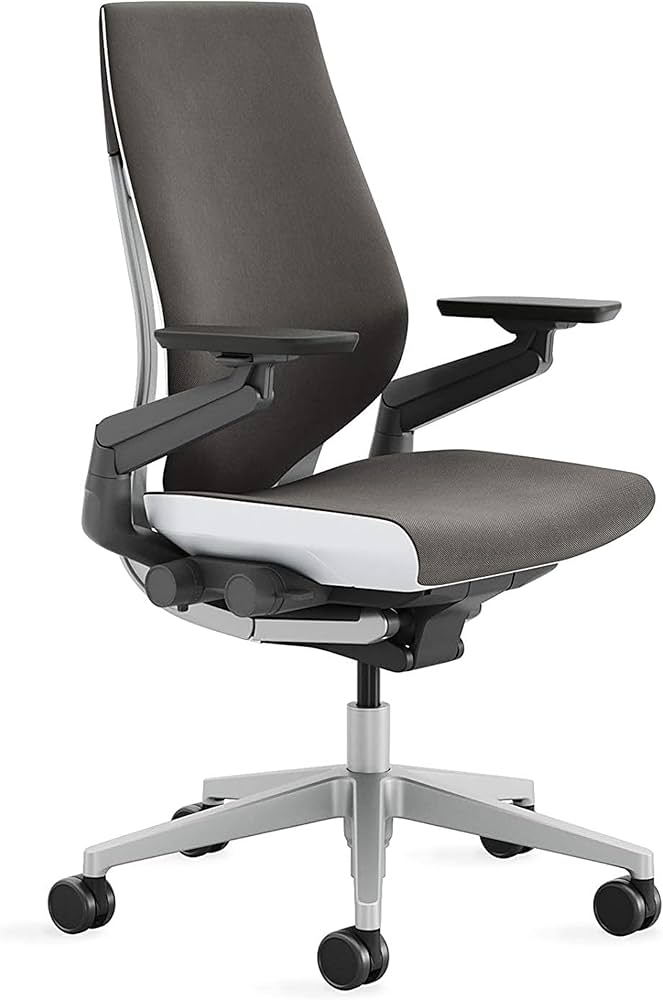
The Steelcase Gesture is a masterpiece of ergonomics, with a back that mirrors your every move and the most adjustable armrests in the business. Based on aggregated reviews and expert comparisons, it’s the best overall chair for most people because it fits a wider range of body types than any other chair on this list. The trade-off is the premium price—and the fact that this chair is so well made, you might never want to leave your desk.
Main limitation: The high price tag and lack of a built-in headrest may be overkill for those who need only basic support.
Skip if: Budget-conscious shoppers or those who want a headrest included should look elsewhere.
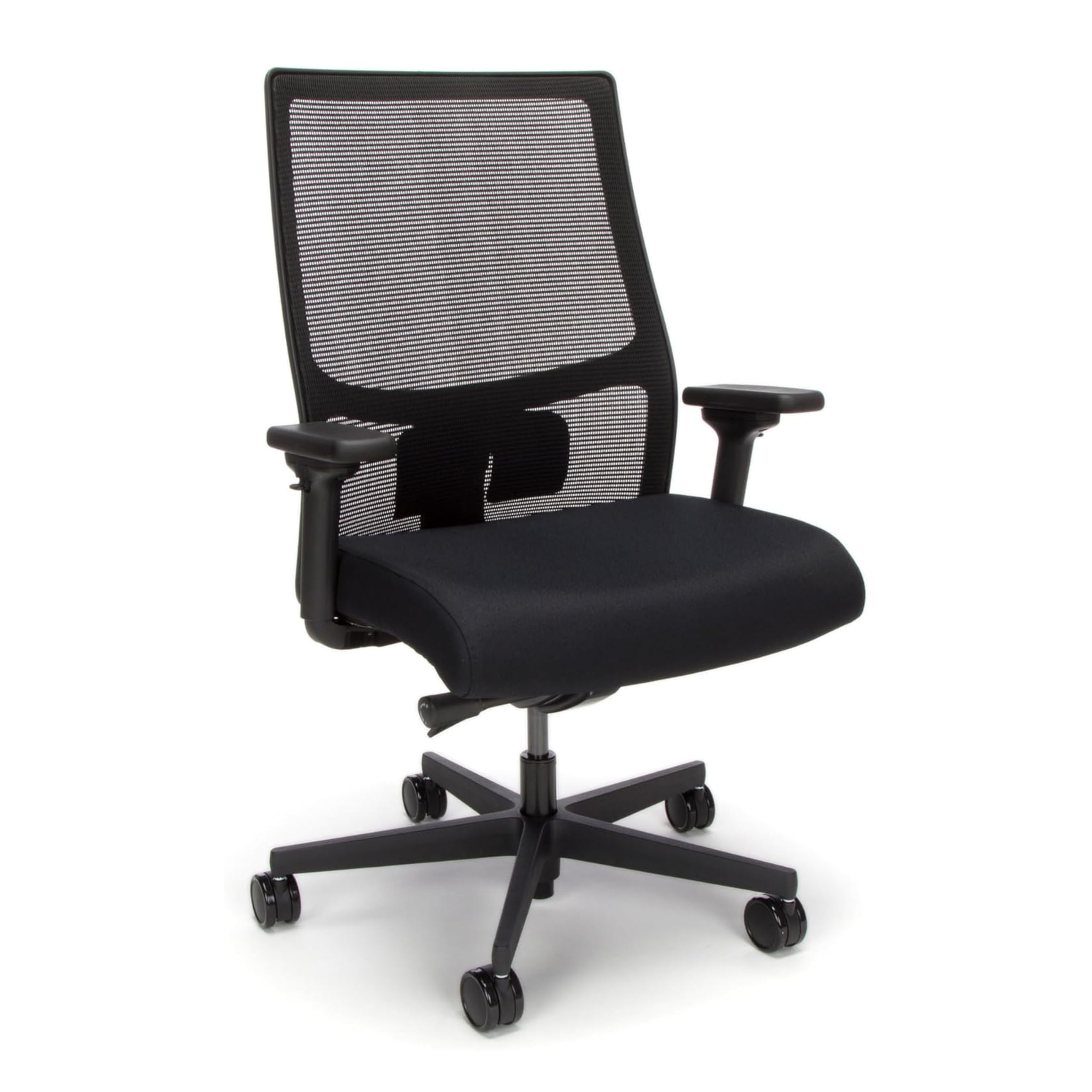
The HON Ignition 2.0 is the best budget office chair for good reason: it packs surprisingly robust ergonomics—including adjustable lumbar and seat depth—into a sub-$400 price. It’s not flashy, but it’s comfortable for long stretches, and the mesh back keeps you cool. The main compromise is the quality of the materials, which won’t last as long as a $1,000+ executive chair, but it’s a steal for the features.
Main limitation: The armrests are not as adjustable as higher-end models, and the foam cushions may flatten out faster with heavy daily use.
Skip if: If you’re over 250 pounds or want a more polished aesthetic for client-facing spaces, consider a sturdier or more premium option.
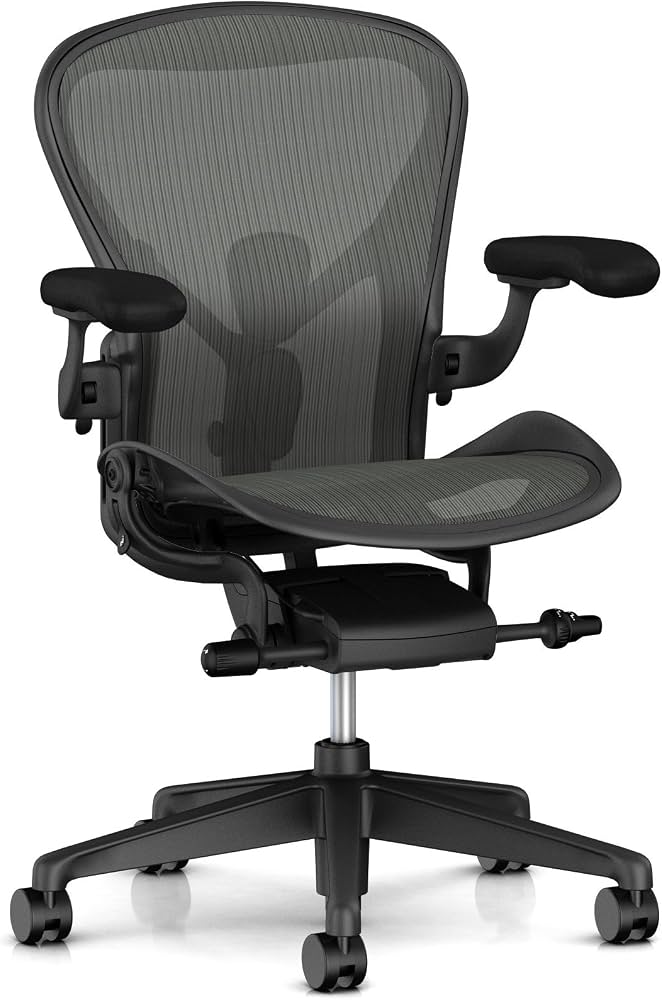
The Herman Miller Aeron is legendary for a reason—it’s the chair many knowledge workers dream of owning. Its mesh seat and back let you sit for hours without overheating, and the “make it fit” sizing means you can choose the exact size for your frame. After decades of refinement, it remains the editor’s pick for all-day endurance, though the patent (and the price) have plenty of fans grinding their teeth. The big trade-off is that the mesh can feel too firm for people who prefer a plush, padded feel.
Main limitation: The mesh seat can be tough on your thighs after a long day, and it doesn’t offer a headrest or built-in lumbar pillow.
Skip if: If you prefer a cushioned seat or want a headrest, this isn’t the one for you.
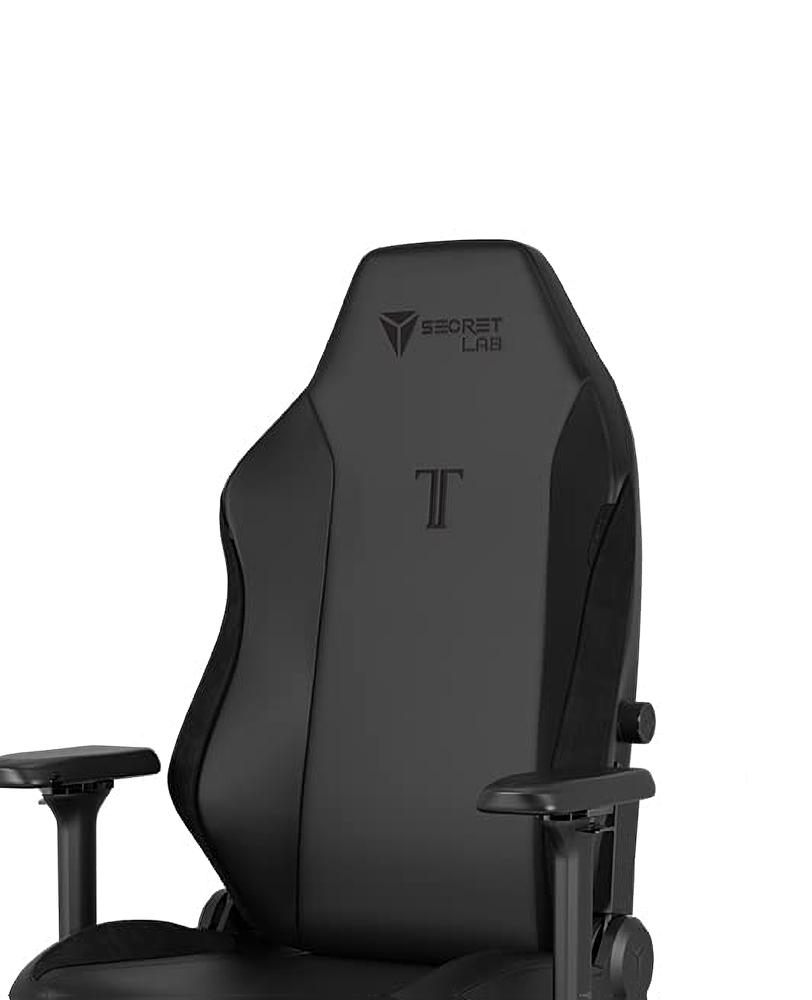
The Secretlab Titan Evo has evolved from being a gaming novelty into a genuinely comfortable office chair that other manufacturers are paying attention to. It offers a firm, supportive seat, an adjustable built-in lumbar system, and a magnetic head pillow that actually works—all at a price that undercuts high-end office chairs. The downside is that its firm padding and sporty styling aren’t for everyone, and it may feel too out of place in a traditionally formal office.
Main limitation: The seat cushion is noticeably firmer than typical task chairs, and the aggressive gamer look may clash with a professional home office.
Skip if: If you prefer a soft, cloud-like seat or a subtle executive look, this is not it.
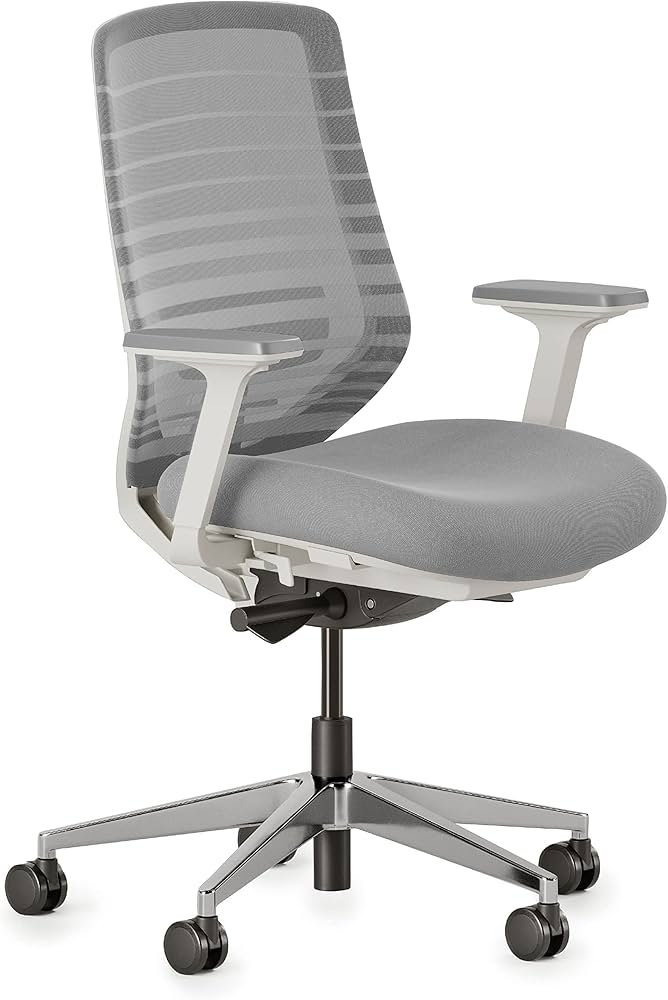
The Branch Ergonomic Chair V2 is a wallet-friendly alternative that rivals chairs twice its price in terms of adjustability. With 4D armrests, a responsive recline, and a roomy seat, it’s one of the best values we’ve seen for a sitting experience that feels close to custom. The trade-off is the somewhat basic fabric colors and the base cushion that some users find slightly thin for heavier frames.
Main limitation: The seat foam may be too thin for those over 200 pounds, and the short backrest might not suit very tall users.
Skip if: If you’re over 6'3" or weigh over 250 lbs, you might want a sturdier chair with a taller back.
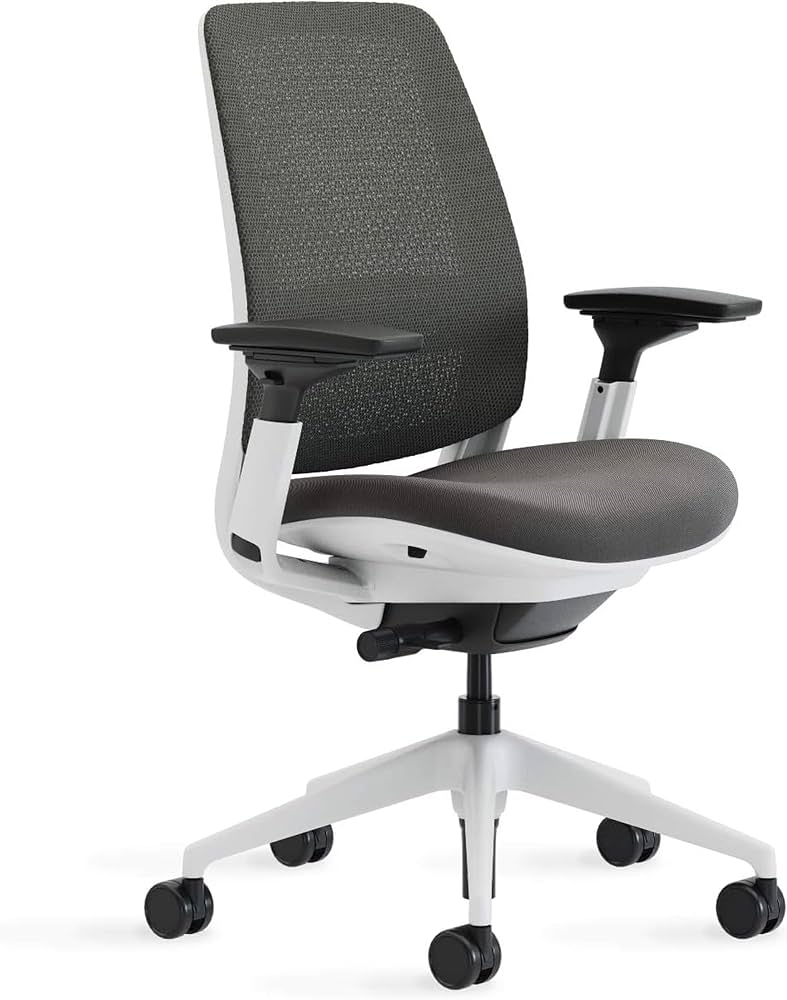
The Steelcase Series 2 brings “big sibling” ergonomics to a smaller price point. It’s an adjustable task chair with a refined, modern silhouette that will look right in most home offices. It doesn’t have all the bells and whistles of the Gesture, but it covers the essentials—and at half the price. The compromise is a slightly simpler back design, and you’ll likely need the upgraded 4D arms to get the real advanced adjustability.
Main limitation: The standard armrests are pretty basic, and the fully loaded version can push the price near the Gesture’s range.
Skip if: If you need the most ergonomic features possible, you might regret not spending the extra on a high-end model.
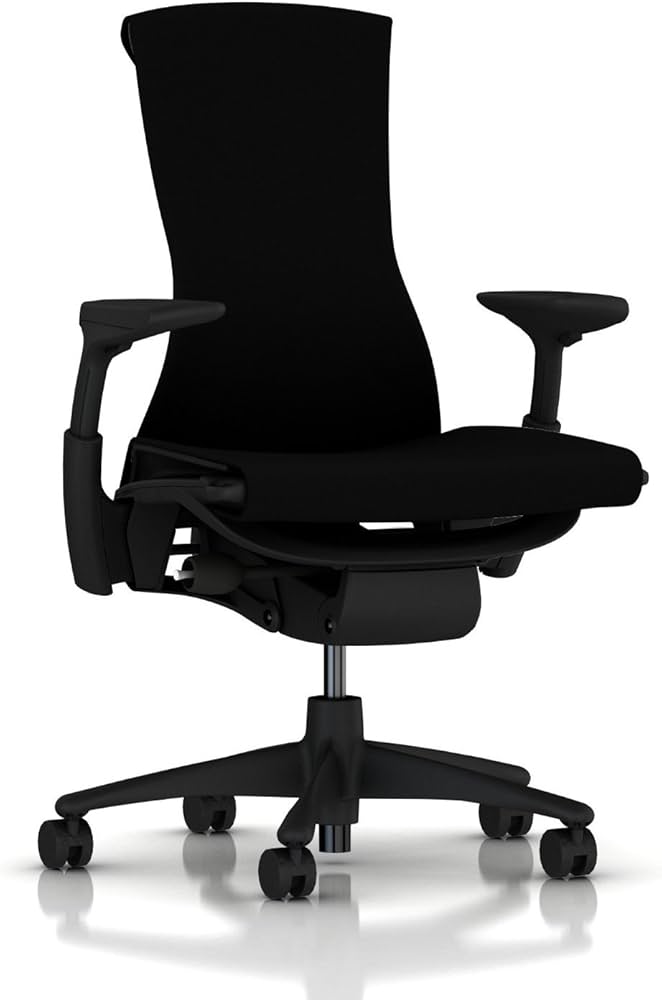
The Herman Miller Embody is a bizarre-looking but brilliant ergonomic experiment. Its pixelated backrest actively adapts to your spine, providing targeted support that feels like no other chair. It’s the go-to choice for lower back pain, and it looks like a computer’s idea of a throne. The sacrifice is that the high price and unusual back pressure can take a while to get used to, and the seat is less supportive for those with longer legs.
Main limitation: The fixed seat depth can’t be adjusted forward, which is a real omission at this price.
Skip if: If you need a headrest or you expect a plush cushion, this high-tech design won’t satisfy.
Compare key specs and features of all our recommendations side-by-side
| Product | Recommendation | Rating | Price |
|---|---|---|---|
Steelcase Gesture Rank #1 | 🏆 Top Pick | 9.3/10 | $1,400–$1,900 Check current price → |
HON Ignition 2.0 Rank #2 | 💰 Budget Pick | 8.2/10 | $300–$450 Check current price → |
Herman Miller Aeron Rank #3 | ⭐ Editor's Choice | 9.0/10 | $1,200–$1,800 Check current price → |
Secretlab Titan Evo Rank #4 | — | 8.5/10 | $500–$700 Check current price → |
Branch Ergonomic Chair V2 Rank #5 | — | 8.3/10 | $450–$600 Check current price → |
Steelcase Series 2 Rank #6 | — | 8.4/10 | $600–$800 Check current price → |
Herman Miller Embody Rank #7 | — | 8.8/10 | $1,500–$1,800 Check current price → |
Common questions buyers have about this category.
Expect to spend at least $200 for a basic chair that will last a few years, and $400–$700 for a chair with serious ergonomic adjustments. If you spend $1,000+, you're paying for a 12-year warranty and superlative build quality. The sweet spot for most home workers is around $400–$600, where you get a chair with adjustable arms, seat depth, and lumbar support.
For someone sitting 8+ hours daily, a $1,000 chair amortizes to less than $1 per day over a five-year period—a small price for avoiding back pain. That said, the best chair is the one you'll actually adjust, so a $400 chair that fits well beats a $1,500 chair with settings you never touch. Prioritize a good fit and adjustability over simply paying more.
If you have chronic lower back pain, look for a chair with adjustable lumbar support and a seat depth that allows you to sit with your feet flat on the floor. The Herman Miller Embody and Steelcase Gesture are top choices because they offer targeted lower back support. We also recommend taking regular breaks and using a standing desk occasionally to reduce strain.
Most chairs list a height range (usually 5'0" to 6'5") and a weight capacity (often 250–300 lbs). Measure your sitting height (from floor to the back of your knees) to ensure the seat height works, and check the seat pan depth—it should be adjustable to give you about four inches of clearance between the front edge and your calves. Always look for a chair that supports at least 75% of your body weight to ensure durability.
A headrest is essential only if you recline for extended periods. Fitted at the right angle, it can reduce neck strain, but incorrectly positioned headrests can push your head forward and create poor posture. Adjustable headrests, like the one on the Secretlab Titan Evo, are the best way to avoid that risk because you can set it to support your neck without forcing it.
A solid office chair should come with at least 5 years of warranty coverage. Premium chairs from Herman Miller and Steelcase offer 10–12 years, which reflects their long-term durability. Avoid chairs with only a 1-year warranty if you're planning to use them every day.
Yes, many gaming chairs like the Secretlab Titan Evo have improved ergonomics and can be great for work. However, they often have a firmer seat and a sporty look that some find less comfortable for long hours. Make sure the chair you choose has adjustable armrests and lumbar support, not just a racing-style design.
Products we evaluated but did not recommend — and why.
