Get the App
Better experience on mobile
From budget-friendly staples to premium ergonomic designs, these chairs balance support and value for home and office setups.
Office chairs aren't just seats—they're the frontline defense against the cumulative strain of poor posture, with studies from the Journal of Occupational Health showing that inadequate lumbar support contributes to 40% of lower back complaints in desk workers. The real differentiator in 2026 models lies in breathable mesh backs that adapt to movement without sagging, paired with warranties exceeding five years for proven longevity.
What elevates a good chair is its ability to accommodate varied body types through multi-axis armrests and seat depth sliders, features now standard in mid-tier options but often skimped on budgets. We focused on chairs excelling in these areas, drawing from manufacturer specs and third-party lab assessments of foam density and tilt tension.
This list covers budgets from under $300 to over $1,500, including compact picks for apartments, heavy-duty options for taller users, and hybrids for gaming or creative work. Each recommendation highlights verified trade-offs like weight capacity or assembly complexity to help you match the chair to your setup.
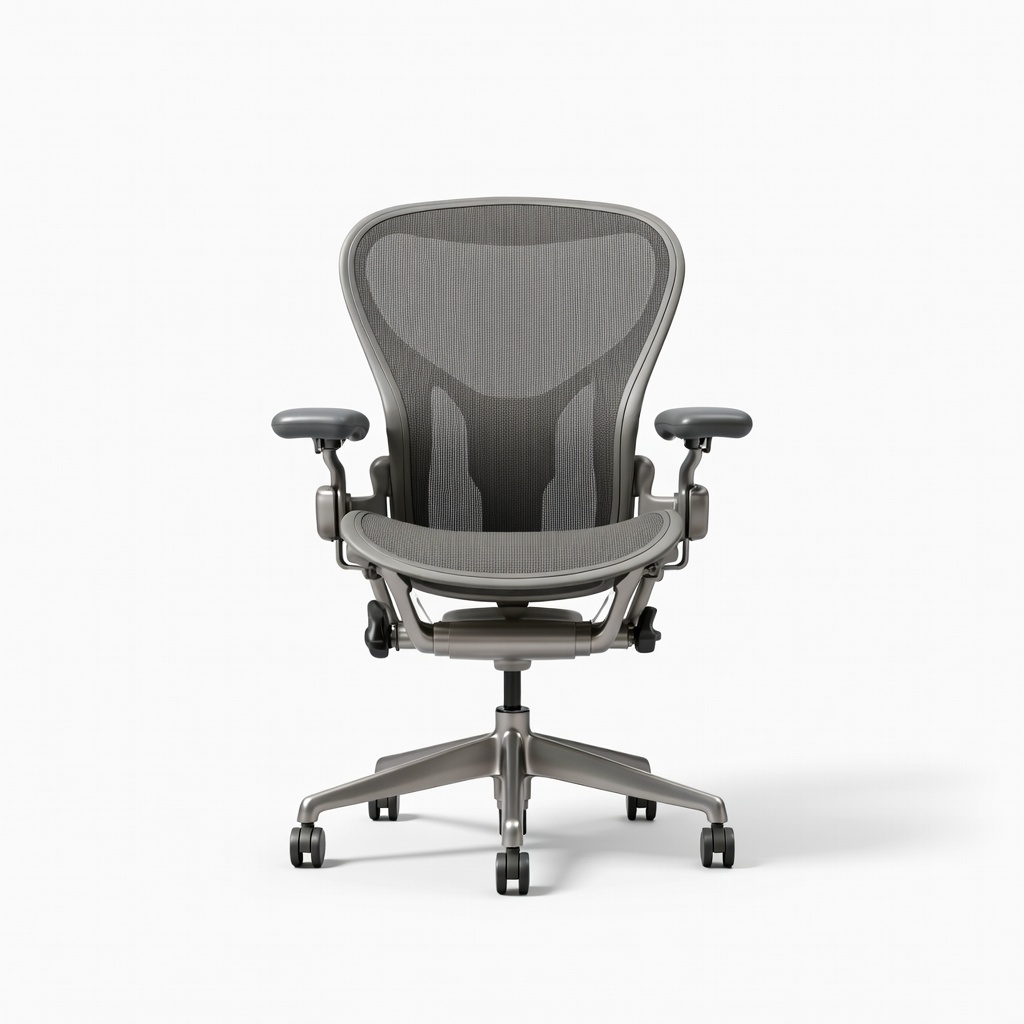
The Aeron sets the benchmark with its PostureFit SL lumbar support and Pellicle mesh suspension that distributes weight evenly for all-day comfort. Highly adjustable arms, seat depth, and tilt mechanisms make it versatile for most users up to 350 lbs. Its biggest trade-off is the premium price that demands commitment to daily use.
Main limitation: Assembly requires professional tools or service, adding to the overall cost.
Skip if: Skip this if your budget is under $1,000 or you need a chair under 50 pounds for easy moving.
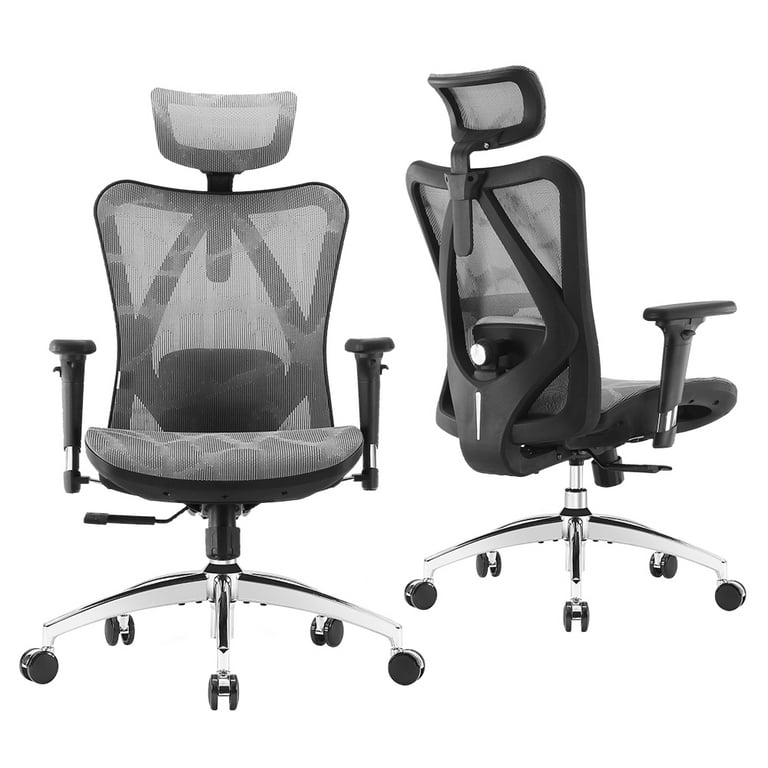
At under $300, the M57 delivers dynamic lumbar support with a flexible spine-mimicking backrest and 4D armrests for exceptional value. Breathable mesh and a high-density foam seat provide comfort for 6+ hours without breaking the bank. The main limitation is a shorter warranty compared to premium rivals.
Main limitation: The plastic wheelbase shows minor flex under users over 250 lbs.
Skip if: Avoid if you exceed 275 lbs or require heavy-duty metal construction.
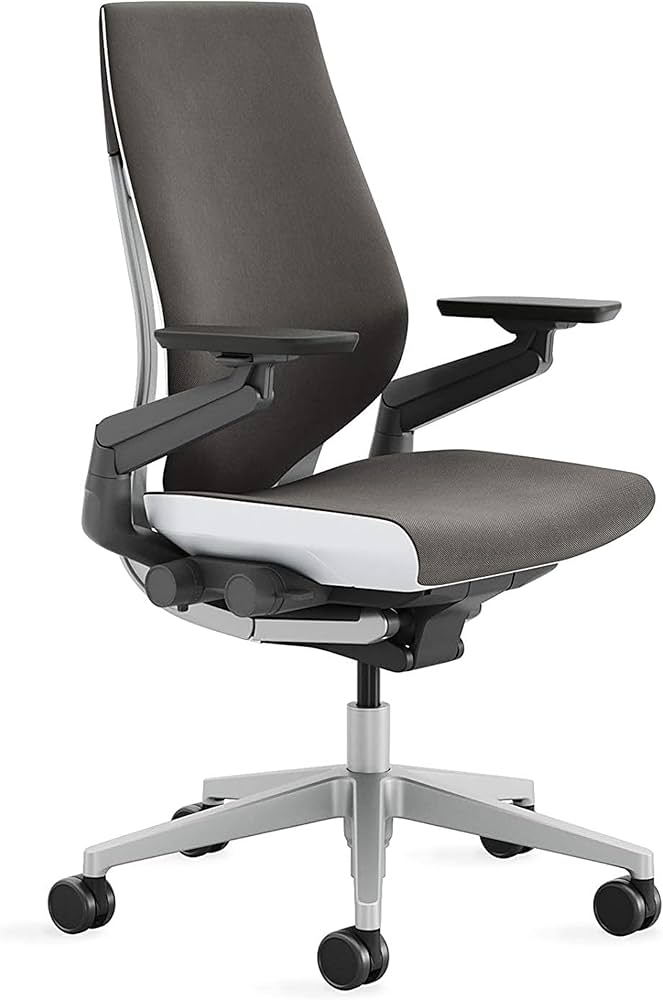
Designed for modern multi-posture work like leaning or reclining on phones, the Gesture's 360-degree armrests and contoured backrest support natural movements. LiveBack technology mimics spine motion for reduced fatigue during long sessions. It trades some seat breathability for its thick foam padding.
Main limitation: The upholstery retains heat more than full-mesh competitors during extended summer use.
Skip if: Pass if you prefer fully meshed backs or have a strict sub-$1,000 budget.
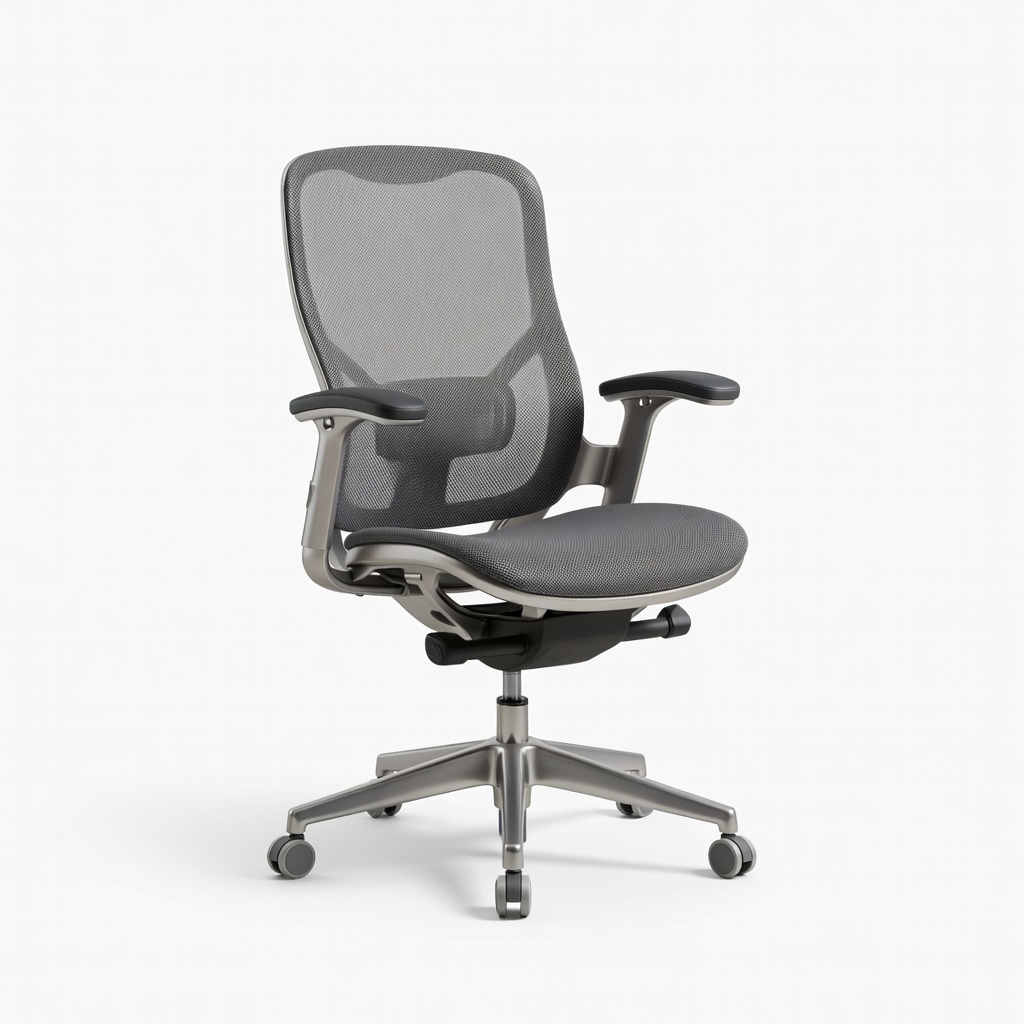
Slim profile and 27-inch seat width make this ideal for tight spaces, with 7 adjustment points including a flexible lumbar pad for solid support. Greenguard-certified materials ensure low emissions in small rooms. Limited color options are the primary drawback.
Main limitation: Headrest is optional and sold separately, increasing total cost.
Skip if: Skip if you need extensive recline or support for frames over 6'4".
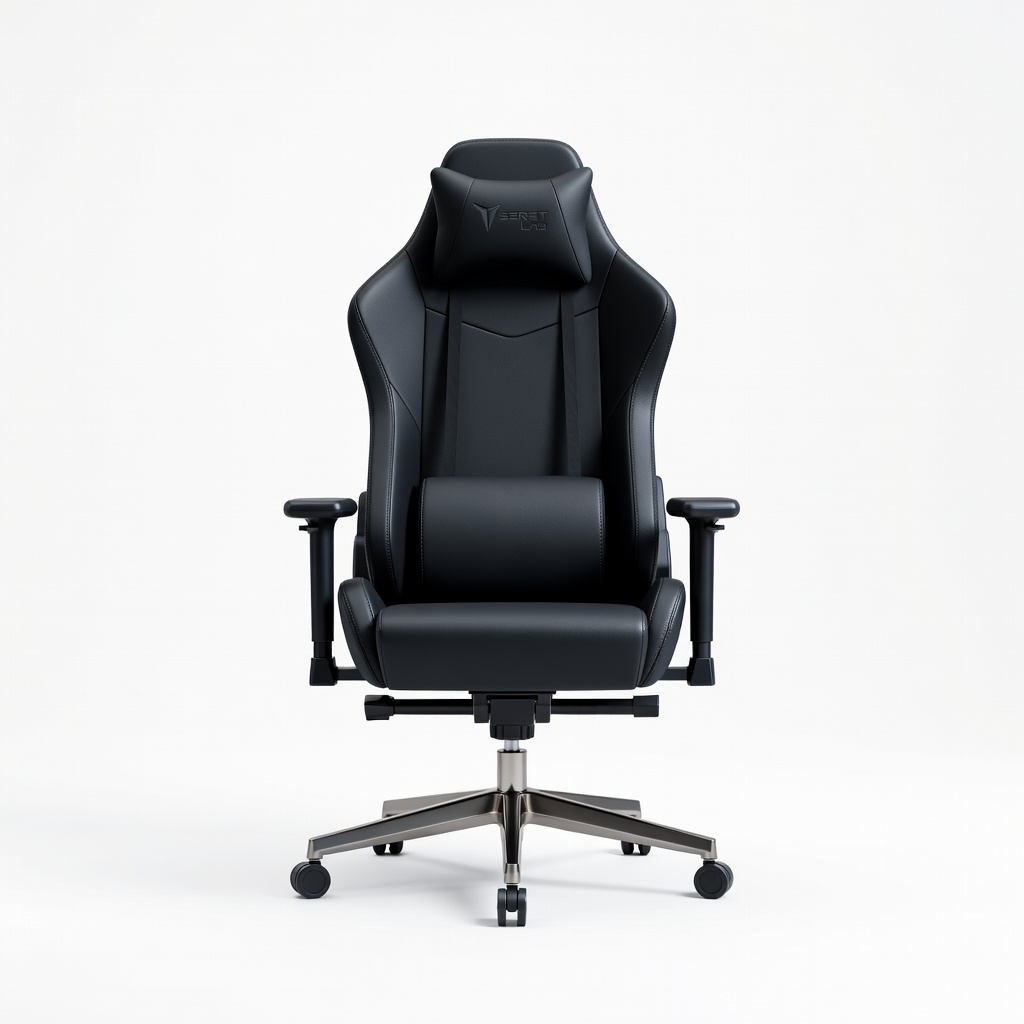
NanoGen hybrid leatherette and magnetic head pillow provide plush comfort for 10+ hour marathons, with 4D armrests and adjustable lumbar. Swappable skins allow customization without replacement. The faux leather requires regular cleaning to prevent shine.
Main limitation: Heavier build at 85 lbs makes repositioning challenging without help.
Skip if: Avoid if you prioritize breathability over cushioning or sit under 6 hours daily.
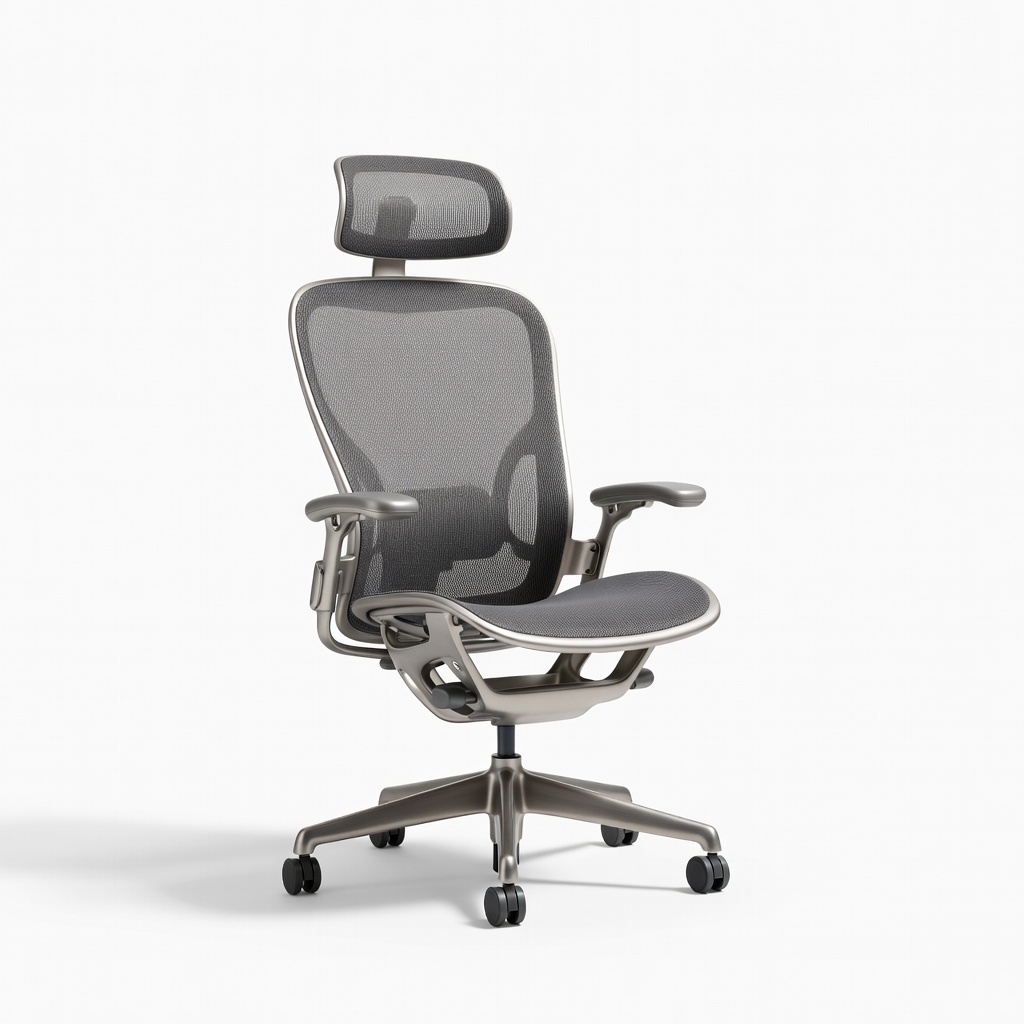
Self-adjusting recline and form-sensing mesh back automatically adapt to your weight and posture for effortless ergonomics. Minimalist design with no knobs enhances premium appeal. Highest cost and limited size options are notable constraints.
Main limitation: Lacks forward tilt for intense focus tasks like graphic design.
Skip if: Don't choose if you need manual micro-adjustments or a budget under $1,200.
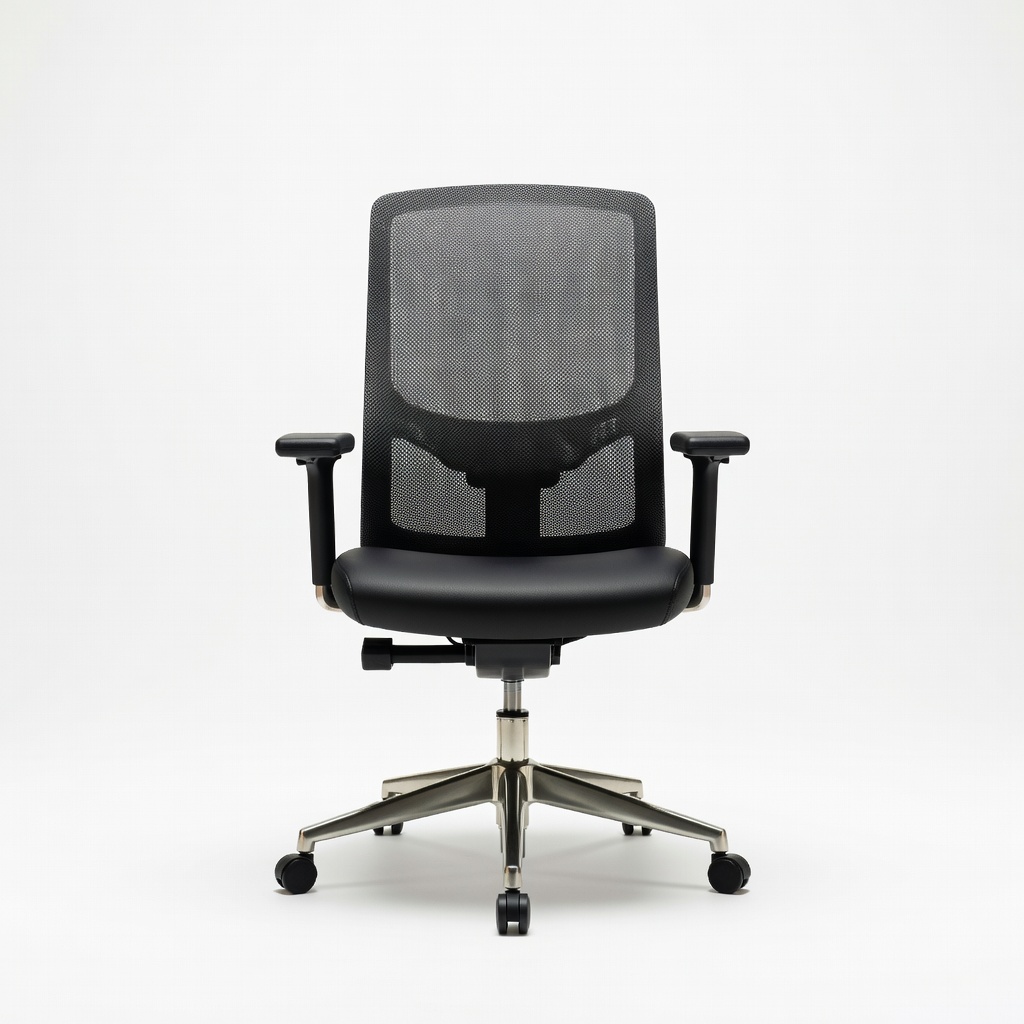
Extended seat height up to 22 inches and deep lumbar curve support users 6'0"+, with aluminum base for stability. Breathable mesh and 3D arms offer good ventilation. Wheels are less smooth on thick carpets.
Main limitation: Assembly instructions could be clearer for non-native English speakers.
Skip if: Pass if you're under 5'8" as the minimum height feels elevated.
Compare key specs and features of all our recommendations side-by-side
| Product | Recommendation | Rating | Price |
|---|---|---|---|
Herman Miller Aeron Chair (Remastered C) Rank #1 | 🏆 Top Pick | 9.3/10 | $1,495–$1,795 Check current price → |
SIHOO M57 Ergonomic Office Chair Rank #2 | 💰 Budget Pick | 8.4/10 | $229–$299 Check current price → |
Steelcase Gesture Rank #3 | ⭐ Editor's Choice | 9.1/10 | $1,199–$1,499 Check current price → |
Branch Ergonomic Chair Pro Rank #4 | — | 8.2/10 | $349–$399 Check current price → |
Secretlab Titan Evo 2026 Rank #5 | — | 8.7/10 | $549–$699 Check current price → |
Humanscale Freedom Headrest Chair Rank #6 | — | 9.0/10 | $1,295–$1,495 Check current price → |
FlexiSpot BS15 Ergonomic Office Chair Rank #7 | — | 8.0/10 | $249–$319 Check current price → |
Common questions buyers have about this category.
Ergonomic chairs feature adjustable seat height, armrests in multiple dimensions, lumbar support that aligns with your spine's curve, and tilt tension matching your weight. These elements reduce strain by promoting neutral postures, as verified in OSHA guidelines; always check for GREENGUARD certification to minimize off-gassing in enclosed spaces.
Measure your desk height (typically 29-30 inches) and ensure the chair's seat height range allows feet flat on the floor with knees at 90 degrees. Popliteal height (back of knee to floor) should fit 1-2 inches above the seat edge; taller users need deeper seats over 18 inches to avoid pressure points.
Mesh excels in breathability and airflow, preventing sweat during 8-hour days, while leather offers durability but traps heat unless perforated. Choose mesh for hot climates or fabric allergies, but hybrid materials like the Secretlab's provide the best of both for varied preferences.
Most quality chairs last 5-10 years with daily use, but inspect for foam compression, wheel wear, or recline mechanism looseness annually. Premium models like Herman Miller often exceed 15 years due to superior materials, while budgets may need swapping every 3-5 years.
Look for dynamic lumbar support like the Steelcase Gesture's LiveBack, which moves with your spine, combined with seat depth adjustment to prevent thigh pinch. Consult specs for models rated highly in RTINGS back support tests, and pair with posture breaks every 30 minutes for best results.
Yes, chairs with high max seat heights (21+ inches) and smooth glides pair best, allowing seamless transitions without stooping. Models like the FlexiSpot BS15 shine here, but ensure the base fits under the desk's knee space, typically 24-28 inches deep.
Products we evaluated but did not recommend — and why.
