Get the App
Better experience on mobile
Seven chairs that hold up over an eight-hour workday, ranked by adjustability, durability, and long-term value.
A good office chair is one of the few purchases where spending more usually means spending less. The parts that make a chair comfortable for eight hours — a seat pan that slides forward to match your thigh length, a lumbar pad you can raise and lower, arms that lock where you put them — are the expensive parts to manufacture, and they're the first things stripped out of a $150 chair.
The average desk worker sits somewhere between six and eight hours a day, and the difference between a chair that fits and one that doesn't shows up as a dull ache between the shoulder blades or a numb spot behind the thighs long before it shows up as anything diagnosable. Fit matters more than price: a $400 chair sized correctly will beat a $1,500 chair that's an inch too deep for your legs.
That's why this list weighs adjustability and warranty coverage as heavily as comfort. A 12-year warranty on a chair frame isn't marketing filler — it's the clearest signal that the manufacturer expects the mechanism, the foam, and the tilt tension to still work when the chair is a decade old. Chairs with two- or three-year coverage are usually telling you something different.
We looked across the full price spectrum, from a $250 budget task chair to a $2,000 mesh icon, with stops in between for small home offices, multi-device workstations, and users who need a chair built for a larger frame. Every pick below includes the trade-off you're accepting, because there's no chair on this list that's right for everyone.
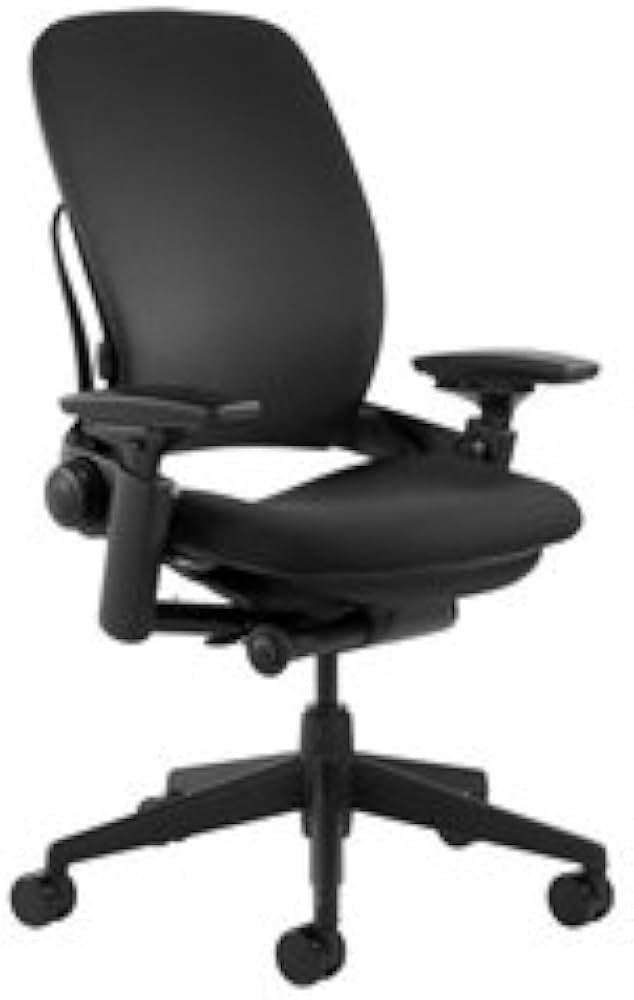
The Leap V2 is the chair most long-term reviewers and ergonomists land on for one reason: it adjusts in more directions than almost anything else near its price, and it keeps adjusting for years. The LiveBack backrest flexes with your spine instead of pushing you into a fixed curve, and the seat slides to match your thigh length rather than forcing you into one shape. The trade-off is a firm, businesslike feel, no headrest option, and a price that's hard to justify for casual use.
Main limitation: Its firm foam seat and lack of a headrest make it less appealing if you want a plush, lounge-like chair for reclining.
Skip if: Skip it if you mainly want a chair for casual gaming and napping, or if a four-figure price for a single seat isn't justifiable for how you work.
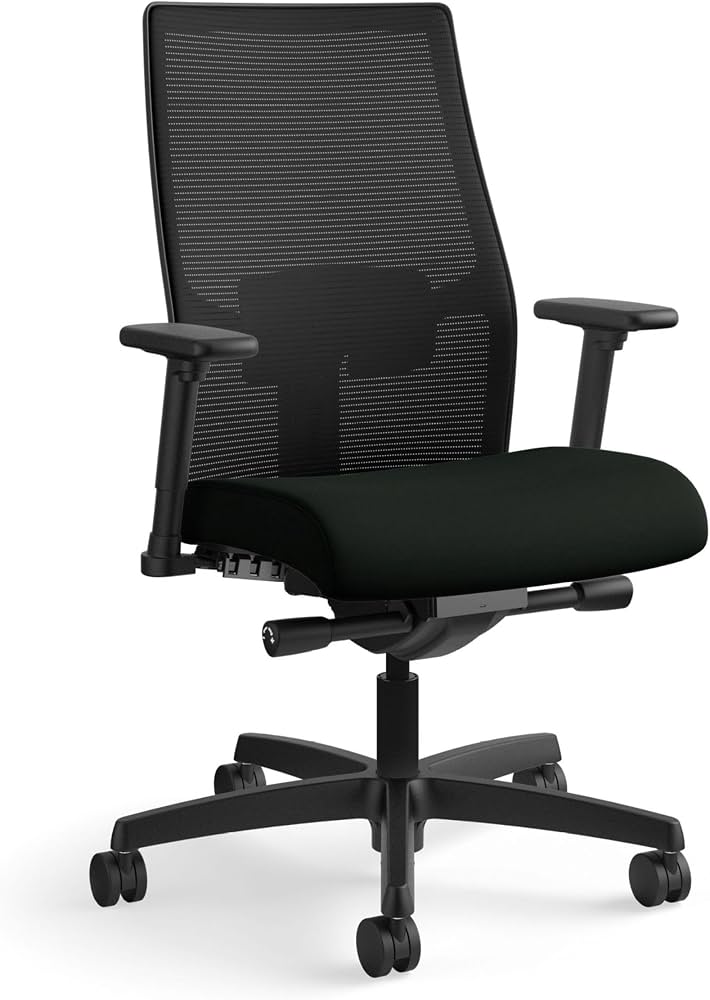
The Ignition 2.0 is one of the few sub-$400 chairs that gets the fundamentals right: a breathable mesh back, an adjustable lumbar pad, and armrests that actually move where you need them. It won't match a Leap for precision, but it covers most of what a typical desk worker needs for a fraction of the cost. Expect thinner foam and a shorter warranty than the premium picks.
Main limitation: The seat cushion is thin by design, so heavier users or anyone sitting eight-plus hours a day may find it compresses and loses support faster.
Skip if: Skip it if you sit for marathon sessions or weigh close to the 300 lb rating — the higher-tier chairs handle that better.
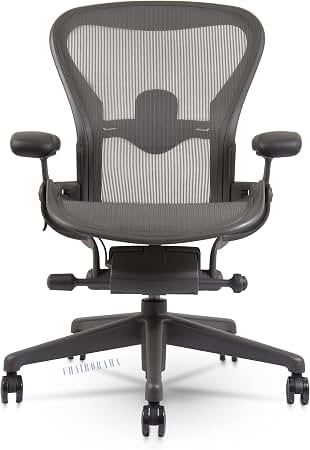
The Aeron's 8Z Pellicle mesh suspends you rather than cushions you, which keeps pressure off the back of your thighs and lets air move underneath all day — a real advantage if you run warm or work in a room without strong climate control. Three frame sizes (A, B, and C) mean you can match the chair to your body rather than settling for close enough. It's also the least forgiving pick here: the firm suspension and shaped seat edge are genuinely divisive.
Main limitation: The mesh seat has a firm, suspended feel that some people never get used to, and the plastic frame edge can press into the thighs if you sit off-center.
Skip if: Skip it if you prefer a cushioned foam seat or you regularly sit cross-legged — the mesh edge and contoured seat make that awkward.
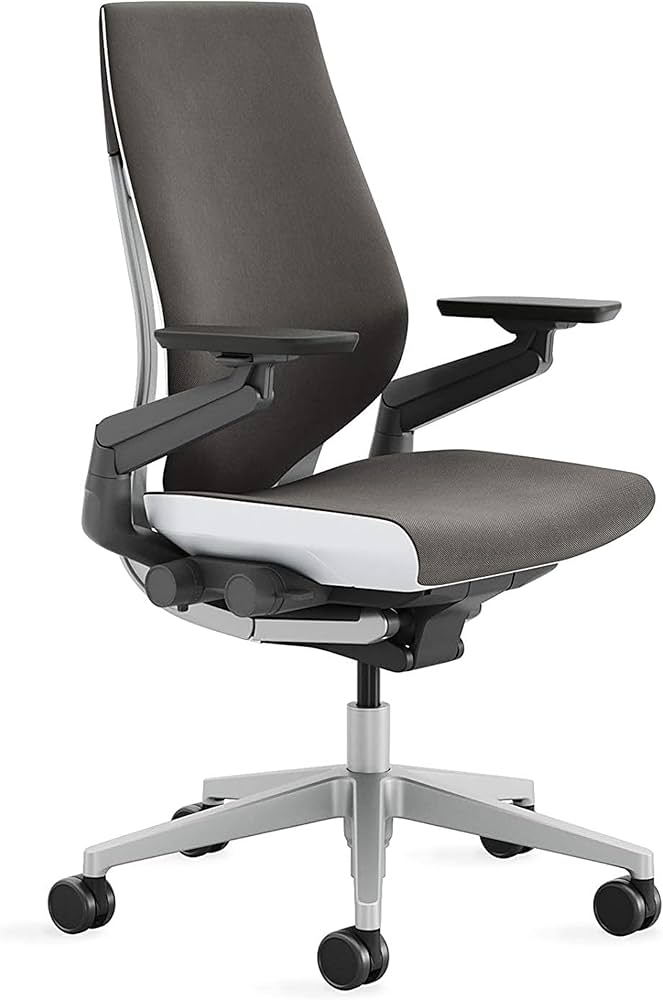
The Gesture was designed around a specific modern problem: people don't type in one posture anymore, they rotate between a keyboard, a tablet, and a phone all day. Its arms move in 360 degrees to follow your hands, and the seat edge flexes so it doesn't cut into your legs when you lean forward to read. It's a specialist chair at a specialist price — if you sit in one fixed upright posture, you'll never use half of what you paid for.
Main limitation: It costs about the same as the Leap V2 while offering less lumbar adjustability, so the premium buys arm flexibility rather than all-around ergonomic range.
Skip if: Skip it if you work in one fixed posture all day — you'd be paying for arm articulation you won't use.

Branch's Ergonomic Chair is the best middle ground on this list: seven points of adjustment, a molded foam cushion that holds up better than most budget seats, and an optional headrest, all for roughly a third of what a Leap costs. For a normal eight-hour day and an average build, it's genuinely comfortable. What you give up is long-term durability and the fine-grained lumbar control of the premium tier.
Main limitation: The armrests are less adjustable than the premium chairs and there's no seat-angle adjustment, so taller users may struggle to find a perfect fit.
Skip if: Skip it if you're well over six feet or weigh more than roughly 250 lb — the frame and cushion are built around average builds.
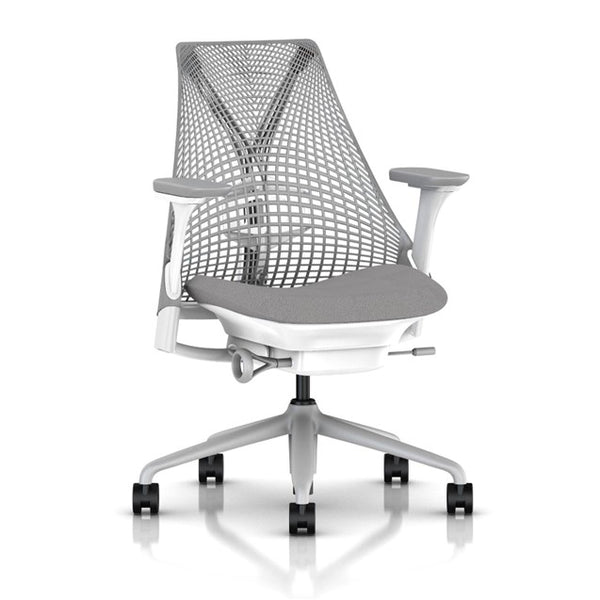
The Sayl solves a problem most task chairs ignore: it fits in a room that doesn't have space for a full-size chair. The frameless suspension back supports you with noticeably less material, the footprint is smaller, and the color options don't look like office furniture. The compromise is adjustability — there's less of it than on the Aeron or Leap, and the suspension back won't suit everyone.
Main limitation: Lumbar adjustment is limited compared with Herman Miller's other chairs, and the suspension back offers no firmness tuning at all.
Skip if: Skip it if you need precise lumbar control or you're shopping for the most adjustability per dollar.
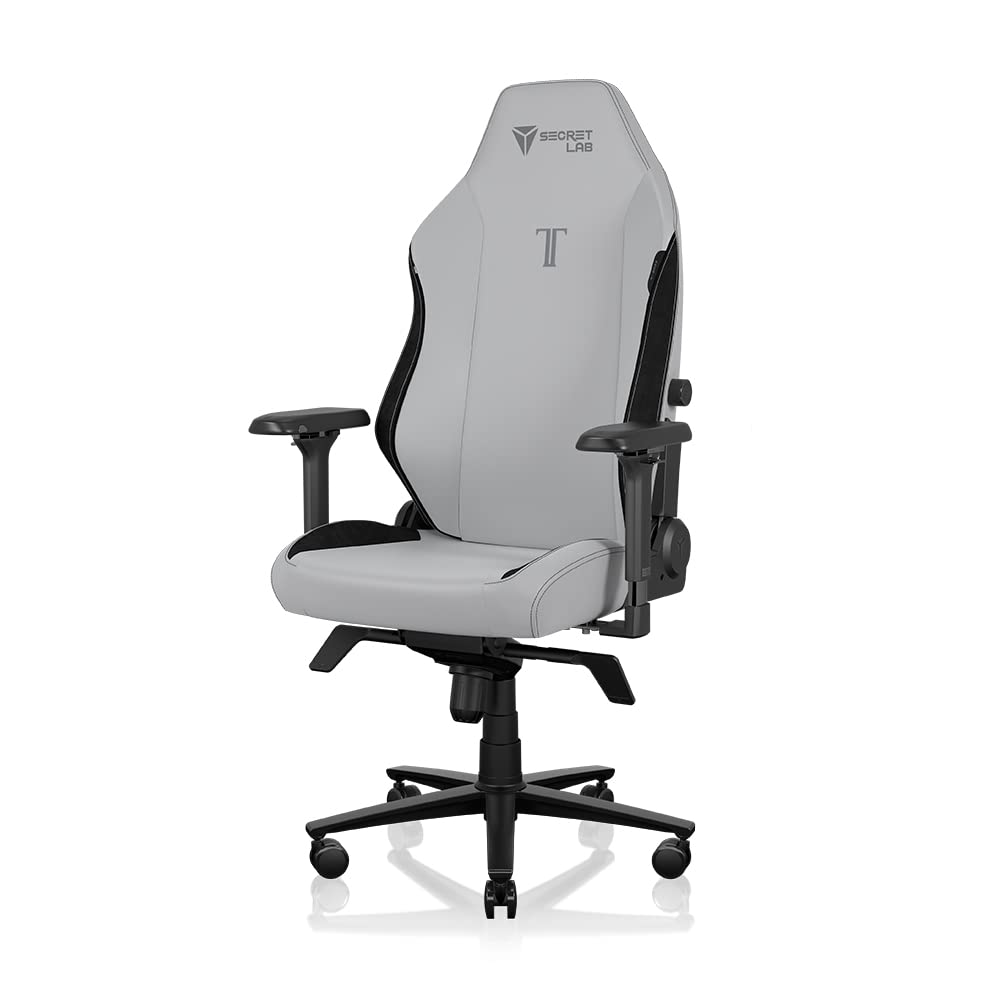
If you're tall, broad, or simply want a chair that feels substantial, the Titan Evo offers three sizes including an XL, integrated four-way lumbar support, and a magnetic head pillow that stays put. It's built more heavily than most task chairs near this price, and the cold-cure foam holds its shape well. The catch is that a bucket-style seat still locks you into fewer postures than a proper ergonomic task chair, and the leatherette versions run warm.
Main limitation: The side bolsters and deeper seat encourage one reclined posture, which isn't ideal if you spend all day shifting between focused and relaxed work.
Skip if: Skip it if maximum adjustability for desk work is your priority — an ergonomic task chair at the same price gives you more of it.
Compare key specs and features of all our recommendations side-by-side
| Product | Recommendation | Rating | Price |
|---|---|---|---|
Steelcase Leap V2 Rank #1 | 🏆 Top Pick | 9.2/10 | $1,100–$1,500 Check current price → |
Hon Ignition 2.0 Task Chair Rank #2 | 💰 Budget Pick | 8.0/10 | $250–$420 Check current price → |
Herman Miller Aeron (Remastered) Rank #3 | ⭐ Editor's Choice | 9.0/10 | $1,600–$2,100 Check current price → |
Steelcase Gesture Rank #4 | — | 8.7/10 | $1,300–$1,700 Check current price → |
 Branch Ergonomic Chair Rank #5 | — | 4.2 4.2 | $340–$450 Check current price → |
Herman Miller Sayl Rank #6 | — | 7.9/10 | $600–$850 Check current price → |
Secretlab Titan Evo 2022 Series Rank #7 | — | 7.8/10 | $550–$700 Check current price → |
Common questions buyers have about this category.
The money in a premium chair goes into parts that wear or adjust: a tilt mechanism that holds its tension for a decade, foam that doesn't collapse after two years, and a warranty that covers the whole chair rather than a few components. If you sit more than four hours a day, the cost-per-hour math usually favors a $1,000 chair over replacing a $200 one every year or two. If you sit for an hour a day, a mid-range chair is the smarter buy.
Mesh keeps you cooler and spreads pressure more evenly across the seat, which is why suspension chairs like the Aeron are common in warm offices. Foam gives a softer, more forgiving surface and avoids the hammock-like feel some people dislike, but inexpensive foam flattens within a couple of years. The right answer depends on your climate and whether you prefer firm support or cushioning under you.
Set the seat so your feet rest flat on the floor with your knees at roughly 90 degrees, and leave two to three fingers of space between the back of your knee and the front edge of the seat. Measure your current chair against those targets before ordering, and confirm the new chair's seat-height range overlaps with your desk height. A chair that's an inch too deep will push you out of the backrest no matter how many adjustments it has.
For typical desk work, no — most ergonomic guidance suggests your head should balance on top of your spine rather than be pushed forward by a pillow. Headrests matter most when you recline for calls, reading, or short breaks, and they're genuinely useful on gaming-style chairs where you lean back more often. Don't let a headrest be the deciding factor between two otherwise similar chairs.
Not inherently, but many budget racing-style chairs use a fixed lumbar pillow and deep bucket bolsters that lock you into a single posture, which gets uncomfortable after a few hours. Higher-end options like the Secretlab Titan Evo add real four-way lumbar adjustment and a flatter seat, narrowing the gap considerably. Even so, an ergonomic task chair at the same price typically gives you more adjustment for desk work.
A well-built chair with a 12-year warranty is designed to go at least that long, though you may replace the gas cylinder or arm pads before the frame ever fails. Budget chairs generally need replacing every two to four years, which is worth folding into any price comparison. Buying replacement parts for a discontinued budget model is often harder than simply replacing it.
For a few hours a day, often yes — the HON Ignition 2.0 covers the basics competently and is a legitimate chair rather than a compromise. The gap shows up in materials and longevity: thinner foam, less precise tilt tension, a stiffer backrest, and a shorter warranty mean it won't feel the same in year five. If you're sitting eight hours a day indefinitely, the premium tier tends to pay for itself.
Products we evaluated but did not recommend — and why.
