Get the App
Better experience on mobile
We researched over 25 chairs to find the ones that genuinely support your spine, from budget to premium.
Lower back pain is rarely just about weak muscles—it's often the silent result of sitting in a chair that fails to support your spine's natural inward curve. The best office chairs for lower back pain don't simply look plush; they come with lumbar support that you can adjust to hit the exact spot where your back needs pressure. A fixed bump might work for one person, but for many it lands too high, too low, or too aggressively, doing more harm than good.
In this guide, we've focused on chairs that offer real adjustability—lumbar height, depth, seat slide, and tilt tension. We also combed through user experiences across a range of body types, because a chair that fits a 6'5" user won't necessarily work for someone who's 5'2". Our list spans from a featherweight mesh chair under $200 to iconic ergonomic chairs that have dominated offices for decades.
You'll find a carefully curated set of six chairs, each selected because they provide meaningful, targeted lower back support rather than just a stylish backrest. We've ranked them by overall value, but the 'best' chair for you will depend on your specific frame, budget, and how long you spend at your desk. Every pick is accompanied by the key features that matter for lower back health, plus the trade-offs you should know before you swipe your card.
If you're not sure what to look for, our buying guide at the end breaks down the most important adjustments and common mistakes, helping you choose a chair that actually relieves pain instead of causing it.
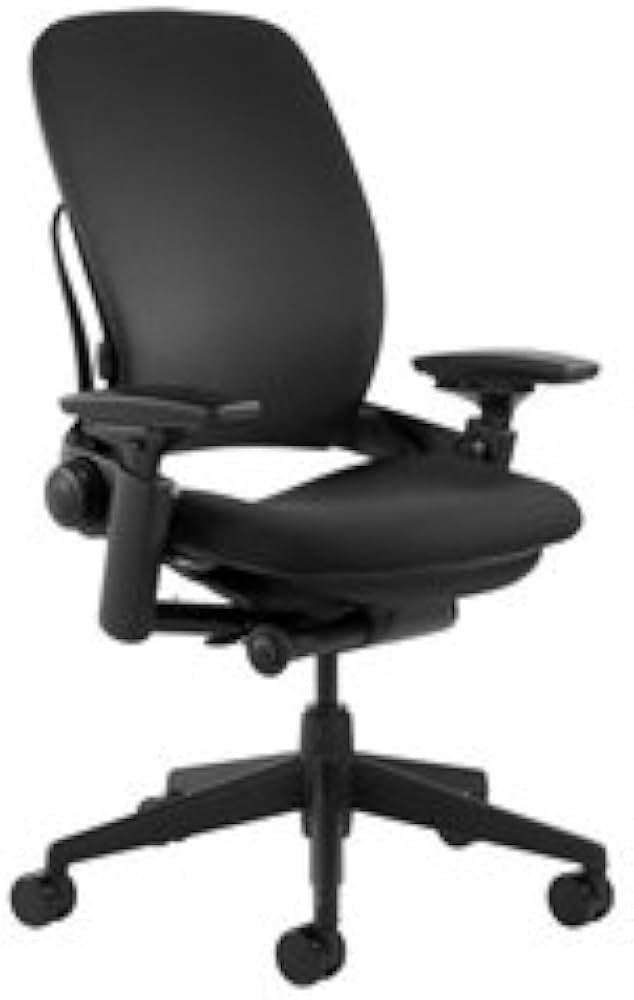
The Steelcase Leap v2 is consistently praised by ergonomists for its adjustable lumbar support that moves along the backrest to match your spine's curve. With four-way adjustable arms, seat depth adjustment, and a lower back that flexes as you recline, it's the most effective chair we found for lower back pain relief—if you can afford it.
Main limitation: The retail price is steep, and the firm seat pad isn't as plush as some cheaper options.
Skip if: If you're on a tight budget or prefer a soft, cushioned seat, this chair will feel like a splurge.
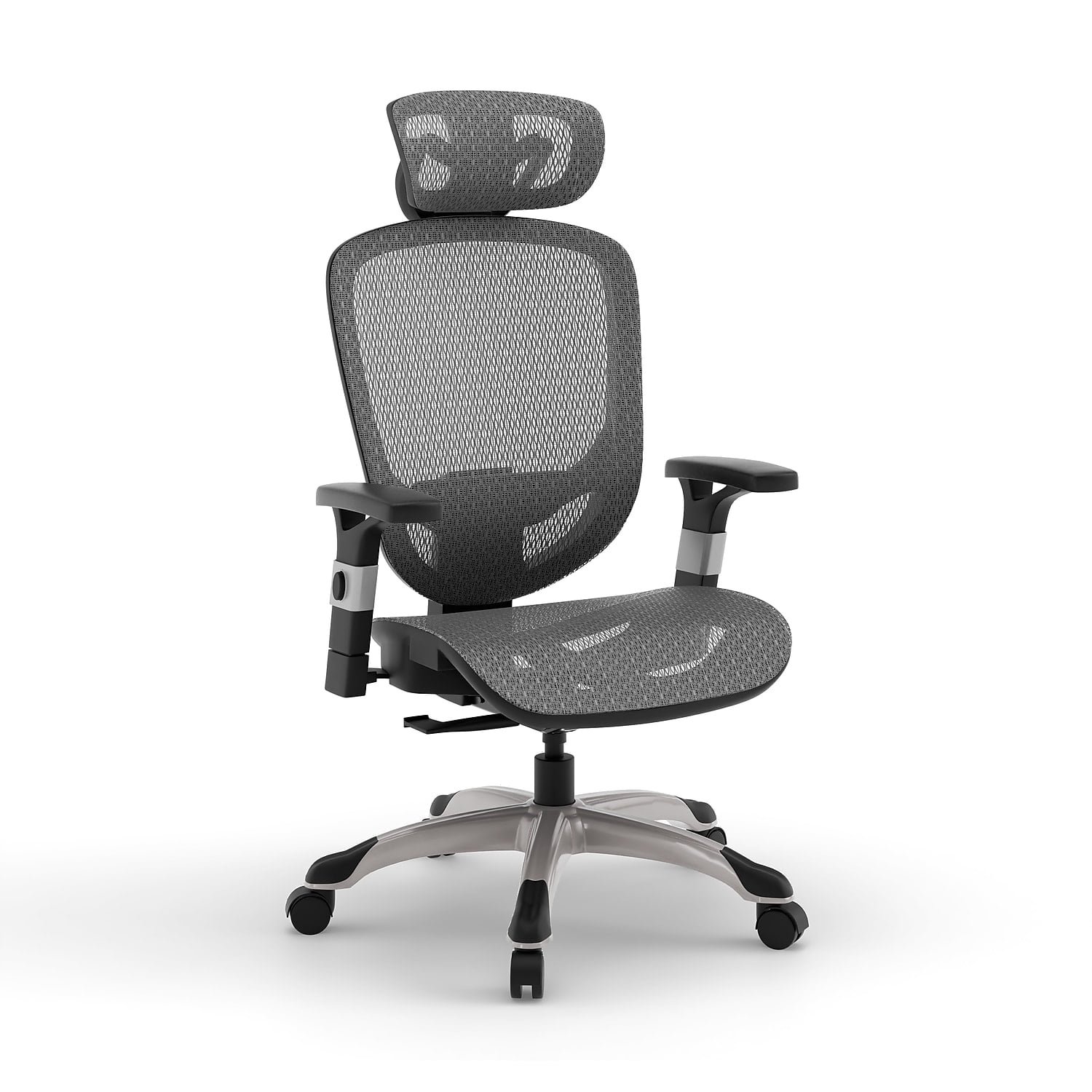
The Hyken offers surprising lower back support at a budget price, with a plastic lumbar piece that you can move up and down to match your curvature. It also has adjustable armrests, a headrest, and a breathable mesh seat, making it a solid choice for anyone who needs relief without spending a fortune.
Main limitation: The build quality isn't as sturdy as premium chairs, and the mesh seat can feel hard after several years of heavy use.
Skip if: If you're over 250 pounds or need a plush seat for long shifts, look for a heavier-duty option.
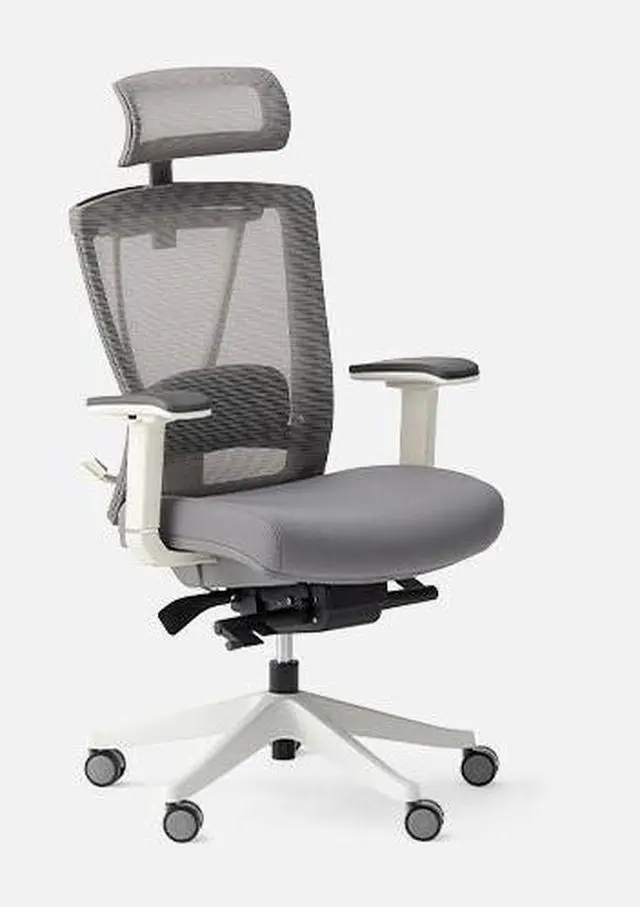
The ErgoChair Pro packs a lot of adjustability for its mid-range price, including lumbar support that you can shift vertically and horizontally, plus a seat depth adjustment and reclining backrest. It's a great pick for employees who need to fine-tune their chair to their exact body geometry.
Main limitation: The build quality is decent, but some users report the armrests feel wobbly, and the assembly can be tricky.
Skip if: If you want a premium chair that will last 10+ years, this isn't it.
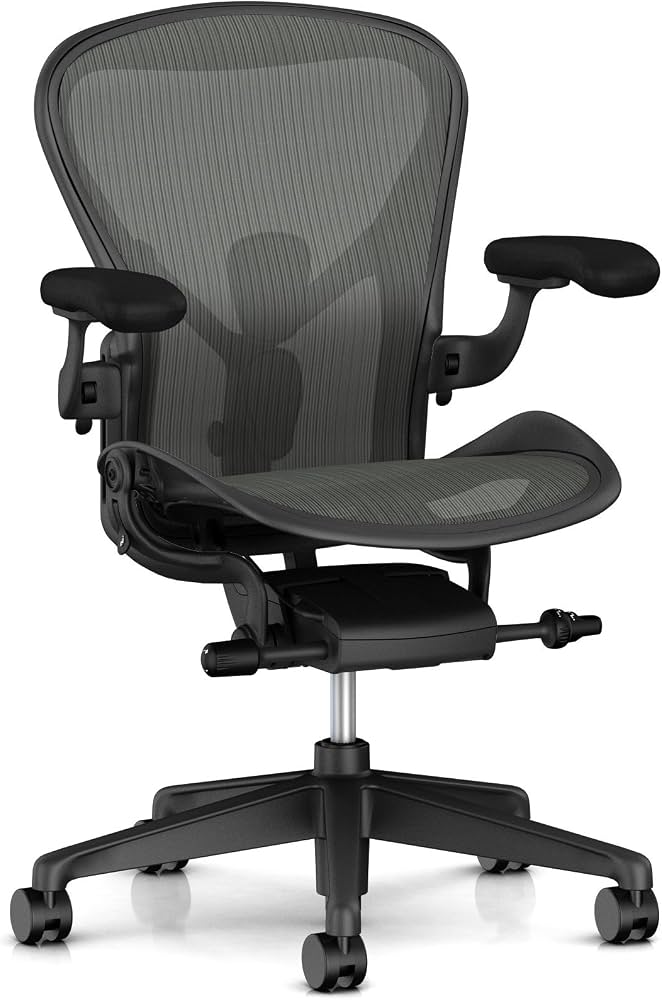
The Aeron remains a gold standard for breathable support. The optional PostureFit SL lumbar backrest gently presses into your sacrum to preserve your natural S-curve, and the meshed back lets high-back sufferers work without sweating. It's expensive, but its replaceable parts and 12-year warranty make it an enduring investment.
Main limitation: The standard model does not come with adjustable lumbar support—you have to pay extra, and the open mesh seat can dig into your thighs if you're not the right size.
Skip if: If you want an immediate, plush feel or are between sizes, try other options before committing to this iconic chair.
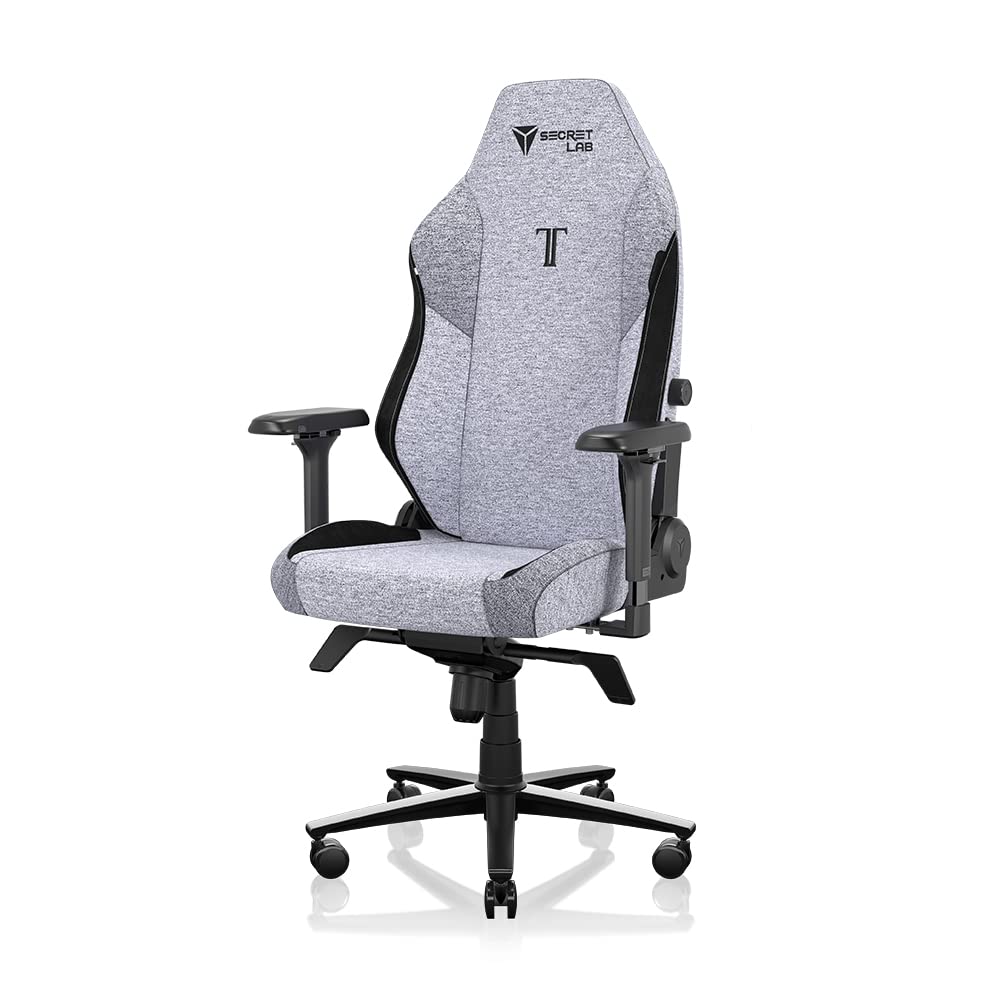
The Titan Evo is known for its built-in adjustable lumbar support that uses a dial to fine-tune the curve—a feature often missing from gaming chairs. It supports up to 395 pounds, has a durable metal frame, and comes with a multi-tilt mechanism that lets you lock the recline. It's a sturdy pick for taller and heavier users.
Main limitation: The firm, race-style seat might feel too stiff for smaller or lighter users, and the aggressive side bolsters can make it hard to cross your legs.
Skip if: If you're petite or prefer a flat-cushion chair, a more traditional ergonomic design will fit you better.

This chair is specifically sized for average to slightly smaller frames, with a shorter backrest and a seat depth that doesn't dig into the back of your knees. It has a firm, supportive seat and a clever lumbar pad that you can adjust in height—a rarity at this price point.
Main limitation: The lumbar support only moves up and down, not deeper or closer, which may be limiting for people with severe curve needs.
Skip if: If you're over 6 feet tall or need a high backrest for upper back/neck support, this chair might feel too small.
Compare key specs and features of all our recommendations side-by-side
| Product | Recommendation | Rating | Price |
|---|---|---|---|
Steelcase Leap V2 Rank #1 | 🏆 Top Pick | 9.2/10 | $1,100–$1,500 Check current price → |
Staples Hyken Technical Mesh Task Chair Rank #2 | 💰 Budget Pick | 7.8/10 | $180–$250 Check current price → |
Autonomous ErgoChair Pro Rank #3 | ⭐ Editor's Choice | 8.2/10 | $350–$450 Check current price → |
Herman Miller Aeron Rank #4 | — | 8.8/10 | $1,200–$1,500 Check current price → |
Secretlab Titan Evo 2022 Rank #5 | — | 8.3/10 | $450–$600 Check current price → |
 Branch Ergonomic Chair Rank #6 | — | 4.2 4.2 | $300–$400 Check current price → |
Common questions buyers have about this category.
Very important. Your lower back needs a gentle forward push to maintain its natural curve, but the exact spot varies from person to person. A fixed lumbar bump can be useless or even painful if it doesn't align with your spine's curve. Adjustable lumbar support lets you position the pressure where you need it.
A headrest is not essential for lower back pain relief. It can help you keep your head over your shoulders, which indirectly reduces strain on your lower back by improving overall posture. However, a headrest that's too low or forward can cause slouching, so it's better to have a headrest that can be adjusted or removed.
Generally, a slightly firm but responsive cushion is best. A soft sofa-like cushion can let your pelvis sink unevenly, which tilts your pelvis and strains the lower back. Look for seat cushions with depth adjustment so that you have a 2-4 finger gap between the back of your knee and the seat edge.
Mesh chairs are not inherently better, but they do offer more airflow, which can reduce discomfort during long sitting. The lower back support comes from the shape and adjustability of the lumbar support, not the mesh. A padded chair can work just as well if the cushion is firm and the lumbar support is adjustable.
In general, you don't need to spend $1,000 to get a supportive chair. A good step-up from a typical office chair is around $300-$500, which buys you adjustable lumbar and seat depth features. If you spend less than $150, you will likely sacrifice adjustability and durability, which can worsen pain in the long run.
The top three adjustments are: lumbar support height and depth, seat depth (to ensure your knees are at a right angle), and tilt tension (so you can recline slightly to reduce disc pressure). Armrests that let you rest your arms without lifting your shoulders also help.
Products we evaluated but did not recommend — and why.
