Get the App
Better experience on mobile
We've ranked the most effective ergonomic chairs for relieving lower back pain, from budget-friendly options to premium investments.
Lower back pain is the most common office-worker complaint, and the right chair can make a world of difference—but only if it actually fits your spine. The human lumbar curve varies significantly from person to person, so a chair that works for your colleague might leave you in agony. The key is finding a model with adjustable lumbar support that can be positioned exactly where your lower back needs it, along with adjustable seat depth to prevent pressure behind the knees.
Research and years of user feedback show that a good ergonomic chair allows you to maintain your spine's natural S-curve without forcing your body into a fixed posture. Lumbar support that moves with you, breathable materials, and intuitive adjustments are all essential. But no chair can fix poor habits: even the best model won't help if you slouch for nine hours straight. That's why our selections focus on chairs that encourage healthy movement and offer the flexibility to tailor the fit to your body.
In this guide, we've chosen six chairs across price ranges—from the budget-friendly Sihoo Doro C300 to the premium Herman Miller Aeron. Each pick is based on how well it supports the lower back, how easily it adjusts, and how it balances comfort with durability. We've also considered the latest models available in 2026, but we've avoided novelty gimmicks in favor of proven designs.
You'll also find a detailed buying guide and an FAQ section to help you understand what features matter most for lower back pain. Remember, the best chair is the one you'll actually use and adjust correctly—so look for something that fits your body, your budget, and your workspace.
The Herman Miller Aeron remains a gold standard for ergonomic office chairs, offering excellent lumbar support via its adjustable PostureFit SL and a breathable mesh that keeps you cool. Its premium price and lack of a headrest might deter some, but for most people seeking long-term back relief, it's a worthwhile investment.
Main limitation: The Aeron's high price and rigid sizing (B and C) require careful measurement, and the mesh seat can be too firm for some users.
Skip if: Budget-conscious shoppers or those who prefer a soft, cushioned seat should look elsewhere.
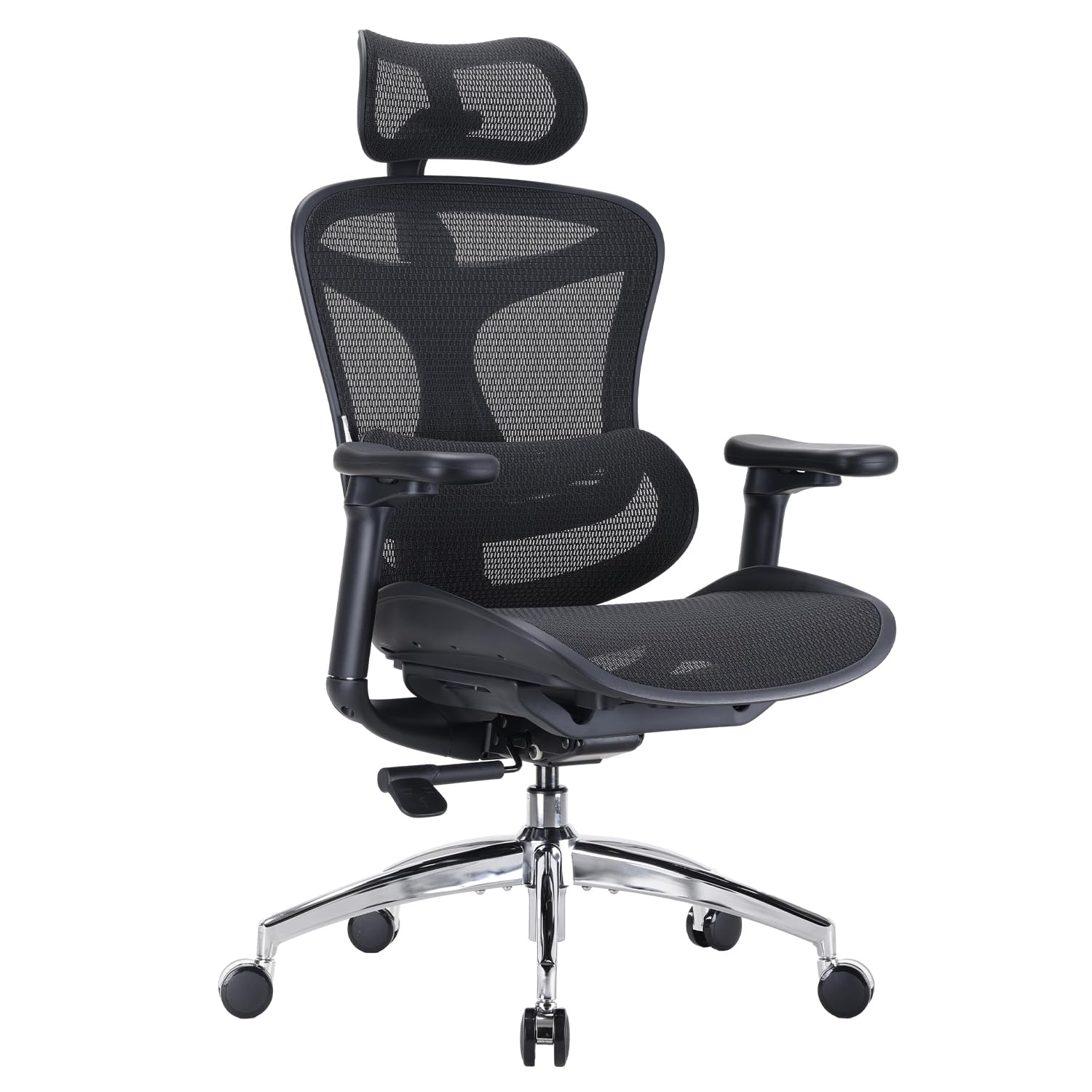
The Sihoo Doro C300 offers impressive lumbar support at a fraction of the price of premium chairs, with an adjustable backrest and a synchronized tilting mechanism. It's a solid entry-level pick, though its build quality and adjustment range don't match chairs twice the price.
Main limitation: The seat cushion is on the firmer side and may not suit heavier users, and the 3D armrests can be wobbly under constant use.
Skip if: If you weigh over 250 pounds or need an extra-tall backrest, consider a heavier-duty model.
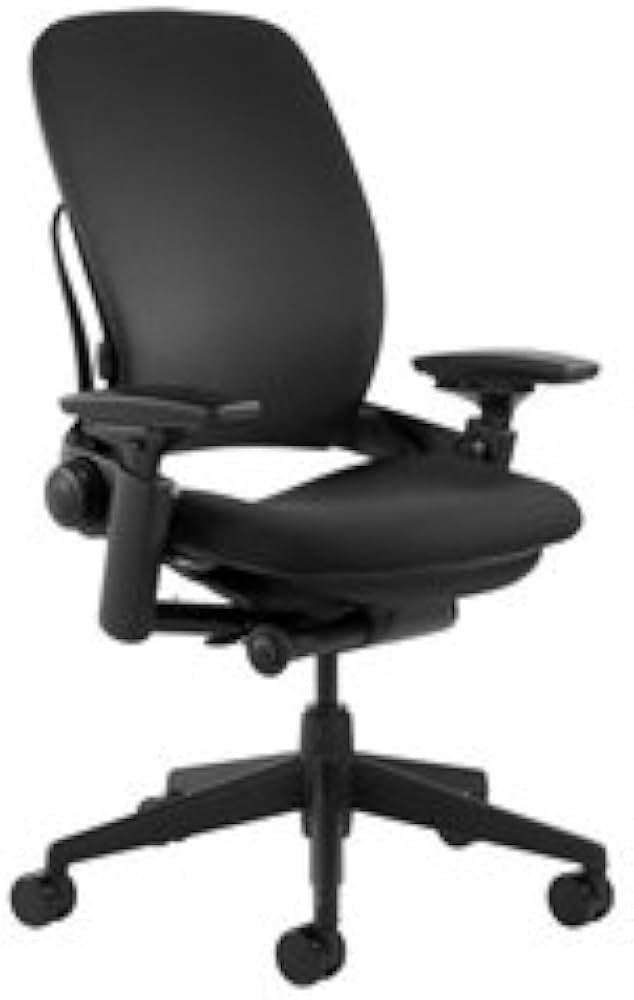
The Steelcase Leap v2 is famous for its adjustable lumbar support that moves with your spine, providing a customized fit for your lower back. Its robust build and 4D armrests make it a top-tier option, but the high cost and somewhat stiff seat foam are trade-offs.
Main limitation: The premium price and firm seat padding can be drawbacks, and the chair's design lacks the modern sleekness of some competitors.
Skip if: If you prefer a softer, mesh-back chair or have a strict budget, this isn't the one.

The Branch Ergonomic Chair combines a clean, modern look with solid lumbar support and a comfortable foam seat, making it a smart pick for home offices. It lacks some of the advanced adjustments of premium chairs, but it offers great value at its price point.
Main limitation: The lumbar support is not as deeply adjustable as more expensive models, and the chair's seat depth adjustment is limited.
Skip if: If you need extensive customization or weigh more than 300 pounds, this chair may not fit.
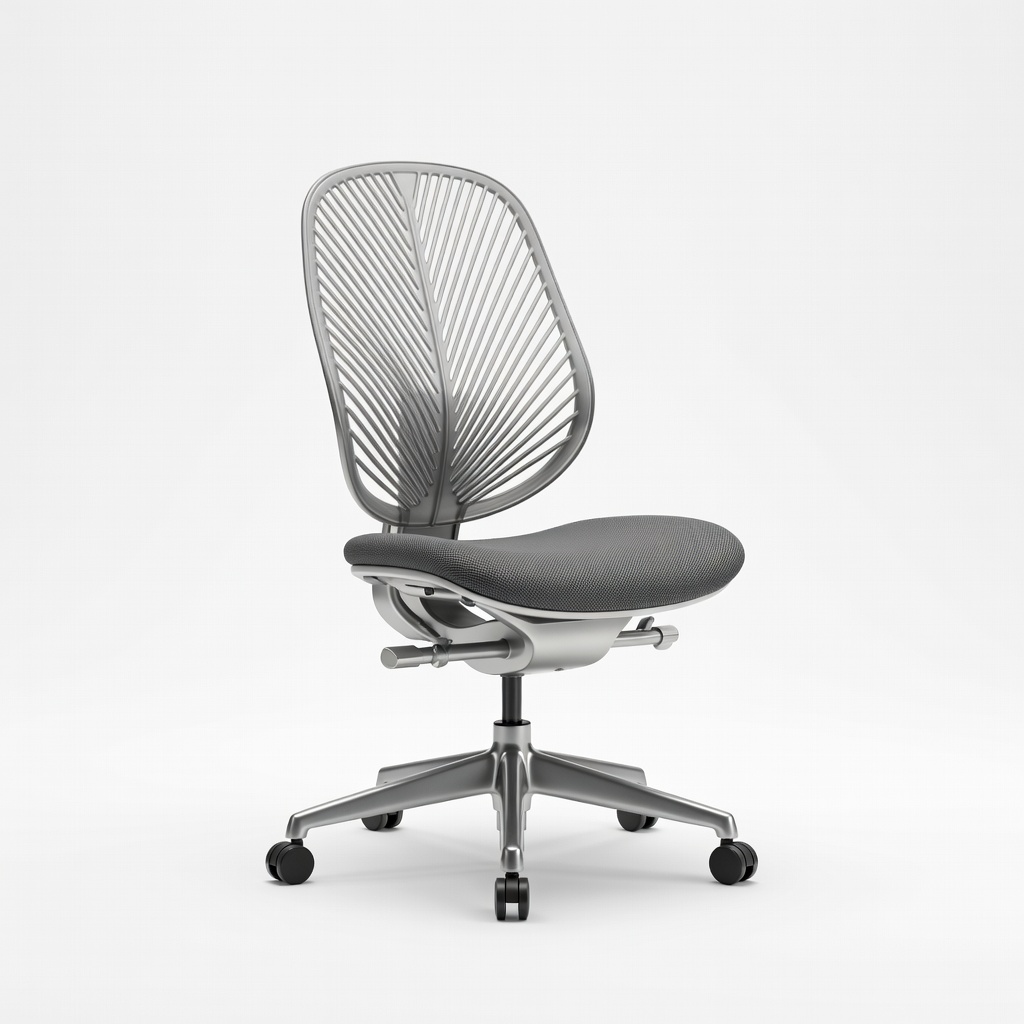
The Haworth Fern is built for comfort over extended hours, with a flexible backrest and adjustable lumbar support that adapts to your movements. Its high price and less aggressive lumbar curve may not suit everyone, but it's a favorite for all-day sitting.
Main limitation: The Fern's lumbar support is subtle compared to the Leap's, and the lack of a headrest on base models limits upper-back support.
Skip if: If you have severe lower back pain and need strong, protruding lumbar support, the Fern might feel too soft.
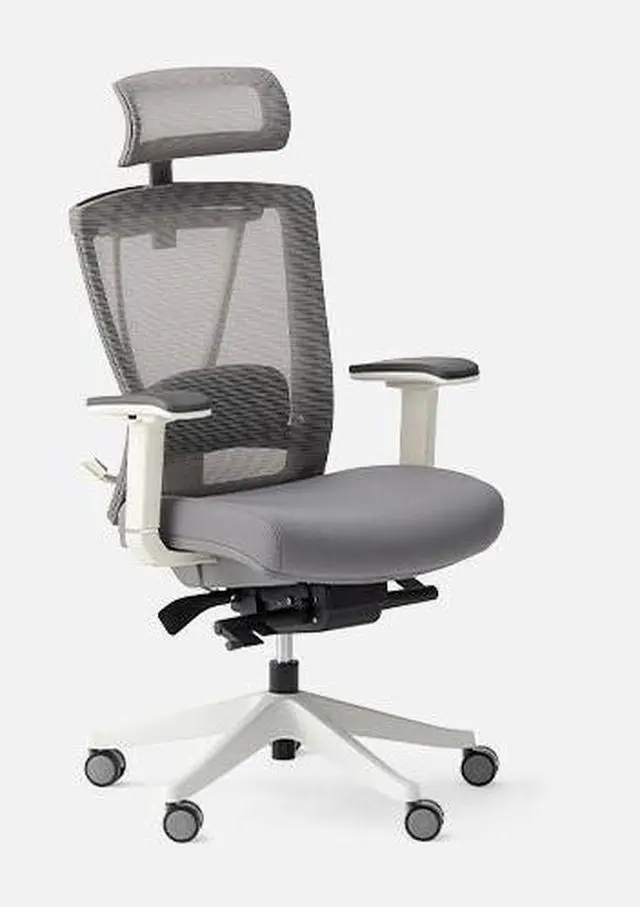
The AutonoMous ErgoChair Pro offers a high level of customization for a mid-range price, including adjustable lumbar support, armrests, and a headrest. While its build quality isn't on par with Herman Miller or Steelcase, it's a great option for those who want lots of settings without the premium tag.
Main limitation: The seat cushion is firm and the lumbar support can be tricky to position exactly where you want it, and the assembly process is time-consuming.
Skip if: Heavy users (over 275 lbs) or those who want a premium engineered seat may find this chair lacking.
Compare key specs and features of all our recommendations side-by-side
| Product | Recommendation | Rating | Price |
|---|---|---|---|
Herman Miller Aeron (Size B or C) Rank #1 | 🏆 Top Pick | 9.2/10 | $1,795–$2,195 Check current price → |
Sihoo Doro C300 Rank #2 | 💰 Budget Pick | 8.0/10 | $280–$350 Check current price → |
Steelcase Leap V2 Rank #3 | ⭐ Editor's Choice | 9.0/10 | $1,500–$2,000 Check current price → |
 Branch Ergonomic Chair Rank #4 | — | 4.2 4.2 | $449–$499 Check current price → |
Haworth Fern Rank #5 | — | 8.8/10 | $1,200–$1,600 Check current price → |
Autonomous ErgoChair Pro Rank #6 | — | 7.8/10 | $499–$599 Check current price → |
Common questions buyers have about this category.
The best chair for lower back pain is one with adjustable lumbar support that allows you to position the support at the curve of your lower back. It should also have seat-depth adjustability, a supportive backrest, and moveable armrests to reduce tension on your shoulders. Look for models with a synchro-tilt mechanism so your hips and knees stay at roughly a 90-degree angle while you work.
You can find a decent ergonomic chair for under $300, like the Sihoo Doro C300, which offers basic lumbar support and adjustability. However, if you spend 40+ hours a week in your chair, investing $500–$1,500 in a chair like the Branch or Haworth Fern is worth it for long-term comfort. Premium chairs like the Herman Miller or Steelcase can cost over $1,500 but offer superior build quality and better lumbar support that moves with your spine.
A headrest is not directly necessary for lower back pain, but it can help maintain proper posture for your entire spine. When your head and neck are unsupported, you may slouch, which increases pressure on your lower back. If you experience neck or upper back pain alongside lower back issues, choosing a chair with a height-adjustable headrest can provide better overall alignment.
First, sit with your back flush against the backrest and find the deepest part of your lower back curve (around your belt line). Adjust the lumbar support so it fills that curve, applying even pressure — not so much that it feels like a probing fist. The support should be positioned just above your pelvic bone. If your chair offers vertical adjustment, make sure the lumbar pad sits at that natural curve, then recheck after sitting for an hour since your posture may shift.
Both mesh and foam chairs can support your back if they're well designed, but mesh chairs like the Herman Miller Aeron offer more breathability and adjustability, which can reduce discomfort during long sessions. Foam chairs often feel plusher but may break down over time, reducing lumbar support. The best choice depends on your body type and climate; mesh is usually better for hot office environments, while foam provides more pressure relief for bony sit bones.
A good ergonomic chair can alleviate some lower back pain by promoting proper posture and reducing pressure on your lumbar discs, but it isn't a cure for underlying medical conditions. If your pain persists despite using an ergonomic chair, you should consult a doctor or physical therapist. The chair is one part of a healthy work setup — taking regular breaks, stretching, and maintaining good posture while seated are also essential.
Products we evaluated but did not recommend — and why.
