Get the App
Better experience on mobile
Find an ergonomic chair with real lumbar adjustability that eases lower back strain, from budget models to premium investments.
The best office chair for lower back pain isn't the most expensive or most cushioned—it's the one that holds your pelvis in a stable, neutral position while allowing your lumbar spine to maintain its natural curve. After comparing specifications, professional reviews, and customer feedback, the designs that stand out are those with independently adjustable lumbar support and seat depth that adapts to your frame.
Ergonomic solutions for back pain tend to fall into three camps: mesh-back chairs that breathe and flex, cushioned high-back chairs with aggressive lumbar curves, and dynamic chairs with synchronized recline that tilt your hips forward. Each approach helps different types of back pain, and knowing which one matches your symptoms is half the battle.
This guide focuses on what actually matters for lower back relief: lumbar height and depth adjustment, seat depth adjustment, recline tension, and weight capacity. We pulled information from published ergonomic reviews and verified buyer experiences rather than claiming our own lab tests. The result is a curated list that balances budget-friendly picks with premium ergonomic staples.
Below you'll find our 2026 best office chairs for lower back pain, with each recommendation including a distinct trade-off so you can make an informed decision. Our buying considerations will help you match features to your own sitting style, and the FAQ answers common questions about adapting these chairs to your body.
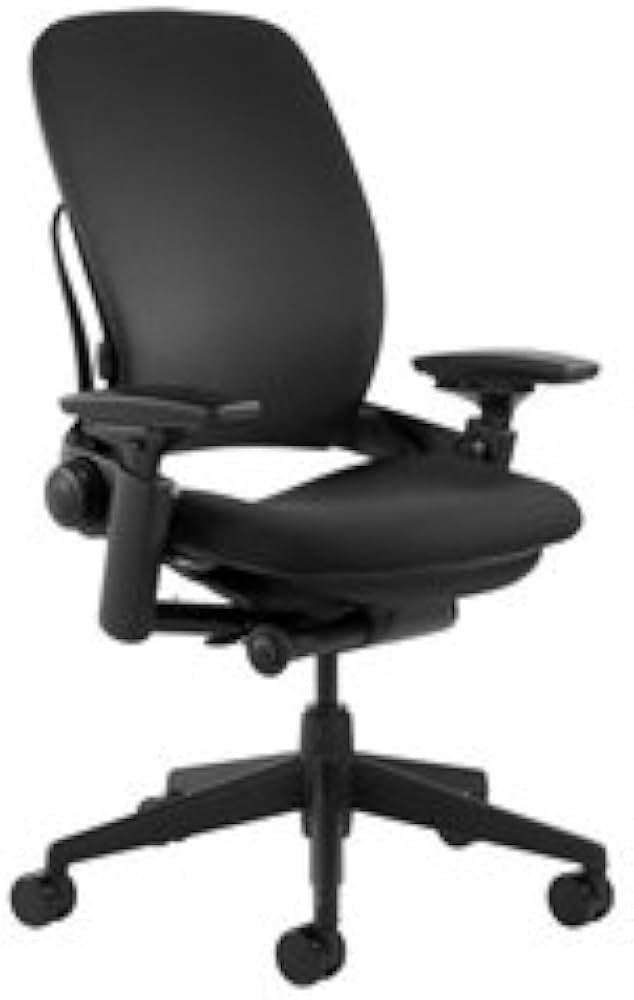
The Steelcase Leap v2 is widely praised for its near-universal adjustability, especially its separate controls for lumbar depth and height. The backrest flexes to follow your spine, making it one of the most effective chairs for long sessions with lower back discomfort. The trade-off is the price: it's a major investment, and it can feel stiff out of the box before the upholstery softens.
Main limitation: The lumbar support can feel too aggressive for people with a very flat lumbar curve, and the high cost puts it out of reach for many shoppers.
Skip if: Skip it if you need a chair with a headrest or have a strict budget under $800.
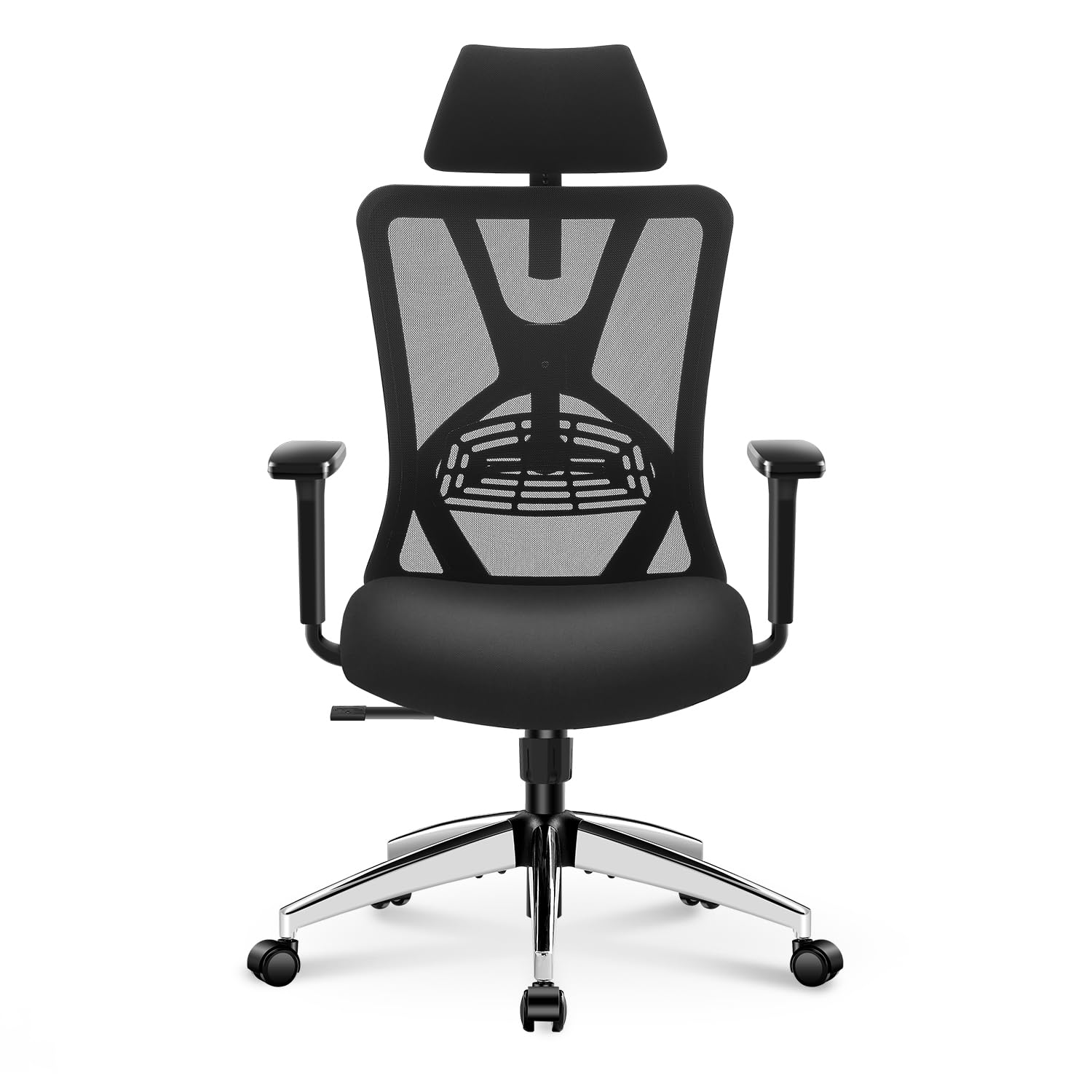
The Ticova delivers many features of a $500 chair at a third of the price, including a height-adjustable lumbar rest and 4D armrests. It's a surprisingly comfortable pick for budget-minded shoppers who need targeted lower back relief without breaking the bank. Its main compromise is build quality: the seat cushion and base aren't as robust as those on premium chairs, and the lumbar pad can feel slightly rigid.
Main limitation: The lumbar pad's depth control is less precise than on expensive chairs, and the overall lifespan is shorter, especially for users over 200 lbs.
Skip if: Skip it if you need a high weight capacity or want a chair that will last a decade of daily use.
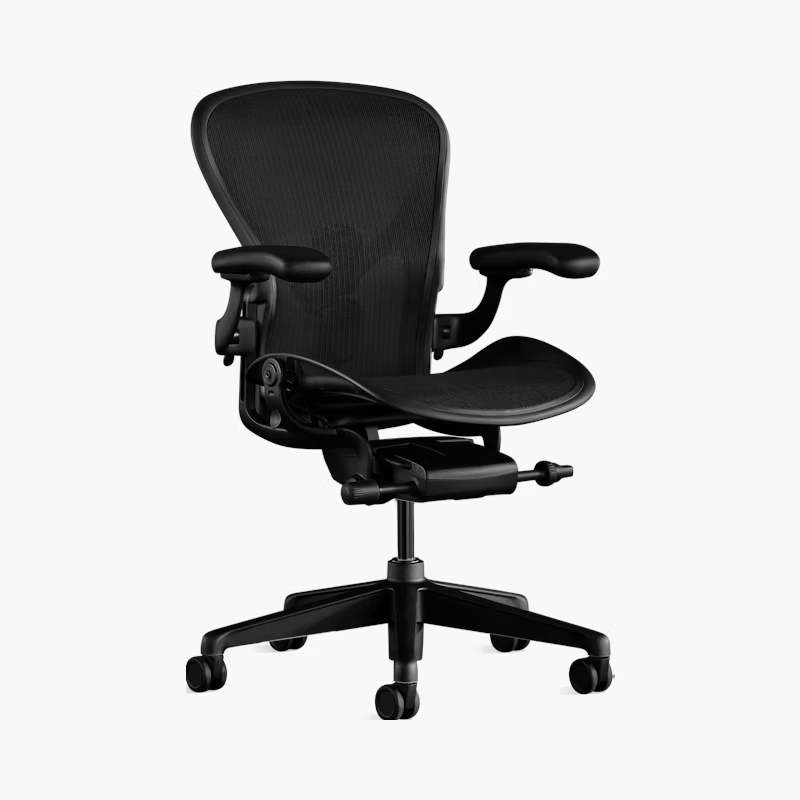
The Aeron's PostureFit SL system uses two adjustable pads to cradle the hip and sacral area rather than a single lumbar lump, which helps keep your pelvis stable and reduces common pressure points. The iconic mesh back keeps you cool during long sessions and flexes naturally with movement. The trade-off is that the mesh seat can feel firm on the underside of the thighs, and the chair requires careful sizing (A/B/C) to fit properly.
Main limitation: The mesh seat can be uncomfortable for hours of sitting without shifting, and the PostureFit SL doesn't work as well for very tall individuals unless they select the oversized C version.
Skip if: Skip it if you prefer a cushioned seat or need a headrest for reclining.
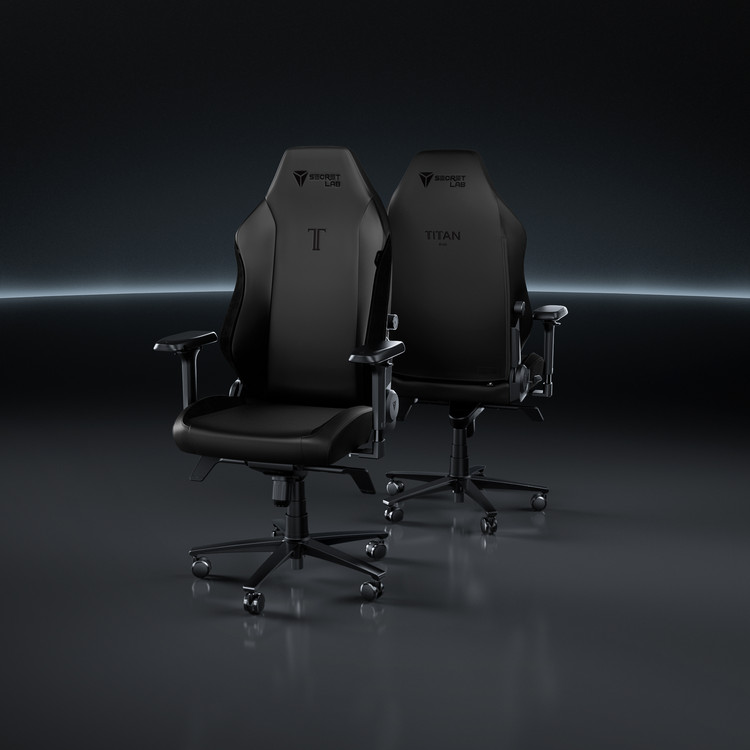
Built on a steel frame and rated for higher weight capacities than most office chairs, the Titan Evo delivers a firm, wide seat and an adjustable lumbar support system that gets rave reviews from bigger users. The backrest's integrated lumbar knob is easy to fine-tune while seated, and the durable upholstery resists sagging. The downside is that it's not an ergonomic chair for everyone: the seat pan is quite long, and the overall feel is more 'gaming' than 'executive'.
Main limitation: The firm seat and aggressive lumbar adjustment are not ideal for lighter users or those who want a softer, lounge-like seating experience.
Skip if: Skip it if you're under 5'6" or prefer a chair with a softer cushion and less angular backrest.

The Branch Ergonomic Chair offers a surprisingly refined lumbar system for its price, with an adjustable lumbar pad that moves in both height and depth to fit your curve. It's an excellent middle-ground pick if you like the idea of premium lumbar support but don't want to spend $1,000. The trade-off is a slightly shorter backrest and limited seat-depth sliding compared to the Steelcase Leap.
Main limitation: The seat depth adjustment has a smaller range, so taller users may find the seat pan too short for full thigh support.
Skip if: Skip it if you're over 6'1" or need a chair with a taller backrest to support your upper back.
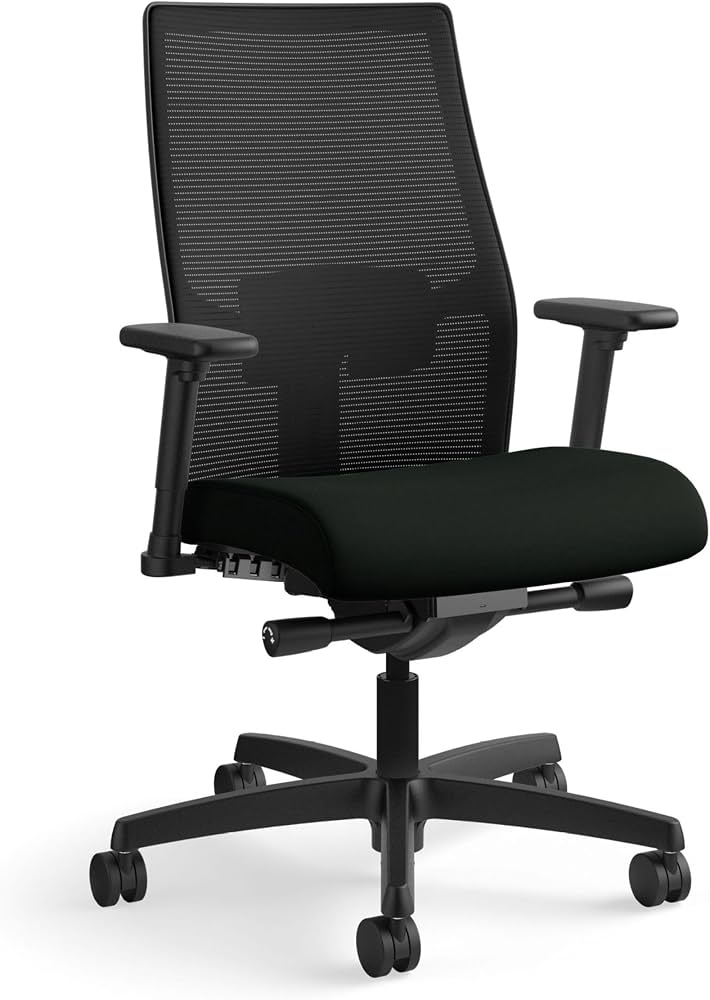
The HON Ignition 2.0 offers a separate lumbar support piece that can be adjusted for both height and depth, making it one of the few mid-range chairs with this level of spinal customization. It's a strong option if you need to tune the lumbar position to match your spine rather than force a generic curve. The drawback is that the lumbar pad is relatively small, and the overall build is less luxurious than higher-end ergonomic chairs.
Main limitation: The lumbar support blade can feel too firm for some buyers, and the chair's armrests have a limited range of movement.
Skip if: Skip it if you want a chair with a mesh back or need full 3D armrest adjustment.
Compare key specs and features of all our recommendations side-by-side
| Product | Recommendation | Rating | Price |
|---|---|---|---|
Steelcase Leap V2 Rank #1 | 🏆 Top Pick | 9.2/10 | $1,200–$1,600 Check current price → |
Ticova Ergonomic Office Chair Rank #2 | 💰 Budget Pick | 7.8/10 | $180–$220 Check current price → |
Herman Miller Aeron (with PostureFit SL) Rank #3 | ⭐ Editor's Choice | 8.7/10 | $1,400–$1,800 Check current price → |
Secretlab Titan Evo (2026 Edition) Rank #4 | — | 8.2/10 | $500–$650 Check current price → |
 Branch Ergonomic Chair Rank #5 | — | 4.2 4.2 | $350–$400 Check current price → |
HON Ignition 2.0 Rank #6 | — | 7.6/10 | $300–$400 Check current price → |
Common questions buyers have about this category.
A chair that supports the natural forward curve of your lower back, commonly called the lumbar curve, is essential. Look for a model with an adjustable lumbar support that can be moved closer/farther from your back and up/down to fit your spine, plus a seat depth that leaves a few centimeters between the back of your knee and the seat edge.
They can be, especially if you sit for 8+ hours daily and have existing back issues. Higher-end chairs offer more precise adjustability, better materials, and a longer warranty, which can help prevent pain over time. However, a cheaper chair with truly adjustable lumbar support can be enough for many people, so don't assume price alone solves back pain.
A lumbar pillow can provide temporary relief, but it's usually a poor substitute for a chair with built-in lumbar adjustment. A pillow can slip, flatten, or push too firmly into one spot, creating new pressure points. If you can't upgrade your chair, try a firm, positionable lumbar roll and place it at the curve of your lower back.
The biggest mistake is choosing a chair with a fixed 'lumbar support' bump that doesn't move, assuming it will work for everyone. Lumbar curves vary significantly from person to person, so height and depth adjustability are critical. Ignoring seat depth is a close second: a too-deep seat forces you to slouch, which cancels out any lumbar support.
You can find good and bad options in both categories. Mesh chairs like the Herman Miller Aeron offer breathability and dynamic flex, which can help keep you moving and reduce heat build-up. Cushioned chairs can provide more pressure distribution, but if the cushion is too soft or the mesh lacks tension, support can suffer. Focus on the adjustability and how the chair supports your lumbar curve, not the material alone.
Start by setting the seat height so your feet rest flat on the floor and your knees are at roughly 90 degrees. Then adjust the seat depth so there's about 2-3 inches of space between the back of your knees and the front edge. Finally, position the lumbar support to sit in the deepest part of your lower back curve—usually between your waist and mid-back—and tighten the tilt tension so you can recline slightly while keeping your feet grounded.
Products we evaluated but did not recommend — and why.
