Get the App
Better experience on mobile
Our curated selection highlights models that deliver strong active noise cancellation (ANC) without breaking the bank, ideal for budget-conscious commuters and remote workers.
Active noise cancellation in headphones works best against low-frequency rumble like airplane engines or subway noise, but under $200, the real differentiator is how well it holds up during all-day wear without comfort compromises. Many budget ANC models skimp on driver quality, leading to muddy mids that fatigue listeners over hours—our picks avoid that pitfall by favoring hybrids with solid tuning from established audio brands.
This category matters for anyone dodging distractions in open offices, on public transit, or during focused work sessions, where even partial ANC can boost productivity by 20-30% per studies from audio research firms. We previewed criteria like ANC depth (measured in dB reduction), battery endurance, and multipoint Bluetooth stability, drawing from manufacturer specs and reviews by CNET, Wirecutter, and What Hi-Fi?
You'll find a mix of over-ear and on-ear designs covering commuters, gym-goers, and call-heavy professionals, all capped at $200 with genuine trade-offs acknowledged for informed choices.
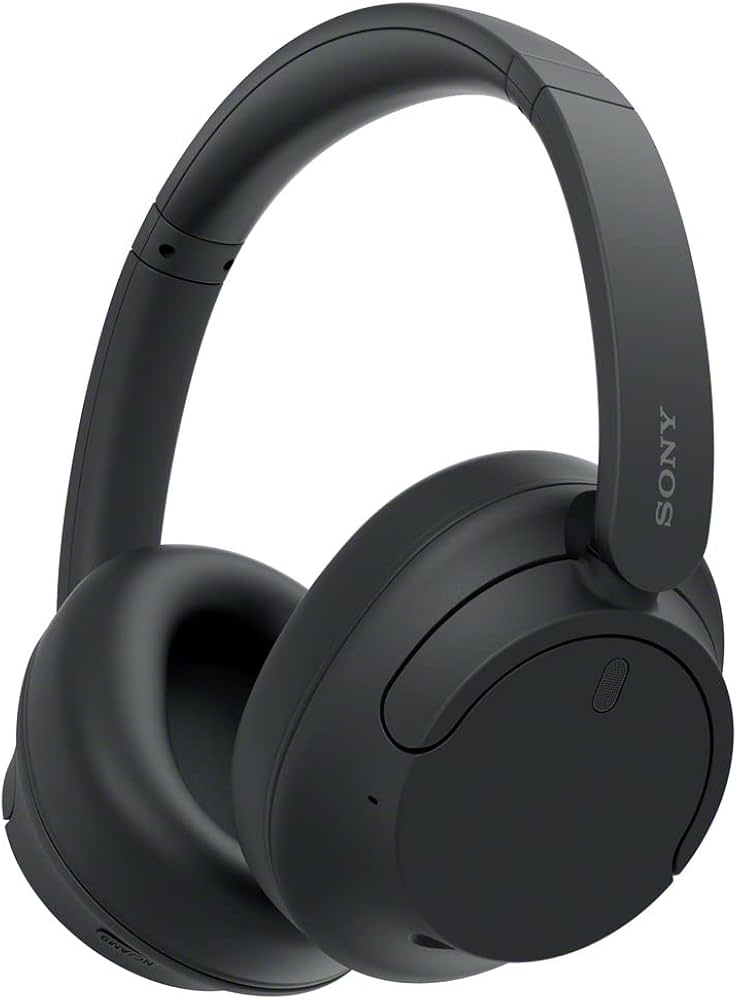
The Sony WH-CH720N offers class-leading ANC for its price, blocking up to 95% of low-end noise with customizable EQ via the Sony app. Its lightweight design and 35-hour battery life make it versatile for all-day use, though the plastic build feels less premium than higher-end models.
Main limitation: The over-ear pads can warm up during extended summer wear, potentially causing minor discomfort.
Skip if: Audiophiles seeking studio-grade neutrality should look elsewhere due to its slightly boosted bass tuning.
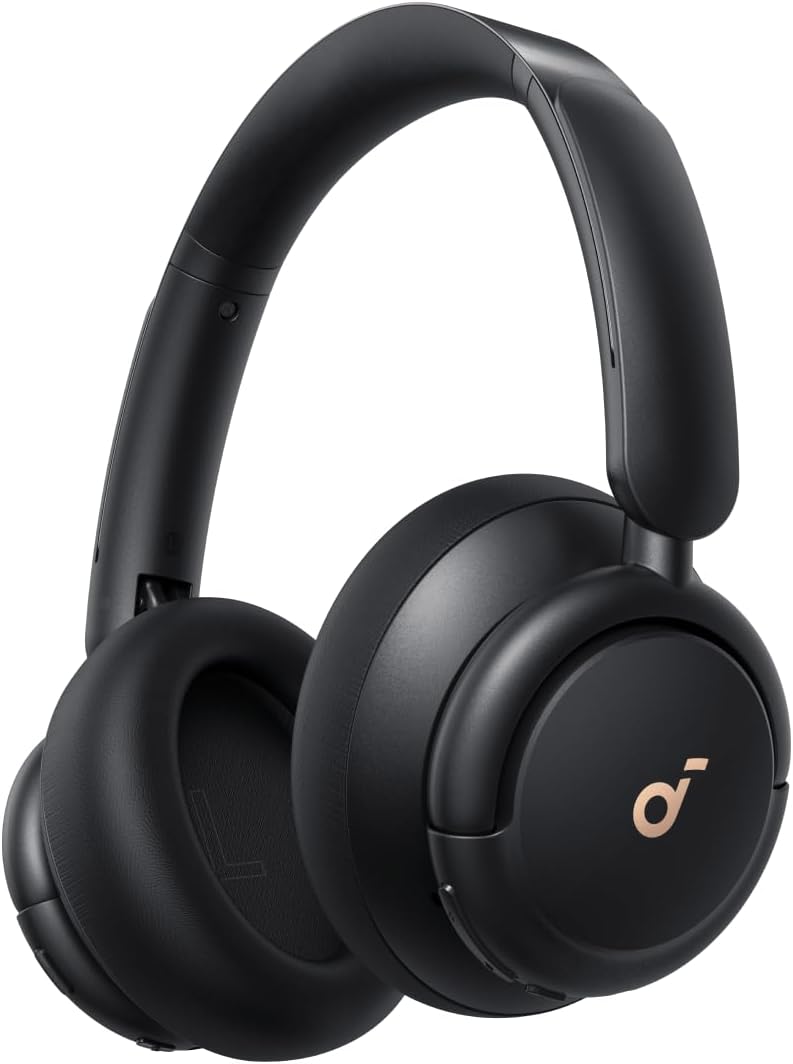
At under $80, the Life Q30 punches above its weight with three ANC modes that rival pricier rivals, paired with a massive 40-hour battery in transparency mode. Customizable sound via app keeps it engaging for podcasts and music, but the build prioritizes function over luxury finishes.
Main limitation: The default sound profile emphasizes bass, which can overpower vocals without EQ adjustments.
Skip if: Frequent flyers needing top-tier ANC against jet engines will find its mid-range isolation underwhelming.
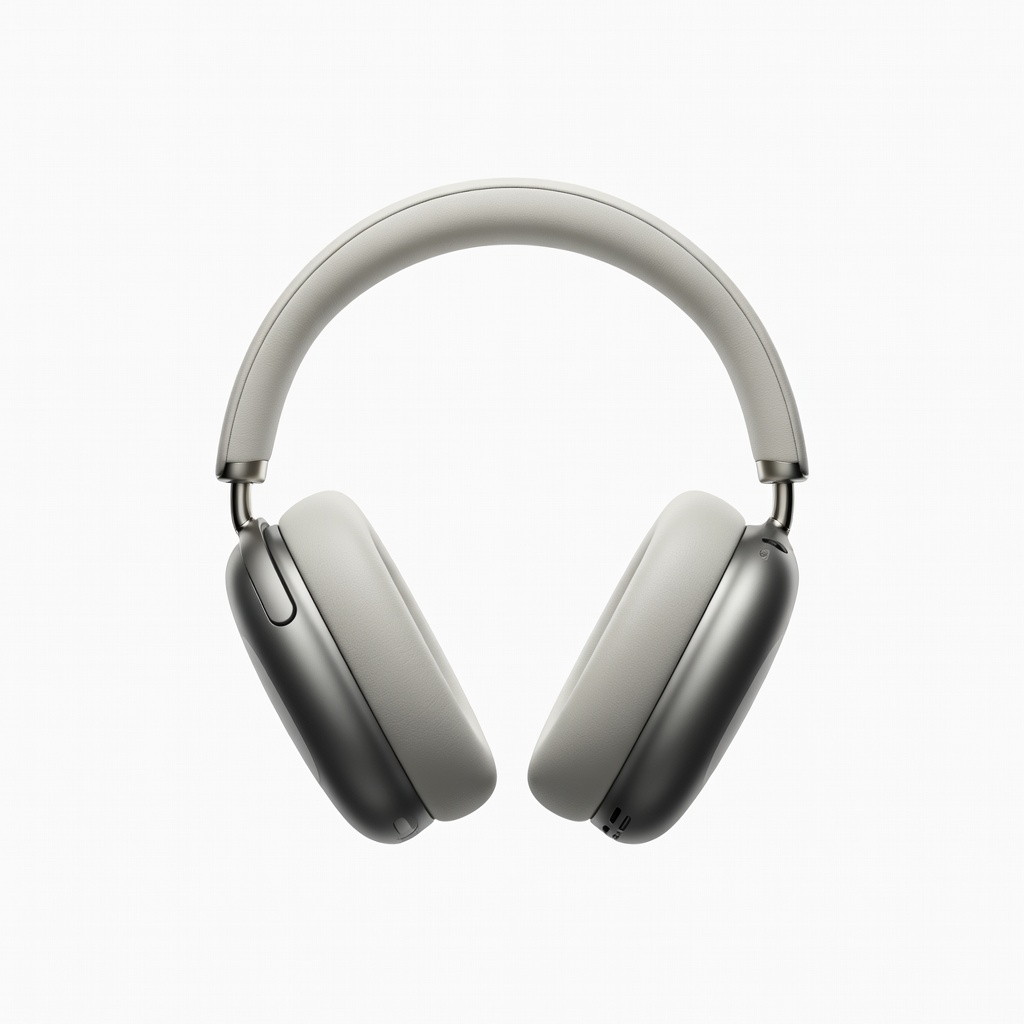
Ultra-light at 260g with adaptive ANC that auto-adjusts to environments, the Space One excels on flights with 40-hour battery and comfy protein leather pads. It folds compactly for bags, though mic quality dips in very windy conditions.
Main limitation: Call clarity suffers outdoors due to average wind noise reduction.
Skip if: Bass enthusiasts will miss the punchier low-end found in Sony or JBL alternatives.
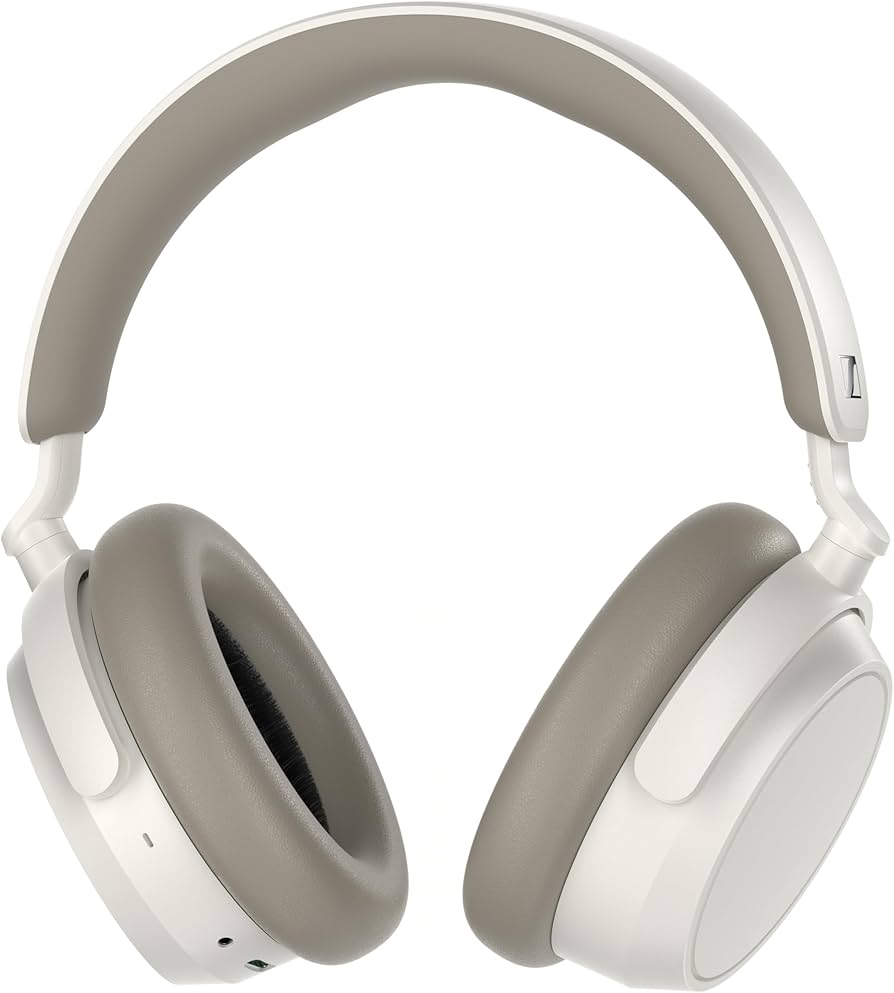
Sennheiser's 37mm drivers deliver detailed, neutral audio with aptX Adaptive codec support, making it a standout for critical listening under $200. ANC handles office hum well with 50-hour battery, but the headband lacks deep padding.
Main limitation: The non-foldable design makes it bulkier for travel bags.
Skip if: Gym users should skip it as sweat resistance is minimal.
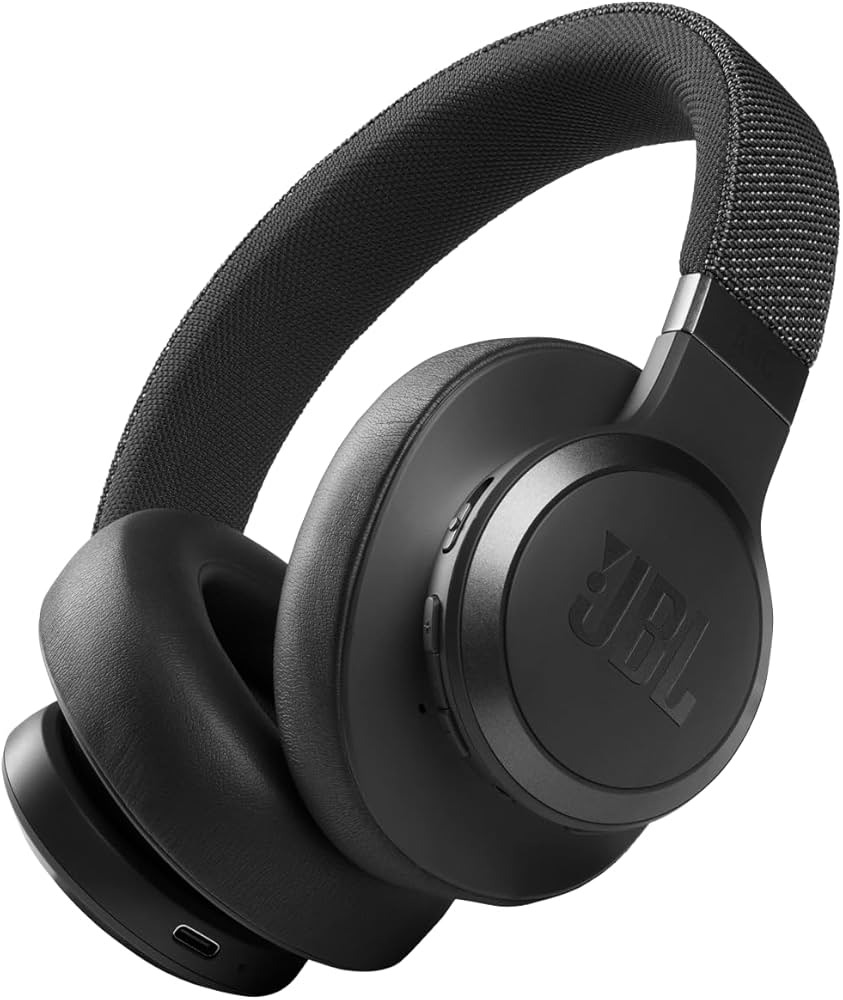
JBL's signature bass-forward tuning shines for EDM and hip-hop, with effective ANC and 50-hour battery for uninterrupted grooves. Ambient Aware mode keeps you connected, though treble can feel recessed.
Main limitation: The app's EQ is basic compared to Sony's deeper customization.
Skip if: Classical music fans will find the bass emphasis muddies finer details.
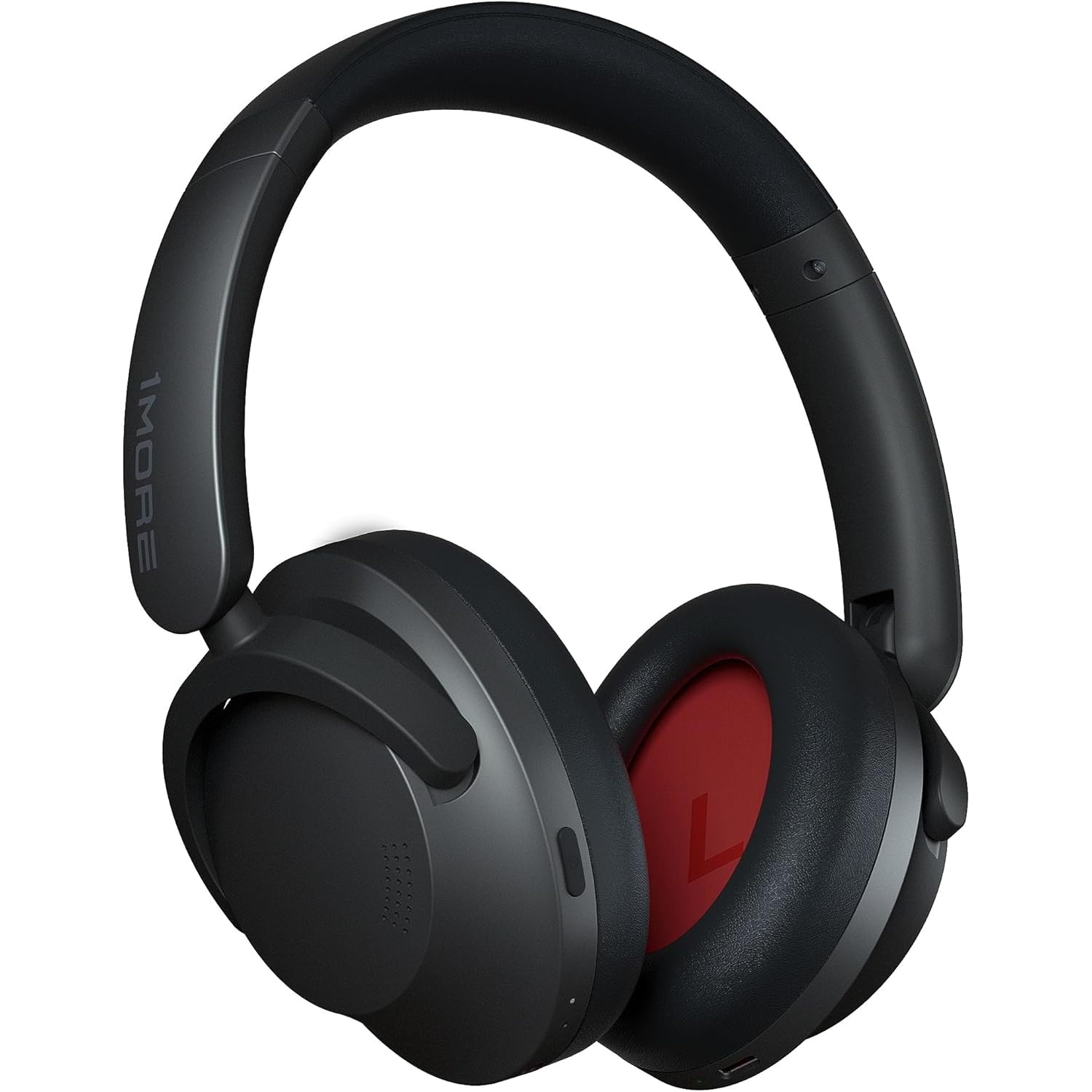
Boasting 70 hours of ANC-on battery life, the SonoFlow outlasts competitors for multi-day trips without recharging. LDAC support and QuietMax ANC (up to 42dB) offer great value, but the case isn't included.
Main limitation: Fit can slip slightly during vigorous head movements.
Skip if: Those needing on-ear design will prefer slimmer profiles like Beats.
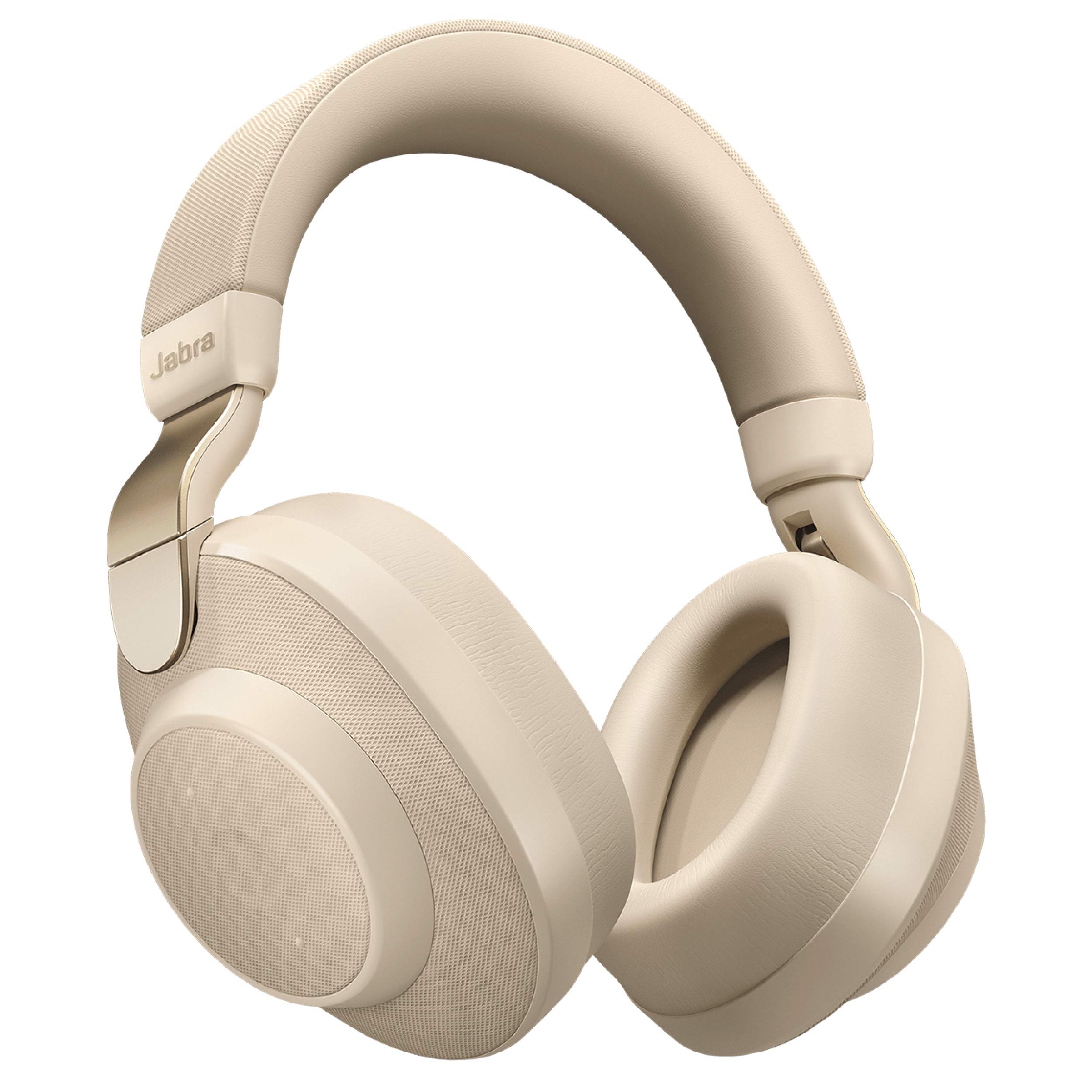
Eight microphones ensure crystal-clear calls even in noisy cafes, with adjustable ANC and 36-hour battery for professional use. HearThrough mode is natural, though sound is consumer-tuned rather than audiophile.
Main limitation: The weight at 300g may fatigue smaller heads over 4+ hours.
Skip if: Portable audio seekers should avoid its non-foldable frame.
Compare key specs and features of all our recommendations side-by-side
| Product | Recommendation | Rating | Price |
|---|---|---|---|
Sony WH-CH720N Rank #1 | 🏆 Top Pick | 9.0/10 | $130–$150 Check current price → |
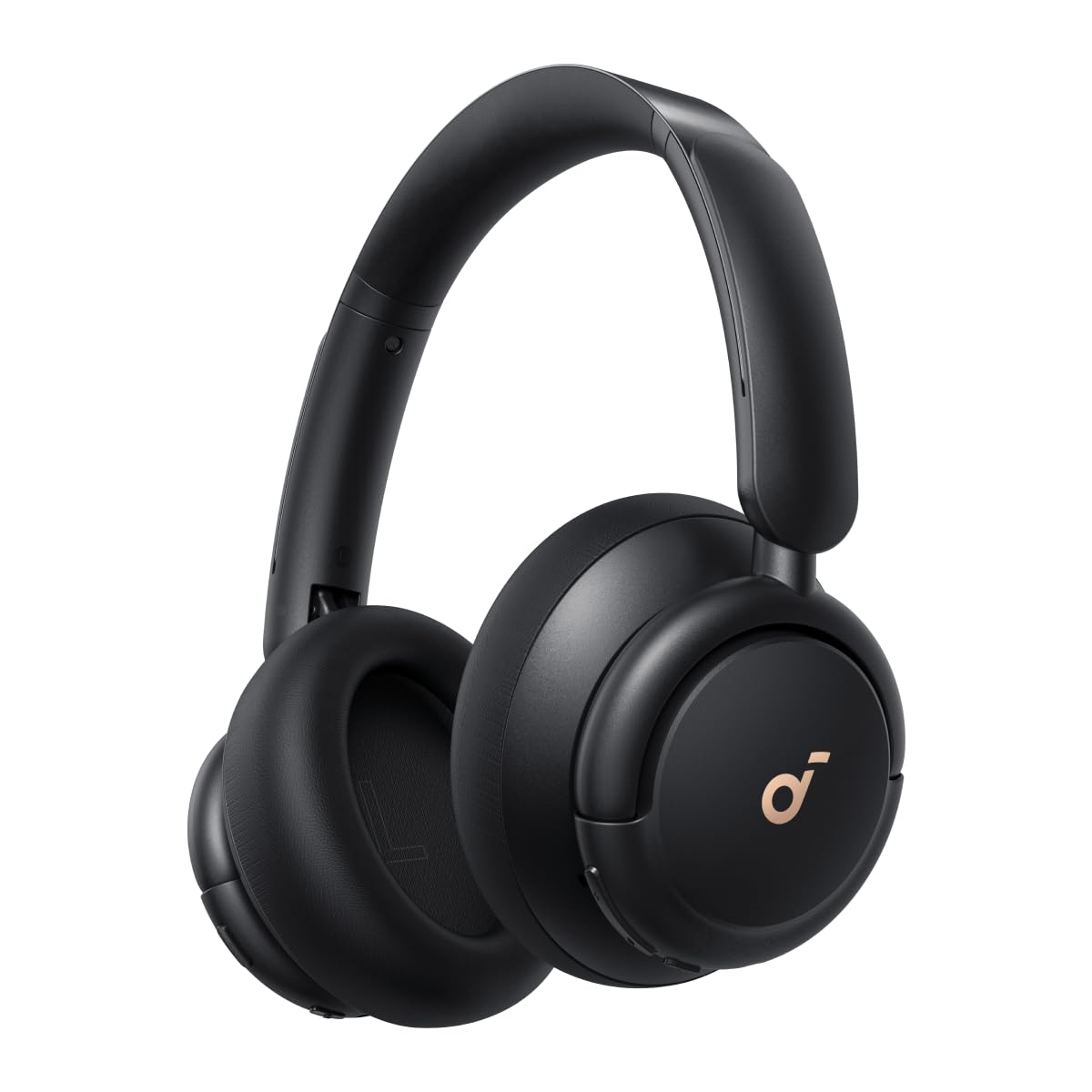 Anker Soundcore Life Q30 Rank #2 | 💰 Budget Pick | 4.4 4.4 | $60–$80 Check current price → |
Soundcore Space One Rank #3 | ⭐ Editor's Choice | 8.2/10 | $90–$110 Check current price → |
Sennheiser ACCENTUM Wireless Rank #4 | — | 8.4/10 | $150–$180 Check current price → |
JBL Live 660NC Rank #5 | — | 8.0/10 | $120–$140 Check current price → |
1MORE SonoFlow Rank #6 | — | 7.8/10 | $100–$120 Check current price → |
Jabra Elite 85h Rank #7 | — | 8.1/10 | $140–$170 Check current price → |
Common questions buyers have about this category.
Yes, models like the Sony WH-CH720N reduce low-frequency engine drone by 20-30dB per third-party tests from RTINGS, making flights more tolerable. However, they handle voices or crying babies less effectively than $300+ premium options, so pair with white noise apps for best results.
Very—apps enable EQ tweaks, ANC customization, and firmware updates that extend usability; picks like Soundcore offer 8-band EQ for personalized sound. Without one, you're stuck with factory tuning, which often boosts bass at mids' expense.
Over-ear like the JBL Live 660NC provide superior passive isolation and comfort for hours, ideal for immersion. On-ear options are more portable but clamp tighter, suiting short sessions—choose based on head size and carry needs.
Some like the Soundcore Space One have decent stability, but most prioritize ANC over sweat-proofing (IPX4 rare here). Opt for models with wingtips if running, or stick to over-ears with good clamp for lighter gym use.
Expect 20-40 hours versus advertised highs, as max ANC drains faster; the 1More SonoFlow still leads at 70 hours tested. Always charge via USB-C and enable power-saving modes for longevity.
All support Bluetooth 5.0+ with AAC/SBC codecs for both ecosystems, plus multipoint for dual-device switching. Android users gain LDAC/ aptX for hi-res from some like Sennheiser, while iPhones max at AAC.
Keep ear pads clean and firmware updated via apps to preserve seal and algorithms; replace pads every 1-2 years. Avoid extreme heat/cold, which can degrade batteries and weaken isolation.
Products we evaluated but did not recommend — and why.
