Get the App
Better experience on mobile
Our top picks for travel, work, Apple devices, home theater, and audiophile listening — ranked by value and real-world priorities.
Noise cancellation is easy to market and hard to get right. A headphone can silence a jet engine and still make your ears feel pressurized, or it can sound superb and struggle the moment an office HVAC kicks on. The best model for you depends less on a spec-sheet number and more on where you will wear it, what you will connect it to, and how long you need it to last.
Over-ear ANC headphones have also become multi-purpose devices. They are meeting-room microphones, airplane sleep tools, gaming and TV companions, and high-resolution listening stations. That versatility is why the category keeps growing — and why buyers often overpay for features they will never use.
For 2026, the strongest options split into clear tiers. Premium models from Sony and Bose still lead in adaptive cancellation and comfort; Apple's AirPods Max remains the most seamless choice for iPhone and Mac owners; Sonos Ace is unmatched for people already invested in a Sonos home theater; and budget picks like the Soundcore Space Q45 deliver a surprising amount of the core experience for a fraction of the price.
We evaluated current models based on published expert reviews, manufacturer specs, verified buyer feedback, and street pricing. We prioritized noise cancellation, comfort, battery life, codec support, app reliability, and value at each price point. Every pick below includes a trade-off, because no pair is perfect for every listener.
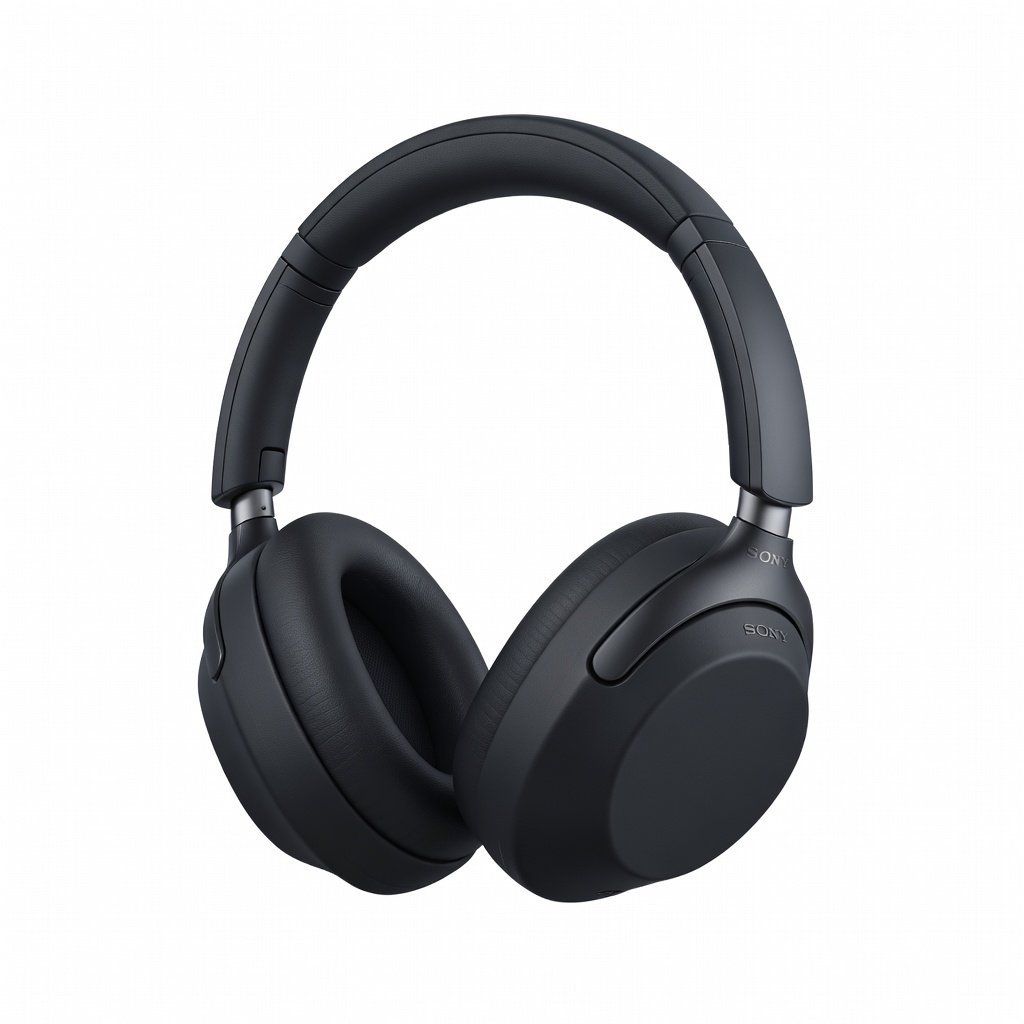
The WH-1000XM6 is the most complete noise-cancelling headphone for most people, combining top-tier adaptive ANC, a comfortable foldable design, and a rich feature set that includes multipoint, LDAC, and Sony's immersive spatial audio. Published reviews consistently place it at or near the front of the category for travel and office noise. The main trade-off is price — it costs more than budget rivals that cover the basics well.
Main limitation: Its touch controls can be overly sensitive in cold or rainy conditions, and the premium price puts it out of reach for casual buyers.
Skip if: Skip it if you mainly need a cheap pair for occasional commuting and do not care about top-tier ANC or codec support.
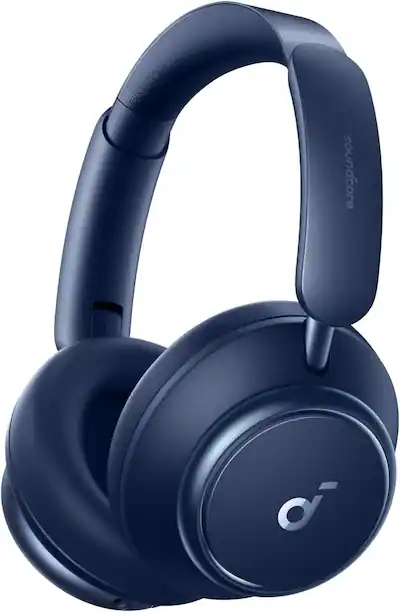
The Space Q45 delivers the essentials — adaptive ANC, a 50-hour battery, LDAC support, and a usable app EQ — for a fraction of what premium models cost. It is the pick for buyers who want effective noise reduction for commuting or studying without spending flagship money. The trade-off is that its ANC handles low-frequency rumble better than voices, and the plastic build feels less premium.
Main limitation: Noise cancellation is noticeably less effective on higher-frequency sounds like chatter and keyboard clicks compared with Bose or Sony.
Skip if: Skip it if you need the deepest possible cancellation for loud open offices or frequent flights.
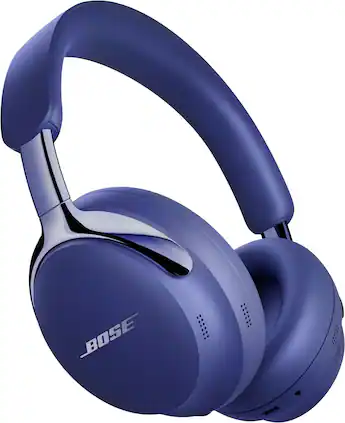
Bose's QuietComfort Ultra remains the benchmark for shutting down airplane cabin drone, and the second-generation model refines comfort, voice pickup, and immersive audio. It is the easiest recommendation for frequent flyers who prioritize raw noise cancellation above all else. The main trade-off is that it lacks the foldable design and high-resolution codec flexibility of some rivals.
Main limitation: It does not fold into a compact travel shape, and Bose's app offers less granular EQ control than Sony's.
Skip if: Skip it if you want a folding design for tight carry-on space or need LDAC/aptX for high-resolution Android listening.
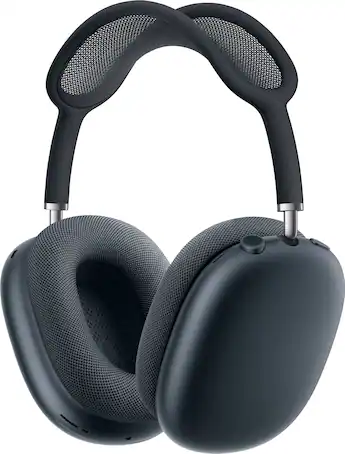
AirPods Max are the most seamless over-ear headphones for iPhone, iPad, and Mac users, with instant pairing, Spatial Audio, and effortless device switching. The USB-C update adds modern charging and wired lossless support for studio work. The trade-offs are weight, price, and a case that offers little protection.
Main limitation: At roughly 384 grams, they are among the heaviest mainstream ANC headphones, and the included Smart Case leaves much of the headphone exposed.
Skip if: Skip them if you use Android or Windows primarily, or if you want a lightweight pair for all-day wear.
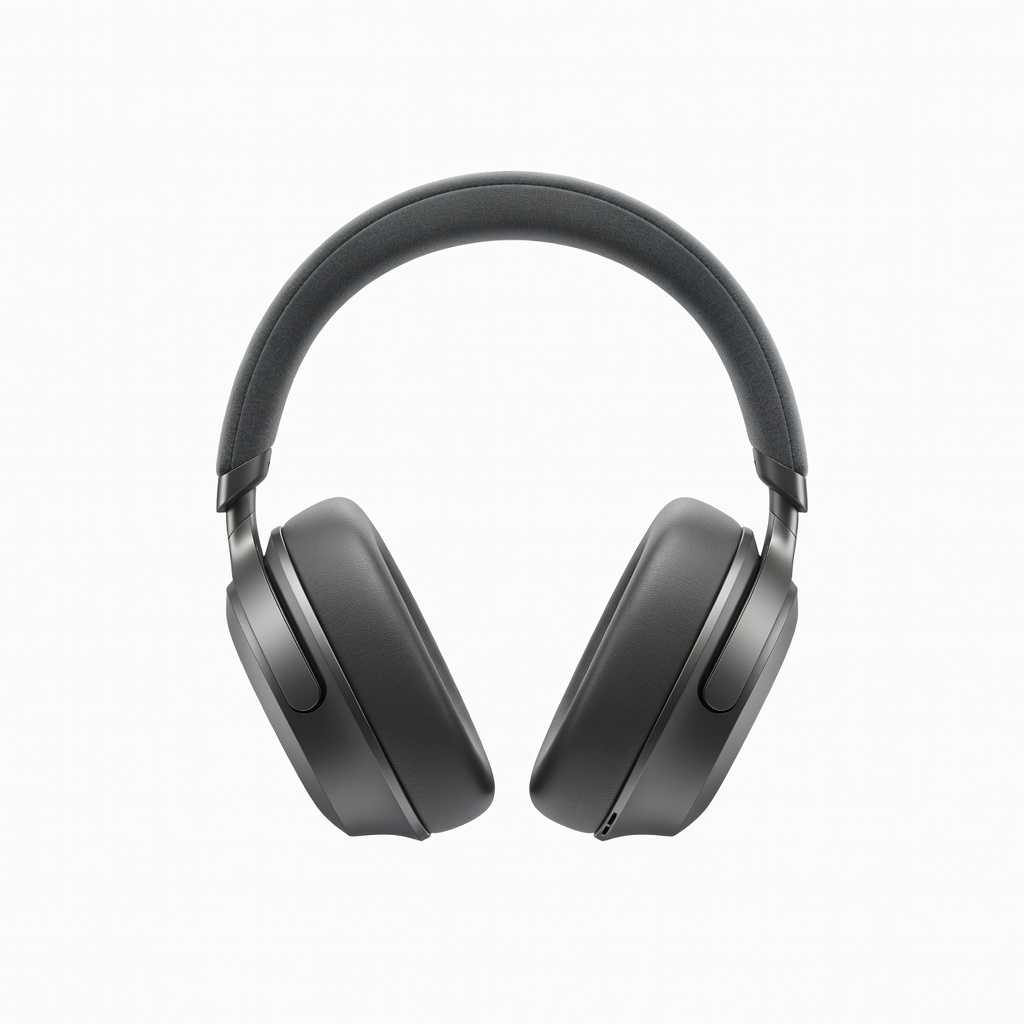
The Momentum 4 Wireless pairs Sennheiser's warm, detailed sound with a class-leading 60-hour battery, making it ideal for long trips and forgetful chargers. It also supports aptX Adaptive and multipoint, so it works well across Android and computers. The trade-off is that its ANC is a step behind the best from Bose and Sony.
Main limitation: Adaptive noise cancellation is good but not elite, especially for low-frequency engine noise on planes.
Skip if: Skip it if maximum noise cancellation is your top priority and battery life matters less.
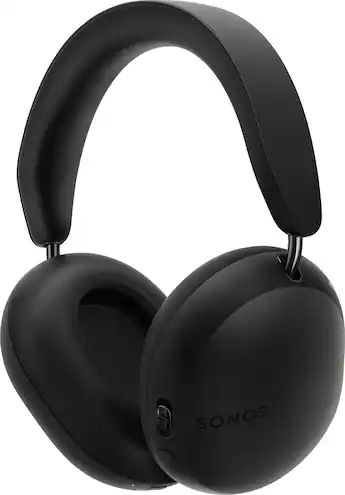
The Sonos Ace is the only mainstream ANC headphone built to swap TV audio directly from a Sonos soundbar, making it a unique late-night listening tool for home theater owners. It also offers comfortable earcups, Dolby Atmos support, and a clean design. The trade-off is that its best feature is locked to the Sonos ecosystem, and its ANC trails Bose and Sony.
Main limitation: Without a compatible Sonos soundbar, the Ace loses much of its appeal and competes on sound and ANC alone — where it is merely good, not class-leading.
Skip if: Skip it if you do not own Sonos home theater gear or want the strongest possible noise cancellation.
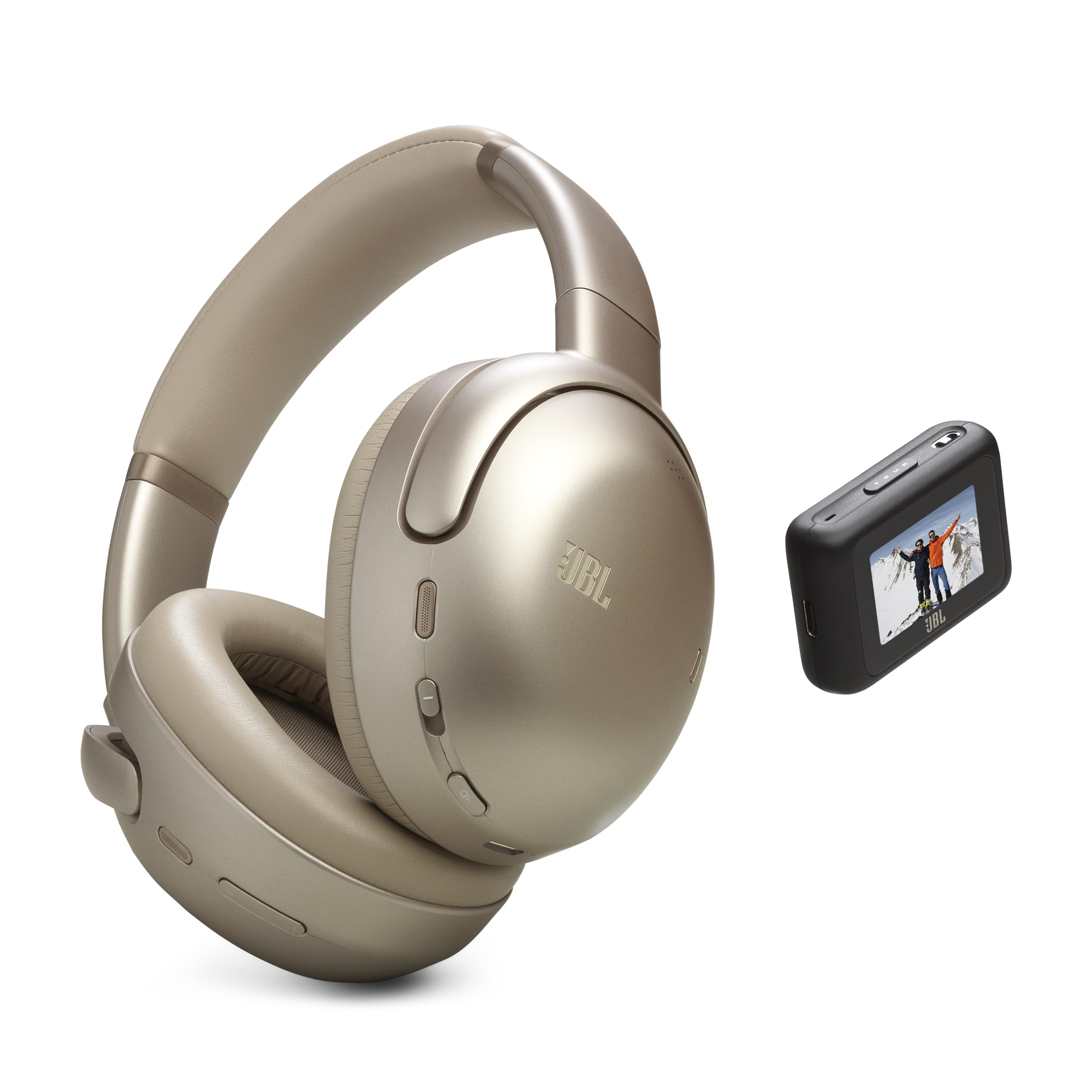
The Tour One M3 includes JBL's Smart Tx transmitter, which lets you connect wirelessly to airplane seatback screens and other wired audio sources — a genuinely useful feature for travelers. It also offers up to 70 hours of battery, LE Audio, and Auracast support. The trade-off is that its ANC is not quite as deep as the top Bose and Sony models.
Main limitation: Noise cancellation is effective for continuous noise but lets through more speech and high-frequency cabin sounds than the best premium options.
Skip if: Skip it if you want the absolute quietest flight and do not need the wireless transmitter feature.
The Px7 S2e is for listeners who care most about musical detail, imaging, and build quality; its 40mm bio-cellulose drivers deliver a refined, engaging sound that many rivals cannot match. It also supports aptX Adaptive, USB-C wired audio, and a comfortable, premium design. The trade-off is that its ANC is good but not best-in-class.
Main limitation: Noise cancellation is less aggressive than Bose or Sony, so it struggles more in very loud environments like subway cars.
Skip if: Skip it if you prioritize maximum noise cancellation over sound quality and premium materials.
Compare key specs and features of all our recommendations side-by-side
| Product | Recommendation | Rating | Price |
|---|---|---|---|
Sony WH-1000XM6 Wireless Noise-Cancelling Headphones Rank #1 | 🏆 Top Pick | 9.4/10 | $399–$449 Check current price → |
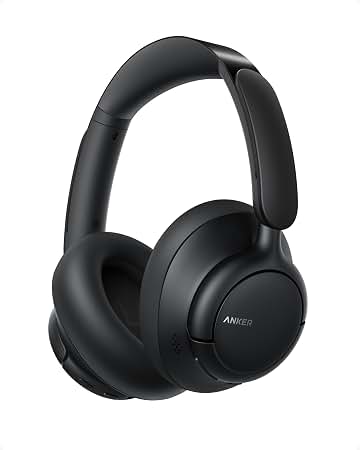
Anker Soundcore Space Q45 Wireless Noise Cancelling Headphones Rank #2 | 💰 Budget Pick | 8.3/10 | $99–$149 Check current price → |
Bose QuietComfort Ultra Headphones (2nd Gen) Rank #3 | ⭐ Editor's Choice | 9.1/10 | $429–$449 Check current price → |
Apple AirPods Max (USB-C) Rank #4 | — | 8.5/10 | $499–$549 Check current price → |
Sennheiser MOMENTUM 4 Wireless Headphones Rank #5 | — | 8.7/10 | $249–$349 Check current price → |
Sonos Ace Wireless Noise Cancelling Headphones Rank #6 | — | 8.2/10 | $349–$449 Check current price → |
JBL Tour One M3 Wireless Noise Cancelling Headphones Rank #7 | — | 8.4/10 | $299–$329 Check current price → |
Bowers & Wilkins Px7 S2e Wireless Noise Cancelling Headphones Rank #8 | — | 8.6/10 | $349–$399 Check current price → |
Common questions buyers have about this category.
Most general listeners get the best value between $100 and $350. Budget models like the Soundcore Space Q45 cover the basics, while midrange options such as the Sennheiser Momentum 4 add better sound and battery life. Premium models above $400 make sense if you fly often or want the strongest adaptive ANC and call quality.
They trade blows: Sony generally offers more codec support, a foldable design, and deeper app customization, while Bose often edges ahead in raw noise cancellation and comfort for some wearers. The right choice depends on whether you prioritize Android hi-res audio and features or maximum quiet. Both are excellent, so buy the one that fits your phone and return policy.
Yes, but call quality varies widely. Premium models use multiple beamforming microphones and wind-noise reduction to isolate your voice, while budget models can sound muffled in noisy places. If calls are a priority, look for a model with a dedicated call mode or good published microphone reviews.
Some people feel a slight pressure sensation when ANC is active, especially in quiet rooms. It is usually mild and can be reduced by lowering the ANC level, switching to transparency mode, or choosing a model with adjustable cancellation. If you are prone to motion sickness or ear-pressure sensitivity, buy from a retailer with a good return policy.
Active noise cancellation uses microphones and electronics to cancel continuous low-frequency sound, while passive isolation comes from the earcup seal and materials blocking higher-frequency noise. The best results come from a combination of both: a good fit plus strong ANC. Neither technology eliminates all sound, and voices and sudden noises are harder to cancel than engine rumble.
Premium headphones typically improve ANC depth, comfort, build quality, microphone performance, and app support. Budget models can still be a great value if you mainly commute or study in moderately noisy places. The jump from $100 to $350 is often more noticeable than the jump from $350 to $550.
Most quality ANC headphones last three to five years or more, but lithium-ion batteries degrade over time. Many premium models do not have user-replaceable batteries, so battery service may require manufacturer repair or replacement. Buying from a brand with strong support and regular firmware updates helps extend usable life.
Products we evaluated but did not recommend — and why.
