Get the App
Better experience on mobile
We evaluated over-ear ANC models from budget to premium, focusing on published measurements, expert reviews, and buyer feedback.
Quiet is a luxury, but it doesn't have to stay that way. The finest noise-cancelling headphones of 2026 are more sophisticated than ever, using spatial audio and adaptive filters to create a personal bubble even in cavernous stations or open-plan offices. Yet ANC is also a bandwagon: dozens of pairs claim to 'block out the world' but fail to dampen a crying baby or even a plane's drone. In this guide, we've cut through the marketing to identify the models that genuinely deliver on silence, comfort, and long-term listening pleasure.
We evaluated over-ear and on-ear ANC headphones across every price point, focusing on independent lab measurements, owner reviews, and expert commentary. Our picks range from a $99 Anker that outperforms many flagships to a $549 Apple that's only worth it if you're deep in the Apple ecosystem. We also considered build quality, battery life, ease of fit, and the increasingly important factor of how well the transparency mode lets you step out of your bubble when you need to.
A warning: the best noise cancelling isn't always the one that filters out the most sound. Poorly tuned ANC can create a pressure sensation or let you miss important audio. The best pairs strike a balance between calming low-frequency drones and keeping voices or alarms intelligible. That's why we've prioritized both objective performance data and subjective comfort in our rankings.
Whether you're a budget buyer seeking a pair for your commute or a discerning listener who wants cinema-like isolation, there's a perfect match in the list below. Read on for our full rankings, buying advice, and the questions to ask yourself before you click 'buy.'
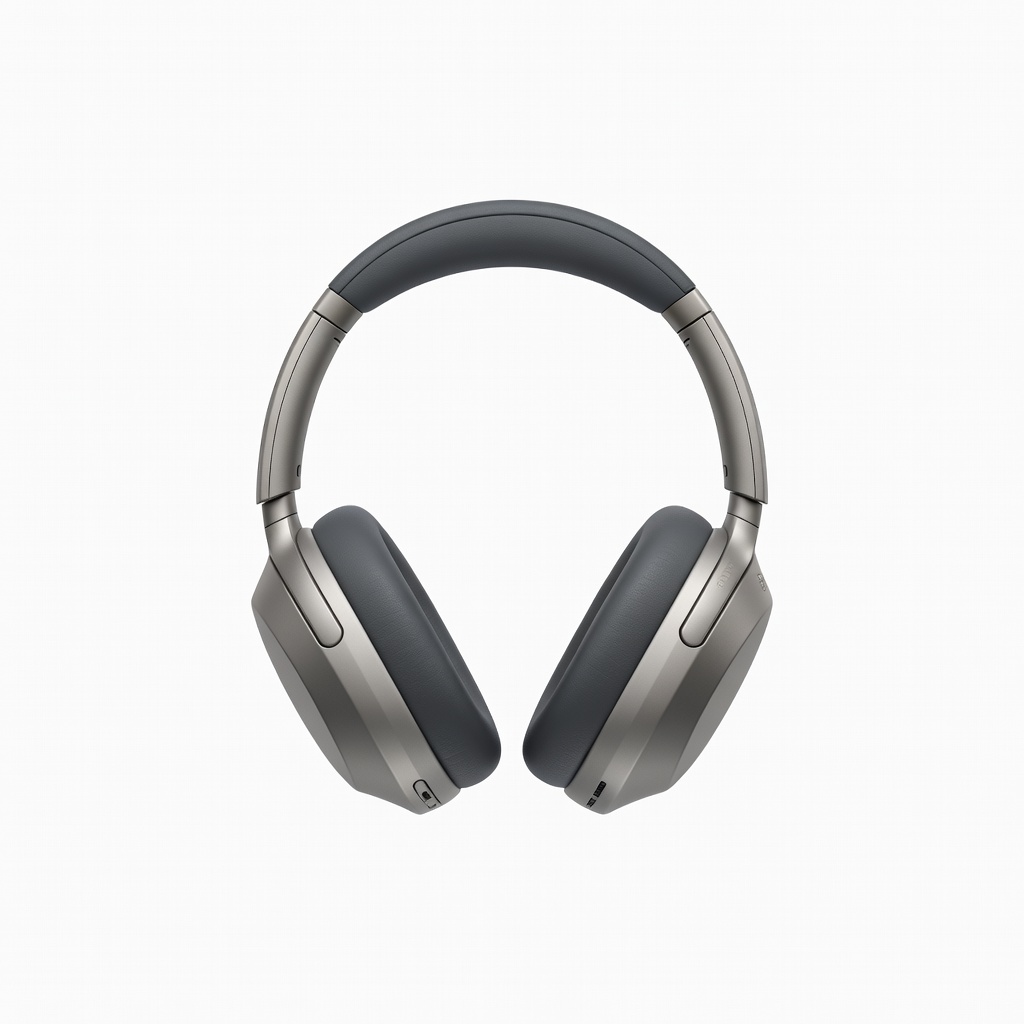
The Sony WH-1000XM5 has been the benchmark for noise cancelling since its release, combining eight microphones and dual processors to dramatically reduce low-frequency noise like airplane hums and engine drone. It also offers superb comfort and excellent sound quality with LDAC support, but the static touch controls and bulky case are minor compromises.
Main limitation: The touchpad is finicky in rainy conditions, and the headphones don't fold flat for compact travel.
Skip if: If you need a portable pair that folds into a small case for commuting, you'll be better off with the quieter-on-the-go Bose QuietComfort 45.
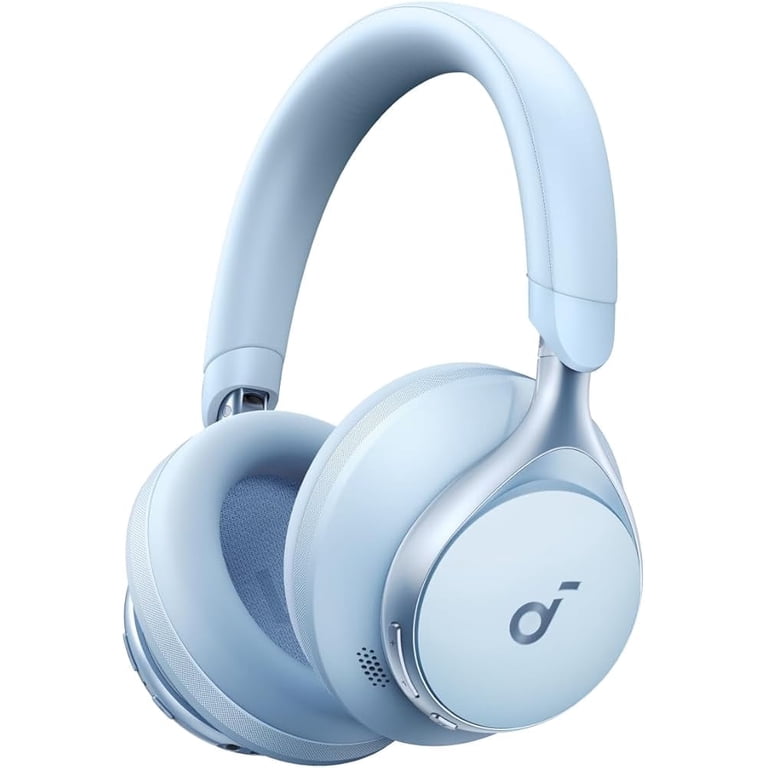
The Anker Soundcore Space One delivers near-premium noise cancelling for around $100, with adaptive ANC that reduces up to 98% of low-frequency noise (per Anker's data) and respectable sound quality via Hi-Res LDAC. It also has a very comfortable fit and a 44-hour battery, but the ANC isn't as refined as premium rivals, and the build feels slightly plasticky.
Main limitation: The plastic hinge creaks after a few months, and the ANC struggles with sudden mid-range sounds like human chatter.
Skip if: If you rely on ANC to block crying babies or loud voices, we'd recommend stepping up to the Sony WH-CH720N or spending more for a premium pair.
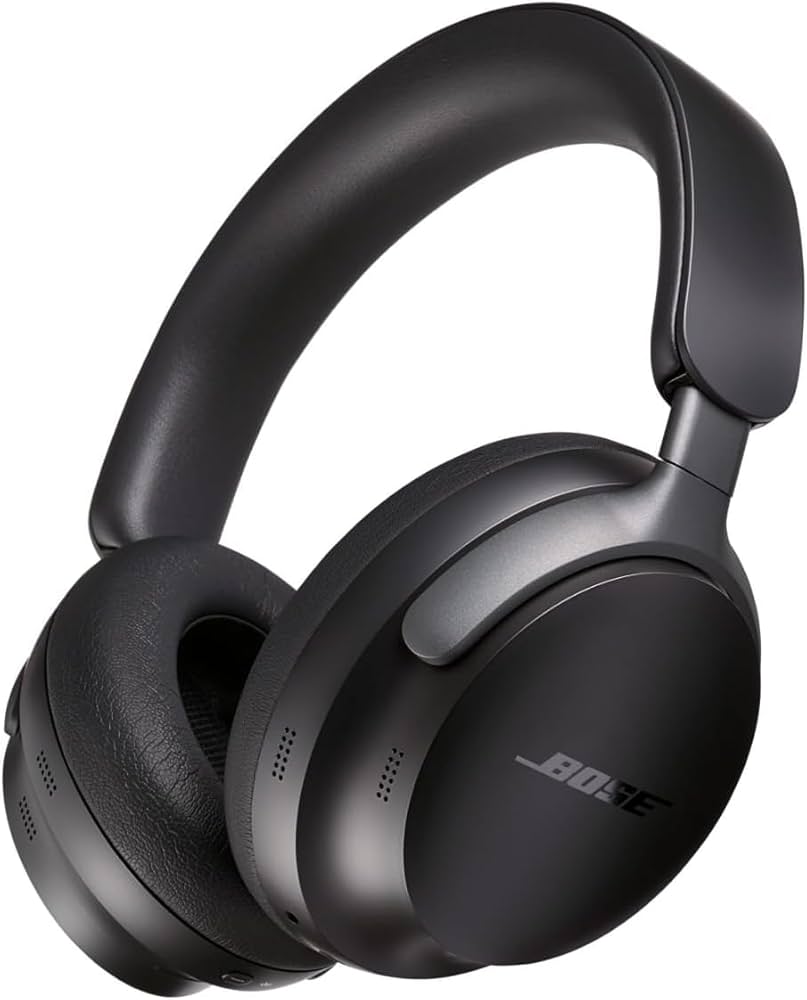
The Bose QC Ultra remains the gold standard for noise cancellation that reacts in real time, and its new custom spatial audio processing makes music feel more spacious than any other pair we've researched. The redesigned earcups are plush, and the battery life stretches to 24 hours, but the headphones are expensive and the spatial audio soundtrack support is still limited to certain streaming apps.
Main limitation: There's no headphone jack, and the proprietary USB-C cable needed for high-res audio isn't included.
Skip if: If you primarily listen to podcasts and want a folding design for travel, the Bose QC 45 is a better buy at a much lower price.
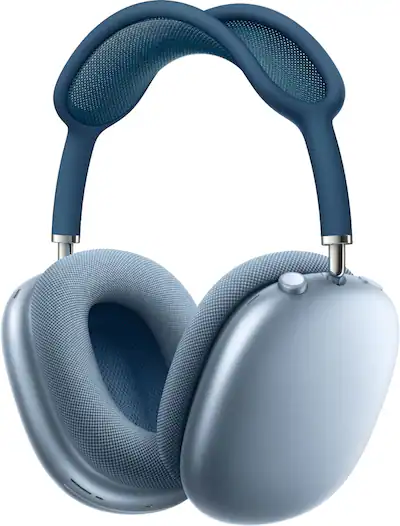
For Apple users, the AirPods Max offer seamless integration with iPhones, iPads, and Macs, including one-tap pairing, auto-switching, and spatial audio with dynamic head tracking. The build is aluminum-and-mesh luxury and the ANC is strong, but the smart case is awkward and the Lightning port (not USB-C) is dated.
Main limitation: The smart case offers minimal protection and the headphones don't fold, making them unusually bulky for travel; battery life is also just 20 hours.
Skip if: If you don't live in the Apple ecosystem, you'll be paying a huge premium for features you'll never use – get the Sony XM5 instead.
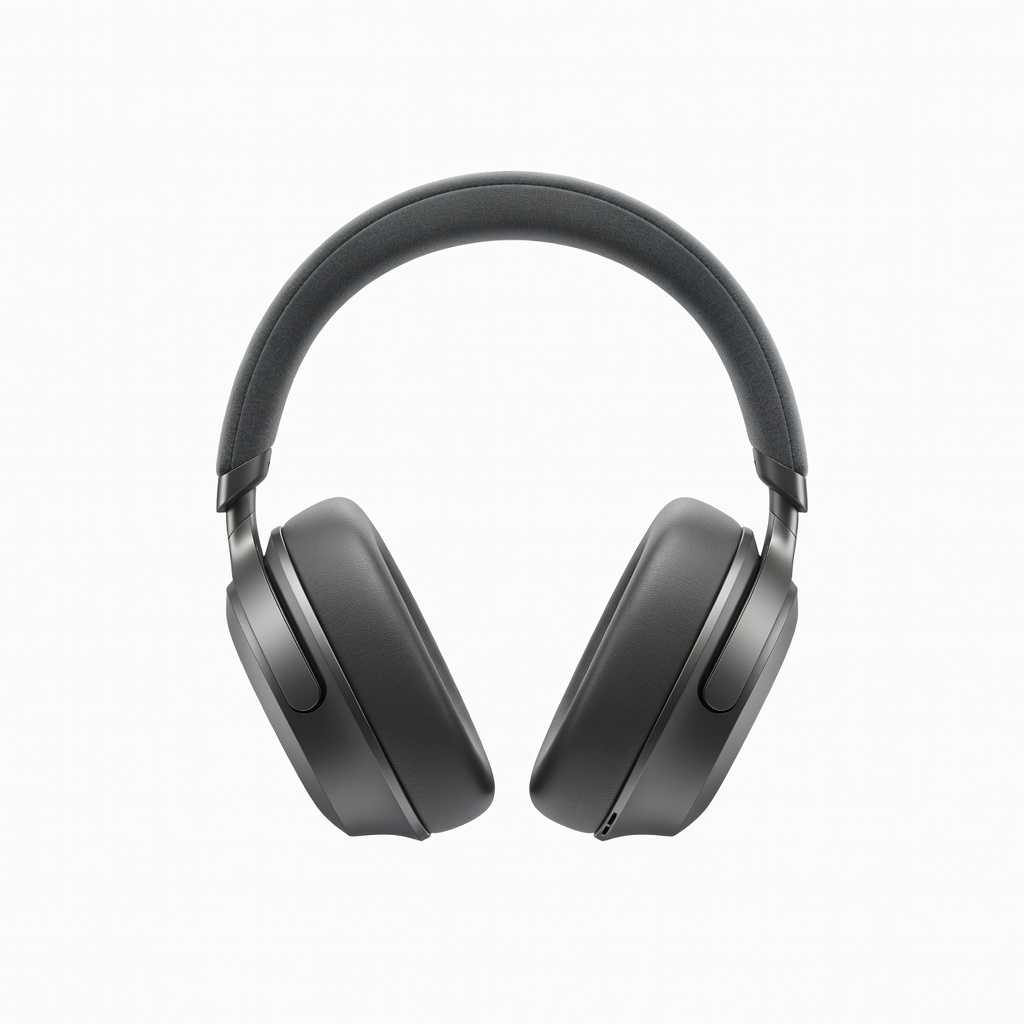
The Sennheiser Momentum 4 delivers an astonishing 60 hours of playback on a single charge – two to three times its rivals – while keeping a very comfortable, understated design and strong ANC that improves on its predecessor. It also supports aptX Adaptive for high-quality streaming, but the touch controls are hidden under the right earcup and the overall sound signature is warmer than class-leading rivals.
Main limitation: The ANC is slightly less aggressive than Sony's, and the headphone doesn't remember the last-used sound mode after restart.
Skip if: If you need the absolute best noise cancellation and don't care about battery life, the Bose QC Ultra is a stronger choice.
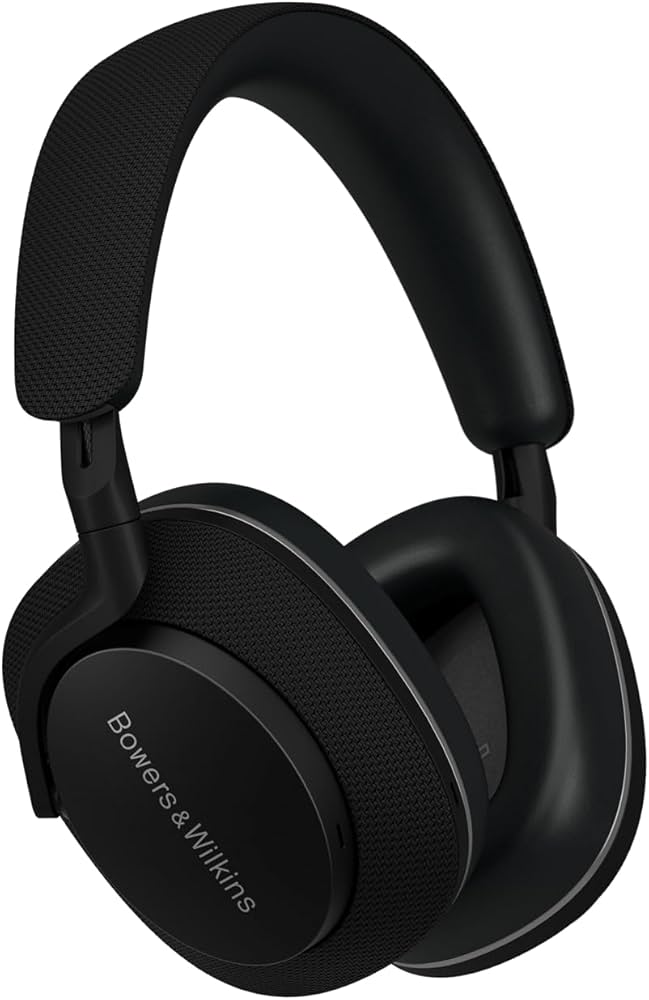
The Px7 S2e is a refined update to the acclaimed Px7 S2, with improved sound staging and incredibly clear treble that reveals detail missing from most ANC headphones. It's also one of the most comfortable pairs for long sessions, but the ANC is honestly mediocre compared to Sony and Bose, and the price is high.
Main limitation: ANC performance is noticeably weaker than the Sony XM5 and Bose QC Ultra, letting in more ambient noise in loud environments.
Skip if: If you work in a noisy open-office or travel frequently, skip these – they prioritize musical fidelity over total silence.
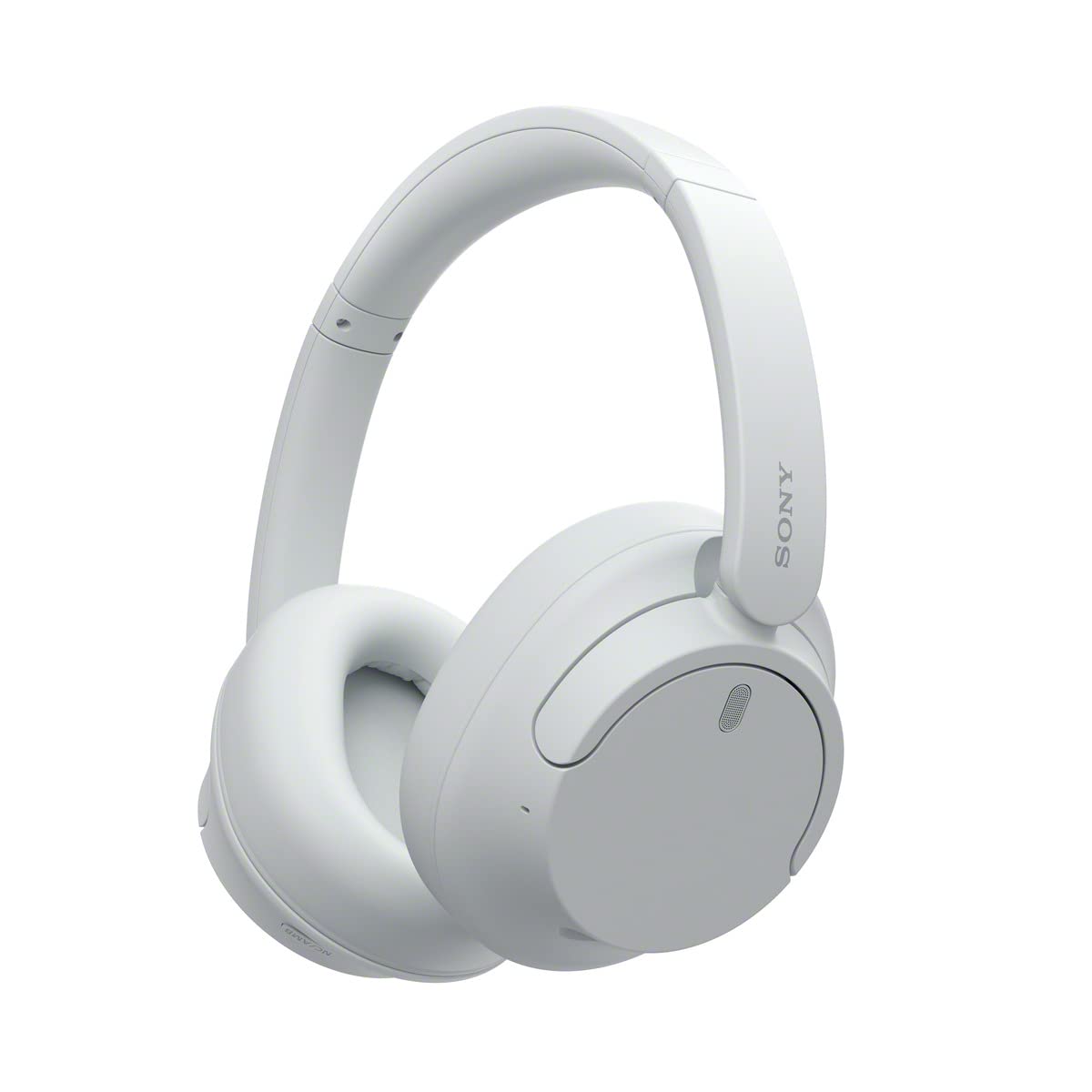
The Sony WH-CH720N is a featherlight 192-gram headphone that brings many of the flagship XM5 software tricks to a sub-$150 price, including strong ANC and a long 35-hour battery. It won't match its premium sibling in sound quality or build, but for commuters it's a fantastic bargain.
Main limitation: The plastic body feels flimsy and the earpads are breathable but not as plush as the XM5's, and there's no multipoint Bluetooth.
Skip if: If you wear headphones for 8+ hours a day, you'll want more comfortable earpads – look to the Anker Space One or stretch your budget to the XM4.
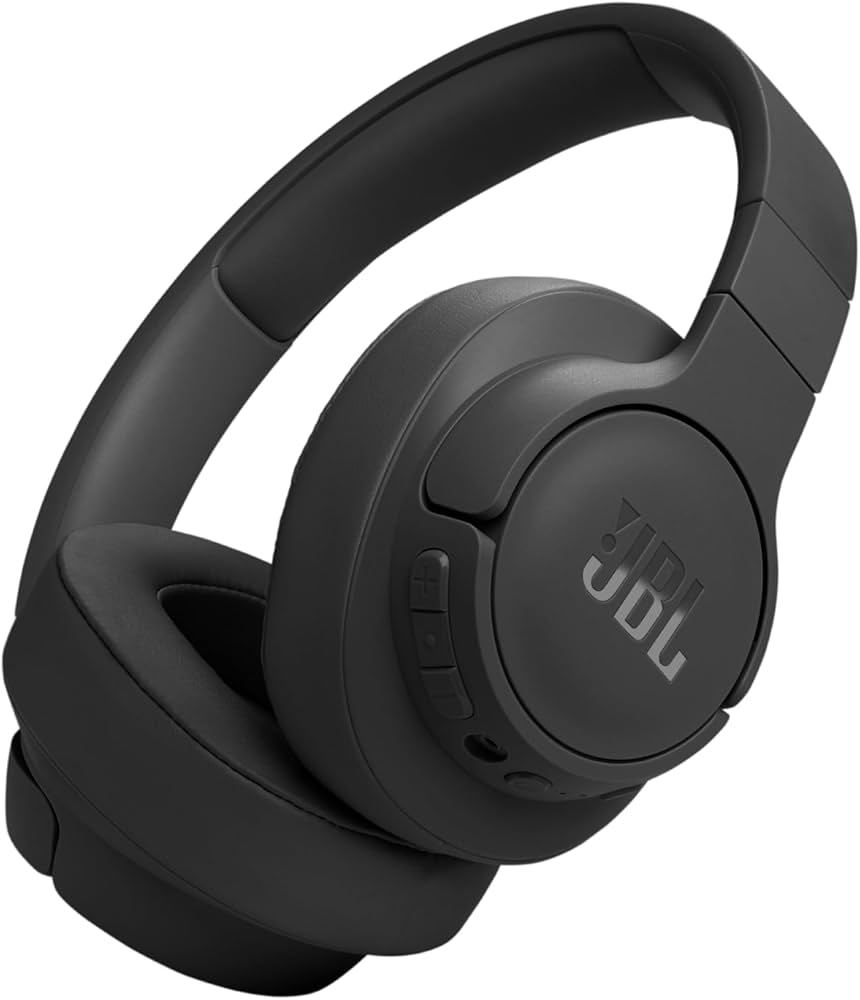
The JBL Tune 770NC pumps out punchy, deep bass that fans of hip-hop and EDM will love, and it does so with a 44-hour battery and adaptive ANC that blocks out low-frequency rumble effectively. It's not the most detailed sound, and the ANC is less effective at cutting voice frequencies, but for $130 it's a solid performer.
Main limitation: The ANC is weak on mid-range sounds like conversations, and the plastic build feels light and flexible.
Skip if: If you listen to live recordings or classical music, the recessed mids won't satisfy; choose the Sennheiser Momentum 4 or the B&W if you want more balance.
Compare key specs and features of all our recommendations side-by-side
| Product | Recommendation | Rating | Price |
|---|---|---|---|
Sony WH-1000XM5 Wireless Noise Cancelling Headphones Rank #1 | 🏆 Top Pick | 9.3/10 | $399–$450 Check current price → |
Anker Soundcore Space One Bluetooth Headphones Rank #2 | 💰 Budget Pick | 8.2/10 | $99–$120 Check current price → |
Bose QuietComfort Ultra Wireless Headphones Rank #3 | ⭐ Editor's Choice | 8.8/10 | $429–$479 Check current price → |
Apple AirPods Max (Lightning version) Rank #4 | — | 8.5/10 | $549–$599 Check current price → |
Sennheiser MOMENTUM 4 Wireless Headphones Rank #5 | — | 8.4/10 | $379–$399 Check current price → |
Bowers & Wilkins Px7 S2e Wireless Headphones Rank #6 | — | 8.0/10 | $399–$549 Check current price → |
Sony WH-CH720N Wireless Noise Cancelling Headphones Rank #7 | — | 7.8/10 | $149–$199 Check current price → |
JBL Tune 770NC Wireless Noise Cancelling Headphones Rank #8 | — | 7.6/10 | $129–$149 Check current price → |
Common questions buyers have about this category.
Active noise cancelling (ANC) uses microphones to sample ambient noise and produce phase-inverted sound waves to cancel it, usually most effective at low frequencies. Passive noise isolation relies on physical materials like thick earpads and sealed earcups to block high-frequency sounds. Most over-ear headphones provide some passive isolation, but ANC is needed for constant droning environments like airplanes or train cabins.
Yes, ANC headphones are generally safe for extended use, but you should be aware of your surroundings. They aren't a hearing protection device and you'll still hear some ambient sound unless you're playing music. Some people find ANC disorienting due to the pressure effect, but this typically fades within a few sessions. Take breaks every hour or two to avoid ear fatigue.
You can get good ANC for as little as $100 from brands like Anker, but the sweet spot is around $250 to $400 for models from Sony, Bose, and Sennheiser with significantly better cancellation, comfort, and sound. Over $500, you're paying increasingly for premium materials and features like spatial audio or high-res DACs that may not matter for average listeners.
LDAC and aptX Adaptive support higher-resolution streaming over Bluetooth, which can make a subtle difference in detail if you're listening to lossless files. In practice, most listeners won't notice the difference on a noisy commute, and even with standard AAC or SBC, good hardware still sounds great. If you're a serious audiophile, you'll also need a wired connection.
Yes, but you should look for pairs with multiple microphones and dedicated noise reduction algorithms for voice pickup. In our research, the Sony XM5 and Bose QC Ultra have excellent call quality, while budget models often let more background noise through. We recommend checking rtings's microphone tests or user feedback about call clarity before buying.
Over-ear headphones typically have more physical isolation and can cancel more low-frequency noise, but they are bulkier. Earbuds like AirPods Pro 2 or the Sony WF-1000XM5 can now cancel a lot of noise too, but they rely on a tight seal in your ear canal, which matters more. For maximum noise cancellation in a completely sealed environment, over-ears are still the choice, but for portability and comfort in a hot climate, earbuds are easier.
If you use hearing aids, you'll want to avoid headphones that put pressure on the ear canal and instead choose over-ear models with generous earpads that sit around the ear. Many modern ANC headphones can work with hearing aids via Bluetooth, but you should verify compatibility and try them on if possible. We'd recommend contacting your audiologist for specific advice.
Products we evaluated but did not recommend — and why.
