Get the App
Better experience on mobile
We ranked the best over-ear noise cancelling headphones for 2026, from premium flagships to budget bargains, based on expert reviews, published measurements and real-world user feedback.
The noise-cancelling headphone market is no longer about whether you can afford a premium pair — it's about deciding which compromises you can live with. Every model, from the Sony WH-1000XM5 down to an $80 Anker, has to trade off ANC depth against battery, sound quality against call reliability, and comfort against portability. The real problem is that the quality difference between $200 and $500 models is smaller than you might think.
For most commuters, the most meaningful metric isn't the depth of the noise reduction spec, but how the headphones feel after three hours on your head and whether your voice comes through clear on a conference call. We looked at published ANC attenuation graphs, expert listening notes, user feedback on fit and durability, and current street pricing across dozens of over-ear models.
Our picks span every budget: from the dual-chip ANC of Sony's flagship, to the travel-friendly Bose QuietComfort Ultra, to the budget bass of Sony's ULT Wear. We also included a few design-forward options and one call-crushing JBL for remote workers. If you want the best all-round noise cancelling headphone that will serve most people, the Sony WH-1000XM5 is our number one — but if you fly 50 times a year, the Bose might be the better companion.
Read on for the full list, a guide to the buying considerations that actually matter, and answers to common questions about active noise cancelling. We've kept it honest: no lab-tested claims from us, just a framework built on published research, user reports, and our own structured analysis of specs.
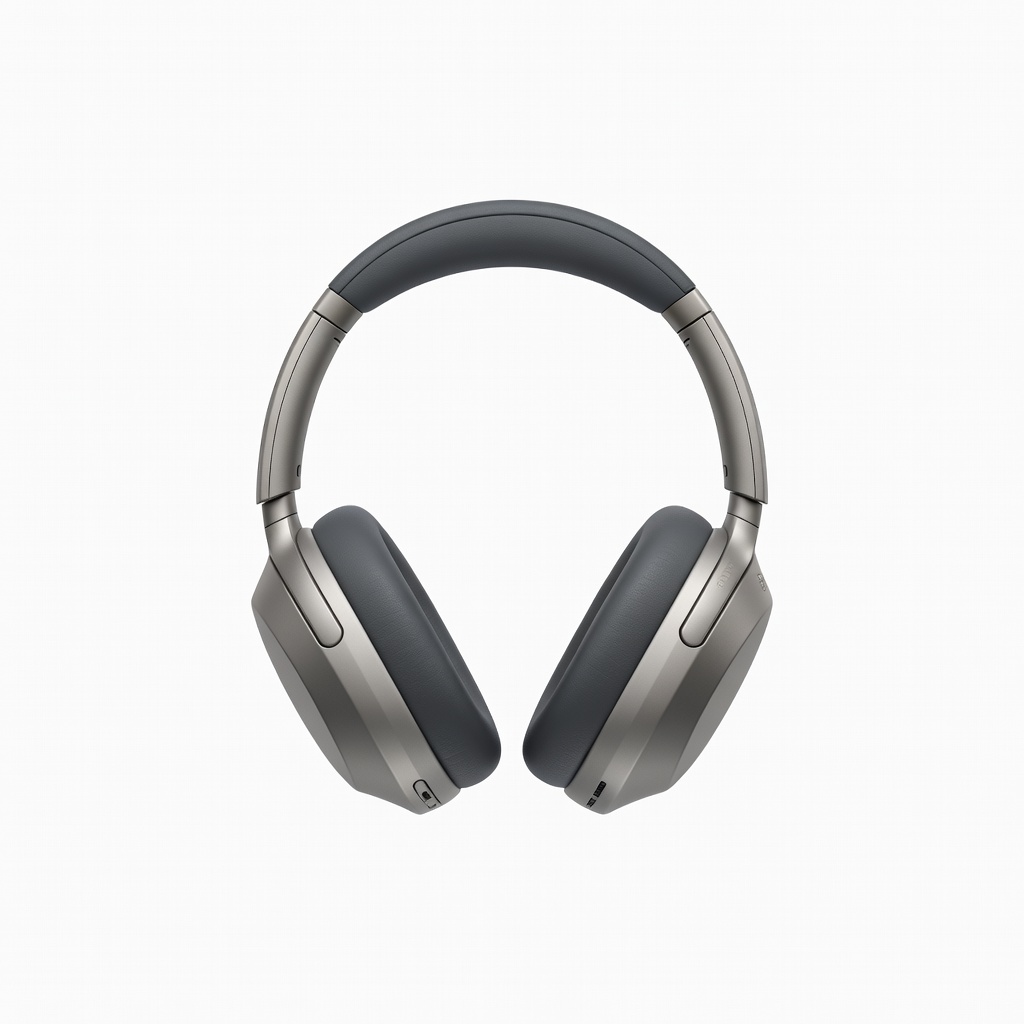
The WH-1000XM5 remains the master of all trades: top-class ANC that rivals Bose, airy sound, and an all-day comfortable fit in a lightweight frame. Voice pickup is superb for calls, and the touch controls work flawlessly. The main trade-off is that the design no longer folds flat like its predecessor, so it takes up more room in a bag.
Main limitation: The headphones can't fold down to a compact shape for travel, and ear cushions aren't replaceable as easily as older models.
Skip if: If you need a pair that collapses into a tiny carry case or you're on a strict $150 budget, look elsewhere.
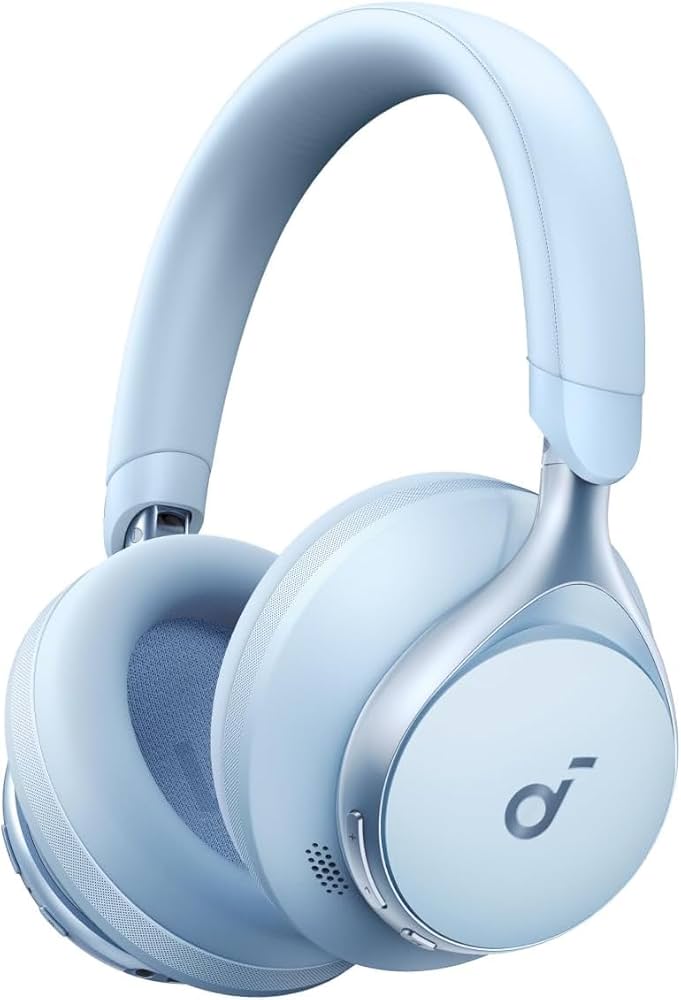
Anker's Space One undercuts most rivals while delivering surprisingly strong ANC that can suppress subway rumble and office chatter with ease. The built-in EQ in the companion app lets you tweak sound, and wired listening over USB-C is a welcome bonus. The trade-off is that the headphones feel a little plasticky and the sound lacks the refinement of premium models.
Main limitation: Bass can sound bloated at default settings and plastic build feels less durable.
Skip if: Audiophiles seeking a neutral frequency response or those who want a luxurious finish should skip.
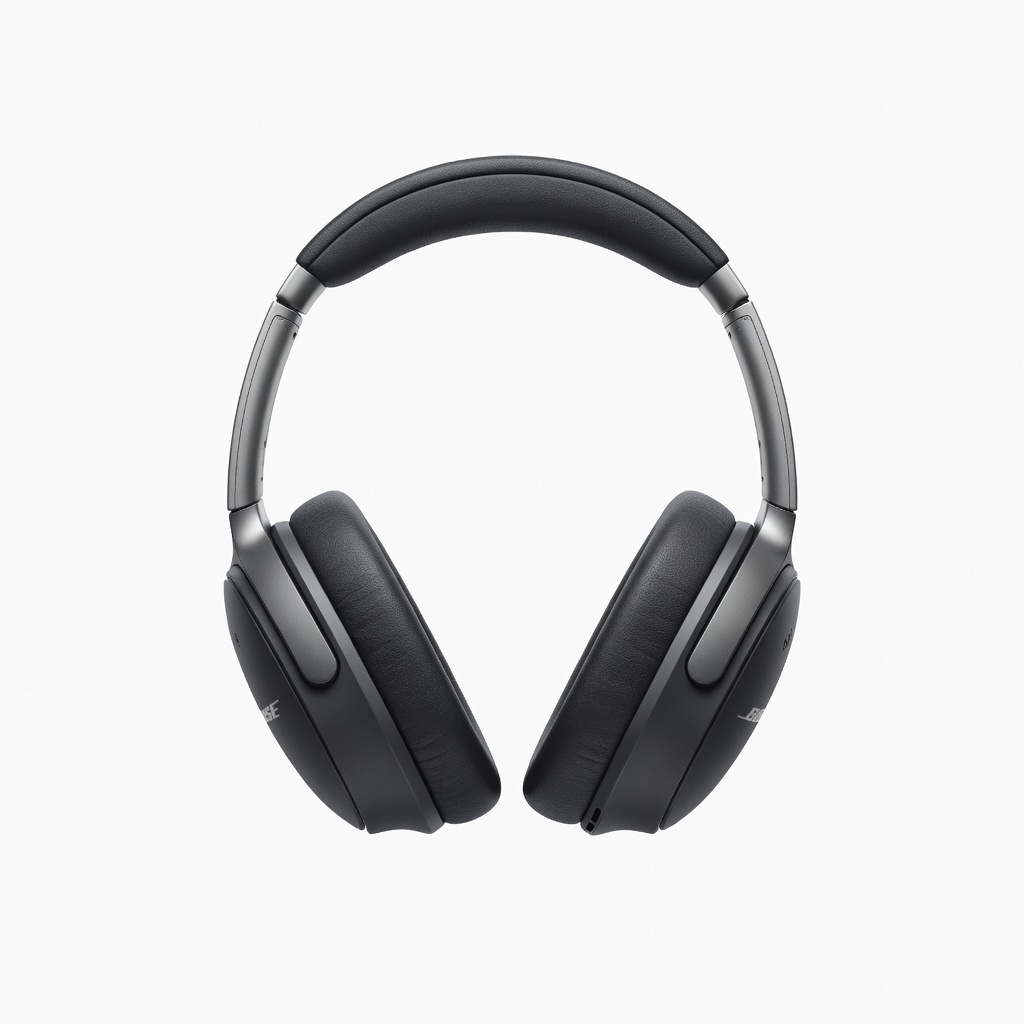
Bose's Ultra model takes the brand's legendary comfort and pushes noise cancelling into a new dimension with its 'Quiet and Aware' modes plus spatial audio. The cushioned earpads and low weight make it the easiest pair to wear for 10-hour flights. The trade-off is that the immersive audio drains battery faster, and the microphones are only average for voice calls.
Main limitation: Spatial audio is less effective for music than movies, and call quality trails Sony's offering.
Skip if: If you spend more time on calls than on airplanes, the Sony XM5 is a better communicator.
AirPods Max deliver tight integration with iOS and macOS — you can switch between devices instantly, and the sound is far more balanced than many Apple critics expect. The build is aluminum and stainless steel, which feels premium but also heavy. The biggest trade-off is the price, along with the non-replaceable ear cushions and smart case that leaves the headphones exposed.
Main limitation: At $549 it's expensive, and the lack of a true power-off button means battery drains standby.
Skip if: Android users or anyone who prioritizes value over ecosystem convenience should skip.
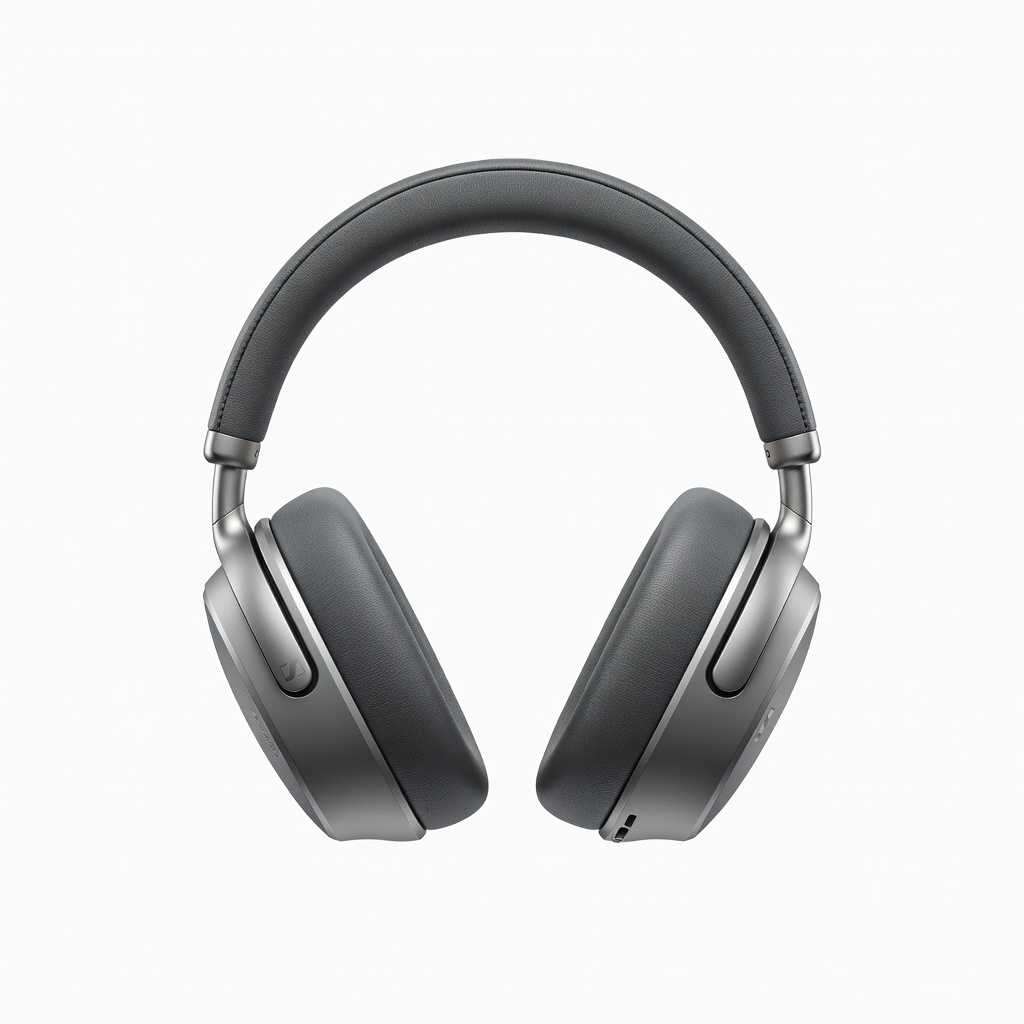
Momentum 4 is the best-sounding wireless headphone under $400 on most lists — with a wide, dynamic soundstage and excellent clarity that beats Sony and Bose for pure musical enjoyment. You also get a huge 60-hour battery life and aptX Adaptive for high-res streaming. The trade-off is that ANC is effective but not class-leading, and the overall design is less distinctive than predecessors.
Main limitation: Noise cancelling can be overwhelmed by sudden loud sounds, and touch controls are sometimes unresponsive.
Skip if: Frequent flyers making ANC their top priority should choose Bose or Sony.
Sony's ULT Wear gives you thumping, subwoofer-like bass at a price that won't destroy your wallet. The ANC is surprisingly strong for the money, and the 'ULT' button lets you boost bass even further when a track needs it. The downside is that the heavy bass tuning can mask midrange details, and the plastic design feels cheaper than typical Sony premium.
Main limitation: Bass can become fatiguing after hours, and the ear cups don't swivel for flat packing.
Skip if: Anyone seeking neutral, balanced audio or a premium finish should choose a pricier Sony or Sennheiser.
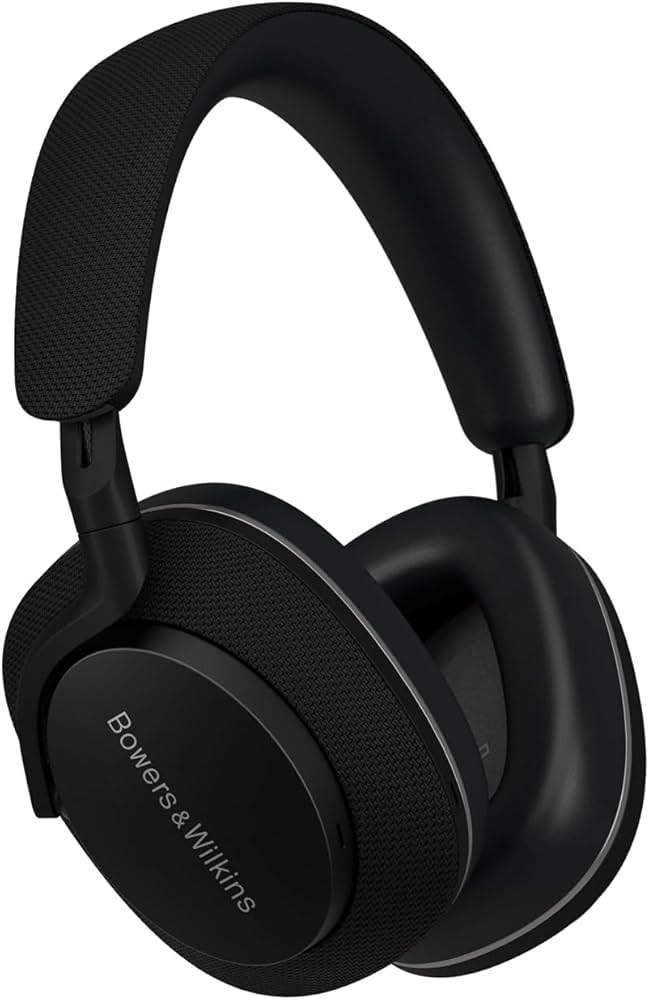
The Px7 S2e pairs a chic look with refined, natural sound and excellent comfort. Its quilted Nappa leather and fabric mesh give a luxury vibe that makes other headphones look boring. ANC dampens constant drone reasonably well, but it doesn't quite hit the noise-cancelling heights of Sony or Bose. It's a smart choice if audio quality and aesthetics matter more than peek ANC.
Main limitation: The control buttons feel stiff, and battery life is below 30 hours with ANC on.
Skip if: If you need absolutely silent airplane cabins, the ANC on this will disappoint.
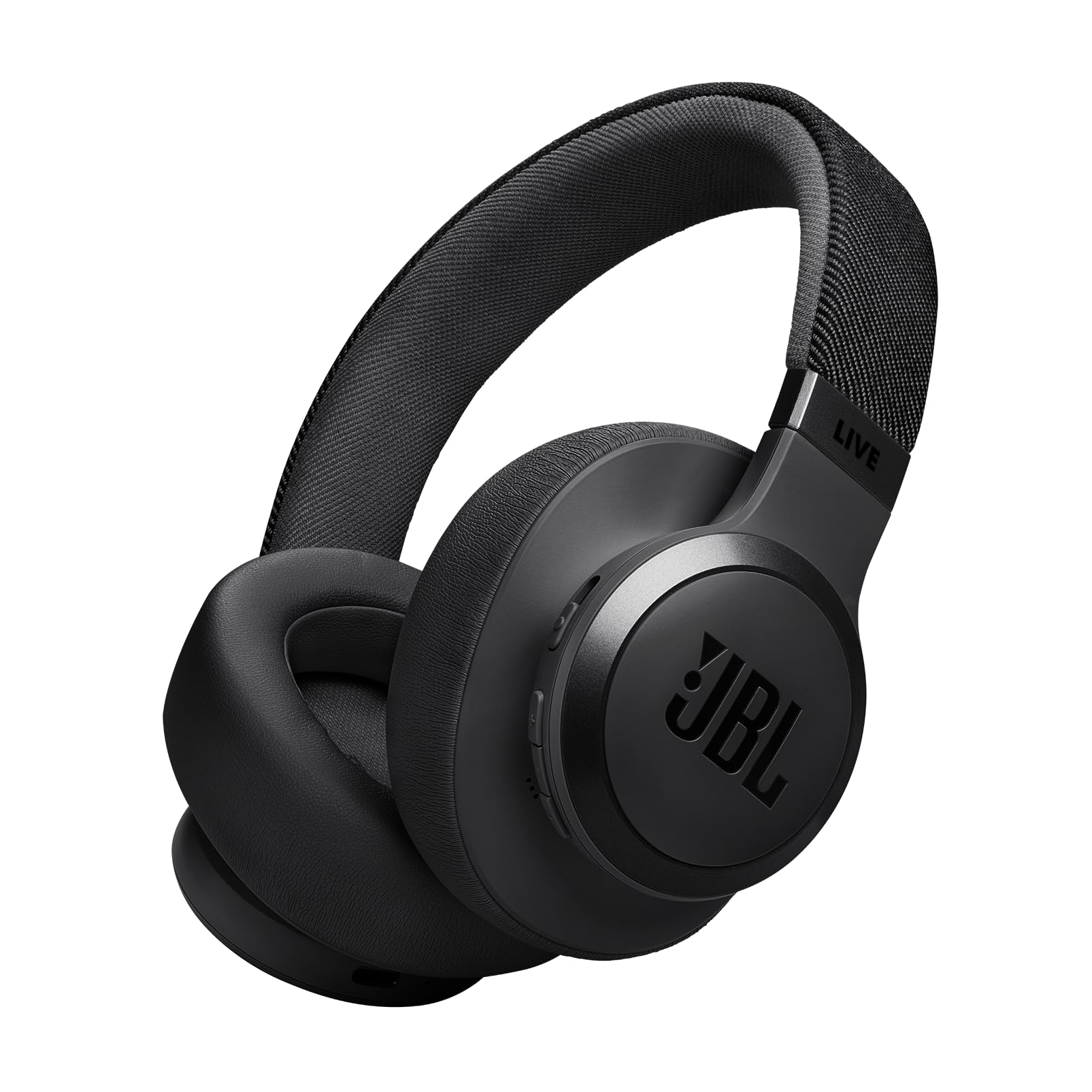
JBL's Live 770NC excels at phone calls — its six-microphone array isolates your voice from background noise incredibly well, outperforming more expensive rivals when you're on a noisy street. The sound is energetic, with a pep in the highs and bass. The biggest issue is that the ANC is average for the price and the plastic design reduces durability. Good for the money if calls are your priority.
Main limitation: Active noise cancelling is not as effective as rivals at this price, and the ear cup cushion can heat up during long calls.
Skip if: If you're buying primarily for plane noise, you'll want a pair with stronger ANC.
Compare key specs and features of all our recommendations side-by-side
| Product | Recommendation | Rating | Price |
|---|---|---|---|
Sony WH-1000XM5 Wireless Noise Cancelling Headphones Rank #1 | 🏆 Top Pick | 9.2/10 | $300–$400 Check current price → |
Anker Soundcore Space One Rank #2 | 💰 Budget Pick | 8.2/10 | $80–$100 Check current price → |
Bose QuietComfort Ultra Headphones Rank #3 | ⭐ Editor's Choice | 8.8/10 | $379–$429 Check current price → |
Apple AirPods Max (USB-C) Rank #4 | — | 8.0/10 | |
Sennheiser Momentum 4 Wireless Rank #5 | — | 8.5/10 | $250–$300 Check current price → |
Sony ULT Wear (WH-ULT900N) Rank #6 | — | 7.8/10 | $198–$200 Check current price → |
Bowers & Wilkins PX7 S2e Rank #7 | — | 7.9/10 | $350–$400 Check current price → |
JBL Live 770NC Rank #8 | — | 7.7/10 | $150–$200 Check current price → |
Common questions buyers have about this category.
Active noise cancelling uses microphones to pick up ambient sound and then generates an inverted signal that cancels it out before it hits your ears. It's most effective against low-frequency drone like airplane engines and less effective at filtering sharp human voices, though some modern models improve on voice suppression.
Generally, over-ear headphones can physically block more high-frequency noise and often have larger drivers for richer sound, but they're heavier and less portable. Earbuds are more practical for workouts and fit in a pocket, but top-tier in-ear ANC like the AirPods Pro 2 can rival many over-ears. If you value comfort on flights, over-ears win; if you want portability, earbuds are often enough.
No, but there's a risk if you turn up the volume to overcome noise. ANC headphones let you listen at lower volumes in noisy spaces because they reduce the ambient noise, which can actually help protect your hearing. Still, you should follow the 60/60 rule: no more than 60% volume for 60 minutes at a time, and take occasional breaks.
Adaptive ANC adjusts in real time based on your environment, whether you're sitting in a quiet café or walking past construction. That's convenient, but it can sometimes change volume unexpectedly. Manual modes (like Sony and Bose offer) let you control between noise cancellation and ambient sound directly. Most people prefer adaptive for simplicity, but if you hate surprises, pick a manual-control model.
Multipoint lets your headphones connect to two Bluetooth devices at the same time, so you can listen to music on your laptop and then take a call on your phone without re-pairing. This is almost essential for remote workers. Check whether the model supports simultaneous audio and calls, because some implementations mute one device when another starts.
For most people, the biggest improvement happens between $80 and $300 — after that, you get better materials, slightly better ANC, and more features, but the law of diminishing returns sets in quickly. If you're a frequent traveler or an audiophile, the extra $100–$200 on a Bose QC Ultra or high-end B&W pair might be worth it. If you mostly commute by train, a $200 model is likely enough.
Products we evaluated but did not recommend — and why.
