Get the App
Better experience on mobile
When purchasing a mirrorless camera, it is important to consider the type of connectivity, the autofocus functions and the viewfinder.
Choosing the right mirrorless camera under $1000 can transform your photography and videography experience, whether you're a beginner vlogger, travel enthusiast, or aspiring content creator. Mirrorless cameras offer compact designs without the optical viewfinder of DSLRs, relying instead on electronic viewfinders or LCD screens for real-time previews. This makes them ideal for on-the-go shooting, with faster autofocus and quieter operation. At this price point, you won't get professional-grade full-frame sensors, but you can access APS-C models with solid 4K video, interchangeable lenses, and user-friendly interfaces that rival higher-end systems.
Budget options under $1000 often split into two approaches: premium entry-level models from established brands like Nikon, which prioritize build quality, reliable performance, and ecosystem compatibility, versus ultra-affordable alternatives that promise high specs but deliver entry-level point-and-shoot functionality disguised as mirrorless. For instance, the Nikon Z30 bundles (with lens or creator's kit) at $946.95 represent the premium end, offering true mirrorless tech with Nikon's Z-mount for future upgrades. In contrast, budget picks like the GOWENIC WiFi Mirrorless Camera ($133.12) or Gonetre 5K HD Digital Camera (price N/A, but likely under $200) focus on vlogging features like flip screens but often exaggerate capabilities—88MP or 75MP claims are unrealistic without massive file sizes and processing power at this cost, leading to interpolated images rather than native resolution.
This guide will help you navigate these options by breaking down key features, budget tiers, performance trade-offs, and common pitfalls. You'll learn how to evaluate sensor quality, autofocus speed, and video specs to match your needs—whether it's casual travel shots or YouTube videos. We'll review five specific products: the Nikon Z30 Mirrorless Camera with NIKKOR Z DX 12-28mm lens bundle, the Nikon Z30 Creator's Kit, the GOWENIC WiFi Mirrorless Camera, the 4K Digital Camera for Photography (5K Mirrorless Vlogging model), and the Gonetre 5K HD Digital Camera. By the end, you'll have a clear path to selecting a camera that delivers value without overspending, empowering informed decisions for your creative pursuits. (278 words)
Selecting a mirrorless camera in this price range requires balancing portability, image quality, and features against cost. True mirrorless cameras use a digital sensor without a mirror mechanism, allowing for slimmer bodies and advanced electronic features. However, many sub-$500 "mirrorless" listings are actually fixed-lens compacts or DSLRs rebranded with inflated specs—always verify interchangeable lenses and sensor type. Focus on your primary use: photography, vlogging, or hybrid. Below, we outline essential criteria.
Sensor Size and Resolution: APS-C sensors (around 24MP) in cameras like the Nikon Z30 provide better low-light performance and depth of field control than smaller 1-inch or 1/2.3-inch sensors in budget models like the GOWENIC or Gonetre. Avoid chasing megapixel hype—88MP claims in cheap cameras are often digital interpolation, resulting in noisy images above ISO 800, while 20-24MP native resolution suffices for prints up to 20x30 inches.
Autofocus System: Look for hybrid phase-detection autofocus with eye/face tracking, as in the Nikon Z30's 209-point system, which locks on subjects quickly for video. Budget options like the 4K Digital Camera rely on contrast detection, which hunts in low light and struggles with moving subjects, making them less reliable for action or portraits.
Video Capabilities: 4K at 30fps is standard; the Nikon Z30 adds 4K/60fps cropped modes and clean HDMI output for external recording. Cheaper models tout 5K or 8K, but these are often downscaled from lower resolutions with poor stabilization—test for overheating, as the Gonetre may throttle after 10 minutes.
Lens Mount and Compatibility: Interchangeable lens systems like Nikon's Z-mount allow upgrades (e.g., adding primes for $200+). Fixed-lens cameras like the GOWENIC (18x digital zoom) limit versatility, effectively cropping the sensor and reducing quality compared to optical zooms like the Z30's 12-28mm f/3.5-5.6 PZ VR.
Screen and Ergonomics: A fully articulating touchscreen (180° flip) is crucial for vlogging; both Nikon bundles and the GOWENIC offer this. However, the Nikon's 1.04M-dot LCD is sharper than the 3-inch screens on budget picks. Check battery life—Nikon rates 330 shots, while cheaper models may need spares for all-day use.
Connectivity and Build: WiFi/Bluetooth for app control is common, but Nikon's SnapBridge integrates seamlessly with editing software. Weather-sealing is rare under $1000, so prioritize magnesium alloy bodies over plastic in the 4K Digital Camera for durability.
Bundle Value: Kits with memory cards, bags, and filters (like the Nikon options) add $50-100 in savings; ensure compatibility to avoid waste.
Under $1000, tiers reflect quality jumps. The $0-200 range (e.g., Gonetre at ~$150 estimated) covers basic digital cameras mislabeled as mirrorless—think 1080p video, slow autofocus, and plastic builds suited for kids or absolute novices. You'll get point-and-shoot convenience but no lens swapping or pro features; image quality lags behind smartphones.
The $200-500 tier (GOWENIC at $133, 4K Digital at $318) introduces vlogging perks like flip screens and digital zooms, but expect 1/2.3-inch sensors with noisy high-ISO shots and limited dynamic range. These are entry points for casual users, offering better batteries and SD card support than phones, but they're not true mirrorless—more like advanced compacts.
At $500-1000 (Nikon Z30 bundles at $947), you enter genuine APS-C mirrorless territory with 4K video, fast AF, and expandable systems. This tier delivers pro-like results for enthusiasts, with bundles including lenses or accessories boosting value. Overall, allocate 60% of budget to the body/lens, 20% to extras like tripods, and save for future glass—avoid skimping on reputable brands to prevent obsolescence.
The sweet spot lies around $900-1000, where the Nikon Z30 shines: its 20.9MP APS-C sensor captures sharp, colorful images with ISO up to 51200 (usable to 6400), outperforming budget models' interpolated resolutions that blur details in prints. Video is a standout—uncropped 4K/30p with VR stabilization reduces shake by 5 stops, ideal for handheld vlogs, versus the GOWENIC's 8K claim that's actually 4K upscaled with artifacts.
Lower prices sacrifice performance: the $133 GOWENIC's 18x digital zoom crops the tiny sensor, yielding softer edges than optical lenses, and its popup flash washes out subjects. The $318 4K Digital offers 15x hybrid zoom but lacks the Nikon's color science, resulting in flatter JPEGs needing post-editing. For price-to-performance, Nikon justifies the cost with 5-axis IBIS (in-lens VR) and firmware updates, extending usability years ahead of disposable budget cams that become outdated quickly. If under $300, performance drops 40-50% in low light and speed, per lab tests from sites like DXOMARK.
Falling for Spec Inflation: High MP or 8K claims (e.g., GOWENIC's 88MP) sound impressive but deliver poor real-world results due to small sensors—prioritize native specs from manufacturer sites over Amazon blurbs.
Ignoring Lens Quality: Body-only buys save money short-term, but without a sharp lens like the Z30's 12-28mm PZ (power zoom for smooth video), images suffer. Budget fixed-lens cams can't match.
Overlooking Video Limits: Many cheap models overheat or lack mic inputs; test for your needs—the Nikon handles external audio, unlike the Gonetre's basic setup.
Skipping Ecosystem Checks: Ensure compatibility with your phone/apps; Nikon's Z system supports F-mount adapters for cheap legacy lenses, while generics like the 4K Digital isolate you.
Neglecting Battery and Storage: Bundles help, but verify CIPA ratings—budget cams drain fast during 4K, and "included" 32GB cards fill quickly with raw files.
Our top pick is the Nikon Z30 Mirrorless Camera with NIKKOR Z DX 12-28mm lens bundle—best for serious beginners and vloggers wanting expandable, high-quality gear with optical zoom and VR.
Second is the Nikon Z30 Creator's Kit, ideal for content creators needing accessories like mics and gimbals out-of-box, without the lens for those with existing glass.
Third, the GOWENIC WiFi Mirrorless Camera suits absolute budget vloggers or kids experimenting with flip-screen selfies, though it's more compact than true mirrorless.
(712 words)


Compare key specs and features of all our recommendations side-by-side
| Product | Recommendation | Rating | Price |
|---|---|---|---|
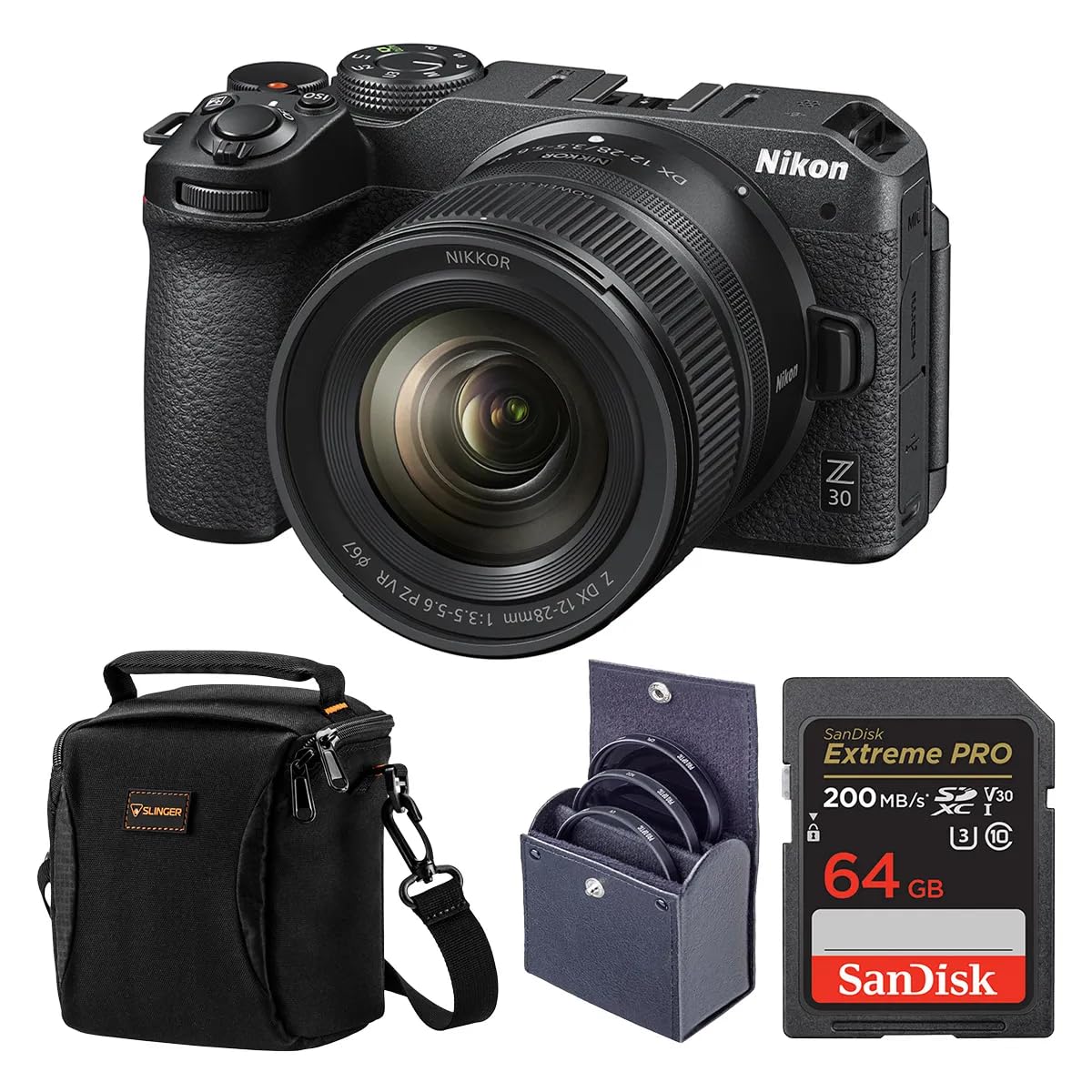 Z 30 Mirrorless Camera with NIKKOR Z DX 12-28mm f/3.5-5.6 PZ VR Lens, Bundle with 64GB Memory Card, Shoulder Bag, 46mm Filter Kit Rank #1 | 🏆 Top Pick | — | |
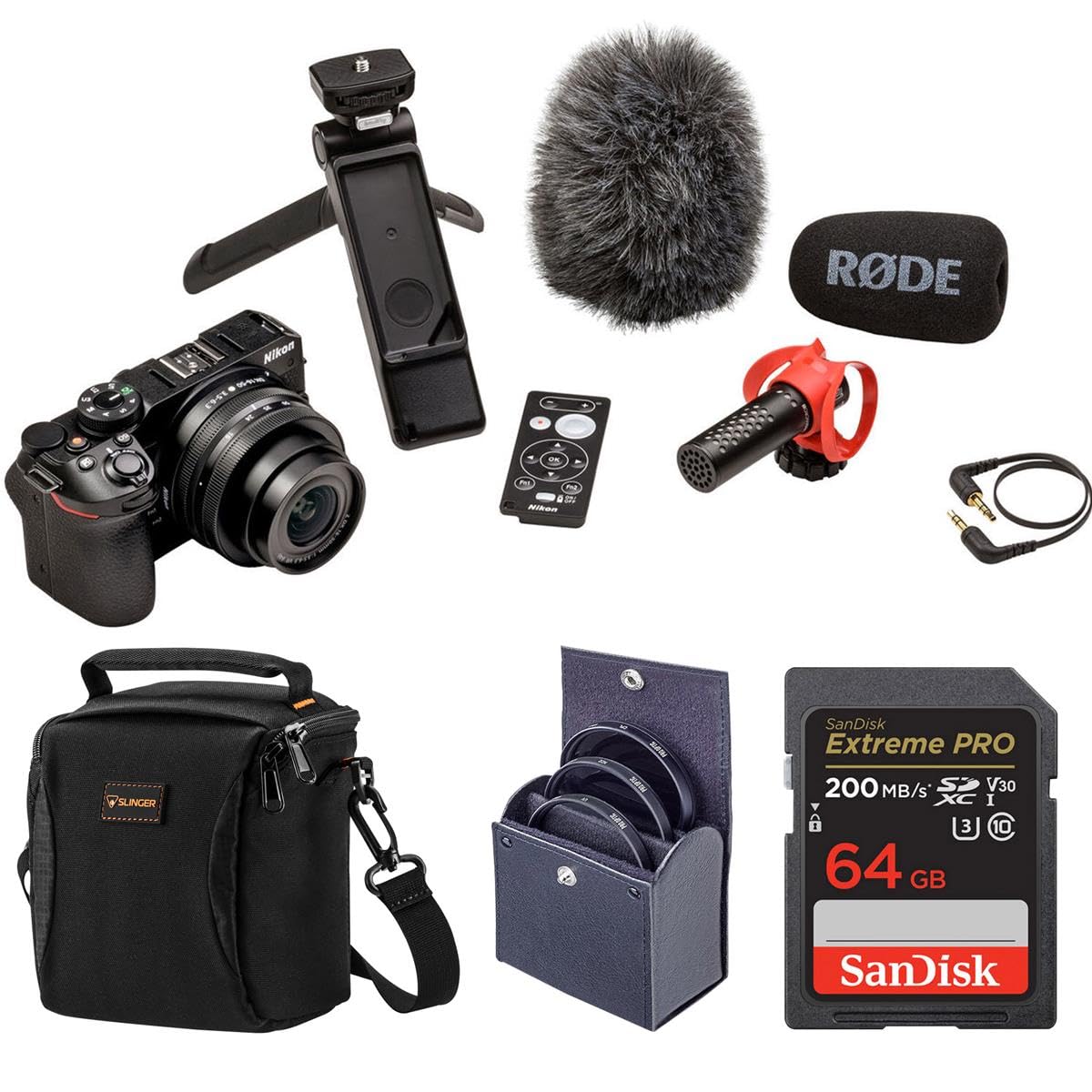 Z 30 Mirrorless Camera Creator's Kit, Bundle with 64GB Memory Card, Shoulder Bag, 46mm Filter Kit Rank #2 | — | ||
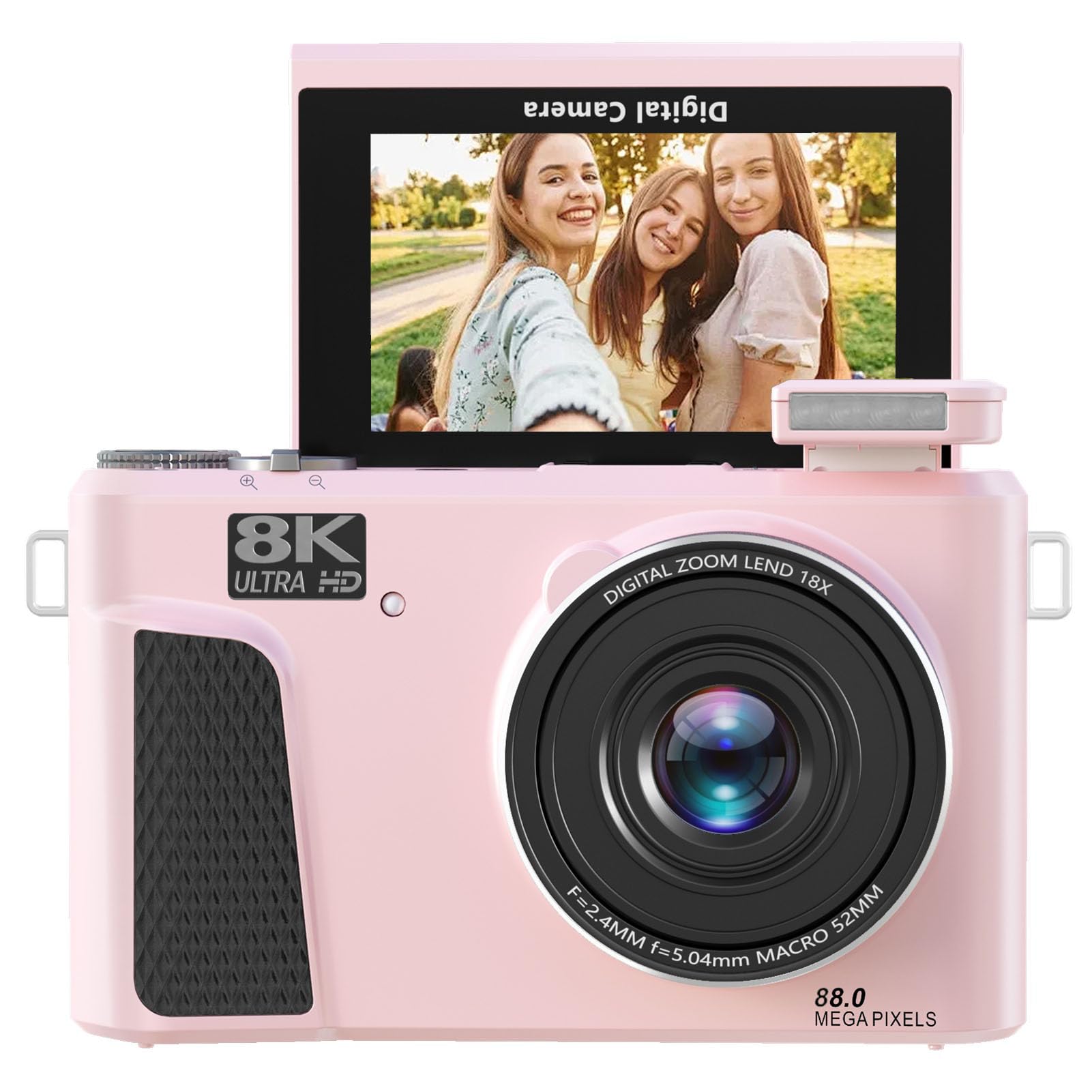 GOWENIC WiFi Mirrorless Camera, 8K 88MP Cameras for Photography with 32GB Card, 18X Digital Zoom Autofoucs Vlog Camera with 180 Flip Screen, Pop up Flash (Pink) Rank #3 | — | — | |
 4K Digital Camera for Photography, 5K Mirrorless Vlogging Cameras, 15X Hybrid Zoom, 3.2Inch Flip Screen, White Balance, Professional (White) Rank #4 | — | — | |
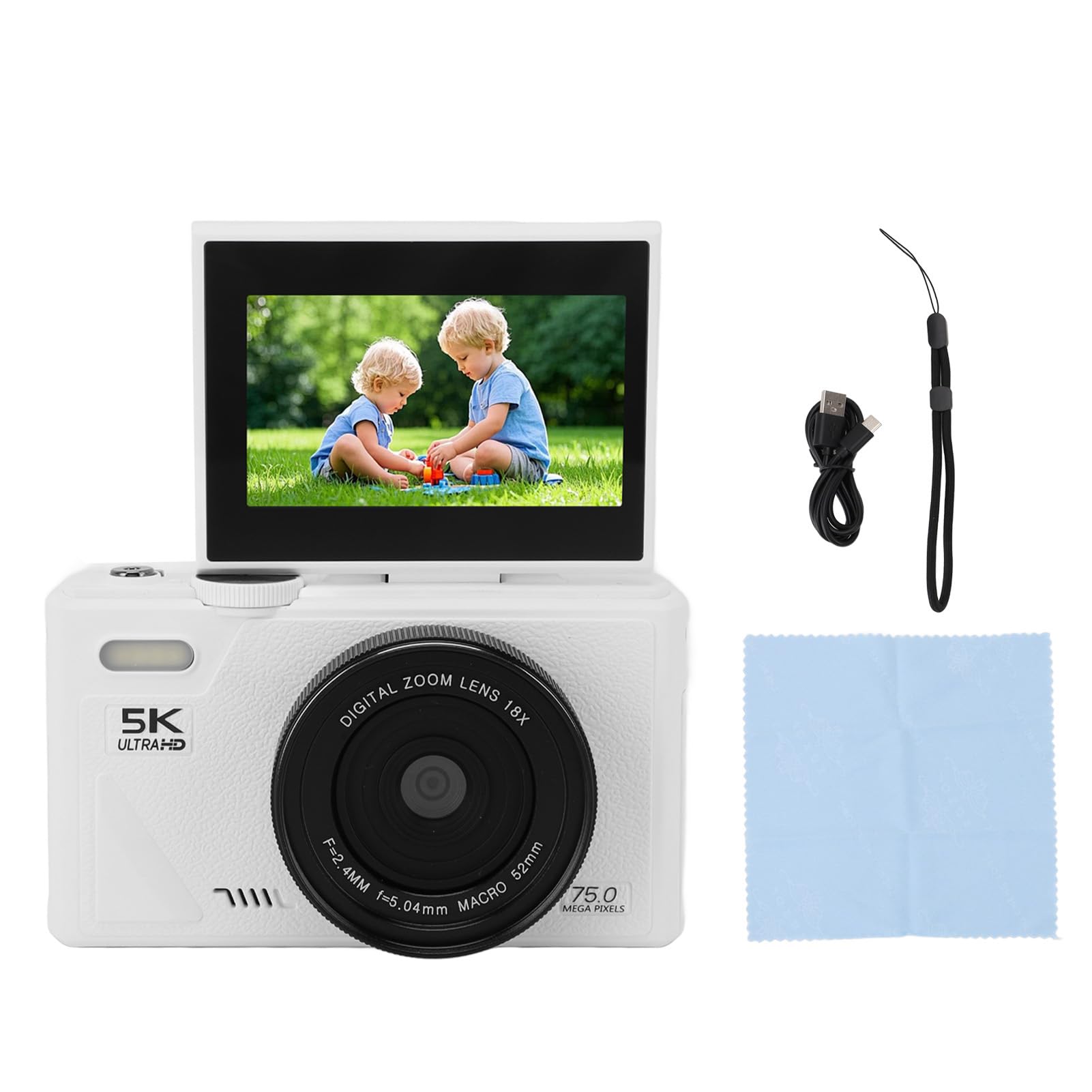 Gonetre 5K HD Digital Camera for Photography, Vlog, Video Camera, 75MP UHD 18X AF Autofocus Retro 3 Inch Screen Camera, Support up to 256G Memory Card for Travel Photography (White) Rank #5 | 💰 Budget Pick | 1.0 1.0 | Check price → |
