Get the App
Better experience on mobile
Our curated selection balances crystal-clear audio, noise rejection, and seamless integration with OBS, Streamlabs, and Twitch setups.
Streamers often overlook that a microphone's polar pattern matters more than RGB lights—cardioid mics reject side noise from monitors and chats, preventing muddy audio that turns viewers away. In 2026, USB mics dominate for zero-latency streaming, but hybrids with XLR unlock pro upgrades without ditching desk simplicity. This guide spotlights options excelling in voice clarity and software integration, drawn from verified specs and reviews.
Whether you're a Twitch newbie clacking keys or a full-time creator layering effects, the right mic elevates production value without a studio budget. We cover budget condensers under $100, mid-range dynamics around $200, and premium setups over $250, each acknowledging real trade-offs like desk space or extra cables. Criteria emphasize low self-noise, gain control, and reliability in live sessions, helping you match gear to your setup.
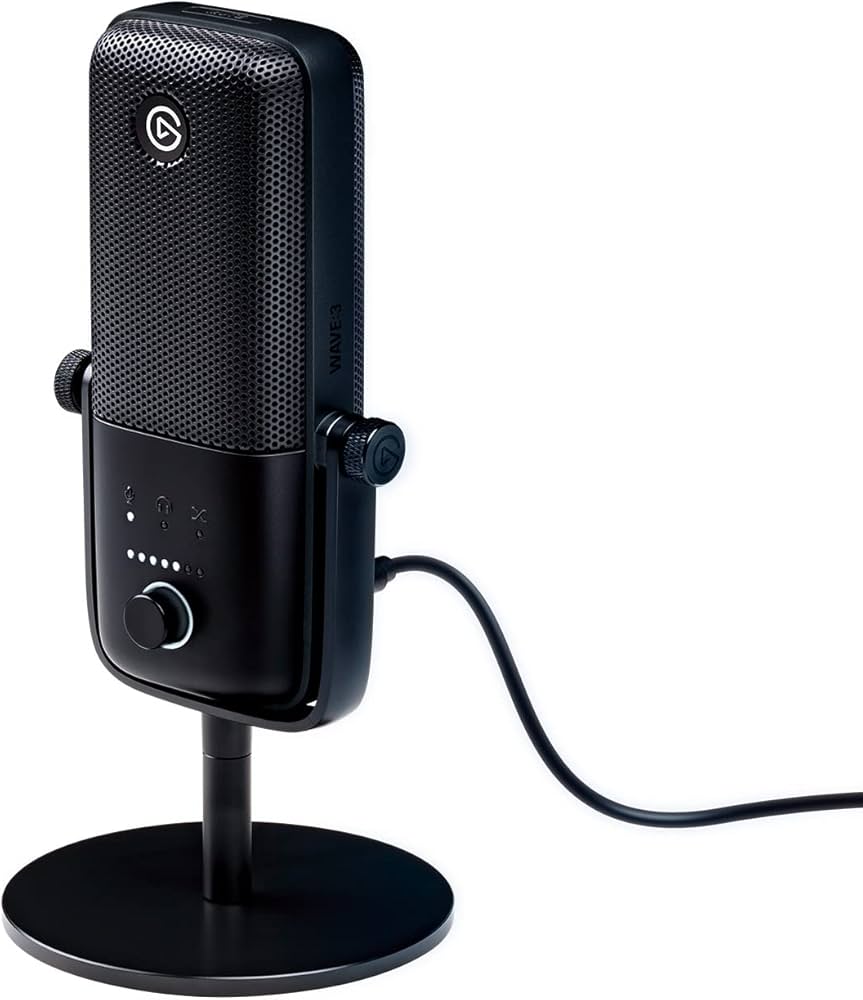
The Elgato Wave:3 delivers broadcast-quality condenser audio with Clipguard tech that prevents distortion during loud streams. Its Wave Link software allows seamless mixing of game audio, music, and voice directly into OBS. The main trade-off is its slightly larger footprint on smaller desks.
Main limitation: It requires a USB-C port and dedicated software for full mixing features, which may overwhelm absolute beginners.
Skip if: Skip this if you need a fully wireless setup or prefer XLR-only professional workflows.
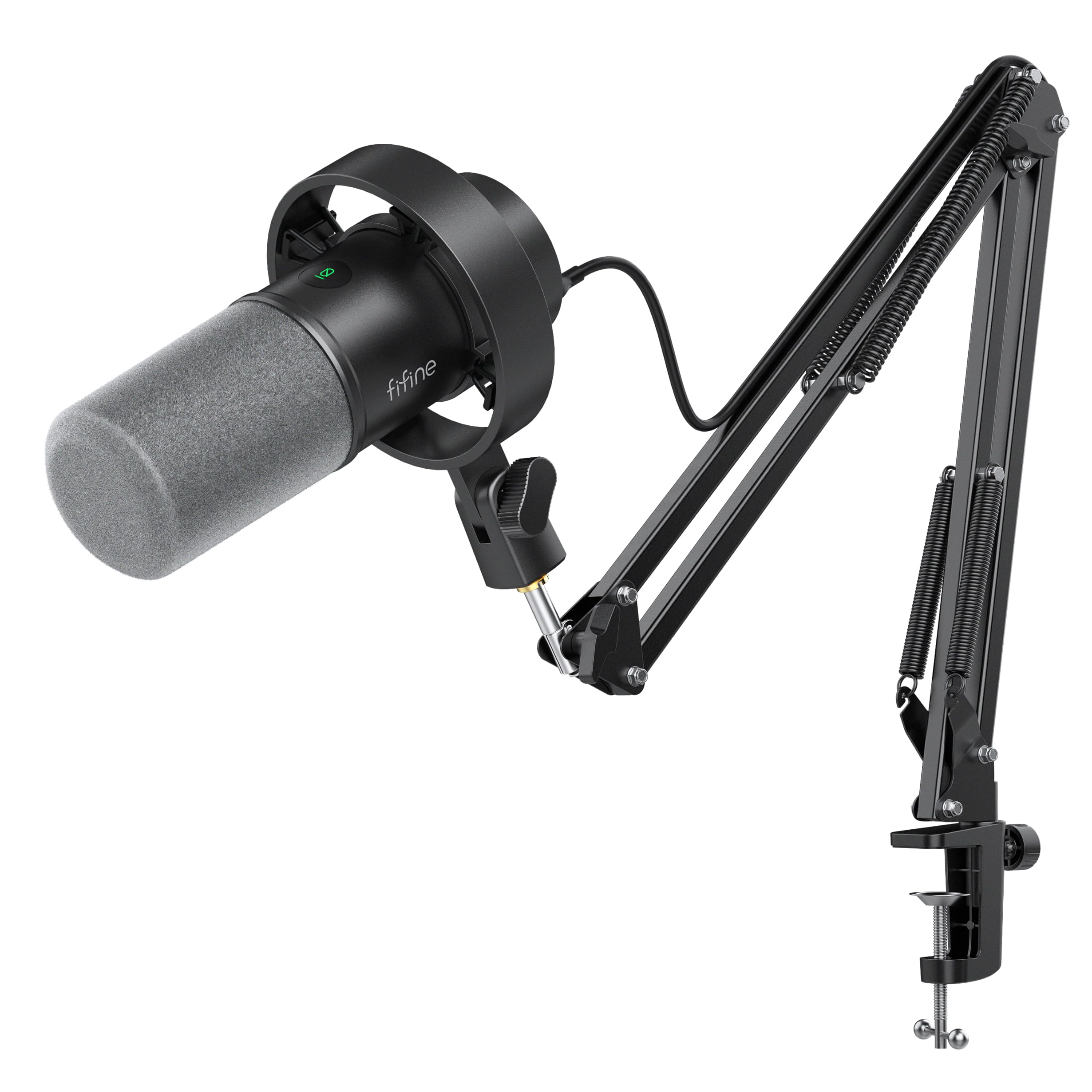
At under $80, the Fifine K688 offers punchy dynamic audio with excellent noise rejection for keyboard-heavy streams. Dual USB/XLR connectivity makes it future-proof for upgrades. It lacks the finer EQ controls of pricier models.
Main limitation: Build quality feels plasticky compared to premium rivals, with a less sturdy stand.
Skip if: Avoid if you stream in very quiet environments where its dynamic capsule picks up less nuance than condensers.
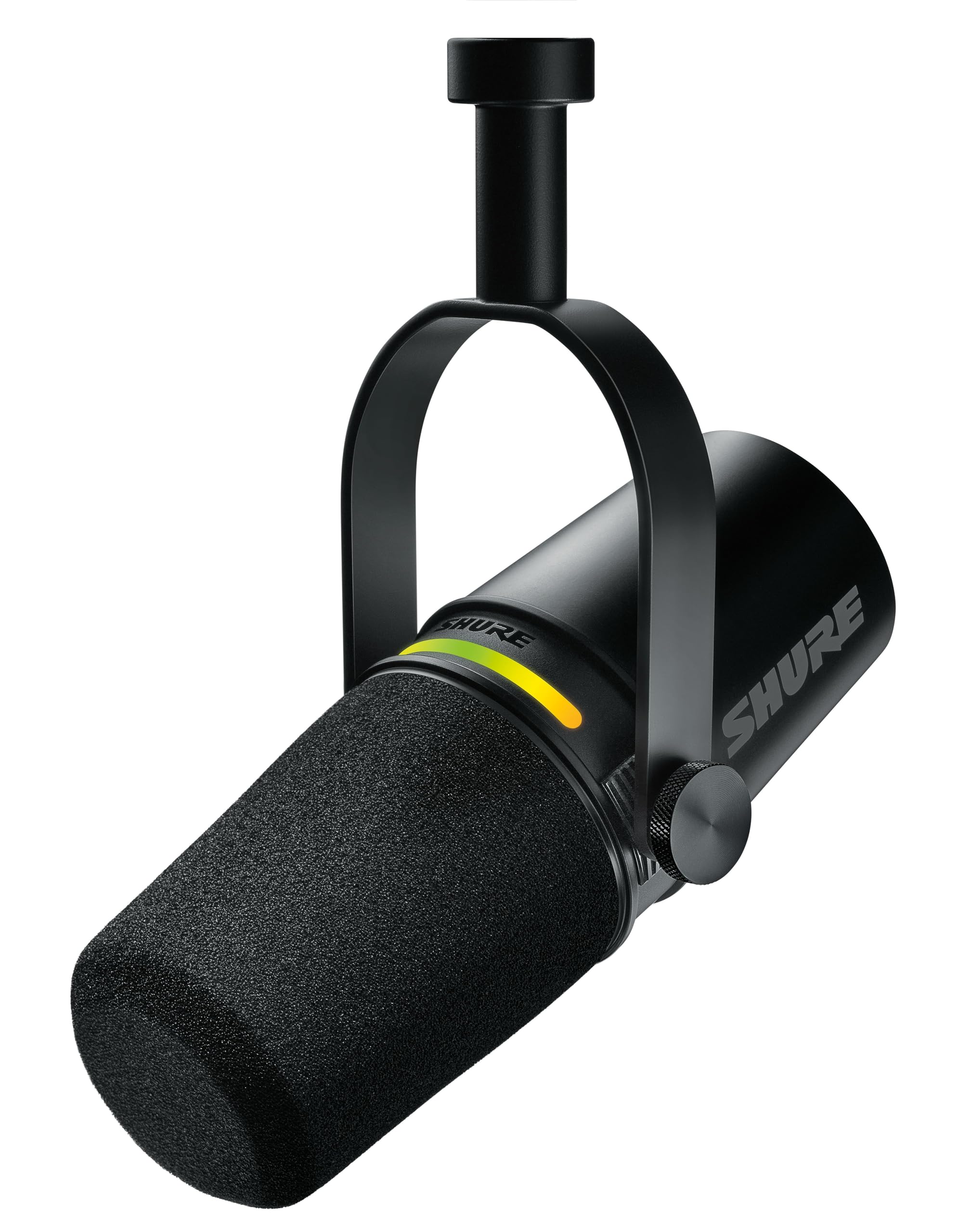
The Shure MV7+ combines legendary SM7B sound with USB plug-and-play, auto-leveling voice isolation for pro streams. DSP modes optimize for voice or instruments via the Shure app. Its premium price reflects the build, but no onboard RGB.
Main limitation: It demands more desk space due to its larger size and heavier stand.
Skip if: Pass if you're on a tight budget or don't plan to upgrade to an audio interface soon.
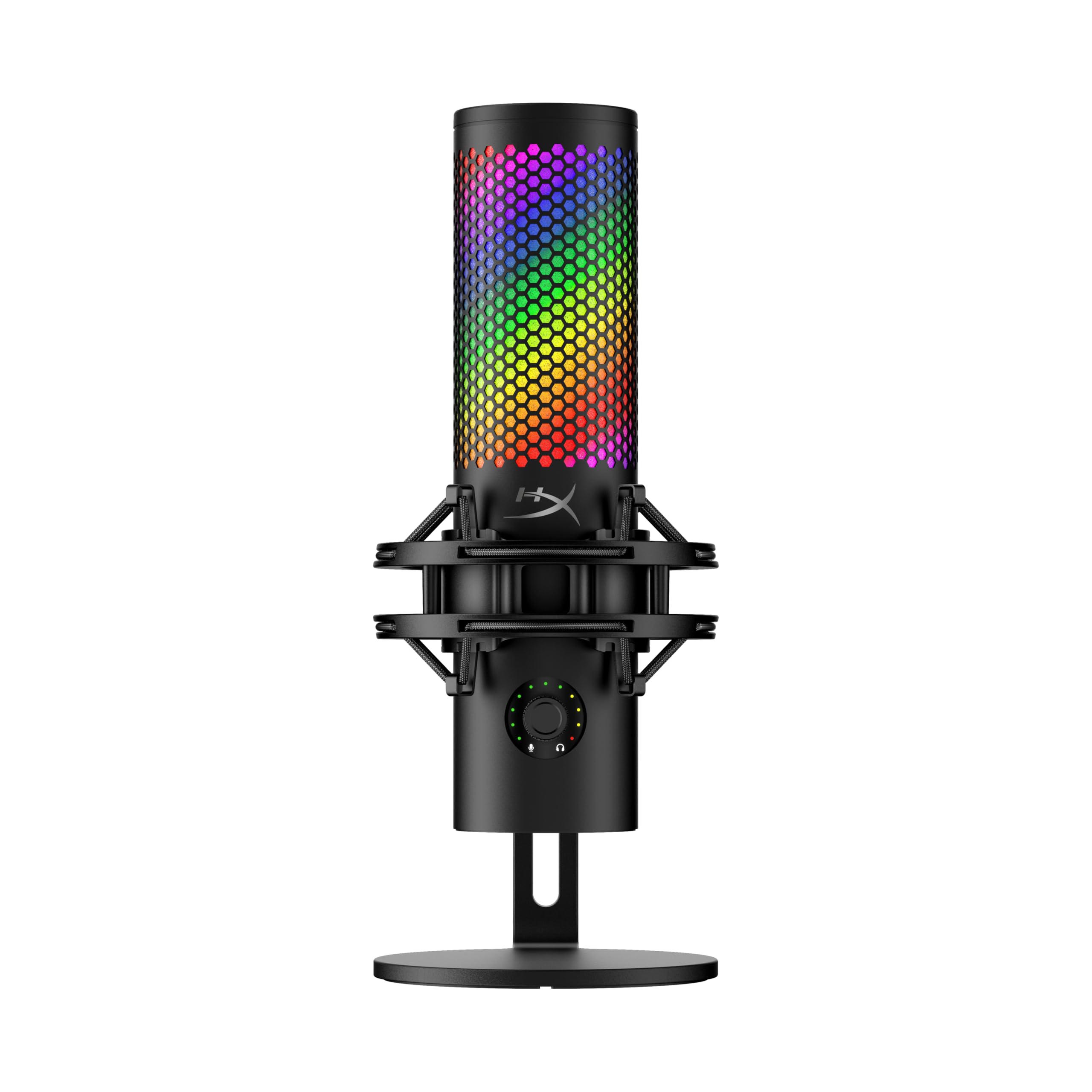
The HyperX QuadCast 2 S shines for gamers with customizable RGB syncing to streams and four polar patterns for duos or solos. Anti-vibration shock mount cuts desk thumps effectively. Software is basic compared to Elgato's ecosystem.
Main limitation: Its condenser design is more prone to picking up room reverb without acoustic treatment.
Skip if: Skip if you prioritize minimal desk glow and prefer subtle, professional aesthetics.
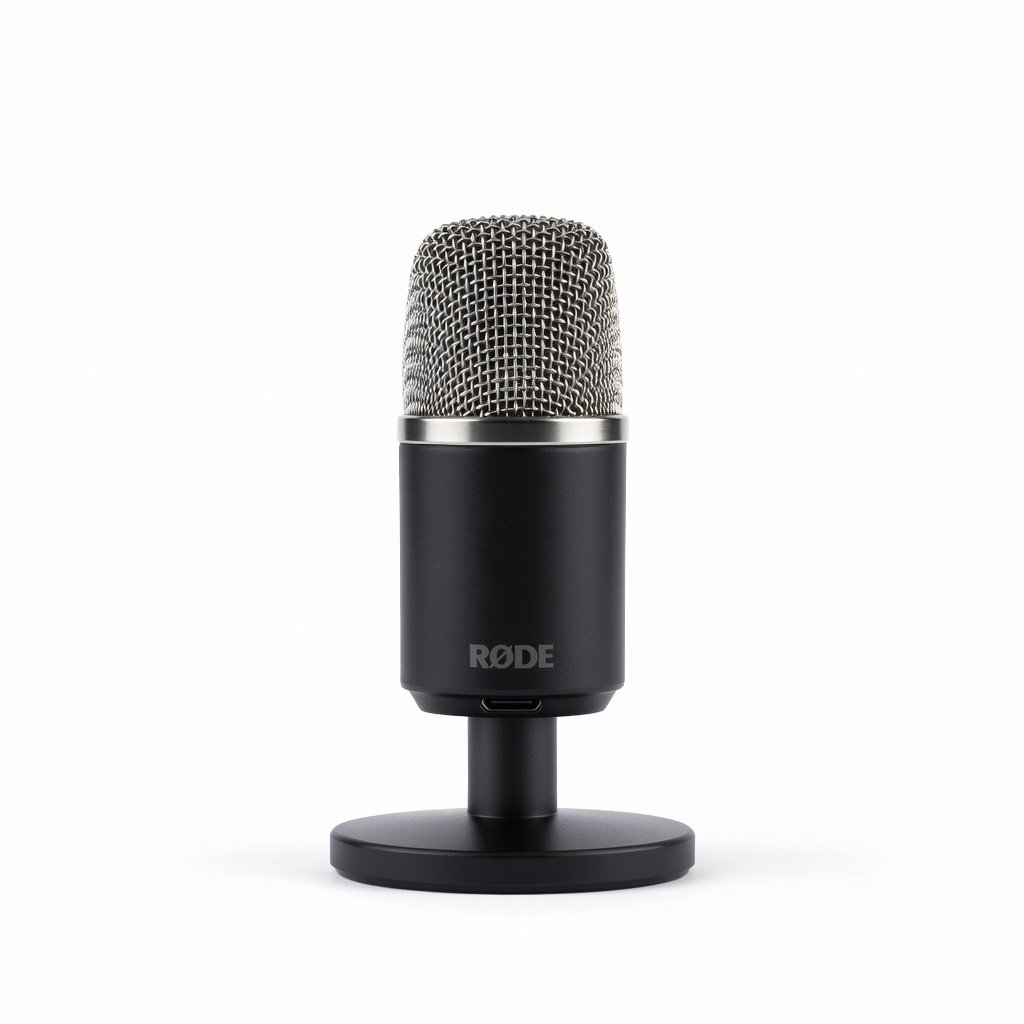
Ultra-small at 3.4 inches tall, the Rode NT-USB Mini packs pro condenser audio with magnetic desk stand for tight streaming rigs. Magnetic top doubles as a stand-alone unit. It has no gain knob, relying on software adjustments.
Main limitation: Limited to single cardioid pattern, less versatile for group recordings.
Skip if: Avoid if you need dynamic rejection for noisy environments like open-plan rooms.
The AT2020USB-X excels in untreated rooms with tight cardioid pickup and 24-bit/192kHz resolution for crisp voiceovers. Mix control blends monitoring perfectly. It's heavier without a boom arm included.
Main limitation: Desktop stand is basic and tips easily on uneven surfaces.
Skip if: Not ideal for mobile creators needing portability over studio fidelity.
Compare key specs and features of all our recommendations side-by-side
| Product | Recommendation | Rating | Price |
|---|---|---|---|
Elgato Wave:3 Rank #1 | 🏆 Top Pick | 9.2/10 | $150–$170 Check current price → |
Fifine K688 Rank #2 | 💰 Budget Pick | 8.1/10 | $60–$80 Check current price → |
Shure MV7 Rank #3 | ⭐ Editor's Choice | 9.0/10 | $250–$280 Check current price → |
HyperX QuadCast 2 S Rank #4 | — | 8.5/10 | $140–$160 Check current price → |
Rode NT-USB Mini Rank #5 | — | 8.3/10 | $90–$110 Check current price → |
Audio-Technica AT2020USB-X Rank #6 | — | 8.4/10 | $120–$150 Check current price → |
Common questions buyers have about this category.
USB mics offer instant plug-and-play for beginners, integrating directly with PC software like OBS without interfaces. XLR hybrids like the Shure MV7 provide superior control for upgrades, but require adapters initially—ideal if you anticipate pro audio needs.
Dynamic mics excel at rejecting keyboard and fan noise in untreated rooms, making them streamer favorites like the Fifine K688. Condensers capture more detail for music or ASMR but amplify ambiance—use with treatment or in quiet spaces.
Most recommended mics include them, but extras help: shock mounts isolate desk vibrations, pop filters tame breath pops on 'P' sounds. Budget on these first if your pick lacks them, as they boost clarity instantly.
Choose cardioid patterns and voice isolation tech; position mic 6-8 inches from mouth, off-axis from noise sources. Pair with free software like NVIDIA Broadcast for AI noise gates, enhancing any mid-range mic.
Hybrids with dual USB/XLR like the Shure MV7 shine, connecting to streaming PC via USB and gaming rig via XLR splitter. Software mixers like Wave Link handle routing seamlessly for zero-latency monitoring.
Budget phone mics work for casual starts but lack gain and rejection for pro streams—upgrade to USB for better dynamic range. Adapters exist, but desktop mics outperform in software integration and audio quality.
Products we evaluated but did not recommend — and why.
