Get the App
Better experience on mobile
From budget USB mics to broadcast legends, these are the streamers' most reliable choices—selected for sound quality, ease of use, and real-world performance.
The best streaming microphone isn't the one with the most impressive spec sheet — it's the one that makes your voice cut through game audio without turning your keyboard into a percussion instrument. In 2026, streamers have more choices than ever, but the gap between a good mic and a great one often comes down to how well it fits your specific environment, budget, and streaming workflow.
Dynamic microphones, once reserved for radio, are now the default for creators who live in noisy rooms or run mechanical keyboards at 3 a.m. Condensers, on the other hand, offer brilliant detail and warmth but reward you with a clean, treated space. USB and XLR connections further split the market: USB is plug-and-play, while XLR opens up a world of interfaces and digital processing — provided you're willing to spend and learn.
Across the six picks below, we've balanced sound quality, background noise rejection, brand reliability, and real-world streamer feedback. Whether you're just starting on a $70 budget or ready to invest in a broadcast legend, these are the microphones that consistently earn their place on a streamer's desk in 2026.
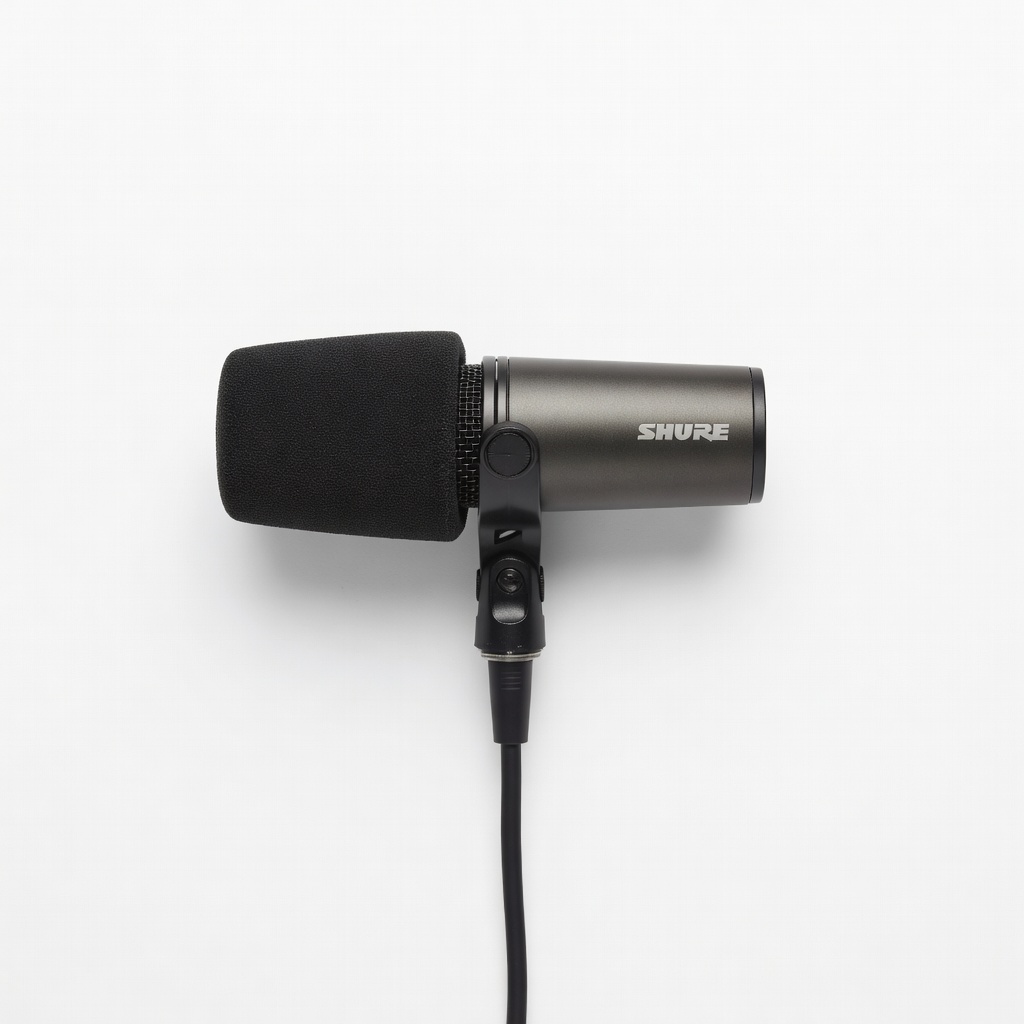
The Shure SM7B is the gold standard for streaming and podcasting, delivering a warm, broadcast-ready voice that effortlessly cuts through game audio and background noise. Its rugged build and excellent plosive filtering make it a workhorse for years, but be aware that it needs substantial gain — a Cloudlifter or a quality interface is essential.
Main limitation: Its low output requires a preamp with lots of clean gain, which means an extra purchase for most setups.
Skip if: If you're looking for a simple plug-and-play USB mic with no additional gear, this isn't the right pick.
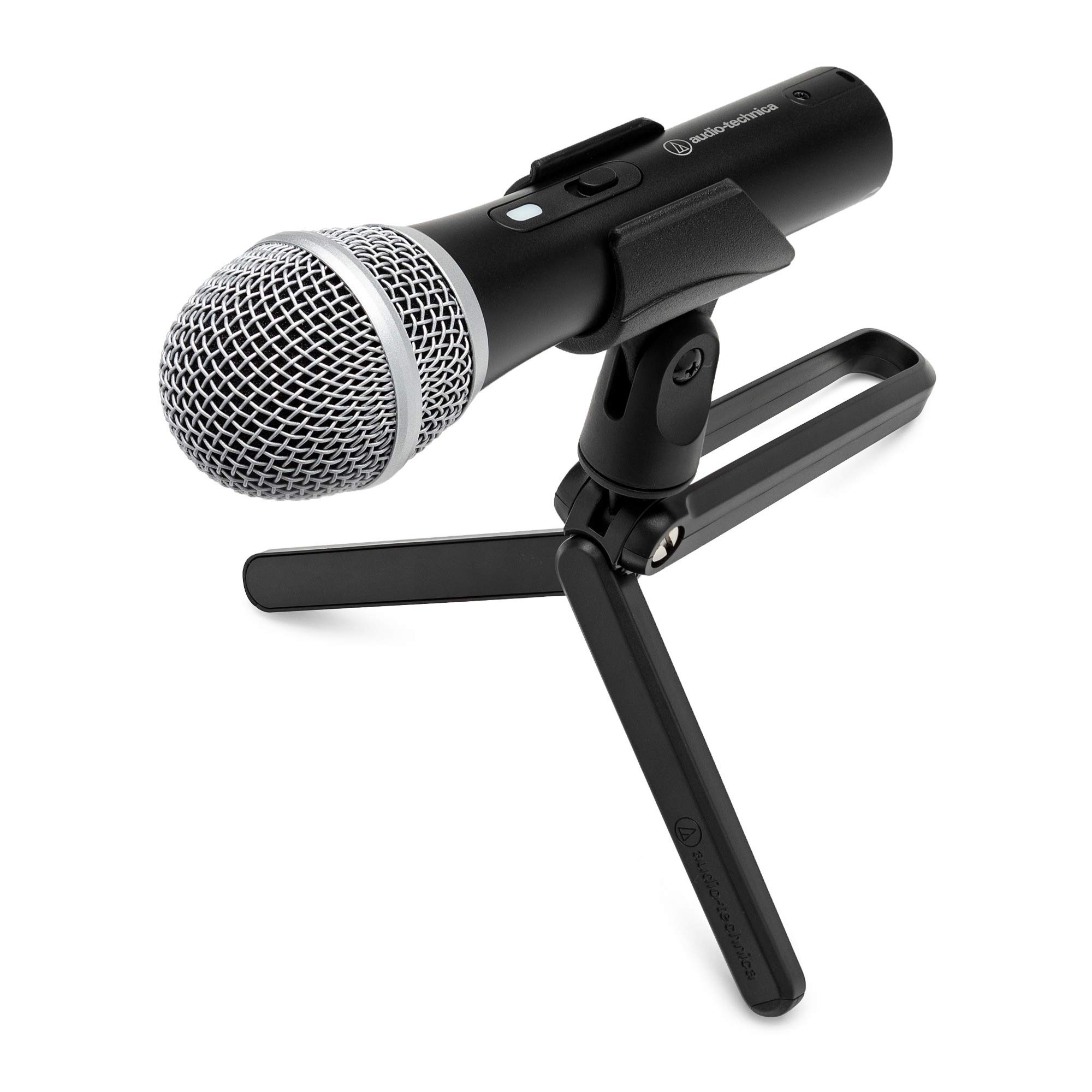
The ATR2100x-USB is the budget pick that truly punches above its weight: a dynamic microphone with both USB and XLR outputs, so you can start plug-and-play and later upgrade to an interface. It delivers clear, focused voice reproduction with excellent noise rejection, making it ideal for less-than-perfect rooms — though its physical build feels a bit light.
Main limitation: The plastic body feels less durable than pricier rivals, and the included stand is quite lightweight.
Skip if: If you want a premium desk presence or metal construction, spend a bit more on a higher-end mic.
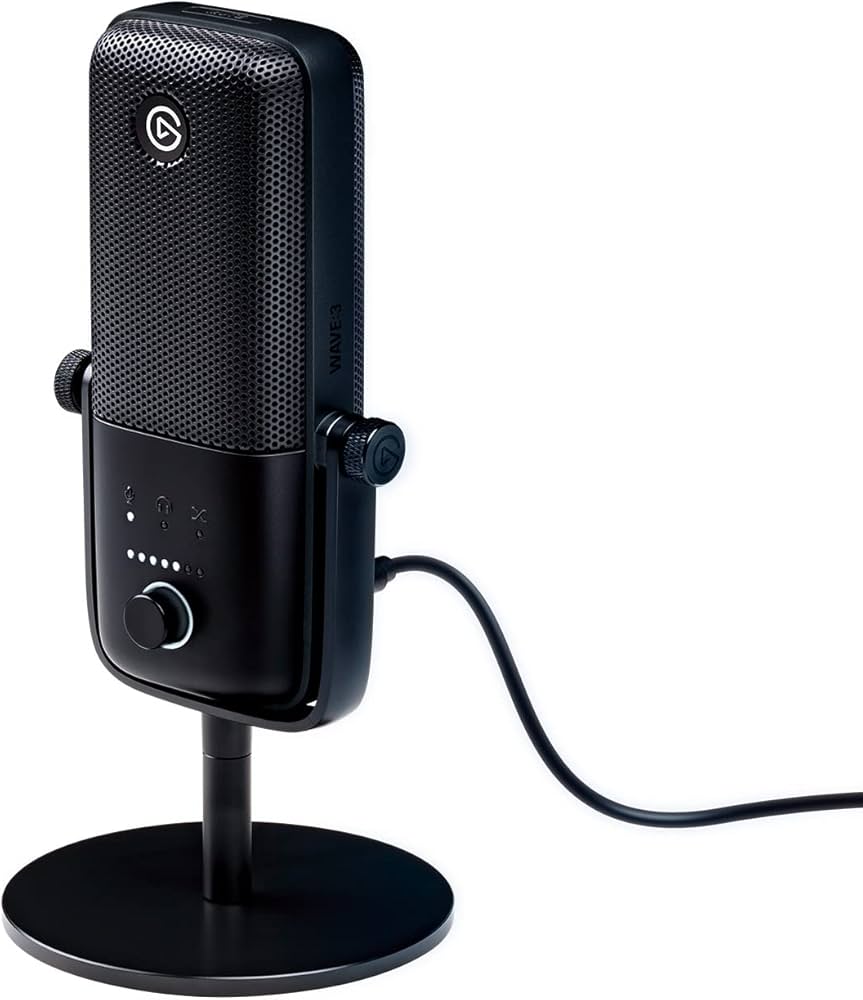
The Elgato Wave 3 isn't just a great-sounding condenser mic — its real superpower is the Wave Link software, which lets you mix game audio, music, and voice into separate virtual channels. The built-in Clipguard prevents distortion, and the capacitive mute button is a streamer favorite, though it's more sensitive to room reverberation than a dynamic.
Main limitation: It picks up more room echo and keyboard noise compared to dynamic mics, so you'll need a quiet space or acoustic treatment.
Skip if: If your room is echoey or noisy, or if you don't plan to use the software features, a dynamic mic is a safer choice.
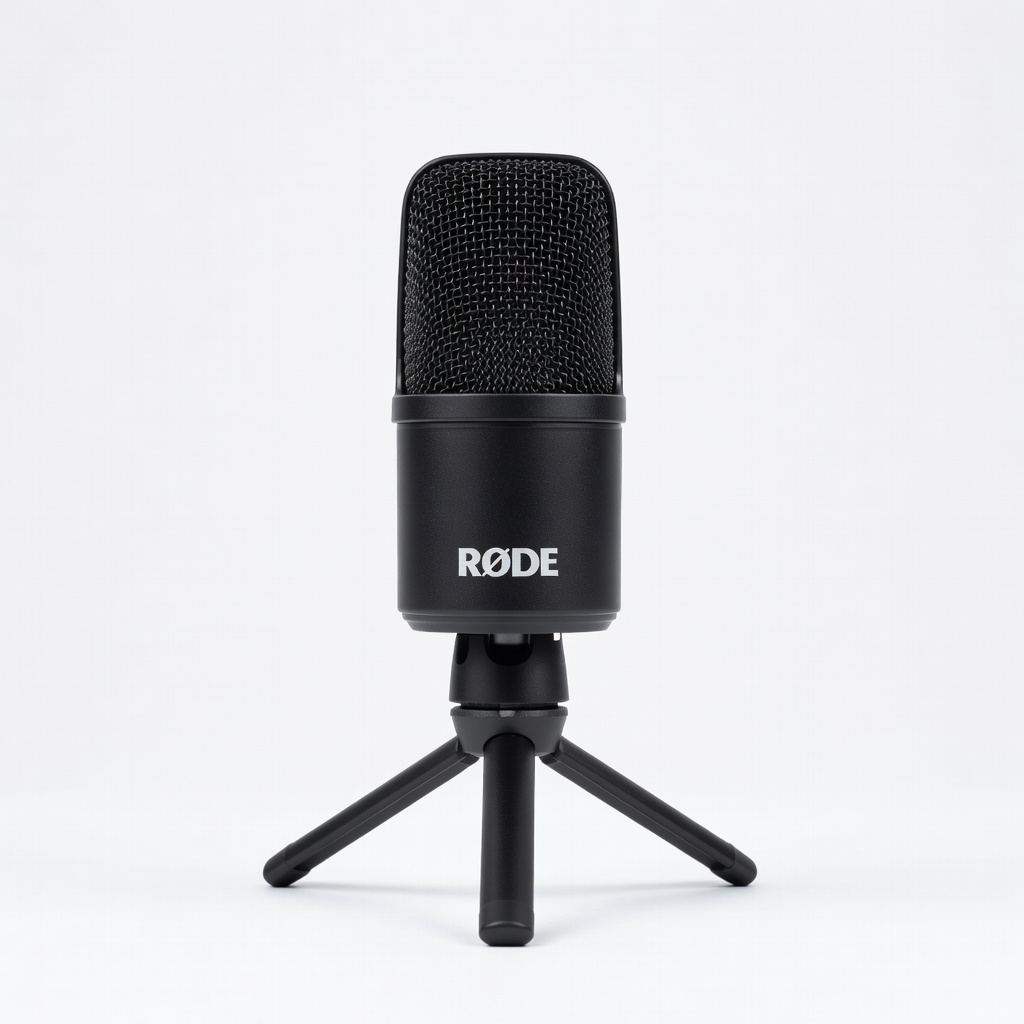
The Rode PodMic is a premium dynamic microphone engineered for voice, with a tight cardioid pattern that blocks out room noise and reflections. It offers a rich, full-bodied tone that rivals mics twice its price, but it's XLR-only — you'll need an audio interface to use it.
Main limitation: No USB connection; requires a separate interface or mixer, which raises the total cost.
Skip if: If you don't own an audio interface and don't plan to buy one, choose a USB dynamic like the ATR2100x.
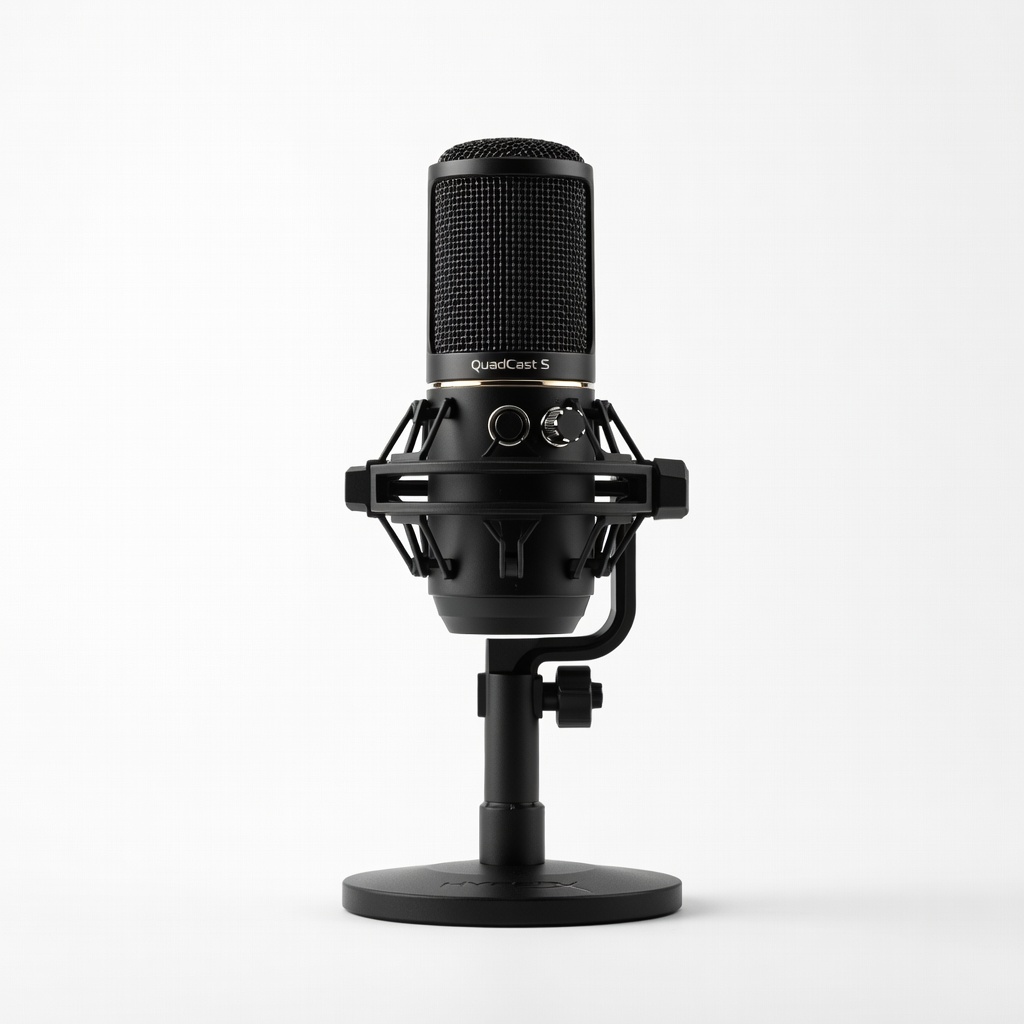
The HyperX QuadCast S brings both performance and aesthetics, featuring dynamic RGB lighting that syncs with your stream setup and a sleek, angular design. The built-in shock mount and pop filter simplify setup, and the tap-to-mute sensor is handy — but as a condenser, it captures more background noise than dynamics.
Main limitation: The condenser capsule picks up room noise and keyboard clicks, making it less ideal for noisy environments.
Skip if: If you're in a noisy room or want to avoid background noise, a dynamic mic will serve you better.
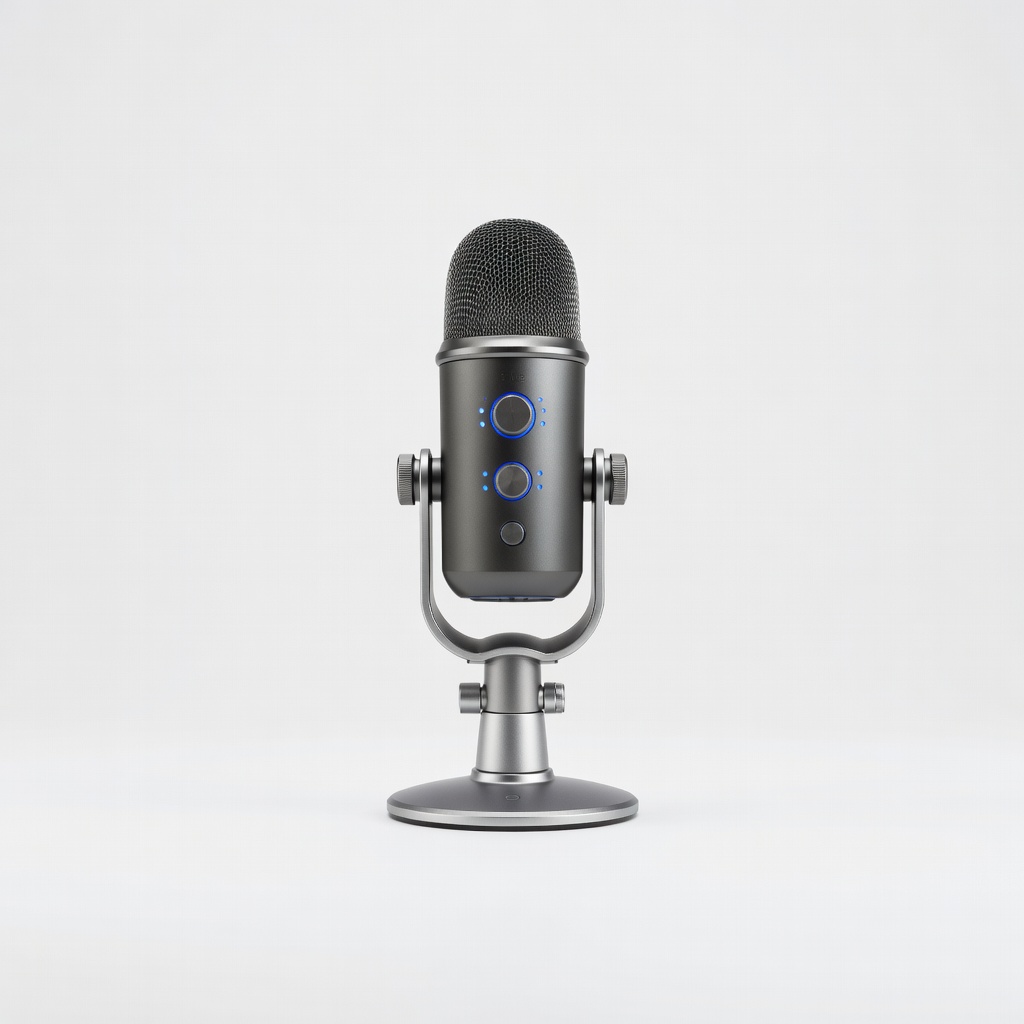
The Blue Yeti X is a high-quality condenser mic with multiple pickup patterns, including a bidirectional mode that captures two people sitting opposite each other. Its built-in high-pass filter and gain knob add control, and the LED metering helps you avoid clipping — but it's also the most sensitive to background noise on this list.
Main limitation: It's a large condenser that will pick up every keyboard click and room echo; you need a well-treated space.
Skip if: If you stream alone in a normal room, a dynamic mic will sound cleaner and isolate your voice better.
Compare key specs and features of all our recommendations side-by-side
| Product | Recommendation | Rating | Price |
|---|---|---|---|
Shure SM7B Rank #1 | 🏆 Top Pick | 9.0/10 | $399–$449 Check current price → |
Audio-Technica ATR2100x-USB Rank #2 | 💰 Budget Pick | 8.2/10 | $99–$129 Check current price → |
Elgato Wave:3 Rank #3 | ⭐ Editor's Choice | 8.5/10 | $159–$179 Check current price → |
Rode PodMic Rank #4 | — | 8.3/10 | $99–$119 Check current price → |
HyperX QuadCast S Rank #5 | — | 7.5/10 | $149–$179 Check current price → |
Blue Yeti X Rank #6 | — | 7.8/10 | $169–$199 Check current price → |
Common questions buyers have about this category.
Dynamic microphones are generally better for streaming because they reject background noise like keyboard clicks, room echo, and fans, keeping your voice clean and focused. Condensers are more sensitive and detailed, but they require a treated room to sound good; if you have a noisy environment, a dynamic is the safer choice.
Not necessarily. Many excellent USB mics, like the Elgato Wave 3, sound great and are truly plug-and-play with OBS. XLR setups offer more control and future upgradeability, but they add cost and complexity, requiring an interface and sometimes a gain booster. For most beginners, a USB mic is the best starting point.
A boom arm or adjustable stand is almost essential for positioning the mic near your mouth, keeping it out of your gaming space, and reducing vibrations. A pop filter is also highly recommended for plosive protection, and some mics include a shock mount. These accessories can cost between $20 and $60 each and make a clear difference in sound quality.
Start by speaking closer to the mic—about 2-4 inches away—and adjust the gain so your normal speaking voice peaks around -12 dB. Use OBS filters like a noise gate, compressor, and EQ to polish the audio. Treat your room with foam panels or even blankets to reduce echo, and avoid pointing the mic toward your keyboard or computer fans.
The 'SM7B effect' refers to the warm, close-up, radio-like vocal sound that the Shure SM7B delivers, which flatters many voices and sounds professional right out of the box. Its popularity stems from its dynamic capsule's excellent noise rejection and rich tone, but it also gained fame from legendary podcasters and streamers. However, it requires a lot of gain, so budget for a Cloudlifter.
For most streamers, no. High-end condensers like the Neumann TLM 103 capture incredible detail, but they also capture every room reflection and tiny noise, making them difficult to use in typical home environments. Many streamers prefer a high-quality dynamic mic like the SM7B or even a mid-priced USB mic because they deliver a more usable sound in real-world rooms.
Products we evaluated but did not recommend — and why.
