Get the App
Better experience on mobile
From budget USB dynamics to professional XLR broadcast mics, these are the streamers' favorites ranked by value and performance.
A streaming microphone is as much about software integration as it is about the capsule itself. The biggest mistake new streamers make is ignoring their room acoustics and buying a sensitive condenser mic that picks up every keyboard clack and room rumble. Dynamic mics, on the other hand, are far more forgiving and have become the default choice for serious streamers—but they often cost more and may require XLR gear to sound their best.
The good news is that the 2026 market offers more excellent options than ever, from $70 USB dynamics that rival studio mics to $400 broadcast legends that demand a full interface setup. Whether you're streaming from a pristine desk or a noisy apartment, there's a microphone here that will make your voice sound like it's being recorded in a professional studio.
Our picks are based on a careful analysis of expert reviews, user experiences, and test reports from trusted sources. We didn't just look at sound quality; we also weighed ease of use, software integration, durability, and whether the mic actually suits different streaming scenarios. The result is a list that covers every budget and technical requirement.
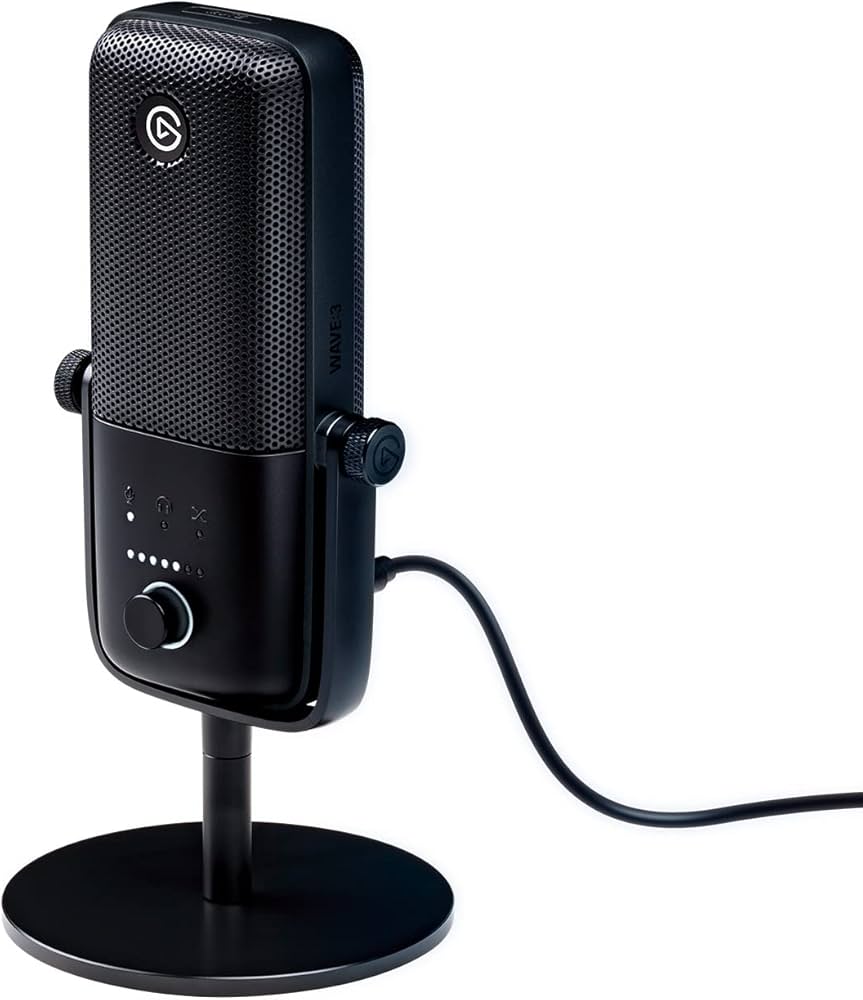
The Elgato Wave:3 is the complete streaming package: a crisp, broadcast-quality USB condenser with a built-in capacitive mute sensor, and the standout Wave Link software that lets you mix your voice with game audio and music in real time. Its Clipguard feature prevents clipping, but as a condenser, it will pick up background noise in untreated rooms—a trade-off worth noting.
Main limitation: Condenser pickup captures room ambiance and keyboard sounds more easily than dynamic alternatives.
Skip if: If your streaming area is echo-prone or shared with loud family members, a dynamic mic will be more forgiving.
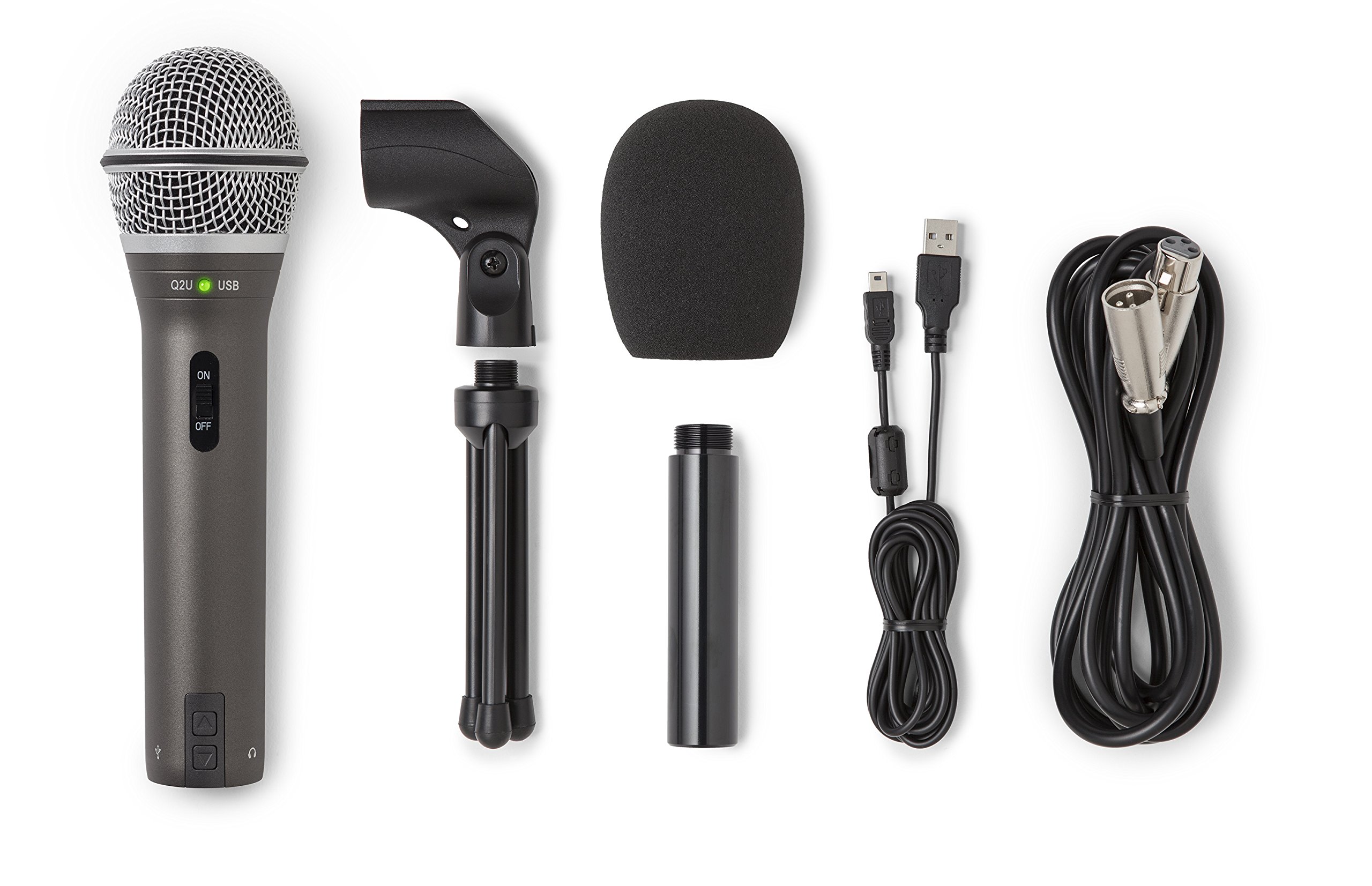
The Samson Q2U punches far above its price, offering a dynamic USB/XLR hybrid that delivers clear, focused voice reproduction with impressive background noise rejection. It's the best starting point for budget-conscious streamers, but the plastic construction and utilitarian design leave little to get excited about.
Main limitation: Build quality is plasticky and the included stand is flimsy; you'll eventually want a boom arm.
Skip if: If you need a premium look or plan to spend more than $100, skip this for a metal-bodied alternative.
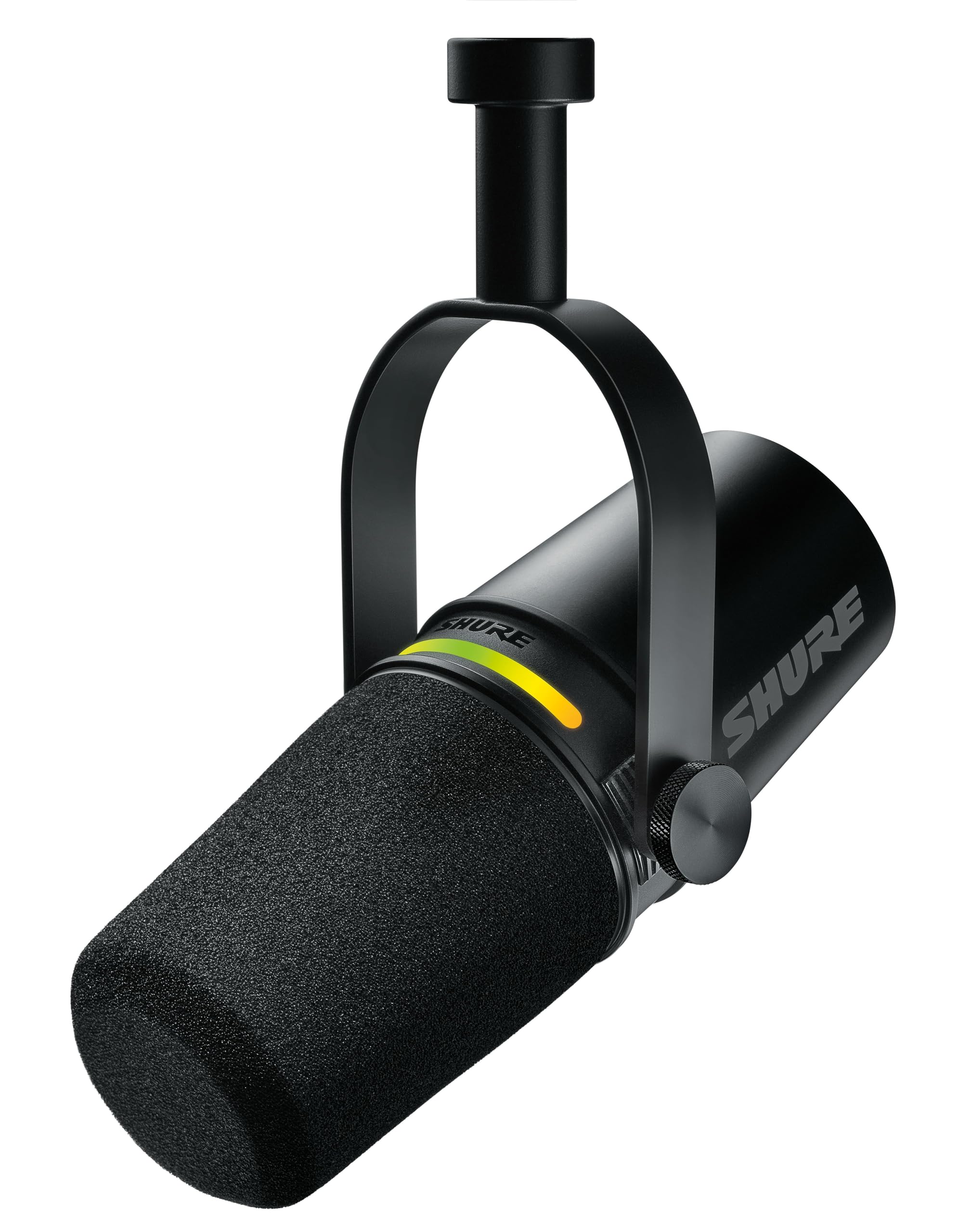
Inspired by the legendary SM7B, the Shure MV7 is a dynamic microphone that delivers smooth, intimate voice with excellent rejection of background noise—perfect for untreated rooms. Its automatic LevelMatic mode adjusts gain on the fly, but the sound is best tuned through the MOTIV app, which adds a layer of complexity some users may not want.
Main limitation: Requires the MOTIV app for full EQ and compressor control; without it, the sound is good but not customizable.
Skip if: If you want the simplest plug-and-play experience on a budget, the Elgato Wave:3 is easier.
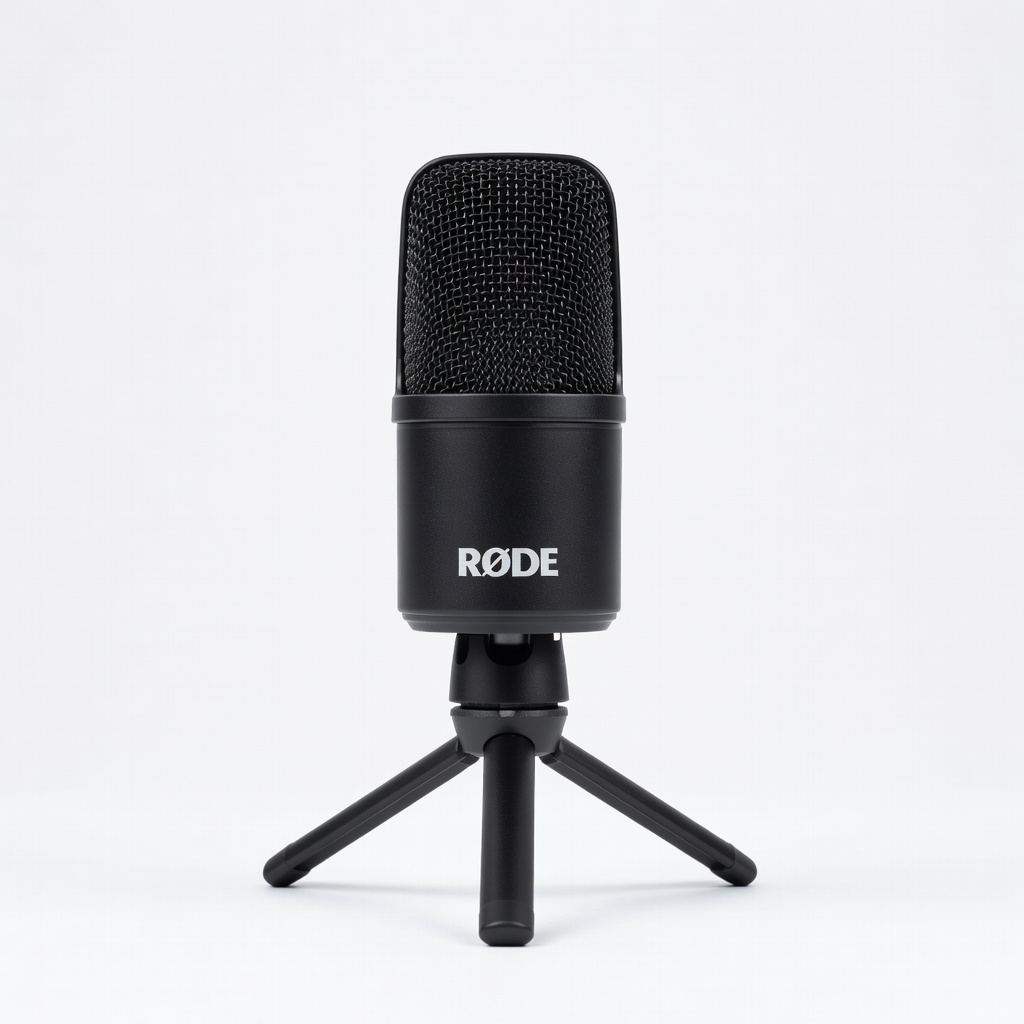
The Rode PodMic is an affordable broadcast-grade dynamic XLR microphone that rivals mics twice its price. It has a rich, tailored midrange that makes voices sound full and present, and its all-metal body includes an integrated shock mount and pop filter. The catch: it requires an external audio interface and a proper phantom power-free XLR preamp to work.
Main limitation: No USB output; you'll need to buy an interface like the Focusrite Scarlett Solo, adding $150+ to your setup.
Skip if: If you don't already own or plan to buy an XLR interface, skip this in favor of a USB mic.
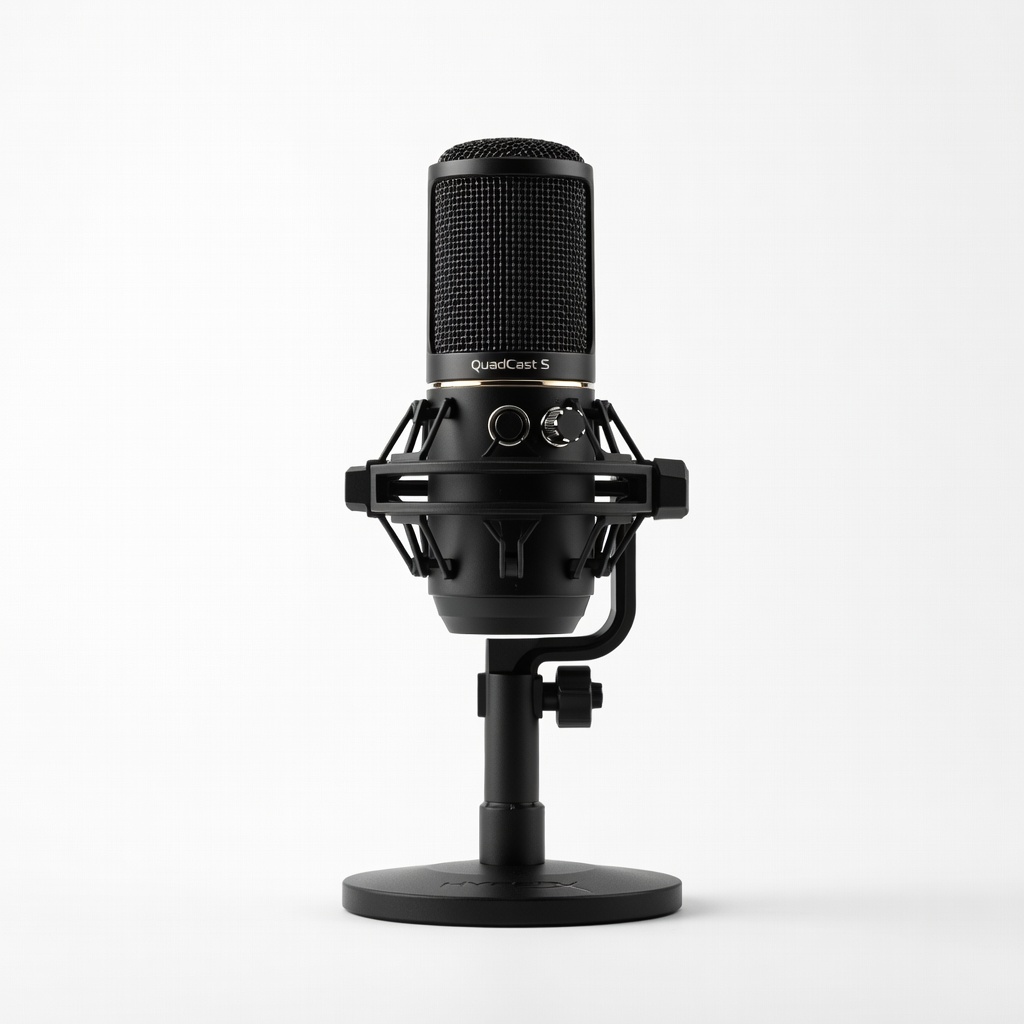
If your stream setup is about more than audio, the HyperX QuadCast S is the most visually striking microphone you'll find, with fully customizable RGB lighting and a built-in shock mount and pop filter. It captures crisp, clean audio with four selectable polar patterns, but it takes up a lot of desk space and the lighting premium doesn't improve sound quality.
Main limitation: Large footprint and pricey for the sound quality; RGB is pure eye candy that adds no audio benefit.
Skip if: Minimalists or budget-focused buyers should skip the lights and invest in a better-sounding mic.
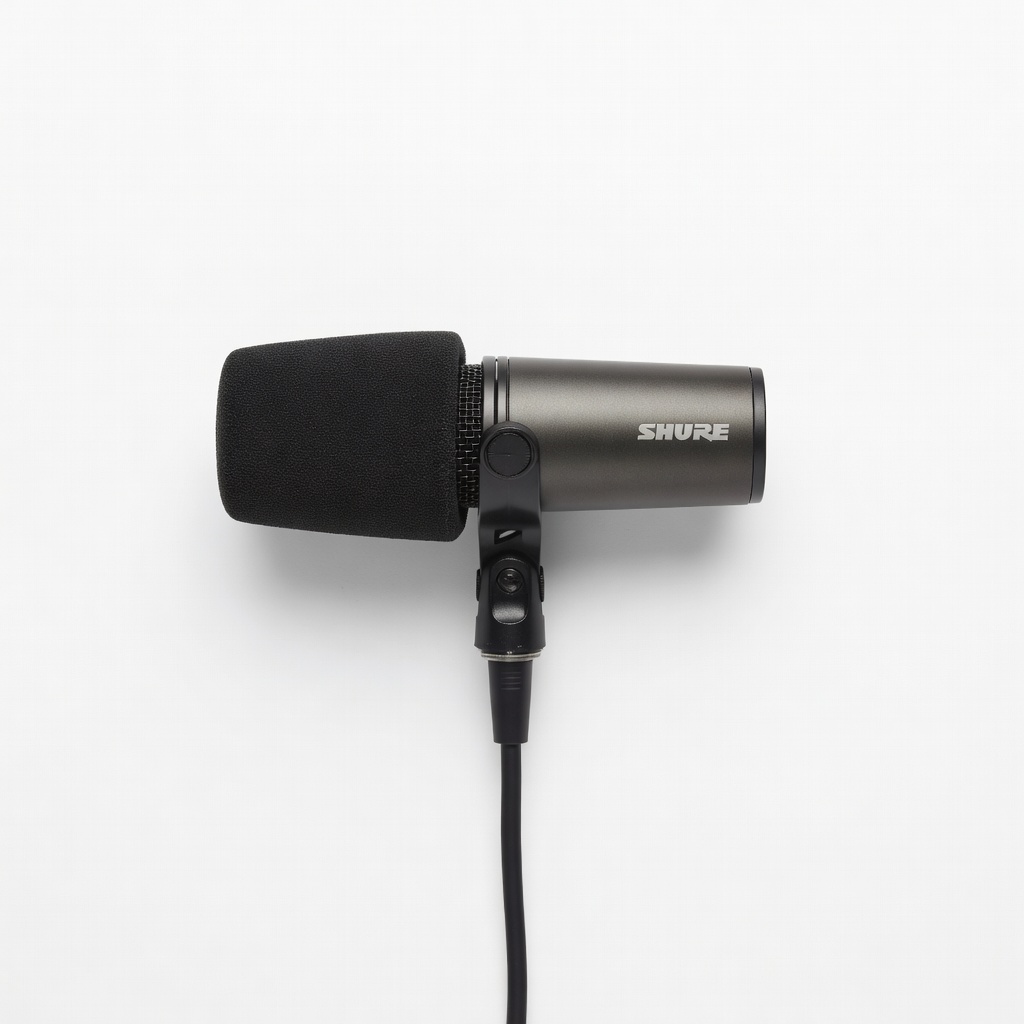
The Shure SM7B is the undisputed king of podcasting and streaming microphones, favored by top creators for its warm, detailed, and supremely natural vocals. Its exceptional background noise rejection makes it ideal for imperfect rooms, but it demands serious gear—a high-gain XLR interface or Cloudlifter and a sturdy boom arm—and a bigger budget than typical streamers expect.
Main limitation: No USB output; requires a separate interface and often an inline gain booster, making it the most complex and expensive setup here.
Skip if: Beginners or mobile streamers shouldn't deal with the extra hardware cost and desk clutter.
Compare key specs and features of all our recommendations side-by-side
| Product | Recommendation | Rating | Price |
|---|---|---|---|
Elgato Wave:3 Rank #1 | 🏆 Top Pick | 9.0/10 | Around $159 Check current price → |
Samson Q2U Rank #2 | 💰 Budget Pick | 8.2/10 | Around $69 Check current price → |
Shure MV7 Rank #3 | ⭐ Editor's Choice | 8.8/10 | Around $179 Check current price → |
Rode PodMic Rank #4 | — | 8.0/10 | Around $99 Check current price → |
HyperX QuadCast S Rank #5 | — | 7.8/10 | Around $159 Check current price → |
Shure SM7B Rank #6 | — | 9.2/10 | Around $399 Check current price → |
Common questions buyers have about this category.
For most streamers, the Elgato Wave:3 wins as the best overall USB microphone, thanks to its stellar sound quality, excellent Wave Link software, and user-friendly features like Clipguard and a capacitive mute sensor. If you struggle with background noise, the Shure MV7 is the better choice, as its dynamic capsule ignores room sounds more effectively. These two represent the current gold standard for streaming audio at different priorities.
If you're just starting out or want a simple setup, a USB mic is the way to go—you just plug it in and it works, with no extra hardware required. XLR mics offer better long-term flexibility and often higher audio quality, but they require an audio interface, and you'll need to learn about gain staging and preamps. Many streamers eventually upgrade to XLR, but a high-quality USB mic like the Wave:3 can serve you well for years.
A pop filter is recommended if your mic doesn't have a built-in windscreen, because it prevents plosive bursts (like 'P' and 'B' sounds) from distorting your audio. A shock mount is also useful if your desk vibrates or you tend to move around while streaming—it decouples the mic from physical noise. Many USB mics like the HyperX QuadCast S include both, while budget mics like the Samson Q2U come with basic versions.
This usually happens because you're using a sensitive condenser mic set to a high gain, or the mic is too far away on the desk. Switch to a dynamic mic like the Shure MV7, which is much less sensitive to off-axis sounds, or position a boom arm so the mic sits closer to your mouth and the keyboard is behind the mic's rejection zone. You can also lower your gain and rely on a noise gate in software like OBS.
Dynamic mics use a moving coil and are naturally less sensitive to high frequencies and background noise, making them ideal for untreated rooms and live streaming. Condenser mics use an electrostatic diaphragm and capture much more detail and brightness, but they pick up more room noise and often require phantom power (though USB condensers are self-powered). For streaming, dynamic mics are generally the safer recommendation unless you have a treated room.
A good streaming mic can cost anywhere from $69 to $400. For a beginner, the Samson Q2U at $69 is an excellent value. The sweet spot for most streamers is $150–$200, where you'll find the Elgato Wave:3 and Shure MV7 with superior sound and software. If you're a serious professional, the $399 Shure SM7B is worth the investment, but you'll also need an interface and a boom arm, so your total setup will be closer to $600.
Products we evaluated but did not recommend — and why.
