Get the App
Better experience on mobile
From $70 USB dynamics to XLR broadcast legends — the mics that genuinely improve spoken-word recordings.
A great podcast microphone won't automatically fix a poorly treated room — but a poorly chosen mic will make even a good room sound mediocre. That's because the true starting point for spoken-word audio is rejection, not richness: you want the mic to capture your voice while ignoring the air conditioner, the laptop fans, and the echo off your walls.
For most podcasters, a dynamic microphone with a cardioid pattern will do far more good than a condenser. The category stretches from affordable USB/XLR hybrids like the Samson Q2U to broadcast icons like the Shure SM7dB and Electro-Voice RE20, and the gap between them is smaller than the price tags suggest once you take mic placement and post-processing into account. This list is built around real podcast workflows — remote interviews, in-person co-hosts, on-the-go recordings, and voiceover sessions.
We researched 20+ widely available microphones by comparing manufacturer specifications, published audio engineering reviews, verified buyer feedback, and price data. We prioritized vocal clarity, background-noise rejection, versatility, and long-term reliability. For every pick, we considered whether the microphone solves an actual problem, not just which spec sheet looks impressive, and we've flagged the trade-offs honestly.
Below, our top picks range from around $70 to $500, with seven distinct recommendations for different setups and budgets. Whether you're recording your first episode or upgrading a two-year-old setup, use the buying considerations and FAQ to make a confident decision.
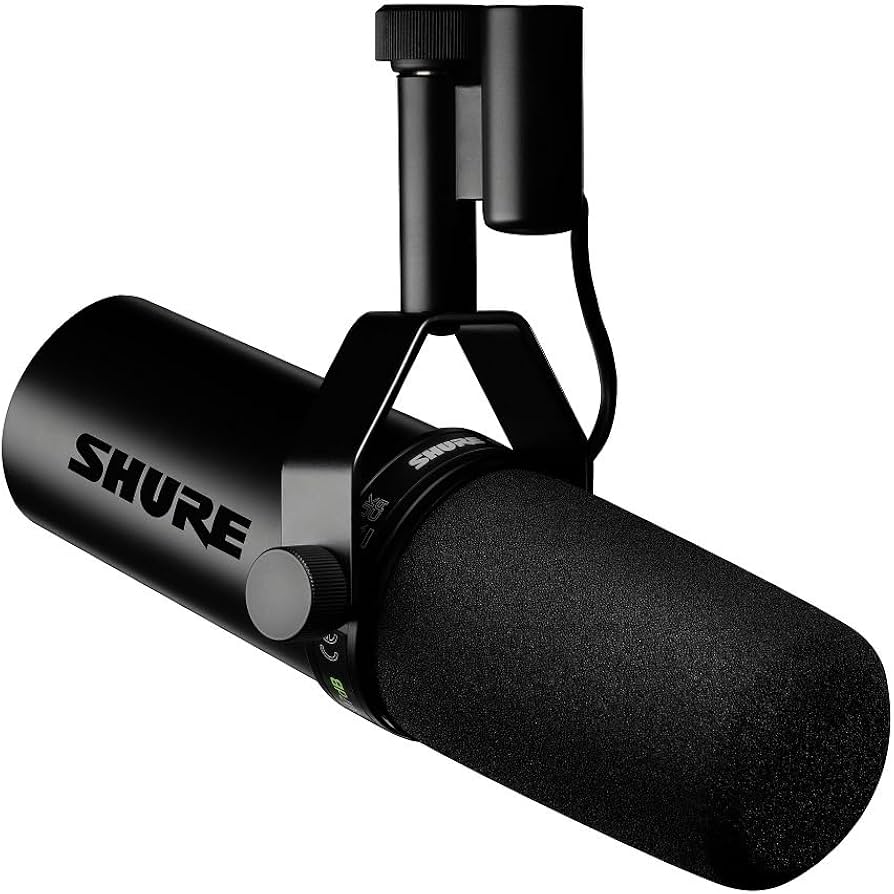
The SM7dB is the modern version of the SM7B that made broadcast a benchmark: it has the same famously flat, warm vocal signature, plus a built-in preamp that eliminates the extra gain stage most interfaces require. It rejects room noise and plosives well, making it the safest 'pro upgrade' for podcasters who want reliability. The trade-off is cost and setup: you'll need a boom arm or heavy stand, and an XLR interface to match.
Main limitation: At this price, it's expensive, and without a high-quality audio interface and proper mic placement, it won't sound dramatically better than a well-positioned $100 dynamic.
Skip if: Skip it if you want a portable, plug-and-play USB microphone without buying extra hardware.
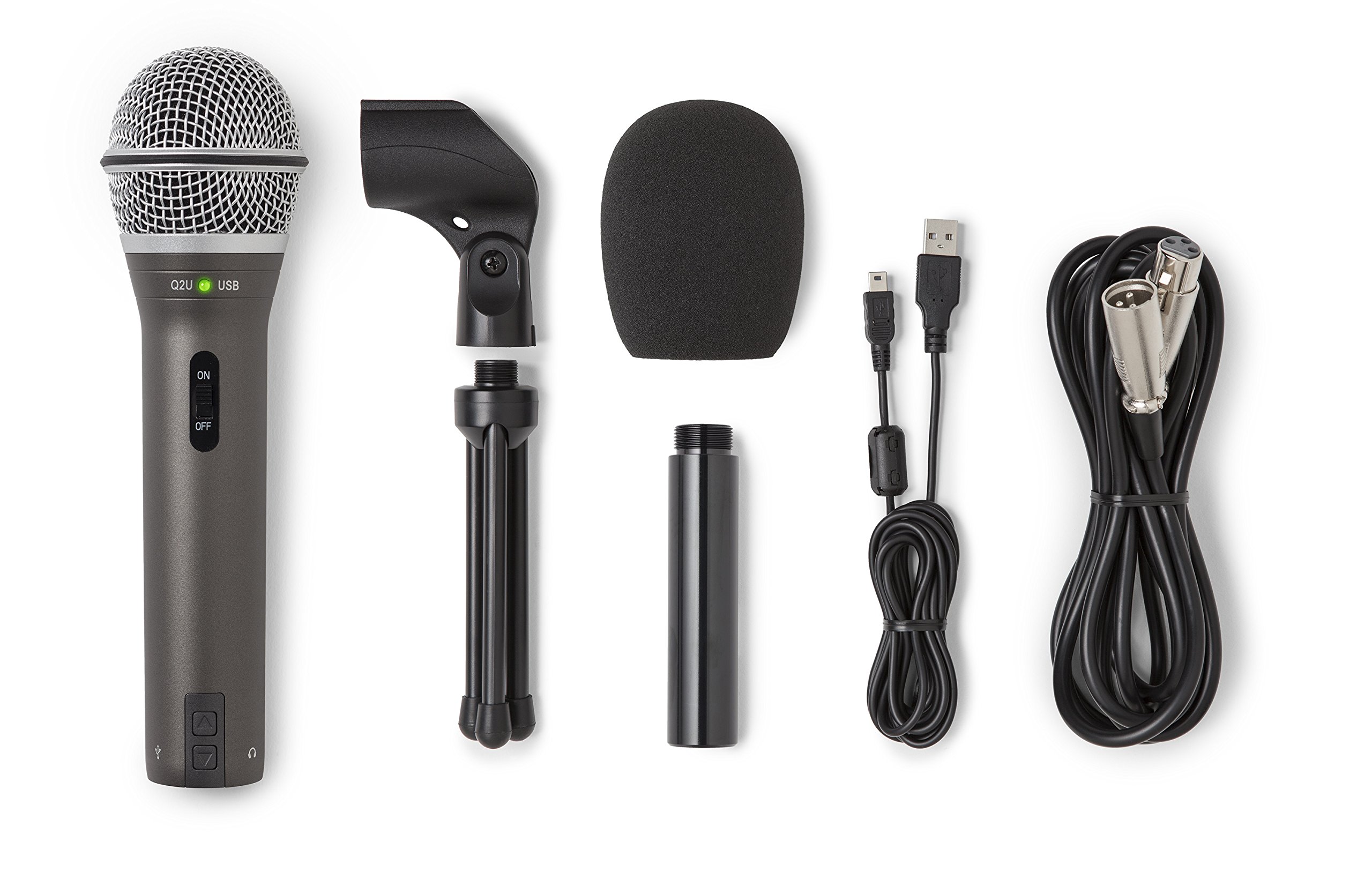
The Q2U remains the trustiest sub-$100 podcasting mic because it works over both USB and XLR, so it can grow with your setup. It has a cardioid capsule and decent built-in pop protection, capturing clear voice with minimal handling noise. The compromise: it lacks the high-frequency detail of pricier dynamics and its USB output caps at 16-bit/48kHz.
Main limitation: The sound is a little rounded-off and dark compared to higher-end dynamics, and the included stand is lightweight.
Skip if: If you already own an audio interface and want a crisper, more expensive dynamic, skip this.
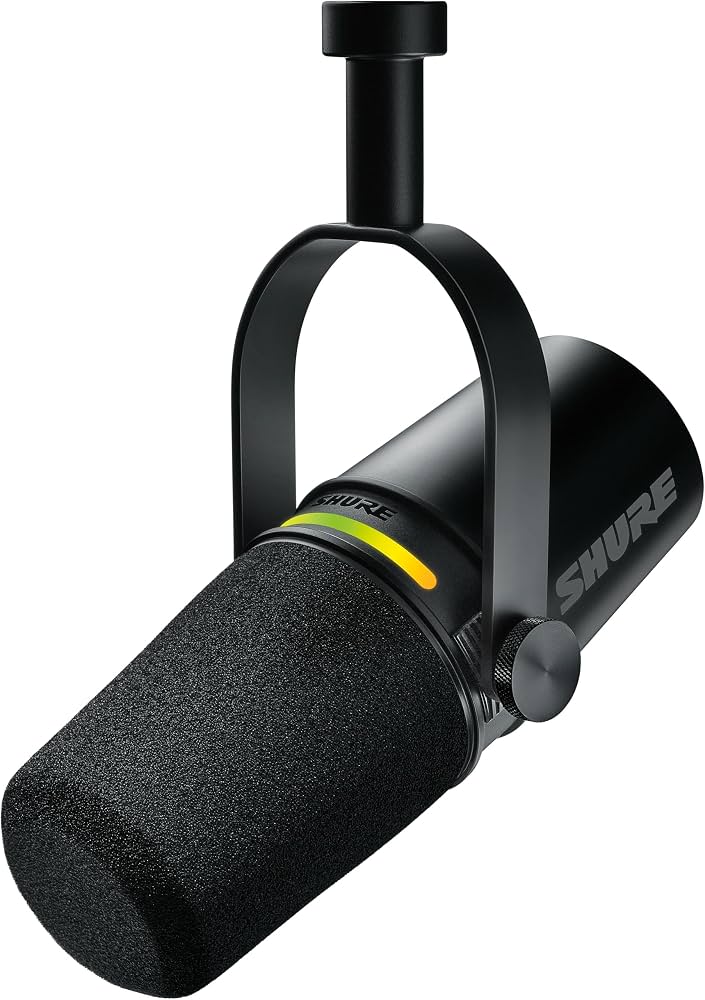
The MV7 gives you USB and XLR connectors, a built-in headphone jack, and Shure's MOTIV app that automatically evens out volume — a real convenience for solo podcasters who don't want to fiddle with gains. It sounds tighter than most USB mics under $250, with a built-in pop filter and internal shock mount. The downside is the touch-sensitive mute panel can be accidentally tapped mid-recording.
Main limitation: Its small diaphragm means a slightly less full-bodied low end than the SM7dB, and the touch controls are finicky.
Skip if: If you already have a high-quality XLR preamp and don't need USB, the SM7dB will serve you better.
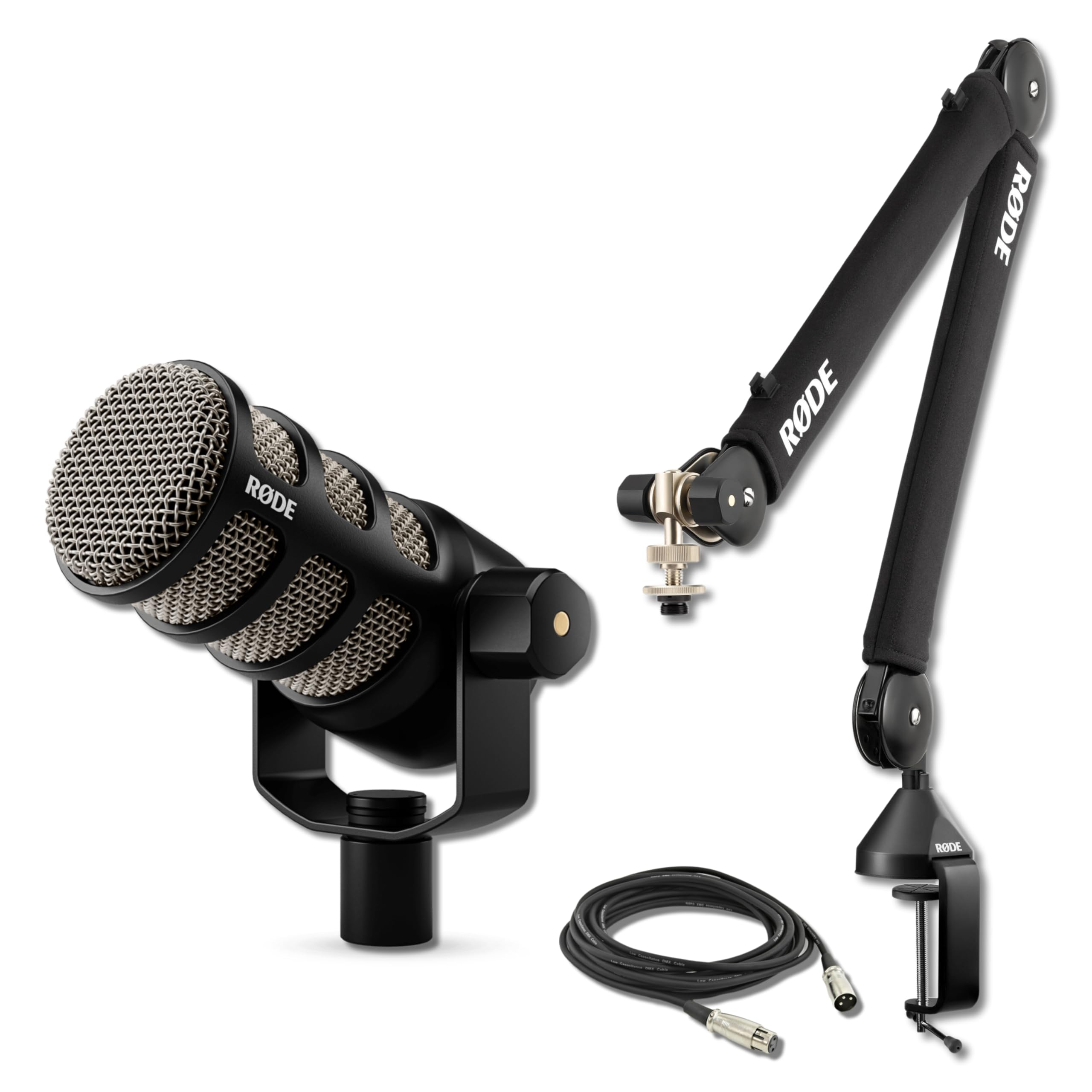
The PodMic is an all-metal XLR dynamic with a rich, mid-focused voice tuned for spoken word, and it's built to survive years of shows. At its street price, it's the most practical way to equip several microphones in a single-room setup. Just remember it's XLR-only: you'll need an interface or recorder for each unit, and it has a notable proximity effect that requires consistent positioning.
Main limitation: The magnetic grille attracts metal debris and the mounting bracket is less adjustable than a standard yoke.
Skip if: Anyone who needs a USB connection without an audio interface.
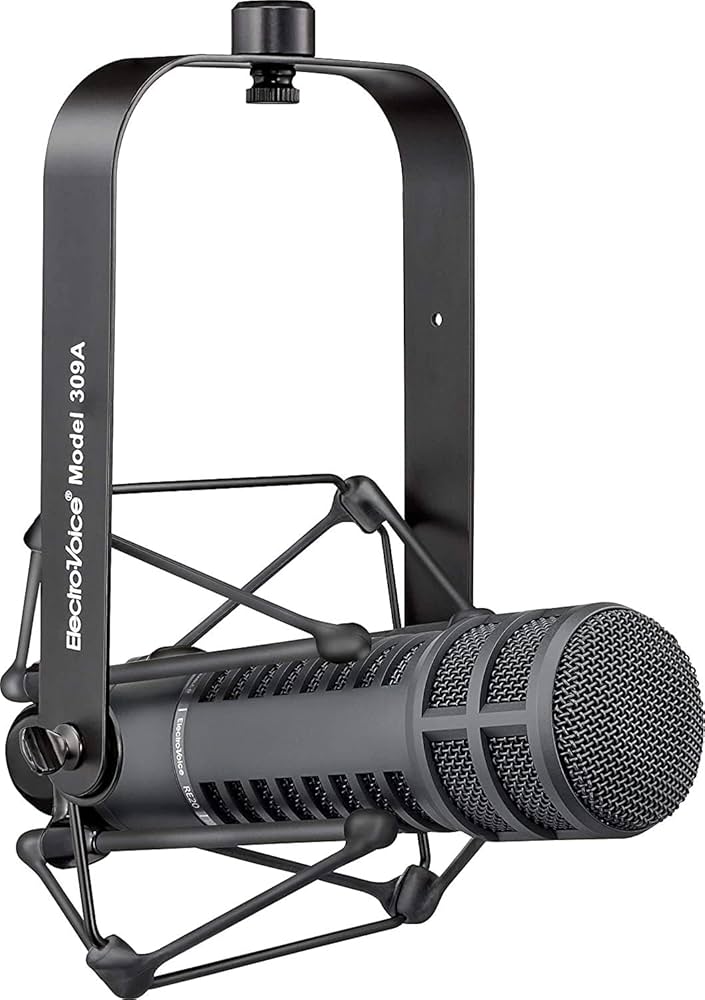
The RE20 is the classic radio microphone that delivers a signature warm, authoritative timbre and outstanding rejection of room tone. It handles close-mic'd plosives without pop filters and has a built-in pop filter, with a bass roll-off switch to tame boominess. The cost and weight are significant, and its large size is unwieldy on a small desk.
Main limitation: It's heavy, requires a strong boom arm, and its high-frequency sparkle is more subdued than competitors.
Skip if: Beginners on a budget or anyone who doesn't need a huge broadcast-style presence.
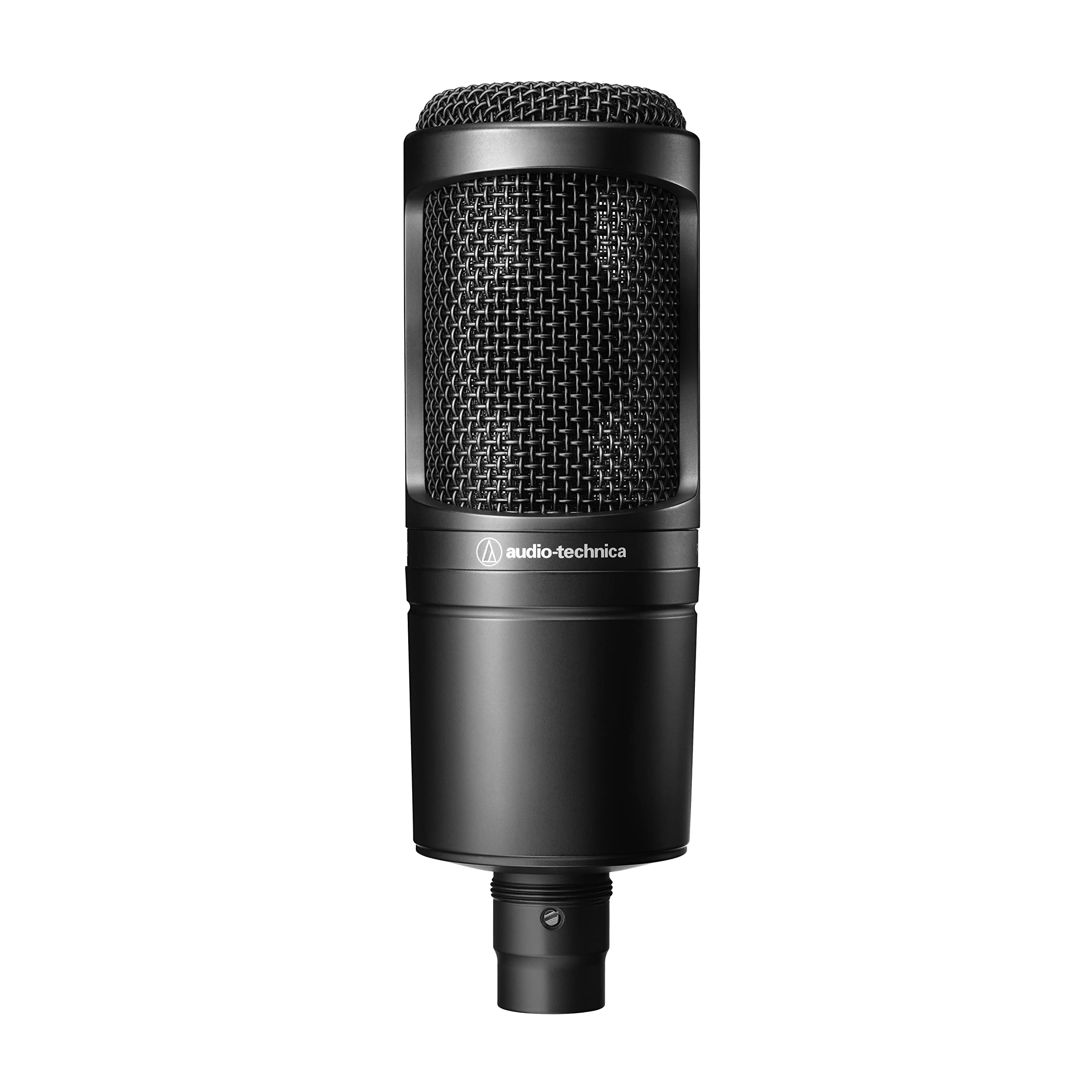
The AT2020 is a budget-friendly studio condenser with a clear, detailed high-end that flatters articulate speakers. It's a strong option for podcasters who record in a treated, quiet room and want more presence than a dynamic. But because it's a condenser, it will pick up background noise, keyboard clicks, and room reverb unless you've treated your space.
Main limitation: Sensitive to room noise and requires phantom power; it does not include a shock mount in the base package.
Skip if: Skip it if you record in an untreated, noisy room or need a pickup that ignores ambient sound.
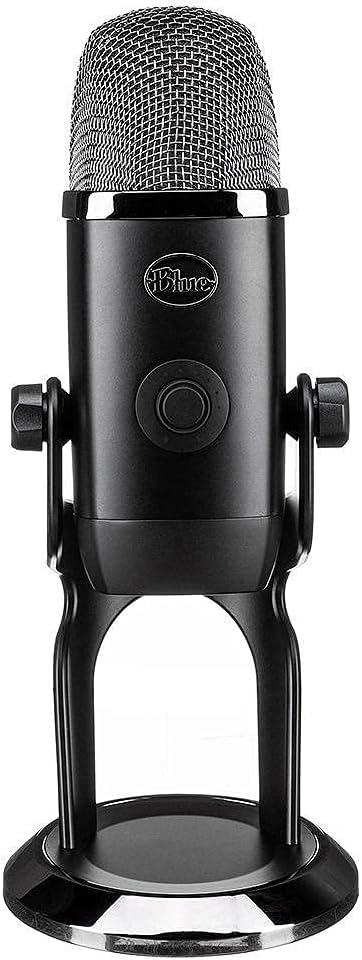
The Yeti X offers four polar patterns — cardioid, omnidirectional, bidirectional, and stereo — and this flexibility can save you on mics if you often interview co-hosts or record around a table. Onboard gain and headphone volume controls give quick access without software. The biggest issue is that as a condenser USB mic, it captures ambient room noise, and its heavy base can crowd a desk.
Main limitation: It captures room sound much more aggressively than a dynamic, and the base model's stand is bulky.
Skip if: If you want a tight, focused vocal in an untreated room, skip it; choose a dynamic instead.
Compare key specs and features of all our recommendations side-by-side
| Product | Recommendation | Rating | Price |
|---|---|---|---|
Shure SM7dB Dynamic Podcast Microphone Rank #1 | 🏆 Top Pick | 9.2/10 | $399–$499 Check current price → |
Samson Q2U USB/XLR Dynamic Microphone Rank #2 | 💰 Budget Pick | 8.4/10 | $70–$90 Check current price → |
Shure MV7 Podcast Dynamic Microphone Rank #3 | ⭐ Editor's Choice | 8.6/10 | $249–$279 Check current price → |
Rode PodMic Dynamic Microphone Rank #4 | — | 8.2/10 | $99–$129 Check current price → |
Electro-Voice RE20 Broadcast Microphone Rank #5 | — | 8.8/10 | $449–$499 Check current price → |
Audio-Technica AT2020 Cardioid Condenser Microphone Rank #6 | — | 7.8/10 | $99–$129 Check current price → |
Blue Yeti X USB Microphone Rank #7 | — | 7.5/10 | $169–$199 Check current price → |
Common questions buyers have about this category.
For virtually all podcasting, a dynamic microphone is the better choice. Dynamic mics have a tighter pickup pattern and don't require phantom power, and they reject room noise and reverb far better than condensers. Only choose a condenser if you're recording in a professionally treated room and want the extra high-frequency detail it can capture.
If you're just starting and recording solo on a laptop, USB is the most practical way to get broadcast quality without extra hardware. XLR becomes important when you need to use mix-minus, a hardware mixer, or a multi-channel recorder for live co-hosts and remote guests. Hybrid mics like the Samson Q2U and Shure MV7 let you start with USB and move to XLR later.
The Samson Q2U is the best budget dynamic mic for most podcasters because it works over both USB and XLR and costs less than $90. It offers reliable cardioid pickup, built-in headphone monitoring, and a clear, natural voice. If you already have an audio interface and want a dedicated XLR workhorse, the Rode PodMic is also a great value at around $100–$130.
You can get a perfectly good microphone for $70–$150, especially if you buy the Samson Q2U, Rode PodMic, or Audio-Technica ATR2100x. If you want a more polished, broadcast-grade tone and have money for a proper interface and boom arm, stepping up to the Shure SM7dB or Electro-Voice RE20 is worth the $400–$500 investment. What matters more than price is how well the mic fits your room and your technique.
Even with a built-in pop filter, adding an external pop filter can catch sibilants and plosives that slip through, especially if you're close to the mic. A shock mount is essential on condenser mics and on desk-mounted dynamics because it prevents vibration and foot-tapping noise from reaching the capsule. If your dynamic has internal shock isolation, a separate shock mount is less critical, but a cheap foam windscreen isn't a substitute for a proper pop filter.
Yes, and that's the main advantage of a USB mic. You simply connect it via USB, select it as the input in your recording software, and set a sensible gain level. The Q2U and MV7 handle this well, and they also offer headphone monitoring so you can hear yourself. The downside is that your options for advanced routing and multi-mic setups are limited compared to an XLR interface.
Products we evaluated but did not recommend — and why.
