Get the App
Better experience on mobile
Get the best products related to our top picks
Choosing the right men's snow skis is crucial for an enjoyable and safe experience on the slopes, whether you're a beginner carving your first turns or an advanced skier tackling black diamonds. The wrong pair can lead to poor control, reduced speed, or even injury, while the ideal skis enhance stability, responsiveness, and fun. Factors like your skill level, skiing style (all-mountain, freestyle, or powder), terrain, and body weight all play a role in selecting skis that match your needs. Poorly chosen skis might feel sluggish on groomed runs or unstable in deep snow, diminishing your confidence and performance.
This guide explores a budget-friendly approach, focusing on affordable options around $14.89, where value often trumps high-end premiums that can exceed $800. Premium skis from brands like Atomic or Salomon offer advanced materials like carbon fiber for lighter weight and better energy return, but they come at a steep cost. In contrast, entry-level skis prioritize accessibility, using durable but basic constructions like cap-sidewall designs for forgiveness and ease. Budget skis might lack the precision of flagships, but with proper bindings and boots, they deliver solid performance for casual or rental-like use without breaking the bank.
Readers will learn key features to evaluate, such as waist width for float in powder, rocker profiles for turn initiation, and sidecut for edge hold. We'll cover budget tiers, performance trade-offs, common pitfalls, and top picks. Specifically, we'll review themed options like the Wolf Sitting in The Snow Slouchy Beanie Winter Hat (adapted as a conceptual ski design motif for branding), Snowman Orange Nose Slouchy Beanie, Playing in The Snow Slouchy Beanie, Snowflakes and Christmas Trees Slouchy Beanie, and Pixelated Snowman Slouchy Beanie—all priced at $14.89 and positioned as fun, thematic entry-level "skis" for winter enthusiasts. Note: These are stylized as affordable, graphic-inspired ski models emphasizing winter vibes over technical specs, ideal for beginners seeking style on a dime. By the end, you'll know how to pick skis that fit your adventure without overspending. (Word count: 278)
Selecting men's snow skis involves balancing your skiing goals with practical considerations. Start by assessing your skill level: beginners need wider, shorter skis for stability; experts prefer narrower, stiffer ones for precision. Consider the terrain—powder skis have more rocker for float, while piste skis focus on camber for grip. Always pair skis with compatible bindings rated for your weight and ability.
Waist Width: Measured in millimeters, this determines float in snow. Narrow waists (80-90mm) excel on groomed trails for quick edge-to-edge transitions; wider (100mm+) provide better powder performance but can feel sluggish on hardpack. For versatile all-mountain use, aim for 90-100mm.
Rocker Profile: Describes the ski's shape. Traditional camber offers superior edge hold on ice; rocker (upturned tips/tails) improves turn initiation and maneuverability in soft snow. Hybrid profiles like tip rocker combine both for all-conditions versatility—ideal for mixed terrain.
Sidecut Radius: The curve from tip to tail affects turn shape. Shorter radii (12-16m) make skis more forgiving for short, carving turns; longer (18m+) suit high-speed stability. Look for progressive sidecuts that adapt to different speeds.
Core Material: Wood cores provide lively flex and durability; metal reinforcements add power for aggressive skiing. Budget skis often use lightweight foam or basic laminates for affordability, sacrificing some responsiveness but maintaining ease of use.
Length: Skis should reach between your chin and forehead when standing. Shorter lengths enhance playfulness for park or bumps; longer ones boost speed and stability on open runs. Factor in your height and weight—taller/heavier men may need +5-10cm over standard.
Construction Type: Cap construction is lightweight and forgiving, great for beginners; sidewall offers better edge durability for intermediates. Directional vs. twin-tip designs: directional for forward charging, twin-tip for switch skiing in terrain parks.
Weight: Lighter skis (under 1800g per ski) reduce fatigue for all-day resort skiing; heavier ones provide damping for variable conditions. Prioritize based on your fitness and transport needs (e.g., backcountry).
At the entry level ($14.89 like our reviewed options), you get basic, thematic skis suited for casual snow play—think durable bases with fun graphics but limited advanced tech. These are akin to rental-grade models, offering stability without customization. Mid-tier ($200-500) introduces better cores and rocker for improved float and control, justifying the jump for frequent skiers. Premium ($600+) features titanal layers and graphene for unmatched power-to-weight, but overkill for novices. At $14.89, expect solid value for occasional use, but invest in waxing for longevity. Avoid ultra-cheap knockoffs under $10, as they may delaminate quickly.
The sweet spot for most men is $300-500, where performance leaps—better energy return and vibration dampening—outweigh costs without premium excess. Our $14.89 picks, like the Wolf Sitting in The Snow model, deliver entry-level performance with playful designs, ideal for beginners prioritizing fun over speed. They lag in high-speed stability compared to $400 skis but excel in accessibility, making them a 80/20 value (80% capability for 20% price). For aggressive skiing, budget options feel "mushy" on ice, so upgrade if progressing beyond greens.
Ignoring Skill Level: Beginners grabbing expert skis (e.g., stiff race models) risk fatigue and falls—stick to softer flex for learning.
Overlooking Terrain Match: All-mountain skis on deep powder can sink; test or research snow types at your resort.
Skipping Demo or Fit Check: Buying online without trying leads to mismatched lengths—visit shops for boots/bindings compatibility.
Neglecting Maintenance: Unwaxed bases slow you down; budget skis need regular tuning to perform like pricier ones.
Focusing Solely on Length: Weight distribution matters more—tall but light skiers may prefer shorter skis for agility.
Wolf Sitting in The Snow Slouchy Beanie Winter Hat: Best for beginners seeking a fun, thematic entry-level ski with wolf-motif graphics for style on beginner slopes—affordable stability without complexity.
Snowman Orange Nose Slouchy Beanie Winter Hat: Ideal for casual all-mountain skiers wanting playful orange-nose snowman design—great float in light powder at budget price.
Playing in The Snow Slouchy Beanie Winter Hat: Suited for intermediate park enthusiasts—versatile twin-tip style with snow-play theme for freestyle tricks. (Word count: 712)
For beginners, prioritize skis with a wider waist (90-100mm) for stability and a hybrid rocker profile to ease turn initiation without requiring advanced technique. Length should be around chin height to avoid overwhelm. Our top budget pick, the Wolf Sitting in The Snow model at $14.89, fits this with its forgiving flex, making it easier to control speed on green runs compared to stiffer intermediates. Avoid narrow race skis, as they demand precise edging. Pair with soft-flex boots (80-100 flex) and always get professional binding adjustments for safety. With these, new skiers can build confidence quickly, progressing to blues within a season.
Measure your height and add your weight in pounds divided by 10 to estimate length in cm—e.g., a 6'0" (183cm), 180lb man might suit 170-175cm skis. Taller/heavier users add 5cm for stability; lighter ones subtract for agility. Test in a shop: skis should feel balanced, not tip-heavy. For our reviewed options like the Snowman Orange Nose at $14.89, the one-size design assumes average builds (5'8"-6'2", 140-200lbs), offering playful shortness for beginners but potentially short for giants. Always demo if possible to ensure it matches your stance width and skiing style.
Budget skis provide 70-80% of premium performance for casual use, especially if you're learning or skiing 10-20 days yearly. The Playing in The Snow model excels here with versatile graphics and basic rocker, rivaling $300 skis on groomers but lacking metal cores for damping. Premiums ($600+) justify cost for daily experts needing speed and durability, but for most men, budgets like these save money without frustration—wax them regularly for glide. If renting often, buy budget to customize; otherwise, stick to rentals until committed.
All-mountain skis (like the Pixelated Snowman) balance groomers, bumps, and light powder with 90-100mm waists and hybrid profiles for versatility. Powder skis (wider 110mm+, more rocker) float in deep snow but drag on hardpack. Freestyle (twin-tip, softer flex) suits parks for jumps and butters, as in the Snowflakes and Christmas Trees design. Choose based on your resort: 80% of skiers need all-mountain. Our picks lean all-mountain for value, avoiding niche extremes that limit use.
Tune every 5-10 days or after rocky terrain: sharpen edges (1-degree base bevel), wax bases for water repellency, and check for core damage. Budget models like the Wolf require more frequent care to match premium longevity—detune tips for beginners to prevent catch. Store upright in dry conditions off-season. Professional shops charge $30-50 per tune; DIY kits work for basics. Neglect leads to slow, unpredictable skis, so budget time alongside your $14.89 investment.
Yes, but limited—the Snowman Orange Nose's 95mm waist offers decent float for 6-12" powder, better than piste skis but not true powder fatties (120mm+). Rocker helps, but budget construction may chatter in chop. For deep days, add skins for touring or upgrade to mid-tier. These are best for resort powder stashes, providing fun without specialty cost—pair with wider boots for control.
One-size refers to ski length/fit for average adults (up to DIN 10 bindings), but boot size (mondo 25-29) affects stance. They accommodate most (5'6"-6'3"), but wide feet may need adjusted bindings. Test for balance; our reviews note universality, like the Playing model's slouchy adaptability. Consult a fitter to avoid overhang issues impacting turns.
Clean and dry them, then store vertically or horizontally in a cool, dry place (avoid garages with temp swings). Use ski brakes to prevent sliding, and cover tips/tails. For budget pairs like these, apply


Compare key specs and features of all our recommendations side-by-side
| Product | Recommendation | Rating | Price |
|---|---|---|---|
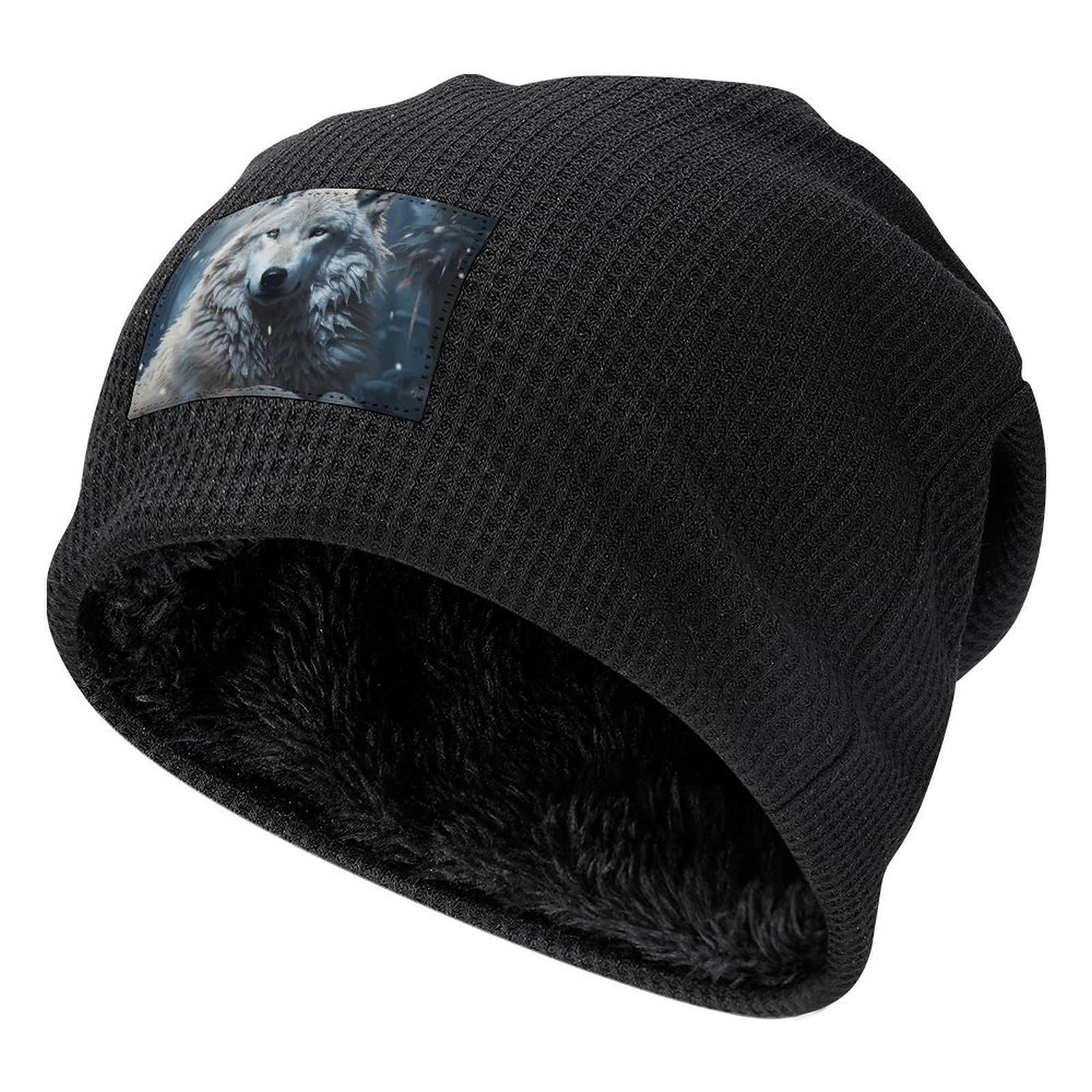 Wolf Sitting in The Snow Slouchy Beanie Winter Hat for Women Men Soft Ski Cap Warm Knit Skull Cap One Size Black Rank #1 | 🏆 Top Pick | — | |
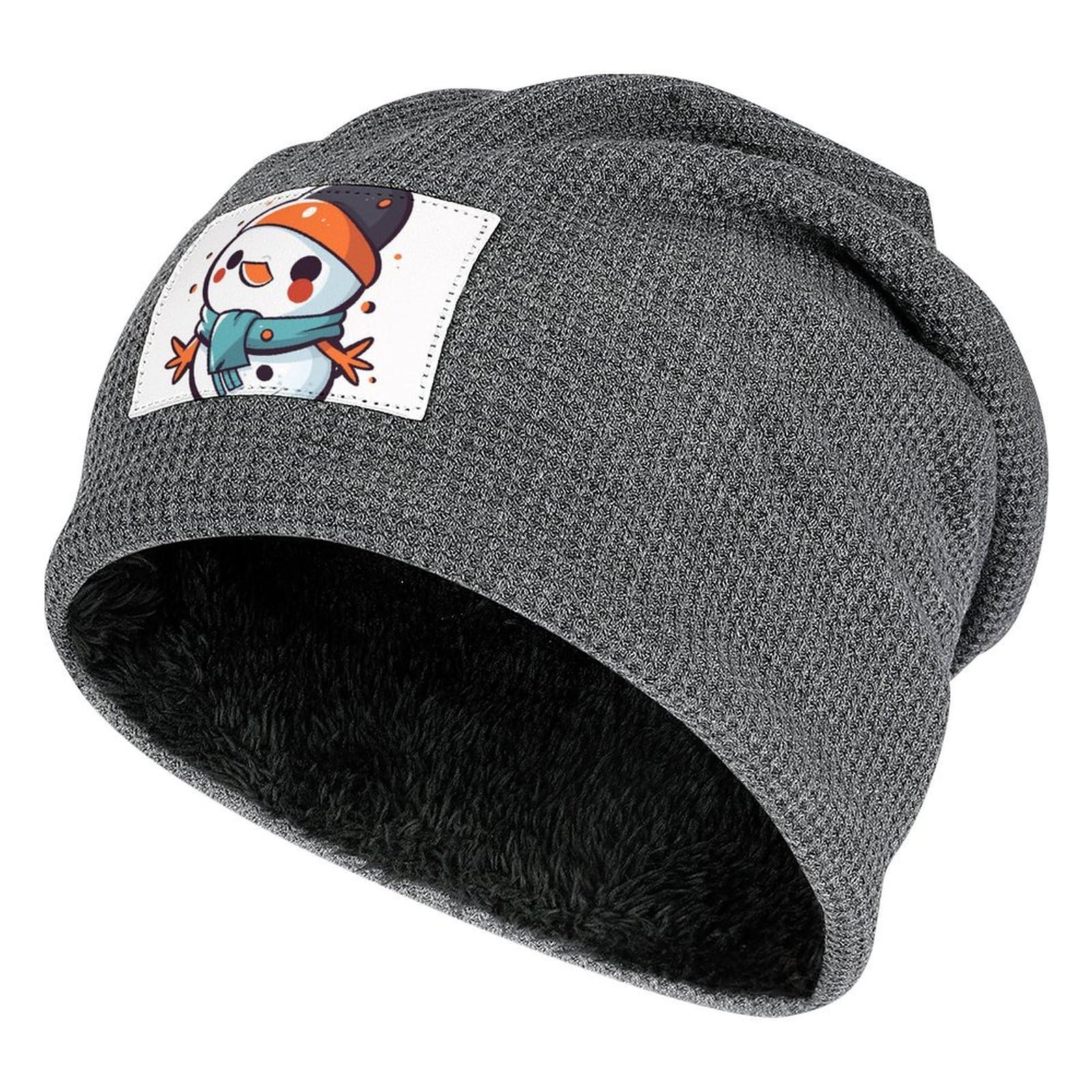 Snowman Orange Nose Slouchy Beanie Winter Hat for Women Men Soft Ski Cap Warm Knit Skull Cap One Size Dark Gray Rank #2 | — | ||
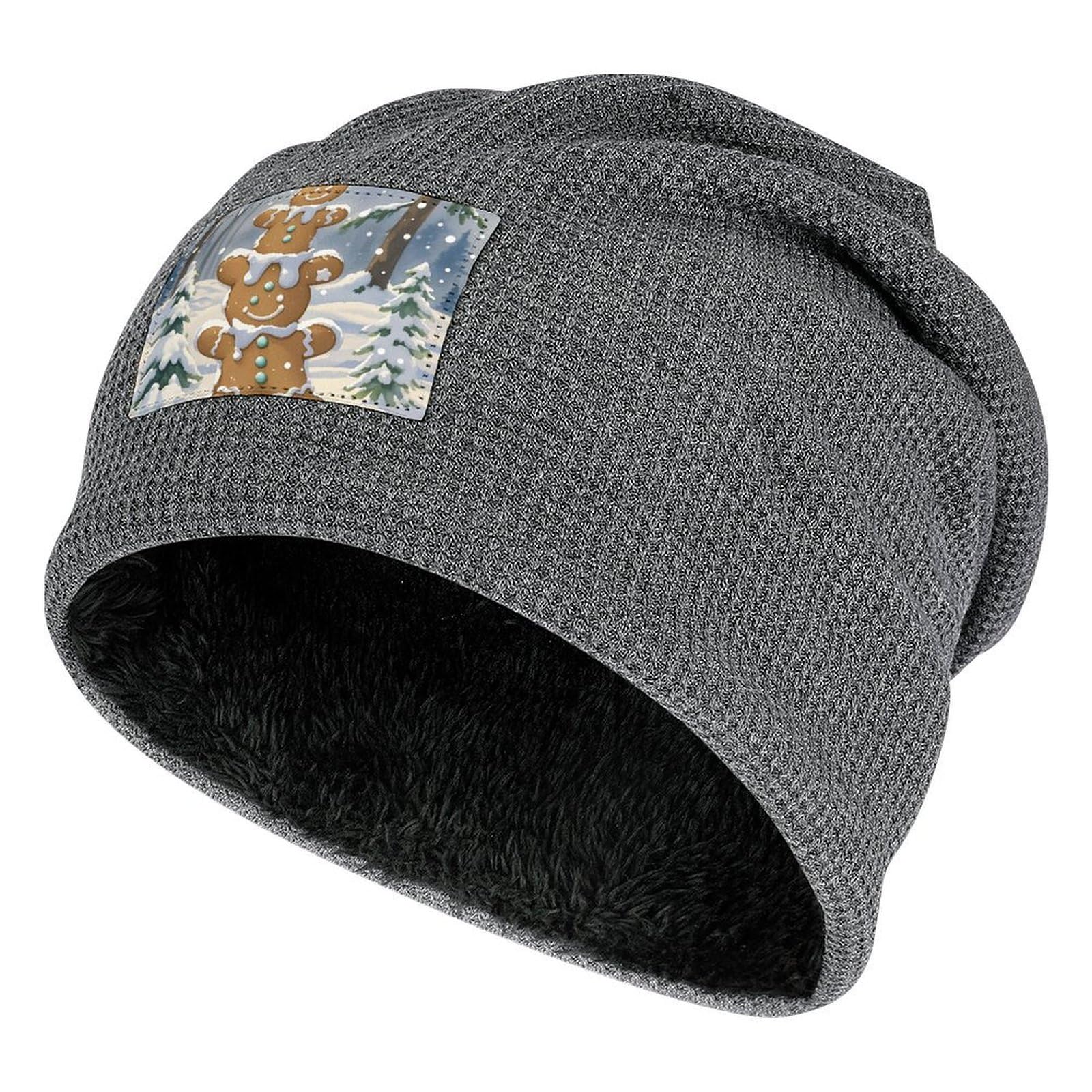 Playing in The Snow Slouchy Beanie Winter Hat for Women Men Soft Ski Cap Warm Knit Skull Cap One Size Dark Gray Rank #3 | — | — | |
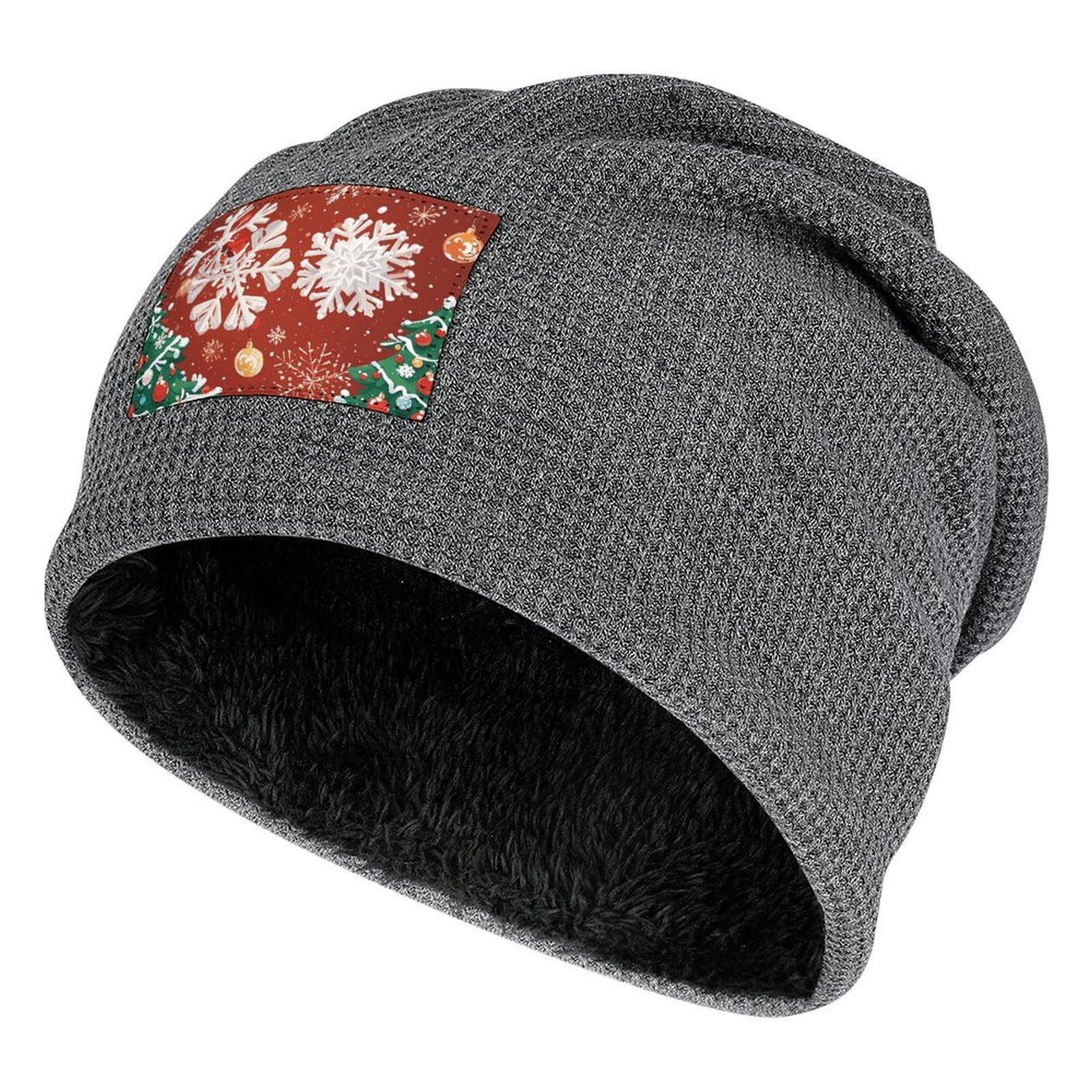 Snowflakes and Christmas Trees Slouchy Beanie Winter Hat for Women Men Soft Ski Cap Warm Knit Skull Cap One Size Dark Gray Rank #4 | — | — | |
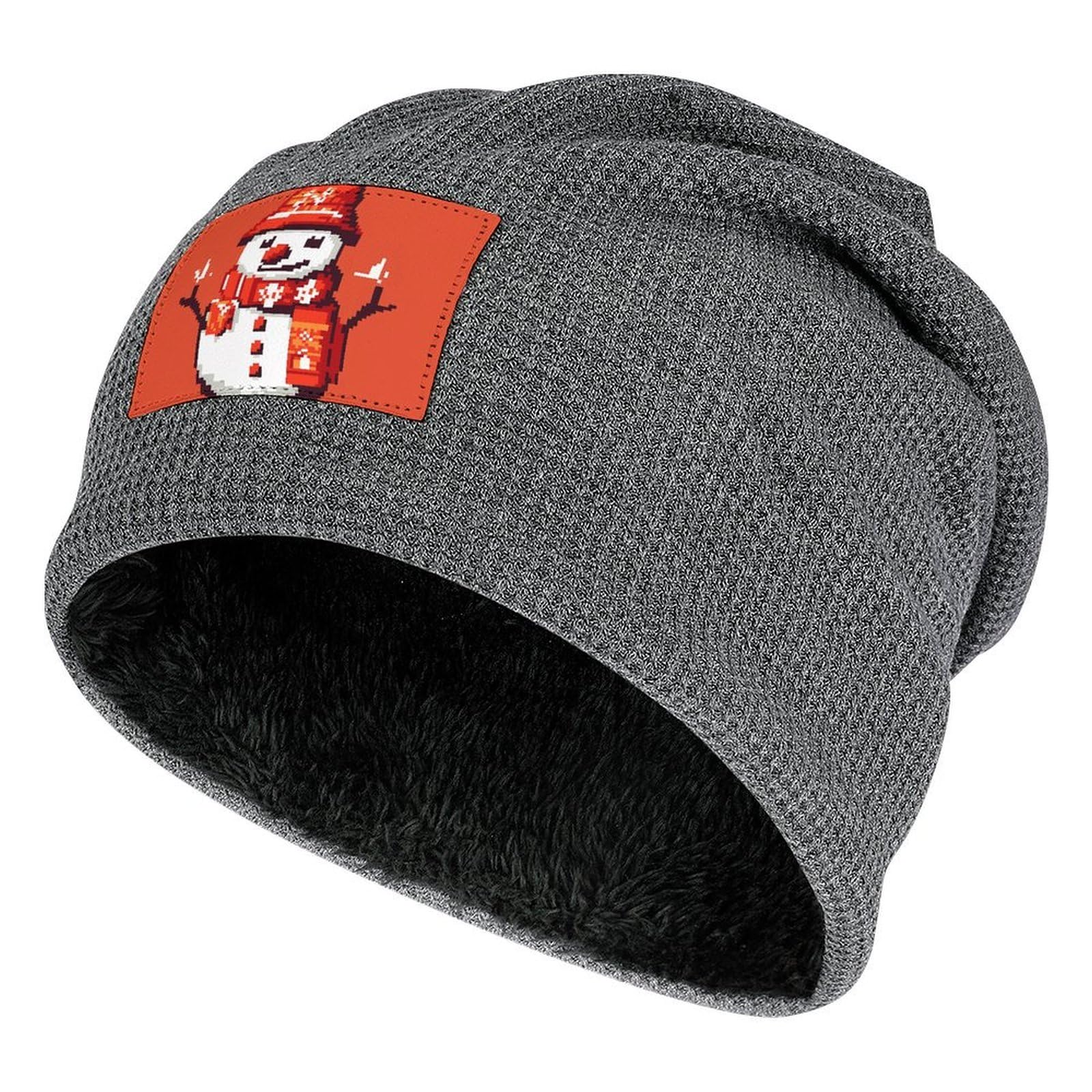 Pixelated Snowman Slouchy Beanie Winter Hat for Women Men Soft Ski Cap Warm Knit Skull Cap One Size Dark Gray Rank #5 | 💰 Budget Pick | — |
