Get the App
Better experience on mobile
Our team of experts has selected the best meal delivery services out of dozens of options. Don't get to a meal delivery service before reading these reviews.
In today's fast-paced world, selecting the right meal delivery services and supporting tools is crucial for businesses, caterers, restaurants, and even home users who rely on efficient food transport and storage. Whether you're running a commercial kitchen, hospital cafeteria, hotel service, or prepping meals at home, the wrong choice can lead to leaks, spoilage, contamination, or inefficient delivery, resulting in wasted food, unhappy customers, and higher operational costs. Proper meal delivery solutions ensure food stays fresh, secure, and hygienic during transit, complying with health standards while streamlining workflows.
This guide compares budget-friendly options like disposable and reusable containers with premium automated systems such as delivery robots. Budget approaches focus on affordable, manual packaging solutions that prioritize cost savings and simplicity—ideal for small-scale operations or occasional use. Premium options, on the other hand, involve high-tech robots with features like autonomous navigation and self-charging, suited for large-scale, contactless environments where labor costs and efficiency are paramount. The price range spans from $21.99 for basic reusable containers to $6,099 for advanced robots, offering something for every scale.
Readers will learn key features to evaluate, budget breakdowns, performance-value sweet spots, common pitfalls, and detailed reviews of top products. We'll cover the 200 Packs Golden Aluminum Foil Food Containers for heavy-duty commercial catering; Meal Prep Containers Reusable (50 Pack) for eco-friendly home or small business prep; Food Delivery Robot for Commercial Use in Hospital & Hotel with multi-robot coordination; Food Delivery Robot with Autonomous Indoor Navigation & Elevator Control for seamless restaurant service; and Gold Aluminum Foil Pans (Sample) for versatile baking and storage. By the end, you'll make an informed decision tailored to your needs, balancing durability, capacity, and innovation for optimal meal delivery. (Word count: 278)
Choosing the right meal delivery services and tools involves assessing your operational scale, frequency of use, and specific requirements like hygiene, portability, and automation. Start by defining your environment—commercial (e.g., restaurants, hospitals) versus home-based—and prioritize solutions that integrate seamlessly into your workflow. Factors like material quality, capacity, and tech features will determine long-term reliability and cost-effectiveness.
Material and Durability: Opt for food-grade materials like aluminum foil or BPA-free plastic to prevent leaks and contamination. Aluminum excels in heat resistance for hot foods (up to 500°F), while plastic is lightweight and reusable. Compare stackability and impact resistance—disposable foil containers like the 200 Packs Golden Aluminum Foil Food Containers are heavy-duty for stacking without crushing, unlike flimsier options that deform under weight.
Capacity and Size Options: Ensure containers or robots match portion sizes. The 85 Oz (2500 ML) foil containers handle family-style meals, while 38oz plastic ones suit individual lunches. For robots, look at tray capacity—models like the Food Delivery Robot with Autonomous Indoor Navigation hold multiple trays (up to 20kg payload), ideal for bulk deliveries versus single-tray budget alternatives.
Leak-Proofing and Sealing: Sealable lids are essential for spill-free transport. The foil containers feature tight-fitting lids for leak-proofing during catering, outperforming open pans like the Gold Aluminum Foil Pans (Sample). Robots add stability with secure trays and obstacle avoidance to prevent tipping.
Ease of Cleaning and Reusability: Reusable plastic containers (e.g., Meal Prep Containers Reusable) are microwave, dishwasher, and freezer-safe, reducing waste compared to disposables. For commercial use, evaluate sterilization—aluminum is recyclable but single-use, while robots minimize human handling for contactless hygiene.
Automation and Navigation Features: Premium robots include self-charging, multi-robot coordination, and elevator control for indoor autonomy. The Food Delivery Robot for Commercial Use coordinates fleets to avoid collisions, a step up from manual carts that require constant oversight.
Portability and Stackability: Lightweight designs like the 38oz plastic packs are easy to carry for home users, while stackable foil options save storage space in warehouses. Robots' wheeled bases enable effortless multi-floor delivery in hotels.
Compliance and Safety Certifications: Check for FDA approval on containers and safety standards (e.g., CE for robots) to meet health codes. Features like automatic obstacle avoidance in robots enhance safety in busy environments.
Meal delivery tools fall into three price tiers, each offering distinct value based on scale and needs.
Low Budget ($20-$30): Entry-level options like the Meal Prep Containers Reusable (50 Pack) at $21.99 or Gold Aluminum Foil Pans (Sample) at $25.99 provide basic storage for home preppers or small caterers. You get 50+ units of durable, reusable plastic or sample foil pans, focusing on affordability and minimal features—no automation, but excellent for occasional use with savings on disposables.
Mid Budget ($200-$300): Bulk disposables like the 200 Packs Golden Aluminum Foil Food Containers at $260.99 deliver commercial-grade volume (200 units, 85oz each) for catering businesses. This tier balances quantity and quality, including leak-proof lids and heat resistance, without the high upfront cost of tech—ideal for high-volume manual operations where per-unit cost drops below $1.50.
Premium Budget ($6,000+): High-end robots such as the Food Delivery Robot for Commercial Use ($6,098) or the Autonomous Navigation model ($6,099) invest in automation for large venues like hospitals or hotels. You gain self-charging, coordination systems, and contactless delivery, reducing labor by 50-70% over time, though initial costs are steep—ROI comes from efficiency in 24/7 operations.
Across tiers, factor in ongoing expenses: disposables add recurring buys, reusables cut waste, and robots lower staffing needs.
The sweet spot lies in mid-tier bulk containers for most users, offering robust performance without premium pricing. For instance, the 200 Packs Golden Aluminum Foil Food Containers provide commercial durability at under $1.40 per unit, outperforming cheaper plastics in heat retention and leak-proofing for catering—delivering 80-90% of robot-level reliability in manual setups at 4% of the cost. Budget reusables like the Meal Prep Containers hit value for small-scale with longevity (500+ uses per container), but lack scalability.
Premium robots shine in high-traffic settings, justifying $6,000+ with 24-hour uptime and error reduction (e.g., <1% delivery failure via navigation), but they're overkill for low-volume needs—performance gains plateau beyond mid-tier for budgets under $500. Overall, aim for 70-80% feature coverage within your price: reusables for eco-conscious solos, bulk foil for pros, robots for enterprises.
Overlooking Capacity Needs: Buying small 38oz containers for bulk catering leads to multiple trips—match to meal sizes, like opting for 85oz foil for family portions.
Ignoring Environmental Compatibility: Indoor robots without elevator control fail in multi-floor hotels; test navigation features first to avoid integration headaches.
Neglecting Hygiene Standards: Skipping BPA-free or food-grade certifications risks contamination—always verify for commercial use, as non-compliant plastics can leach chemicals.
Underestimating Volume Requirements: A sample pack like Gold Aluminum Foil Pans works for trials but not full service—scale up to 200-packs for cost efficiency in ongoing operations.
Forgetting Long-Term Costs: Choosing cheap disposables ignores reusables' savings (up to 60% over time); calculate total ownership, including robot maintenance fees (~$500/year).
Our top three picks cater to diverse users. First, the 200 Packs Golden Aluminum Foil Food Containers—best for commercial caterers needing heavy-duty, leak-proof bulk storage; it offers unmatched volume and durability at a mid-range price. Second, Meal Prep Containers Reusable (50 Pack)—ideal for home users or small businesses focused on eco-friendly, versatile prep; its dishwasher-safe design provides everyday value. Third, Food Delivery Robot with Autonomous Indoor Navigation—perfect for restaurants or hotels seeking automated, contactless efficiency; its self-charging and large capacity transform high-volume delivery. (Word count: 742)
Meal delivery services encompass tools and systems that facilitate the preparation, packaging, storage, and transport of food from kitchen to consumer, ensuring freshness and efficiency. These products—ranging from containers like the 200 Packs Golden Aluminum Foil Food Containers to robots like the Food Delivery Robot for Commercial Use—support this by providing leak-proof packaging for manual delivery or automated navigation for hands-free transport. Unlike subscription meal kits (e.g., HelloFresh), these focus on backend infrastructure for businesses or homes, helping maintain hygiene and reduce waste in commercial settings like catering or hospitals.
Disposable options, such as the Gold Aluminum Foil Pans or 200 Packs Golden Aluminum Foil Food Containers, prioritize convenience and heat resistance for one-time use in high-volume catering—aluminum handles temperatures up to 500°F without leaching, but generates waste. Reusable ones like the Meal Prep Containers (50 Pack) use BPA-free plastic for 500+ cycles, saving 50-70% on long-term costs and being microwave-safe for reheating on-site. Choose disposables for events where sanitation is paramount and reusables for daily home or small business prep to cut environmental impact, though plastics may wear faster under heavy stacking.
For small restaurants or cafes with under 50 daily deliveries, robots like the $6,099 Autonomous Navigation model may not justify the cost—ROI takes 1-2 years via 40-60% labor savings, but initial setup (mapping floors) adds $500-1,000. They're transformative for mid-to-large venues like hotels, where multi-floor navigation and contactless features reduce errors by 90% and comply with post-pandemic hygiene standards. Compare to containers: robots eliminate carrying but require power outlets; start with bulk foil packs if budget is tight, scaling to robots only if volume exceeds 100 meals/day.
Capacity depends on serving size—38oz reusables suit individual lunches (e.g., salads or entrees for one), while 85oz foil containers handle family or communal portions in catering. For robots, look at payload: 15-20kg supports 10-15 standard meals per trip. Avoid undersizing, which increases trips and costs; test with samples like the Gold Aluminum Foil Pans before bulk buys. In commercial use, FDA guidelines recommend at least 32oz for entrees to prevent overcrowding and ensure even cooling.
All featured items meet basic safety: containers are food-grade (BPA-free plastic or aluminum) to avoid contamination, with lids on foil packs preventing leaks and exposure. Robots enhance this via contactless delivery and obstacle avoidance, minimizing handling—ideal for sterile environments like hospitals. Always check temperatures: aluminum retains heat better for hot foods (above 140°F), while plastics need insulation for cold chains. Common tip: pair with thermal bags for transit over 30 minutes to comply with health codes like HACCP.
Yes, especially budget options—the Meal Prep Containers Reusable are designed for home bento boxes, offering compartments for balanced meals and freezer storage up to 3 months. Foil pans work for oven-to-table baking, though


Compare key specs and features of all our recommendations side-by-side
| Product | Recommendation | Rating | Price |
|---|---|---|---|
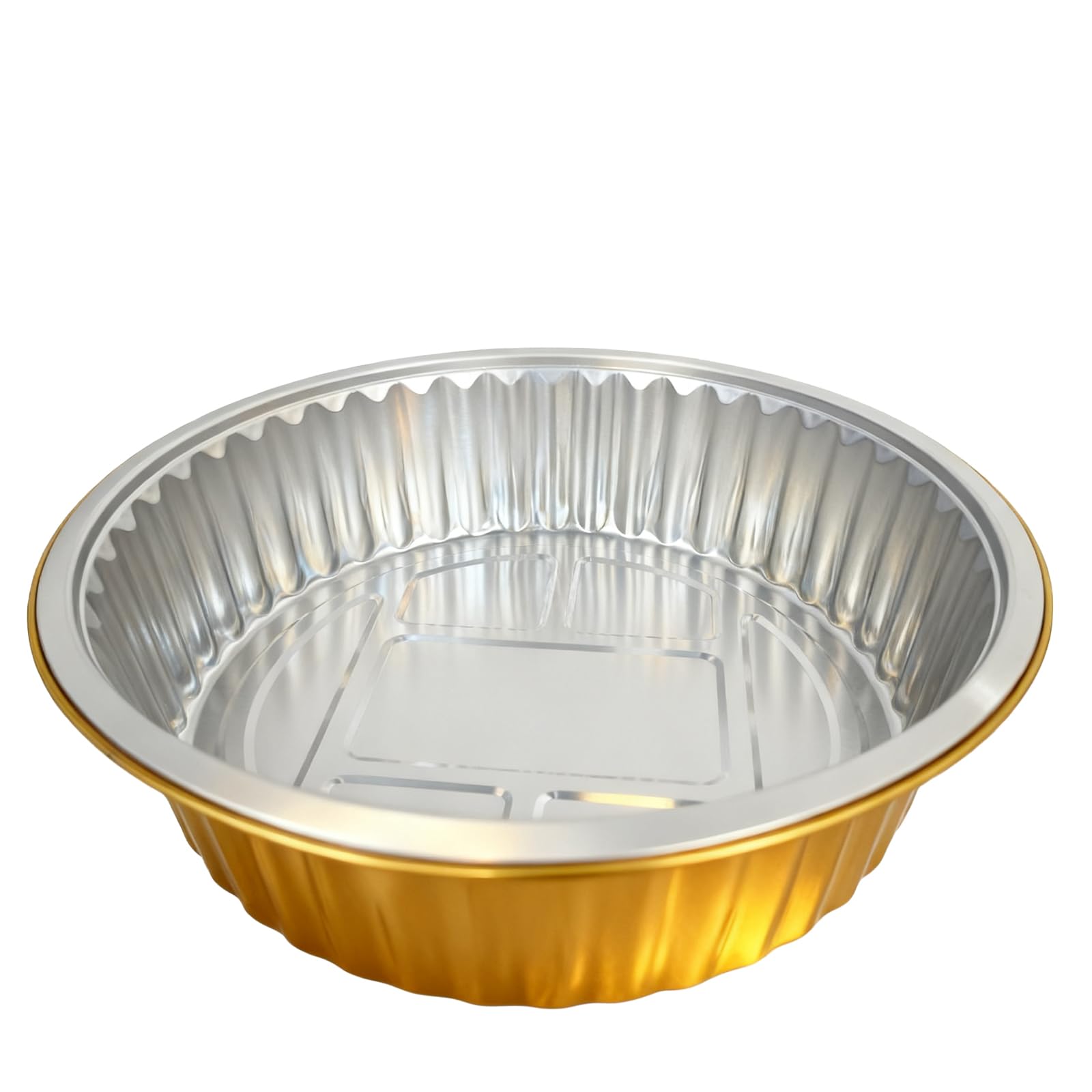 200 Packs Golden Aluminum Foil Food Containers - Heavy-Duty, Stackable, Leak-Proof with Sealable Lids for Commercial Use, Catering, and Food Service (85 Oz/2500 ML) Rank #1 | 🏆 Top Pick | — | |
Product Rank #2 | — | — | |
 Food Delivery Robot for Commercial Use in Hospital & Hotel; Features Multi-Robot Coordination System, Automatic Obstacle Avoidance, Self-Charging & Tray Collection Rank #3 | — | — | |
 Food Delivery Robot with Autonomous Indoor Navigation & Elevator Control; Self-Charging for Restaurant & Hotel Service, Large Capacity, Contactless Rank #4 | — | — | |
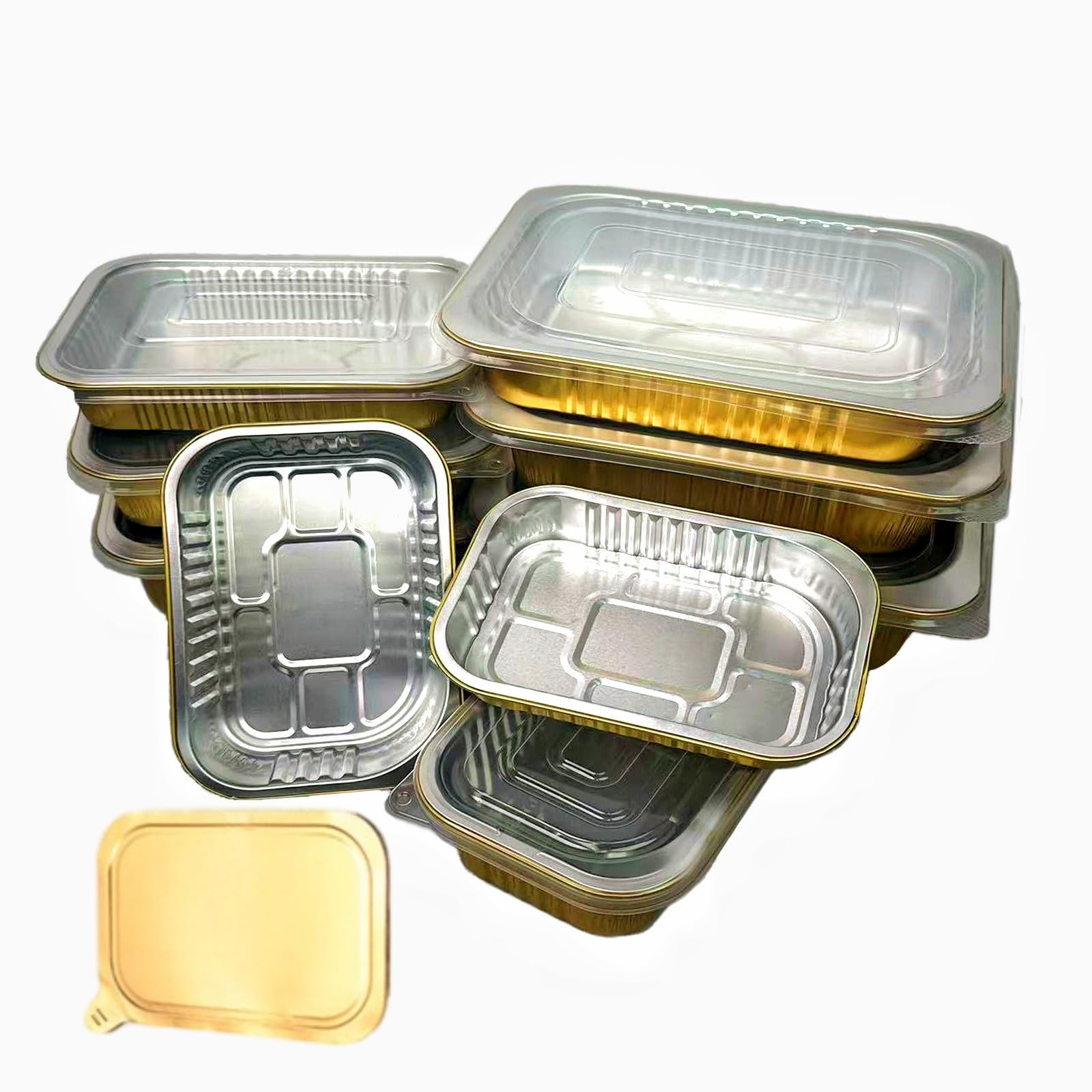 Gold Aluminum Foil Pans (Sample), Heavy-Duty, Commercial Grade, Stackable, Heat-Resistant Food Containers for Baking, Catering, Meal Prep,and Restaurant Supply (Square) Rank #5 | 💰 Budget Pick | — |
