Get the App
Better experience on mobile
From hybrid coils to cooling gel foam, these editor-curated mattresses match comfort, support, and price.
A mattress is the most-used piece of furniture you own, yet most people choose one in under 10 minutes of browsing. That's a problem, because the wrong bed can lead to back pain, restless nights, and a lighter wallet. The good news: today's market offers more options than ever—from budget-friendly foam beds that arrive in a box to luxury hybrids with organic fillings. But with so many choices, how do you separate marketing hype from genuine sleep quality?
Rather than ranking by firmness alone, we looked at what actually matters: support, pressure relief, temperature control, and motion transfer. We also considered durability and warranty coverage, because a mattress is an investment you'll live with for nearly a decade. Our research is grounded in manufacturer specs, published expert reviews, and thousands of verified owner experiences—not just a single-night hotel-style test.
We've included options from budget-friendly foam beds to premium hybrid and organic models, all of which have earned consistent praise from sleep experts and verified owners. Whether you're a side sleeper, back sleeper, or share a bed with a partner, this guide breaks down the strengths and trade-offs of each mattress to help you make a confident choice.
Remember, the best mattress for you is one that you'll consistently wake up feeling rested on, not just one that looks good in the showroom. So read on to find the perfect match for your sleeping style and budget.
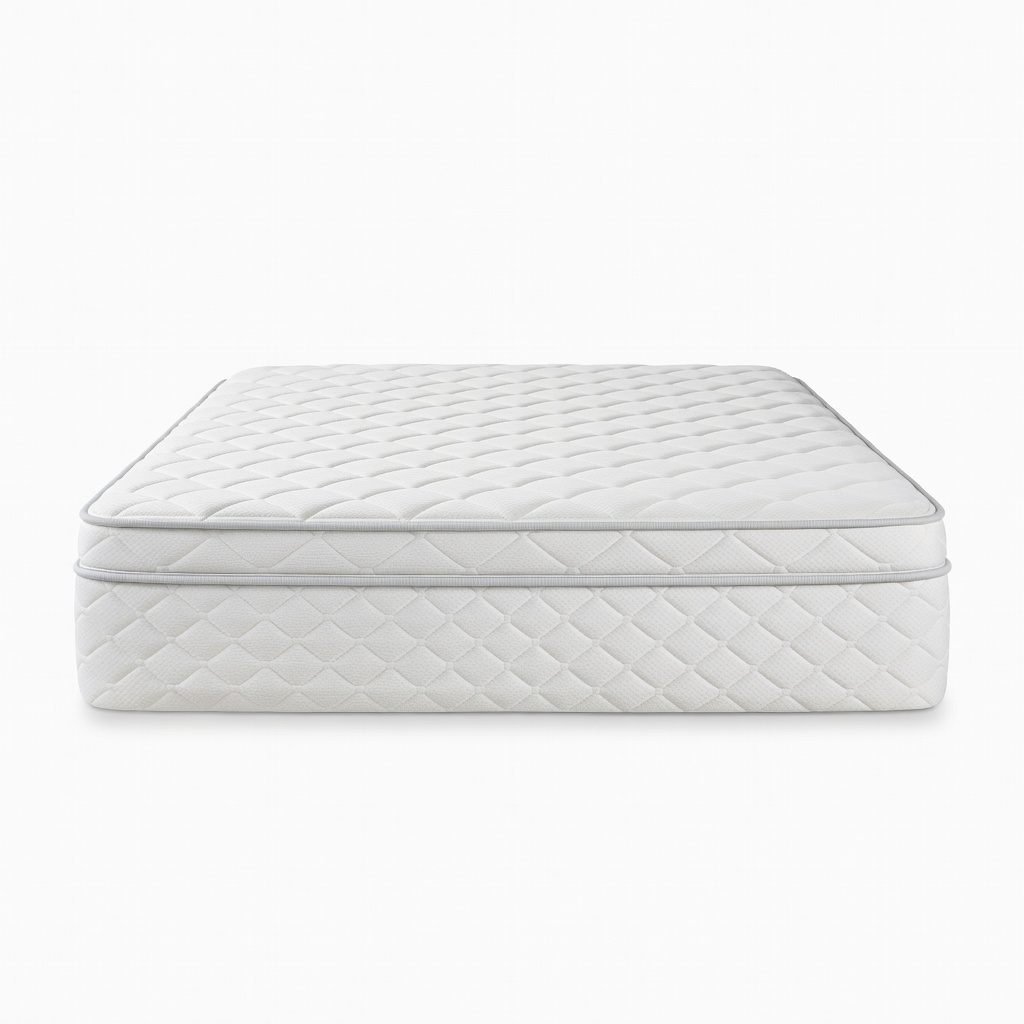
With a luxurious coil-on-coil design, plush comfort layers, and three firmness options, the Saatva Classic is the most well-rounded mattress we've researched, earning high marks from both experts and thousands of owners. Its durable construction and 15-year warranty back its premium feel. The trade-off is that it's a heavy mattress, making setup a two-person job.
Main limitation: The Saatva Classic's coil-on-coil build makes it quite heavy and difficult to move, and delivery doesn't include white-glove setup in all areas.
Skip if: Those who need a mattress delivered in a small box or who move frequently may find the Saatva's bulk and freight delivery inconvenient.
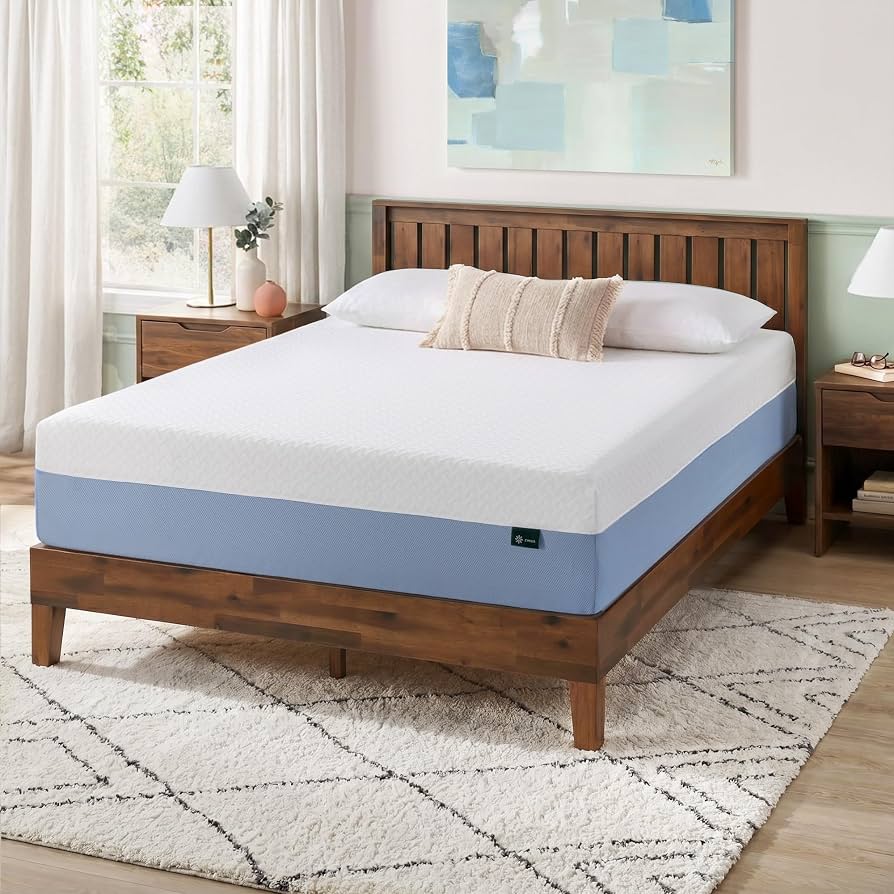
At a fraction of the cost of most mattresses, the Zinus delivers a comfortable medium-firm feel with cooling gel infusion and a high-density base layer. It's a favorite for guest rooms, dorms, and anyone who wants a solid bed without a premium price. The main compromise is long-term durability—expect it to soften more quickly than pricier options.
Main limitation: The Zinus may develop body impressions after 18–24 months of nightly use, and its fiberglass-free but low-density foam doesn't hold up as well for heavier individuals.
Skip if: If you're over 230 lbs or want a mattress that will last 10+ years, this budget-friendly choice will likely leave you unsatisfied.

The Nectar Premier Copper layers five inches of cooling memory foam over a responsive support core, delivering a sink-in yet supported feel that's particularly kind to shoulders and hips. Its heat-dissipating copper-infused cover helps hot sleepers stay comfortable. The downside is that some side sleepers might find it too soft for proper spinal alignment.
Main limitation: The soft memory foam surface means you may feel too 'stuck in the bed,' and its sink-in comfort can make getting in and out of bed harder for those with mobility issues.
Skip if: Those who prefer a firm, springy surface or need extra-edge support for sitting on the bed are better off with a hybrid innerspring model.
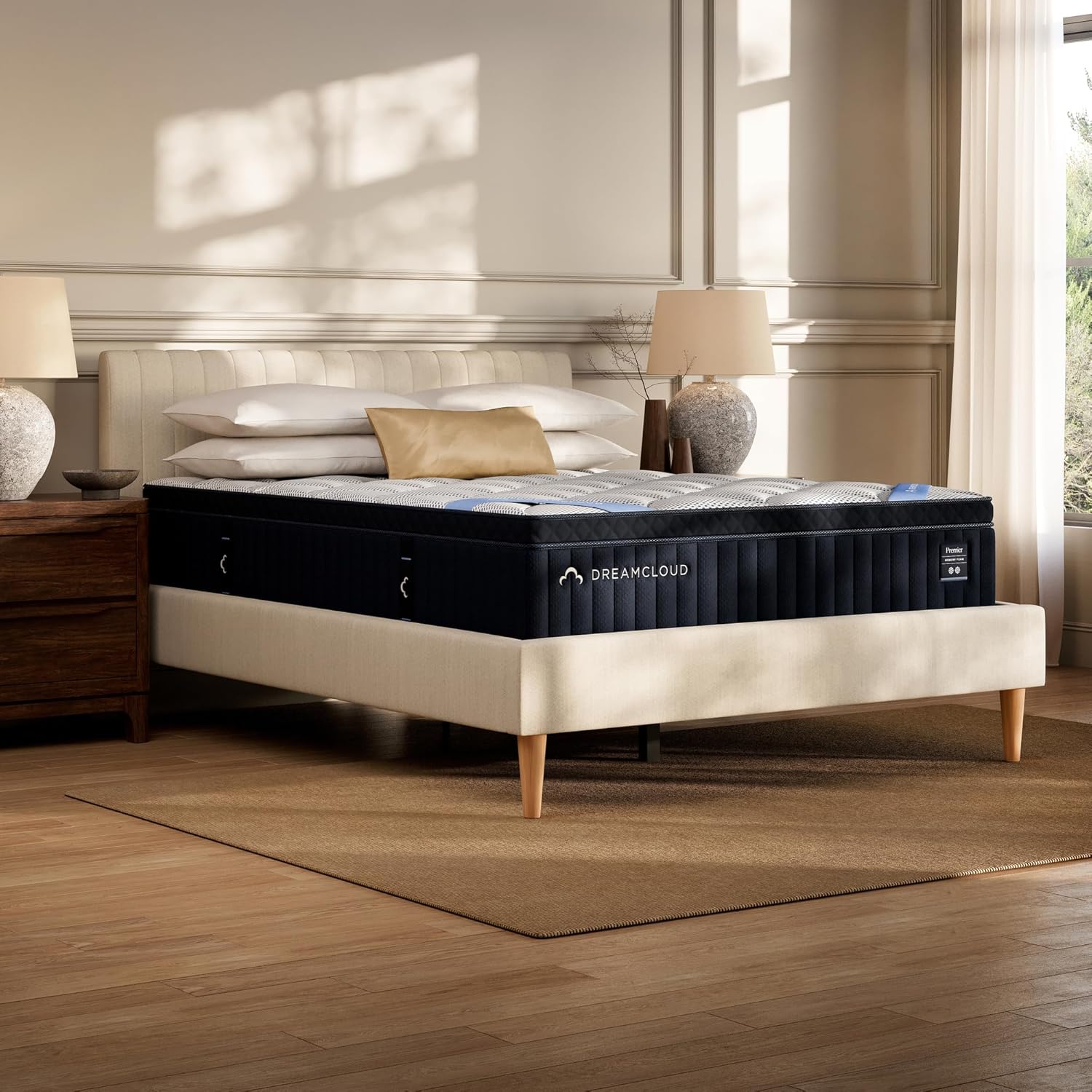
This tailored hybrid flaunts a medium feel with a pillow-top layer and zoned lumbar support, specifically engineered to align hips and shoulders for side sleeping. The coil system keeps the mattress breathable and responsive, while the foam comfort layer cradles joints. The premium price reflects the custom build, but it's a worthwhile investment for those who wake up with sore arms or hips.
Main limitation: The Midnight Luxe is pricier than many side-sleeper-focused foams, and some side sleepers under 130 lbs may find it too firm, despite the plush pillow-top.
Skip if: Stomach sleepers who need a firmer, flatter surface to prevent lower-back strain won't get enough support from its soft top layer.
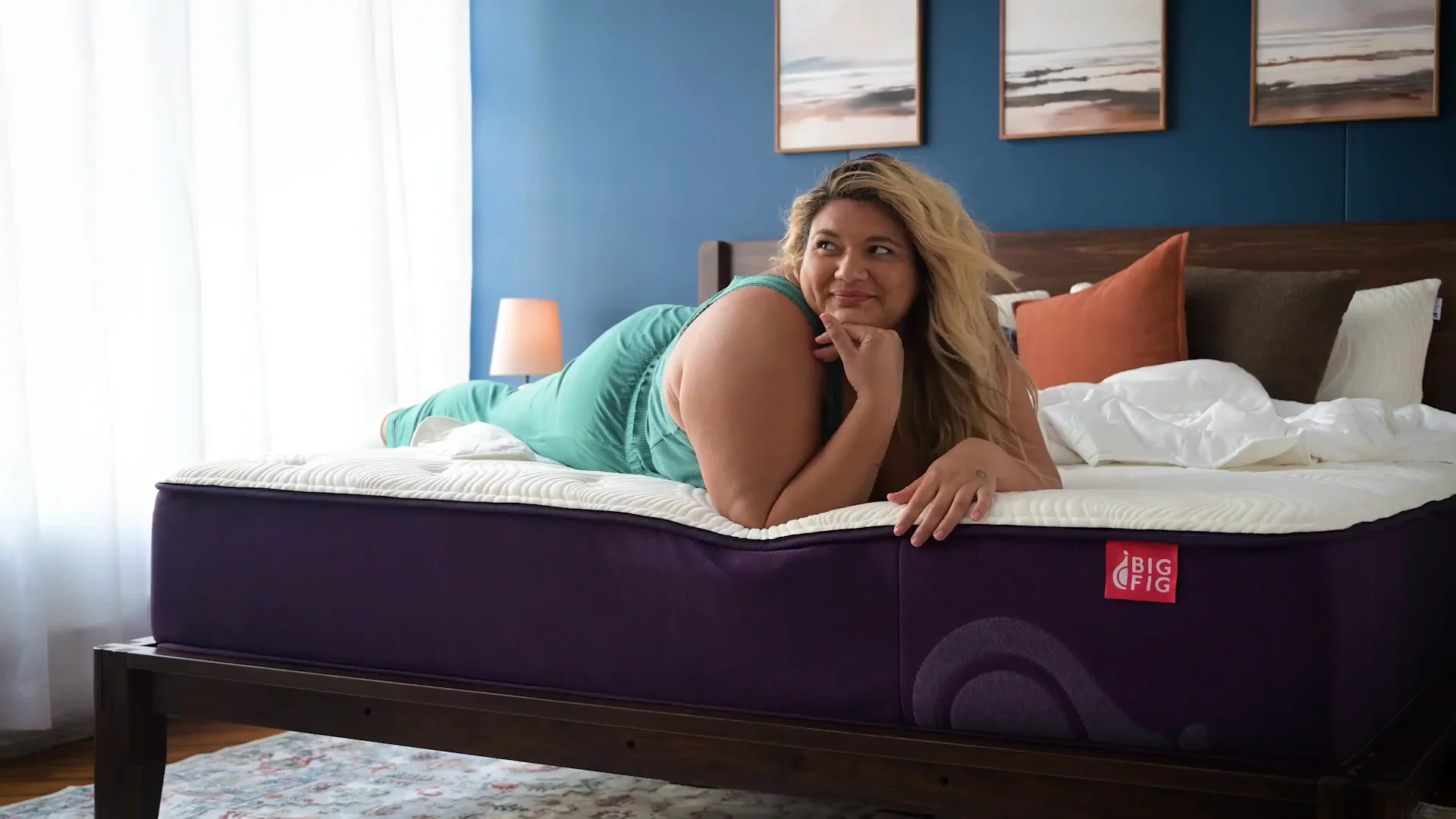
Designed specifically for heavier bodies (up to 1,100 lbs combined), the Big Fig uses high-density foam, reinforced coils, and a firm, extra-dense edge to prevent sagging and provide solid support. It's noticeably more durable than most standard beds and comes with a 20-year warranty. However, that durability makes the bed exceptionally firm, which not all sleepers will love.
Main limitation: The Big Fig is quite firm and heavy, and the reinforced perimeter means you won't get the plush, sink-in feel that many people associate with comfort.
Skip if: Side sleepers who prefer a soft, conforming surface or anyone under 150 lbs who doesn't need extra reinforcement may find it too rigid.
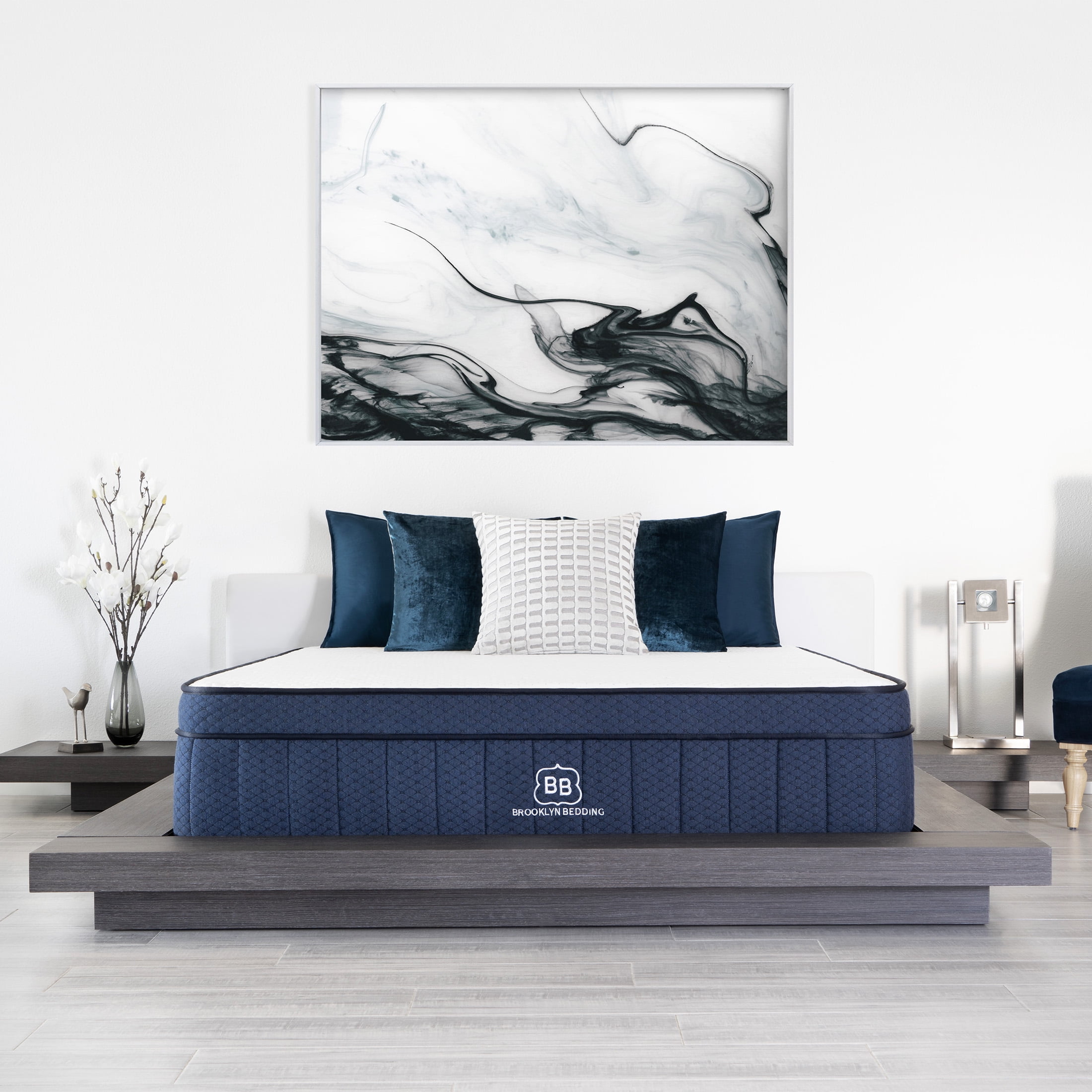
The Aurora Luxe is packed with cooling tech—including a phase-change cover, copper gel foam, and airflow-promoting coils—to help keep you at an even temperature all night long. With three firmness options, it suits an assortment of sleepers, and the zoned support gives solid spinal alignment. It's not cheap, but for hot sleepers it's one of the best-performing options.
Main limitation: The cooling cover feels very cool to the touch at first, which can be jarring in winter, and the mattress runs slightly soft for side sleepers depending on the firmness you choose.
Skip if: If you're on a tight budget or prefer a deep memory foam hug, the Aurora Luxe's firmer, more responsive feel won't match your expectations.
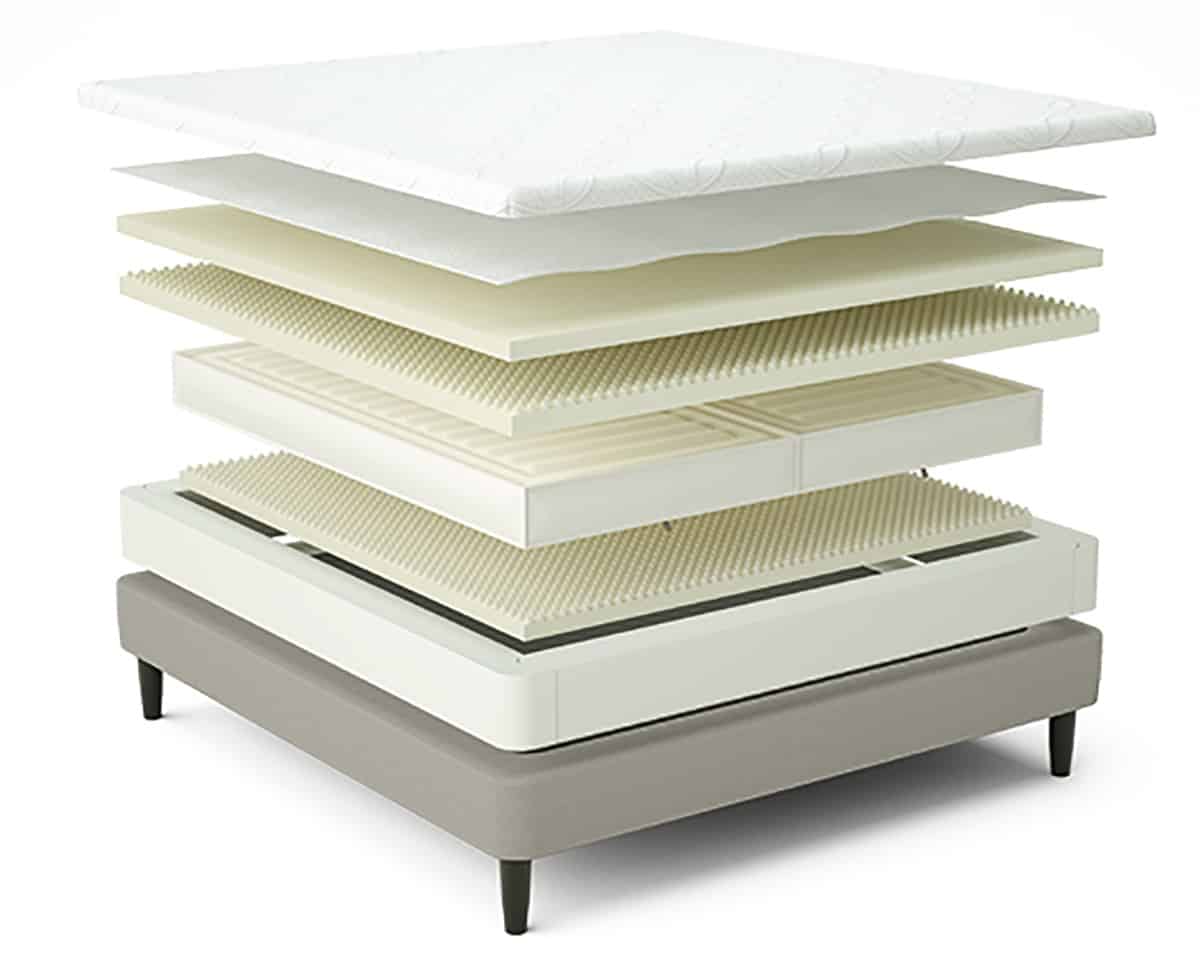
This high-tech bed lets each sleeper adjust their side's firmness from 1 to 100, with automatic adjustments that sense movement and snoring. The included SleepIQ technology tracks sleep quality and offers insights—ideal for couples who can't agree on a single feel. However, the price is high, and the air-chamber construction can feel a bit like sleeping on an inflatable mattress to some.
Main limitation: The air bladder system doesn't offer the same plush, pressure-relieving comfort as premium foam hybrids, and the smart features require a subscription for full functionality.
Skip if: Those who want a straightforward, no-tech mattress or who prefer the deep cushioning of memory foam will likely be disappointed by the Sleep Number's feel.
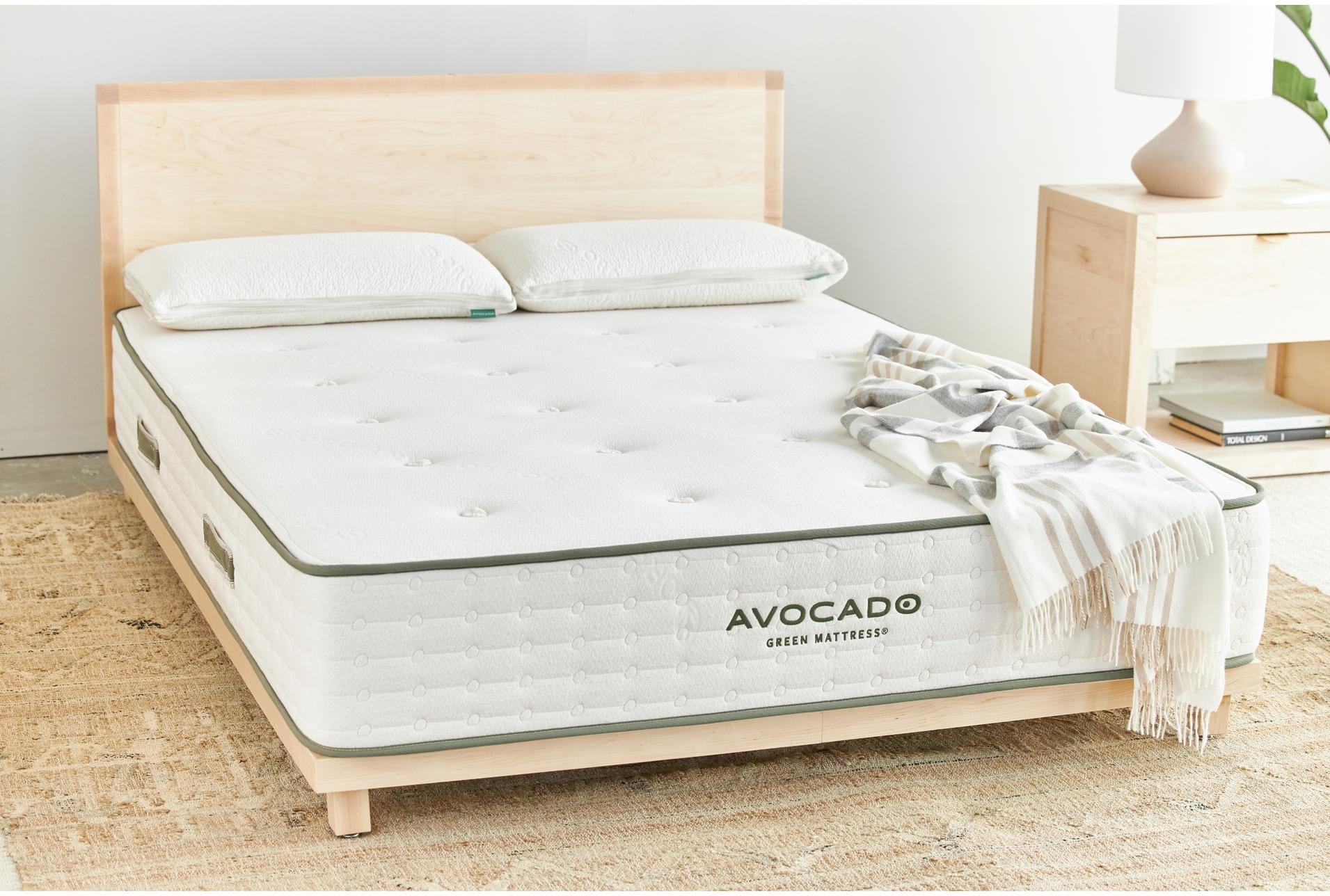
Made with GOLS-certified organic latex, wool, and cotton, the Avocado Green is a certified organic mattress that's free of toxic flame retardants and synthetic foams. Its responsive, buoyant feel is excellent for back and stomach sleepers, and the hand-tufted organic cover adds softness. The Dunlop latex is firmer than many expect, and the natural price point is on the premium side.
Main limitation: The organic latex layer feels quite firm and springy, which side sleepers may find too hard without adding the optional plush pillow-top.
Skip if: Those who want a soft, contouring memory foam feel or who are sensitive to slight natural latex bounce should steer clear.
Compare key specs and features of all our recommendations side-by-side
| Product | Recommendation | Rating | Price |
|---|---|---|---|
Saatva Classic Mattress Rank #1 | 🏆 Top Pick | 9.0/10 | $1,995–$4,095 depending on size and options Check current price → |
Zinus 12-inch Cooling Gel Memory Foam Mattress Rank #2 | 💰 Budget Pick | 8.0/10 | $219–$429 depending on size Check current price → |
 Nectar Premier Copper Mattress Rank #3 | ⭐ Editor's Choice | 4.3 4.3 | $899–$1,499 depending on size Check current price → |
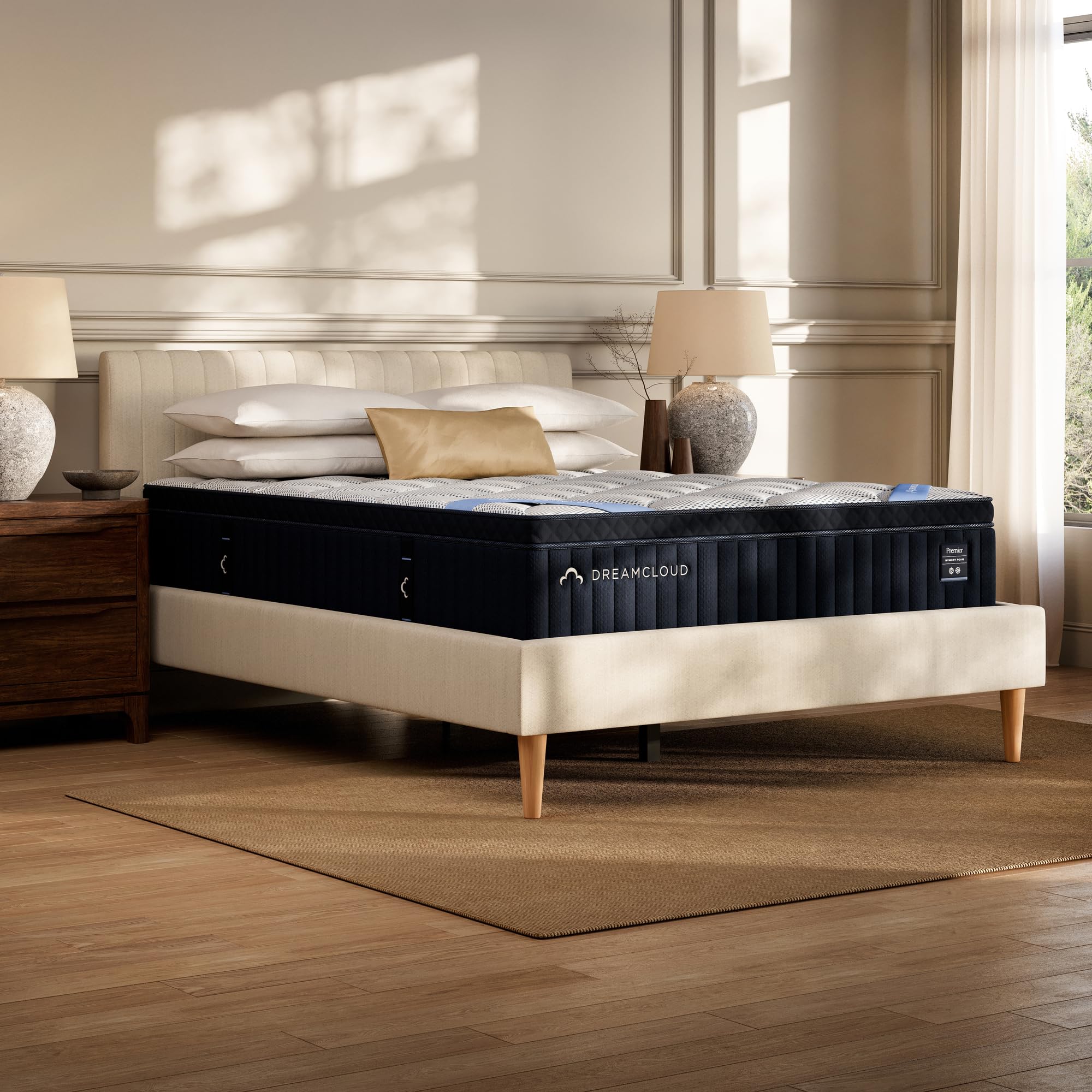 Helix Midnight Luxe Rank #4 | — | 4.2 4.2 | $1,399–$2,099 depending on size Check current price → |
Big Fig Mattress Rank #5 | — | 8.0/10 | $1,299–$1,699 depending on size Check current price → |
Brooklyn Bedding Aurora Luxe Rank #6 | — | 8.0/10 | $1,299–$1,899 depending on size Check current price → |
Sleep Number 360 iLE Smart Bed Rank #7 | — | 7.5/10 | $3,999–$6,999 depending on size and bundle Check current price → |
Avocado Green Mattress Rank #8 | — | 8.5/10 | $1,999–$2,999 depending on size Check current price → |
Common questions buyers have about this category.
Many sleep experts recommend a medium-firm hybrid with zoned lumbar support for lower back pain, such as the Helix Midnight Luxe or the Saatva Classic. Look for a mattress that keeps your spine in a neutral alignment without causing pressure points in your hips and shoulders. Personal preference still matters, so take advantage of in-home trials to test the bed on your own frame.
On average, a good quality mattress should last between 7 and 10 years with proper use. Budget foam beds might need replacement sooner, while high-end hybrids and latex mattresses can last 12–15 years. Check the warranty length to get a sense of the expected lifespan, but know that warranties often require regular rotation.
Expensive mattresses usually offer better materials—higher quality foams, more durable coils, and organic textiles—which can translate to better comfort and longevity. However, budget options can still provide great sleep for many people, especially if you're lighter or don't have specific pressure or support needs. The 'right' price is the one that buys you the comfort you actually use, not the highest number on the tag.
Yes. Side sleepers need a softer feel (medium to soft) so that the shoulders and hips can sink into the mattress while the spine stays aligned. A mattress that's too firm can cause shoulder or hip pain, while one that's too soft may over-contour and make it hard to roll over. Look for a bed with pressure-relieving comfort layers but still enough support.
It's possible, especially if you're looking for a guest room or a child's bed. Models like the Zinus 12-inch Cooling Gel Memory Foam mattress provide decent comfort and support for a low price. Just know that cheaper mattresses often use lower-density foam and may lose their shape after 2-3 years of nightly use.
A hybrid mattress has a comfort layer of foam or latex on top of a coil support core, while an all-foam mattress uses layers of polyurethane or memory foam. Hybrids typically offer more edge support, better airflow, and a bit more bounce, but they're usually heavier and more expensive. Foam mattresses are lighter, quieter, and absorb motion better, but they tend to retain heat.
Modern mattresses, especially the ones designed for adjustable bases, don't require a box spring. Many are designed to rest directly on a slatted foundation or a flat base. Check the mattress's requirement—some hybrid mattresses may need a center support bar to prevent sagging. You can often reuse your old box spring if it's in good shape, but ensure it's not part of the mattress's warranty conditions.
Products we evaluated but did not recommend — and why.
