Get the App
Better experience on mobile
We scoured the sales to find the mattresses worth buying this Labor Day, from budget-friendly foam to premium hybrids.
Labor Day has become mattress season—a time when the biggest names in the industry slash prices on everything from budget-friendly foam to luxury hybrids. But navigating the sea of discounts requires more than just finding the lowest sticker price. The best mattress for you depends on your body, sleep position, and comfort preferences, and the right sale simply makes that choice more affordable.
From pressure-relieving memory foam to supportive hybrids and innerspring systems, today's mattresses are engineered with advanced materials that can dramatically improve sleep quality. The challenge is filtering through marketing hype to identify what actually works. That's why we dove deep into the data—combing through product specs, owner experiences, and independent evaluations—to separate the true standouts from the also-rans.
To build this list, we cross-referenced published expert reviews from established outlets, analyzed manufacturer specifications, and aggregated verified buyer feedback across multiple retailers. We focused on models that consistently deliver on comfort, durability, and value—and that are available with meaningful Labor Day discounts. Every pick has been checked against its competitors to ensure you're getting the best mattress for your money, whatever your budget.
Our top picks span the price spectrum: from a budget-friendly Nectar that offers surprising luxury to a premium Saatva Classic that delivers hotel-level comfort. Whether you're a side sleeper in need of pressure relief, a hot sleeper craving airflow, or a couple seeking motion isolation, there's a mattress here for you—and it's likely on sale this Labor Day.
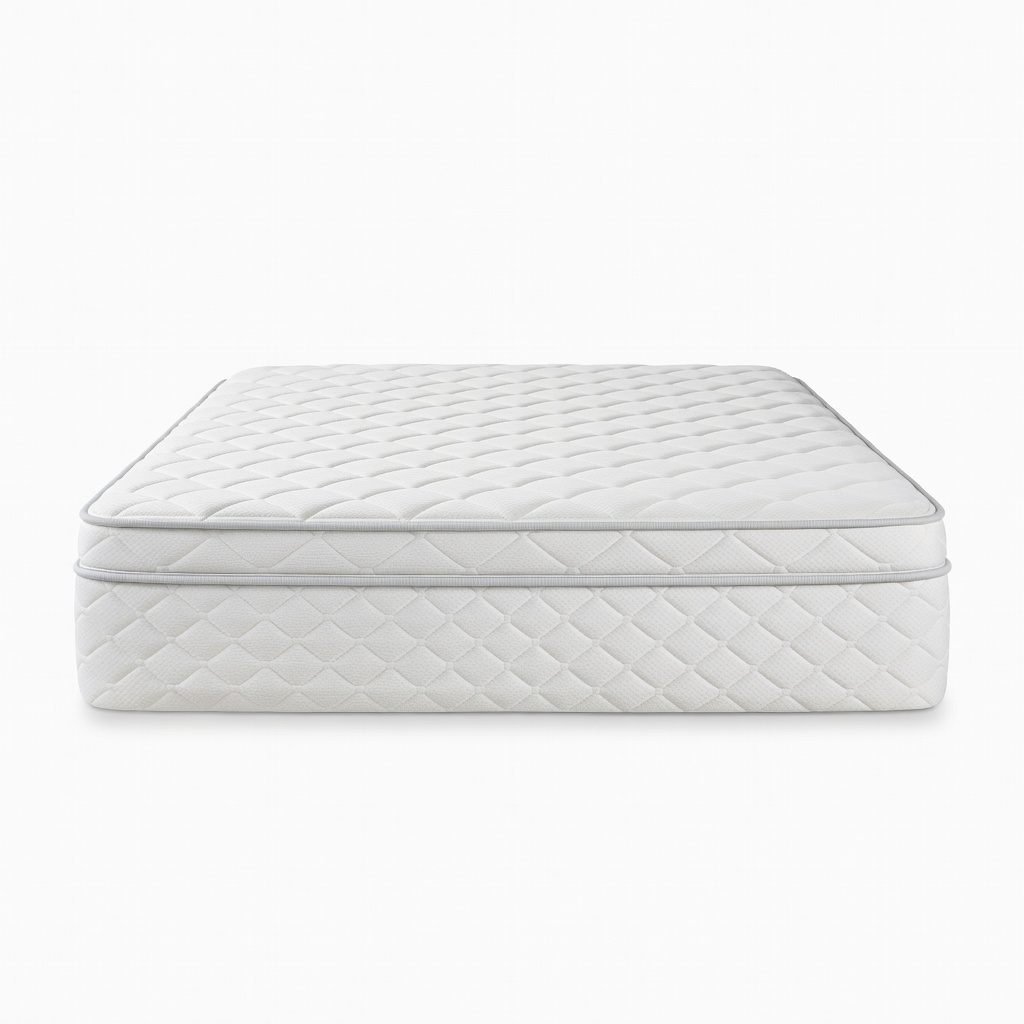
The Saatva Classic is a luxury hybrid that combines a durable innerspring system with 3 inches of memory foam for a balanced feel that works for all sleepers. It comes in two firmness options and is built with eco-friendly materials, making it a standout choice for those who want premium comfort without a bed-in-a-box setup. The main trade-off is its higher price point and the need for a foundation (not a simple floor setup).
Main limitation: Premium pricing puts it out of range for budget shoppers, and it requires a box spring or platform foundation, which adds to the total cost.
Skip if: Anyone looking for a budget-friendly bed-in-a-box with free returns and no fuss.
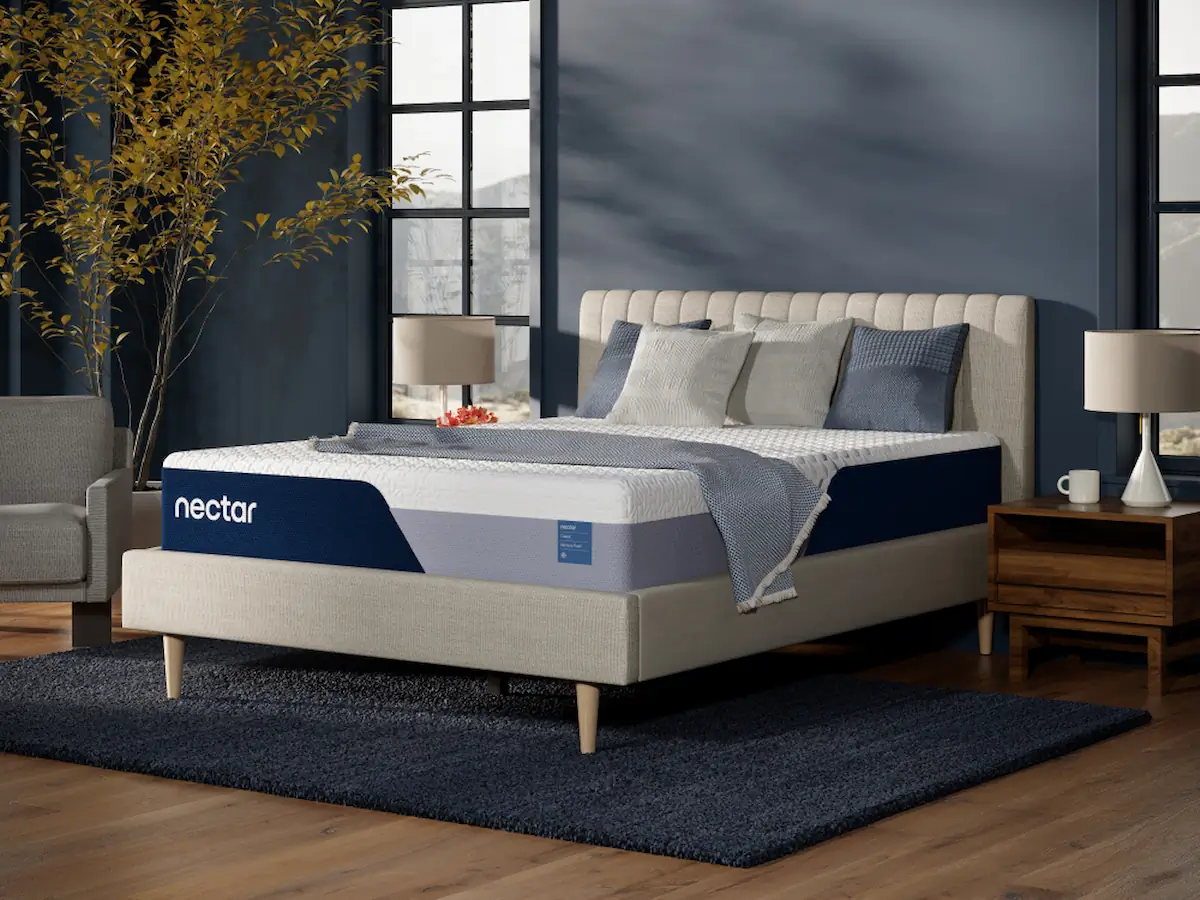
The Nectar offers a high-density memory foam build with a plush, contouring feel at a price that's hard to beat—especially during the brand's frequent Labor Day sales. It includes a 365-night trial and a forever warranty, making it a low-risk entry into premium sleep. The trade-off is that it sleeps a bit warmer than hybrid options and may not provide the edge support that heavier sleepers need.
Main limitation: Memory foam can retain heat, and the lack of coils means less bounce and edge support.
Skip if: Anyone who sleeps very hot or likes the responsiveness of a hybrid or innerspring mattress.
The Helix Midnight Luxe is a premium hybrid designed specifically for back pain sufferers, with zoned lumbar support that aligns the spine and reduces pressure points. Its coil-and-foam construction provides a balanced feel that's both supportive and comfortable, and the firmness is moderate—ideal for back and combination sleepers. The downside is that it's pricey, and the luxury pillow top may not be firm enough for strict stomach sleepers.
Main limitation: The plush pillow top can be too soft for stomach sleepers, and the premium price tag isn't justified for those who don't need zoned support.
Skip if: Stomach sleepers or anyone who prefers a very firm sleeping surface.
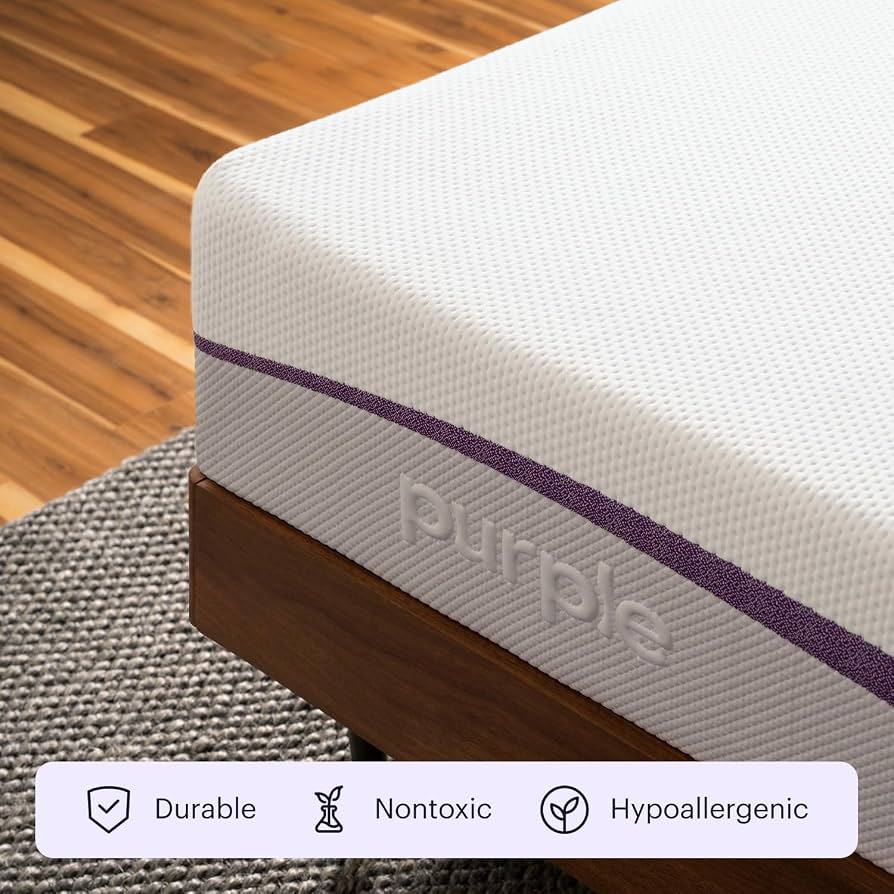
The Purple delivers a one-of-a-kind sleeping experience with its hyper-elastic polymer grid that promotes maximum airflow and stays cool all night. It's exceptionally breathable and offers a unique 'floating' sensation that many hot sleepers love. However, the grid's distinctive feel isn't for everyone—some find it too firm or strange, and it doesn't offer the deep cushioning of memory foam.
Main limitation: The unique grid texture is polarizing, and it lacks the traditional softness of memory foam, which may disappoint side sleepers seeking plush pressure relief.
Skip if: Sleepers who prefer a traditional foam feel or those on a tight budget, as the Purple is a premium product.
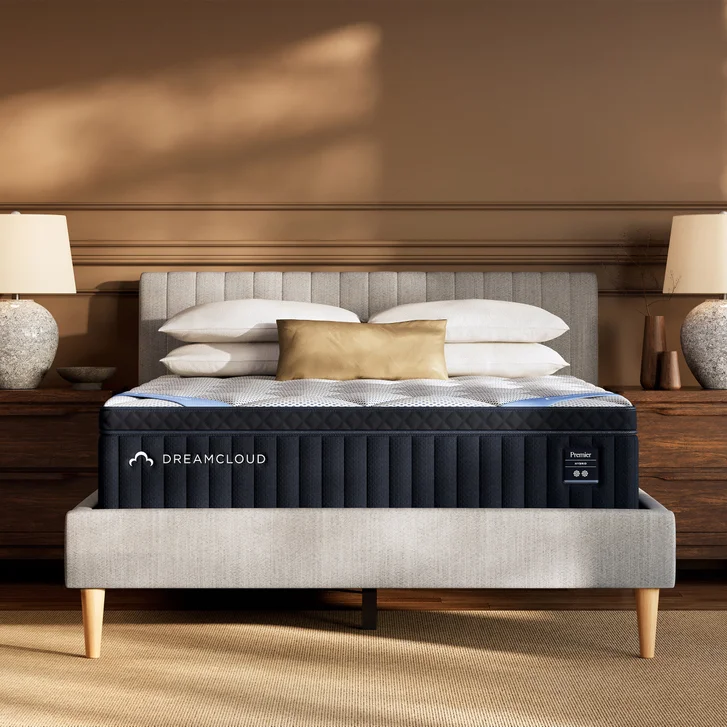
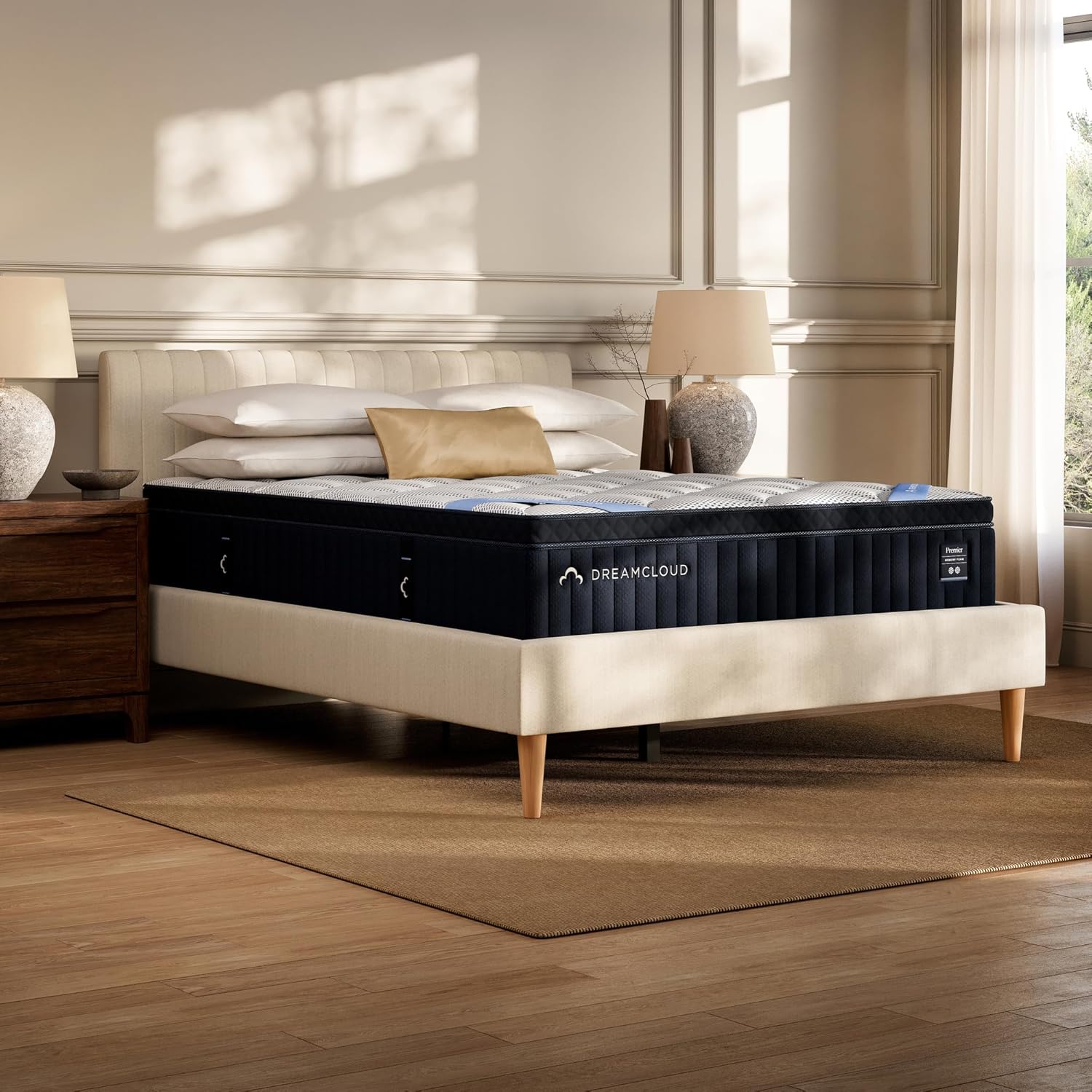
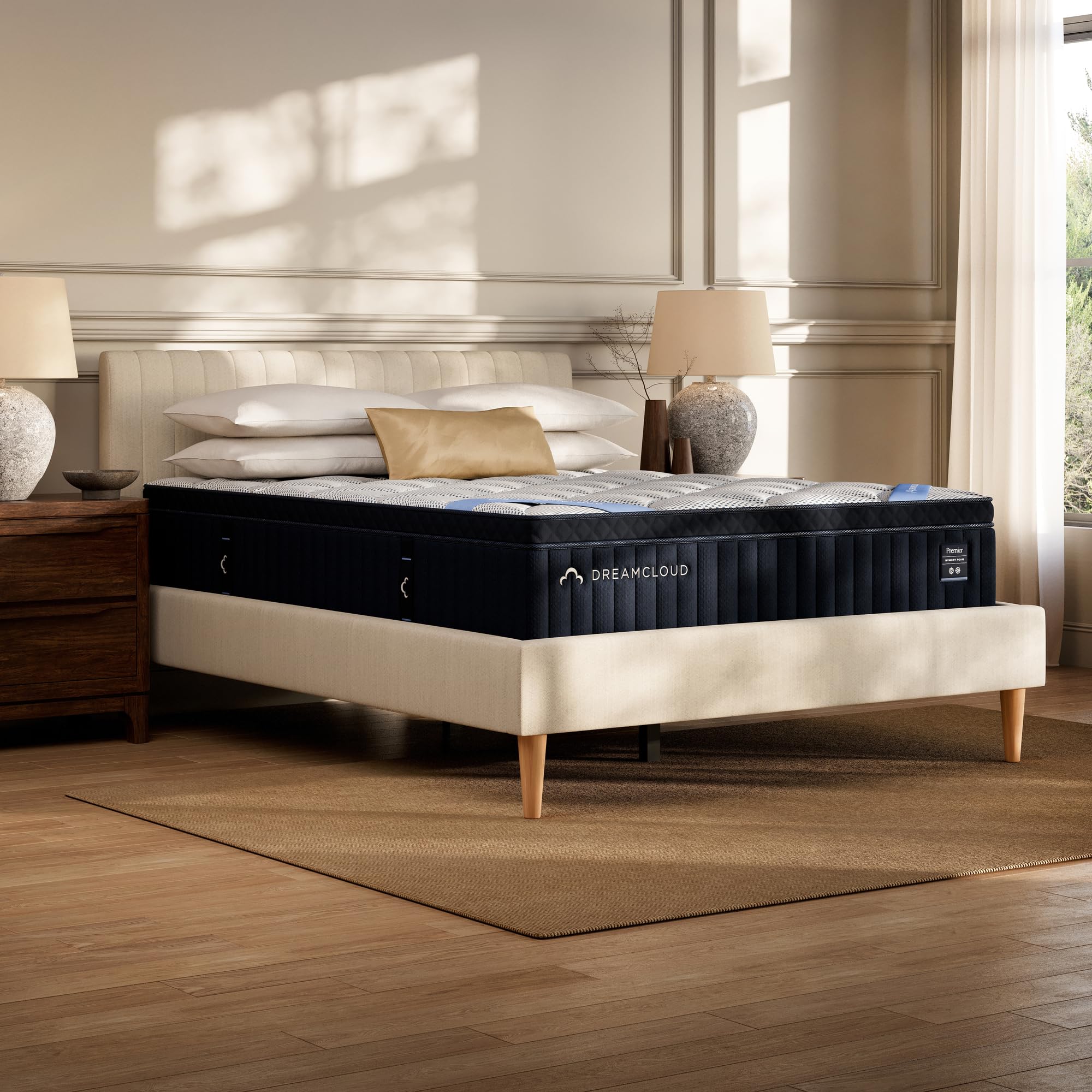
The DreamCloud hybrid balances plush comfort and responsive support, with a 5-layer system that includes coils for edge support and minimal motion transfer. Its medium-firm feel is versatile, and the cashmere blend cover adds a touch of luxury. The trade-off is that it's heavier and harder to move, and the plushness may be too soft for stomach sleepers.
Main limitation: It's a heavy mattress, making setup a two-person job, and the plush top can feel too cushiony for those who need a firmer base.
Skip if: Couples where one partner is a very heavy sleeper or tosses and turns all night, and people who need a lightweight mattress for frequent moving.
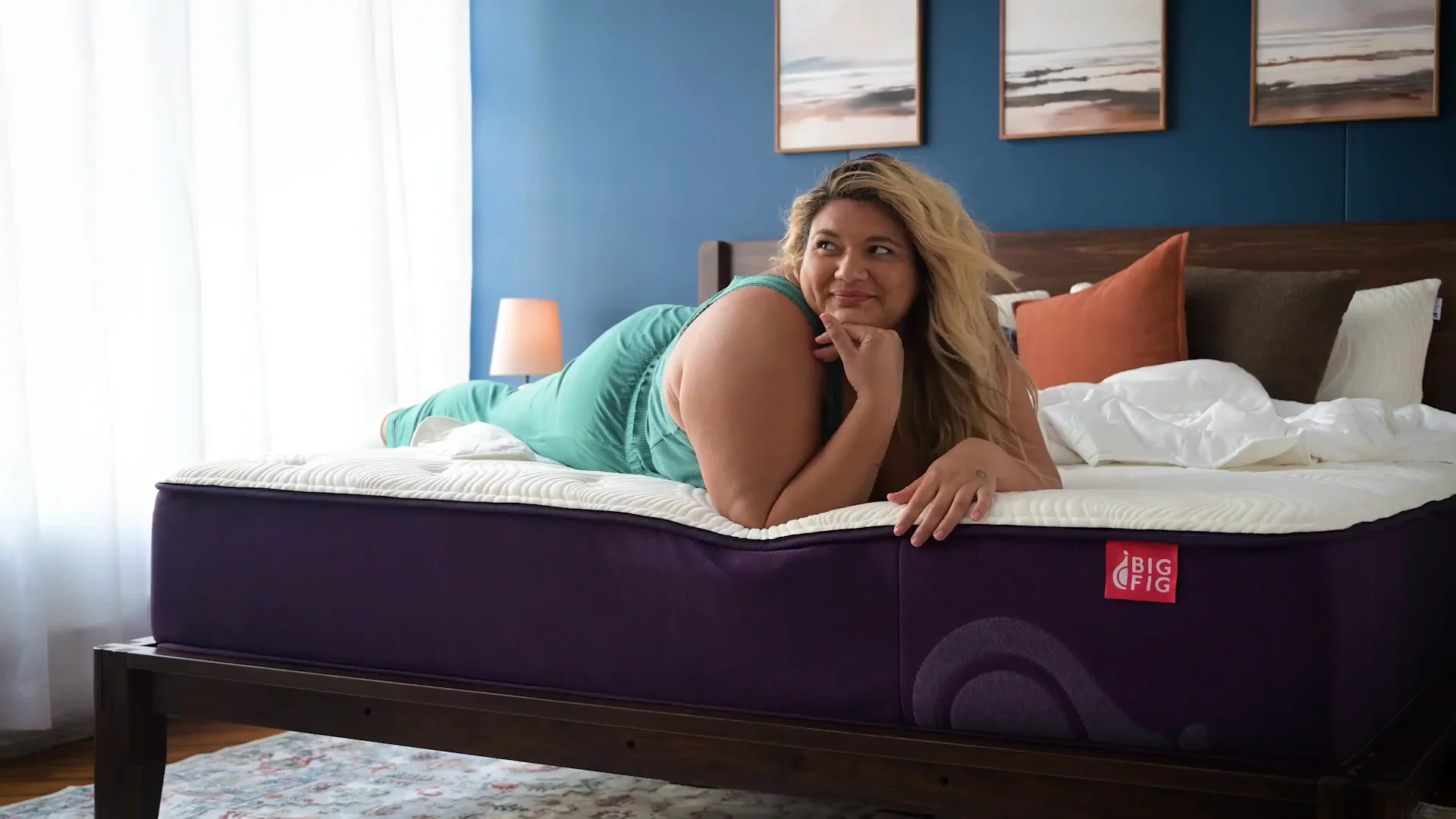
Designed and engineered for sleepers over 230 pounds, the Big Fig uses a high-density foam core and reinforced coils to provide exceptional support and durability. It has a firmer feel that prevents sagging, and the cooling cover helps regulate temperature—a must for larger bodies. However, its extreme firmness can be uncomfortable for side sleepers or those who prefer a softer surface.
Main limitation: The firmness is not forgiving for side sleepers, and the mattress is quite heavy and difficult to maneuver without help.
Skip if: Anyone under 200 pounds, side sleepers, or people who like a plush, sink-in feel.
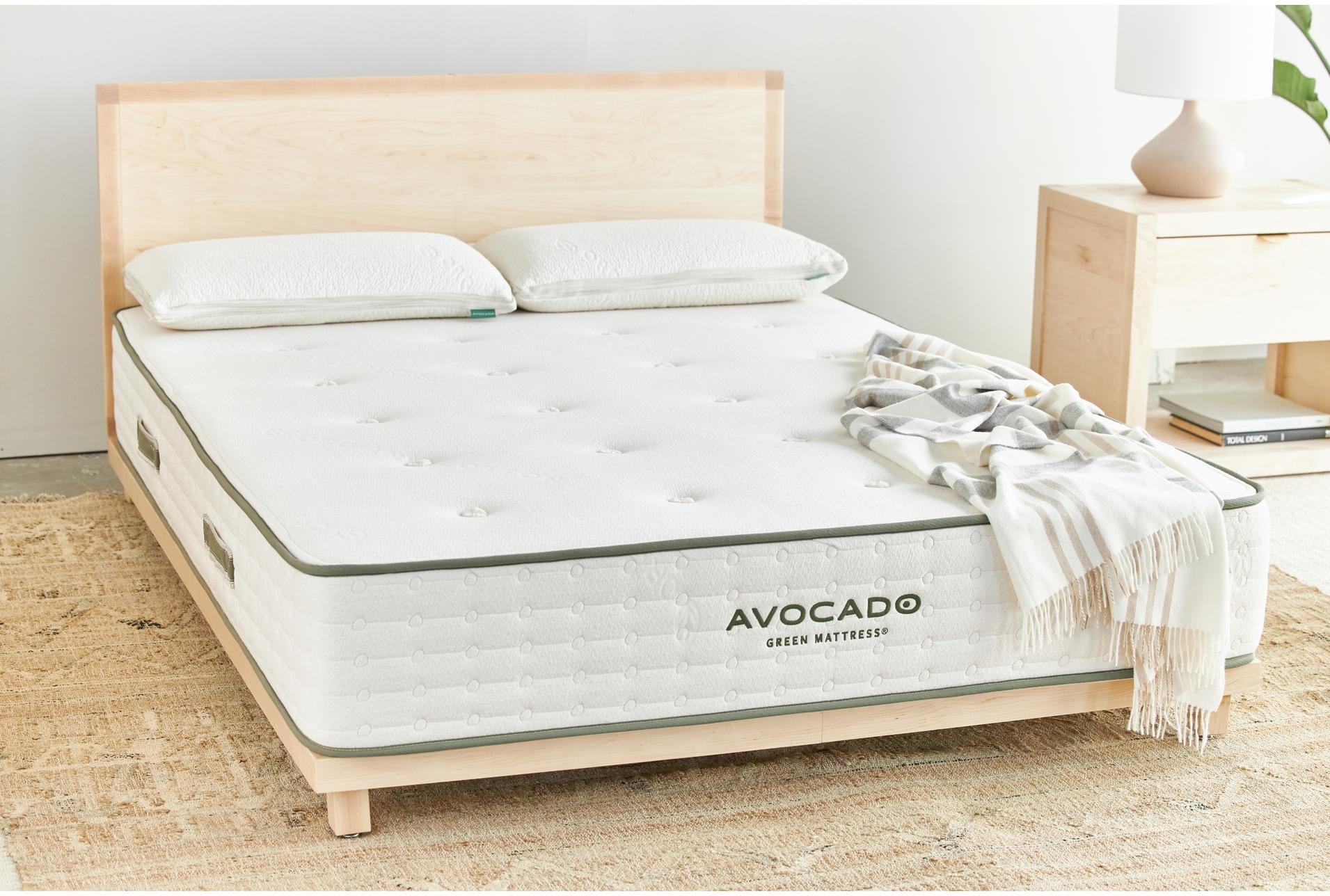
The Avocado Green is a certified organic mattress made with natural latex, wool, and cotton, offering a supportive and resilient feel without synthetic chemicals. It's Greenguard Gold certified and built to last, with an option for an adjustable firmness layer. The downside is that natural latex has a distinctive bouncy feel, and the mattress is on the firmer side, which may not suit side sleepers who need pressure relief.
Main limitation: It's firmer than average, and the latex core can be too responsive for those who sink into memory foam.
Skip if: Sleepers who prefer a soft, plush feel, or those on a tight budget, as the Avocado commands a premium price for its certifications.
Compare key specs and features of all our recommendations side-by-side
| Product | Recommendation | Rating | Price |
|---|---|---|---|
Saatva Classic Mattress Rank #1 | 🏆 Top Pick | 9.2/10 | $1,795–$2,495 (queen) Check current price → |
Nectar Memory Foam Mattress Rank #2 | 💰 Budget Pick | 8.5/10 | $699–$999 (queen) after typical sales Check current price → |
 Helix Midnight Luxe Rank #3 | ⭐ Editor's Choice | 4.2 4.2 | $2,150–$2,500 (queen) before sales Check current price → |
Purple Mattress (Original) Rank #4 | — | 8.3/10 | $1,099–$1,299 (queen) before sales Check current price → |
DreamCloud Hybrid Mattress Rank #5 | — | 8.6/10 | $899–$1,199 (queen) before sales Check current price → |
Big Fig Mattress Rank #6 | — | 8.0/10 | $1,499–$1,799 (queen) before sales Check current price → |
Avocado Green Mattress Rank #7 | — | 8.4/10 | $1,899–$2,199 (queen) before sales Check current price → |
Common questions buyers have about this category.
Yes, Labor Day is one of the best times of the year to find a mattress sale, along with Presidents' Day and Memorial Day. Discounts often range from 30% to 50% off MSRP, and many brands throw in extras like free pillows or bedding. However, it's still wise to compare prices across a few major holiday sales, as some models may not be discounted as deeply. If you're flexible, you can also check clearance sales in late September when retailers are making room for new inventory.
Your sleep position is the biggest determinant. Side sleepers should look for a soft-to-medium mattress (3-5 on a 10-point firmness scale) to allow the shoulders and hips to sink in and keep the spine aligned. Back sleepers generally need a medium (5-6) balance of support and contouring. Stomach sleepers require a firmer surface (6-8) to keep the hips from dipping and causing lower back strain. If you're a combination sleeper, a medium or medium-firm hybrid (around 6) is the most versatile. Also consider your weight—heavier people often prefer a firmer mattress to avoid excessive sinking.
Buying online can be a great choice because it often gives you a longer trial period—typically 100 nights, sometimes longer—to actually sleep on the mattress in your own home. This is more realistic than a quick test in a store. Before you buy, make sure the brand offers free returns and a full refund, so you don't have anything to lose. A few brands even offer white-glove delivery and setup, which removes the hassle of unboxing. If you have specific health issues like chronic back pain, you might want to visit a physical store to test the top models, but for most people, a generous at-home trial is sufficient.
It depends on the type of mattress. Many modern foam, hybrid, and latex mattresses work fine on a platform bed, slatted wooden base, or adjustable base—no box spring needed. Innerspring mattresses like the Saatva Classic often require a foundation to support the coils properly, which can be a box spring or a solid metal base. Always check the manufacturer's specific requirements to avoid voiding the warranty. If you're using an old box spring, make sure it's in good condition; a broken foundation can damage your new mattress and cause premature sagging.
The lifespan varies by type: innerspring and hybrid mattresses typically last 7-10 years, memory foam about 8-10 years, and natural latex can last up to 15 years or longer with proper care. Signs it's time to replace your mattress include visible sagging, lumps, or a permanent indentation, waking up with aches and pains, and increased allergy symptoms (dust mites accumulate over time). Even if you're not in pain, an old mattress might not be providing adequate support. If your mattress is over 7 years old and you're waking up tired, it's probably worth shopping for a replacement, especially during a sale.
Memory foam mattresses are made entirely of foam layers, typically polyurethane foam and viscoelastic foam that contour precisely to your body. They excel at pressure relief and motion isolation, but they can trap sleep heat and often feel less bouncy. Hybrids combine one or more foam layers with a core of pocketed metal coils. This provides better airflow and a more responsive, springy feel, with stronger edge support—ideal for couples or heavier sleepers. The choice comes down to your preference: if you like sinking in and want minimal movement transfer, memory foam is great; if you prefer a balanced feel with good ventilation, a hybrid is usually the better option.
Most foam, hybrid, and latex bed-in-a-box mattresses are designed to work with adjustable bases, allowing you to raise the head and feet for reading, watching TV, or managing acid reflux. However, not all innerspring mattresses are flexible enough to bend with a base—many have reinforced steel coils that can be damaged by repeated bending. Before buying, check the product's specifications or contact the manufacturer to confirm compatibility. If you already have an adjustable base, choose a mattress that's explicitly labeled ‘adjustable base compatible' to avoid voiding the warranty.
Products we evaluated but did not recommend — and why.
