Get the App
Better experience on mobile
Six beds chosen for spinal alignment, firmness options, and trial policies — matched to different sleep positions, body weights, and budgets.
Back pain is not one condition, which is why most mattress advice for it fails. The bed that helps a 5-foot-2 side sleeper with lower back stiffness is often the wrong bed for a 6-foot-3 back sleeper who needs a flat, unyielding surface — and both of them may weigh less than a stomach sleeper who needs something firmer still. Sleep position and body weight predict the right firmness far better than the words "back pain" on a product page do.
The stakes are simple math: you spend roughly a third of your life on a mattress, and a surface that lets your hips sink below your shoulders puts your spine in a position it will hold for eight hours. That said, a mattress is a comfort and alignment tool, not a treatment. If you have a diagnosed spinal condition, a mattress can support your comfort while you work with a clinician on the actual cause.
For this guide we looked at support core construction, how many firmness options each brand offers, edge support and motion isolation, and the practical details that determine whether you can actually correct a mistake — trial length, return fees, and warranty terms. We also weighed verified buyer feedback on how each bed holds up after several years, because a mattress that sags at year three is no help to a bad back.
The range here runs from a memory foam bed under $1,000 to a premium pressure-relief hybrid well past $3,000, with picks for side sleepers, heavier sleepers, couples who disagree about firmness, and anyone who wants the option to change their mind later.
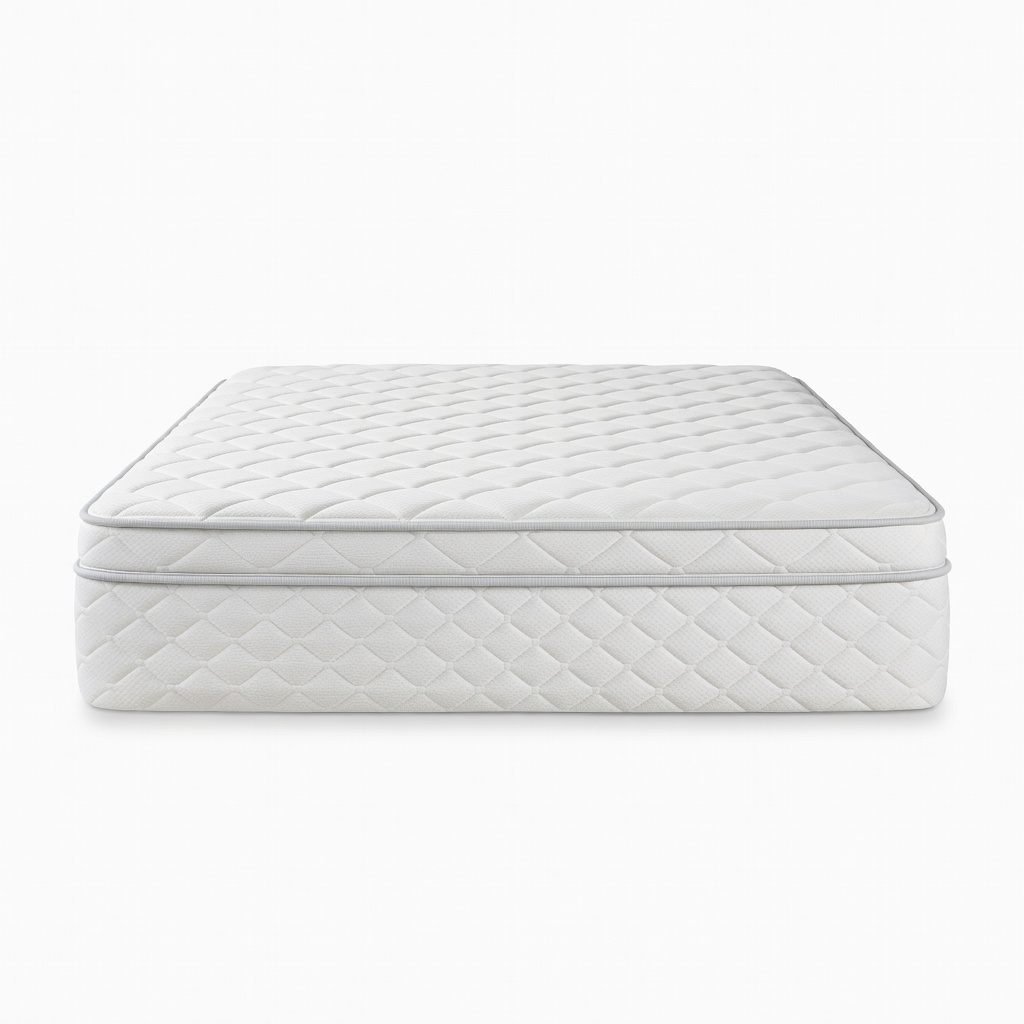
The Saatva Classic is one of the few beds that lets you pick your firmness — Plush Soft, Luxury Firm, or Firm — so it can be tuned to back sleepers, side sleepers, or stomach sleepers instead of forcing a compromise. Its dual-coil innerspring core adds lumbar reinforcement and durable edge support, and the 365-night trial plus free white-glove delivery are unusually generous at this price. The trade-off is that a traditional coil build transfers more motion than foam-based hybrids, and you'll pay more than you would for a comparable online-only brand.
Main limitation: Motion transfer is noticeably higher than on foam-cored hybrids, which can be a problem if you share the bed with a restless sleeper.
Skip if: Skip it if motion isolation matters more to you than a responsive, traditional spring feel.
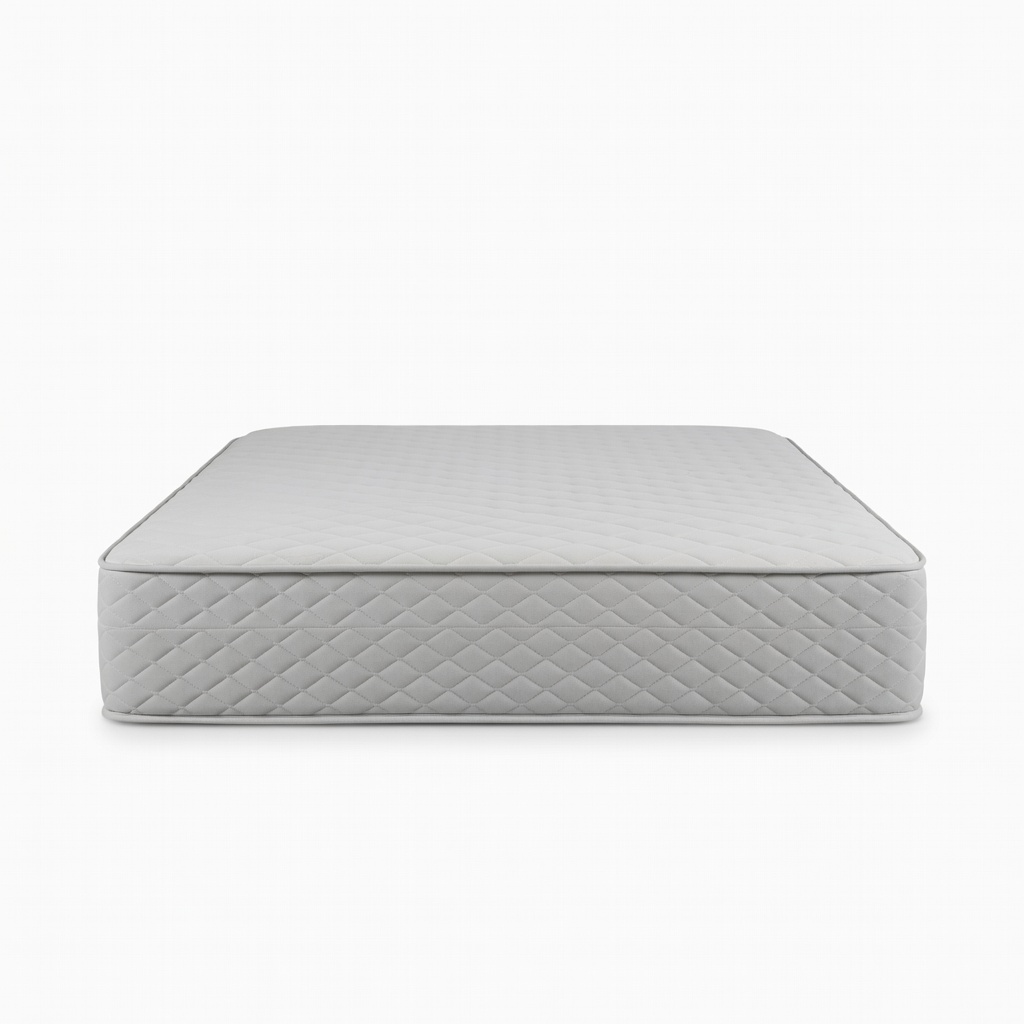
Nectar's core memory foam mattress lands at a medium-firm feel that suits a wide range of back-pain sleepers, and it does so at a price that undercuts nearly every major competitor — especially during the brand's frequent promotions. The gel-infused comfort layer helps with heat retention, and a 365-night trial plus lifetime warranty means the risk of guessing wrong is low. The compromise is support at the perimeter and a slow, sink-in feel that some sleepers find hard to move around on.
Main limitation: Edge support is weaker than most hybrids, so the usable sleeping surface shrinks noticeably on queen and king sizes.
Skip if: Skip it if you want a genuinely firm mattress or you regularly sit on the edge of the bed while getting ready.
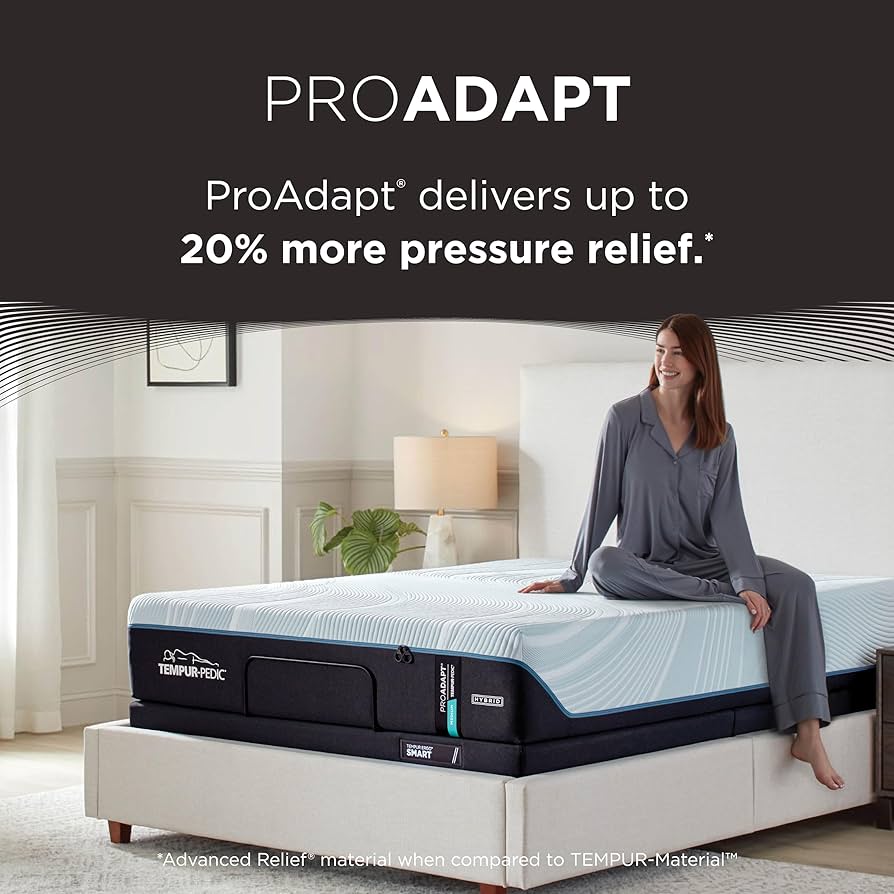
TEMPUR's slow-adapting foam is still the benchmark for pressure relief, and pairing it with a coil core means you get that cushioning without the deep sink of an all-foam Tempur bed. For back pain that comes bundled with hip or shoulder pressure points, few beds redistribute weight as effectively. The cost is high and the foam retains more heat than most modern hybrids, so it's a poor fit if you overheat at night.
Main limitation: TEMPUR foam sleeps warmer than most competing hybrids, and the mattress is heavy enough that rotating it is genuinely a two-person job.
Skip if: Skip it if you overheat easily or prefer a bouncy, quick-response surface you can move around on.
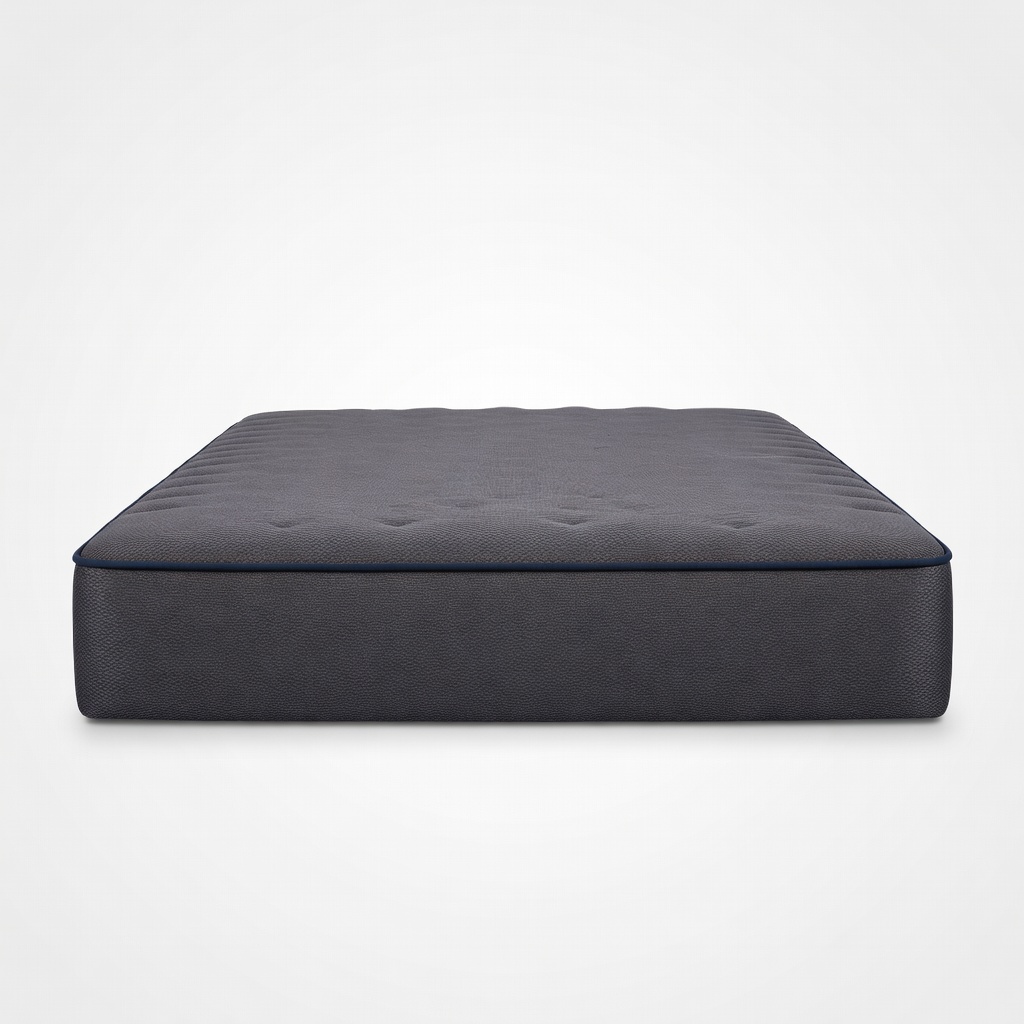
Helix builds its lineup around sleep position, and the Midnight Luxe is the model aimed at side sleepers: a medium-feel hybrid with zoned coils that reinforce the lumbar area and a plush pillow-top that takes weight off the shoulder and hip. The result is pressure relief without letting the hips drop out of alignment, which is the specific failure mode side sleepers with back pain run into. The catch is fixed firmness — you have to choose correctly up front — and the medium feel is too soft for stomach sleepers.
Main limitation: The medium feel is too soft for stomach sleepers and for many back sleepers over roughly 230 pounds.
Skip if: Skip it if you primarily sleep on your stomach or you want the ability to change firmness later.
Sleep Number's air-chamber design lets each side of the bed sit at a different firmness on a 1-to-100 scale, and you can change it as your back pain changes — something no fixed mattress can do. The c4 adds a responsive foam comfort layer and SleepIQ tracking, and it's the obvious answer for couples who can't agree on a firmness setting. You're paying a premium for powered components, though, and the air-chamber feel is distinctly different from foam or coils.
Main limitation: The design depends on pumps, sensors, and an app, which adds failure points and long-term cost that a conventional mattress doesn't have.
Skip if: Skip it if you'd rather not manage an app, firmware updates, or a powered component inside your bed.
The WinkBed Plus is engineered for sleepers roughly between 200 and 350 pounds, with thicker-gauge individually wrapped coils and a firmer foam-encased perimeter that resists the sagging that ruins spinal alignment on beds built for average weights. That reinforcement is the whole point — most mattresses in this category quietly underserve heavier buyers. The trade-off is a heavy, hard-to-move bed and a fixed firmness that will feel punishing to lighter sleepers.
Main limitation: There's no firmness customization, and the Plus is genuinely too firm for sleepers under about 200 pounds.
Skip if: Skip it if you weigh under 200 pounds, or if you share the bed with a partner who does.
Compare key specs and features of all our recommendations side-by-side
| Product | Recommendation | Rating | Price |
|---|---|---|---|
Saatva Classic Mattress Rank #1 | 🏆 Top Pick | 9.3/10 | $1,095–$2,995 depending on size Check current price → |
Nectar Classic Memory Foam Mattress Rank #2 | 💰 Budget Pick | 8.2/10 | $649–$1,400 depending on size Check current price → |
TEMPUR-Pedic TEMPUR-ProAdapt Medium Hybrid Mattress Rank #3 | ⭐ Editor's Choice | 9.0/10 | $2,500–$4,800 depending on size Check current price → |
Helix Midnight Luxe Mattress Rank #4 | — | 8.6/10 | $1,400–$2,900 depending on size Check current price → |
Sleep Number 360 c4 Smart Bed Rank #5 | — | 8.4/10 | $1,900–$3,800 depending on size and configuration Check current price → |
WinkBed Plus Mattress Rank #6 | — | 8.3/10 | $1,600–$2,700 depending on size Check current price → |
Common questions buyers have about this category.
Published sleep research generally points to medium-firm as the safest starting point, but the right answer depends on your sleep position and body weight. Side sleepers usually need more cushioning at the shoulder and hip, while back and stomach sleepers need a flatter, more supportive surface, and heavier sleepers typically need a firmer bed than lighter sleepers to keep the hips from sinking out of alignment.
Neither material is inherently better — what matters is whether the mattress keeps your spine in a neutral line from shoulders to hips. Memory foam excels at pressure relief but retains heat and can feel difficult to move on, while coil-based hybrids and traditional innersprings offer more support and airflow but transfer more motion between partners. Hybrids that pair a coil core with a foam comfort layer are the middle ground most back-pain sleepers end up choosing.
Most manufacturers recommend giving a new mattress around 30 nights, because foams need time to fully expand after shipping and your body needs time to adapt to a different surface. If you're still waking up stiff or sore at the 30- to 45-night mark, that's usually a sign the firmness is wrong rather than a sign you need more time — which is why a long trial period matters so much in this category.
Not usually. Very firm mattresses can increase pressure at the shoulders and hips and push the spine out of alignment, and medium-firm surfaces tend to score better than extra-firm ones in published comparisons for general back pain. Extra-firm beds are a better match for heavier sleepers and for people who sleep primarily on their stomach.
A power base that raises the head or feet can reduce pressure on the lower back, and many people find a slight incline more comfortable than lying flat — it can also help with reflux and snoring. It isn't a treatment for a structural back problem, so treat it as a comfort adjustment that pairs with a supportive mattress rather than a replacement for one.
Most mattresses are designed to last roughly seven to ten years, and a visible body impression or a dip you can feel but not see is the clearest signal that the support core has broken down. A mattress that no longer holds your spine level will reinforce the same poor posture night after night, so replacing it is often more useful than adding a topper to a sagging bed.
Price correlates more strongly with materials and durability than with pain relief — a well-built hybrid in the $1,200–$2,000 range can support your spine as effectively as a $4,000 one. Premium beds usually justify their cost through denser foams, better edge support, longer warranties, and longer trial windows, which matter most if you're heavier than average, hard on mattresses, or want a long window to experiment with firmness.
Products we evaluated but did not recommend — and why.
