Get the App
Better experience on mobile
We sorted through today’s top-rated beds to find the ones that actually help soothe aching backs across every budget and sleep position.
It’s a common misconception that a rock-hard mattress is the cure for back pain. In fact, most spine specialists and sleep researchers now agree that a medium-firm surface provides the best balance of support and pressure relief, allowing the spine to maintain its natural S-curve while still cushioning joints. That simple insight—firmness is not the only game in town—is why many people are overwhelmed when they start shopping.
The mattress market is packed with foam, innerspring, and hybrid designs, each promising to fix your back. But the truth is that the best mattress for back pain depends on your weight, sleep position, and personal comfort preferences. A side sleeper needs a different type of pressure relief than a stomach sleeper, and a heavier person requires more durable coil support than a lighter one.
In this guide, we’ve filtered through the most promising options and consulted expert reviews from multiple publications, along with owner feedback, to identify six mattresses that consistently stand out for alleviating back pain. From budget-friendly memory foam to luxury hybrid, each pick is chosen for a specific need. We also include a detailed buying guide to help you navigate firmness scales, construction types, and the common mistakes that can turn a promising purchase into a regrettable one.
Whether you’re a long-time sufferer of lower back stiffness or simply wake up with morning aches, these picks are just the starting point for better sleep and a happier spine.
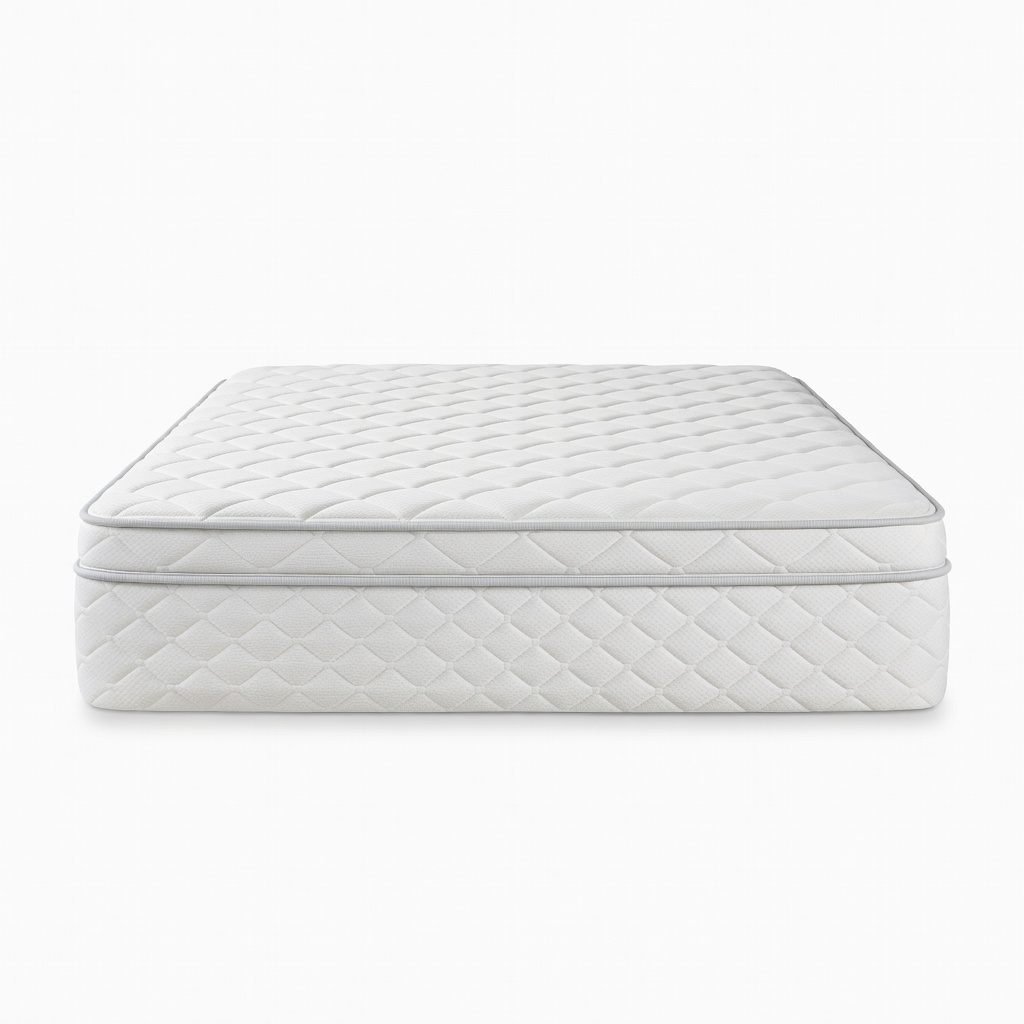
A dual-coil innerspring with three firmness levels and a plush pillow-top that delivers both tailored support and pressure relief. It's one of the most recommended choices by chiropractors and back-pain organizations—though the premium price and 11.5-inch profile may be overkill for some.
Main limitation: The mattress is quite heavy and tall, making sheet-fitting and rotation a workout.
Skip if: If you need a low-profile mattress for a bedroom set or prefer the wrapped-in feel of memory foam, consider something else.
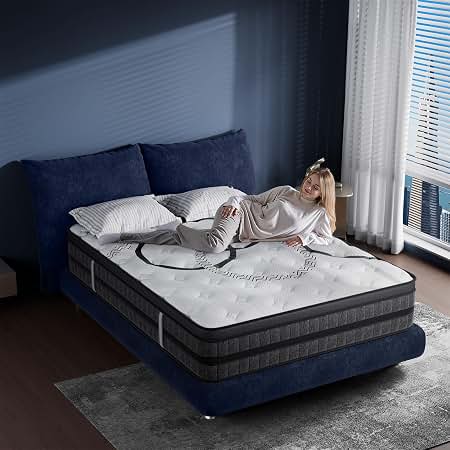
A medium-firm memory foam bed that provides even pressure relief and consistent spinal alignment at a price that won’t hurt. Backed by a 365-night trial and lifetime warranty, it’s a low-risk purchase—though it may retain heat and has limited edge support.
Main limitation: Memory foam can sleep warm, and the surface is less responsive than hybrids, making it harder to change positions.
Skip if: Hot sleepers and people who prefer a bouncy, traditional innerspring feel should pass.
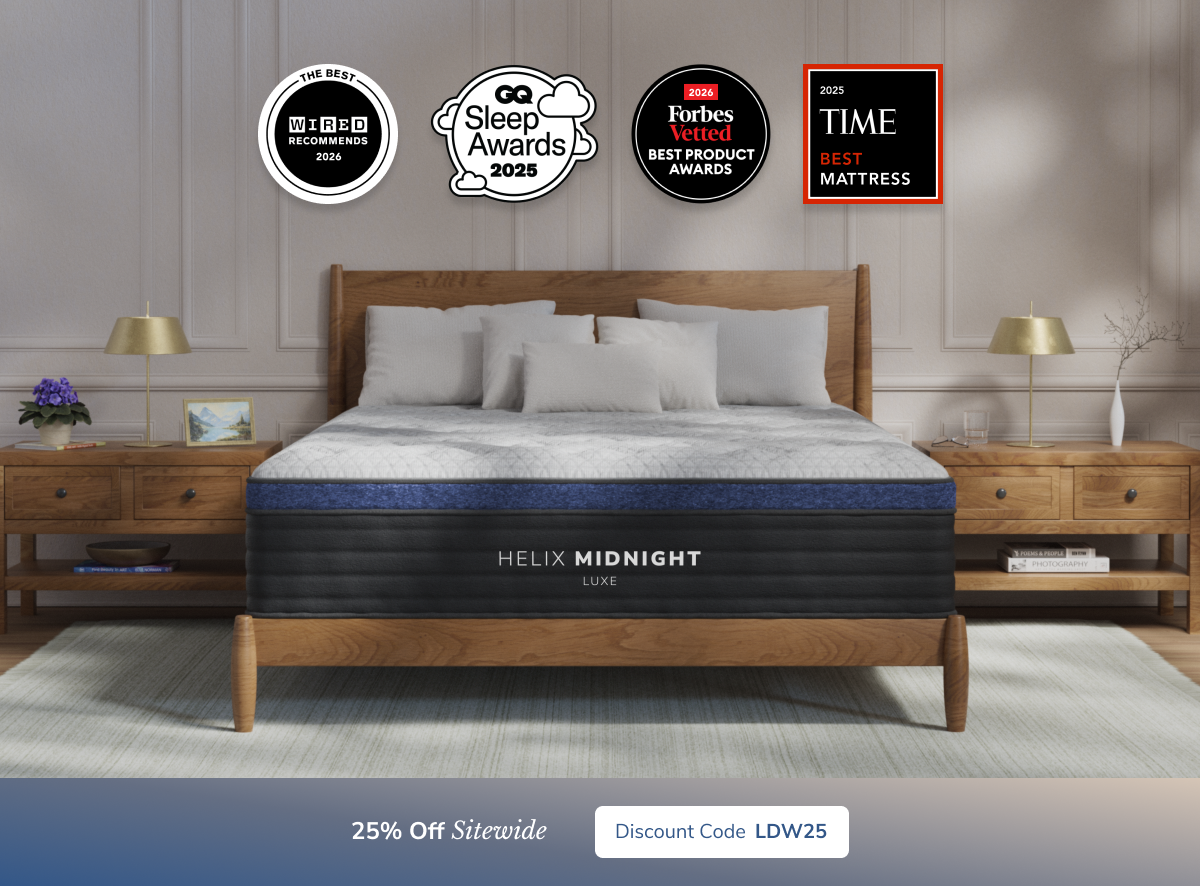
Designed with zoned lumbar support and a medium-firm feel, the Helix Midnight keeps the spine aligned while giving extra cushioning to the shoulders and hips—exactly what side sleepers need. The hybrid construction adds a bit of bounce, but the edge support is average.
Main limitation: The 8-inch profile might not work with some deep-pocketed bed frames, and edge support is less robust than other hybrids.
Skip if: Stomach sleepers who require a flatter, firmer surface to prevent hip sinking.
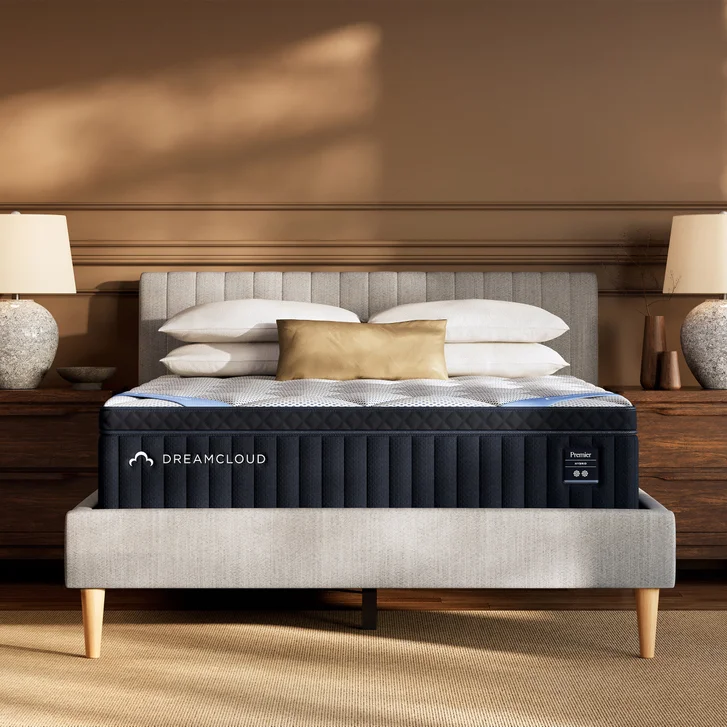
The DreamCloud Hybrid features a medium-firm feel with multiple coil zones that keep hips from sinking, which is crucial for preventing lower back strain in stomach sleepers. The thick pillow-top adds a touch of plushness without sacrificing support, though it may feel too soft for some heavier individuals.
Main limitation: The plush pillow-top can undermine the firm support for very heavy sleepers.
Skip if: Stomach sleepers over 230 pounds who need a firmer surface may sink too much.
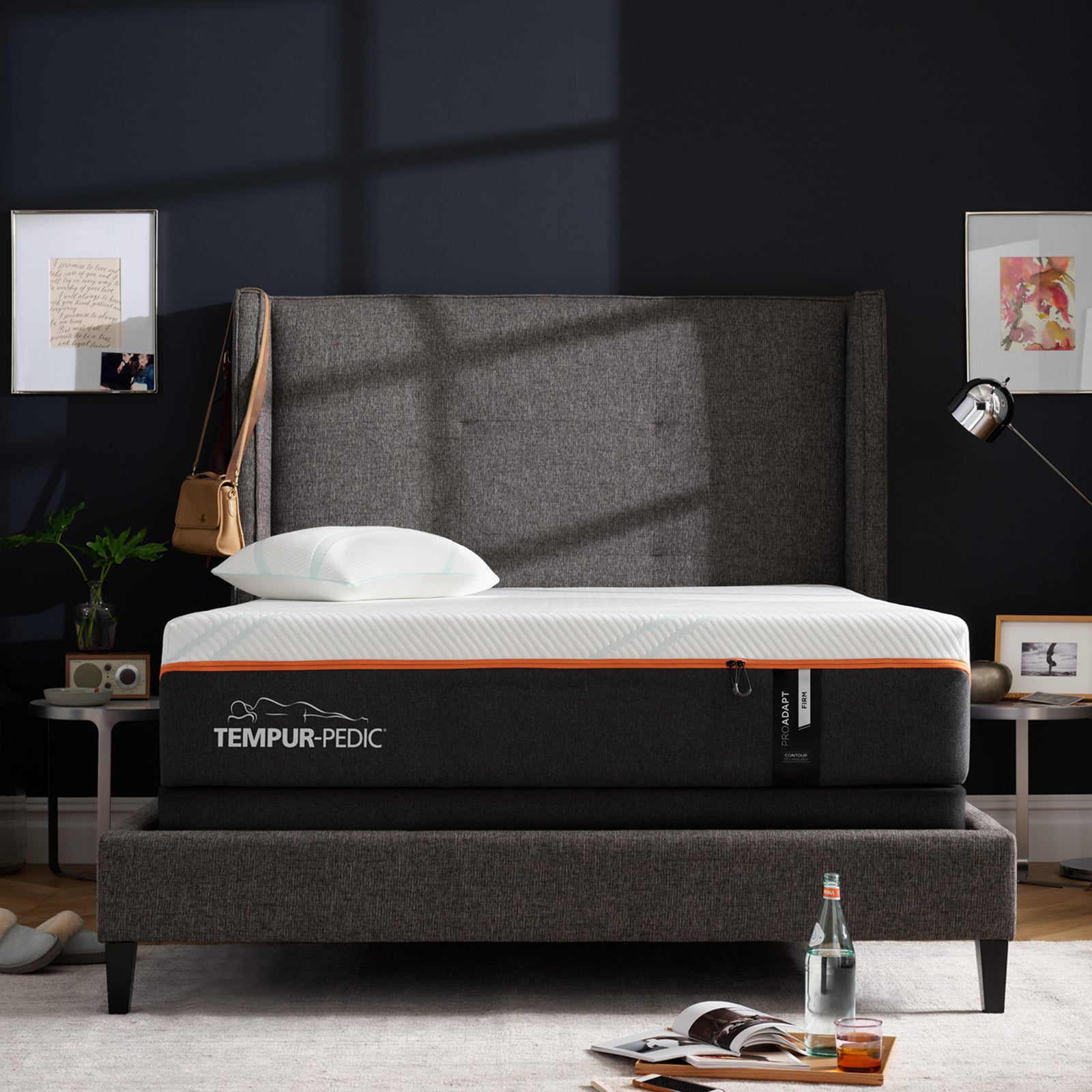
This high-end memory foam mattress uses pressure-mapping TEMPUR material to conform deeply to your body and dramatically reduce pressure points, making it a top-tier choice for chronic back pain. It’s available in medium and firm options, but the price tag and slower responsiveness may not be for everyone.
Main limitation: The sluggish mobility and high price point are significant drawbacks for those who change positions frequently or hate the feeling of sinking.
Skip if: If you prefer a bouncy, easy-to-move-on surface or you’re on a moderate budget, this isn’t the fit.
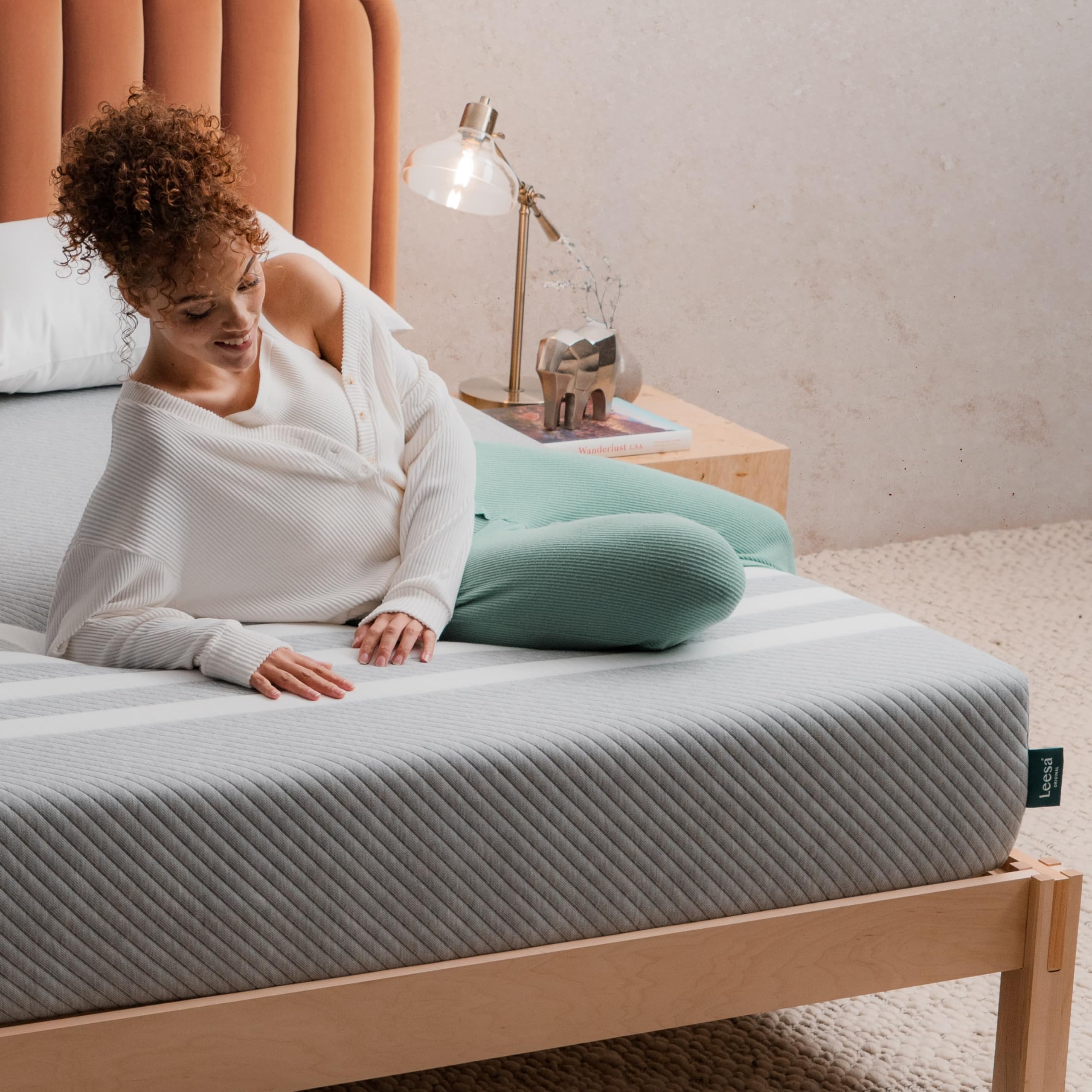
The Leesa Original blends a responsive top layer with a supportive foam base, so it quickly adapts as you shift from side to back to stomach during the night. It offers a neutral, medium-firm feel that keeps the spine aligned, though it’s not ideal for heavier sleepers due to its 10-inch depth and softer edges.
Main limitation: The mattress lacks the all-night durability for bodies over 230 pounds, and edge support is only average.
Skip if: Heavy individuals or those who need a very plush, body-hugging surface will find it too firm.
Compare key specs and features of all our recommendations side-by-side
| Product | Recommendation | Rating | Price |
|---|---|---|---|
Saatva Classic Mattress Rank #1 | 🏆 Top Pick | 8.8/10 | $1,995–$2,995 Check current price → |
Nectar Memory Foam Mattress Rank #2 | 💰 Budget Pick | 8.0/10 | $699–$999 Check current price → |
Helix Midnight Mattress Rank #3 | ⭐ Editor's Choice | 8.5/10 | $1,099–$1,499 Check current price → |
DreamCloud Hybrid Mattress Rank #4 | — | 8.2/10 | $1,199–$1,799 Check current price → |
Tempur-Pedic TEMPUR-ProAdapt Mattress Rank #5 | — | 8.6/10 | $2,599–$3,299 Check current price → |
Leesa Original Mattress Rank #6 | — | 7.8/10 | $849–$1,149 Check current price → |
Common questions buyers have about this category.
Most experts recommend a medium-firm mattress for back pain because it provides enough support to keep the spine aligned while still allowing slight contouring to reduce pressure points. A mattress that’s too hard can strain the shoulders and hips, while one that’s too soft can cause the lower back to sink and arch awkwardly. That said, side sleepers often prefer medium, and back or stomach sleepers often do better with firm.
There’s no universal winner—it depends on your body type and sleep position. Memory foam offers excellent pressure relief and motion isolation, which can help if you have joint or muscle pain. Innerspring and hybrid mattresses provide stronger edge support and a more bouncy feel, which may be better for people who need to move around or are heavier. Both can work well if they match your preferred sleep position and your body’s needs.
It can take up to 30 days for your body to adjust to a new mattress, especially if you’re switching from an old, unsupportive bed. During the first two weeks, you may experience some initial stiffness as your muscles adapt. If your back pain doesn’t improve or worsens after 30 nights, the mattress is likely not the right fit and you should consider returning it under the trial period.
Hybrid mattresses are a great option for many back pain sufferers because they combine the gentle contouring of foam with the robust support of coils. This construction provides a balanced feel that works for a wide range of sleep positions and body weights. Just be sure to look for one with zoned support or specifically reinforced lumbar areas to maximize spinal alignment.
Most mattresses should be replaced every 7–10 years, but if you’re waking up with back pain that improves during the day, it may be a sign your mattress is sagging or has lost support. Check for visible sagging or indentations, lumps, and permanent body impressions. If you notice these, it’s time to invest in a new bed that will provide proper spinal support.
You can find a quality mattress for back pain starting around $700 to $800, especially if you pick a budget-friendly foam mattress like the Nectar. Mid-range hybrids, like the Helix Midnight, typically cost $1,000–$1,500 and offer better durability and support. Premium options, such as Tempur-Pedic, exceed $2,500 and are justified if you have severe back pain and need specialized pressure relief. The best strategy is to set a budget and prioritize features that most directly address your sleep position.
A mattress can significantly improve back pain by supporting your spine and reducing pressure points, but it’s rarely the only solution. Factors like daily posture, stress, and physical activity also play major roles. If your back pain is chronic or severe, you should combine a good mattress with stretching, exercise, and consultation with a doctor or physical therapist. A mattress is a valuable part of a holistic approach, not a miracle cure.
Products we evaluated but did not recommend — and why.
