Get the App
Better experience on mobile
Six back-smart mattresses that emphasize spinal alignment, pressure relief, and realistic pricing for anyone with a sore lower back.
Ask five chiropractors for the best mattress for back pain and you'll likely get five different answers. The truth is, there's no single 'correct' fill—it depends on your sleep position, weight, and personal comfort preferences. What research and clinical guidance do agree on is this: the best mattresses keep your spine in neutral alignment, supporting the natural curve of your lower back without allowing your hips to sink.
That's why we didn't just sort products by firmness claims. We combed through published reviews, industry testing, and thousands of verified owner experiences to find mattresses that demonstrably deliver the support and pressure relief that align with what experts recommend for back pain. We looked at materials that are known for durability and temperature control, and we prioritized brands that offer robust home trials and warranties.
Our list spans six mattresses across budget points, including a hybrid with zoned lumbar support, a luxurious innerspring model, and a flippable foam design. Whether you're a 150-pound side sleeper or a 250-pound stomach sleeper, there's a pick here designed to make mornings less painful. We also break down what really matters when you shop, so you can filter out marketing hype and find the right fit for your body.
The Helix Midnight strikes a balanced combination of memory foam pressure relief and coil support, earning high marks from published reviews for people with lower back pain. Its medium-firm feel supports spinal alignment without feeling like a board. The trade-off is that it runs slightly pricey for a bed-in-a-box, and the hybrid design adds some motion transfer.
Main limitation: Hybrid construction can generate modest motion transfer that disrupts sensitive couples.
Skip if: Anyone who wants a very plush, sink-in feel should skip it—this is a firmer, more supportive medium.
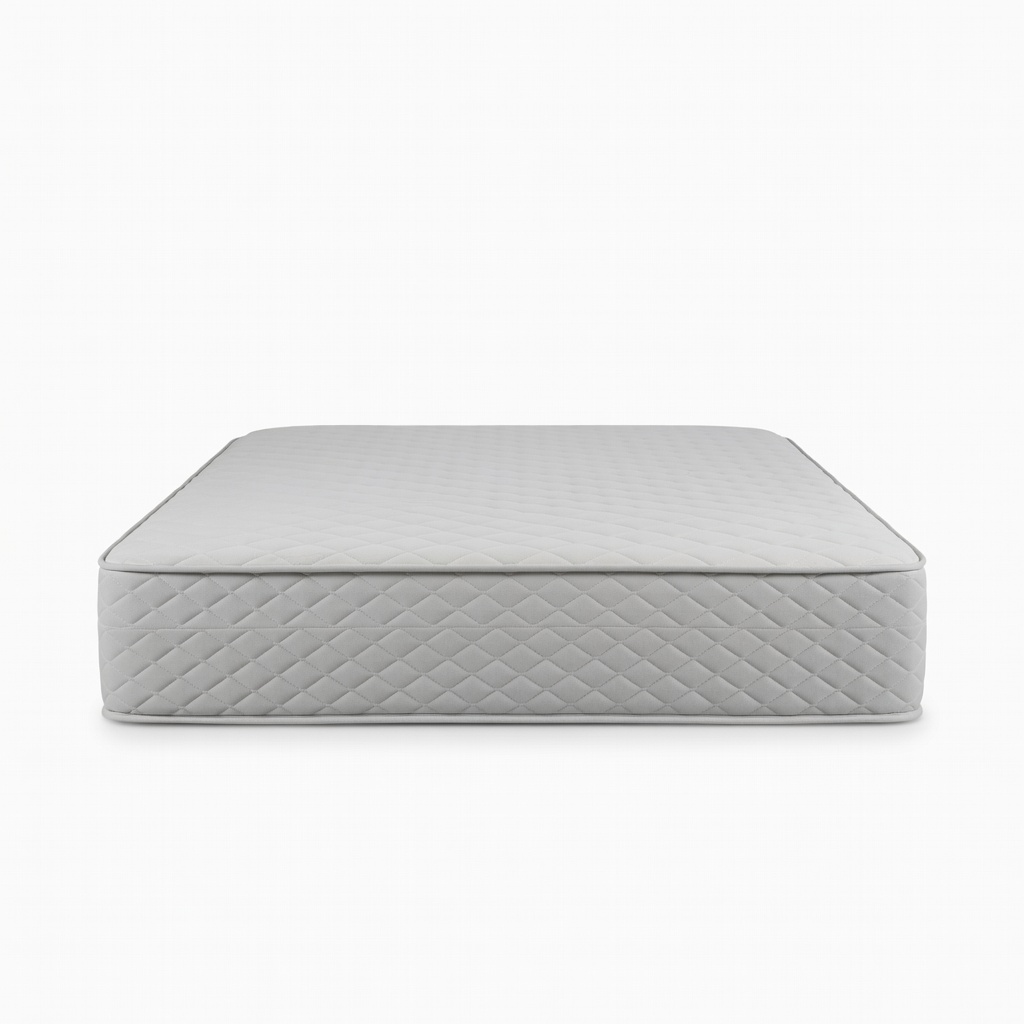
For a budget-friendly option, the Nectar Classic delivers thick memory foam layers that contour closely to relieve pressure points, which can trickle down to reduce back pain. Multiple verified buyer reports note it holds up well over time for the price. The main compromise is a slower response time and the fact that it sleeps warmer than some higher-end foams.
Main limitation: Memory foam's slow recovery and heat retention can bother hot sleepers and those who change positions often.
Skip if: Anyone who prefers a bouncy, easy-to-move-on surface or sleeps very hot should look elsewhere.
Saatva Classic is a luxury innerspring with a dual-coil system designed to provide strong edge support and responsive lumbar support, which can help keep the spine aligned for those with back pain. You can choose firmness level at checkout, and the company offers white-glove delivery included. On the downside, it is significantly more expensive and heavier than most bed-in-a-box competitors.
Main limitation: Higher price and considerable weight make setup and relocation more difficult.
Skip if: If you prefer the feel of all-foam or want lower-maintenance no-flip design, this isn't the right match.
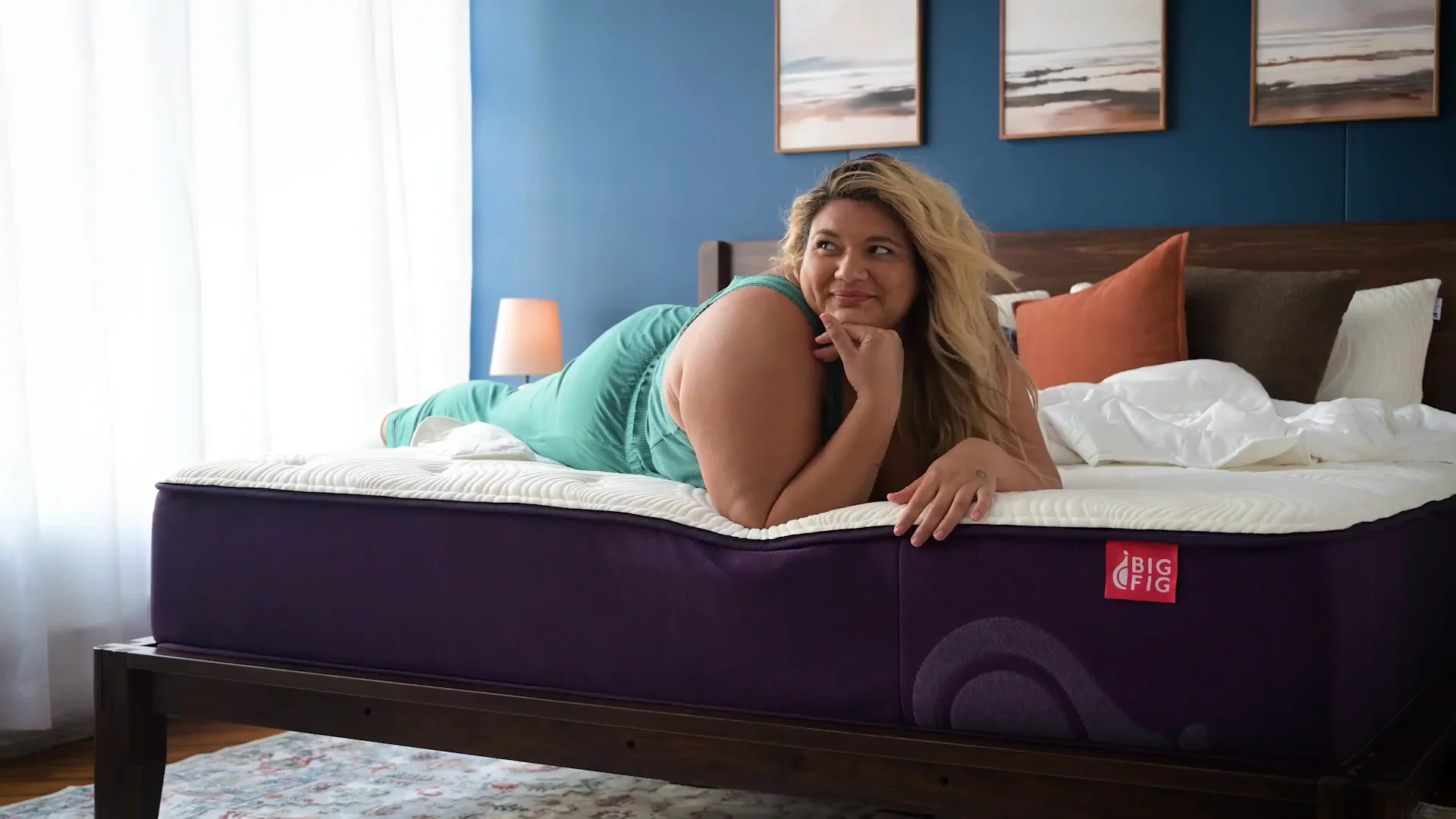
Big Fig is engineered for individuals over 230 pounds, with high-gauge coils and a proprietary foam support core that resists sagging—a key cause of back pain for heavier bodies. It's also one of the few mattresses with a 20-year warranty covering permanent indentations. The sacrifice is a very firm, minimally contouring feel that won't appeal to lighter-weight sleepers.
Main limitation: Extremely firm and heavy, so many sleepers may find the surface unyielding without a plush topper.
Skip if: Lighter-weighted users or those who prefer a plush cradle response should not choose Big Fig.
Casper's premium Wave line uses a zoned support layer that provides firmer support under the hips while softer around the shoulders—a combination that encourages healthy posture and often eases lower back tension. Its hybrid construction also includes breathable foam and heat-dissipating channels. It comes with a high price tag, and the zoned feel may take a few weeks to get used to.
Main limitation: Expensive, and the zoned support doesn't work for every body type or sleep preference.
Skip if: Side sleepers with shoulder pain may find the firmer hip zone pulls the body out of neutral alignment.
Layla gives you two firmnesses in one—a soft side and a firm side—so back pain sufferers can choose the support level that feels best without buying a new mattress. The copper-infused memory foam also offers good pressure relief and some antibacterial benefits. That dual-sided approach means the mattress is heavier to flip, and memory foam can still hold some heat.
Main limitation: Flipping a heavy mattress twice a year is physically demanding, and the memory foam retains heat.
Skip if: If you know you only need one firmness level, you'll find better value in a single-sided bed.
Compare key specs and features of all our recommendations side-by-side
| Product | Recommendation | Rating | Price |
|---|---|---|---|
Helix Midnight Mattress Rank #1 | 🏆 Top Pick | 9.0/10 | $1,300–$2,000 Check current price → |
Nectar Classic Memory Foam Mattress Rank #2 | 💰 Budget Pick | 8.2/10 | $700–$1,000 Check current price → |
Saatva Classic Innerspring Mattress Rank #3 | ⭐ Editor's Choice | 8.8/10 | $1,800–$2,600 Check current price → |
Big Fig Mattress Rank #4 | — | 8.4/10 | $1,500–$2,200 Check current price → |
Casper Wave Hybrid Mattress Rank #5 | — | 8.3/10 | $2,000–$2,800 Check current price → |
Layla Memory Foam Mattress Rank #6 | — | 7.8/10 | $800–$1,100 Check current price → |
Common questions buyers have about this category.
No. While a firm mattress can help some people, overly firm surfaces can increase pressure on the hips and shoulders, leading to discomfort and worse sleep. Research suggests that a medium-firm mattress provides the best balance of support and pressure relief for most back-pain sufferers, reducing morning stiffness and discomfort.
Each type has benefits. Memory foam offers excellent pressure relief and motion isolation, making it good for side sleepers. Innersprings provide strong support and a bouncy feel, often preferred by those who move around at night. Hybrids combine foam comfort layers with coil support, offering a balance that works well for many back-pain individuals. Latex is supportive and breathable but tends to be expensive. The best choice depends on your sleep position, weight, and personal comfort preferences—not just the material.
Sleeping on your back is generally considered the best position for spinal alignment, as it lets you evenly distribute your weight. Placing a pillow under your knees can further reduce pressure on your lower back. If you're a side sleeper, use a pillow between your knees to keep your hips aligned, and consider a mattress with zoned support to prevent your shoulders from sinking too deeply.
Pillow tops are not necessarily better—they add an extra cushioning layer that can feel plush, but if the pillow top is too soft, it may allow your spine to fall out of neutral alignment, worsening back pain. Look for a mattress with a consistent, supportive core and only a thin plush layer on top, or choose a design with zoned foam where the pillow top is only in the shoulder zone.
Most manufacturers recommend replacing a mattress every 7 to 10 years. If you wake up with new or worsened back pain, it could be a sign that your mattress has lost its support due to sagging or worn-out coils. Check for visible indentations or sagging; if you notice a dip of more than an inch, it's time to start shopping. Also, if your mattress is older than 10 years, even without visible wear, replacing it is a good bet for your spine.
A topper can help if your mattress is too firm or too hard, as it adds a pressure-relieving layer. However, it cannot fix a mattress that has lost its core support or has suffocating sagging. If your mattress is more than 7 years old or shows visible body impressions, a topper will only be a temporary bandage—replacing the mattress is the more effective long-term solution.
Most bed-in-a-box mattresses are designed to work on any firm, flat surface, including a slatted bed frame, a platform bed, or the floor for a short trial period. You can also use a standard box spring if it's not the old-style with metal bars that leave gaps. For foam mattresses, a solid base or slats with no more than 3 inches between them is essential to prevent sagging and maintain the warranty.
Products we evaluated but did not recommend — and why.
