Get the App
Better experience on mobile
Compare top-rated mattresses that align your spine, relieve pressure, and help you wake up without the ache.
Back pain is the most common reason people replace their mattress—yet the majority of models marketed for back pain are either too firm, too soft, or simply not zoned to support your lumbar curve. The research is consistent: a medium-firm mattress that keeps your spine in a neutral position is the best starting point for most sufferers. But sleep position, body weight, and personal comfort all shift the equation.
A mattress that works for a 130-pound side sleeper may feel like a plank to a 250-pound stomach sleeper. Similarly, all-foam models cradle pressure points but can lack the edge support you need to get out of bed, while hybrid designs offer a balance of contouring and bounce—but they come at a higher price. We dug through expert reviews, buyer feedback, and warranty terms to find the models that genuinely address mechanical back pain.
Below, you'll find six recommendations spanning budget to luxury, each with a specific benefit for back pain. We highlight the strengths and trade-offs of each, so you can match the mattress to your own sleep profile. Our picks include tried-and-true designs from Saatva, Nectar, Purple, and more, all of which we selected for their ability to support the natural curve of your spine without sacrificing comfort.
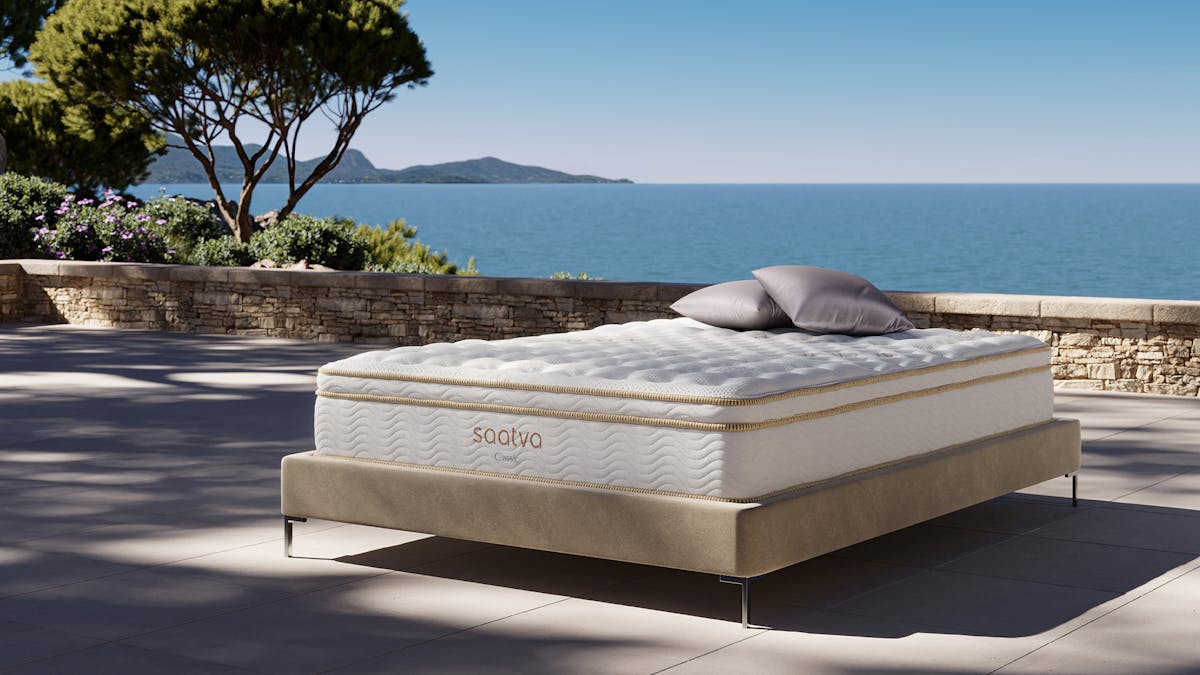
This innerspring-style hybrid combines a memory foam lumbar pad with durable coils to deliver the balanced support that most back-pain experts recommend. Its luxury feel and sturdy build earn strong marks across sleep positions, though it's pricier than many rivals.
Main limitation: The luxury coil system can generate noticeable noise with active sleepers, and the price stretches well beyond budget-friendly models.
Skip if: If you're shopping on a strict budget or prefer a deep pressure-relieving hug, you may find the Saatva Classic too firm or too expensive.
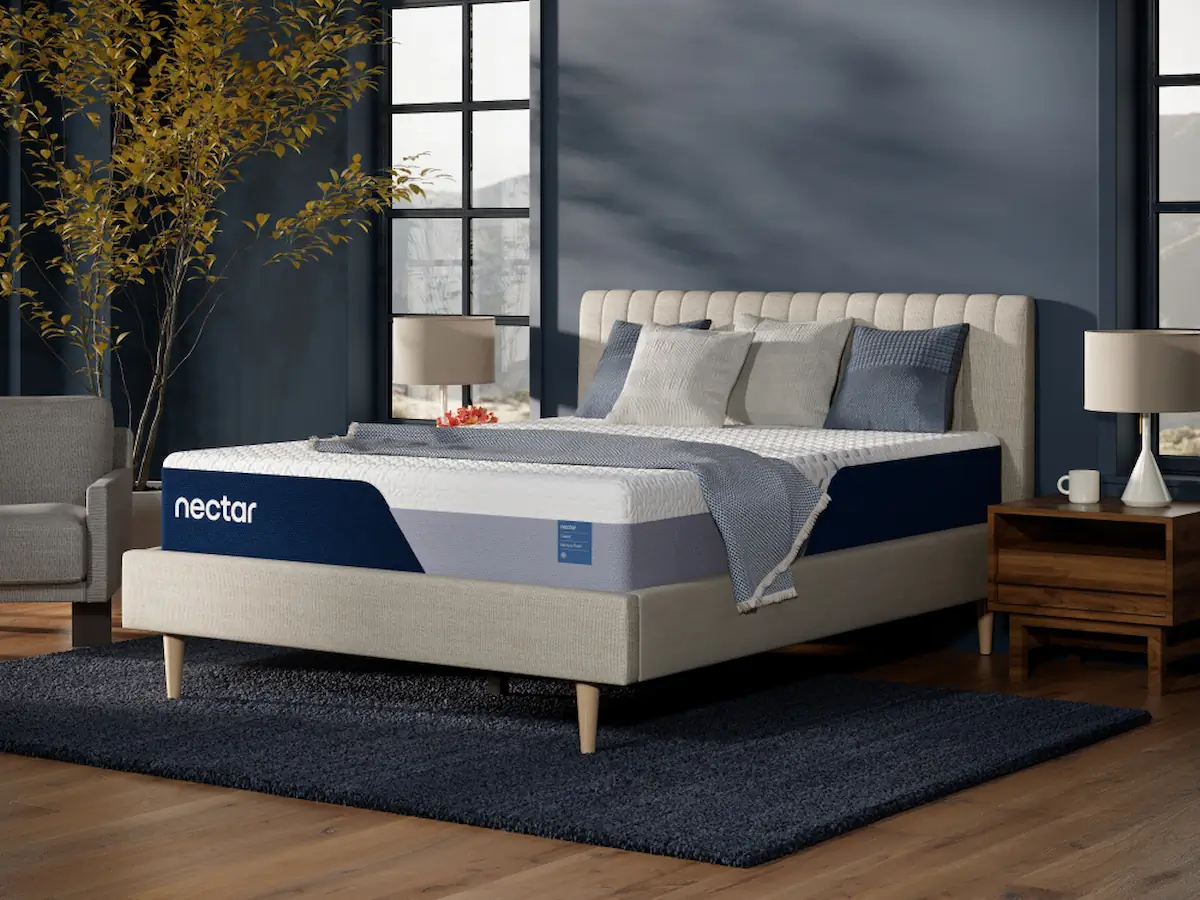
The Nectar Classic delivers a medium-firm feel with its slow-sinking memory foam layers at a price that undercuts most hybrids. It’s a solid choice for chronic back pain on a budget, but the soft top surface may not suit heavier sleepers.
Main limitation: Memory foam can trap heat, and the all-foam construction lacks the edge support and bounce of a hybrid.
Skip if: If you sleep hot, weigh over 230 pounds, or want a mattress you can easily move on, consider a hybrid instead.
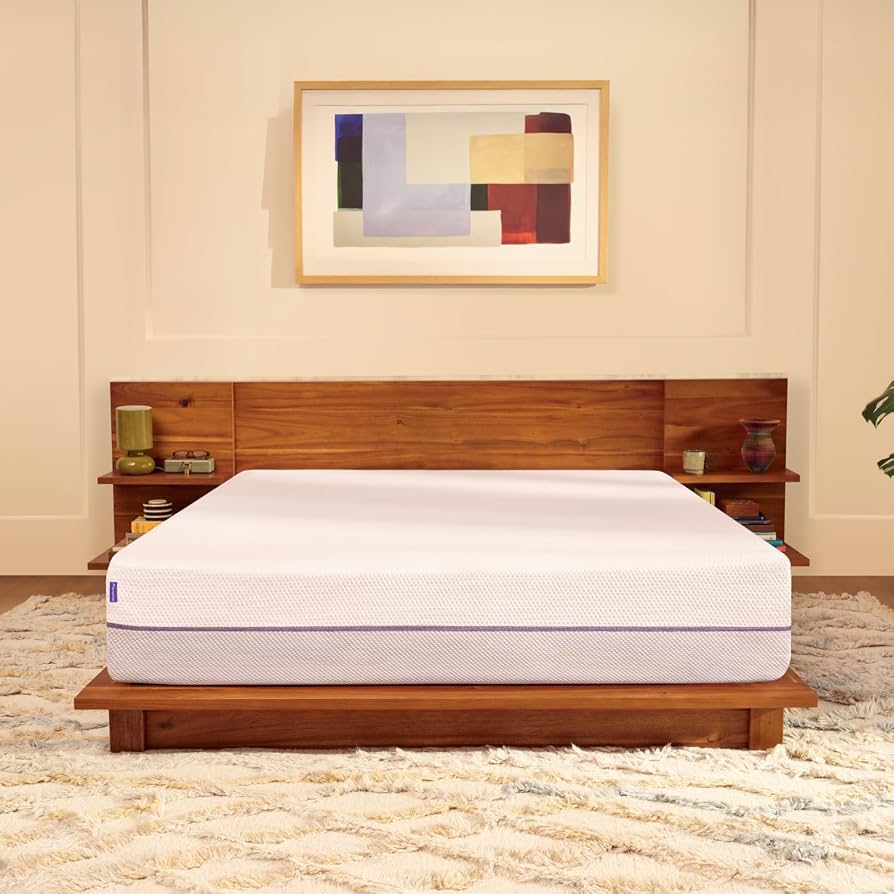
Purple Plus uses a hyper-elastic GelFlex grid to relieve pressure while keeping the spine neutral—unique among foam and coil designs. It offers great bounce and airflow, though the unusual surface takes getting used to.
Main limitation: The grid can feel too bouncy and may lack the deep sink that some memory foam devotees want, and it’s expensive for a comfort-focused model.
Skip if: If you prefer the familiar 'hugged' feel of foam or need strong edge support, this isn't the best pick.
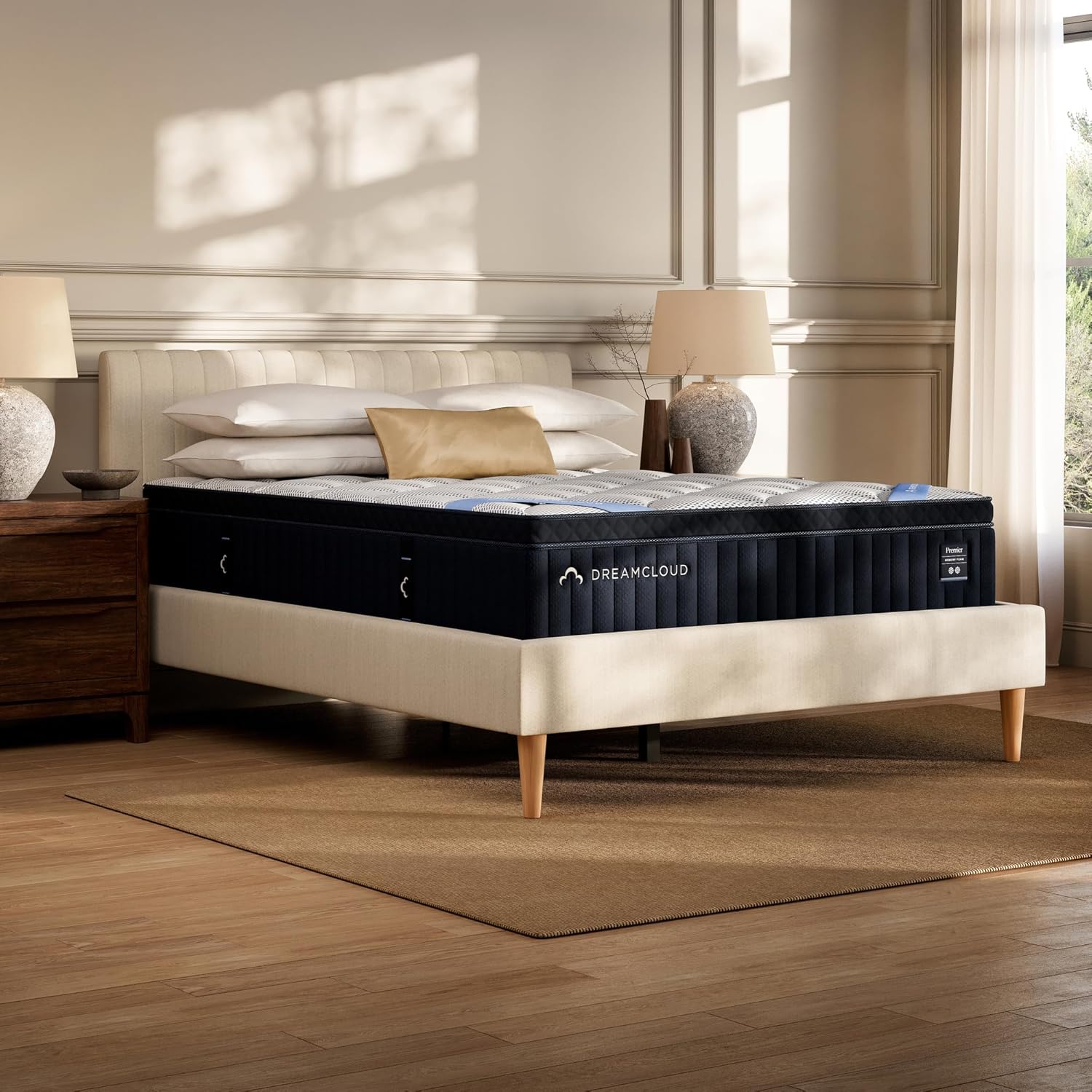
This hybrid pairs memory foam with supportive coils and a zoned lumbar layer, earning high marks for pressure relief and ease of movement. It’s a versatile pick for those who switch positions nightly, but its medium feel won't suit everyone.
Main limitation: The luxury features push the price high, and the medium feel may not satisfy those needing a firmer surface.
Skip if: If you strictly sleep on your stomach or weigh over 250 pounds, consider a firmer model.
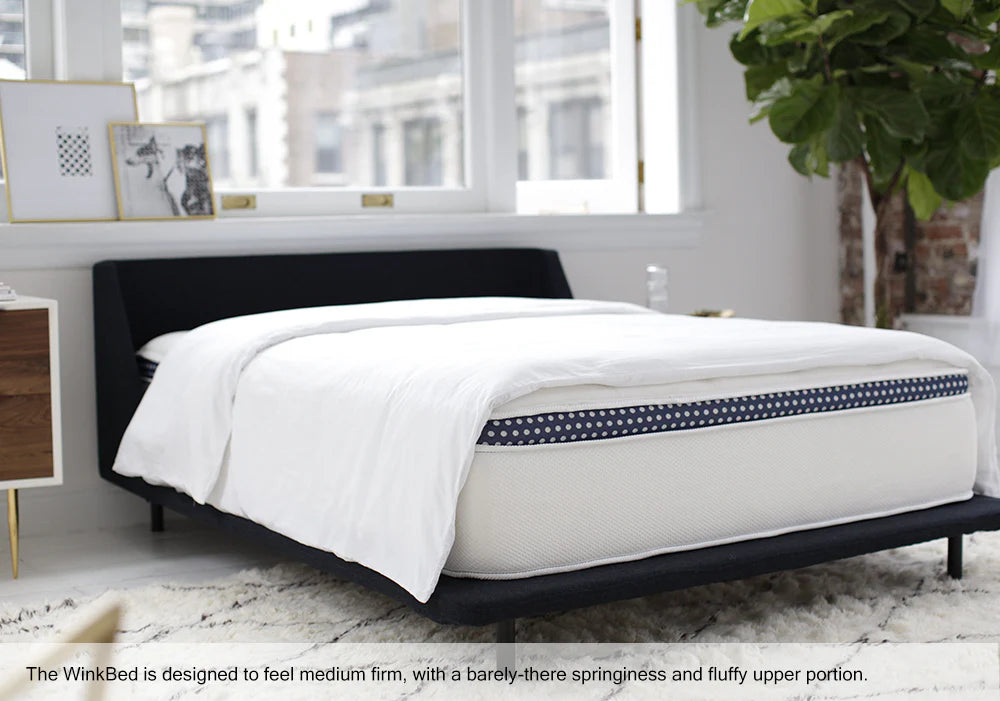
Built with high-density foam, reinforced coils, and a thicker profile, the WinkBed Plus is engineered to support sleepers up to 350 pounds. Its lumbar support and firmer cushioning can relieve back pain while preventing sagging, though it's very heavy to move.
Main limitation: The firm feel isn't ideal for side sleepers who need extra cushioning at the shoulders and hips.
Skip if: If you're under 150 pounds or prefer a plush, contouring surface, this will feel too hard.
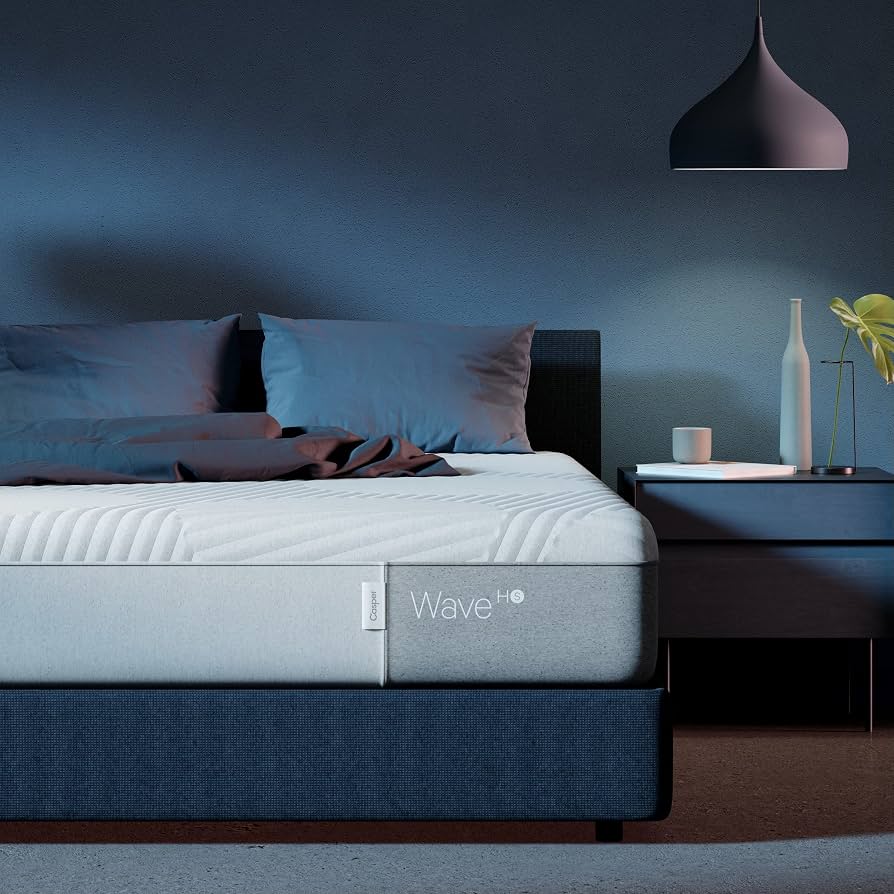
Casper’s top-tier model uses targeted gel pods and extra zones in the lumbar area to keep the spine aligned while offering plush comfort. It’s an expensive investment but delivers the most advanced back-alignment technology we researched.
Main limitation: The price is steep, and the softness level may be too plush for heavier back-pain patients.
Skip if: If you're on a moderate budget or need a very firm mattress, skip the Wave Hybrid.
Compare key specs and features of all our recommendations side-by-side
| Product | Recommendation | Rating | Price |
|---|---|---|---|
Saatva Classic Rank #1 | 🏆 Top Pick | 9.2/10 | $1,995–$3,195 (queen) Check current price → |
Nectar Memory Foam Rank #2 | 💰 Budget Pick | 8.4/10 | $549–$1,099 (queen) Check current price → |
Purple Plus Rank #3 | ⭐ Editor's Choice | 8.7/10 | $1,649–$2,999 (queen) Check current price → |
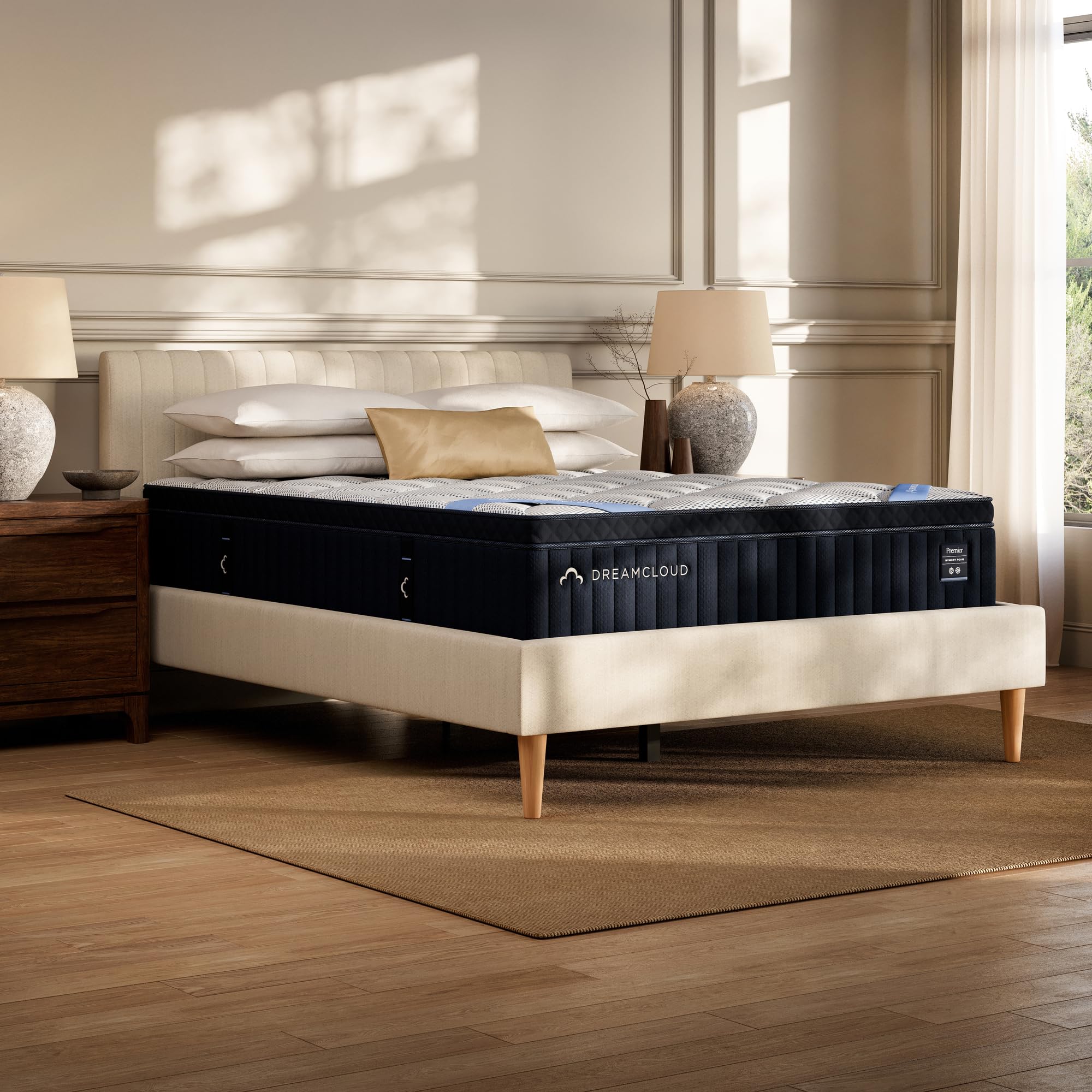 Helix Midnight Luxe Rank #4 | — | 4.2 4.2 | $2,349–$3,149 (queen) Check current price → |
WinkBed Plus Rank #5 | — | 8.6/10 | $1,699–$2,599 (queen) Check current price → |
Casper Wave Hybrid Rank #6 | — | 8.8/10 | $2,799–$4,199 (queen) Check current price → |
Common questions buyers have about this category.
Most experts recommend a medium-firm mattress (around 6 on a 1–10 firmness scale) for back pain. It balances support and comfort, keeping your spine neutral without creating pressure points. However, side sleepers may need a slightly softer feel, while stomach sleepers often do better on a firmer surface.
Yes, memory foam can be excellent for back pain if it provides enough support and doesn't allow your hips to sink too deeply. Look for high-density foam and a medium-firm feel. Some memory foam mattresses are too soft, which can misalign the spine, so pay attention to the firmness rating and any lumbar support features.
Look for a mattress that encourages neutral spinal alignment, meaning your ears, shoulders, and hips form a straight line when you lie on your side. Zoned support, which is firmer in the middle, can help prevent the mid-section from sinking. Also, take advantage of at-home trials—sleep on the mattress for at least a month to see if your morning back pain improves.
Both can be effective, but hybrids often offer a better balance of support and breathability. The coils in a hybrid provide sturdy lumbar support and prevent the 'hammock effect' that can occur in all-foam mattresses. Foam models, on the other hand, excel at pressure relief and motion isolation. Your choice should depend on your sleep position and whether you sleep hot.
Not necessarily. Price doesn't always equal support—some budget mattresses like the Nectar Classic provide excellent alignment. However, higher-priced models often use more durable materials, better zoned support systems, and longer warranties. The key is to look for quality construction and features like targeted lumbar support, rather than relying solely on price.
Most mattresses should be replaced every 7–10 years, but if you notice sagging, visible indentations, or you wake up with increased pain, it's time for a new one. Foam mattresses tend to lose support earlier than hybrids or innersprings. A mattress that has lost its shape can exacerbate back pain, so don't wait for visible wear.
Products we evaluated but did not recommend — and why.
