Get the App
Better experience on mobile
From budget hybrids to luxury innersprings, these mattresses are selected for proven lumbar support and pressure relief.
Back pain is often the reason people replace their mattress — but the fix isn't just 'firm' or 'soft.' The right mattress aligns your spine while cushioning pressure points, and that balance varies by sleep position and body weight. A mattress that's perfect for a 150-pound side sleeper might feel like a concrete slab to a 250-pound back sleeper.
In this roundup, we focus on the mattresses that consistently earn high marks from both experts and owners for alleviating discomfort. We've looked at materials, construction, firmness levels, and support zones — not just marketing claims. Whether you're a back sleeper needing lumbar support, a side sleeper looking for pressure relief, or a hot sleeper who still wants coil-like responsiveness, there's a pick here for you.
We've organized our choices by value and use case, from budget-friendly hybrids under $800 to premium luxury innersprings. Each selection includes an honest assessment of its trade-offs, because no mattress is perfect for everyone. We also answer common questions about firmness, break-in time, and sleep trials, so you can shop with confidence.
Our top pick, the Saatva Classic, combines the support of an innerspring with zoned lumbar support — a combination that works for many back-pain sufferers. But if you're on a budget or need a specific feature like cooling or extra pressure relief, the alternatives below are strong contenders in their own right.
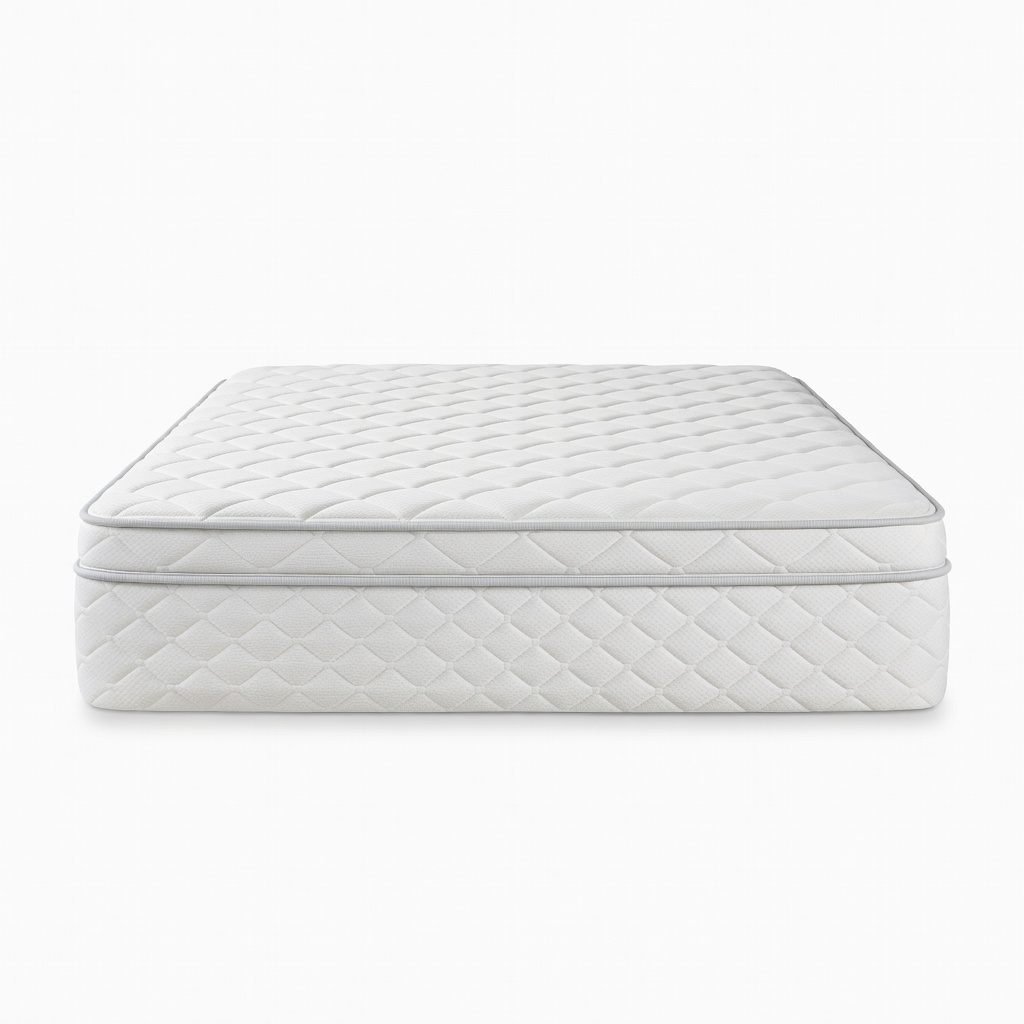
The Saatva Classic pairs a durable innerspring coil-on-coil construction with a zoned lumbar support layer that many back-pain sufferers find immediately comforting. Its luxury pillow top adds plushness, and the two firmness options (Plush Soft, Luxury Firm, Firm) let you dial in support. The main trade-off is the premium price and the fact that it's a bit heavier to move.
Main limitation: The innerspring construction offers minimal motion isolation compared to all-foam models, so it may not be ideal if you sleep with a light sleeping partner.
Skip if: If you're on a tight budget or prefer the deadening feel of memory foam, this luxury hybrid is likely overkill.
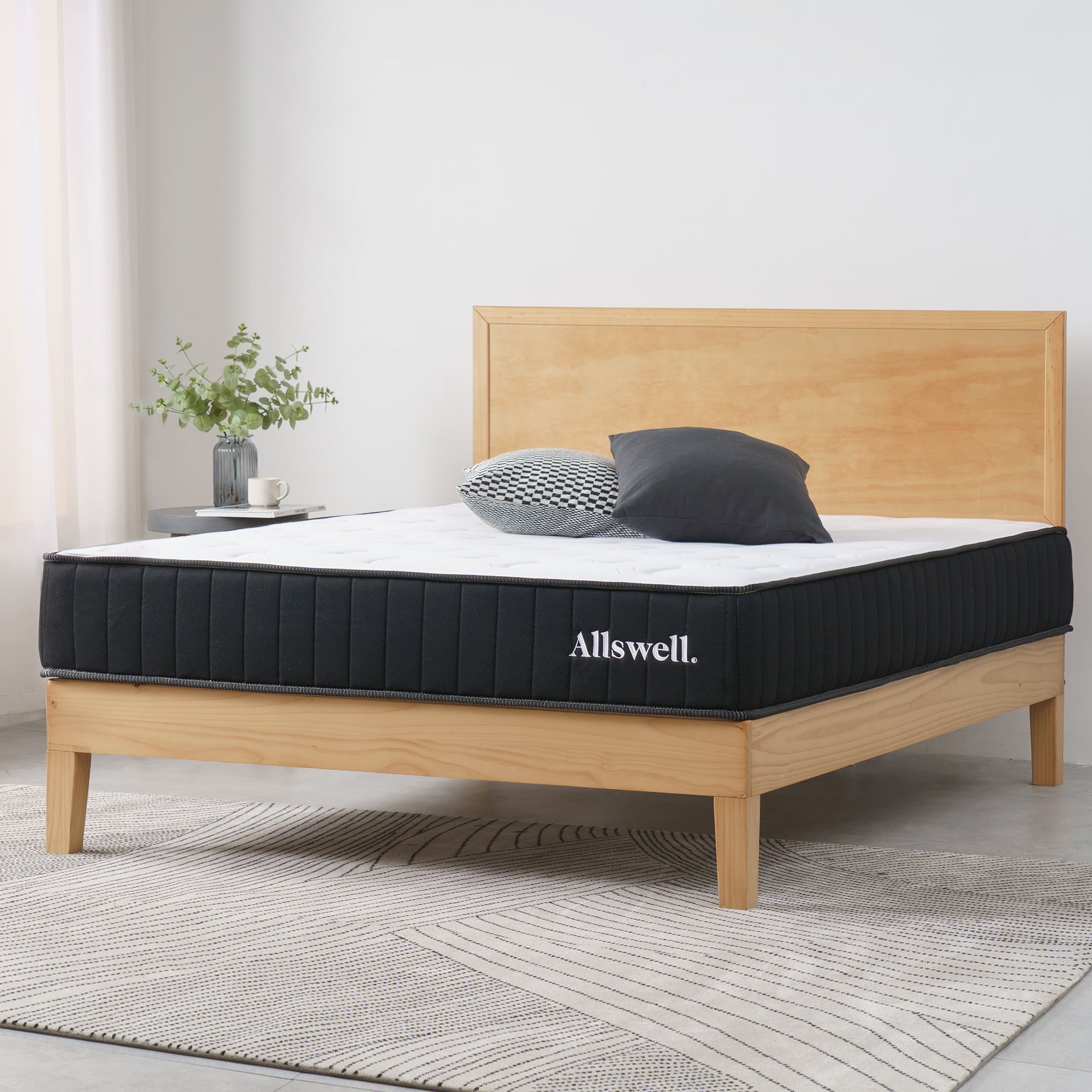
The Allswell 10″ Hybrid delivers a surprising amount of support for a mattress that starts under $500. Its pocketed coils provide a responsive, breathable base, while a quilted gel memory foam top keeps pressure points happy. The trade-off is a less plush feel and a shorter lifespan than pricier beds.
Main limitation: The 8.5-inch version is too thin for larger individuals — choose the 10-inch or 12-inch if you weigh over 200 lbs.
Skip if: If you prefer the hug of dense memory foam or need a more premium edge support, a budget innerspring hybrid will feel too basic.
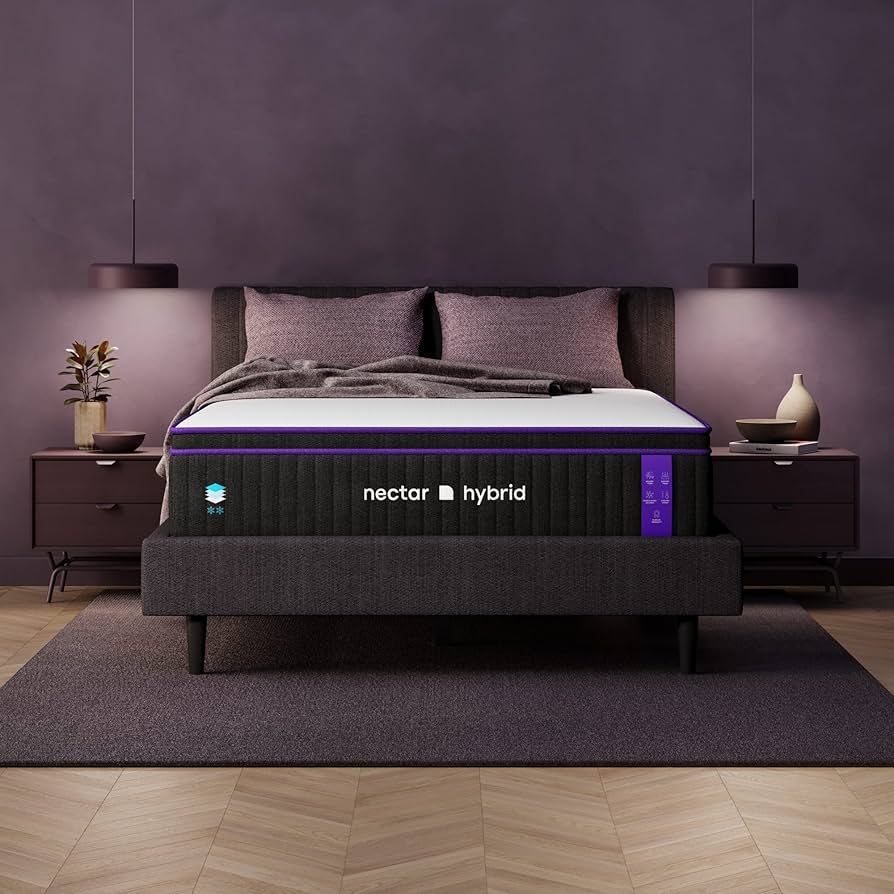
The Nectar Premier is a memory foam mattress with a slow-sinking hug that relieves pressure on shoulders and hips — a must for side sleepers with back pain. Its multi-layer foam construction includes a gel memory foam top for cooling and a thick base layer for stability. The trade-off is a lower bounce and potential heat retention compared to hybrids.
Main limitation: The softness of the top layers can make it too plush for heavier back or stomach sleepers, who may experience sagging in the lower back.
Skip if: If you're a stomach sleeper or want a firmer, more responsive surface, the Nectar's memory foam hug might feel too sinking.
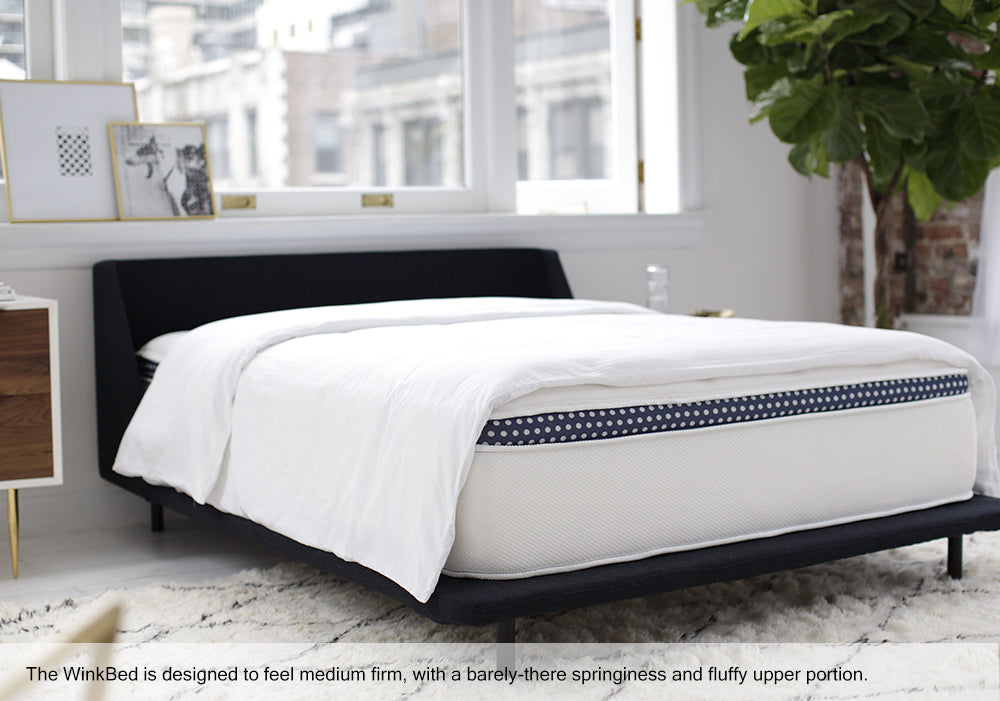
The WinkBed is a luxury hybrid built with a high-density foam base and double-coil system that stands up to heavier body weights without sagging. Its zoned lumbar support gives extra lower-back assistance, while a cushioning Euro-pillow top keeps pressure points free. The main drawback is its high price, which goes up the firmer you go.
Main limitation: The mattress is heavy and hard to rotate; you'll need a partner to move it during cleaning or set-up.
Skip if: If you're a strict side sleeper under 130 lbs, the firmer variants may feel too rigid — you'll sink into the plush top but lose the zoned support.
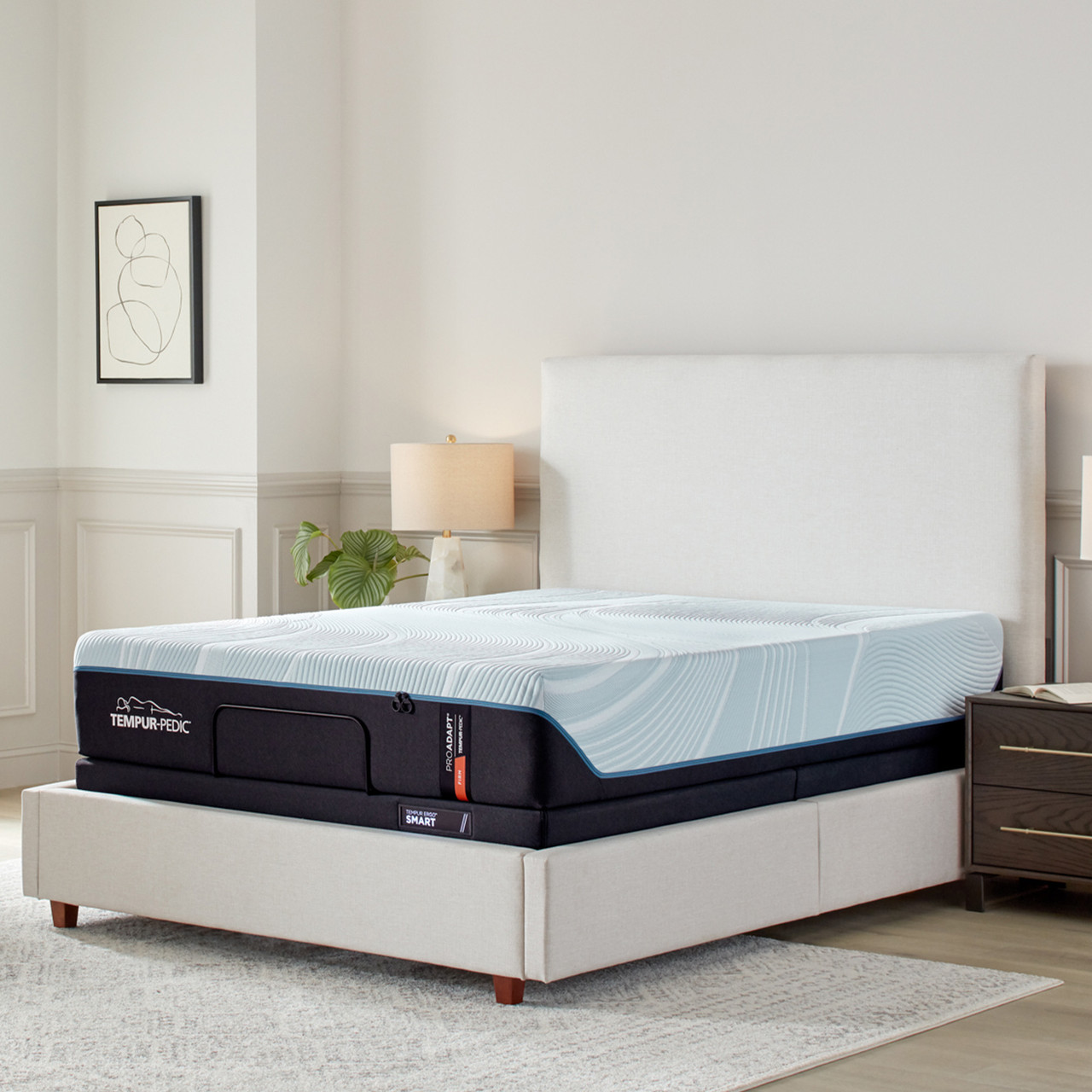
The TEMPUR-ProAdapt uses Tempur's advanced TEMPUR-APR+ material that contours to your body's exact shape, providing deep pressure relief that many chronic back-pain suffers crave. Its medium-firm feel works for most sleep positions, and the cooling cover helps regulate temperature. The trade-off is a heavy, dense feel and a high price — plus some sleepers find it too slow to respond.
Main limitation: Tempur material is notorious for sleep 'stuck' — if you move a lot, you'll need to work to change position.
Skip if: If you prefer a bouncy, easy-to-move-on mattress, this memory foam is not your match.
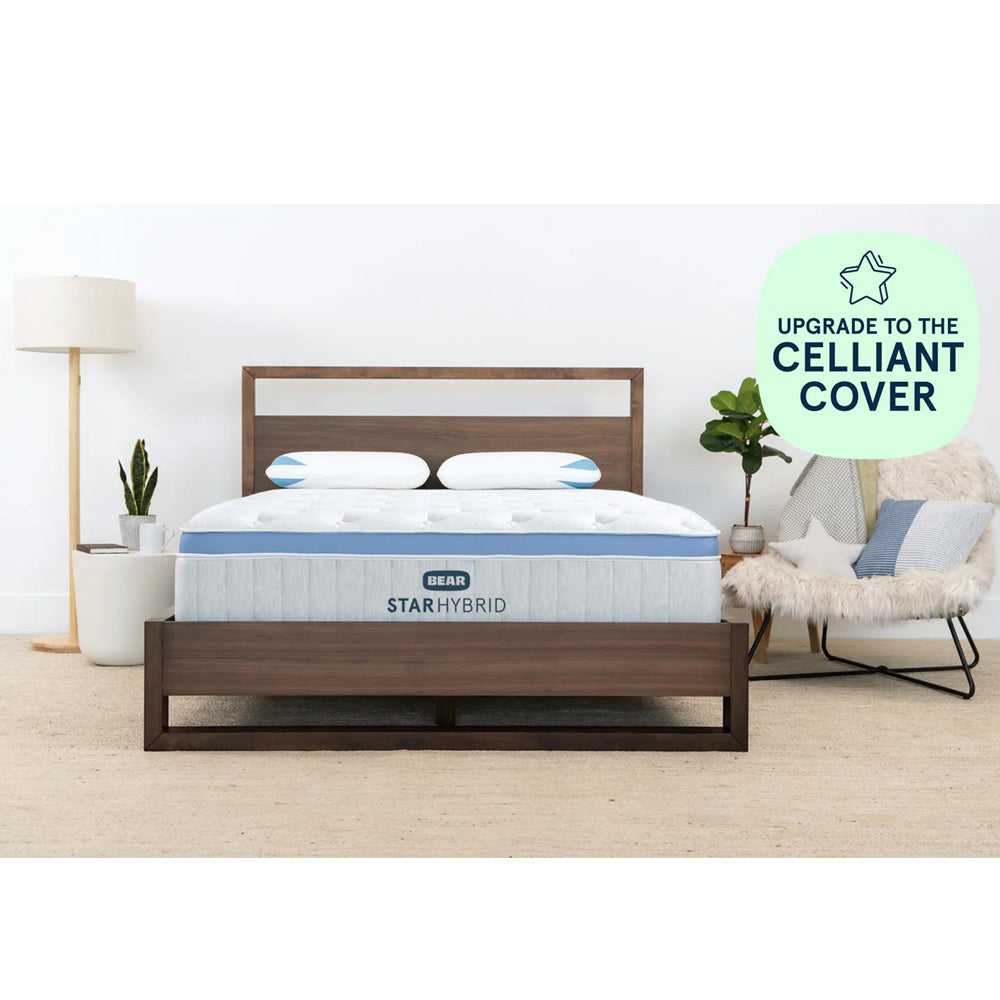
The Bear Star Hybrid is engineered for hot sleepers, with a phase-change cover, gel-infused memory foam, and a coil base that encourages airflow. Its medium-firm feel plus zoned lumbar support make it a strong pick for back pain while keeping you cool all night. The trade-off is a slightly confusing feel — some testers find the top layers too squishy and the support layer too firm.
Main limitation: The cooling cover can feel cool-to-the-touch initially, but some users report it's less breathable than expected after a few nights.
Skip if: If you don't sleep hot or prefer a soft, all-foam hug, this hybrid's coil support may feel too stiff.
Compare key specs and features of all our recommendations side-by-side
| Product | Recommendation | Rating | Price |
|---|---|---|---|
Saatva Classic Mattress Rank #1 | 🏆 Top Pick | 9.0/10 | $1,895–$2,595 (Queen) Check current price → |
Allswell 10 Inch Hybrid Mattress Rank #2 | 💰 Budget Pick | 8.0/10 | $450–$600 (Queen) Check current price → |
Nectar Premier Mattress Rank #3 | ⭐ Editor's Choice | 8.5/10 | $1,099–$1,299 (Queen) Check current price → |
WinkBed Mattress Rank #4 | — | 8.5/10 | $1,599–$2,199 (Queen) Check current price → |
Tempur-Pedic TEMPUR-ProAdapt Mattress Rank #5 | — | 8.0/10 | $2,499–$2,999 (Queen) Check current price → |
Bear Star Hybrid Mattress Rank #6 | — | 8.0/10 | $1,499–$1,899 (Queen) Check current price → |
Common questions buyers have about this category.
No. While some back-pain sufferers find relief on a firm mattress, too much firmness can create pressure points and misalignment. Most experts recommend a medium-firm feel (6–7 out of 10) because it balances support with cushioning. Your body weight and sleep position play a big role — heavier people often need a firmer mattress to avoid sinking, while side sleepers need softer pressure relief at the shoulders and hips.
Memory foam conforms closely to your body, offering excellent pressure relief and motion isolation, but it can sleep hot and feel 'sinking' for some. Hybrid mattresses combine coil support with foam layers, providing more bounce, airflow, and edge support. For back pain, hybrids are often a safer bet because the coils give your spine active support, while foam pads the trouble spots. That said, modern high-density memory foam formulations can work just as well for many people.
Most mattresses take 30 to 60 days to fully break in, though you may feel a difference within the first week. During this period, the comfort layers soften and adapt to your body shape, and the overall feel becomes more settled. Retailers' sleep trials are typically 90 to 120 nights precisely to cover this adjustment period—so don't judge a mattress solely on the first few nights.
Side sleepers generally need a medium to medium-soft mattress (between 5 and 6 on the firmness scale) so the shoulders and hips can sink slightly into the mattress, keeping the spine aligned. If the mattress is too firm, you'll feel pressure in those areas, which can translate to back pain. Look for models that mention 'pressure relief' or 'contouring' and have zoned support for the lumbar region.
A mattress can't 'cure' chronic back pain, but it can significantly reduce the discomfort caused by poor sleep posture. A supportive mattress keeps your spine in a neutral position, reducing muscle strain and allowing tissues to recover overnight. If your back pain is due to injury or a medical condition, a mattress alone won't fix the root cause—combine it with exercise, stretching, and professional guidance.
Yes, if you take advantage of the trial period. Many online mattress brands offer 100+ nights to test the bed in your own home, and some even provide free returns and refunds. The risk is lower than you might think, and the convenience of delivery to your door often outweighs the lack of a showroom test. Just be sure to read the trial and refund terms carefully before purchasing.
Products we evaluated but did not recommend — and why.
