Get the App
Better experience on mobile
Matcha tea is packed with antioxidants, a boost of caffeine and calming qualities. Read on to find the best matcha powder you can order online.
Matcha powder has surged in popularity as a versatile superfood, prized for its vibrant green color, umami-rich flavor, and health benefits like high antioxidants, sustained energy without jitters, and support for metabolism. But not all matcha is created equal—especially when ordering online, where options range from mass-produced blends to artisanal, single-origin Japanese varieties. Choosing the right one matters because subpar matcha can taste grassy, bitter, or dull, diminishing its nutritional value and enjoyment in teas, lattes, smoothies, or baking. Poor quality often stems from lower-grade leaves, mechanical grinding instead of traditional stone-milling, or additives that dilute purity.
This guide compares budget-friendly options against premium ones. Budget matcha (around $10) typically offers basic ceremonial or culinary grades from unspecified origins, providing decent flavor for casual use but potentially lacking depth and vibrancy—ideal for beginners experimenting without high commitment. Premium picks ($20+) emphasize first-harvest Japanese leaves, organic certification, and no additives, delivering superior smoothness and color for traditional ceremonies or daily rituals, though at a higher cost per serving.
Readers will learn key factors like grade, origin, and processing to evaluate products; budget breakdowns to match spending with needs; and pitfalls to avoid, such as overlooking additives. We'll review five standout online-available options: Venture Pal Ceremonial Grade Matcha ($19.99, 4.5 stars) for balanced everyday use; the budget Premium Ceremonial Grade Matcha ($9.99, 2.9 stars) for entry-level trials; Encha Lavender Matcha Latte Powder ($24.95, 4.1 stars) for flavored innovation; Encha Sweetened Matcha Latte Powder ($14.95, 4.6 stars) for convenient sweetness; and Emptea Ceremonial Grade Matcha ($27.99, 4.6 stars) as a top-tier pure choice. By the end, you'll confidently select matcha that elevates your routine, whether for health, taste, or versatility. (Word count: 278)
Selecting matcha online requires scrutinizing details often hidden in product listings, as you can't sample it firsthand. Focus on authenticity, quality indicators, and suitability for your use—traditional tea, lattes, or recipes—to ensure freshness and value.
Grade (Ceremonial vs. Culinary/Latte): Ceremonial grade uses young, shaded first-harvest leaves for smooth, vibrant matcha ideal for straight drinking or usucha/koicha ceremonies. Culinary or latte grades are coarser, from mature leaves, better for mixing into milk-based drinks or baking where bitterness is masked. Venture Pal and Emptea are true ceremonial, while Encha's latte versions suit blended beverages.
Origin and Harvest: Authentic Japanese matcha from regions like Uji, Kagoshima, or Nishio ensures superior terroir-driven flavor—nutty, umami notes over vegetal bitterness. First-harvest (spring) yields the finest, nutrient-dense powder. All reviewed products claim Japanese first-harvest origins, but verify via certifications; the generic Premium Ceremonial lacks specified sourcing, risking blends.
Processing Method: Stone-milling preserves nutrients and creates fine, clump-free powder (10-15 microns particle size), unlike mechanical grinding which can oxidize leaves. Premium options like Emptea emphasize traditional stone-milling for better froth and color retention.
Organic Certification and Additives: USDA Organic or JAS (Japanese Agricultural Standard) guarantees no pesticides; pure matcha avoids sugars, flavors, or fillers. Encha's sweetened version includes organic cane sugar for lattes, while Venture Pal and Emptea are 100% pure, vegan, and additive-free. Lavender Encha adds natural flavoring, appealing for variety but not for purists.
Packaging and Size: Airtight tins or pouches (e.g., 30g for 15 servings) protect from light/oxygen, maintaining freshness up to 2 years if sealed. Larger 100g+ packs like the generic Premium offer value but may spoil faster post-opening. Check for resealable designs.
Price per Gram and Serving Yield: Calculate cost-effectiveness—ceremonial matcha often runs $0.50-$1 per gram. At $19.99 for 30g, Venture Pal is $0.67/g; the $9.99 100g generic is a steal at $0.10/g but reflects lower quality.
Customer Reviews and Lab Testing: Look beyond star ratings (e.g., 4.6 for Emptea) to specifics on taste, color, and solubility. Third-party testing for heavy metals (common in tea) adds trust, though few list it explicitly.
Matcha pricing reflects quality tiers, with online ordering amplifying value through direct sourcing. Entry-level ($9.99-$14.99) includes basics like the generic Premium Ceremonial ($9.99/100g) or Encha Sweetened ($14.95/150g), offering 50-100+ servings for casual users. These provide earthy flavor for lattes or smoothies but may lack ceremonial finesse, with coarser texture and fading color after whisking. Mid-range ($15-$22) hits a practical sweet spot, like Venture Pal ($19.99/30g) or Encha Lavender ($24.95/60g, edging higher for flavor), delivering 15-30 servings of solid ceremonial quality—smooth, antioxidant-rich for daily rituals without breaking the bank. Premium ($23+) features Emptea's $27.99/30g, yielding 15 elite servings from master-blended Kagoshima leaves, justifying the cost for connoisseurs seeking nuanced umami and vibrant emerald hue. At each level, expect organic Japanese sourcing, but higher tiers invest in stone-milling and smaller batches for freshness. Factor in shipping (often free over $25 on Amazon) and shelf life—budget buys suit high-volume use, premiums for mindful sipping.
The sweet spot lies in mid-range options balancing cost and quality, where performance (taste, nutrition, versatility) justifies investment without excess. For $0.50-$0.70 per gram, products like Venture Pal ($19.99) and Encha Sweetened ($14.95) outperform budget generics: Venture Pal's 4.5-star purity rivals pricier Emptea in froth and energy boost, ideal for 1-2 daily lattes, while Encha's pre-sweetened ease saves time and calories vs. adding your own sugar. The $9.99 generic underperforms with 2.9 stars, often cited for bitterness and poor solubility, making it a gamble for newcomers. At the high end, Emptea's $27.99 ($0.93/g) excels in ceremonial authenticity—superior to all for traditional prep—but overkill for casual users, where its performance edge (e.g., no clumps in hot water) doesn't double the utility of mid-tier picks. Encha Lavender ($24.95, $0.42/g) offers unique performance for flavored drinks, bridging price and innovation. Overall, mid-range delivers 80-90% of premium benefits at 60-70% cost, maximizing ROI for most online buyers focused on health and enjoyment.
Ignoring Grade for Your Use: Buying ceremonial for heavy baking wastes money on fine powder that clumps in recipes; opt for latte grades like Encha's for milk mixes to avoid waste.
Overlooking Additives in "Pure" Claims: Flavored or sweetened options (e.g., Encha Lavender) can hide sugars or extracts—check labels if seeking 100% matcha, as in Venture Pal, to prevent unexpected calories.
Skipping Origin Verification: Non-Japanese or unspecified sources (like the generic Premium) often blend leaves, leading to inconsistent, inferior taste; stick to labeled Japanese first-harvest for reliability.
Neglecting Storage Needs: Online matcha arrives fresh, but exposure to air/light degrades it quickly—avoid bulk buys without proper tins if you won't use it in 1-2 months, unlike smaller 30g packs from Emptea.
Relying Solely on Price or Stars: Low-cost generics tempt but disappoint in quality; high stars (e.g., 4.6 for Encha Sweetened) mean little without reading reviews for specifics like bitterness or color fade.
Our top three picks cater to varied needs. First, Emptea Ceremonial Grade ($27.99, 4.6 stars) is best for purists and ceremony enthusiasts, offering stone-milled Kagoshima excellence unmatched in smoothness. Second, Encha Sweetened Matcha Latte Powder ($14.95, 4.6 stars) suits busy latte lovers wanting convenience and light sweetness without additives overload. Third, Venture Pal Ceremonial Grade ($19.99, 4.5 stars) is ideal for everyday all-rounders, providing premium purity at accessible pricing for teas or blends. (Word count: 742)
Ceremonial grade, like in Venture Pal or Emptea, comes from the youngest, shaded tea leaves harvested first in spring, stone-ground into a fine powder (under 15 microns) for drinking straight or lightly whisked. It has a delicate, sweet-umami flavor with bright green color and high chlorophyll/antioxidants, perfect for traditional Japanese tea ceremonies or plain hot/cold brews. Latte or culinary grades, such as Encha's sweetened or lavender versions, use slightly older leaves, resulting in a coarser texture (20+ microns) suited for mixing into milk, smoothies, or baking where the bolder, sometimes bitter taste gets balanced. Ceremonial is pricier ($0.50-$1/g) and nutrient-dense but wasteful in recipes; latte grades are cheaper ($0.20-$0.40/g) and versatile for daily use. Choose based on prep: pure sipping favors ceremonial, blended drinks lean latte. All reviewed products are first-harvest Japanese, but grades affect solubility—ceremonial froths better but clumps if not sifted.
Organic certification isn't strictly necessary for safe matcha, as Japanese teas undergo rigorous pesticide testing, but it ensures no synthetic chemicals, appealing for health-conscious buyers avoiding residues that could accumulate in frequent use. Look for USDA Organic, EU Organic, or JAS labels on packaging—Venture Pal, both Encha variants, and Emptea carry these, confirming soil-grown purity without GMOs. The generic $9.99 option claims organic but lacks clear certification, risking blends. Non-organic can be fine from reputable Japanese farms, but organic adds 10-20% cost (e.g., Emptea's $27.99 vs. uncertified basics). Verify via seller sites or apps like Amazon's "certified organic" filter; third-party labs (e.g., ConsumerLab) test for contaminants, though few matcha brands publish results. For online orders, prioritize JAS for authenticity, as it mandates Japanese origin and standards.
Matcha oxidizes quickly when exposed to air, light, heat, or moisture, losing color, flavor, and nutrients within weeks of opening. Store in its original airtight tin or pouch in a cool, dark cupboard (below 70°F/21°C)—avoid fridges unless sealed in an airtight container to prevent condensation. For the 30g sizes like Venture Pal or Emptea, use within 1-2 months post-opening for peak vibrancy; larger 100g+ like the generic or Encha's 150g can last 3-6 months if portioned into smaller bags. Opaque packaging (all reviewed have it) helps, but transfer to glass jars with silica packs for long-term. Online shipping preserves vacuum-sealed freshness (up to 2 years unopened), but check expiration—first-harvest matcha peaks 6-12 months from harvest. Pro tip: Buy small quantities if infrequent user to avoid waste; improper storage turns premium like Emptea dull and bitter


Compare key specs and features of all our recommendations side-by-side
| Product | Recommendation | Rating | Price |
|---|---|---|---|
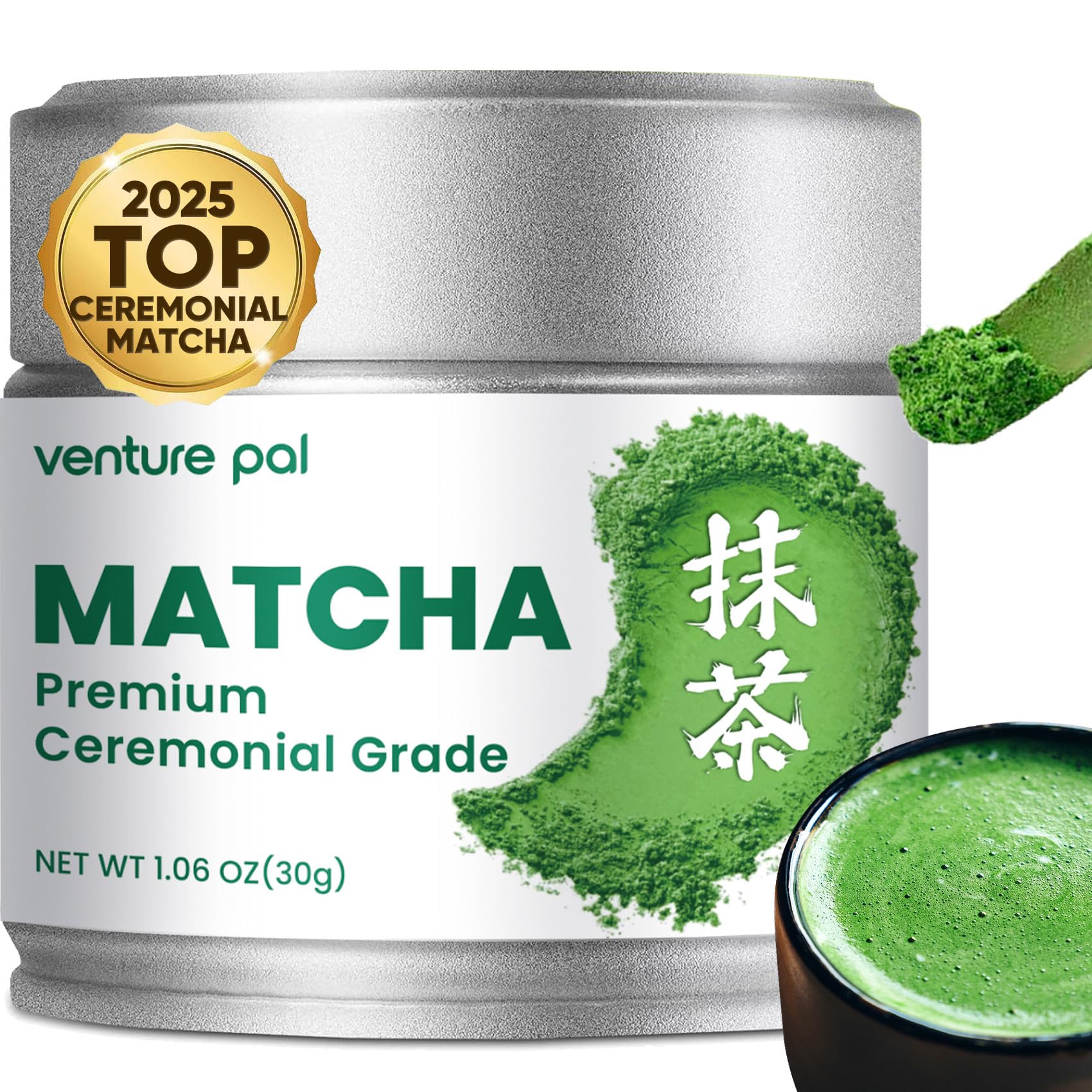 Venture Pal Ceremonial Grade Matcha Powder, Pure First Harvest Green Tea Powder – 100% Vegan, Gluten-Free, No Additives, Premium Grade (30g/1.06oz) Premium Grade 15 Serving Pack of 1 Rank #1 | 🏆 Top Pick | 4.5 4.5 | |
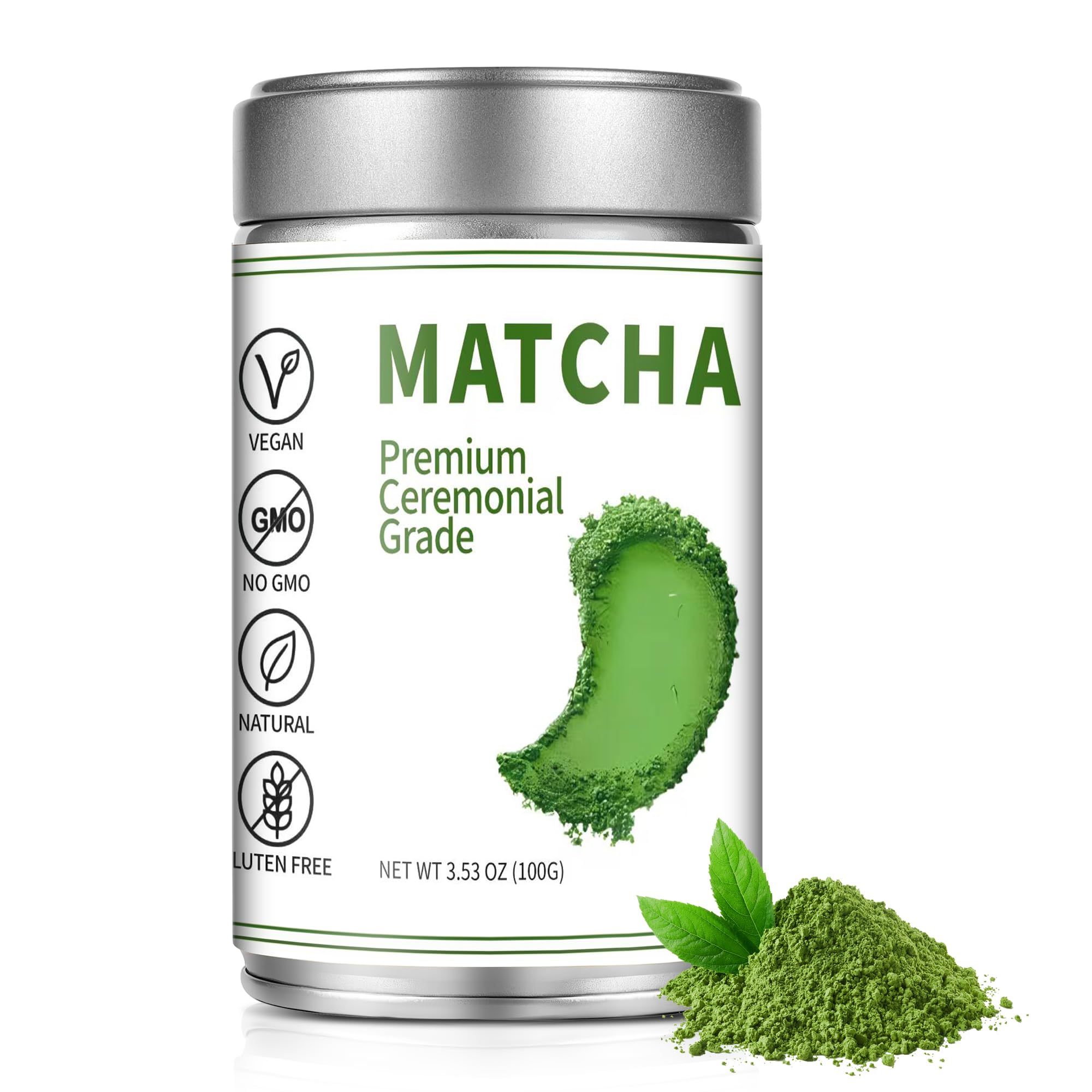 Premium Ceremonial Grade Matcha Powder - 100% Organic First Harvest Japanese Green Tea, Stone-Milled for Lattes & Tea Ceremonies (100g / 3.53oz) Rank #2 | 2.9 2.9 | ||
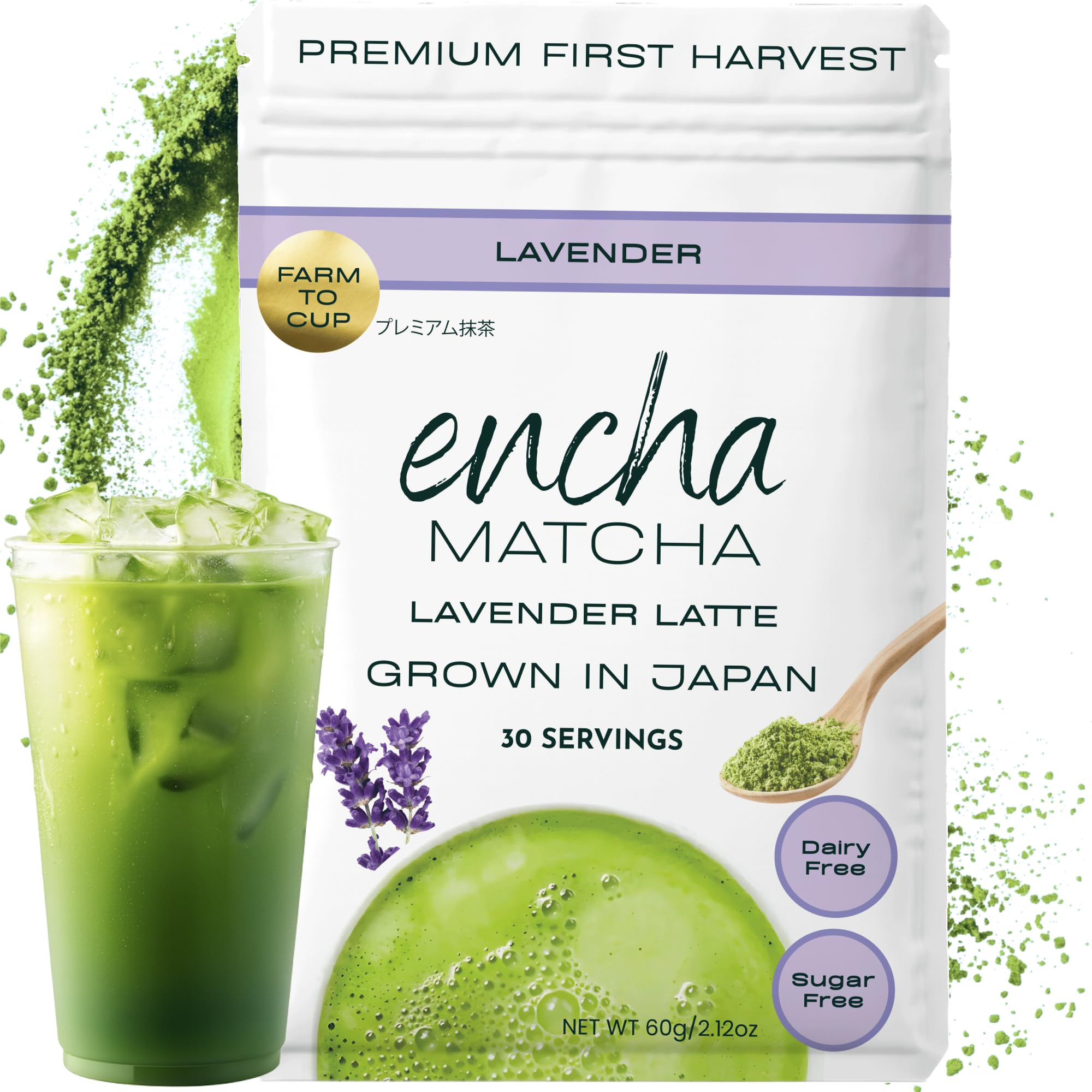 Encha Matcha Latte Powder - Lavender Matcha Powder - First Harvest - Premium Japanese Macha - 60g / 2.12oz Lavender 2.12 Ounce (Pack of 1) Rank #3 | — | 4.1 4.1 | |
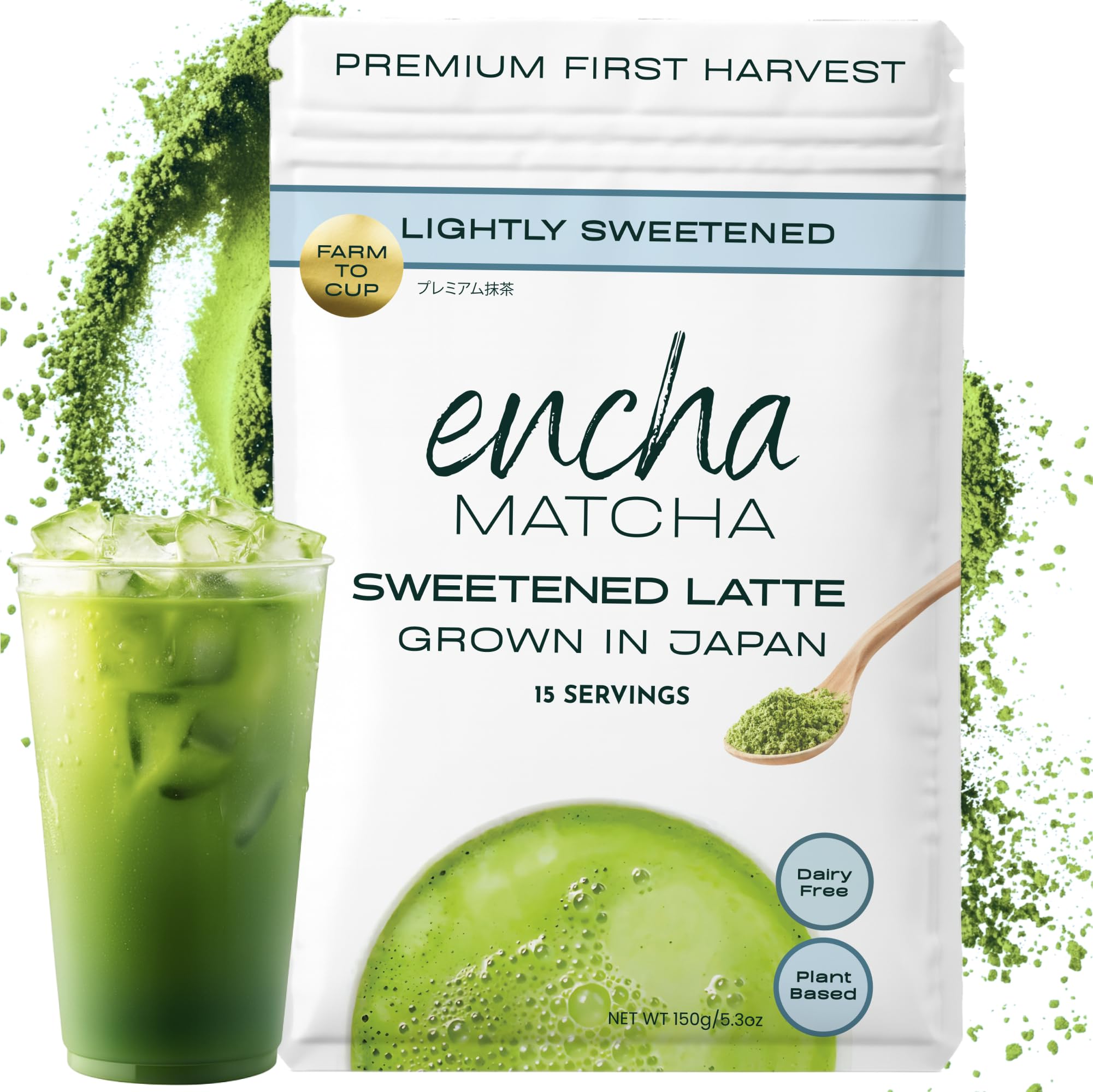 Encha Matcha Latte Powder Sweetened - Lightly Sweet Matcha Powder - First Harvest - Premium Japanese Matcha - 150g / 5.3oz 5.3 oz Rank #4 | — | 4.6 4.6 | |
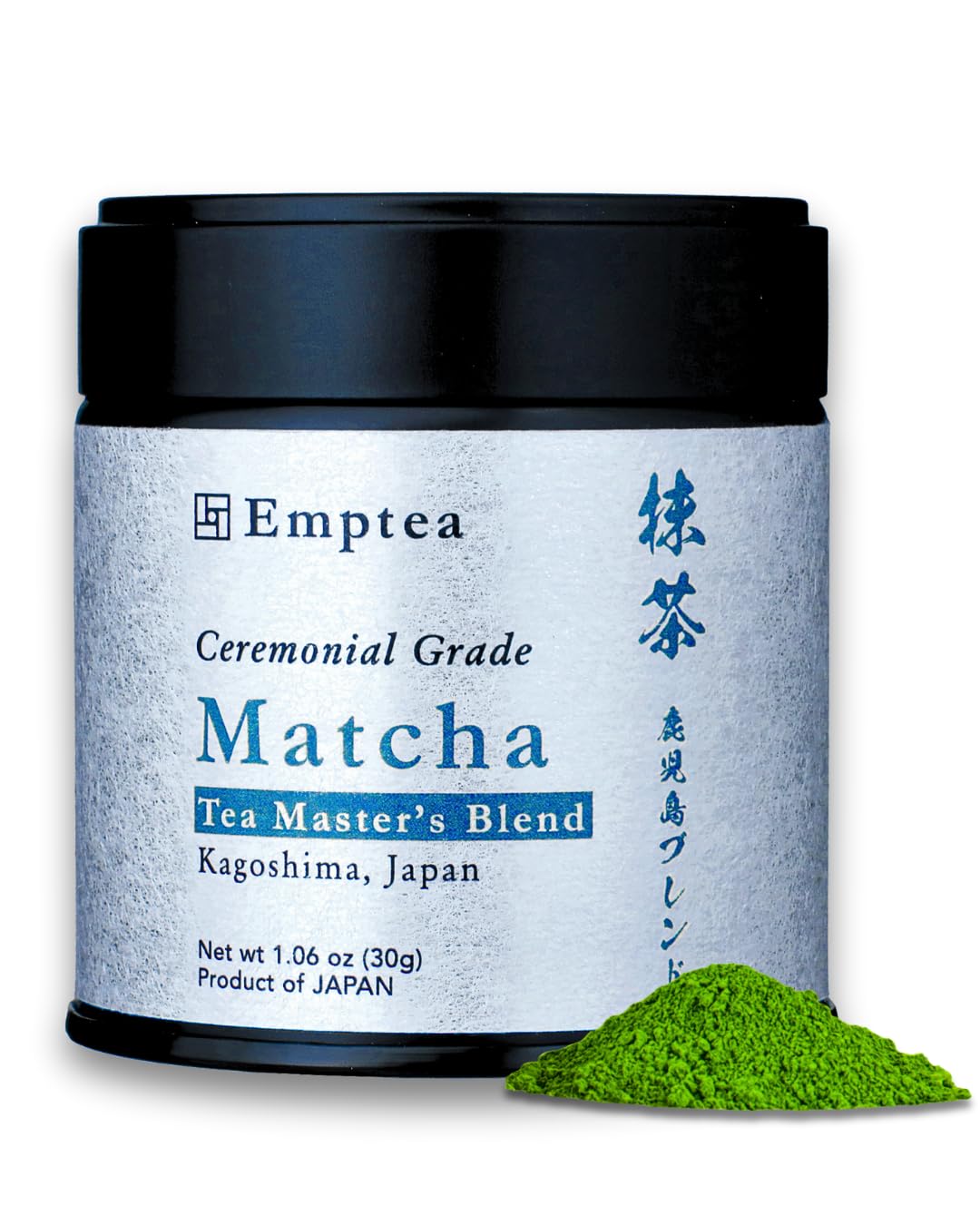 Emptea Ceremonial Grade Matcha – Kagoshima Tea Master Blend First Harvest Japanese Green Tea Powder 1.06 oz (30g) Rank #5 | 💰 Budget Pick | 4.6 4.6 |
