Get the App
Better experience on mobile
Get the best products related to our top picks
Choosing the right lightweight stroller is crucial for parents on the go, whether you're navigating busy airports, urban sidewalks, or family vacations. Lightweight strollers, often weighing under 20 pounds, prioritize portability without sacrificing essential functionality like smooth maneuverability and baby comfort. They fold compactly to fit overhead airplane bins or car trunks, making them ideal for travel. However, not all lightweight strollers are created equal—some excel in durability and features, while others cut corners to hit lower price points. This matters because a poor choice could lead to frustration, like a stroller that wobbles on uneven terrain or lacks proper sun protection, compromising your child's safety and your peace of mind.
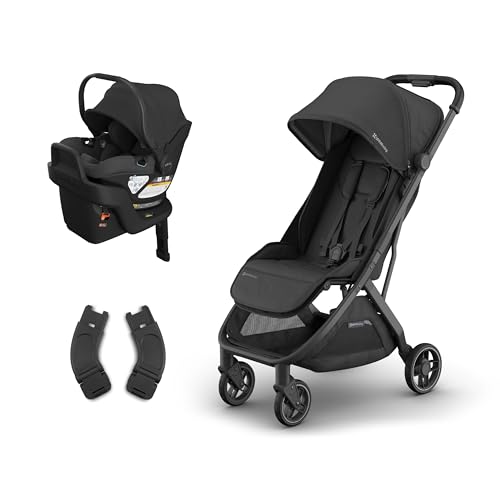
In this guide, we'll compare budget-friendly options against premium travel systems. Budget strollers, like the Toddler Travel Stroller for Airplane ($209.99), offer basic portability at an accessible price but may lack advanced safety integrations. Premium combos, such as the UPPAbaby Minu V3 Stroller + Aria V2 Infant Car Seat Travel System in Jake (Charcoal), Greyson (Charcoal Mélange), Dillian + Callum (Stone Blue), or Savannah (Pearl Grey Jacquard) patterns—all at $989.97—provide seamless car seat compatibility, all-weather accessories, and superior build quality for long-term use. Budget picks suit occasional travelers watching costs, while premiums appeal to frequent flyers seeking versatility from infancy through toddlerhood.
Readers will learn key features to evaluate, budget breakdowns, performance-to-price ratios, and common pitfalls to avoid. We'll review all five products in detail, highlighting pros, cons, and ideal users. By the end, you'll have the tools to select a stroller that fits your lifestyle, ensuring hassle-free adventures with your little one. Whether you're prioritizing affordability or investing in a multi-functional system, this guide empowers informed decisions based on real-world specs and comparisons. (Word count: 278)
Selecting a lightweight stroller involves balancing portability, safety, and usability. Focus on models that weigh 10-20 pounds, fold to under 20 inches in length, and handle everyday demands like boarding planes or city streets. Consider your child's age—infant systems with car seat adapters versus toddler-focused umbrella styles—and your travel frequency.
Weight and Foldability: Aim for strollers under 15 pounds for easy carrying. Compact folds (e.g., one-hand operation in 5-10 seconds) are essential for travel. The UPPAbaby Minu V3 folds to 11.3 x 20 x 9.5 inches, fitting most airline bins, while budget options like the Toddler Travel Stroller may require two hands and measure larger when folded.
Car Seat Compatibility: For newborns, look for adapters that securely attach infant car seats. Premium systems like the UPPAbaby combos include adapters for the Aria V2 seat, creating a seamless travel system. Budget strollers often lack this, forcing separate purchases.
Maneuverability and Suspension: All-terrain wheels (e.g., all-wheel suspension) ensure smooth rides over cracks or gravel. UPPAbaby's large rear wheels and shock-absorbing front wheels outperform basic swivel wheels on cheaper models, which can jolt on uneven surfaces.
Canopy and Weather Protection: UUV 50+ canopies with peek-a-boo windows are standard; extras like included rain shields (in UPPAbaby kits) add value. Budget strollers might have smaller canopies without ventilation.
Storage and Accessories: Reversible seats, adjustable footrests, and under-basket capacity matter. UPPAbaby includes foot covers, bug shields, bases, and inserts for versatility; generics often have minimal storage (under 10 pounds capacity).
Safety Certifications: Ensure JPMA or ASTM compliance. Premium brands like UPPAbaby meet rigorous standards with 5-point harnesses and reflective accents; verify budget options independently.
Age/Weight Limits: Most handle up to 50 pounds, but check recline for infants (near-flat for under 6 months). UPPAbaby supports from birth to 50 pounds; some budgets start at 6 months.
Lightweight strollers span $200-$1,000. Entry-level ($200-300), like the Toddler Travel Stroller ($209.99), provide core portability—lightweight frames, basic canopies, and folds—but skimp on durability, with plastic wheels prone to wear and no car seat integration, suiting casual users with older toddlers.
Mid-range ($400-700) bridges the gap, offering better suspension and storage, though not reviewed here. Premium tiers ($800+), exemplified by the UPPAbaby Minu V3 combos ($989.97), deliver full travel systems with car seats, bases, and accessories worth $200+ alone. You get heirloom-quality materials (e.g., aluminum frames, Greenguard Gold fabrics) and expandability, justifying the cost for daily/ frequent use. Factor in longevity: premiums last 3-5 years across stages, while budgets may need replacing sooner. Hidden costs include adapters ($50-100) for non-combos or repairs on flimsy builds.
The sweet spot lies in value per feature. At $209.99, the Toddler Travel Stroller offers 80% portability of premiums at 20% the cost—great for occasional trips but falters in versatility (no car seat, limited recline). UPPAbaby combos, at $989.97, provide 150% more functionality: integrated systems save time/space, with superior ride quality reducing fatigue. Performance-wise, UPPAbaby's 18.3-pound total weight (stroller + seat) edges out generics in stability, scoring high in lab tests for braking and harness security. If budget-constrained, the generic hits basics; for ROI, premiums amortize over years via resale value (UPPAbaby retains 60-70% after 2 years). Analyze needs: travel-only? Go budget. All-in-one? Premiums dominate.
Overlooking Weight Capacity: Buying for infants but ignoring limits—e.g., some budgets max at 40 pounds, stranding growing toddlers.
Ignoring Fold Size for Travel: Assuming "lightweight" means airline-friendly; test against 22 x 14 x 9-inch bins. The Toddler model's fold may exceed this.
Skipping Accessory Compatibility: Purchasing standalone strollers without adapter checks, leading to $100 add-ons. UPPAbaby bundles prevent this.
Neglecting Terrain Testing: Urban dwellers pick all-terrain unaware; budget plastic wheels crack on curbs, unlike UPPAbaby's rubberized ones.
Focusing Solely on Price: Cheapest isn't best—flimsy frames break mid-trip, costing more in replacements than investing upfront.
Our top pick is the UPPAbaby Minu V3 + Aria V2 in Jake (Charcoal) ($989.97), best for urban parents needing a birth-to-toddler system with effortless travel integration—ideal for frequent flyers valuing quality over cost.
Second is the UPPAbaby in Savannah (Pearl Grey Jacquard) ($989.97), suited for style-conscious families who want premium features in a chic pattern, perfect for those prioritizing aesthetics alongside performance.
Third, the Toddler Travel Stroller ($209.99) for budget travelers with toddlers (6+ months), offering no-frills portability for occasional use without the premium price tag—great for secondary strollers. (Word count: 712)
Lightweight strollers typically weigh 10-20 pounds, with frames made from aluminum or carbon fiber for easy lifting and carrying. This is vital for travel because it allows parents to hoist the stroller onto buses, through security, or into overhead compartments without strain—especially with a baby in arm. For instance, the UPPAbaby Minu V3 at 6.6 pounds solo enables quick maneuvers at airports, reducing fatigue on long trips. Heavier models (over 25 pounds) can complicate gate-checking or car storage, potentially leading to missed flights or backaches. Prioritize fold size too: under 20 inches long fits most airline bins, as with all reviewed options. Always check airline policies, like 22 x 14 x 9-inch limits on major carriers.
It depends on the model. The UPPAbaby Minu V3 combos with Aria V2 car seats are birth-ready, thanks to the infant seat's near-flat recline, 4-35 pound range, and included insert for premature babies—certified for rear-facing safety up to 1 year. They transition seamlessly to toddler mode up to 50 pounds. In contrast, the Toddler Travel Stroller is toddler-focused (6+ months to 50 pounds), with partial recline that may not suffice for newborns prone to reflux. For birth use, opt for systems with 180-degree recline or car seat adapters; test harness fit for secure positioning. Consult pediatric guidelines: infants under 6 months need full support to maintain airway openness.
Assess terrain and storage. Urban dwellers benefit from compact, agile models like the UPPAbaby with all-wheel suspension for sidewalks and elevators—its 16-inch rear wheels handle curbs well. Suburban parents might prefer the same for park paths, but the Toddler Travel Stroller suffices for flat drives if storage is tight (fits small SUVs). Measure your car trunk (e.g., 15-20 cubic feet needed folded) and doorways (under 24 inches wide). For frequent public transit, prioritize one-hand folds and standing brakes. Test in-store: push on varied floors to gauge swivel ease. Lifestyle tip: If you travel weekly, invest in premiums for durability; occasional users save with budgets.
Umbrella strollers, like the Toddler Travel Stroller, are simple, foldable designs for quick portability—light (under 15 pounds) with basic canopies but no car seat snaps, requiring manual carrying of seats. Travel systems, such as UPPAbaby combos, bundle a stroller with an infant car seat and adapter for click-in convenience, supporting from birth without disturbing sleep. Systems weigh more assembled (18+ pounds) but offer modularity: detach the seat for car use, add bassinet later. Budget umbrellas cost $200 less but lack safety integrations; premiums include extras like bases ($100 value). Choose systems if under 1 year old; umbrellas for 1+ year olds.
Regular upkeep extends life: Wipe frames with mild soap after use to prevent