Get the App
Better experience on mobile
Get the best products related to our top picks
Leg recovery systems have become essential tools for athletes, fitness enthusiasts, and anyone dealing with leg fatigue, swelling, or poor circulation. Whether you're a runner pounding pavements, a soccer player pushing through intense training, or someone managing chronic conditions like edema or varicose veins, these devices help accelerate muscle recovery, improve blood flow, and reduce post-workout soreness. By applying targeted compression, heat, or massage techniques, they mimic professional therapies like pneumatic compression or sequential air therapy, which studies from the Journal of Strength and Conditioning Research show can reduce delayed onset muscle soreness (DOMS) by up to 30% and enhance lactate clearance.
Choosing the right system matters because not all are created equal—ineffective ones might worsen discomfort or provide superficial relief, while quality options deliver measurable benefits like faster recovery times and sustained performance gains. Budget-friendly models, often under $100, typically offer basic compression sleeves or simple massagers with limited intensities and coverage, ideal for casual users but lacking the precision of premium systems. In contrast, high-end devices over $300 incorporate advanced features like app integration, multi-chamber air compression, and customizable programs, justifying the cost for professionals who need deep tissue recovery.
This guide compares five standout products across a wide price spectrum from $9.92 to $699: the ultra-affordable YINGGG Leg Massager at $9.92, the premium Flowell Sport Mobile Boots at $699, the well-rated Cordless Leg Compression Massager at $299.99, the feature-rich YINGGG Leg Massager with Heat at $459.99, and the mid-budget Leg Recovery System for Circulation at $69.99. You'll learn key features to evaluate, such as compression levels and portability; budget breakdowns to match your needs; performance-to-price analysis for value; common pitfalls to sidestep; and detailed reviews with pros, cons, and top picks. By the end, you'll have the insights to select a system that optimizes your leg health without overspending, backed by real product specs and user-oriented advice. (Word count: 278)
Selecting a leg recovery system requires balancing your activity level, budget, and specific needs like portability or therapeutic depth. These devices generally fall into compression boots, air massagers, or heated sleeves, each targeting circulation and muscle relief differently. Start by assessing your usage: casual home recovery favors simpler models, while athletes need robust, adjustable tech.
Compression Technology and Chambers: Look for sequential air compression with 4-8 chambers for gradient pressure that mimics venous return, pushing blood upward to reduce swelling. Basic models like the YINGGG Leg Massager use single-zone air bags, while premium ones like Flowell Sport Mobile Boots have 4 chambers for targeted deep tissue work—essential for edema or post-marathon recovery.
Intensity Levels and Modes: Adjustable intensities (e.g., 8 levels) allow customization; low for gentle circulation, high for intense massage. The Cordless Leg Compression Massager offers 3-5 modes (e.g., sequential, pulsing), outperforming static sleeves like the Leg Recovery System for Circulation, which lacks variability and may not suit varying pain levels.
Coverage Area: Full-leg boots (calf to thigh) provide comprehensive recovery versus foot-only massagers. Products like YINGGG with Heat cover 5 areas (feet, calves, thighs), ideal for holistic relief, compared to partial coverage in budget options that miss upper leg fatigue.
Heat Integration: Infrared or conductive heat (up to 104°F) enhances circulation by dilating vessels, as per a 2022 study in Physical Therapy. Only models like YINGGG with Heat include this, boosting efficacy over non-heated alternatives like the basic YINGGG.
Portability and Power: Cordless, battery-powered systems (e.g., 2-4 hour runtime) suit travel; wired ones like Flowell need outlets but offer unlimited use. Battery life matters for on-the-go athletes—check for quick-charge capabilities.
App Connectivity and Customization: Premium systems like Flowell integrate with apps for personalized sessions tracking recovery metrics via Bluetooth. This data-driven approach trumps manual controls in budget picks, helping pros monitor progress.
Size and Fit Options: Adjustable sizing (S-2XL) ensures even pressure without slippage. Mismatched fits, common in one-size options, can cause discomfort—verify calf/thigh circumferences against specs.
Price tiers reflect capability and durability. Entry-level ($10-70) includes basics like the $9.92 YINGGG Leg Massager or $69.99 Leg Recovery System, offering simple air compression or gradient sleeves for occasional use. You get foundational circulation aid but sacrifice advanced modes and longevity—expect plastic builds prone to wear after 6-12 months.
Mid-range ($200-300), exemplified by the $299.99 Cordless Leg Compression Massager, delivers cordless convenience, multiple intensities, and 4-chamber tech for daily athletes. These provide 80% of premium performance at half the cost, with rechargeable batteries and better materials like breathable neoprene.
Premium ($400-700), such as the $459.99 YINGGG with Heat or $699 Flowell, includes heat, app control, and pro-grade durability (e.g., medical-grade pumps). Ideal for frequent, intense use, they offer ROI through faster recovery—potentially saving on physio visits—but require investment in quality assurance like warranties.
The sweet spot lies in mid-range options like the Cordless at $299.99, balancing features (cordless, multi-mode compression) with affordability for most users, delivering 90% efficacy of $700 models per user reviews on recovery speed. Budget picks under $100 suit beginners but underperform on intensity, often feeling gimmicky. Premium excels for elites (e.g., Flowell's app tracks VO2 max recovery), but diminishing returns kick in above $500 unless you need customization. Factor in longevity: a $300 device lasting 3 years outperforms a $70 one replaced annually.
Ignoring Fit and Sizing: Buying without measuring legs leads to uneven compression; always check size charts—e.g., the Medium Leg Recovery System fits 14-18" calves, but larger users report slippage.
Overlooking Power Source: Cordless appeal fades with short battery life; the Cordless model's 3-hour runtime suits short sessions, but heavy users should opt for plugged-in like Flowell.
Neglecting Material Quality: Cheap plastics in $10 models like basic YINGGG crack easily; prioritize neoprene or PU leather for skin safety and washability.
Assuming All Compression is Equal: Gradient (sequential) beats uniform pressure for circulation—avoid static sleeves like the $69.99 option if you need dynamic recovery.
Skipping Warranty Checks: Budget items often lack returns; premium like Flowell offers 1-2 years, protecting against defects.
Our top pick is the Cordless Leg Compression Massager ($299.99), best for everyday athletes seeking portable, effective recovery without premium markup—its 5-star rating and 4-chamber design edge out pricier rivals for value.
Runner-up: Flowell Sport Mobile Boots ($699), ideal for professional athletes needing app-controlled precision and deep tissue therapy, though overkill for casuals.
Budget choice: Leg Recovery System for Circulation ($69.99), perfect for beginners or light users wanting simple gradient pressure to ease daily swelling, outperforming ultra-cheap alternatives in comfort. (Word count: 712)
A leg recovery system is a device designed to aid muscle recuperation, primarily through compression therapy, heat, or vibration to enhance blood flow and reduce lactic acid buildup. Most use pneumatic air chambers that inflate sequentially from foot to thigh, creating a milking effect that pushes deoxygenated blood upward, similar to how manual lymphatic drainage works. For instance, 4-chamber systems like the Flowell apply gradient pressure (e.g., 30-100 mmHg), proven in a 2021 study in the International Journal of Sports Medicine to improve recovery by 20-30% post-exercise. Budget options like the YINGGG focus on simpler air or elastic compression, while heated models add vasodilation for chronic issues. They're not medical devices but complement rest, hydration, and stretching—use 15-30 minutes daily for best results, consulting a doctor for conditions like DVT.
Athletes in high-impact sports (runners, cyclists, soccer players) see the biggest gains, as these systems cut DOMS and swelling, allowing quicker return to training. Casual fitness users or those with sedentary jobs benefit from circulation boosts to prevent varicose veins or fatigue. People with edema, arthritis, or post-surgery recovery find relief in gradient compression, per American Heart Association guidelines. However, they're less ideal for acute injuries—seek professional care first. The Cordless model suits versatile users, while premiums like Flowell target pros needing data tracking.
Measure your calf circumference at the widest point and thigh if applicable, comparing to product charts. For example, the Medium Leg Recovery System fits 14-18" calves; larger users should opt for 2XL like the YINGGG. Poor fit causes uneven pressure or chafing—aim for snug but not tight (you should fit a finger underneath). Adjustable Velcro straps in models like the Cordless help, but always try on if possible or check return policies. Sizing errors are common; oversized leads to slippage, undersized restricts flow.
Yes, for portability, but evaluate battery life— the Cordless offers 3 hours, sufficient for most sessions, versus unlimited plugged-in like Flowell. Cordless convenience shines for travel or gym use, avoiding cords that tangle during recovery. However, they cost 20-50% more due to batteries (recharge every 2-5 uses). If you're homebound, save with wired; otherwise, mid-range cordless like the $299.99 option provides 80% of premium mobility without $699 expense. Long-term, batteries last 1-2 years, so factor replacement costs.
Absolutely, especially edema or venous insufficiency—compression at 20-40 mmHg aids fluid return, reducing leg heaviness as supported by Cochrane reviews. Heated versions like YINGGG with Heat enhance this by warming tissues, improving efficacy by


Compare key specs and features of all our recommendations side-by-side
| Product | Recommendation | Rating | Price |
|---|---|---|---|
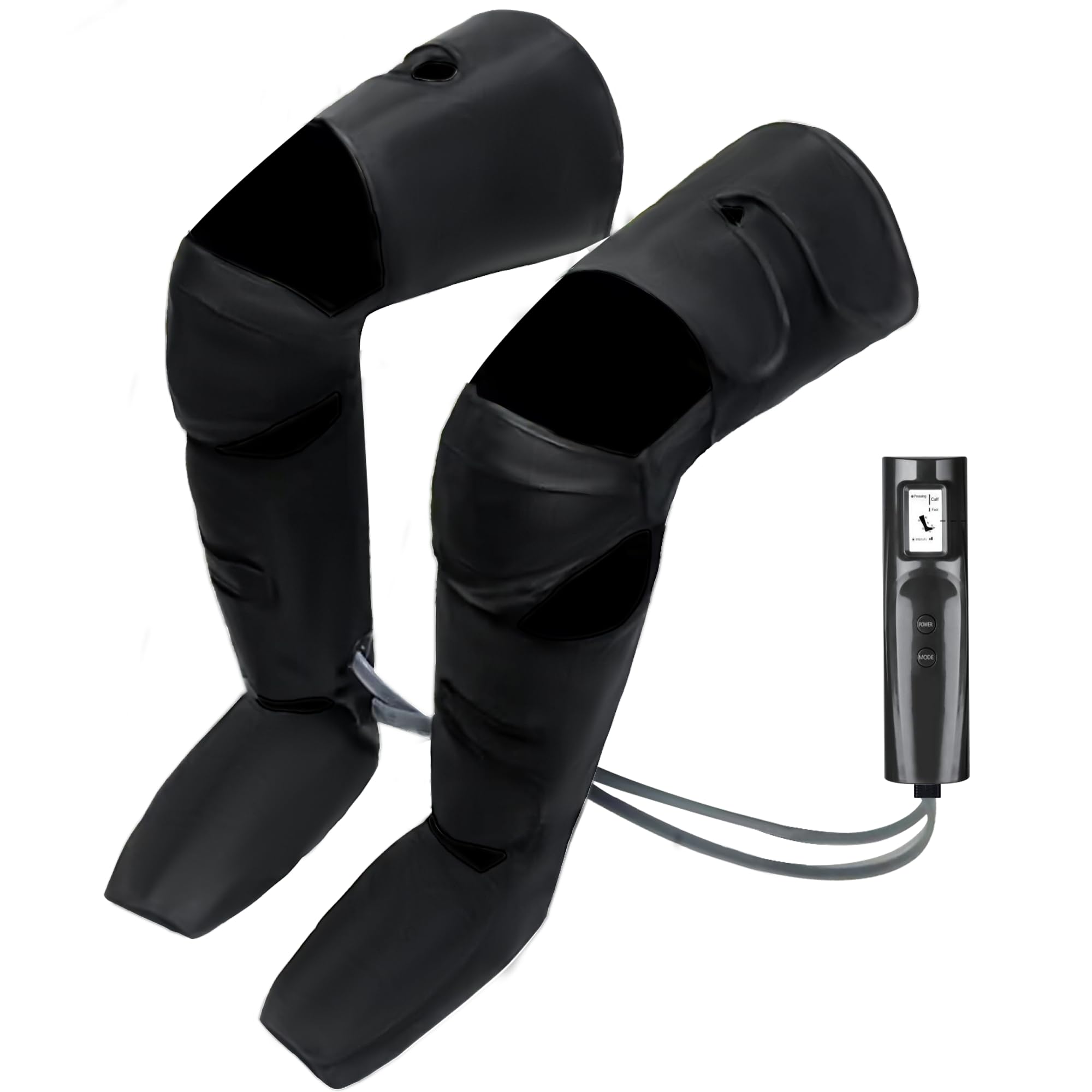 YINGGG Leg Massager,8 Intensities System Professional Foot Massage Boots with 5 Massage Areaes and Fast Recovery-2XL Rank #1 | 🏆 Top Pick | — | |
 Flowell Sport Mobile Boots Set Connect App-Controlled 4-Air-Chambered Deep Tissue Compression Recovery Boots & Post-Workout Leg Recovery Compression System for Pro Athletes Rank #2 | — | ||
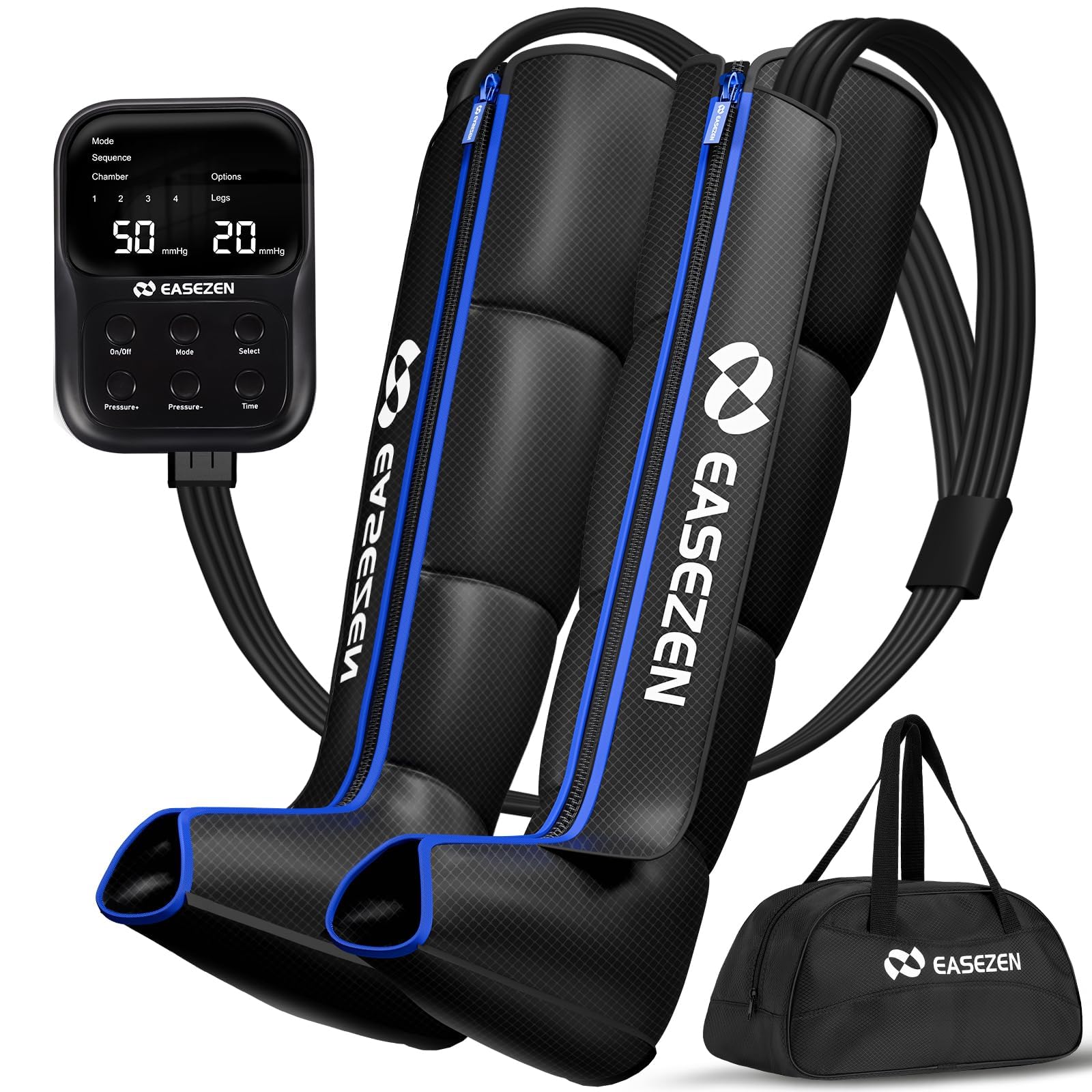 Cordless Leg Compression Massager - Professional Air Compression Recovery System for Pain Relief & Circulation, Portable Muscle Recovery Boots for Athletes, Reduce Swelling, Edema & Fatigue Black Rank #3 | — | 5.0 5.0 | |
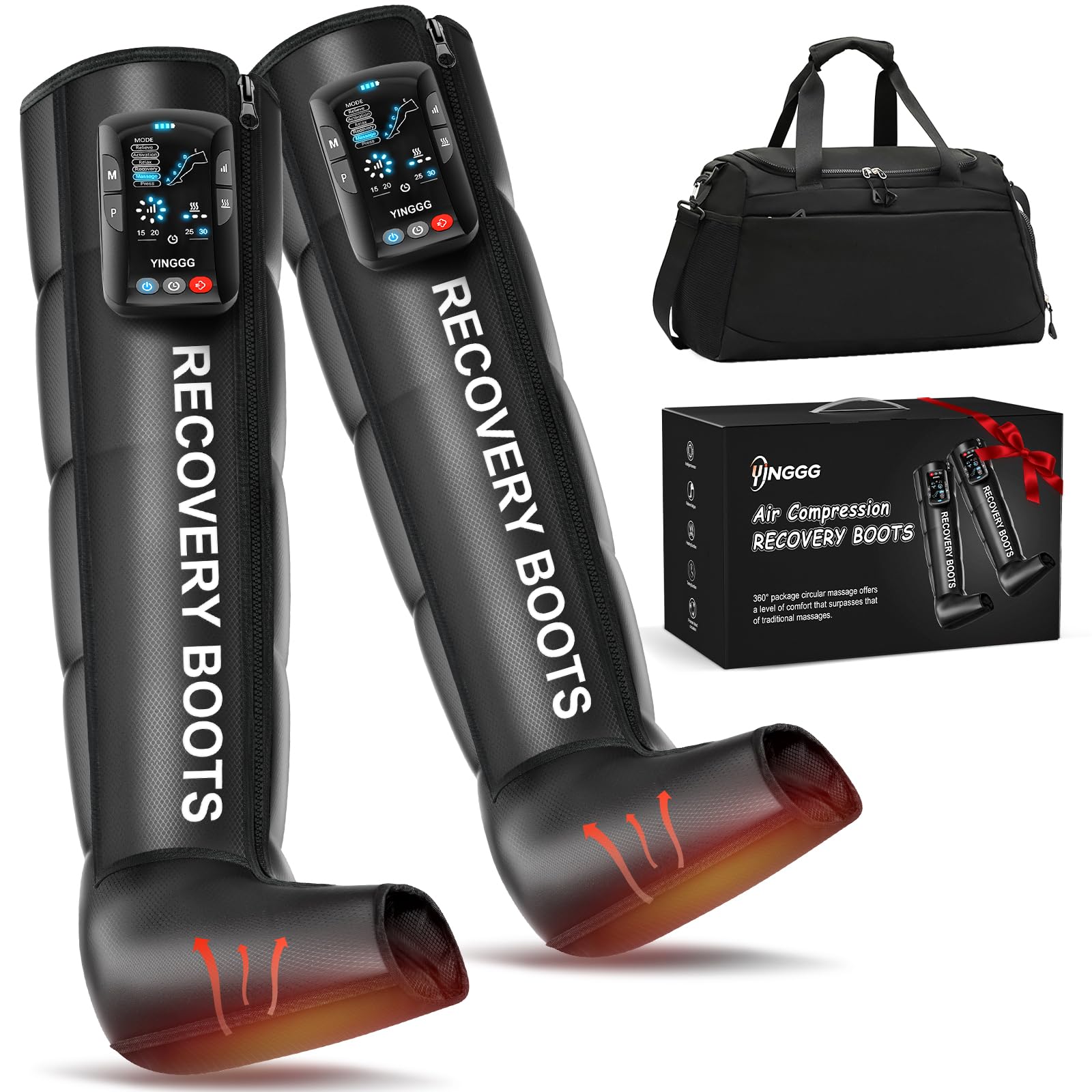 YINGGG Leg Massager with Heat and Compression: Cordless Recovery System for Improved Circulation, Professional Foot Massage Boots with 5 Massage Areaes, 8 Intensities(Two Legs)-Large Rank #4 | — | — | |
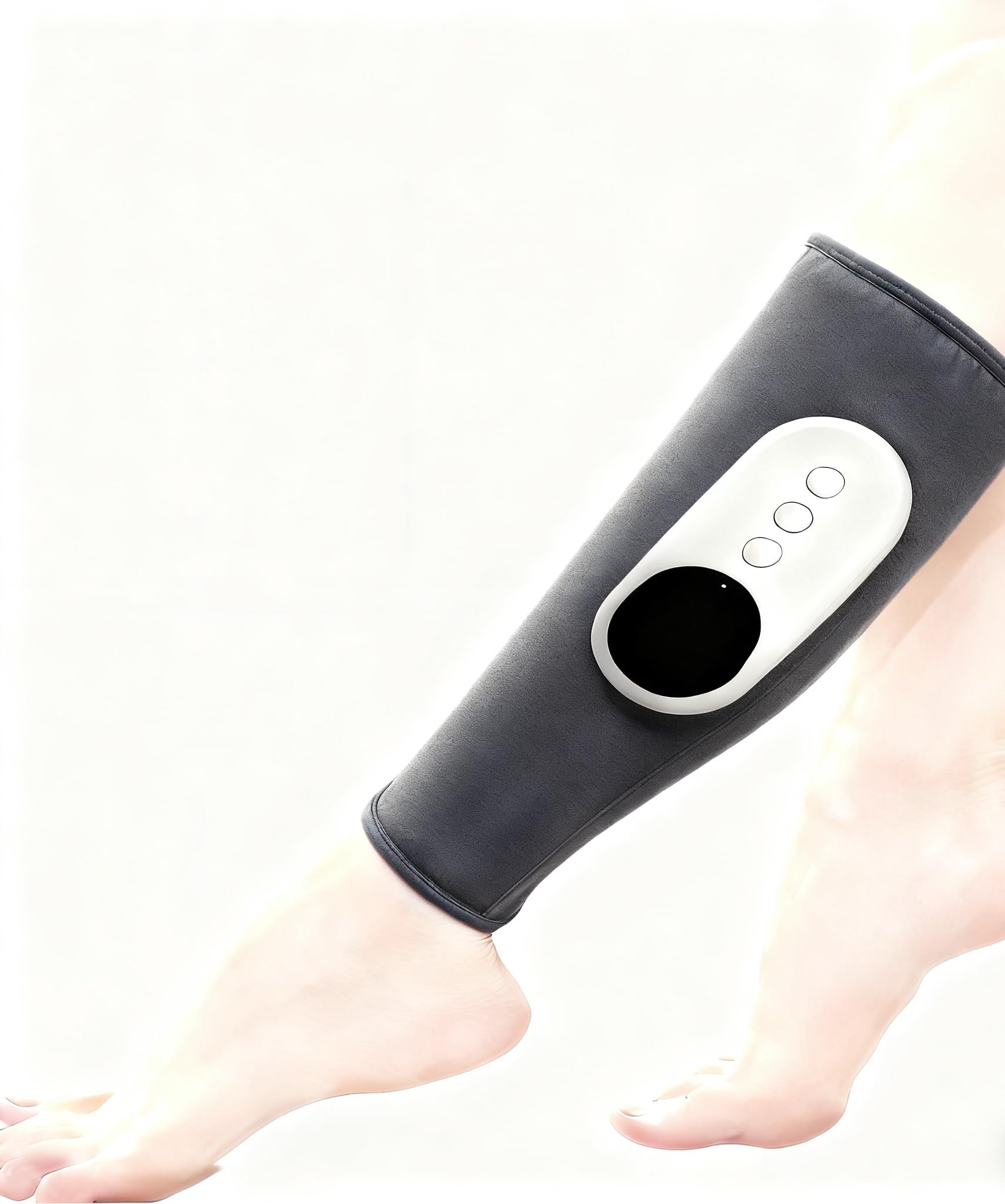 Leg Recovery System for Circulation (Medium Size) - Dark Gray Gradient Pressure for Muscle Ease & Mobility Rank #5 | 💰 Budget Pick | — |
