Get the App
Better experience on mobile
From budget-friendly ultrabooks to premium powerhouses, these laptops keep going when others need a charge.
Battery life is the one spec that can't be upgraded later. Unlike RAM or storage, you're stuck with the endurance the laptop delivers out of the box. That's why it pays to prioritize battery life above almost everything else—unless you enjoy hunting for outlets in coffee shops.
In 2026, the gap between the longest-lasting laptops and average ones is wider than ever, thanks to efficient ARM chips, refined x86 processors, and larger batteries squeezed into slim chassis. But long battery life often comes with trade-offs: limited ports, lower performance, or a premium price.
This guide cuts through the marketing claims to highlight laptops that genuinely last through a full workday and beyond, based on published expert reviews, manufacturer specs, and aggregated buyer experiences. We've included options from budget to premium, so you can find the right balance of endurance, performance, and price for your needs.
Whether you're a student, a traveling professional, or just someone who hates being tethered to a wall, there's a long-lasting laptop here for you.
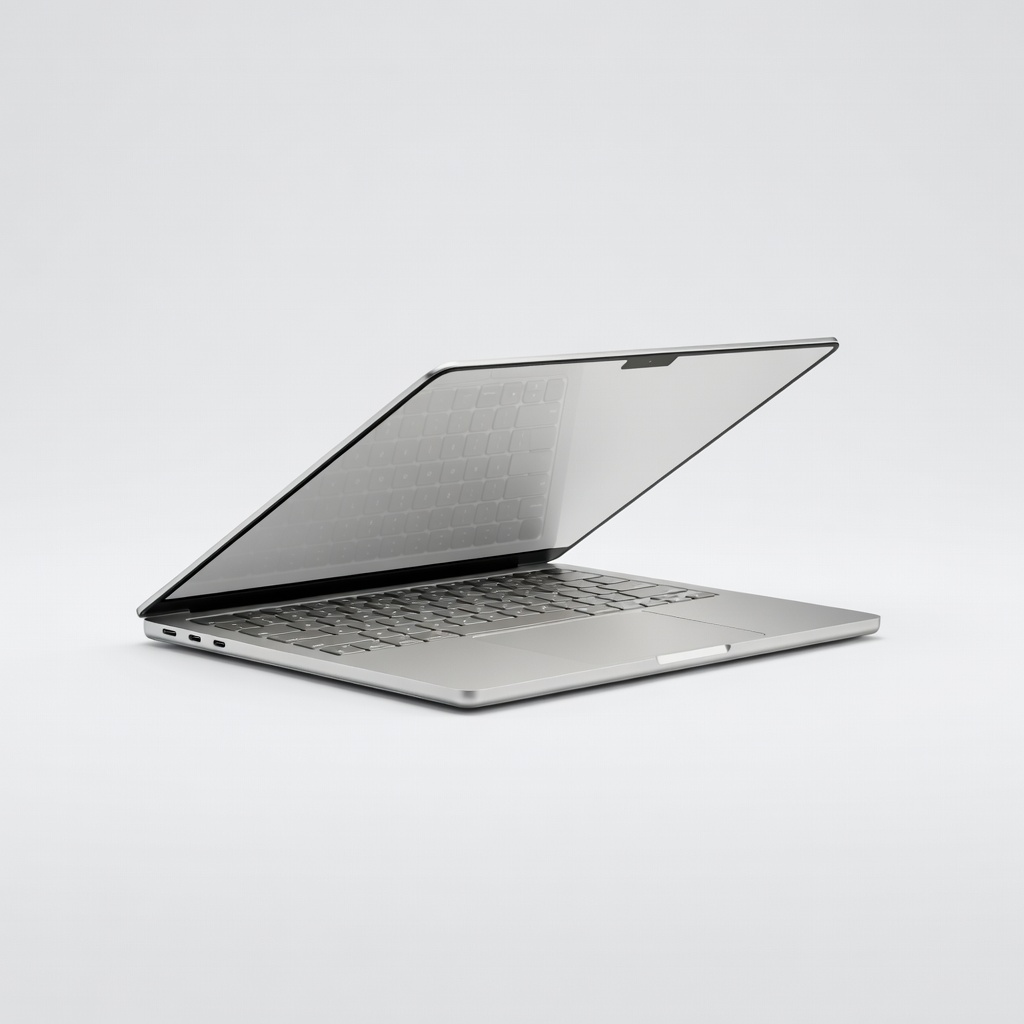
Apple rates the MacBook Air M4 for up to 18 hours of battery life, and independent reviews consistently show it can last a full workday and then some. Its M4 chip handles multitasking with ease, and the 15-inch Liquid Retina display is vibrant. The main trade-off is limited port selection (just two Thunderbolt ports) and a premium price.
Main limitation: Base model may come with only 8GB of RAM, which can feel limiting for heavy multitaskers.
Skip if: Users who need Windows-specific software or require a wider array of ports without dongles.
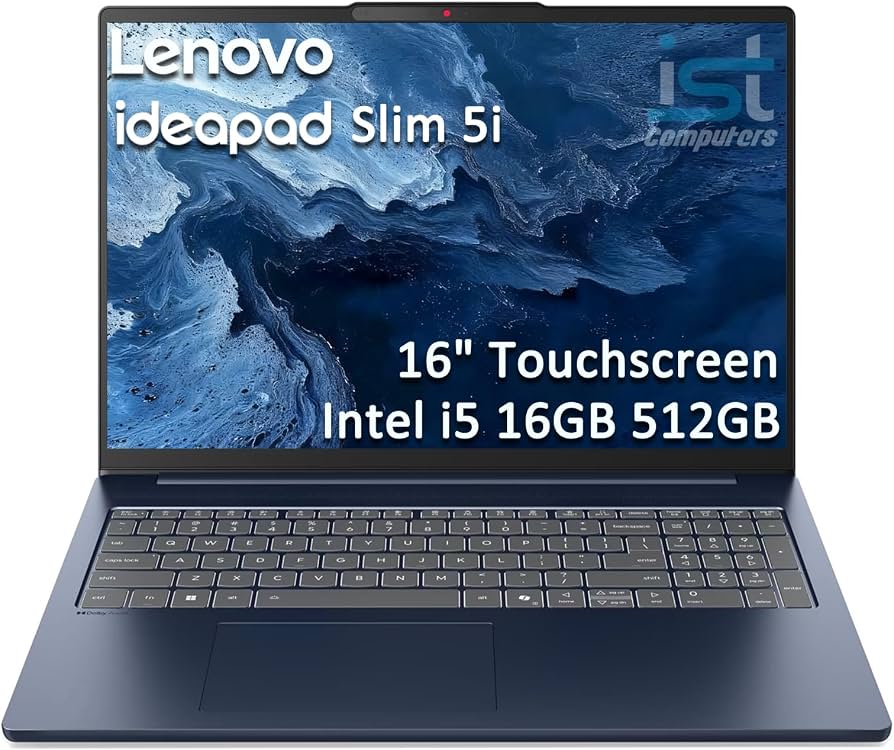
Lenovo claims up to 14 hours of battery life for the IdeaPad Slim 5, making it a standout in the budget category. It's a solid choice for students and home users who need a reliable Windows laptop for everyday tasks. However, the plastic build and average display brightness are noticeable compromises.
Main limitation: The chassis is entirely plastic, which feels less premium than metal alternatives.
Skip if: Users who prioritize a premium look and feel or need a color-accurate display for creative work.
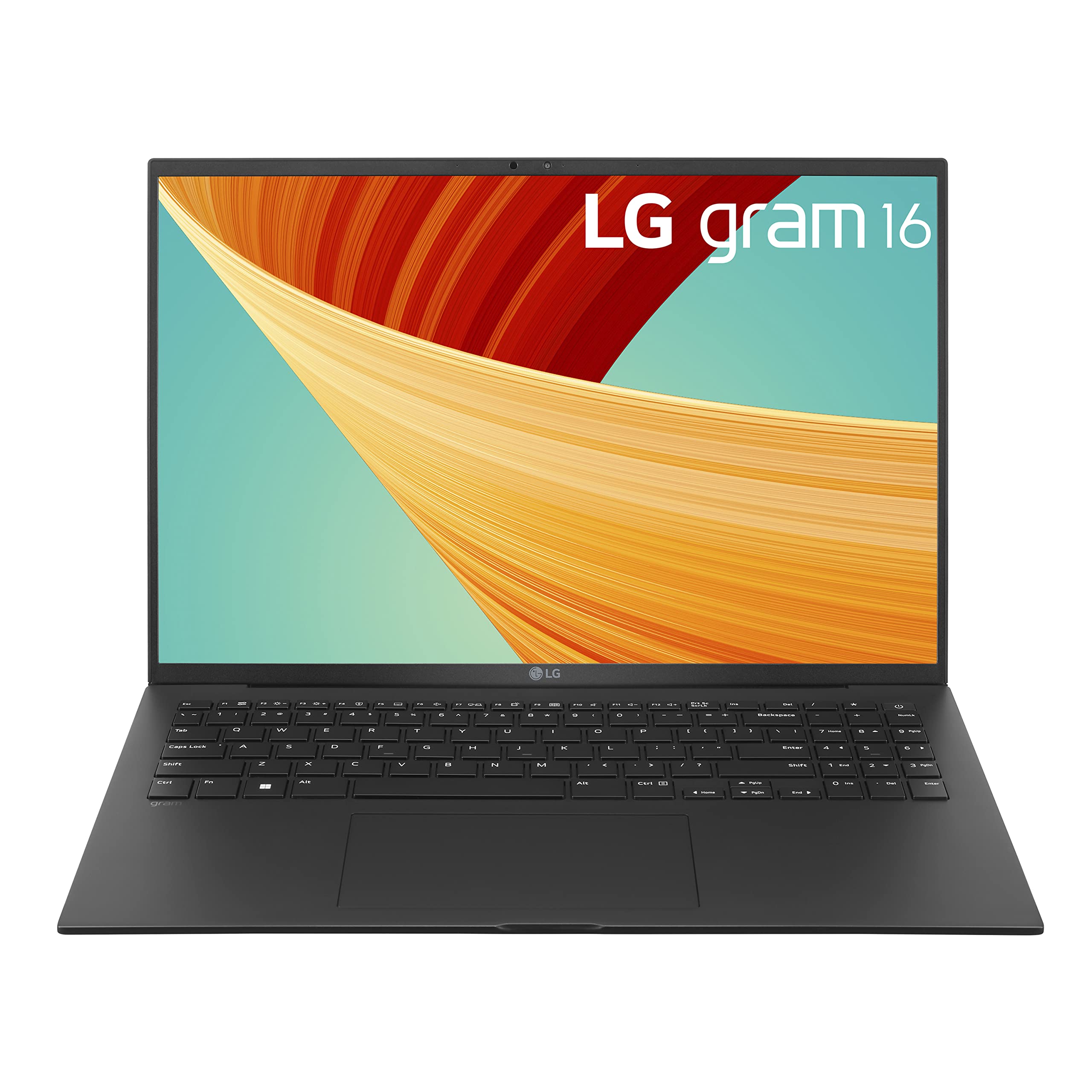
LG rates the Gram 16 for up to 16 hours of battery life, and its 2.6-pound weight makes it ideal for frequent travelers who need a large screen without the bulk. The trade-off is a build that flexes slightly and speakers that are merely adequate.
Main limitation: The ultra-light design makes it feel less sturdy than heavier competitors.
Skip if: Users who need a rugged laptop that can withstand rough handling or those who want premium audio.
Lenovo claims up to 15 hours of battery life for the ThinkPad X1 Carbon Gen 12, which also offers legendary keyboard comfort and robust security features. It's a workhorse for professionals who need reliability and endurance. The downside is its high price and a display that could be brighter.
Main limitation: The base display option is dim at 300 nits, and upgrading adds significant cost.
Skip if: Budget-conscious buyers or those who prefer a sleek, consumer-oriented design.
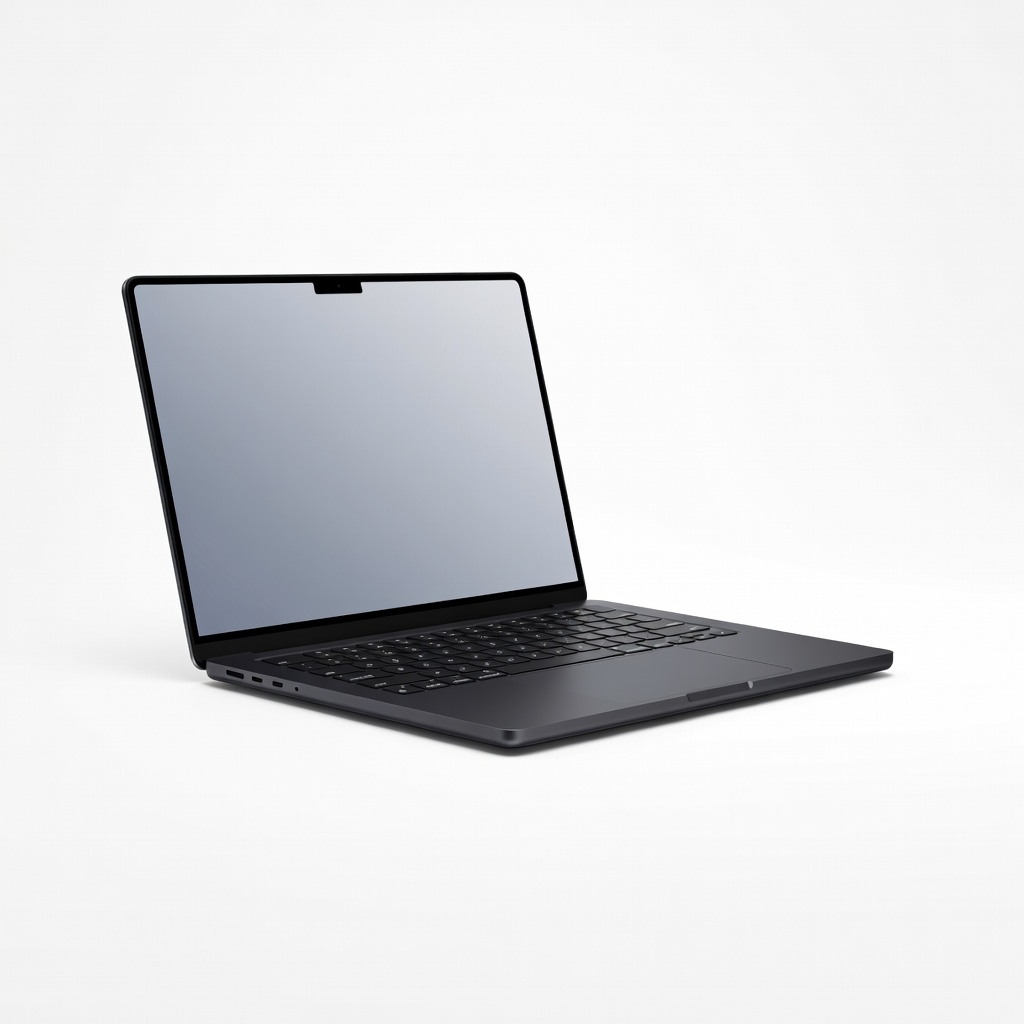
Apple rates the MacBook Pro 14-inch with M4 Pro for up to 18 hours of battery life, and its performance is desktop-class for video editing, 3D rendering, and software development. The main drawbacks are its higher price and heavier weight compared to the Air.
Main limitation: It's expensive, and the M4 Pro chip may be overkill for basic productivity tasks.
Skip if: Casual users who don't need pro-level performance and want a lighter laptop.
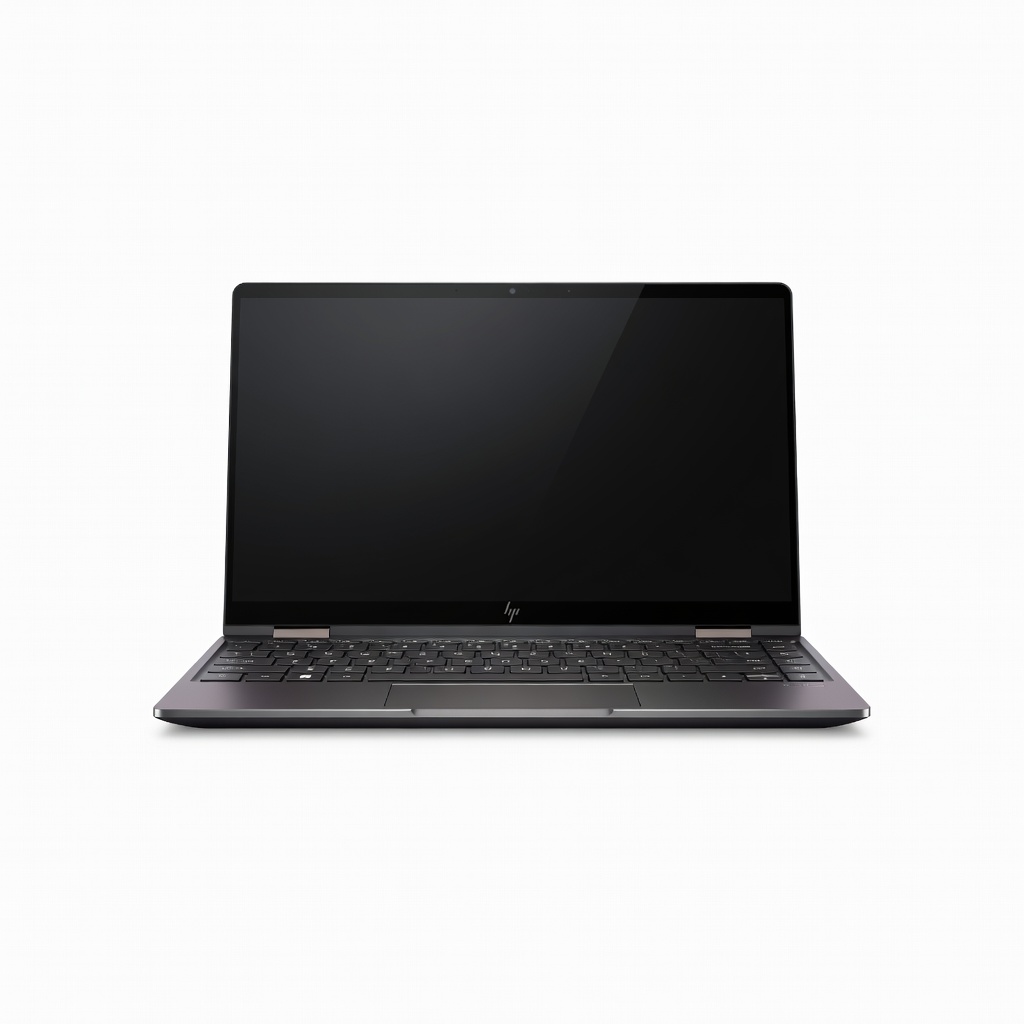
HP claims up to 13 hours of battery life for the Spectre x360 14, which features a stunning OLED display and a versatile 360-degree hinge. It's perfect for users who want a laptop that can switch to tablet mode. The trade-off is that battery life, while good, isn't quite as long as some clamshell rivals.
Main limitation: The OLED display, while beautiful, can drain battery faster than an LCD alternative.
Skip if: Users who need absolute maximum battery life or prefer a traditional non-touch laptop.
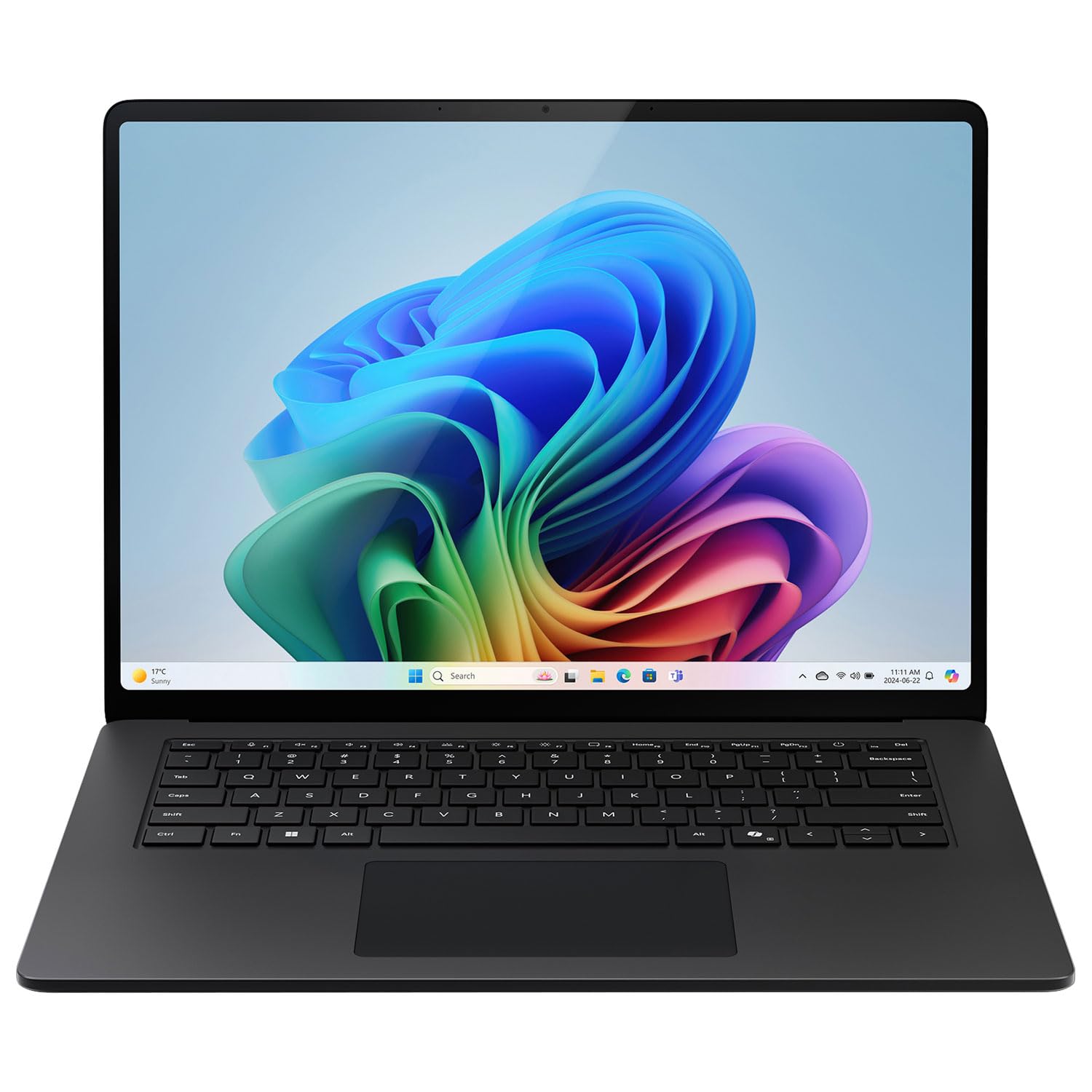
Microsoft rates the Surface Laptop 7 with Snapdragon X Elite for up to 20 hours of battery life, and it delivers snappy performance for everyday Windows tasks. It's a great choice for users who want a premium Windows experience with all-day endurance. However, some x86 applications may not run natively, and port selection is limited.
Main limitation: ARM-based architecture can cause compatibility issues with certain legacy apps and games.
Skip if: Users who rely on specific x86-only software or need extensive port options.
Compare key specs and features of all our recommendations side-by-side
| Product | Recommendation | Rating | Price |
|---|---|---|---|
Apple MacBook Air 15-inch M4 (2026) Rank #1 | 🏆 Top Pick | 9.2/10 | $1,299–$1,499 Check current price → |
Lenovo IdeaPad Slim 5 (2026) Rank #2 | 💰 Budget Pick | 8.3/10 | $549–$699 Check current price → |
LG Gram 16 (2026) Rank #3 | ⭐ Editor's Choice | 8.8/10 | $1,499–$1,699 Check current price → |
Lenovo ThinkPad X1 Carbon Gen 12 (2026) Rank #4 | — | 8.7/10 | $1,699–$2,199 Check current price → |
Apple MacBook Pro 14-inch M4 Pro (2026) Rank #5 | — | 9.0/10 | $1,999–$2,499 Check current price → |
HP Spectre x360 14 (2026) Rank #6 | — | 8.5/10 | $1,499–$1,799 Check current price → |
Microsoft Surface Laptop 7 (2026) Rank #7 | — | 8.6/10 | $1,299–$1,999 Check current price → |
Common questions buyers have about this category.
Manufacturers typically measure battery life using a standardized test like MobileMark or a custom script that simulates light web browsing at low screen brightness. Real-world usage involves higher brightness, multiple apps, and wireless connections, which can reduce runtime by 20-30% or more. Always check independent reviews for realistic expectations.
Generally, yes. ARM-based chips are more power-efficient for everyday tasks, often delivering significantly longer battery life than comparable x86 processors. However, performance for demanding applications may vary, and some software may not run natively on ARM.
Absolutely. The display is one of the largest battery drains, and increasing brightness from 50% to 100% can cut runtime by several hours. Many laptops have ambient light sensors that automatically adjust brightness to save power.
In most ultrabooks, the battery is not user-replaceable without specialized tools and voiding the warranty. Some business laptops like ThinkPads offer replaceable batteries, but it's increasingly rare. Check the warranty and consider extended coverage if you plan to keep the laptop for many years.
OLED panels can consume more power than LCD when displaying bright or white content, but they use less power for dark content. Overall, OLED laptops often have slightly shorter battery life than LCD equivalents, especially if you use light themes. However, advances in OLED technology are narrowing the gap.
For most people, 8-10 hours of real-world battery life is sufficient for a full workday away from an outlet. If you travel frequently or work outdoors, aim for 12+ hours. Remember that battery life decreases over time, so buying more than you need today can future-proof your purchase.
Products we evaluated but did not recommend — and why.
