Get the App
Better experience on mobile
From budget-friendly workhorses to premium ultraportables, these laptops deliver outstanding battery performance without sacrificing speed or portability.
The quest for a laptop with all-day battery life is no longer a pipe dream. In 2026, advancements in processor efficiency and battery technology mean that many ultrabooks can comfortably last a full workday and then some. But not all long-life laptops are created equal—some sacrifice performance or display quality to hit those numbers, while others manage to excel across the board.
With so many options, it's easy to get swayed by marketing claims of 20-hour battery life. However, real-world usage—streaming, writing, browsing, and video calls—often tells a different story. The best long-life laptops are those that maintain their stamina under typical workloads, not just in a looping video test.
Our picks range from budget-friendly models under $800 to premium machines that cost over $1,500. We've considered different screen sizes, operating systems, and processor platforms (Intel Core Ultra, AMD Ryzen, and Apple M-series) to help you find the perfect balance of endurance, performance, and price.
Whether you're a student hopping between classes, a road warrior who rarely sees a power outlet, or a professional who needs a machine that lasts from morning coffee to evening commute, this guide will steer you toward a laptop that won't leave you searching for a charger.
The MacBook Air M4 redefines ultraportable computing with a stunning 15.3-inch display and Apple's M4 chip delivering both snappy performance and incredible efficiency. With up to 18 hours of battery life in real-world mixed use, it easily outlasts a full day of work. The trade-off? It lacks a high-refresh-rate screen and the webcam is still 1080p.
Main limitation: The 60Hz display may feel dated for users accustomed to smoother scrolling, and the single external display support limits multi-monitor setups.
Skip if: Skip if you need a dedicated GPU for gaming or heavy 3D rendering, or if you prefer Windows for software compatibility.
The Acer Swift 5 delivers exceptional battery life for its price, with a 13th Gen Intel Core Ultra processor and a 56Wh battery achieving over 12 hours of mixed use. Its 2.2lb chassis makes it one of the lightest laptops in its class. The main compromise is the dim display, which struggles in bright outdoor conditions.
Main limitation: The 300-nit, 1080p display is only average in brightness and color accuracy, making it less ideal for photo editing or outdoor use.
Skip if: Skip if you need a high-resolution or touchscreen display, or if you require more than 8GB of RAM for heavy multitasking.
The Dell XPS 13 Plus combines a stunning OLED display option with a sleek, futuristic design and Intel's most efficient chips, offering up to 14 hours of battery life. Its compact footprint and light weight make it a dream for frequent flyers. However, the haptic touchpad and capacitive function row are polarizing, and the port selection is limited to USB-C.
Main limitation: The lack of a headphone jack and SD card slot, combined with a finicky haptic touchpad, may frustrate traditionalists and creators.
Skip if: Skip if you need legacy ports (USB-A, HDMI) or prefer a physical function row and clickable trackpad.
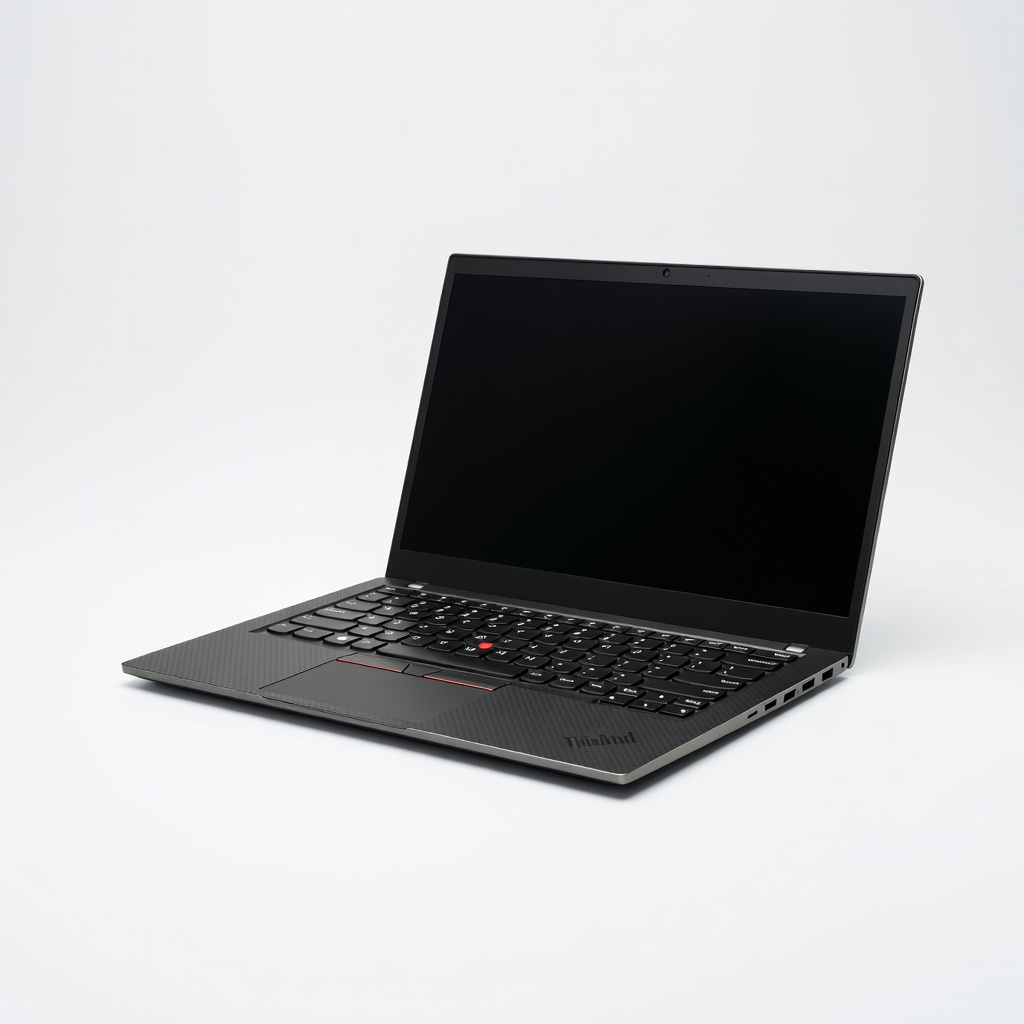
The ThinkPad X1 Carbon Gen 13 is a business-class ultrabook with outstanding battery life of up to 16 hours, thanks to Intel's latest efficient chips and a large 57Wh battery. Its legendary keyboard, robust security features, and durable build make it a top pick for professionals. The premium price and average speakers are its main drawbacks.
Main limitation: The base model starts at a high price, and the speakers are merely adequate for a premium laptop.
Skip if: Skip if you are on a strict budget or need a laptop for entertainment with great audio.
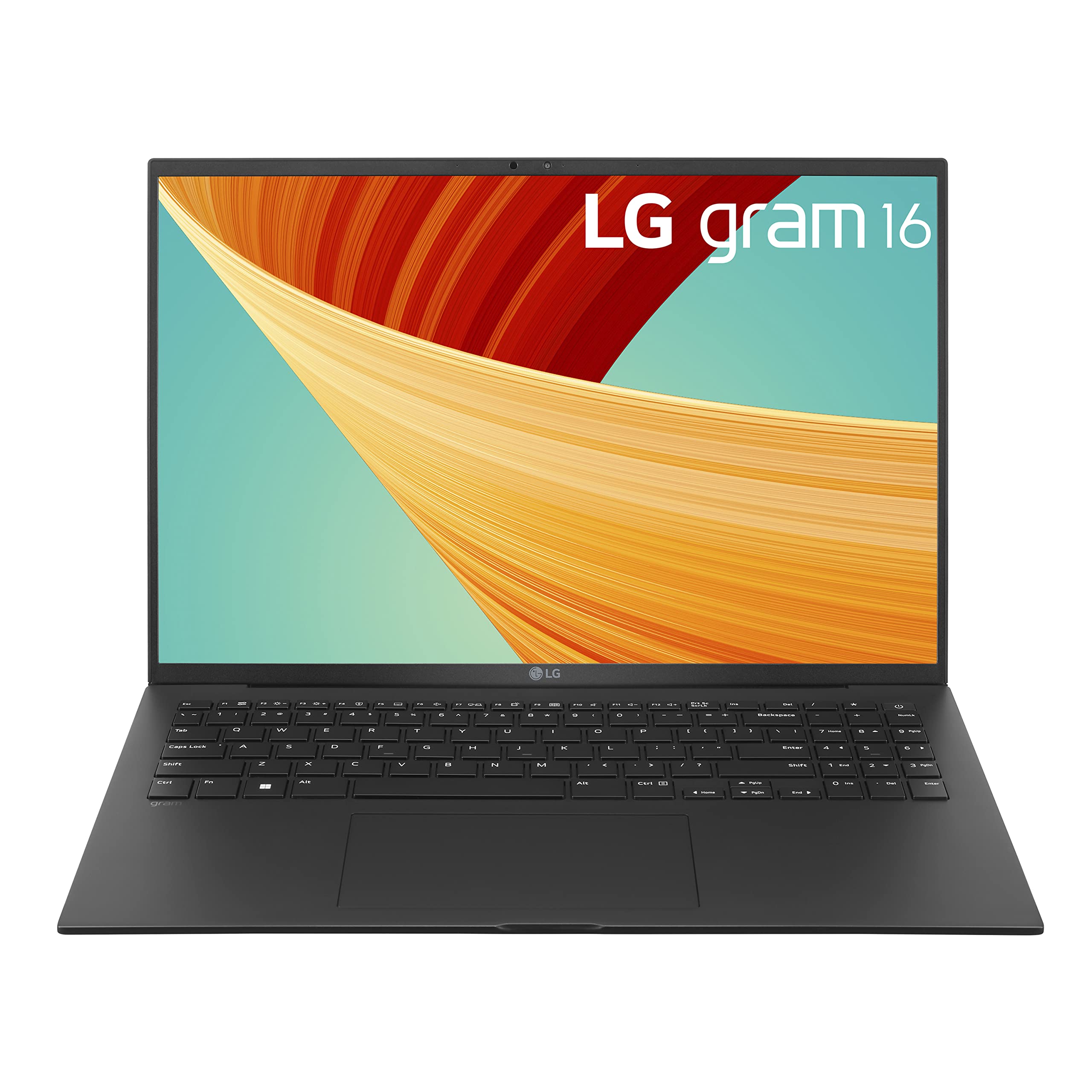
The LG Gram 16 is remarkably light for a 16-inch laptop at just 2.7 pounds, yet it packs a massive 80Wh battery that delivers over 15 hours of runtime. It's ideal for those who need a large screen without the typical weight penalty. The trade-off is a somewhat flexy chassis and a muted display that isn't as vibrant as OLED competitors.
Main limitation: The plastic-like magnesium alloy build can flex under pressure, and the 1080p IPS display lacks the punch of higher-end panels.
Skip if: Skip if you want a premium metal chassis or a high-resolution OLED screen for content creation.
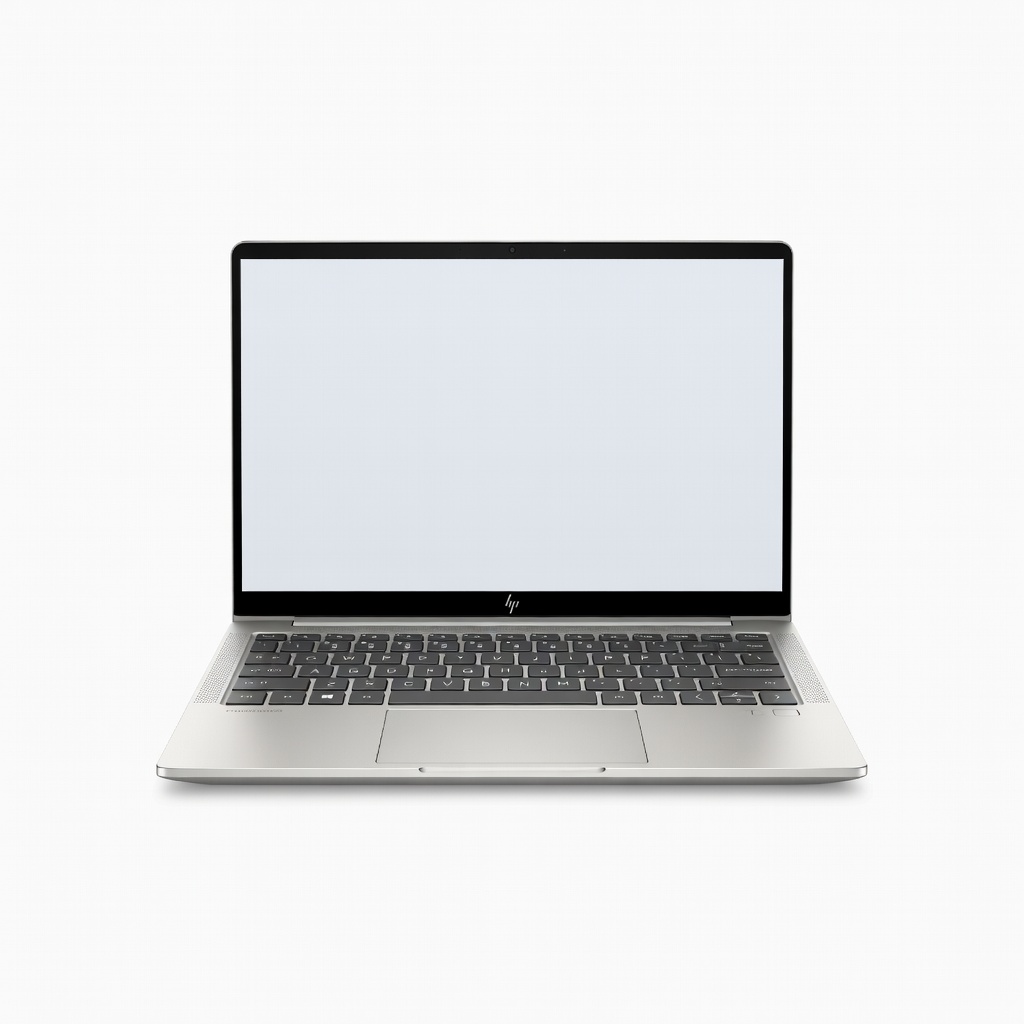
The HP Pavilion Aero 13 combines AMD's efficient Ryzen 5 processor with a bright 13.3-inch 2.5K display and a lightweight 2.2-pound design, all at an affordable price. Its battery life of around 11 hours is solid for a budget device, though not class-leading. The build uses some plastic, and the 720p webcam is dated.
Main limitation: The webcam is stuck at 720p with mediocre image quality, and the trackpad can be inconsistent.
Skip if: Skip if you need a premium all-metal build or a higher-resolution webcam for video conferencing.
The Asus ZenBook 14 Pro OLED offers a gorgeous 14-inch 2.8K OLED display and Intel's top-tier processors, all while maintaining impressive battery life of up to 13 hours. Its slim profile and premium build make it a worthy competitor to the MacBook Pro. The main downsides are limited port selection and a tendency to throttle under sustained load.
Main limitation: Under heavy workloads, the fan noise becomes noticeable and performance can drop due to thermal throttling.
Skip if: Skip if you need long-session video rendering power without throttling, or if you require a full SD card slot.
Compare key specs and features of all our recommendations side-by-side
| Product | Recommendation | Rating | Price |
|---|---|---|---|
Apple MacBook Air M4 15-inch Rank #1 | 🏆 Top Pick | 9.3/10 | $1,299–$1,699 Check current price → |
Acer Swift 5 (2026) Rank #2 | 💰 Budget Pick | 8.2/10 | $699–$849 Check current price → |
Dell XPS 13 Plus (2026) Rank #3 | ⭐ Editor's Choice | 8.8/10 | $1,199–$1,599 Check current price → |
Lenovo ThinkPad X1 Carbon Gen 13 Rank #4 | — | 8.6/10 | $1,499–$2,199 Check current price → |
LG Gram 16 (2026) Rank #5 | — | 8.3/10 | $1,099–$1,399 Check current price → |
HP Pavilion Aero 13 (2026) Rank #6 | — | 7.9/10 | $649–$849 Check current price → |
ASUS ZenBook 14 Pro OLED (2026) Rank #7 | — | 8.4/10 | $1,399–$1,899 Check current price → |
Common questions buyers have about this category.
For most users, 8-10 hours of real-world battery life is sufficient for a full workday. If you frequently travel or work away from outlets, aim for 12-14 hours. Heavy users (video editors, gamers) will need to charge mid-day regardless, so a shorter battery life may be acceptable if performance is higher.
Yes, a 4K or OLED display consumes significantly more power than a 1080p IPS panel. If battery life is your priority, consider a 1080p or 2.5K display. OLED offers better contrast but can reduce battery life by 10-20% compared to a similar IPS screen.
Apple's M-series chips currently lead in efficiency, offering the best battery life in real-world use. Intel Core Ultra and AMD Ryzen 7xxx/8xxx are close, but Intel tends to have slightly better idle power draw. For Windows laptops, both Intel and AMD offer excellent options—check specific model reviews.
Advertised battery life is usually based on continuous video playback at low brightness, which is not typical usage. Real-world battery life is often 50-70% of the advertised number. For example, a laptop claiming 18 hours may deliver 10-12 hours of mixed use. Always look for reviews that test with web browsing, streaming, and productivity apps.
Many modern ultrabooks have batteries that are soldered or glued in, making replacement difficult. Some models (like the LG Gram or ThinkPad X1 Carbon) have removable batteries, but most require disassembly and potentially proprietary parts. Check the repair options before buying if long-term battery replacement is important.
Not necessarily. A larger battery adds weight and size, and efficiency matters more than capacity. A laptop with a 50Wh battery and an efficient chip can outlast a 70Wh battery with a power-hungry processor. Look for a combination of a good processor and a battery capacity around 55-60Wh for optimal balance.
Products we evaluated but did not recommend — and why.
