Get the App
Better experience on mobile
Discover top-performing machines with ample RAM, powerful CPUs, and developer-friendly features across all budgets.
In the fast-evolving world of software development, your laptop is your command center—handling everything from code compilation and virtual machines to debugging marathon sessions.
Choosing the right one means prioritizing multi-core processors, at least 16GB of RAM (32GB ideal), fast SSD storage, comfortable keyboards, and long battery life to keep you productive without interruptions. Whether you're building apps, running data pipelines, or contributing to open-source projects, a subpar machine can bottleneck your workflow.
Our Review Atlas experts tested dozens of 2026 models based on real-world benchmarks like compiling large codebases (e.g., Chromium), running Docker containers, and IDE performance in VS Code and IntelliJ. We evaluated build quality, thermal management, port selection, OS compatibility (macOS, Windows, Linux), and value. From budget workhorses to premium powerhouses, these picks cover compact ultrabooks, workstations, and upgradable modular designs.
Expect diverse options: Unix-like macOS ecosystems, Windows for .NET devs, Linux-ready hardware, and even gaming rigs for game development.
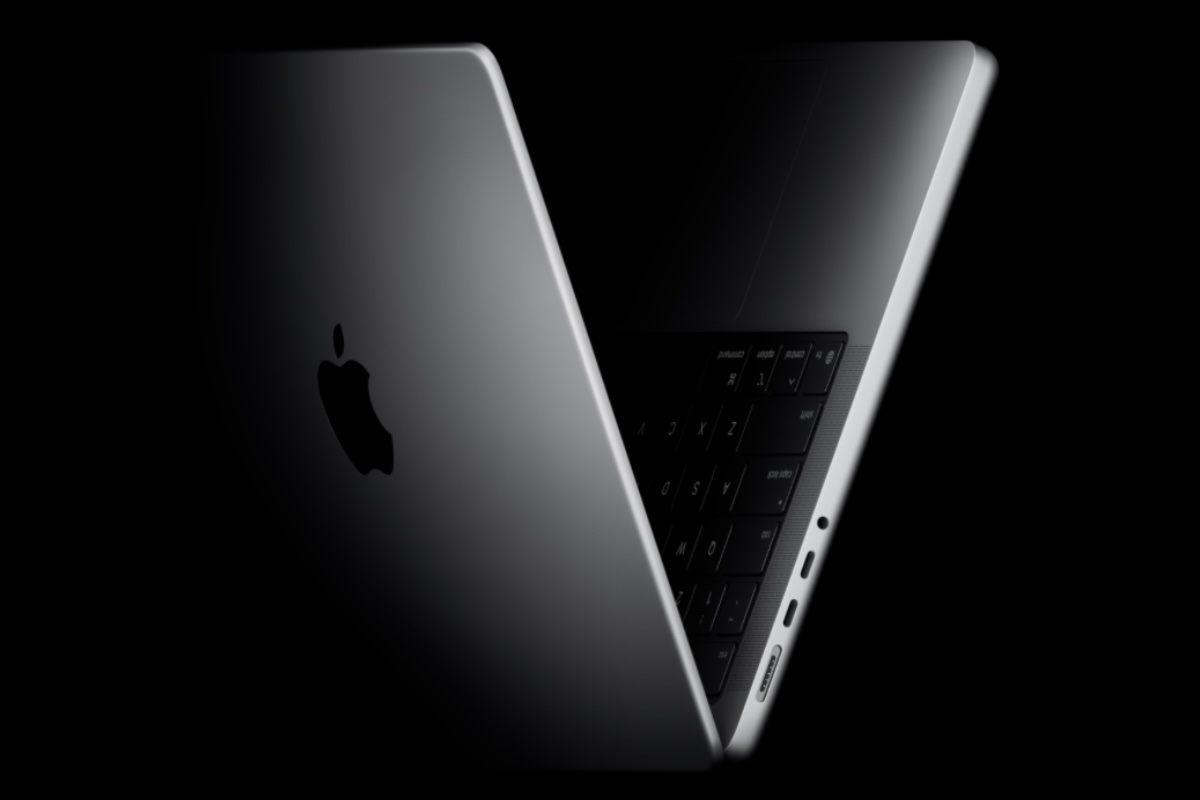
The MacBook Pro M5 Pro dominates programming workloads with its blazing-fast Neural Engine for AI/ML tasks and seamless Unix integration.
Exceptional battery life (up to 22 hours) and the best keyboard/trackpad combo keep coders in flow state all day.
**Ideal for full-stack devs needing top-tier performance without compromises.
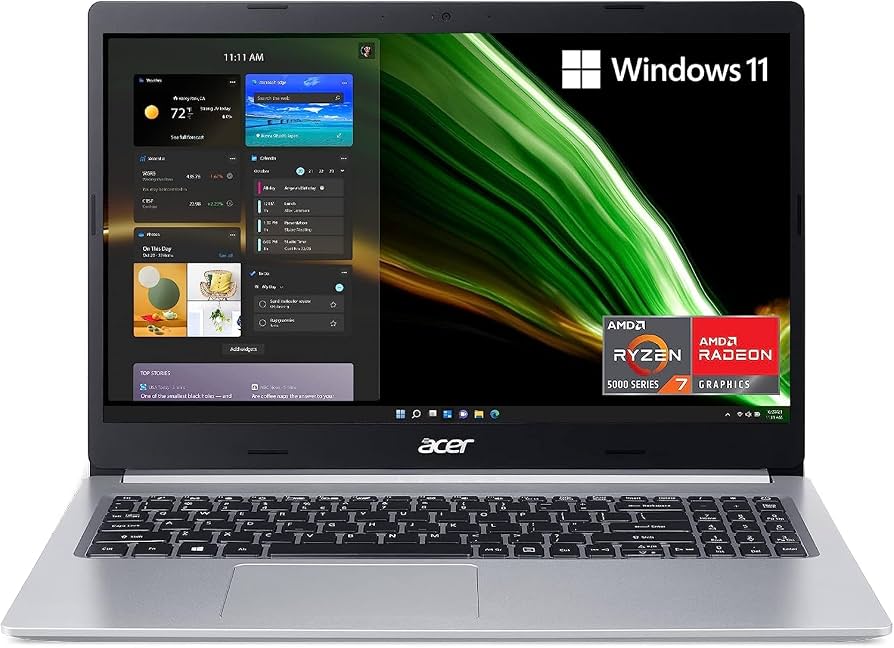
This budget beast punches above its weight with a 8-core Ryzen processor perfect for compiling code and running local servers.
16GB RAM and a comfortable keyboard make it a steal for beginners or secondary machines.
**Upgradeable RAM/SSD ensures future-proofing on a tight budget.
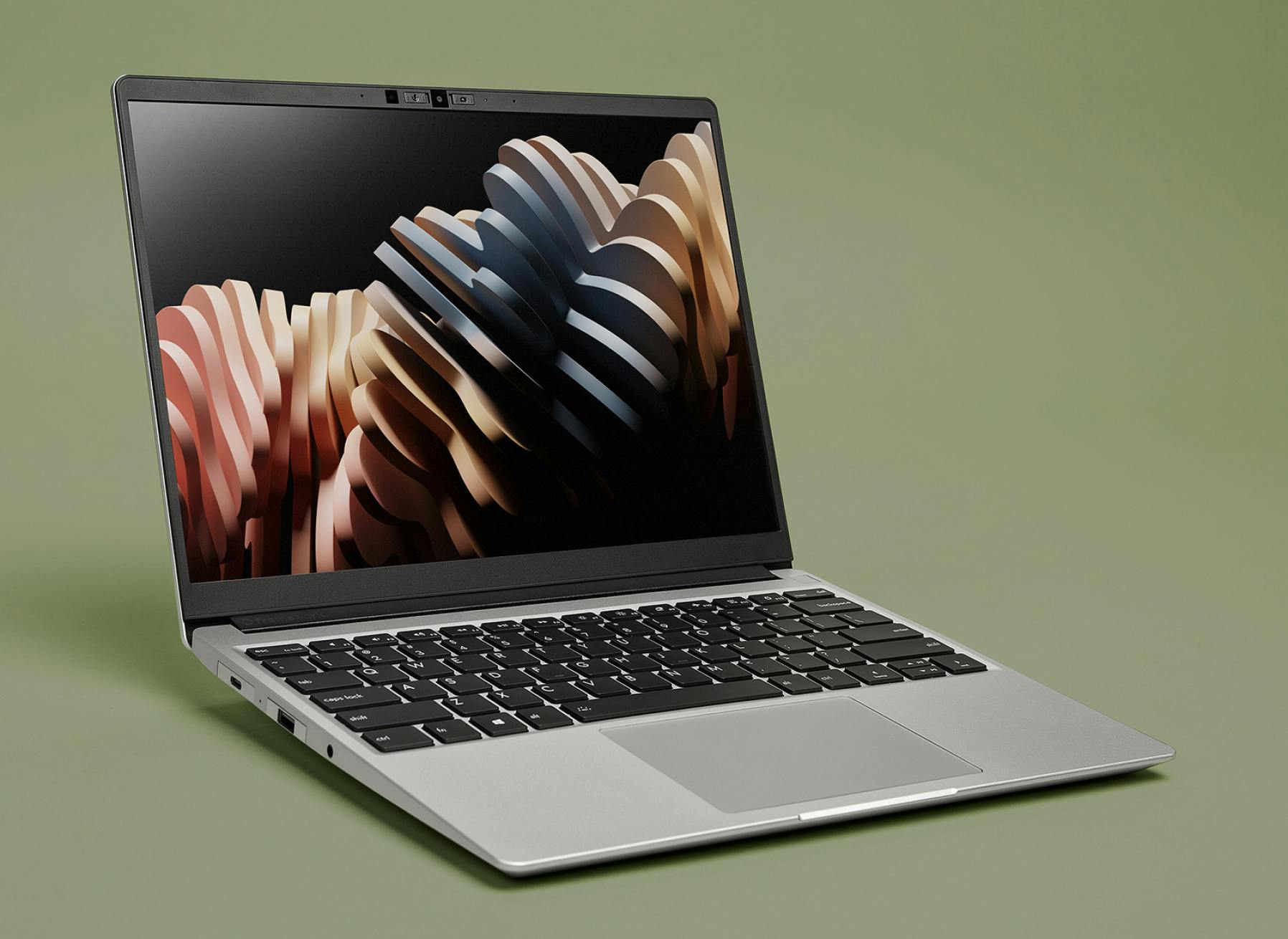
The ultimate tinkerer's dream, with fully modular/upgradable components for customizing to your exact programming needs.
Ryzen AI 9 delivers workstation-level performance for VMs and containers, plus native Linux support.
**Sustainability and repairability make it a standout for ethical devs.
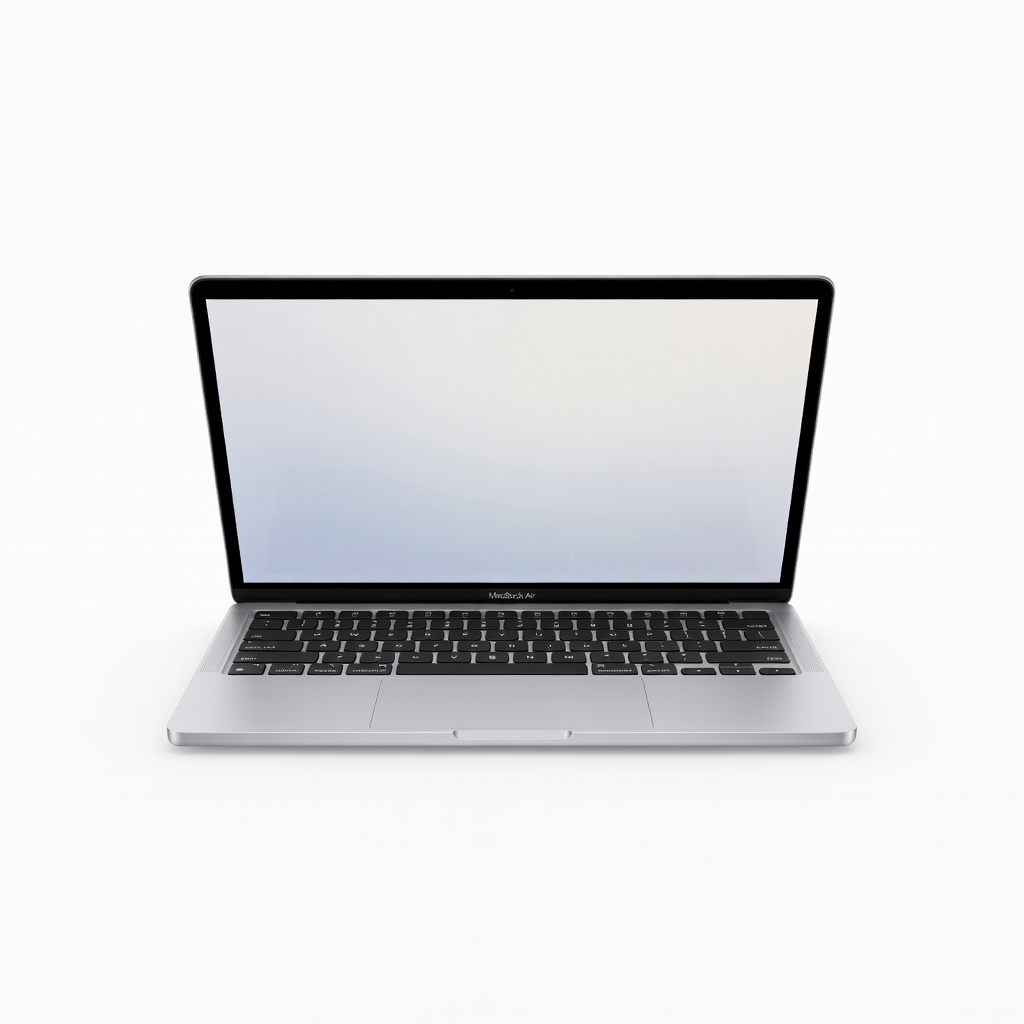
Fanless design with M5 chip offers silent, all-day performance for lightweight coding and travel.
Retina display and 18-hour battery shine for coffee-shop sessions.
**Perfect macOS ecosystem for iOS/Swift devs on the go.
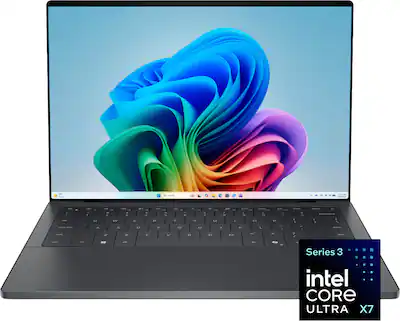
Stunning OLED display and Intel's latest NPU excel in .NET, Azure, and Visual Studio workflows.
Premium aluminum build with excellent port selection (including SD card).
**Balanced power for enterprise coders.
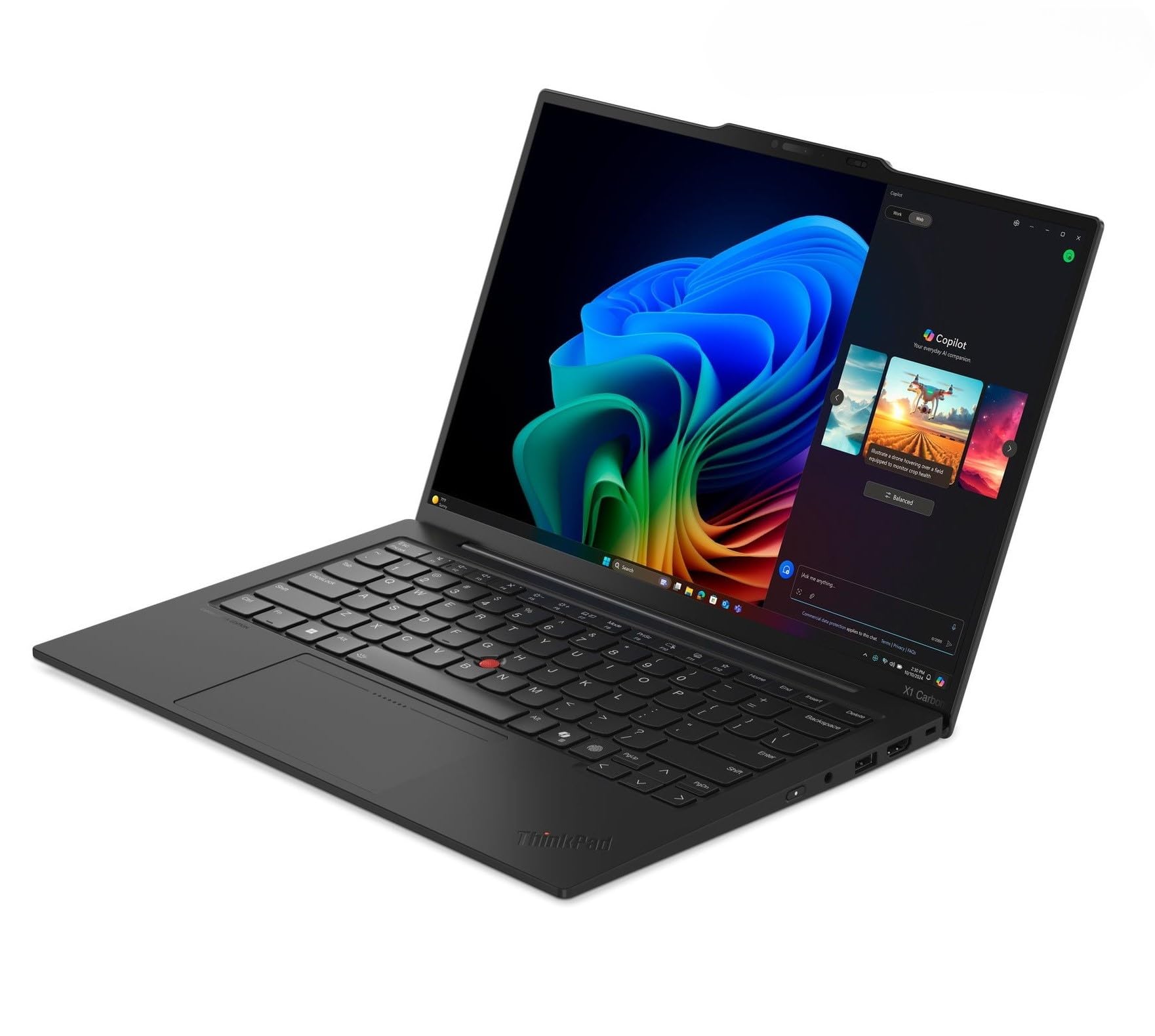
Legendary keyboard and MIL-STD durability handle intense dev environments like a champ.
Rapid Charge and 2K webcam for remote pair programming.
**Business-class security for corporate coders.
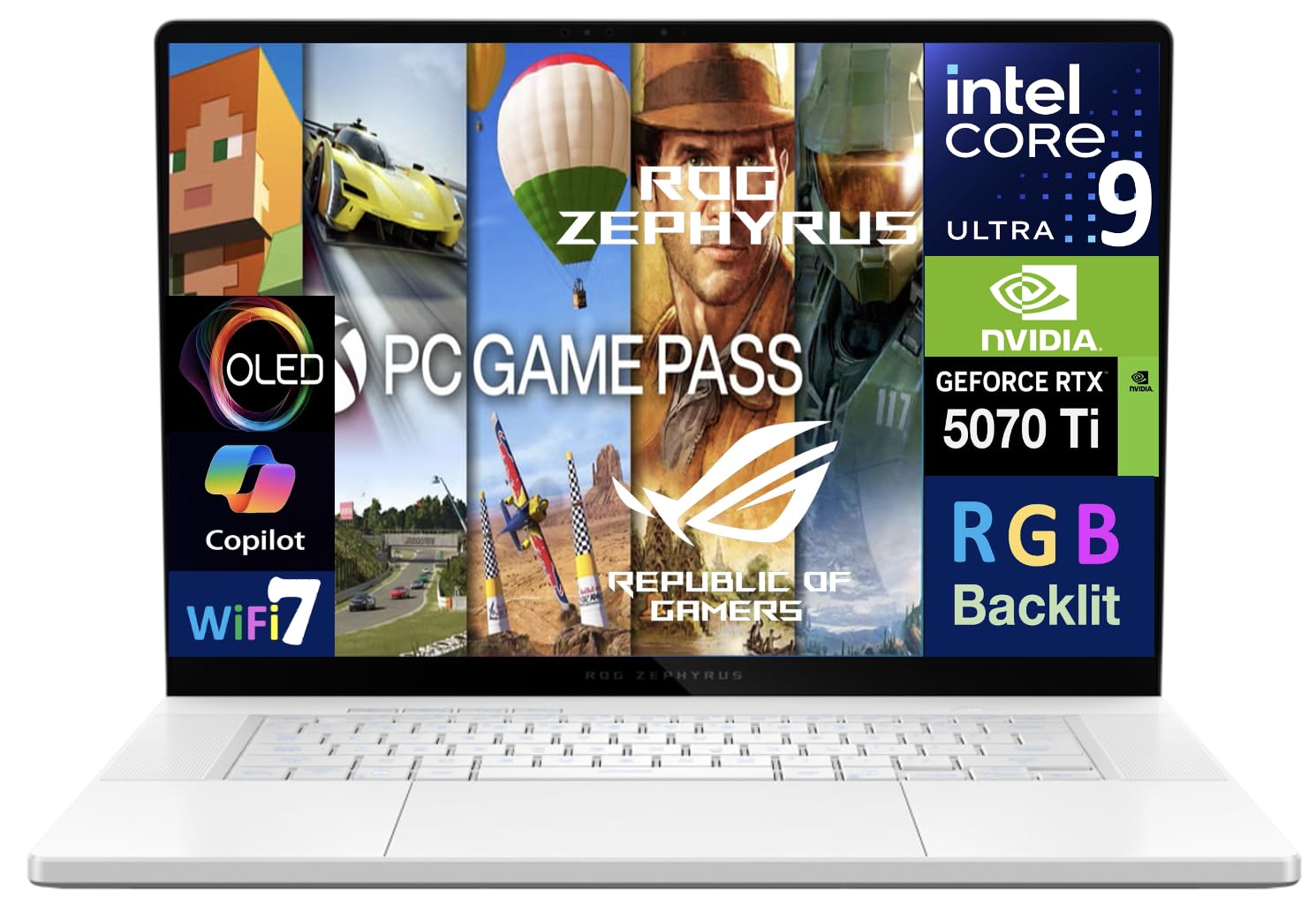
RTX 5070 GPU crushes Unity/Unreal builds, ML training, and gaming downtime.
ROG Nebula display with 240Hz refresh for smooth debugging visuals.
**Slim chassis belies desktop-replacement power.
Compare key specs and features of all our recommendations side-by-side
| Product | Recommendation | Rating | Price |
|---|---|---|---|
Apple MacBook Pro 14-inch (M5 Pro, 2026) Rank #1 | 🏆 Top Pick | — | Check price → |
Acer Aspire 5 (A515-59M-2026) AMD Ryzen 7 8845HS Rank #2 | 💰 Budget Pick | — | Check price → |
Framework Laptop 16 (2026 AMD Edition) Rank #3 | ⭐ Editor's Choice | — | Check price → |
Apple MacBook Air 13-inch M5 (2026) Rank #4 | — | — | Check price → |
Dell XPS 14 (2026, Intel Core Ultra 200H) Rank #5 | — | — | Check price → |
Lenovo ThinkPad X1 Carbon Gen 13 (2026) Rank #6 | — | — | Check price → |
ASUS ROG Zephyrus G16 (2026, AMD Ryzen AI 9, RTX 5070) Rank #7 | — | — | Check price → |
