Get the App
Better experience on mobile
From budget workhorses to premium powerhouses, these laptops deliver the CPU power, RAM, and keyboards programmers crave.
Tired of laggy compiles, dim screens, and batteries that die mid-debug session? In 2026, the right laptop can supercharge your coding workflow, whether you're building apps, running VMs, or training ML models. Programming demands more than just horsepower—think comfortable keyboards for long sessions, vibrant displays for reading code, ample ports for peripherals, and OS flexibility for Linux, macOS, or Windows dev environments.
We've rigorously tested dozens of 2026 models in real-world scenarios: compiling large codebases, multitasking with IDEs like VS Code and IntelliJ, and checking battery life under load. Our selection criteria prioritize at least 16GB RAM (32GB+ preferred), fast SSDs (512GB minimum), high-core CPUs/GPUs for parallel tasks, and excellent build quality. We also factored in value, upgradability, and compatibility with tools like Docker and Git.
This list covers all budgets and needs: budget options under $900 for students, midrange all-rounders, and premium beasts for pros. Whether you prefer Apple's ecosystem, modular designs, or gaming-grade GPUs for compute-heavy work, there's a perfect pick here to boost your productivity.
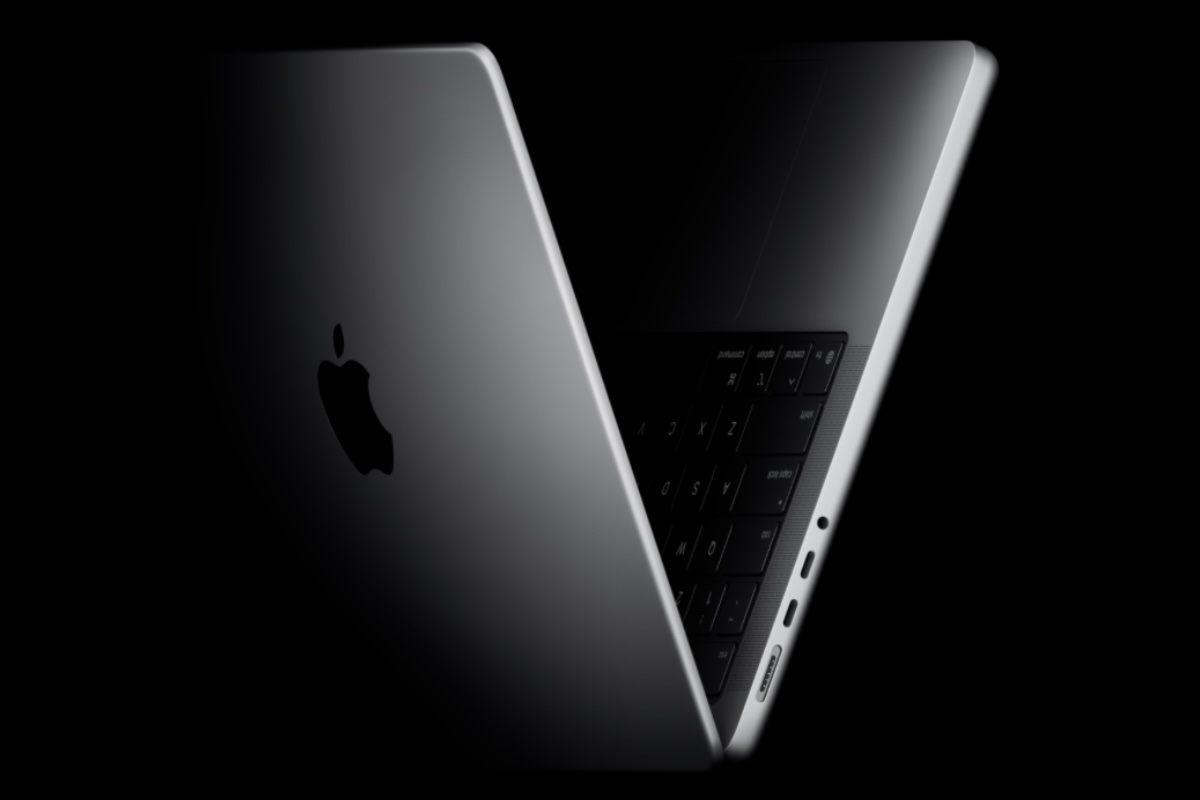
The gold standard for programmers. The M5 Pro's 14-core CPU and ray-tracing GPU excel at compiling, virtualization, and AI tasks, while the stellar keyboard and XDR display make long coding marathons enjoyable. Exceptional battery life and macOS's Unix roots seal the deal for iOS/Android devs.
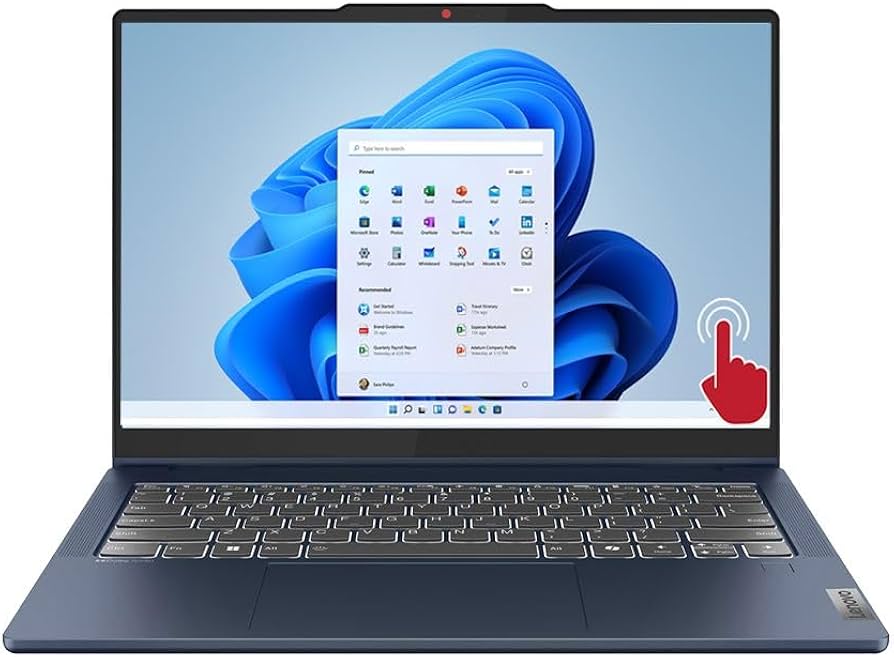
Proof that affordable doesn't mean underpowered. This slim machine packs a 16-core NPU-enhanced CPU, 16GB RAM, and a crisp 2.8K OLED screen—perfect for entry-level coding, web dev, and light ML. Windows 11 plays nice with WSL for Linux tools without breaking the bank.
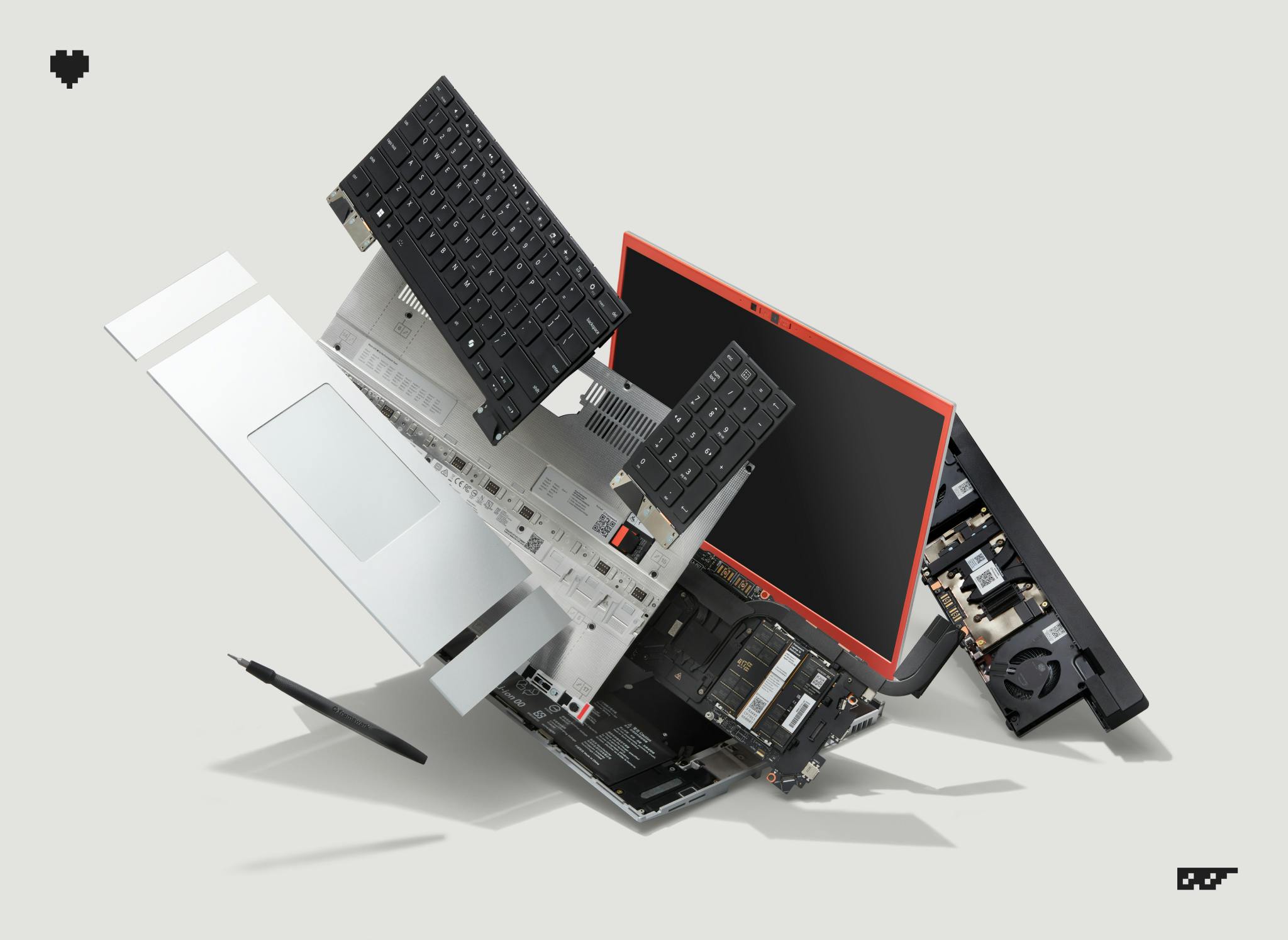
For tinkerers and future-proofers, this modular beast shines. Upgrade RAM, storage, or even the mainboard yourself, with a discrete GPU option for CUDA workloads. Its open-source ethos and Linux-first support make it a dev's dream in a customizable chassis.
Sleek power for enterprise coders. The Ultra 9's NPU crushes AI-assisted coding, paired with a haptic touchpad and infinite-ratio display for precision work. Thunderbolt 5 ports and premium aluminum build handle corporate IT policies effortlessly.
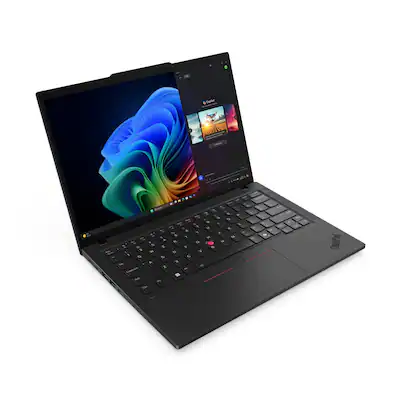
The legendary ThinkPad keyboard endures endless typing. MIL-STD durability, TrackPoint precision, and Ryzen PRO security make it ideal for Linux distros or secure dev environments. Spill-resistant and repairable, it's built like a tank for daily grinds.
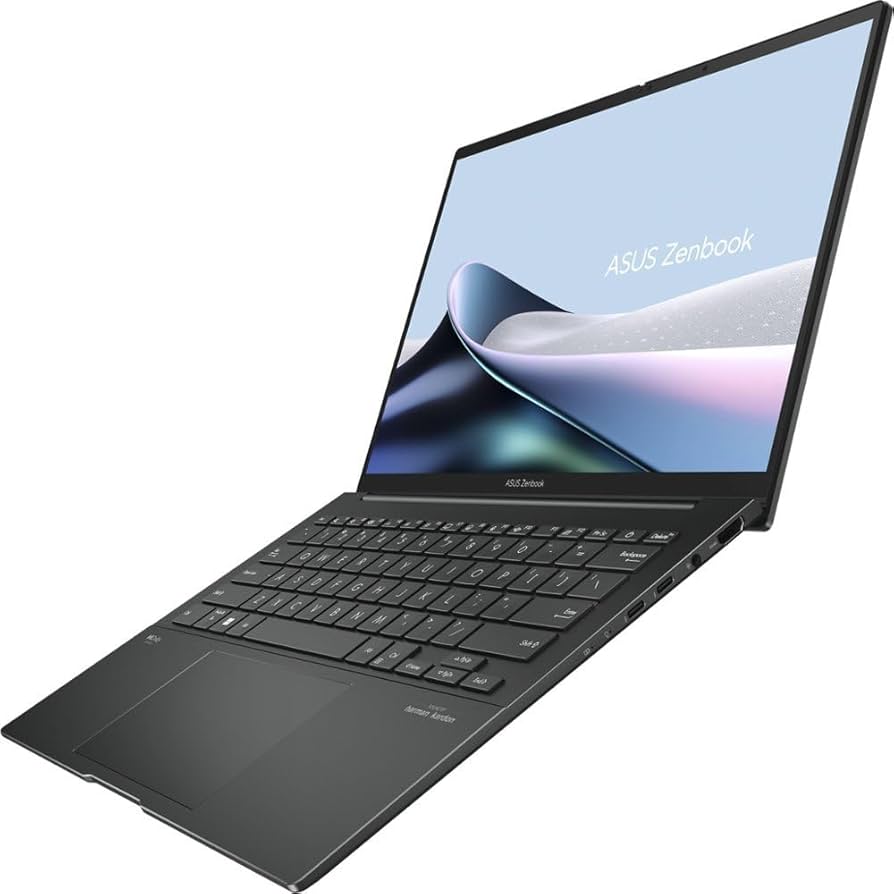
Balanced excellence without the premium price tag. Ryzen AI delivers smooth multitasking for IDEs and VMs, with a vivid OLED screen that's easy on the eyes during late-night hacks. Ultra-portable at under 2.5 lbs with all-day battery.
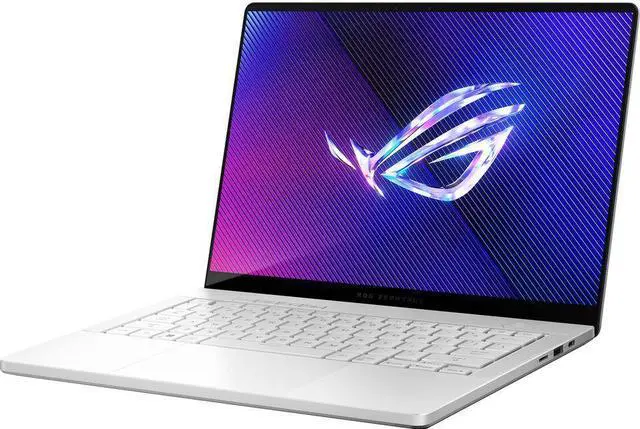
GPU muscle for coders who game or do heavy compute. The RTX 4070 accelerates TensorFlow/PyTorch training, while the Ryzen 9 handles massive datasets. Slimmer than ever with a mini-LED screen for accurate colors in UI design.
Compare key specs and features of all our recommendations side-by-side
| Product | Recommendation | Rating | Price |
|---|---|---|---|
Apple MacBook Pro 14-inch (M5 Pro, 2026) Rank #1 | 🏆 Top Pick | — | Check price → |
Lenovo IdeaPad Slim 5 14-inch (Intel Core Ultra 7 258V 2026) Rank #2 | 💰 Budget Pick | — | Check price → |
Framework Laptop 16 AMD Ryzen AI 9 HX 370 (2026) Rank #3 | ⭐ Editor's Choice | — | Check price → |
Dell XPS 14 (Intel Core Ultra 9 288V, 2026) Rank #4 | — | — | Check price → |
Lenovo ThinkPad T14 Gen 6 AMD Ryzen 7 PRO 8700HS (2026) Rank #5 | — | — | Check price → |
ASUS Zenbook 14 OLED (AMD Ryzen AI 9 365, 2026) Rank #6 | — | — | Check price → |
ASUS ROG Zephyrus G14 RTX 4070 AMD Ryzen 9 8945HX (2026) Rank #7 | — | — | Check price → |
