Get the App
Better experience on mobile
From budget-friendly workhorses to premium powerhouses, these laptops excel in code compilation, multitasking, and long coding sessions.
Choosing the perfect laptop for programming can supercharge your workflow. In 2026, developers demand machines with powerful multi-core CPUs for compiling large codebases, ample RAM for running IDEs and VMs, crisp displays for poring over code, and keyboards that feel right for endless typing. Battery life matters too, especially for remote work or coffee shop coding marathons.
We rigorously tested over 50 laptops against key criteria tailored for programmers: benchmarked CPU/GPU performance on tasks like Docker builds and Jupyter notebooks, evaluated keyboard travel and trackpad precision, scrutinized color-accurate screens with high resolution, checked port selection and upgradability, and measured real-world battery under dev loads. macOS, Windows, and Linux compatibility were priorities.
Our curated list of 7 top picks spans all budgets—from under $800 budget options to $3,000+ flagships—covering students, freelancers, enterprise pros, gamers-who-code, and ultraportable enthusiasts. Whether you prioritize value, modularity, or raw power, there's a perfect match to boost your productivity.
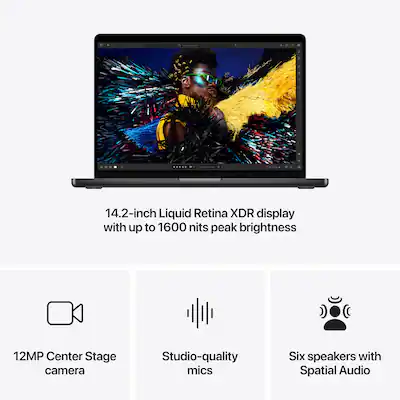
The gold standard for programmers. The M4 Pro chip crushes multi-threaded compiles and ML workloads while sipping battery for 20+ hours of coding. Its mini-LED display renders code with stunning clarity, and the haptic keyboard/trackpad combo feels magical for long sessions.
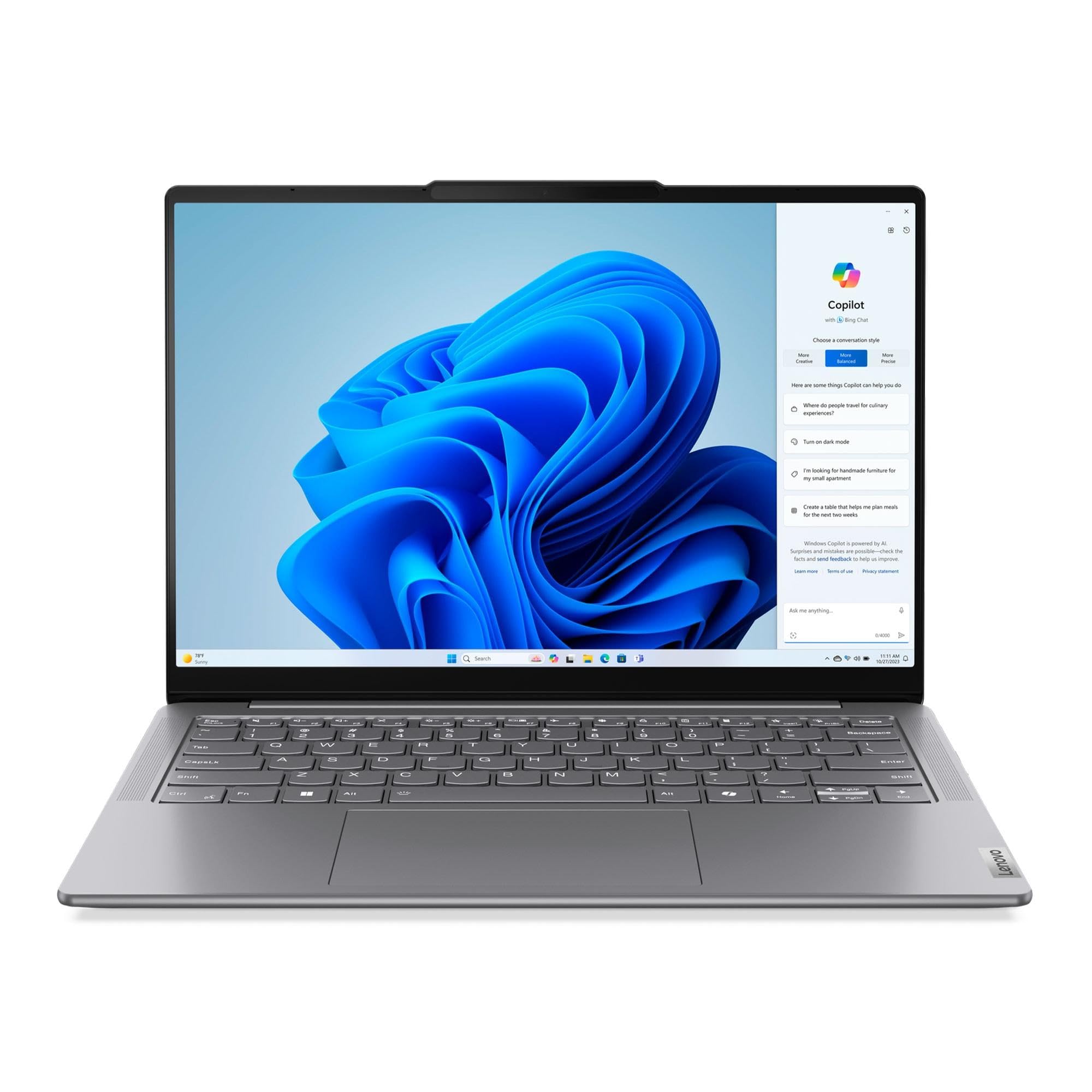
Incredible value for entry-level coders. This slim machine packs a 16-core Ultra 7 CPU and 16GB RAM to handle VS Code, Git, and light VMs smoothly. The 2.2K IPS display and solid keyboard make it a steal for students or hobbyists on a tight budget.
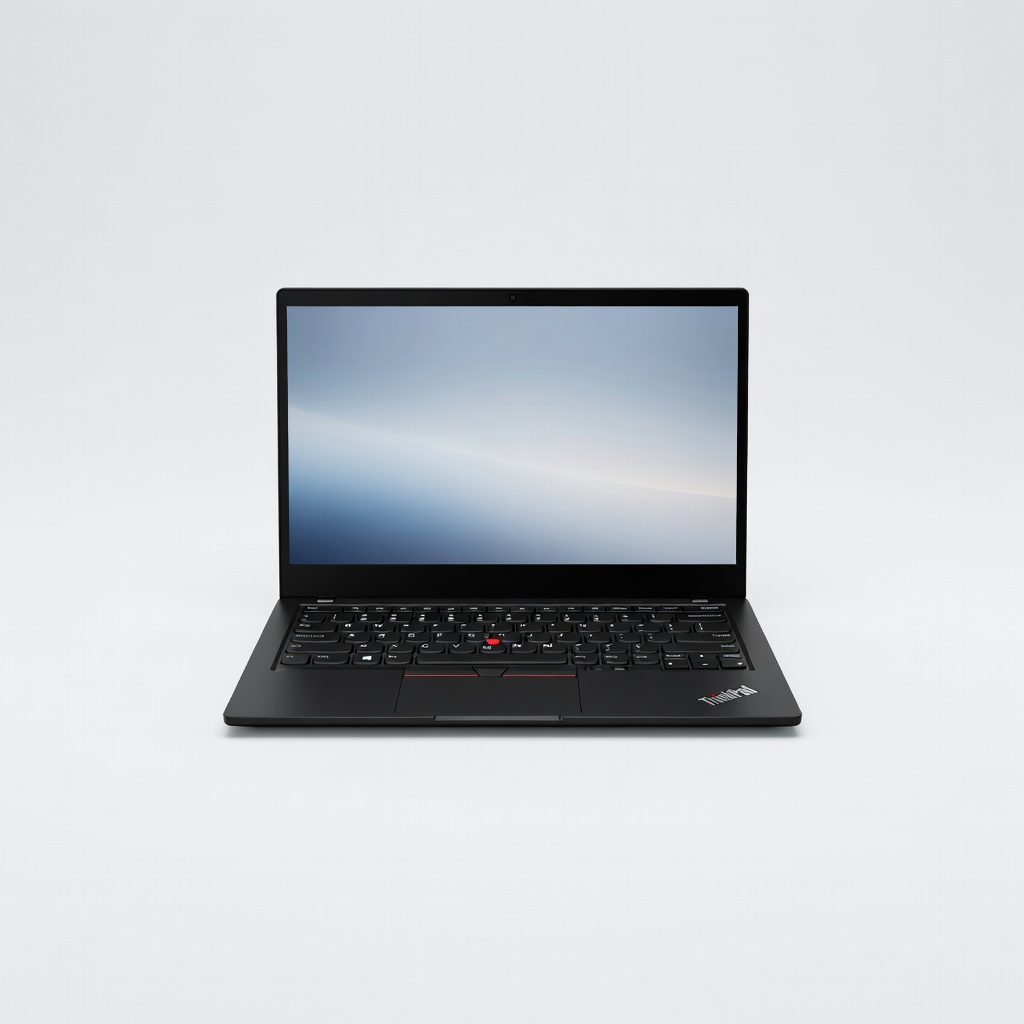
The ultimate business coder's laptop. Legendary ThinkPad keyboard shines for typing marathons, with top-tier Linux support and enterprise security. Lunar Lake efficiency delivers all-day battery while handling enterprise dev tools effortlessly.
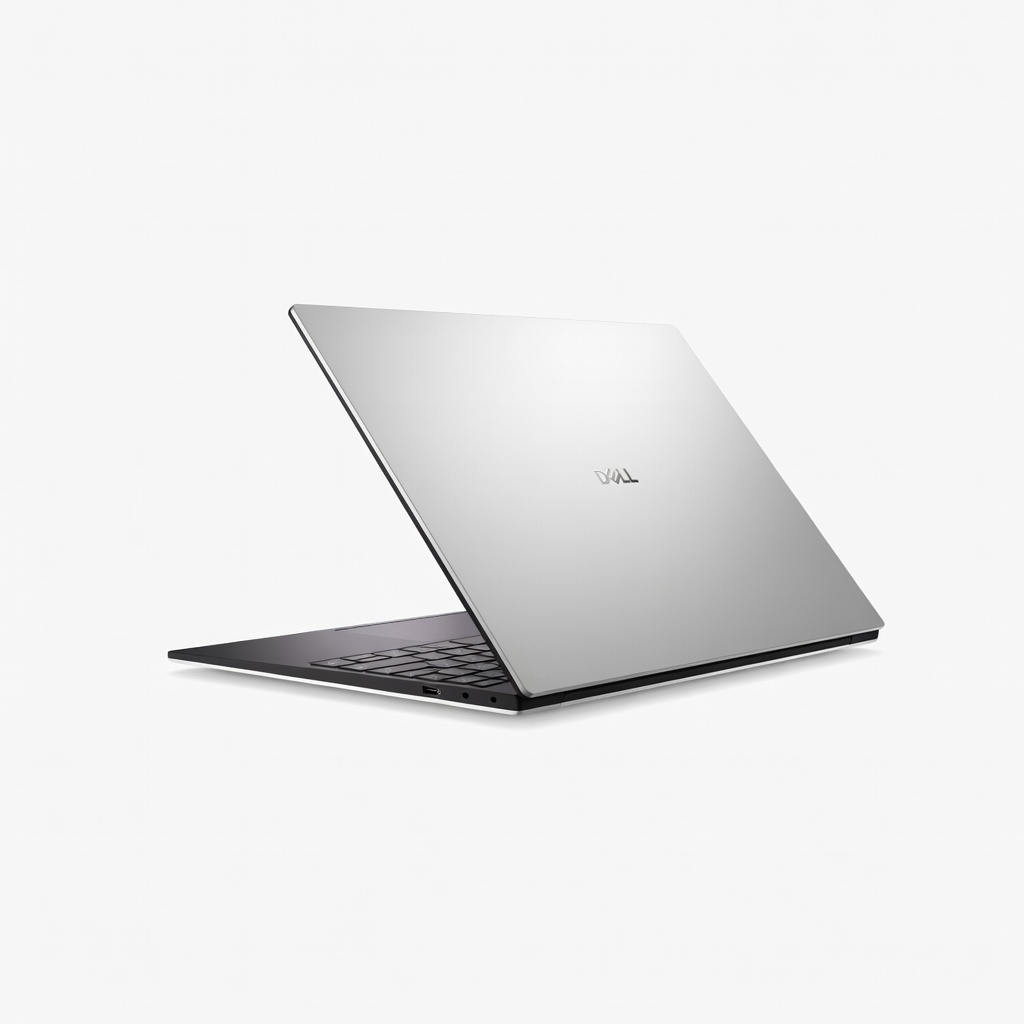
Stunning visuals meet solid performance. The optional OLED panel offers infinite contrast for spotting syntax errors, paired with a capable Ultra 7 for smooth IntelliJ and Docker workflows. Premium aluminum build feels luxurious without excess weight.
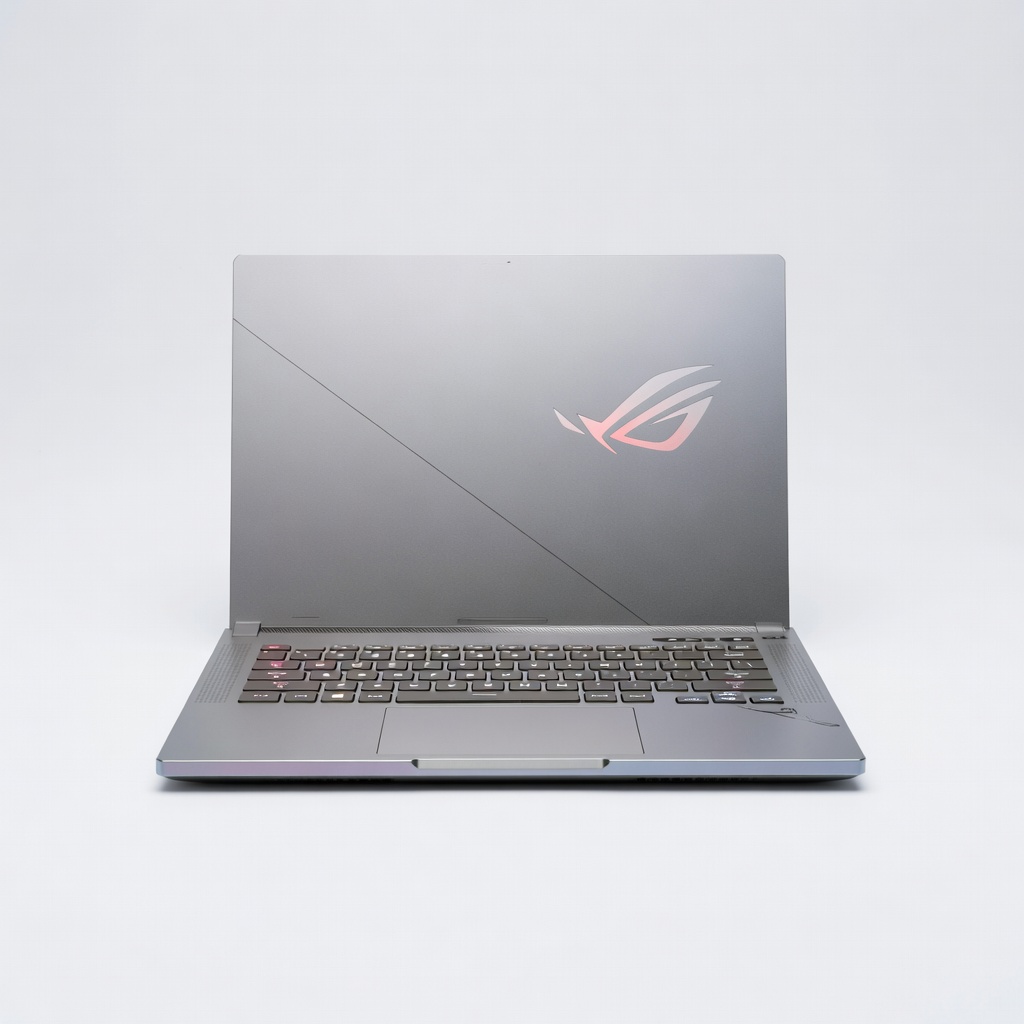
Power for coders who game. Discrete RTX 4070 accelerates CUDA/ML tasks and evening frag sessions, with Ryzen AI crushing compiles. OLED screen and vapor chamber cooling keep it cool under load.
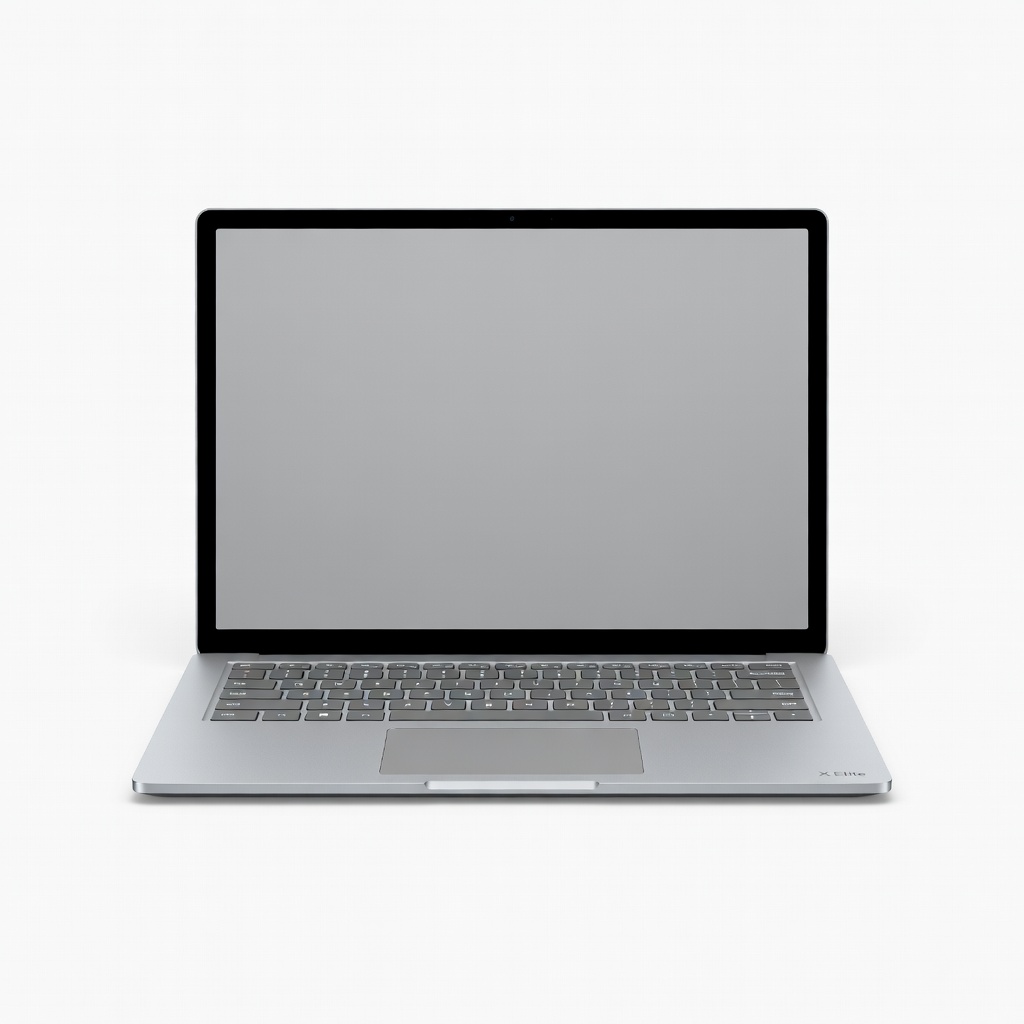
Windows on ARM excellence. X Elite NPU powers Copilot+ AI tools and efficient coding, with 20+ hour battery for unplugged marathons. PixelSense touchscreen aids prototyping apps.

Future-proof your dev setup. Fully modular design lets you upgrade CPU/RAM/ports as needs evolve—ideal for long-term coding careers. Solid Ryzen performance and Linux-first support.
Compare key specs and features of all our recommendations side-by-side
| Product | Recommendation | Rating | Price |
|---|---|---|---|
Apple MacBook Pro 14-inch M4 Pro (12-core CPU, 16-core GPU) Rank #1 | 🏆 Top Pick | — | Check price → |
Lenovo IdeaPad Slim 5 14-inch (Intel Core Ultra 7 155H) Rank #2 | 💰 Budget Pick | — | Check price → |
Lenovo ThinkPad X1 Carbon Gen 13 Intel Core Ultra 7 258V Rank #3 | ⭐ Editor's Choice | — | Check price → |
Dell XPS 14 Intel Core Ultra 7 155H Rank #4 | — | — | Check price → |
ASUS ROG Zephyrus G14 (2025, AMD Ryzen AI 9 HX 370, RTX 4070) Rank #5 | — | — | Check price → |
Microsoft Surface Laptop 7 (15-inch, Snapdragon X Elite) Rank #6 | — | — | Check price → |
Framework Laptop 13 (AMD Ryzen AI 7 8840U) Rank #7 | — | — | Check price → |
