Get the App
Better experience on mobile
Get the best products related to our top picks
In the heart of every kitchen, a reliable knife set is indispensable for efficient meal prep, precise slicing, and safe handling. Dull or poorly balanced knives can lead to frustration, uneven cuts, and even accidents, while high-quality sets enhance your cooking experience by making tasks like dicing vegetables or trimming meat effortless. Choosing the right kitchen knife set isn't just about aesthetics—it's about investing in tools that match your cooking frequency, skill level, and budget. With options ranging from basic essentials to professional-grade collections, the market offers something for novice home cooks, avid entertainers, and culinary pros alike.
This guide compares budget-friendly starters against premium investments. Budget sets, often under $25, provide core pieces like a chef's knife and paring knife with basic stainless steel blades, ideal for occasional use but potentially lacking in sharpness retention or ergonomics. Premium sets, exceeding $100, feature advanced materials like high-carbon steel or Damascus patterns for superior edge retention, corrosion resistance, and balance, often including storage blocks for organization and longevity. The trade-off? Budget options sacrifice durability for affordability, while premiums demand a higher upfront cost but deliver years of reliable performance.
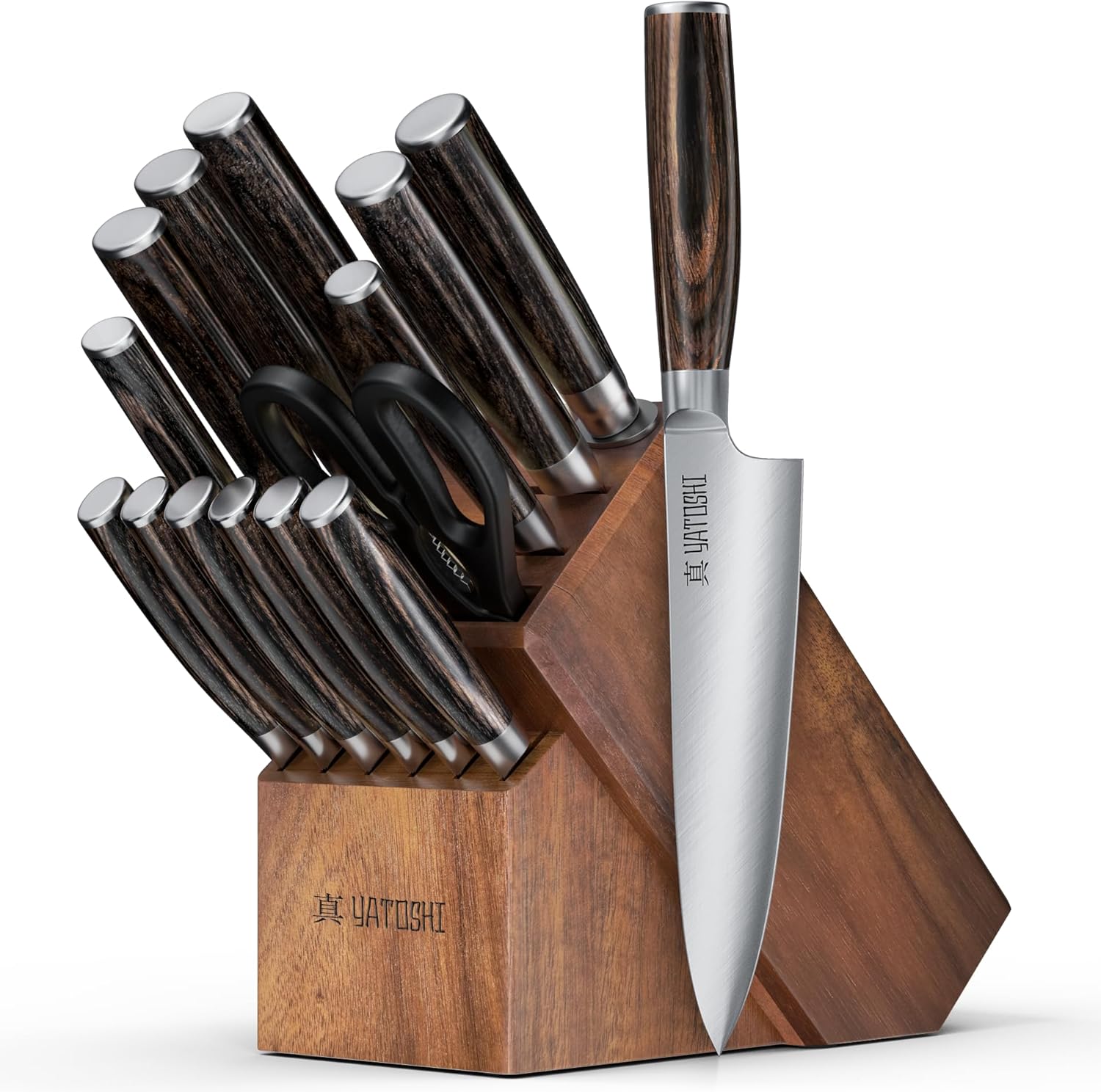
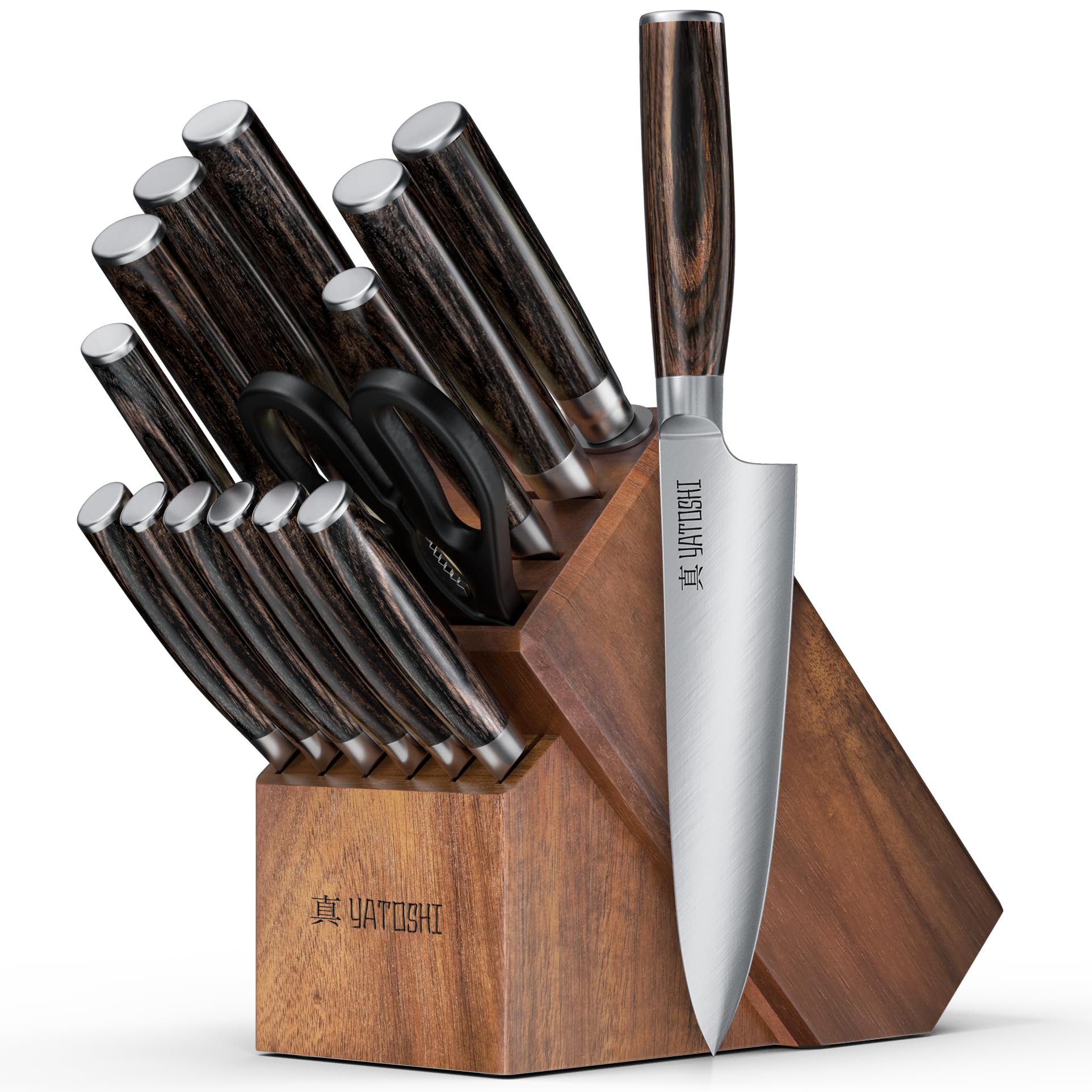
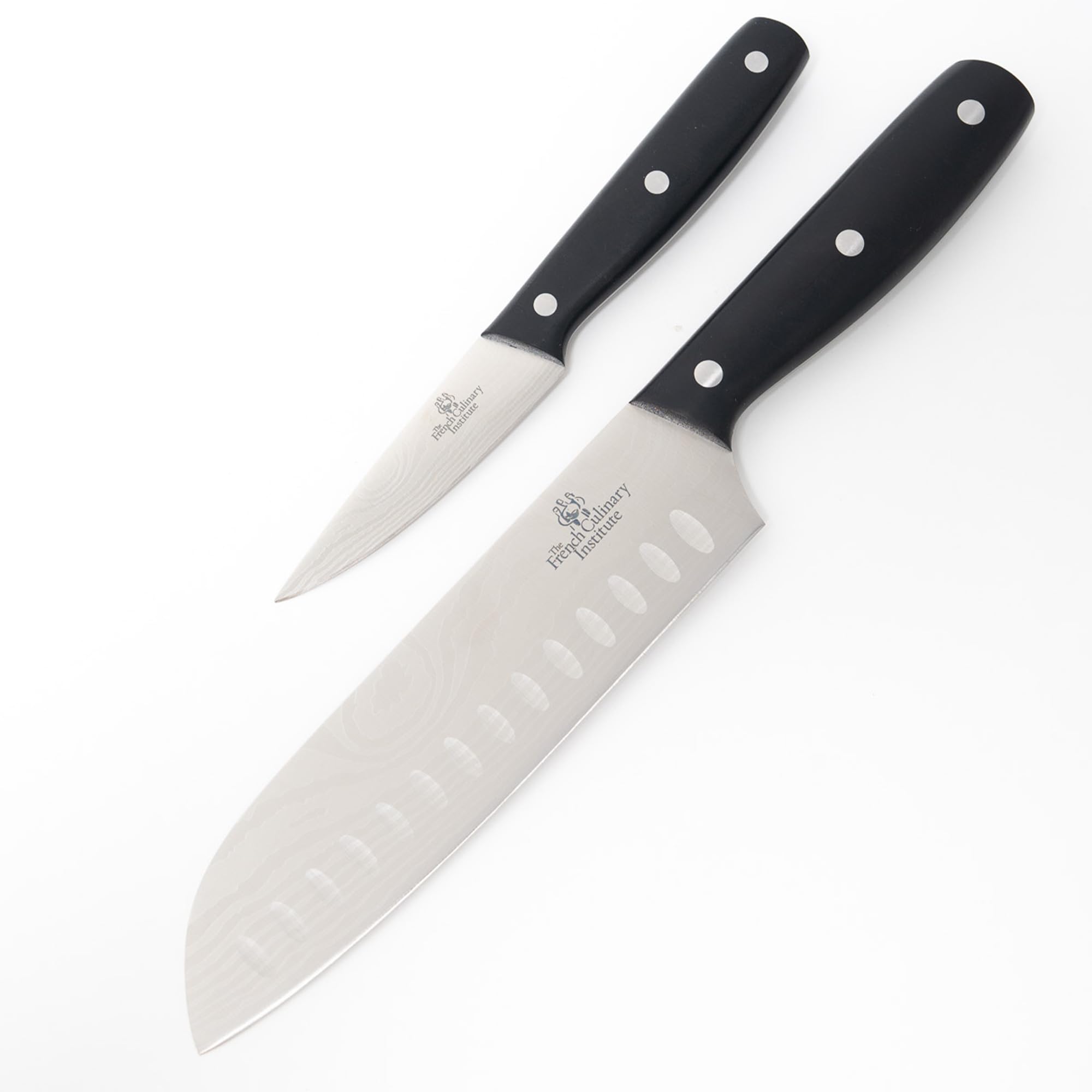
From this November 2025 BestReviews guide, you'll learn key features to evaluate, such as blade material, handle comfort, and set composition, plus budget breakdowns and pitfalls to avoid. We'll dive into specific products: the affordable French Culinary Institute Premium 3-Piece Knife Set with Blade Protectors (Blue Handle) at $14.99 for beginners; its upgraded Damascus counterpart (Black Handle) at $23.99; the compact French Culinary Institute Premium 2-Piece Damascus Knife Set (Black Handle) for $17.99; the stylish Pioneer Woman 14-Piece Knife Set with Wooden Block at $118.97 for family kitchens; and the luxurious Yatoshi 15-Piece Knife Set with Block at $299.99 for serious cooks. By the end, you'll confidently select a set that elevates your culinary game without buyer's remorse. (Word count: 278)
Selecting a kitchen knife set requires balancing functionality, durability, and your lifestyle. Whether you're outfitting a starter apartment or upgrading a professional setup, focus on sets that align with daily needs rather than overwhelming collections. Essential knives include a 8-inch chef's knife for all-purpose chopping, a 3-4 inch paring knife for detail work, and a serrated bread knife for crusty loaves. Larger sets add utility knives, boning knives, or shears, but avoid excess if storage is limited.
Blade Material and Construction: Opt for high-carbon stainless steel, which resists rust and holds a sharp edge longer than basic stainless. Damascus steel, with its layered pattern, offers enhanced strength and aesthetics but at a premium. For example, the Yatoshi set uses professional-grade high-carbon steel for superior cutting performance, while budget French Culinary Institute options stick to standard stainless for everyday reliability.
Handle Design and Ergonomics: Comfort is crucial for prolonged use. Pakkawood or ergonomic polymer handles, like those on the Yatoshi and Pioneer Woman sets, provide a secure grip even when wet. Look for full-tang construction (blade extending into the handle) for balance; the French Culinary Institute sets feature sturdy handles with blade protectors for safe storage.
Set Composition and Accessories: Count the pieces—2-3 for basics, 10+ for versatility. Blocks or magnetic strips organize and protect blades; the Pioneer Woman includes a wooden block with floral accents, while French Culinary sets come with individual protectors for drawer storage.
Sharpness and Edge Retention: Factory-sharpened blades should maintain acuity through 6-12 months of moderate use. High-carbon options in the Yatoshi excel here, outperforming softer steels in the budget French sets, which may dull faster but are easier to sharpen at home.
Weight and Balance: Lighter sets (under 2 lbs total) suit beginners to reduce fatigue; heavier ones (3+ lbs) offer control for pros. The Pioneer Woman's 14-piece set strikes a mid-weight balance, while the compact 2-piece French set is featherlight for precision tasks.
Warranty and Maintenance: Check for lifetime guarantees against defects. Most sets recommend hand-washing to preserve edges; dishwasher-safe claims often lead to quicker wear.
Aesthetics and Brand Reputation: Stylish handles, like the Pioneer Woman's gray floral pattern, add kitchen flair. Brands like French Culinary Institute emphasize value, while Yatoshi targets premium users.
Knife sets span $15 to $300, tiered by quality and scope. Entry-level ($15-25) like the French Culinary Institute 3-Piece ($14.99) or 2-Piece Damascus ($17.99) deliver 2-3 essentials with basic steel and protectors—perfect for infrequent cooks who want affordability over longevity. These provide sharp starts but may need honing every few months.
Mid-range ($100-150) options, such as the Pioneer Woman 14-Piece ($118.97), expand to full collections with blocks, high-carbon blades, and decorative elements. You get better balance, varied knife types (e.g., steak knives), and some edge retention, ideal for families or hobbyists cooking 3-5 times weekly. Value shines in versatility without breaking the bank.
Premium ($250+) like the Yatoshi 15-Piece ($299.99) feature pro-level materials, Pakkawood handles, and comprehensive blocks. These hold edges for a year-plus, resist corrosion in humid kitchens, and include specialized tools like cleavers. Best for daily users or enthusiasts, they justify the cost through durability—expect 5-10 years of service with proper care.
The sweet spot lies in mid-range sets around $100-120, where performance rivals premiums without the markup. The Pioneer Woman set exemplifies this: its high-carbon blades slice tomatoes cleanly like the pricier Yatoshi, but at a fraction of the cost, with added style for casual users. Budget sets like the French Culinary Institute 3-Piece Damascus ($23.99) punch above their weight for light tasks, offering Damascus edges that stay sharper than plain steel equivalents under $20. However, for heavy use, skimping leads to frequent replacements—premiums like Yatoshi deliver 2-3x the lifespan, amortizing to $0.50/use over time versus $0.10 for budgets that wear out yearly. Prioritize carbon content over piece count; a well-made 5-piece set outperforms a 15-piece bargain.
Overbuying Pieces: Grabbing a 20-piece set sounds comprehensive, but unused knives clutter drawers and dull from neglect. Stick to 5-10 essentials unless hosting often.
Ignoring Handle Comfort: Slick or unbalanced handles cause slips—test grip if possible, or choose textured options like Pakkawood over smooth plastic.
Dishwasher Abuse: Even "safe" sets corrode faster in machines; hand-wash to maintain edges, a lesson budget users learn the hard way.
Neglecting Sharpening Tools: Sets without built-in sharpeners require separate purchases—factor in $20-50 for a whetstone to avoid dull blades post-purchase.
Chasing Trends Over Function: Floral designs like Pioneer Woman's appeal visually, but ensure steel quality matches; cheap knockoffs mimic looks but fail in cuts.
Our top pick for budget buyers is the French Culinary Institute Premium 3-Piece Knife Set with Blade Protectors (Blue Handle) at $14.99—best for beginners or occasional cooks needing affordable basics without frills.
For mid-range value, the Pioneer Woman 14-Piece Knife Set with Wooden Block ($118.97) suits families and style-conscious hosts, offering versatile high-carbon tools and charming aesthetics.
The premium choice is the Yatoshi 15-Piece Knife Set with Block ($299.99), ideal for professional or avid home chefs demanding top-tier durability and precision. (Word count: 712)
High-carbon stainless steel contains more carbon (typically 0.5-1.5%) than standard stainless (under 0.5%), allowing it to achieve and retain a sharper edge longer—often 2-3 times the durability. This material, found in sets like the Yatoshi 15-Piece or Pioneer Woman 14-Piece, resists dulling during tough tasks like cutting through sinewy meat or fibrous vegetables, reducing the need for frequent sharpening. Regular stainless, as in the basic French Culinary Institute 3-Piece, is cheaper and rust-resistant but softens quicker, requiring honing every 1-2 months versus 6-12 for high-carbon. The downside? High-carbon can be prone to chipping if abused and demands hand-washing to prevent corrosion, but for most users, the performance boost justifies the upgrade, especially in mid-to-premium sets where balance and weight enhance control.
Proper care starts with hand-washing immediately after use using mild soap and a soft sponge—avoid dishwashers, which expose blades to harsh detergents and heat that accelerate dulling and pitting, even in "safe" sets like Pioneer Woman. Dry thoroughly to prevent water spots. Store with protectors (as in French Culinary sets) or in a block (Yatoshi) to avoid blade-on-blade contact. Hone weekly with a steel rod for light alignment, and sharpen every 3-6 months on a whetstone at 15-20 degree angles—many sets lack built-in tools, so budget $20 for one. Never cut on glass or marble; use wood or plastic boards. With this routine, budget sets last 1-2 years, mid-range 3-5, and premiums 5-10, maximizing your investment across the $15-300 range.
In affordable options like the French Culinary Institute 3-Piece Damascus ($23.99) or 2-Piece ($17.99), Damascus provides aesthetic appeal with its wavy pattern from folded layers, plus modest improvements in edge hardness (around 58-60 HRC) over plain stainless. They slice more precisely initially and resist minor corrosion better, making them worthwhile for the $5-10 premium if you value looks and slight durability gains—ideal for light users upgrading from basics. However, true Damascus in pro sets like Yatoshi (not these budgets) hits 60+ HRC for superior retention. For heavy prep, the cost-benefit fades; save for high-carbon instead. Overall, yes for style-focused buyers under $25, but skip if function trumps form.
Knife blocks, like the wooden one in the Pioneer Woman 14-Piece or Yatoshi 15-Piece, offer countertop organization with slots that protect blades and keep handles accessible, preventing dulling from drawer jostling—great for frequent access but bulky (8-12 inches wide) and prone to dust buildup. Blade protectors, included in all French Culinary Institute sets, are slim sheaths for individual knives, enabling drawer or travel storage without taking space—more portable and hygienic for small kitchens. Blocks add style and stability for larger collections, while protectors suit minimalists. Choose blocks for 10+ pieces to avoid chaos; protectors for 2-3 to save room. Both extend life, but blocks cost extra in the set price.
Large sets like Yatoshi's 15-piece or Pioneer Woman's 14-piece provide versatility—steak knives for guests, shears for herbs, boning for fish—reducing single-knife strain and covering 90% of tasks, best for families cooking daily or entertaining. They offer better



Compare key specs and features of all our recommendations side-by-side
| Product | Recommendation | Rating | Price |
|---|---|---|---|
 French Culinary Institute Premium 3-Piece Knife Set with Blade Protectors, Blue Handle Rank #1 | 🏆 Top Pick | — | |
French Culinary Institute Premium 3-Piece Damascus Knife Set with Blade Protectors, Black Handle Rank #2 | — | ||
 Yatoshi 15-Piece Knife Set with Block – Professional High Carbon Stainless Steel Blades and Pakkawood Handles Rank #3 | — | — | |
 Pioneer Woman 14-Piece Knife Set with Wooden Block, High Carbon Stainless Steel Blades, Floral Pattern, Gray with Decorative Handle, Premium Kitchen Cutlery Collection Rank #4 | — | — | |
 French Culinary Institute Premium 2-Piece Damascus Knife Set with Blade Protectors, Black Handle Rank #5 | 💰 Budget Pick | — |
